
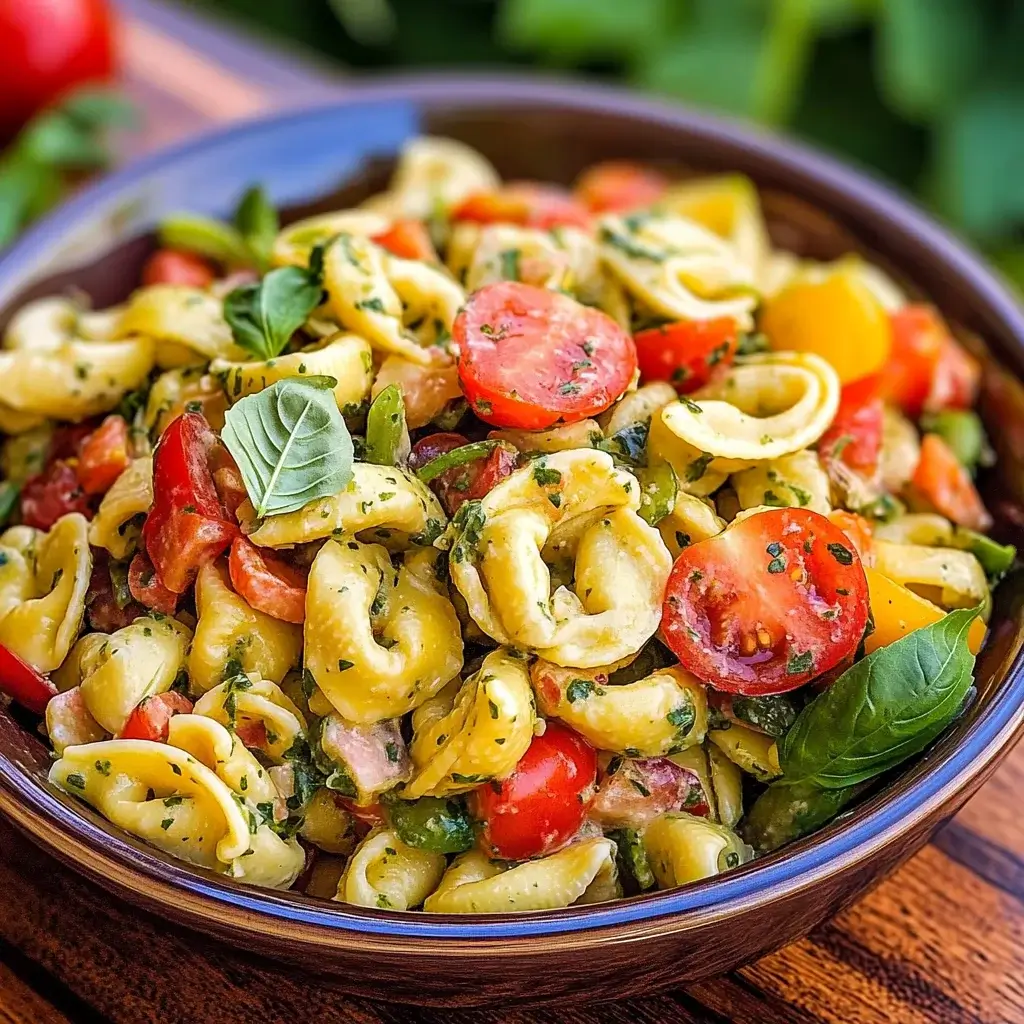

It was a balmy summer evening, the kind that practically begs for a light, refreshing dinner enjoyed outdoors. Our garden was bursting with color – tomatoes ripening on the vine, basil leaves fragrant in the breeze, and zucchini plants threatening to take over the entire plot. Inspired by this abundance, I decided to create a pasta salad, but not just any pasta salad. I envisioned something vibrant, flavorful, and bursting with garden goodness. That’s how Garden Fresh Tortellini Pasta Salad was born. The first bite was pure summer – the cheesy tortellini perfectly al dente, tossed with the sweetness of sun-ripened tomatoes, the peppery bite of fresh arugula, and the bright, herbaceous notes of basil and parsley. The light lemon vinaigrette tied it all together beautifully, creating a salad that was both satisfying and incredibly refreshing. My family, usually pasta salad skeptics, devoured it, proclaiming it the “taste of summer in a bowl.” This recipe has since become a summer staple in our house, a go-to for potlucks, barbecues, and any occasion that calls for a dish that is both easy to make and utterly delightful. Let me share this recipe with you, along with all the tips and tricks I’ve learned to make it the perfect garden-fresh pasta salad.
Ingredients
The magic of Garden Fresh Tortellini Pasta Salad lies in the harmonious blend of fresh, high-quality ingredients. Each component contributes to the salad’s vibrant flavors, delightful textures, and overall nutritional value. Let’s delve into each ingredient, exploring its role and offering suggestions for substitutions and customizations to make this salad uniquely yours.
- Cheese Tortellini (20 ounces, Refrigerated or Frozen): Tortellini forms the hearty and satisfying base of this pasta salad. You’ll need approximately 20 ounces of cheese tortellini, which is a standard package size. Choosing Your Tortellini:
- Refrigerated Tortellini: Refrigerated tortellini cooks quickly and provides a tender texture. Look for high-quality refrigerated tortellini for the best flavor.
- Frozen Tortellini: Frozen tortellini is often more budget-friendly and keeps well in the freezer. Thaw it slightly before cooking or cook directly from frozen, adding a few extra minutes to the cooking time.
- Cheese Filling: Classic cheese-filled tortellini is ideal for this salad, providing a mild and savory flavor that complements the fresh vegetables and vinaigrette. Ricotta and Parmesan fillings are common and delicious.
- Other Fillings (Optional): While cheese tortellini is traditional, you can experiment with other fillings like spinach and ricotta, mushroom, or even meat-filled tortellini for a different flavor profile. Consider the flavors of your fillings when choosing your vegetables and vinaigrette.
- Fresh vs. Dried Tortellini: Fresh tortellini (found in the refrigerated section) is generally preferred for its tender texture and delicate flavor. Dried tortellini can also be used, but it will have a firmer texture and may require longer cooking time.
- Garden Fresh Vegetables (Approximately 4-5 cups, Assorted): The “garden fresh” aspect is key to this salad’s vibrant flavor and nutritional value. Aim for a colorful assortment of fresh, seasonal vegetables, totaling about 4-5 cups. Excellent Vegetable Choices:
- Cherry or Grape Tomatoes (2 cups, Halved or Quartered): Tomatoes provide sweetness, acidity, and juicy bursts of flavor. Cherry or grape tomatoes are ideal for pasta salad because they are bite-sized and hold their shape well. Use ripe, flavorful tomatoes for the best taste.
- Cucumber (1 medium, Diced): Cucumber adds a refreshing coolness and crispness. English cucumbers or Persian cucumbers are less seedy and have thinner skins, making them great choices. Dice the cucumber into small, bite-sized pieces.
- Bell Pepper (1-2, Diced, Any Color): Bell peppers contribute sweetness, crunch, and vibrant color. Red, yellow, orange, or green bell peppers all work well. Dice them into small, uniform pieces.
- Red Onion (½ medium, Finely Diced or Thinly Sliced): Red onion adds a pungent bite and a touch of sweetness. Finely dice or thinly slice red onion for even distribution of flavor. If you prefer a milder onion flavor, soak the diced red onion in cold water for 10 minutes and drain before adding to the salad.
- Zucchini or Summer Squash (1 medium, Diced): Zucchini or summer squash adds a mild, slightly sweet flavor and a tender texture. Dice the squash into small, bite-sized pieces. You can use raw zucchini or lightly sauté or grill it for a different texture and flavor dimension.
- Arugula or Baby Spinach (2-3 cups, Packed): Leafy greens add freshness, a slightly peppery bite (arugula), or mildness (baby spinach), and boost the salad’s nutritional value. Arugula adds a lovely peppery contrast to the other vegetables. Baby spinach is milder and more subtle.
- Fresh Corn Kernels (1 cup, Cooked or Grilled): Fresh corn kernels, cut from the cob and cooked or grilled, add sweetness and a delightful pop of flavor and texture. Grilled corn kernels have a smoky sweetness that is particularly delicious.
- Asparagus (½ pound, Blanched and Chopped): Blanched and chopped asparagus adds a slightly grassy flavor and tender-crisp texture. Blanching asparagus briefly in boiling water then shocking it in ice water retains its vibrant green color and crisp-tender texture.
- Green Beans (½ pound, Blanched and Trimmed): Blanched and trimmed green beans provide a crisp-tender texture and a slightly grassy, fresh flavor. Similar to asparagus, blanching green beans helps retain their color and texture.
- Edamame (1 cup, Shelled and Cooked): Shelled edamame adds protein, a slightly nutty flavor, and a pleasant texture. You can use frozen edamame, thawed and cooked according to package directions.
- Fresh Herbs (½ – 1 cup, Chopped, Assorted): Fresh herbs are essential for infusing the salad with bright, aromatic flavors. Recommended Herbs:
- Fresh Basil (½ cup, Packed, Chopped): Basil adds a sweet, slightly peppery, and distinctly Italian flavor that is classic in pasta salads.
- Fresh Parsley (½ cup, Packed, Chopped): Parsley adds a fresh, clean, and slightly peppery flavor. Flat-leaf parsley (Italian parsley) is preferred for its stronger flavor.
- Fresh Chives (¼ cup, Chopped): Chives add a mild oniony flavor and delicate freshness.
- Fresh Oregano (2 tablespoons, Chopped): Oregano adds a slightly pungent, earthy, and warm flavor that complements Italian-style salads.
- Fresh Mint (Optional, 2 tablespoons, Chopped): For a slightly unexpected and refreshing twist, a small amount of fresh mint can be added, especially if using fruits in your salad or for a summer variation.
- Lemon Vinaigrette (Homemade or High-Quality Store-Bought): A bright and tangy lemon vinaigrette is the perfect dressing to tie all the ingredients together and enhance the garden-fresh flavors. Homemade Lemon Vinaigrette (Recommended):
- Extra Virgin Olive Oil (½ cup): High-quality extra virgin olive oil forms the base of the vinaigrette and contributes richness and flavor.
- Fresh Lemon Juice (¼ cup): Freshly squeezed lemon juice provides acidity, brightness, and a citrusy tang.
- Dijon Mustard (1 tablespoon): Dijon mustard adds emulsification and a subtle tangy depth.
- Honey or Maple Syrup (1 teaspoon, Optional): A touch of honey or maple syrup balances the acidity and adds a hint of sweetness.
- Garlic (1 clove, Minced): Minced garlic adds a pungent and savory note.
- Dried Oregano or Italian Seasoning (½ teaspoon): Dried herbs enhance the Italian-inspired flavor profile.
- Salt and Freshly Ground Black Pepper (To taste): Essential for seasoning and balancing the flavors. Season generously to taste.
- Optional Additions (For Extra Flavor and Texture):
- Kalamata Olives or Pitted Black Olives (½ cup, Halved): Olives add a briny, salty, and Mediterranean flavor. Kalamata olives are particularly flavorful.
- Sun-Dried Tomatoes (½ cup, Oil-Packed, Drained and Chopped): Sun-dried tomatoes add intense, chewy, and sweet-tart flavor. Oil-packed sun-dried tomatoes are more flavorful and tender.
- Artichoke Hearts (½ cup, Canned or Marinated, Drained and Quartered): Artichoke hearts add a slightly tangy, briny, and tender-chewy texture. Canned or marinated artichoke hearts both work well, drain them before adding.
- Roasted Red Peppers (½ cup, Jarred or Homemade, Drained and Chopped): Roasted red peppers add sweetness, smoky flavor, and a soft texture. Jarred roasted red peppers are convenient, or you can roast your own.
- Fresh Mozzarella Balls (Bocconcini or Ciliegine, ½ cup, Halved or Quartered): Fresh mozzarella balls add creamy, milky flavor and a soft, slightly chewy texture. Bocconcini (small) or Ciliegine (cherry-sized) mozzarella balls are ideal for pasta salad.
- Parmesan Cheese (Grated or Shaved, For Serving): Freshly grated or shaved Parmesan cheese adds salty, nutty, and savory flavor as a finishing touch.
By selecting fresh, high-quality ingredients and understanding their roles, you are setting the stage for a truly outstanding Garden Fresh Tortellini Pasta Salad. Don’t hesitate to experiment with different vegetable, herb, and optional additions to create your own personalized version!
Instructions
Creating Garden Fresh Tortellini Pasta Salad is a straightforward and satisfying process. Follow these step-by-step instructions to assemble a vibrant and flavorful salad that’s perfect for any occasion.
- Cook Tortellini According to Package Directions: Bring a large pot of salted water to a boil. Add the tortellini and cook according to package directions, or until al dente (tender but still slightly firm to the bite). Be careful not to overcook the tortellini, as it will become mushy in the salad. Drain the tortellini immediately in a colander.
- Rinse Tortellini with Cold Water (Optional but Recommended): Rinsing the cooked tortellini under cold water stops the cooking process and helps prevent it from sticking together. This is particularly helpful if you are not assembling the salad immediately. Drain well again after rinsing.
- Prepare Vegetables: While the tortellini is cooking, prepare your chosen vegetables. Wash all vegetables thoroughly.
- Tomatoes: Halve or quarter cherry or grape tomatoes.
- Cucumber: Dice cucumber into small, bite-sized pieces.
- Bell Pepper: Dice bell pepper into small, uniform pieces.
- Red Onion: Finely dice or thinly slice red onion (soak in cold water if desired).
- Zucchini/Summer Squash: Dice zucchini or summer squash (sauté or grill if desired).
- Arugula/Baby Spinach: Wash and dry arugula or baby spinach.
- Corn: Cut corn kernels from the cob and cook or grill if desired.
- Asparagus/Green Beans: Blanch asparagus or green beans, shock in ice water, and chop.
- Olives/Sun-Dried Tomatoes/Artichoke Hearts/Roasted Peppers: Prepare olives, sun-dried tomatoes, artichoke hearts, and roasted red peppers as needed (halve, chop, drain).
- Chop Fresh Herbs: Wash and dry your chosen fresh herbs. Finely chop basil, parsley, chives, oregano, and mint (if using).
- Make Lemon Vinaigrette: In a small bowl or jar, whisk together extra virgin olive oil, fresh lemon juice, Dijon mustard, honey or maple syrup (if using), minced garlic, dried oregano or Italian seasoning, salt, and freshly ground black pepper. Whisk or shake vigorously until the vinaigrette is emulsified and well combined. Taste and adjust seasonings as needed, adding more lemon juice for tanginess, salt for flavor, or honey for sweetness.
- Assemble Pasta Salad: In a large bowl, combine the cooked and drained tortellini, prepared vegetables, and chopped fresh herbs.
- Dress Salad with Vinaigrette: Pour the lemon vinaigrette over the tortellini and vegetable mixture. Toss gently but thoroughly to ensure all ingredients are evenly coated with the dressing. Start with about ¾ of the vinaigrette and add more to taste, as you may not need all of it.
- Add Optional Ingredients (If Desired): If using any optional additions like olives, sun-dried tomatoes, artichoke hearts, roasted red peppers, or fresh mozzarella balls, gently fold them into the salad.
- Season to Taste: Taste the pasta salad and adjust seasonings as needed. Add more salt, pepper, lemon juice, or herbs to taste. Remember that flavors will meld and deepen as the salad sits.
- Chill Before Serving (Recommended): For best flavor, cover the pasta salad and refrigerate for at least 30 minutes to 1 hour before serving to allow the flavors to meld and the salad to chill. Chilling also helps the tortellini firm up slightly and enhances the refreshing quality of the salad.
- Serve and Garnish: Serve the Garden Fresh Tortellini Pasta Salad chilled or at room temperature. Garnish with freshly grated or shaved Parmesan cheese, extra fresh herbs, or a drizzle of olive oil, if desired.
Congratulations! You have created a vibrant, flavorful, and refreshing Garden Fresh Tortellini Pasta Salad. Enjoy the taste of summer in every bite!
Nutrition Facts
Understanding the nutritional profile of Garden Fresh Tortellini Pasta Salad can help you appreciate its value as a balanced and wholesome dish. Please note that the nutrition facts are estimations and can vary depending on the specific ingredients used, particularly the type of tortellini, vegetables, and the amount of dressing. The following nutrition information is based on an estimated serving size of 1 ½ cups of salad made with cheese tortellini, a variety of vegetables as listed in the ingredients section, and a moderate amount of homemade lemon vinaigrette.
Serving Size: 1 ½ cups (approximately)
Approximate Calories per Serving: 350-450 calories (This can vary based on the amount of dressing and type of tortellini. Using less dressing and lower-calorie tortellini will reduce the calorie count.)
Macronutrients (Approximate Values per Serving):
- Protein: 15-20 grams (Primarily from tortellini and cheese filling)
- Fat: 20-25 grams (From olive oil in vinaigrette and cheese in tortellini. Using less dressing will reduce fat content.)
- Carbohydrates: 30-40 grams
- Fiber: 4-6 grams (From vegetables, contributes to satiety and digestive health)
- Sugars: 8-12 grams (Naturally occurring sugars from vegetables and lactose in cheese)
Micronutrients (Significant Vitamins and Minerals – Varies based on vegetables):
- Vitamin C: Vegetables like bell peppers and tomatoes are good sources of Vitamin C, an antioxidant that supports immune function and skin health.
- Vitamin A: Vegetables like bell peppers, tomatoes, and leafy greens contribute Vitamin A (as beta-carotene), important for vision, immune function, and cell growth.
- Vitamin K: Leafy greens like arugula and spinach are excellent sources of Vitamin K, crucial for blood clotting and bone health.
- Potassium: Vegetables like tomatoes, cucumbers, and leafy greens provide potassium, an electrolyte important for blood pressure regulation, nerve function, and muscle contractions.
- Folate (Vitamin B9): Leafy greens are sources of folate, important for cell growth and development.
- Antioxidants: Colorful vegetables like tomatoes, bell peppers, and leafy greens are rich in antioxidants, which help protect cells from damage and may reduce the risk of chronic diseases.
Health Benefits Highlighted:
- Good Source of Protein: Tortellini provides a good amount of protein, contributing to satiety and muscle maintenance.
- Rich in Vitamins and Minerals: Packed with vitamins and minerals from a variety of fresh vegetables, supporting overall health and well-being.
- Good Source of Fiber: Fiber from vegetables promotes digestive health, helps regulate blood sugar levels, and contributes to satiety.
- Healthy Fats: Olive oil in the vinaigrette provides healthy monounsaturated fats, beneficial for heart health.
- Antioxidant-Rich: The colorful vegetables are rich in antioxidants, protecting against cell damage.
- Satisfying and Flavorful: A balanced and flavorful meal that is both satisfying and enjoyable.
- Vegetarian-Friendly (Typically): Cheese tortellini pasta salad, when made without meat additions, is vegetarian-friendly.
Considerations and Ways to Make it Healthier:
- Fat Content: The fat content primarily comes from olive oil in the vinaigrette and cheese in the tortellini. To reduce fat, use less dressing, opt for lower-fat cheese tortellini (if available), or reduce the amount of cheese tortellini and increase the vegetables.
- Sodium Content: Cheese and processed olives can be high in sodium. Use low-sodium cheese tortellini if possible, and be mindful of the amount of added salt. Using fresh herbs and lemon juice helps enhance flavor without relying heavily on salt.
- Increase Vegetable Content: Load up on vegetables to boost the vitamin, mineral, and fiber content and reduce the calorie density of the salad.
- Whole Wheat Tortellini (If Available): If you can find whole wheat tortellini, it will offer a slightly higher fiber content compared to refined pasta tortellini.
- Portion Control: Be mindful of portion sizes. While nutritious, it is still a calorie-containing dish, especially with dressing and cheese.
By understanding the nutritional aspects of Garden Fresh Tortellini Pasta Salad, you can make informed choices about ingredient selection and portion sizes to align with your dietary needs and health goals. It’s a delicious and nutritious option for a balanced meal, especially during warmer months.
Preparation Time
Garden Fresh Tortellini Pasta Salad is wonderfully efficient in terms of preparation time, making it a great option for busy weeknights, potlucks, or any occasion where you need a delicious dish quickly.
Total Preparation Time: Approximately 30-40 minutes
Breakdown of Time:
- Active Prep Time (Hands-on): 20-25 minutes
- Cooking Tortellini: 10-12 minutes (including boiling water time)
- Vegetable Preparation (Washing and Chopping): 10-15 minutes
- Herb Chopping: 2-3 minutes
- Making Vinaigrette: 5 minutes
- Chilling Time (Recommended): 30 minutes to 1 hour (inactive time)
Active Time vs. Inactive Time:
- Active Time: Approximately 20-25 minutes of active hands-on time is required for cooking the tortellini, preparing vegetables, chopping herbs, and making the vinaigrette.
- Inactive Time: The chilling time (30 minutes to 1 hour) is inactive, allowing the flavors to meld and the salad to cool while you can attend to other tasks.
Make-Ahead Potential:
- Prepare Components Ahead: You can significantly reduce the day-of preparation time by preparing components in advance.
- Cook Tortellini Ahead: Cook the tortellini a day ahead, rinse with cold water, drain well, and store in an airtight container in the refrigerator.
- Chop Vegetables Ahead: Chop vegetables a day ahead and store them separately in airtight containers or resealable bags in the refrigerator. Some vegetables like tomatoes and cucumbers are best chopped closer to serving to maintain freshness. Heartier vegetables like bell peppers and onions can be pre-chopped.
- Make Vinaigrette Ahead: Lemon vinaigrette can be made several days in advance and stored in an airtight jar in the refrigerator. Whisk or shake well before using.
- Assemble Salad Ahead (Partially or Fully):
- Partial Assembly: You can combine the cooked tortellini and chopped vegetables (except for delicate greens like arugula or spinach) in a bowl and store them covered in the refrigerator for a few hours ahead of time. Add the dressing and fresh herbs closer to serving to maintain freshness.
- Full Assembly (Up to a few hours before serving): You can fully assemble the pasta salad, including dressing, up to a few hours before serving. The flavors will meld beautifully as it chills. However, delicate greens like arugula or spinach are best added closer to serving to prevent wilting.
Tips to Speed Up Preparation:
- Use Pre-Chopped Vegetables (If Available): Purchase pre-chopped vegetables from the grocery store, such as pre-chopped bell peppers, onions, or salad kits that include chopped vegetables.
- Use Pre-Minced Garlic: Use pre-minced garlic from a jar to save time on mincing garlic cloves.
- Use High-Quality Store-Bought Vinaigrette (If Desired): While homemade vinaigrette is recommended for best flavor, using a high-quality store-bought lemon vinaigrette can save time if you are in a rush.
The efficient preparation time, combined with the make-ahead options, makes Garden Fresh Tortellini Pasta Salad a truly convenient and delicious choice for any occasion, especially when you want a healthy and flavorful meal without spending hours in the kitchen.
How to Serve
Garden Fresh Tortellini Pasta Salad is incredibly versatile and can be served in numerous ways, making it perfect for various occasions, from casual lunches to elegant summer gatherings. Here are some serving suggestions to elevate your pasta salad experience:
Serving Styles:
- As a Main Course Salad: Serve generous portions as a satisfying and complete main course, especially for lunch or a light dinner. The protein from the tortellini and the abundance of vegetables make it a balanced and fulfilling meal.
- As a Side Dish: Serve smaller portions as a vibrant and refreshing side dish alongside grilled chicken, fish, steak, burgers, or vegetarian entrees. It complements a wide range of main courses, especially those with Mediterranean or Italian flavors.
- Buffet Style or Potluck Dish: Garden Fresh Tortellini Pasta Salad is ideal for buffets, potlucks, picnics, and barbecues. It travels well and can be made ahead of time, making it a convenient and crowd-pleasing dish for gatherings. Serve it in a large serving bowl and let guests help themselves.
- Individual Portions in Jars or Containers: For a more elegant presentation or for meal prepping lunches, portion the pasta salad into individual mason jars or containers. Layering the ingredients in jars can also be visually appealing.
- On a Bed of Greens: Serve the pasta salad on a bed of fresh greens like romaine lettuce, butter lettuce, or mixed greens for added freshness and visual appeal.
Garnishes and Toppings (Enhance Flavor and Presentation):
- Freshly Grated or Shaved Parmesan Cheese: A sprinkle of freshly grated or shaved Parmesan cheese adds salty, nutty, and savory flavor as a finishing touch.
- Fresh Herbs (Extra): Garnish with extra chopped fresh basil, parsley, or chives for added aroma and visual appeal.
- Lemon Wedges: Serve with lemon wedges on the side, allowing guests to add an extra squeeze of fresh lemon juice for brightness.
- Pine Nuts or Toasted Breadcrumbs: For added texture, sprinkle toasted pine nuts or seasoned breadcrumbs over the top of the salad.
- Drizzle of Balsamic Glaze: A light drizzle of balsamic glaze can add a touch of sweetness and tang, complementing the lemon vinaigrette.
- Crumbled Feta Cheese or Goat Cheese (Optional): For a different cheese flavor profile, consider crumbling feta cheese or goat cheese over the salad instead of or in addition to Parmesan.
Side Dishes to Complement:
- Crusty Bread or Focaccia: Serve with warm, crusty bread, baguette slices, or focaccia for dipping and soaking up the flavorful vinaigrette.
- Garlic Bread or Breadsticks: Garlic bread or breadsticks are classic Italian accompaniments that pair well with pasta salad.
- Grilled Vegetables: Grilled vegetables like asparagus, zucchini, or bell peppers complement the garden-fresh flavors of the salad and create a balanced meal.
- Caprese Salad: A Caprese salad (tomatoes, mozzarella, basil) shares similar flavors and makes a lovely side dish alongside the pasta salad.
- Fruit Salad: A light and refreshing fruit salad provides a sweet contrast and cleanses the palate after the savory pasta salad.
- Soup (For a Lighter Meal): For a lighter meal, pair a smaller portion of pasta salad with a light soup like minestrone or tomato soup.
Serving Occasions:
- Summer Lunches and Dinners: Perfect for warm-weather meals, picnics, barbecues, and outdoor gatherings.
- Potlucks and Picnics: A crowd-pleasing and portable dish ideal for potlucks and picnics.
- Brunch or Lunch Buffets: A vibrant and flavorful addition to brunch or lunch buffets.
- Weeknight Meals: Quick and easy to prepare, making it suitable for busy weeknight dinners.
- Holiday Gatherings: A refreshing and lighter option amidst heavier holiday fare.
Temperature to Serve:
- Chilled: Garden Fresh Tortellini Pasta Salad is best served chilled or cool for optimal refreshment and flavor.
- Room Temperature: It can also be enjoyed at room temperature, especially if it has been sitting out for a shorter period.
- Warm (Not Recommended): This salad is not typically served warm, as the fresh vegetables and vinaigrette are best enjoyed cold or cool.
By considering these serving suggestions, you can present your Garden Fresh Tortellini Pasta Salad in a variety of appealing ways, making it a star dish for any occasion.
Additional Tips
To ensure your Garden Fresh Tortellini Pasta Salad is consistently delicious and tailored to your preferences, here are five additional tips based on experience and best practices:
- Don’t Overcook the Tortellini: Overcooked tortellini will become mushy and lose its appealing texture in the salad. Cook the tortellini strictly according to package directions, aiming for al dente – tender but still slightly firm to the bite. Test for doneness a minute or two before the recommended cooking time. Rinsing with cold water also helps stop the cooking process and maintain the desired texture.
- Taste and Adjust Vinaigrette to Your Liking: The lemon vinaigrette is crucial for flavor. Taste it before dressing the salad and adjust it to your preference. If you prefer a tangier vinaigrette, add more lemon juice. For a sweeter vinaigrette, add a touch more honey or maple syrup. For a more savory vinaigrette, add more Dijon mustard or garlic. Don’t be afraid to customize it to your taste.
- Dress the Salad Gradually and Taste as You Go: Avoid dumping all the vinaigrette into the salad at once. Start with about ¾ of the vinaigrette and toss gently. Then, taste the salad and add more vinaigrette gradually until the salad is nicely coated but not swimming in dressing. You may not need all the vinaigrette, depending on your preference and the juiciness of your vegetables.
- Let the Salad Chill for Flavors to Meld: Chilling the pasta salad for at least 30 minutes to an hour before serving is highly recommended. Chilling allows the flavors of the vinaigrette, vegetables, and tortellini to meld and deepen, resulting in a more flavorful and cohesive salad. It also enhances the refreshing quality of the salad and allows the tortellini to firm up slightly.
- Add Delicate Greens and Herbs Just Before Serving: Delicate greens like arugula and baby spinach, and fresh herbs like basil and parsley, are best added to the salad just before serving, or within a few hours of serving. This prevents them from wilting and ensures they retain their fresh flavor and vibrant color. If making the salad ahead, hold back these ingredients and add them right before serving for the best quality.
By implementing these additional tips, you’ll be well-equipped to create consistently excellent and personalized Garden Fresh Tortellini Pasta Salad that is sure to be a hit every time you make it.
FAQ Section
To address common questions and provide further clarity about preparing and enjoying Garden Fresh Tortellini Pasta Salad, here is a Frequently Asked Questions (FAQ) section:
Q1: Can I make this pasta salad ahead of time?
A: Yes, Garden Fresh Tortellini Pasta Salad is a great make-ahead dish. You can prepare it fully, including dressing, up to a few hours before serving and store it chilled in the refrigerator. The flavors meld beautifully as it chills. For optimal freshness, add delicate greens like arugula or spinach and fresh herbs just before serving. It is not recommended to make it more than a day in advance as the vegetables may lose some of their crispness.
Q2: Can I use a different type of pasta instead of tortellini?
A: While tortellini is the star of this recipe, you can use other types of pasta if desired. Good substitutes include rotini, fusilli, penne, farfalle (bow-tie pasta), or shells. Choose a pasta shape that holds dressing well and has good texture. Keep in mind that using a different pasta will change the overall character of the salad slightly, but it can still be delicious. Adjust cooking time according to the pasta type.
Q3: Can I add protein to this pasta salad to make it a heartier meal?
A: Yes, you can easily add protein to make Garden Fresh Tortellini Pasta Salad a heartier meal. Great protein additions include:
* Grilled Chicken or Shrimp (sliced or diced)
* Canned Tuna or Salmon (flaked)
* Chickpeas or White Beans (canned, rinsed, and drained)
* Hard-Boiled Eggs (quartered or sliced)
* Grilled or Roasted Tofu or Tempeh (cubed)
Add your chosen protein to the salad when you assemble it, tossing it gently with the other ingredients and dressing.
Q4: Is Garden Fresh Tortellini Pasta Salad vegetarian?
A: Yes, Garden Fresh Tortellini Pasta Salad is typically vegetarian, assuming you use cheese tortellini and a vegetarian-friendly vinaigrette (ensure honey or maple syrup is used as sweetener if vegan). To ensure it is vegan, you would need to use vegan tortellini (if available) and substitute honey with maple syrup or another plant-based sweetener in the vinaigrette. Double-check ingredient labels to confirm vegetarian or vegan status.
Q5: How long does Garden Fresh Tortellini Pasta Salad last in the refrigerator?
A: Garden Fresh Tortellini Pasta Salad will last for 3-4 days in the refrigerator when stored in an airtight container. The quality is best within the first 2-3 days. The vegetables may soften slightly over time, and the dressing may be absorbed more by the pasta. It is important to keep the salad refrigerated to maintain food safety. Stir well before serving leftovers.
Print
Garden Fresh Tortellini Pasta Salad Recipe
Ingredients
- Cheese Tortellini (20 ounces, Refrigerated or Frozen): Tortellini forms the hearty and satisfying base of this pasta salad. You’ll need approximately 20 ounces of cheese tortellini, which is a standard package size. Choosing Your Tortellini:
- Refrigerated Tortellini: Refrigerated tortellini cooks quickly and provides a tender texture. Look for high-quality refrigerated tortellini for the best flavor.
- Frozen Tortellini: Frozen tortellini is often more budget-friendly and keeps well in the freezer. Thaw it slightly before cooking or cook directly from frozen, adding a few extra minutes to the cooking time.
- Cheese Filling: Classic cheese-filled tortellini is ideal for this salad, providing a mild and savory flavor that complements the fresh vegetables and vinaigrette. Ricotta and Parmesan fillings are common and delicious.
- Other Fillings (Optional): While cheese tortellini is traditional, you can experiment with other fillings like spinach and ricotta, mushroom, or even meat-filled tortellini for a different flavor profile. Consider the flavors of your fillings when choosing your vegetables and vinaigrette.
- Fresh vs. Dried Tortellini: Fresh tortellini (found in the refrigerated section) is generally preferred for its tender texture and delicate flavor. Dried tortellini can also be used, but it will have a firmer texture and may require longer cooking time.
- Garden Fresh Vegetables (Approximately 4-5 cups, Assorted): The “garden fresh” aspect is key to this salad’s vibrant flavor and nutritional value. Aim for a colorful assortment of fresh, seasonal vegetables, totaling about 4-5 cups. Excellent Vegetable Choices:
- Cherry or Grape Tomatoes (2 cups, Halved or Quartered): Tomatoes provide sweetness, acidity, and juicy bursts of flavor. Cherry or grape tomatoes are ideal for pasta salad because they are bite-sized and hold their shape well. Use ripe, flavorful tomatoes for the best taste.
- Cucumber (1 medium, Diced): Cucumber adds a refreshing coolness and crispness. English cucumbers or Persian cucumbers are less seedy and have thinner skins, making them great choices. Dice the cucumber into small, bite-sized pieces.
- Bell Pepper (1-2, Diced, Any Color): Bell peppers contribute sweetness, crunch, and vibrant color. Red, yellow, orange, or green bell peppers all work well. Dice them into small, uniform pieces.
- Red Onion (½ medium, Finely Diced or Thinly Sliced): Red onion adds a pungent bite and a touch of sweetness. Finely dice or thinly slice red onion for even distribution of flavor. If you prefer a milder onion flavor, soak the diced red onion in cold water for 10 minutes and drain before adding to the salad.
- Zucchini or Summer Squash (1 medium, Diced): Zucchini or summer squash adds a mild, slightly sweet flavor and a tender texture. Dice the squash into small, bite-sized pieces. You can use raw zucchini or lightly sauté or grill it for a different texture and flavor dimension.
- Arugula or Baby Spinach (2-3 cups, Packed): Leafy greens add freshness, a slightly peppery bite (arugula), or mildness (baby spinach), and boost the salad’s nutritional value. Arugula adds a lovely peppery contrast to the other vegetables. Baby spinach is milder and more subtle.
- Fresh Corn Kernels (1 cup, Cooked or Grilled): Fresh corn kernels, cut from the cob and cooked or grilled, add sweetness and a delightful pop of flavor and texture. Grilled corn kernels have a smoky sweetness that is particularly delicious.
- Asparagus (½ pound, Blanched and Chopped): Blanched and chopped asparagus adds a slightly grassy flavor and tender-crisp texture. Blanching asparagus briefly in boiling water then shocking it in ice water retains its vibrant green color and crisp-tender texture.
- Green Beans (½ pound, Blanched and Trimmed): Blanched and trimmed green beans provide a crisp-tender texture and a slightly grassy, fresh flavor. Similar to asparagus, blanching green beans helps retain their color and texture.
- Edamame (1 cup, Shelled and Cooked): Shelled edamame adds protein, a slightly nutty flavor, and a pleasant texture. You can use frozen edamame, thawed and cooked according to package directions.
- Fresh Herbs (½ – 1 cup, Chopped, Assorted): Fresh herbs are essential for infusing the salad with bright, aromatic flavors. Recommended Herbs:
- Fresh Basil (½ cup, Packed, Chopped): Basil adds a sweet, slightly peppery, and distinctly Italian flavor that is classic in pasta salads.
- Fresh Parsley (½ cup, Packed, Chopped): Parsley adds a fresh, clean, and slightly peppery flavor. Flat-leaf parsley (Italian parsley) is preferred for its stronger flavor.
- Fresh Chives (¼ cup, Chopped): Chives add a mild oniony flavor and delicate freshness.
- Fresh Oregano (2 tablespoons, Chopped): Oregano adds a slightly pungent, earthy, and warm flavor that complements Italian-style salads.
- Fresh Mint (Optional, 2 tablespoons, Chopped): For a slightly unexpected and refreshing twist, a small amount of fresh mint can be added, especially if using fruits in your salad or for a summer variation.
- Lemon Vinaigrette (Homemade or High-Quality Store-Bought): A bright and tangy lemon vinaigrette is the perfect dressing to tie all the ingredients together and enhance the garden-fresh flavors. Homemade Lemon Vinaigrette (Recommended):
- Extra Virgin Olive Oil (½ cup): High-quality extra virgin olive oil forms the base of the vinaigrette and contributes richness and flavor.
- Fresh Lemon Juice (¼ cup): Freshly squeezed lemon juice provides acidity, brightness, and a citrusy tang.
- Dijon Mustard (1 tablespoon): Dijon mustard adds emulsification and a subtle tangy depth.
- Honey or Maple Syrup (1 teaspoon, Optional): A touch of honey or maple syrup balances the acidity and adds a hint of sweetness.
- Garlic (1 clove, Minced): Minced garlic adds a pungent and savory note.
- Dried Oregano or Italian Seasoning (½ teaspoon): Dried herbs enhance the Italian-inspired flavor profile.
- Salt and Freshly Ground Black Pepper (To taste): Essential for seasoning and balancing the flavors. Season generously to taste.
- Optional Additions (For Extra Flavor and Texture):
- Kalamata Olives or Pitted Black Olives (½ cup, Halved): Olives add a briny, salty, and Mediterranean flavor. Kalamata olives are particularly flavorful.
- Sun-Dried Tomatoes (½ cup, Oil-Packed, Drained and Chopped): Sun-dried tomatoes add intense, chewy, and sweet-tart flavor. Oil-packed sun-dried tomatoes are more flavorful and tender.
- Artichoke Hearts (½ cup, Canned or Marinated, Drained and Quartered): Artichoke hearts add a slightly tangy, briny, and tender-chewy texture. Canned or marinated artichoke hearts both work well, drain them before adding.
- Roasted Red Peppers (½ cup, Jarred or Homemade, Drained and Chopped): Roasted red peppers add sweetness, smoky flavor, and a soft texture. Jarred roasted red peppers are convenient, or you can roast your own.
- Fresh Mozzarella Balls (Bocconcini or Ciliegine, ½ cup, Halved or Quartered): Fresh mozzarella balls add creamy, milky flavor and a soft, slightly chewy texture. Bocconcini (small) or Ciliegine (cherry-sized) mozzarella balls are ideal for pasta salad.
- Parmesan Cheese (Grated or Shaved, For Serving): Freshly grated or shaved Parmesan cheese adds salty, nutty, and savory flavor as a finishing touch.
Instructions
- Cook Tortellini According to Package Directions: Bring a large pot of salted water to a boil. Add the tortellini and cook according to package directions, or until al dente (tender but still slightly firm to the bite). Be careful not to overcook the tortellini, as it will become mushy in the salad. Drain the tortellini immediately in a colander.
- Rinse Tortellini with Cold Water (Optional but Recommended): Rinsing the cooked tortellini under cold water stops the cooking process and helps prevent it from sticking together. This is particularly helpful if you are not assembling the salad immediately. Drain well again after rinsing.
- Prepare Vegetables: While the tortellini is cooking, prepare your chosen vegetables. Wash all vegetables thoroughly.
- Tomatoes: Halve or quarter cherry or grape tomatoes.
- Cucumber: Dice cucumber into small, bite-sized pieces.
- Bell Pepper: Dice bell pepper into small, uniform pieces.
- Red Onion: Finely dice or thinly slice red onion (soak in cold water if desired).
- Zucchini/Summer Squash: Dice zucchini or summer squash (sauté or grill if desired).
- Arugula/Baby Spinach: Wash and dry arugula or baby spinach.
- Corn: Cut corn kernels from the cob and cook or grill if desired.
- Asparagus/Green Beans: Blanch asparagus or green beans, shock in ice water, and chop.
- Olives/Sun-Dried Tomatoes/Artichoke Hearts/Roasted Peppers: Prepare olives, sun-dried tomatoes, artichoke hearts, and roasted red peppers as needed (halve, chop, drain).
- Chop Fresh Herbs: Wash and dry your chosen fresh herbs. Finely chop basil, parsley, chives, oregano, and mint (if using).
- Make Lemon Vinaigrette: In a small bowl or jar, whisk together extra virgin olive oil, fresh lemon juice, Dijon mustard, honey or maple syrup (if using), minced garlic, dried oregano or Italian seasoning, salt, and freshly ground black pepper. Whisk or shake vigorously until the vinaigrette is emulsified and well combined. Taste and adjust seasonings as needed, adding more lemon juice for tanginess, salt for flavor, or honey for sweetness.
- Assemble Pasta Salad: In a large bowl, combine the cooked and drained tortellini, prepared vegetables, and chopped fresh herbs.
- Dress Salad with Vinaigrette: Pour the lemon vinaigrette over the tortellini and vegetable mixture. Toss gently but thoroughly to ensure all ingredients are evenly coated with the dressing. Start with about ¾ of the vinaigrette and add more to taste, as you may not need all of it.
- Add Optional Ingredients (If Desired): If using any optional additions like olives, sun-dried tomatoes, artichoke hearts, roasted red peppers, or fresh mozzarella balls, gently fold them into the salad.
- Season to Taste: Taste the pasta salad and adjust seasonings as needed. Add more salt, pepper, lemon juice, or herbs to taste. Remember that flavors will meld and deepen as the salad sits.
- Chill Before Serving (Recommended): For best flavor, cover the pasta salad and refrigerate for at least 30 minutes to 1 hour before serving to allow the flavors to meld and the salad to chill. Chilling also helps the tortellini firm up slightly and enhances the refreshing quality of the salad.
- Serve and Garnish: Serve the Garden Fresh Tortellini Pasta Salad chilled or at room temperature. Garnish with freshly grated or shaved Parmesan cheese, extra fresh herbs, or a drizzle of olive oil, if desired.
Nutrition
- Serving Size: one normal portion
- Calories: 350-450
- Sugar: 8-12 grams
- Fat: 20-25 grams
- Carbohydrates: 30-40 grams
- Fiber: 4-6 grams
- Protein: 15-20 grams