
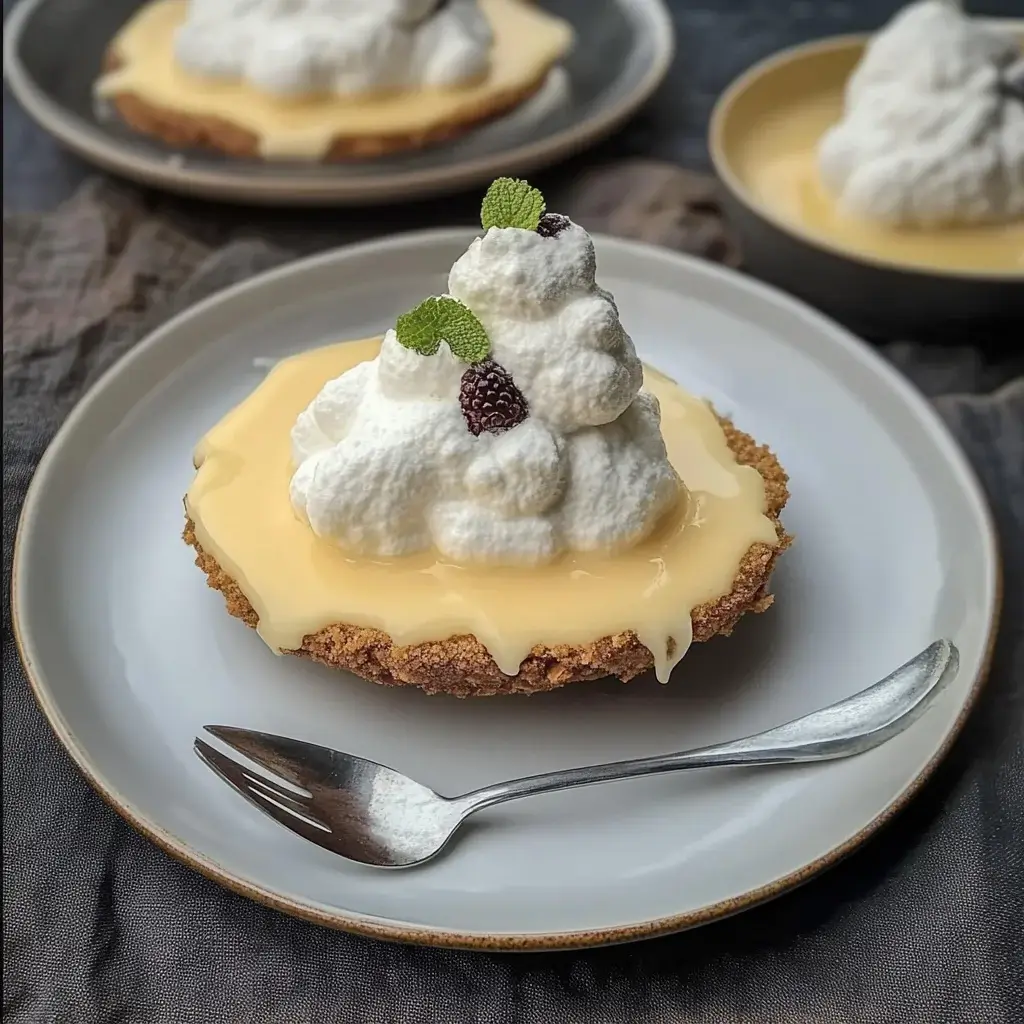
There are desserts, and then there are experiences. Floating Island, or Île Flottante as it’s known in its native France, falls firmly into the latter category. I first encountered this ethereal dessert not in a fancy Parisian pâtisserie, but in my grandmother’s slightly chaotic kitchen. She wasn’t French, but she had a deep appreciation for classic techniques and elegant results. I remember watching, mesmerized, as she transformed simple eggs, milk, and sugar into something that looked truly magical: soft, cloud-like meringues gently bobbing in a sea of pale yellow, velvety crème anglaise, all crowned with glistening threads of golden caramel. The contrast was captivating – the airy lightness of the meringue, the cool smoothness of the custard, the slight bitter crunch of the caramel. When I finally took a bite, it was pure bliss. It tasted delicate yet satisfying, simple yet profoundly sophisticated. Making it myself felt like unlocking a culinary secret. It takes patience, yes, but the result is so rewarding. Sharing it with my own family now brings back those warm memories, and seeing their eyes light up when I bring these beautiful islands to the table is just as magical as tasting it for the first time. It’s become our go-to dessert for special occasions when we want something truly memorable and utterly delicious.
Ingredients for Classic Floating Island Dessert (Île Flottante)
This recipe breaks down the ingredients into three core components: the Crème Anglaise (custard sauce), the Meringues (the “islands”), and the Caramel topping. Using high-quality ingredients, especially fresh eggs and good vanilla, will make a noticeable difference.
For the Crème Anglaise (Vanilla Custard Sauce):
- Whole Milk: 2 cups (480ml) – Full-fat milk provides the best flavor and texture.
- Heavy Cream: 1 cup (240ml) – Adds richness and velvety smoothness. You can substitute with more whole milk for a lighter sauce, but the texture won’t be quite as luxurious.
- Vanilla Bean: 1 whole bean, split lengthwise, seeds scraped (Alternatively, use 1.5 teaspoons of pure vanilla extract, added at the end). A vanilla bean imparts a deeper, more complex flavor.
- Large Egg Yolks: 6 (from large eggs) – These are crucial for thickening the custard and giving it its characteristic richness and color. Reserve the egg whites for the meringues.
- Granulated Sugar: 1/2 cup (100g) – Adjust slightly based on your sweetness preference.
- Pinch of Salt: Enhances the other flavors and balances the sweetness.
For the Meringues (The “Islands”):
- Large Egg Whites: 6 (reserved from the crème anglaise, at room temperature) – Room temperature whites whip up with more volume. Ensure absolutely no yolk contaminates them.
- Granulated Sugar: 3/4 cup (150g) – Provides sweetness and stability to the meringue structure.
- Cream of Tartar: 1/2 teaspoon (Optional, but recommended) – Helps stabilize the egg whites, making them less likely to weep or collapse.
- Pure Vanilla Extract: 1/2 teaspoon – Adds a subtle flavor complement to the custard.
- Milk (for poaching): 4 cups (approx. 1 liter) or enough to fill a wide pan about 1.5 inches deep. You can also use a mixture of milk and water.
For the Caramel:
- Granulated Sugar: 1 cup (200g)
- Water: 1/4 cup (60ml)
- Light Corn Syrup or Lemon Juice: 1 teaspoon (Optional) – Helps prevent crystallization for a smoother caramel.
Optional Garnish:
- Toasted Sliced Almonds
- Fresh Berries (Raspberries, Strawberries)
- Mint Sprigs
Step-by-Step Instructions: Crafting Your Île Flottante
Creating Floating Island involves several distinct steps. Work methodically, and don’t rush the delicate processes of making the custard and poaching the meringues.
Part 1: Make the Crème Anglaise (Vanilla Custard Sauce)
This sauce needs to chill completely, so it’s best to make it first.
- Infuse the Milk/Cream: In a medium, heavy-bottomed saucepan, combine the whole milk, heavy cream, and the split vanilla bean (both pod and scraped seeds). If using vanilla extract, wait to add it later.
- Heat Gently: Place the saucepan over medium-low heat. Bring the mixture just to a simmer – watch for small bubbles forming around the edge of the pan. Do not let it boil vigorously. Once simmering, remove from heat, cover the pan, and let the vanilla infuse for 15-20 minutes to develop a deep flavor.
- Prepare the Yolks: While the milk mixture is infusing, whisk the egg yolks, 1/2 cup (100g) granulated sugar, and the pinch of salt together in a medium bowl until pale yellow and slightly thickened. Whisking well at this stage helps prevent the yolks from scrambling later.
- Temper the Eggs: Remove the vanilla pod from the warm milk mixture (you can rinse it, dry it, and store it in sugar to make vanilla sugar later). Now, very slowly, pour about half a cup of the warm milk mixture into the egg yolk mixture while whisking constantly. This is called tempering – it gently raises the temperature of the yolks so they don’t cook immediately when added to the hot liquid.
- Combine Mixtures: Once the first addition is whisked in, continue to slowly pour the remaining warm milk mixture into the tempered yolk mixture, whisking continuously until fully combined.
- Cook the Custard: Pour the entire mixture back into the heavy-bottomed saucepan. Place it over low heat. Cook, stirring constantly and scraping the bottom and sides of the pan with a wooden spoon or heatproof spatula. This is the crucial stage – do not let the custard boil, or it will curdle. The temperature should ideally stay between 170°F and 180°F (77°C – 82°C).
- Check for Thickness: Continue cooking and stirring until the custard thickens enough to coat the back of the spoon (nappe consistency). You should be able to draw a clean line through the custard on the back of the spoon with your finger, and the line should hold. This typically takes 5-10 minutes, depending on your heat.
- Strain and Chill: Immediately remove the saucepan from the heat once thickened. Pour the crème anglaise through a fine-mesh sieve into a clean bowl. This removes any potential small bits of cooked egg or the vanilla pod fragments and ensures a silky smooth texture. If using vanilla extract instead of a bean, stir it in now.
- Cool Down: Place a piece of plastic wrap directly onto the surface of the custard (this prevents a skin from forming). Let it cool to room temperature, then refrigerate until completely chilled – at least 2-3 hours, or preferably overnight.
Part 2: Make the Meringues (The “Islands”)
Ensure your mixing bowl and whisk are impeccably clean and free of any grease, which can prevent the egg whites from whipping properly.
- Prepare Poaching Liquid: Pour the 4 cups of milk (or milk/water mixture) into a wide, deep skillet or sauté pan. The liquid should be about 1.5 inches deep. Heat over medium-low heat until it reaches a gentle simmer (around 180°F or 82°C). Do not let it boil.
- Whip the Egg Whites: In the clean bowl of a stand mixer fitted with the whisk attachment (or using a large bowl and electric hand mixer), beat the room temperature egg whites on medium-low speed until foamy.
- Add Stabilizer: Add the cream of tartar (if using) and continue beating until soft peaks form (the peaks droop when the whisk is lifted).
- Gradually Add Sugar: Increase the mixer speed to medium-high. Start adding the 3/4 cup (150g) granulated sugar very slowly, about a tablespoon at a time, while the mixer is running. Allow the sugar to incorporate fully before adding the next spoonful. This process helps dissolve the sugar and creates a stable, glossy meringue.
- Beat to Stiff Peaks: Continue beating until the meringue is thick, glossy, and holds stiff, upright peaks when the whisk is lifted. Be careful not to overbeat, which can cause the meringue to become dry and grainy. Gently fold in the 1/2 teaspoon of vanilla extract.
- Shape the Meringues: Using two large spoons, scoop generous quenelles (oval shapes) of the meringue mixture. Alternatively, use a large ice cream scoop for rounder shapes. Gently drop the meringue clouds onto the surface of the simmering milk. Don’t overcrowd the pan; work in batches if necessary.
- Poach Gently: Reduce the heat to low to maintain a very gentle simmer (no bubbling). Poach the meringues for about 2-4 minutes per side. Carefully flip them using a slotted spoon or spatula. They should puff up and feel slightly firm to a gentle touch but still be delicate. They will continue to firm up slightly as they cool.
- Drain and Cool: Using a slotted spoon, carefully lift the poached meringues out of the milk. Let any excess milk drip off. Place them on a wire rack set over a baking sheet lined with paper towels to cool completely. Repeat with the remaining meringue mixture. The poaching liquid can be strained and potentially reused in other recipes or discarded.
Part 3: Make the Caramel
Caramel can be tricky and requires your full attention. Be extremely careful as hot sugar can cause severe burns.
- Combine Ingredients: In a small, heavy-bottomed saucepan, combine the 1 cup (200g) granulated sugar, 1/4 cup (60ml) water, and the teaspoon of light corn syrup or lemon juice (if using). Stir gently just to combine – try not to splash sugar crystals onto the sides of the pan.
- Cook the Sugar: Place the saucepan over medium-high heat. Bring the mixture to a boil without stirring. If you see sugar crystals forming on the sides, use a wet pastry brush to gently wash them down into the syrup.
- Watch the Color: Let the syrup boil undisturbed. It will turn clear, then slowly start to color. Watch it very closely. Swirl the pan gently occasionally (do not stir) to ensure even cooking.
- Reach Amber Color: Continue cooking until the syrup turns a beautiful medium amber color. The exact color depends on preference – lighter caramel is sweeter, darker caramel has a more pronounced bitterness. This can happen quickly, so don’t walk away! It typically takes 5-8 minutes.
- Stop the Cooking: As soon as the desired color is reached, immediately remove the pan from the heat. You can dip the bottom of the pan into an ice bath for a few seconds to halt the cooking process instantly if needed, preventing it from getting too dark.
- Use Immediately (or Reheat): Caramel hardens quickly as it cools. It’s best used immediately for drizzling. If it hardens too much, you can gently reheat it over very low heat until liquid again, but be careful not to burn it.
Part 4: Assemble the Floating Islands
- Prepare Bowls: Choose shallow, wide bowls or coupe glasses for serving.
- Add Custard: Pour a generous pool of the well-chilled crème anglaise into the bottom of each bowl.
- Float the Island: Carefully place one or two cooled poached meringues on top of the crème anglaise in each bowl.
- Drizzle with Caramel: Using a fork or spoon, drizzle the warm caramel decoratively over the meringues and custard. You can create thin threads or a more generous lattice pattern. Work quickly before the caramel hardens.
- Garnish (Optional): Sprinkle with toasted sliced almonds for crunch, or add a few fresh berries or a mint sprig for color and freshness.
- Serve: Serve immediately to enjoy the contrast of textures and temperatures (cool custard, room temp/cool meringue, warmish/hardening caramel).
Nutritional Insights: A Light Indulgence
Floating Island is often perceived as a lighter dessert compared to richer cakes or pastries, primarily due to the airiness of the meringue.
- Servings: This recipe typically yields 6 servings.
- Calories per Serving (Approximate): Depending on the exact size of the meringues and the amount of custard and caramel used, each serving contains approximately 350-500 calories.
Disclaimer: Nutritional information is an estimate calculated using standard ingredients and typical serving sizes. Actual values may vary based on specific products, portion adjustments, and optional garnishes.
While it contains sugar and fat (from milk, cream, and yolks), it’s also a good source of protein from the eggs. The crème anglaise provides calcium from the milk. It’s an elegant indulgence best enjoyed in moderation as part of a balanced diet.
Timing Your Elegant Dessert
Planning is key for Floating Island, as different components require different timings and chilling.
- Crème Anglaise Preparation: 20-25 minutes active time + 15-20 minutes infusion time.
- Crème Anglaise Chilling: Minimum 2-3 hours, preferably longer (can be made 1-2 days ahead).
- Meringue Preparation & Poaching: 25-35 minutes (may need to work in batches).
- Caramel Preparation: 10-15 minutes (needs to be done just before serving).
- Assembly: 5-10 minutes.
- Total Active Time: Approximately 1 hour to 1 hour 15 minutes.
- Total Time (including minimum chilling): Approximately 3.5 – 4.5 hours (but significantly reduced if custard is made ahead).
The crème anglaise must be made ahead to allow for proper chilling. Meringues are best poached closer to serving time (within a few hours), though they can be stored carefully. Caramel must be made just before assembly.
Serving Suggestions: Presenting Your Floating Islands
The presentation of Île Flottante is part of its charm. Aim for elegance and highlight the contrasting elements.
- Serving Vessels:
- Shallow Bowls: Allow the meringue “island” to be showcased nicely within the “sea” of crème anglaise.
- Coupe Glasses: Offer a classic, elegant presentation, especially for individual servings.
- Wide Wine Glasses: Can also work beautifully for a modern look.
- Assembly Technique:
- Ensure a generous amount of chilled crème anglaise forms the base – enough for spoonfuls with every bite of meringue.
- Place the cooled meringue(s) gently on top; don’t submerge them fully.
- Drizzle the warm caramel directly over the meringue, letting it drip down onto the custard for visual appeal. Create delicate threads by flicking a fork dipped in caramel back and forth quickly, or make a more structured lattice.
- Temperature Contrast: Ideally, serve with very cold crème anglaise, cool or room temperature meringues, and freshly made, still slightly warm (or setting) caramel for the ultimate sensory experience.
- Garnish Wisely:
- Texture: Toasted sliced or slivered almonds are traditional and provide essential crunch against the soft elements.
- Color & Freshness: A few raspberries or thinly sliced strawberries add a pop of color and slight acidity. A single mint sprig offers freshness.
- Simplicity: Often, less is more. The simple combination of meringue, custard, and caramel is stunning on its own.
Pro Tips for Perfect Floating Islands
Achieve pâtisserie-level results with these key tips:
- Master the Crème Anglaise: The biggest risk is scrambling the eggs. Use low, gentle heat, stir constantly, scraping the bottom, and remove from heat as soon as it coats the spoon. If you have a thermometer, aim for 170-180°F (77-82°C). If it does curdle slightly, sometimes vigorous whisking off-heat or a quick blitz with an immersion blender immediately after straining can save it, but prevention is best. Always strain it.
- Achieve Stable Meringues: Use room temperature egg whites in a spotlessly clean, grease-free bowl. Add the sugar very gradually while beating continuously. Cream of tartar provides extra insurance against weeping or collapse. Don’t overbeat – stop when stiff, glossy peaks form.
- Gentle Poaching is Key: The poaching liquid (milk or milk/water) should be barely simmering, with just slight movement. Boiling liquid will cause the delicate meringues to disintegrate or become tough. Poach gently until just set – they should feel like soft marshmallows.
- Caramel Control: Use a heavy-bottomed saucepan for even heating. Avoid stirring once the sugar dissolves; swirl the pan instead. Watch the color like a hawk – it goes from perfect amber to burnt very quickly. Have everything ready for assembly as it needs to be drizzled while warm and liquid. If it hardens, reheat very gently.
- Strategic Make-Ahead: Crème anglaise must be made ahead (up to 2 days) and kept chilled with plastic wrap directly on the surface. Meringues can be poached a few hours ahead and kept loosely covered at room temperature (or refrigerated, but they might weep slightly). Caramel must be made fresh just before serving for the best texture and drizzling consistency. Assemble right before serving.
Floating Island FAQs: Your Questions Answered
Here are answers to some frequently asked questions about making this classic dessert:
- Q: What is the difference between Floating Island (Île Flottante) and Oeufs à la Neige (Eggs in Snow)?
- A: The terms are often used interchangeably, and the core concept is very similar. Traditionally, Île Flottante might refer to a single, larger meringue (sometimes baked) served on crème anglaise, often coated entirely in caramel or garnished with almonds, resembling an island. Oeufs à la Neige typically refers to smaller, individual poached meringue quenelles served on the custard, resembling snowballs. However, in modern usage, especially outside France, “Floating Island” commonly refers to the individual poached meringue version described in this recipe.
- Q: Can I make Floating Island ahead of time?
- A: Components can be made ahead, but final assembly should be just before serving. The Crème Anglaise is best made 1-2 days in advance and kept well-chilled. The meringues can be poached several hours ahead and stored carefully (loosely covered at room temp or refrigerated, though chilling can sometimes make them weep slightly). The caramel must be made fresh just before drizzling. Assembling too early causes the meringue to absorb moisture and the caramel to either dissolve or become hard and sticky.
- Q: My crème anglaise curdled! Can I fix it?
- A: If it’s only slightly grainy, immediately remove it from the heat, place the pan bottom in an ice bath, and whisk vigorously. Straining through a fine-mesh sieve is essential. Sometimes, a quick blitz with an immersion blender can smooth out minor curdling. However, if it’s heavily scrambled (looks like sweet scrambled eggs), it’s unfortunately difficult to fully salvage the texture, although the flavor might still be usable in other applications where texture is less critical. Prevention (low heat, constant stirring, tempering) is the best approach.
- Q: Can I bake the meringues instead of poaching them?
- A: Yes, baking is another common method. To bake, pipe or spoon the meringue onto a parchment-lined baking sheet. Bake in a low oven (around 225-250°F or 110-120°C) for about 1-2 hours, depending on size, until they are crisp on the outside and dry but still slightly soft inside. Baked meringues offer a different texture (crispier exterior) compared to the soft, pillowy texture of poached ones. This is closer to some traditional interpretations of a single large “Île Flottante”.
- Q: How should I store leftover Floating Island?
- A: Floating Island is best enjoyed fresh after assembly. Leftovers don’t store well as a combined dessert. The meringue will absorb moisture from the custard and become soggy, and the caramel will likely dissolve or become unpleasantly sticky. If you have leftover components separately, store the chilled crème anglaise covered in the fridge for up to 3 days. Store leftover cooled poached meringues loosely covered (some weeping may occur) for maybe a day. Leftover hardened caramel can sometimes be gently reheated, but it’s often best discarded. It’s recommended to only assemble as many servings as you plan to eat immediately.
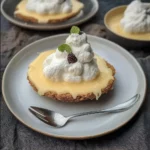
Floating Island Dessert recipe
Ingredients
- Whole Milk: 2 cups (480ml) – Full-fat milk provides the best flavor and texture.
- Heavy Cream: 1 cup (240ml) – Adds richness and velvety smoothness. You can substitute with more whole milk for a lighter sauce, but the texture won’t be quite as luxurious.
- Vanilla Bean: 1 whole bean, split lengthwise, seeds scraped (Alternatively, use 1.5 teaspoons of pure vanilla extract, added at the end). A vanilla bean imparts a deeper, more complex flavor.
- Large Egg Yolks: 6 (from large eggs) – These are crucial for thickening the custard and giving it its characteristic richness and color. Reserve the egg whites for the meringues.
- Granulated Sugar: 1/2 cup (100g) – Adjust slightly based on your sweetness preference.
- Pinch of Salt: Enhances the other flavors and balances the sweetness.
For the Meringues (The “Islands”):
- Large Egg Whites: 6 (reserved from the crème anglaise, at room temperature) – Room temperature whites whip up with more volume. Ensure absolutely no yolk contaminates them.
- Granulated Sugar: 3/4 cup (150g) – Provides sweetness and stability to the meringue structure.
- Cream of Tartar: 1/2 teaspoon (Optional, but recommended) – Helps stabilize the egg whites, making them less likely to weep or collapse.
- Pure Vanilla Extract: 1/2 teaspoon – Adds a subtle flavor complement to the custard.
- Milk (for poaching): 4 cups (approx. 1 liter) or enough to fill a wide pan about 1.5 inches deep. You can also use a mixture of milk and water.
For the Caramel:
- Granulated Sugar: 1 cup (200g)
- Water: 1/4 cup (60ml)
- Light Corn Syrup or Lemon Juice: 1 teaspoon (Optional) – Helps prevent crystallization for a smoother caramel.
Optional Garnish:
- Toasted Sliced Almonds
- Fresh Berries (Raspberries, Strawberries)
- Mint Sprigs
Instructions
Part 1: Make the Crème Anglaise (Vanilla Custard Sauce)
This sauce needs to chill completely, so it’s best to make it first.
- Infuse the Milk/Cream: In a medium, heavy-bottomed saucepan, combine the whole milk, heavy cream, and the split vanilla bean (both pod and scraped seeds). If using vanilla extract, wait to add it later.
- Heat Gently: Place the saucepan over medium-low heat. Bring the mixture just to a simmer – watch for small bubbles forming around the edge of the pan. Do not let it boil vigorously. Once simmering, remove from heat, cover the pan, and let the vanilla infuse for 15-20 minutes to develop a deep flavor.
- Prepare the Yolks: While the milk mixture is infusing, whisk the egg yolks, 1/2 cup (100g) granulated sugar, and the pinch of salt together in a medium bowl until pale yellow and slightly thickened. Whisking well at this stage helps prevent the yolks from scrambling later.
- Temper the Eggs: Remove the vanilla pod from the warm milk mixture (you can rinse it, dry it, and store it in sugar to make vanilla sugar later). Now, very slowly, pour about half a cup of the warm milk mixture into the egg yolk mixture while whisking constantly. This is called tempering – it gently raises the temperature of the yolks so they don’t cook immediately when added to the hot liquid.
- Combine Mixtures: Once the first addition is whisked in, continue to slowly pour the remaining warm milk mixture into the tempered yolk mixture, whisking continuously until fully combined.
- Cook the Custard: Pour the entire mixture back into the heavy-bottomed saucepan. Place it over low heat. Cook, stirring constantly and scraping the bottom and sides of the pan with a wooden spoon or heatproof spatula. This is the crucial stage – do not let the custard boil, or it will curdle. The temperature should ideally stay between 170°F and 180°F (77°C – 82°C).
- Check for Thickness: Continue cooking and stirring until the custard thickens enough to coat the back of the spoon (nappe consistency). You should be able to draw a clean line through the custard on the back of the spoon with your finger, and the line should hold. This typically takes 5-10 minutes, depending on your heat.
- Strain and Chill: Immediately remove the saucepan from the heat once thickened. Pour the crème anglaise through a fine-mesh sieve into a clean bowl. This removes any potential small bits of cooked egg or the vanilla pod fragments and ensures a silky smooth texture. If using vanilla extract instead of a bean, stir it in now.
- Cool Down: Place a piece of plastic wrap directly onto the surface of the custard (this prevents a skin from forming). Let it cool to room temperature, then refrigerate until completely chilled – at least 2-3 hours, or preferably overnight.
Part 2: Make the Meringues (The “Islands”)
Ensure your mixing bowl and whisk are impeccably clean and free of any grease, which can prevent the egg whites from whipping properly.
- Prepare Poaching Liquid: Pour the 4 cups of milk (or milk/water mixture) into a wide, deep skillet or sauté pan. The liquid should be about 1.5 inches deep. Heat over medium-low heat until it reaches a gentle simmer (around 180°F or 82°C). Do not let it boil.
- Whip the Egg Whites: In the clean bowl of a stand mixer fitted with the whisk attachment (or using a large bowl and electric hand mixer), beat the room temperature egg whites on medium-low speed until foamy.
- Add Stabilizer: Add the cream of tartar (if using) and continue beating until soft peaks form (the peaks droop when the whisk is lifted).
- Gradually Add Sugar: Increase the mixer speed to medium-high. Start adding the 3/4 cup (150g) granulated sugar very slowly, about a tablespoon at a time, while the mixer is running. Allow the sugar to incorporate fully before adding the next spoonful. This process helps dissolve the sugar and creates a stable, glossy meringue.
- Beat to Stiff Peaks: Continue beating until the meringue is thick, glossy, and holds stiff, upright peaks when the whisk is lifted. Be careful not to overbeat, which can cause the meringue to become dry and grainy. Gently fold in the 1/2 teaspoon of vanilla extract.
- Shape the Meringues: Using two large spoons, scoop generous quenelles (oval shapes) of the meringue mixture. Alternatively, use a large ice cream scoop for rounder shapes. Gently drop the meringue clouds onto the surface of the simmering milk. Don’t overcrowd the pan; work in batches if necessary.
- Poach Gently: Reduce the heat to low to maintain a very gentle simmer (no bubbling). Poach the meringues for about 2-4 minutes per side. Carefully flip them using a slotted spoon or spatula. They should puff up and feel slightly firm to a gentle touch but still be delicate. They will continue to firm up slightly as they cool.
- Drain and Cool: Using a slotted spoon, carefully lift the poached meringues out of the milk. Let any excess milk drip off. Place them on a wire rack set over a baking sheet lined with paper towels to cool completely. Repeat with the remaining meringue mixture. The poaching liquid can be strained and potentially reused in other recipes or discarded.
Part 3: Make the Caramel
Caramel can be tricky and requires your full attention. Be extremely careful as hot sugar can cause severe burns.
- Combine Ingredients: In a small, heavy-bottomed saucepan, combine the 1 cup (200g) granulated sugar, 1/4 cup (60ml) water, and the teaspoon of light corn syrup or lemon juice (if using). Stir gently just to combine – try not to splash sugar crystals onto the sides of the pan.
- Cook the Sugar: Place the saucepan over medium-high heat. Bring the mixture to a boil without stirring. If you see sugar crystals forming on the sides, use a wet pastry brush to gently wash them down into the syrup.
- Watch the Color: Let the syrup boil undisturbed. It will turn clear, then slowly start to color. Watch it very closely. Swirl the pan gently occasionally (do not stir) to ensure even cooking.
- Reach Amber Color: Continue cooking until the syrup turns a beautiful medium amber color. The exact color depends on preference – lighter caramel is sweeter, darker caramel has a more pronounced bitterness. This can happen quickly, so don’t walk away! It typically takes 5-8 minutes.
- Stop the Cooking: As soon as the desired color is reached, immediately remove the pan from the heat. You can dip the bottom of the pan into an ice bath for a few seconds to halt the cooking process instantly if needed, preventing it from getting too dark.
- Use Immediately (or Reheat): Caramel hardens quickly as it cools. It’s best used immediately for drizzling. If it hardens too much, you can gently reheat it over very low heat until liquid again, but be careful not to burn it.
Part 4: Assemble the Floating Islands
- Prepare Bowls: Choose shallow, wide bowls or coupe glasses for serving.
- Add Custard: Pour a generous pool of the well-chilled crème anglaise into the bottom of each bowl.
- Float the Island: Carefully place one or two cooled poached meringues on top of the crème anglaise in each bowl.
- Drizzle with Caramel: Using a fork or spoon, drizzle the warm caramel decoratively over the meringues and custard. You can create thin threads or a more generous lattice pattern. Work quickly before the caramel hardens.
- Garnish (Optional): Sprinkle with toasted sliced almonds for crunch, or add a few fresh berries or a mint sprig for color and freshness.
- Serve: Serve immediately to enjoy the contrast of textures and temperatures (cool custard, room temp/cool meringue, warmish/hardening caramel).
Nutrition
- Serving Size: one normal portion
- Calories: 350-500