
There are certain foods that transport you. For me, falafel is one of them. I’ll never forget my first truly great falafel experience. It wasn’t from a fancy restaurant, but a bustling, no-frills street cart in a city I was visiting. The sound of the golden balls sizzling in the hot oil, the fragrant steam hitting my face as the vendor broke one open to show me the vibrant green, fluffy interior—it was pure magic. For years after, I chased that experience, often ending in disappointment with falafel that were either dry and crumbly or dense and pasty. I was convinced that perfect, crispy-on-the-outside, light-and-herbaceous-on-the-inside falafel was a secret art form. That is, until I committed to cracking the code myself. After countless batches, tweaks, and one very important discovery (it’s all about the chickpeas!), I finally did it. This recipe is the culmination of that quest. When I make these at home now, the aroma alone brings the whole family to the kitchen. My kids, who are suspicious of most green foods, devour these by the handful, dipping them in the creamy, tangy tahini sauce. This isn’t just a recipe; it’s the secret to unlocking falafel perfection in your own home.
The Ultimate Crispy Falafel: A Step-by-Step Guide
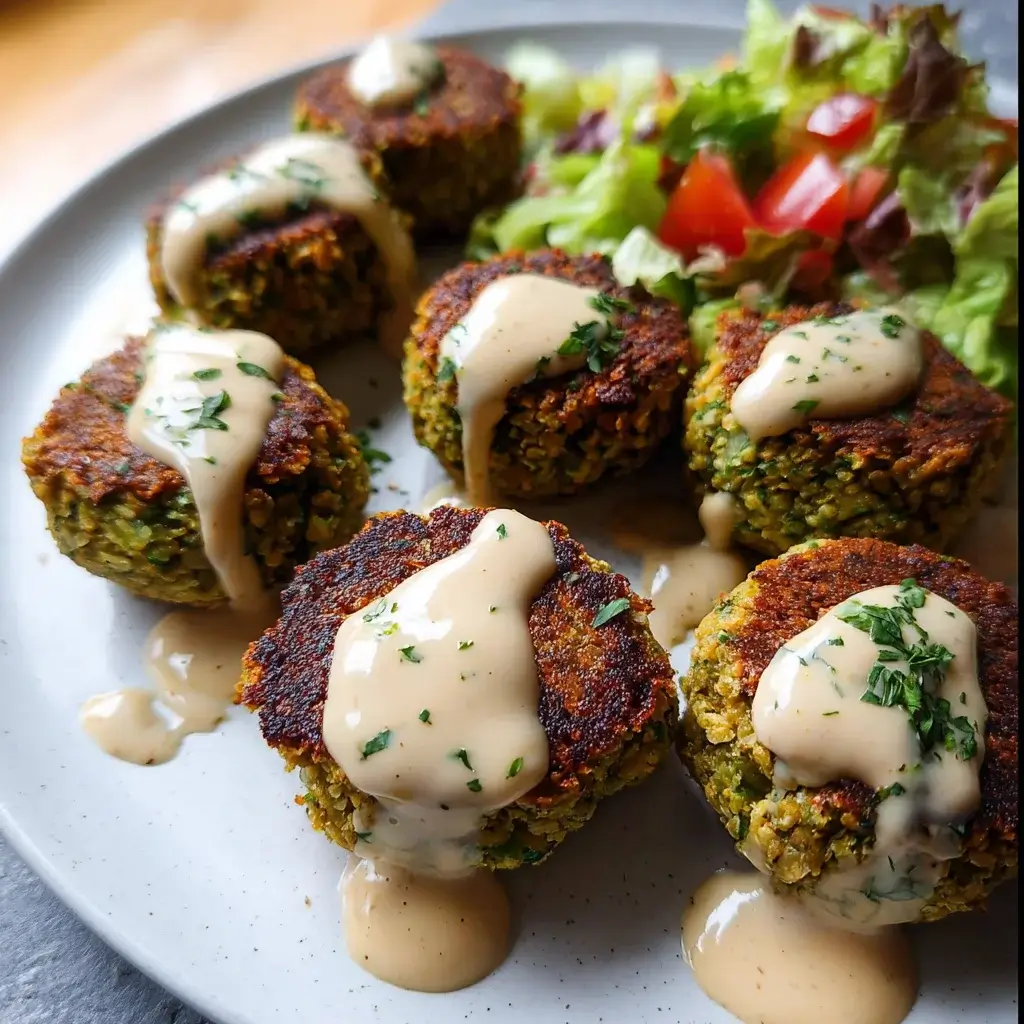
This recipe is dedicated to achieving the two most important characteristics of world-class falafel: a deeply crunchy exterior and a light, fluffy, and vibrantly green interior. We achieve this through a few non-negotiable techniques that transform simple ingredients into something truly special. The accompanying tahini sauce is the perfect creamy, nutty, and tangy counterpoint, completing the authentic experience.
Gather Your Ingredients: The Foundation of Flavor
A masterpiece is only as good as its components. Here, fresh herbs and, most importantly, the right kind of chickpeas are the keys to success.
For the Perfect Falafel (Yields approx. 20-24 falafel)
- 1 cup (approx. 200g) Dried Chickpeas: This is the single most important ingredient. You absolutely must start with dried chickpeas that have been soaked. Canned chickpeas are pre-cooked and waterlogged; they will turn your mixture into a mushy paste and your falafel will disintegrate in the fryer.
- 1/2 large Yellow Onion, roughly chopped: Provides a sweet, aromatic base.
- 4-6 cloves Garlic, peeled: Lends a pungent, savory depth. Don’t be shy here.
- 1 cup packed Fresh Parsley (flat-leaf is best): This is essential for the classic flavor and the beautiful green interior. Use mostly leaves, but some tender stems are fine.
- 1 cup packed Fresh Cilantro: Works in harmony with the parsley to create that signature, fresh, herbaceous flavor.
- 1 teaspoon Ground Cumin: Adds a warm, earthy, and slightly smoky flavor that is central to Middle Eastern cuisine.
- 1 teaspoon Ground Coriander: Provides a bright, citrusy, and floral note.
- 1 teaspoon Salt (or to taste): Crucial for bringing all the flavors together.
- 1/2 teaspoon Black Pepper: For a touch of gentle heat.
- 1/4 teaspoon Cayenne Pepper or Red Pepper Flakes (optional): For those who like a subtle background kick.
- 1 teaspoon Baking Powder: This is our secret weapon for a light, fluffy interior. The baking powder reacts with the hot oil, creating tiny air pockets that prevent the falafel from becoming dense.
- 4-6 cups High-Smoke-Point Oil for frying (like Canola, Vegetable, Peanut, or Avocado Oil): You need enough oil for the falafel to be at least halfway submerged for even cooking.
For the Creamy Tahini Sauce
- 1/2 cup Tahini (Sesame Paste): The star of the sauce. Look for a good quality, runny tahini. The only ingredients should be sesame seeds (and maybe salt).
- 1/2 cup cool Water (you may need more or less): This is used to thin the tahini to the perfect sauce consistency.
- 1/4 cup Fresh Lemon Juice: Provides the essential brightness and tang to cut through the richness of the tahini.
- 1-2 cloves Garlic, minced or grated: Adds a sharp, savory bite. Start with one clove if you’re sensitive to raw garlic.
- 1/2 teaspoon Salt (or to taste): Balances the flavors.
- 2 tablespoons Fresh Parsley, finely chopped (optional): For a touch of color and freshness.
Step-by-Step Instructions: Your Path to Falafel Perfection
Patience is a virtue in falafel making. The soaking and chilling steps are essential, so plan ahead!
Part 1: Preparing the Falafel Mixture (The Day Before)
Step 1: Soak the Chickpeas
Place your 1 cup of dried chickpeas in a large bowl. Cover them with at least 3-4 inches of cool water. The chickpeas will triple in size, so it’s crucial to use a large enough bowl and plenty of water. Let them soak on your counter for at least 18 hours, and up to 24 hours. They should be firm but you should be able to break one in half with your fingernail. Again, do not boil or cook the chickpeas. Drain them thoroughly and pat them dry.
Step 2: Process the Ingredients
In the bowl of a food processor, combine the soaked and drained chickpeas, chopped onion, garlic cloves, parsley, cilantro, ground cumin, ground coriander, salt, black pepper, and optional cayenne pepper.
Step 3: Achieve the Right Texture
Pulse the mixture in short bursts. Scrape down the sides of the bowl frequently. You are aiming for a texture that resembles coarse sand or couscous. It should hold together when you squeeze a small amount in your hand, but it should not be a smooth paste. Over-processing will lead to dense, gummy falafel. This step might take 30-45 seconds of total pulsing time.
Step 4: Chill the Mixture
Transfer the falafel mixture to a bowl, cover it tightly with plastic wrap, and refrigerate for at least 1 hour, or up to 24 hours. This chilling step is critical. It allows the flavors to meld and, more importantly, helps the mixture firm up, which makes the falafel easier to shape and prevents them from falling apart during frying.
Part 2: Cooking the Falafel and Making the Sauce
Step 5: Finalize the Mixture
Remove the chilled falafel mixture from the refrigerator. Just before you’re ready to fry, gently stir in the 1 teaspoon of baking powder. Mix just until it’s incorporated. Don’t overmix.
Step 6: Shape the Falafel
You can shape the falafel into small balls (about 1.5 tablespoons each) or flattened patties. Wet your hands slightly to prevent sticking. Scoop the mixture and gently press it together in your palm to form a cohesive shape. Don’t compact it too tightly. Place the shaped falafel on a baking sheet lined with parchment paper.
Step 7: Heat the Oil
Pour your frying oil into a heavy-bottomed pot or Dutch oven to a depth of at least 2-3 inches. Heat the oil over medium-high heat until it reaches 350-360°F (175-180°C). Using a thermometer is highly recommended for the best results. If you don’t have one, you can test the oil by dropping a tiny piece of the falafel mixture into it. If it sizzles immediately and rises to the surface, the oil is ready. If it browns too quickly, the oil is too hot.
Step 8: Fry to Golden Perfection
Carefully lower 4-6 falafel into the hot oil using a slotted spoon. Do not overcrowd the pot, as this will lower the oil temperature and lead to soggy falafel. Fry for 3-5 minutes, turning them occasionally, until they are a deep golden brown and crispy on all sides.
Step 9: Drain and Season
Remove the cooked falafel with the slotted spoon and transfer them to a wire rack or a plate lined with paper towels to drain any excess oil. While they are still hot, sprinkle them with a tiny pinch of extra salt. Repeat the frying process with the remaining falafel mixture.
Part 3: Whipping Up the Tahini Sauce
Step 10: Combine Ingredients
In a medium bowl, whisk together the 1/2 cup of tahini and the 1/4 cup of fresh lemon juice. The mixture will seize up and become very thick and pasty—this is normal!
Step 11: Thin with Water
Add the minced garlic and salt. While whisking continuously, slowly stream in the 1/2 cup of cool water. Keep whisking until the sauce becomes smooth, creamy, and lightens in color. You can add more water, one tablespoon at a time, until you reach your desired consistency. It should be pourable but not watery.
Step 12: Finish and Serve
Stir in the optional finely chopped parsley. Taste and adjust for salt or lemon juice. The sauce is now ready to serve alongside your hot, crispy falafel.
A Look at the Nutrition Facts
- Servings: This recipe makes about 6 servings (4 falafel per serving).
- Calories per Serving: Approximately 350-450 calories per serving (including sauce), when fried.
Disclaimer: This is an estimate. The final calorie count will vary based on the amount of oil absorbed during frying, specific ingredients used, and portion size. For a lower-calorie option, see the baking/air frying tips below.
Timing Your Falafel Feast: Preparation and Cook Time
- Soaking Time (Inactive): 18-24 hours
- Chilling Time (Inactive): 1 hour
- Preparation Time (Active): 20 minutes
- Cook Time: 20-25 minutes
- Total Active Time: Approximately 45 minutes
How to Serve Falafel: The Ultimate Guide
Falafel is wonderfully versatile. Here are the best ways to enjoy your homemade creation:
- The Classic Pita Sandwich:
- Gently warm a soft pita bread.
- Create a pocket and stuff it with 3-4 hot falafel.
- Add fresh toppings like shredded lettuce, diced tomatoes, and cucumber (an Israeli salad mix is perfect).
- Include tangy elements like pickled turnips, sliced red onions, or pickles.
- Drizzle generously with the homemade tahini sauce. A dash of hot sauce like shatta is also a great addition.
- The Deconstructed Falafel Platter:
- Arrange 4-5 falafel on a large plate.
- Serve alongside a scoop of creamy hummus and smoky baba ghanoush.
- Add a side of fresh tabbouleh or a simple chopped salad.
- Include warm pita bread, cut into wedges, for dipping and scooping.
- Place a small bowl of the tahini sauce on the plate for dipping.
- The Modern Falafel Salad:
- Create a bed of mixed greens, romaine lettuce, or kale.
- Top with your favorite salad veggies: cucumber, tomatoes, bell peppers, red onion.
- Add some crumbled feta cheese and Kalamata olives for a Mediterranean twist.
- Place 3-4 warm falafel on top.
- Use the tahini sauce as your salad dressing.
- As an Appetizer or Snack:
- Simply serve a plate of the hot, crispy falafel on its own with the tahini sauce on the side for dipping. It’s a perfect party food or meze platter component.
Pro-Tips for Flawless Falafel
- Dried Chickpeas Are a MUST: This cannot be overstated. Canned chickpeas will result in failure. The dry, starchy texture of the rehydrated (but uncooked) chickpeas is the structural backbone of good falafel.
- Don’t Over-Process the Mixture: Resist the urge to blend the mixture into a smooth paste. You want to retain some texture. A coarse, sandy consistency is the goal. This is what creates that light, fluffy interior instead of a dense, heavy one.
- Chill Out, Seriously: Chilling the falafel mixture is not an optional step. It allows the starches to hydrate and the mixture to firm up, making it significantly easier to shape and preventing the dreaded falafel explosion in the hot oil.
- Master Your Oil Temperature: The key to crispy, not greasy, falafel is hot oil. 350-360°F (175-180°C) is the sweet spot. Too cold, and the falafel will absorb oil and become heavy. Too hot, and the outside will burn before the inside is cooked. Use a thermometer for best results.
- Make a Double Batch and Freeze: The falafel mixture freezes beautifully. After shaping the falafel, place them on a baking sheet and freeze until solid. Then, transfer them to a freezer-safe bag or container. You can fry them directly from frozen; just add a couple of extra minutes to the cooking time.
Frequently Asked Questions (FAQ)
Q1: Why did my falafel fall apart in the oil?
A: This is the most common falafel problem and it almost always comes down to one of three things:
- You used canned chickpeas: Canned chickpeas are too wet and soft, and they lack the starch needed to bind the mixture.
- You didn’t chill the mixture long enough: The chilling step is crucial for firming everything up.
- Your oil wasn’t hot enough: If the oil is too cool, the falafel sits in it for too long before a crust can form, allowing it to absorb oil and disintegrate.
Q2: Can I bake or air fry the falafel for a healthier version?
A: Yes, you can, but be aware the texture will be different. They won’t be as crispy and crunchy as the fried version, but they are still delicious.
- For Baking: Preheat your oven to 400°F (200°C). Shape the falafel into slightly flattened patties. Brush or spray them generously with oil on all sides. Place them on a parchment-lined baking sheet and bake for 25-30 minutes, flipping them halfway through, until golden brown and firm.
- For Air Frying: Preheat your air fryer to 375°F (190°C). Spray the falafel balls/patties with oil and place them in the air fryer basket in a single layer. Cook for 15-20 minutes, shaking the basket halfway through, until golden and crisp.
Q3: My tahini sauce is really thick or bitter. How can I fix it?
A: If your sauce is too thick, it just needs more water. Add cool water one tablespoon at a time, whisking constantly, until it reaches the right consistency. Bitterness in tahini sauce can come from the tahini itself or from using older garlic. To combat this, ensure your lemon juice is fresh-squeezed (not bottled) and you can add a tiny pinch of sugar or a very small drizzle of maple syrup to balance the flavor. Also, make sure your tahini is well-stirred and not from the bottom of an old jar.
Q4: Can I add flour to the mixture to help it bind?
A: You shouldn’t need to if you use soaked dried chickpeas and chill the mixture properly. However, if your mixture still feels a bit too wet, you can add 1-2 tablespoons of chickpea flour (or all-purpose flour) as a binder. Add it sparingly, as too much flour can make the falafel dense and heavy.
Q5: How do I store leftover falafel and tahini sauce?
A: Store leftover cooked falafel in an airtight container in the refrigerator for up to 4 days. They will lose their crispiness. To reheat and bring back some crunch, place them in a 375°F (190°C) oven or an air fryer for 5-8 minutes until heated through. The tahini sauce should be stored in a separate airtight container in the refrigerator for up to a week. It will thicken as it chills, so you may need to whisk in a splash of water to thin it out again before serving.

Falafel with Tahini Sauce recipe
Ingredients
For the Perfect Falafel (Yields approx. 20-24 falafel)
-
1 cup (approx. 200g) Dried Chickpeas: This is the single most important ingredient. You absolutely must start with dried chickpeas that have been soaked. Canned chickpeas are pre-cooked and waterlogged; they will turn your mixture into a mushy paste and your falafel will disintegrate in the fryer.
-
1/2 large Yellow Onion, roughly chopped: Provides a sweet, aromatic base.
-
4-6 cloves Garlic, peeled: Lends a pungent, savory depth. Don’t be shy here.
-
1 cup packed Fresh Parsley (flat-leaf is best): This is essential for the classic flavor and the beautiful green interior. Use mostly leaves, but some tender stems are fine.
-
1 cup packed Fresh Cilantro: Works in harmony with the parsley to create that signature, fresh, herbaceous flavor.
-
1 teaspoon Ground Cumin: Adds a warm, earthy, and slightly smoky flavor that is central to Middle Eastern cuisine.
-
1 teaspoon Ground Coriander: Provides a bright, citrusy, and floral note.
-
1 teaspoon Salt (or to taste): Crucial for bringing all the flavors together.
-
1/2 teaspoon Black Pepper: For a touch of gentle heat.
-
1/4 teaspoon Cayenne Pepper or Red Pepper Flakes (optional): For those who like a subtle background kick.
-
1 teaspoon Baking Powder: This is our secret weapon for a light, fluffy interior. The baking powder reacts with the hot oil, creating tiny air pockets that prevent the falafel from becoming dense.
-
4-6 cups High-Smoke-Point Oil for frying (like Canola, Vegetable, Peanut, or Avocado Oil): You need enough oil for the falafel to be at least halfway submerged for even cooking.
For the Creamy Tahini Sauce
-
1/2 cup Tahini (Sesame Paste): The star of the sauce. Look for a good quality, runny tahini. The only ingredients should be sesame seeds (and maybe salt).
-
1/2 cup cool Water (you may need more or less): This is used to thin the tahini to the perfect sauce consistency.
-
1/4 cup Fresh Lemon Juice: Provides the essential brightness and tang to cut through the richness of the tahini.
-
1-2 cloves Garlic, minced or grated: Adds a sharp, savory bite. Start with one clove if you’re sensitive to raw garlic.
-
1/2 teaspoon Salt (or to taste): Balances the flavors.
-
2 tablespoons Fresh Parsley, finely chopped (optional): For a touch of color and freshness.
Instructions
Part 1: Preparing the Falafel Mixture (The Day Before)
Step 1: Soak the Chickpeas
Place your 1 cup of dried chickpeas in a large bowl. Cover them with at least 3-4 inches of cool water. The chickpeas will triple in size, so it’s crucial to use a large enough bowl and plenty of water. Let them soak on your counter for at least 18 hours, and up to 24 hours. They should be firm but you should be able to break one in half with your fingernail. Again, do not boil or cook the chickpeas. Drain them thoroughly and pat them dry.
Step 2: Process the Ingredients
In the bowl of a food processor, combine the soaked and drained chickpeas, chopped onion, garlic cloves, parsley, cilantro, ground cumin, ground coriander, salt, black pepper, and optional cayenne pepper.
Step 3: Achieve the Right Texture
Pulse the mixture in short bursts. Scrape down the sides of the bowl frequently. You are aiming for a texture that resembles coarse sand or couscous. It should hold together when you squeeze a small amount in your hand, but it should not be a smooth paste. Over-processing will lead to dense, gummy falafel. This step might take 30-45 seconds of total pulsing time.
Step 4: Chill the Mixture
Transfer the falafel mixture to a bowl, cover it tightly with plastic wrap, and refrigerate for at least 1 hour, or up to 24 hours. This chilling step is critical. It allows the flavors to meld and, more importantly, helps the mixture firm up, which makes the falafel easier to shape and prevents them from falling apart during frying.
Part 2: Cooking the Falafel and Making the Sauce
Step 5: Finalize the Mixture
Remove the chilled falafel mixture from the refrigerator. Just before you’re ready to fry, gently stir in the 1 teaspoon of baking powder. Mix just until it’s incorporated. Don’t overmix.
Step 6: Shape the Falafel
You can shape the falafel into small balls (about 1.5 tablespoons each) or flattened patties. Wet your hands slightly to prevent sticking. Scoop the mixture and gently press it together in your palm to form a cohesive shape. Don’t compact it too tightly. Place the shaped falafel on a baking sheet lined with parchment paper.
Step 7: Heat the Oil
Pour your frying oil into a heavy-bottomed pot or Dutch oven to a depth of at least 2-3 inches. Heat the oil over medium-high heat until it reaches 350-360°F (175-180°C). Using a thermometer is highly recommended for the best results. If you don’t have one, you can test the oil by dropping a tiny piece of the falafel mixture into it. If it sizzles immediately and rises to the surface, the oil is ready. If it browns too quickly, the oil is too hot.
Step 8: Fry to Golden Perfection
Carefully lower 4-6 falafel into the hot oil using a slotted spoon. Do not overcrowd the pot, as this will lower the oil temperature and lead to soggy falafel. Fry for 3-5 minutes, turning them occasionally, until they are a deep golden brown and crispy on all sides.
Step 9: Drain and Season
Remove the cooked falafel with the slotted spoon and transfer them to a wire rack or a plate lined with paper towels to drain any excess oil. While they are still hot, sprinkle them with a tiny pinch of extra salt. Repeat the frying process with the remaining falafel mixture.
Part 3: Whipping Up the Tahini Sauce
Step 10: Combine Ingredients
In a medium bowl, whisk together the 1/2 cup of tahini and the 1/4 cup of fresh lemon juice. The mixture will seize up and become very thick and pasty—this is normal!
Step 11: Thin with Water
Add the minced garlic and salt. While whisking continuously, slowly stream in the 1/2 cup of cool water. Keep whisking until the sauce becomes smooth, creamy, and lightens in color. You can add more water, one tablespoon at a time, until you reach your desired consistency. It should be pourable but not watery.
Step 12: Finish and Serve
Stir in the optional finely chopped parsley. Taste and adjust for salt or lemon juice. The sauce is now ready to serve alongside your hot, crispy falafel.
Nutrition
- Serving Size: one normal portion
- Calories: 350-450