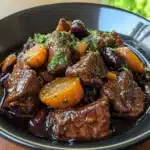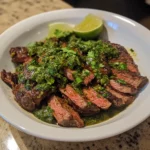

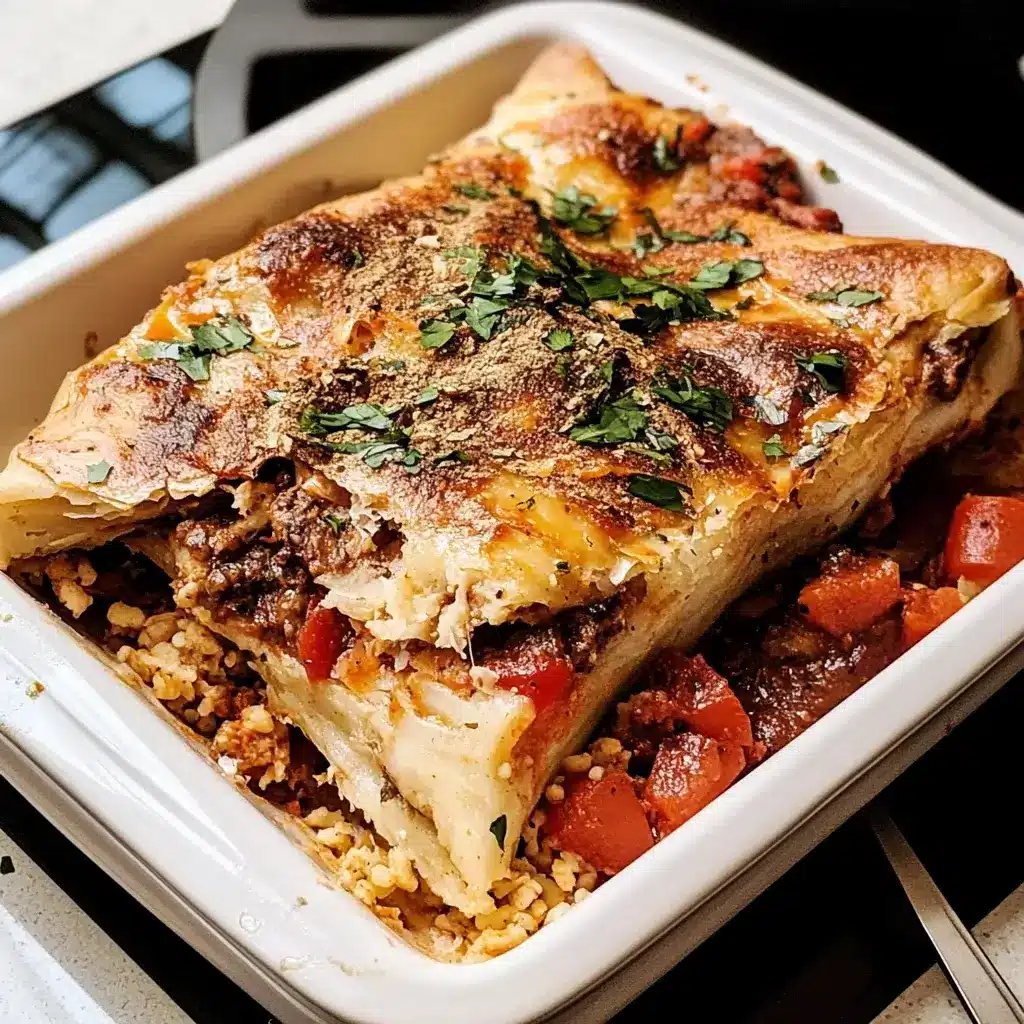
Growing up, food was always more than just sustenance; it was a language of love, a connection to heritage, and a story told in flavors and aromas. Among the many dishes that graced our family table, Egyptian Fattah held a particularly special place. It wasn’t just a meal; it was an experience, a comforting embrace on a plate. I remember the anticipation building as the scent of toasted bread and garlic filled the kitchen, followed by the rich, savory aroma of perfectly cooked meat and the tangy whisper of vinegar. Fattah, with its layers of crispy pita, fragrant rice, succulent meat, and that distinctive, garlicky tomato sauce, is the epitome of Egyptian home cooking. It’s a dish that’s both humble and celebratory, perfect for a cozy family dinner or a festive gathering. Over the years, I’ve tweaked and perfected our family recipe, and I’m thrilled to share this taste of home with you. Whether you’re already familiar with Egyptian cuisine or are just beginning to explore its wonders, Fattah is an incredible dish to start with. It’s surprisingly simple to make, deeply satisfying, and guaranteed to become a new favorite in your own home. Get ready to embark on a culinary journey to Egypt, one delicious layer at a time!
Ingredients: Building Blocks of Authentic Egyptian Fattah
To create a truly authentic and flavorful Egyptian Fattah, you’ll need to gather a selection of key ingredients, each contributing to the dish’s unique character. Here’s a detailed breakdown of everything you’ll need, with notes on ingredient choices and potential variations.
For the Crispy Pita Bread (The Foundation):
- 2-3 Large Pita Breads: Pita bread forms the crispy base of Fattah, providing a delightful textural contrast to the softer components. Use good quality pita bread, preferably slightly thicker varieties that will hold up well when toasted and soaked in sauce. Day-old pita is ideal as it crisps up more readily.
- 2-3 tablespoons Olive Oil (or Ghee for richer flavor): Olive oil is used to toast the pita bread, adding flavor and promoting crispiness. Ghee (clarified butter) can be used for a richer, more traditional flavor, especially if you are not making a vegan version.
- 1-2 cloves Garlic, minced: Garlic adds a pungent, aromatic flavor to the toasted pita, enhancing its savory profile and complementing the other flavors in the dish.
- Optional Spices (for pita seasoning):
- Pinch of Cumin Powder: Cumin adds a warm, earthy note.
- Pinch of Coriander Powder: Coriander adds a citrusy, slightly sweet aroma.
- Pinch of Paprika (Sweet or Smoked): Paprika adds color and a subtle smoky or sweet flavor.
For the Fragrant Rice (The Hearty Layer):
- 1.5 cups Long-Grain Rice (Egyptian Rice or Basmati): Long-grain rice, like Egyptian rice (Baladi) or Basmati, is ideal for Fattah as it cooks up fluffy and separate, providing a perfect bed for the sauce and meat. Egyptian rice is traditionally used and has a slightly starchier texture, while Basmati is more aromatic.
- 3 cups Chicken Broth (or Vegetable Broth for vegetarian version): Chicken broth is used to cook the rice, infusing it with savory flavor. Low-sodium broth is recommended to control the salt level. Vegetable broth is a perfect substitute for a vegetarian or vegan Fattah.
- 2 tablespoons Butter or Ghee (or Olive Oil for vegan version): Butter or ghee adds richness and flavor to the rice as it cooks. Olive oil can be used for a vegan option, although butter or ghee contributes to a more authentic taste.
- 1 teaspoon Salt: Salt is essential for seasoning the rice and bringing out its flavor.
- Optional Spices (for rice flavor):
- 1/2 teaspoon Cumin Seeds: Cumin seeds add a warm, nutty aroma when toasted and cooked with the rice.
- 1/4 teaspoon Cardamom Pods (slightly crushed): Cardamom adds a fragrant, slightly citrusy and floral note. Remove cardamom pods before serving.
For the Meat (The Savory Centerpiece – Can be substituted for Vegetarian Options):
- 1.5 lbs Lamb Shoulder or Beef Chuck (or Chicken Thighs for a lighter version): Traditionally, Fattah is made with lamb shoulder or beef chuck, which are flavorful cuts of meat that become incredibly tender when slow-cooked or braised. Chicken thighs can be used for a lighter, quicker-cooking version. For a vegetarian or vegan Fattah, see vegetarian substitution notes below.
- 1 large Onion, quartered: Quartered onion adds a foundational savory flavor to the meat broth.
- 4-5 cloves Garlic, roughly chopped: Roughly chopped garlic infuses the broth with a pungent, aromatic flavor.
- Bay Leaf (1-2): Bay leaf adds a subtle, aromatic depth to the broth.
- Spices for Meat Broth:
- 1 teaspoon Black Peppercorns: Black peppercorns add a subtle spice and depth.
- 1 teaspoon Coriander Seeds: Coriander seeds add a citrusy, slightly sweet aroma.
- 1/2 teaspoon Cumin Seeds: Cumin seeds add a warm, nutty aroma.
- Optional: Cinnamon Stick (1 inch): Cinnamon stick adds a warm, sweet spice note (use sparingly as it can be overpowering).
- Optional: Cardamom Pods (2-3 slightly crushed): Cardamom pods add fragrant, slightly citrusy notes (use sparingly).
- Salt to taste: Salt is crucial for seasoning the meat and broth.
- Water to cover meat: Water is used to braise the meat until tender.
For the Tomato-Vinegar Sauce (The Tangy Drizzle):
- 2 tablespoons Olive Oil: Olive oil is used to sauté the garlic for the sauce.
- 4-5 cloves Garlic, minced: Minced garlic is the star of the sauce, providing a strong, pungent flavor.
- 1 (28 ounce) can Crushed Tomatoes (or Tomato Puree): Crushed tomatoes or tomato puree form the base of the sauce, providing richness and body. Use good quality canned tomatoes.
- 1/4 cup White Vinegar (or Apple Cider Vinegar): White vinegar or apple cider vinegar is the key ingredient that gives Fattah sauce its distinctive tangy flavor. Do not omit or substitute with balsamic vinegar as it will alter the taste significantly.
- 1/4 cup Meat Broth (from cooking the meat, or chicken/vegetable broth): Meat broth (or chicken/vegetable broth) thins the sauce slightly and adds depth of flavor.
- Optional: 1-2 tablespoons Tomato Paste (for richer tomato flavor): Tomato paste can be added for a more concentrated tomato flavor and richer color.
- Salt and Black Pepper to taste: Essential seasonings to balance the flavors.
- Optional: Pinch of Red Pepper Flakes (for a touch of heat): Red pepper flakes add a subtle warmth if you prefer a slightly spicy sauce.
Ingredient Notes and Variations:
- Meat Choice: Lamb shoulder is traditional and deeply flavorful. Beef chuck is a good substitute. Chicken thighs offer a lighter, faster-cooking option. For vegetarian Fattah, consider using large portobello mushrooms, chickpeas, or lentils as protein substitutes (see vegetarian section below).
- Rice Type: Egyptian rice (Baladi) is authentic, but Basmati rice is a readily available and delicious alternative.
- Broth: Chicken broth adds richness, but vegetable broth works perfectly for vegetarian versions and is a good substitute for a lighter flavor.
- Vinegar: White vinegar is traditional and provides the characteristic tang. Apple cider vinegar can be used for a slightly milder, fruitier tang. Avoid balsamic vinegar as it’s too sweet and changes the flavor profile.
- Vegetarian Fattah: To make Fattah vegetarian or vegan, substitute the meat with:
- Large Portobello Mushrooms: Marinated and grilled or pan-fried for a meaty texture.
- Chickpeas: Roasted chickpeas tossed with spices for a hearty and flavorful option.
- Lentils: Cooked lentils seasoned with spices for a protein-rich layer.
- Use vegetable broth instead of chicken broth.
- Use olive oil instead of butter or ghee.
By gathering these high-quality ingredients, you’re setting the stage for a truly authentic and delicious Egyptian Fattah that captures the essence of this beloved dish.
Instructions: Step-by-Step Guide to Making Egyptian Fattah
Follow these detailed, step-by-step instructions to create your own authentic and flavorful Egyptian Fattah. We’ll guide you through each component, from preparing the crispy pita to layering the dish for a truly satisfying meal.
Step 1: Prepare the Meat Broth (if using meat)
- Sear the Meat (Optional but Recommended for Depth of Flavor): In a large pot or Dutch oven, heat a tablespoon of olive oil or ghee over medium-high heat. Sear the lamb shoulder or beef chuck on all sides until browned. Searing adds depth of flavor to the broth. For chicken thighs, searing is less critical but can still enhance flavor. For vegetarian options, skip this step.
- Add Aromatics and Spices: Add the quartered onion, roughly chopped garlic, bay leaf, black peppercorns, coriander seeds, cumin seeds, cinnamon stick (if using), and cardamom pods (if using) to the pot with the seared meat (or directly to the pot if not using meat).
- Cover with Water and Simmer: Add enough water to cover the meat by about 2-3 inches. Bring to a boil, then reduce heat to low, skimming off any foam that rises to the surface. Cover the pot and simmer gently for 2-3 hours for lamb or beef, or 45-60 minutes for chicken thighs, or until the meat is incredibly tender and easily shreds with a fork. For vegetarian options, simmer vegetable broth with aromatics and spices for about 30 minutes to infuse the broth.
- Shred or Dice the Meat: Once the meat is tender, remove it from the broth and set aside to cool slightly. Strain the broth through a fine-mesh sieve, reserving both the broth and discarding the solids (onion, garlic, spices). Shred or dice the meat into bite-sized pieces and set aside. For vegetarian options, prepare your chosen protein substitute at this stage (e.g., grill portobello mushrooms, roast chickpeas, or cook lentils).
Step 2: Prepare the Crispy Pita Bread
- Preheat Oven (or use a skillet): Preheat your oven to 350°F (175°C). Alternatively, you can toast the pita in a large skillet on the stovetop.
- Cut or Tear Pita Bread: Cut or tear the pita bread into bite-sized pieces (about 1-inch squares or triangles).
- Toss with Oil, Garlic, and Spices (Optional): In a bowl, toss the pita pieces with olive oil (or ghee), minced garlic, cumin powder, coriander powder, and paprika (if using). Toss to coat evenly.
- Toast Pita Bread:
- Oven Method: Spread the pita pieces in a single layer on a baking sheet. Bake in the preheated oven for 8-12 minutes, or until golden brown and crispy, flipping halfway through.
- Skillet Method: Heat olive oil or ghee in a large skillet over medium heat. Add pita pieces and toast, stirring frequently, until golden brown and crispy.
- Set Aside Crispy Pita: Once toasted, remove the crispy pita bread from the oven or skillet and set aside.
Step 3: Cook the Fragrant Rice
- Rinse Rice (Optional): Rinse the long-grain rice under cold water until the water runs clear. Rinsing removes excess starch and helps create fluffier rice.
- Toast Spices (Optional for extra flavor): In a medium saucepan, melt butter or ghee (or heat olive oil for vegan). If using cumin seeds and cardamom pods, add them to the pan and toast for about 30 seconds, until fragrant.
- Add Rice and Broth: Add the rinsed rice (or unrinsed rice if you skipped rinsing) and chicken broth (or vegetable broth) to the saucepan. Add salt.
- Bring to a Boil, Then Simmer: Bring the mixture to a boil over high heat. Once boiling, reduce heat to low, cover the saucepan tightly, and simmer for 18-20 minutes, or until all the liquid is absorbed and the rice is cooked through and fluffy. Avoid lifting the lid while the rice is simmering.
- Fluff Rice: Once cooked, remove the saucepan from the heat and let it stand, covered, for 5-10 minutes. Then, fluff the rice gently with a fork.
Step 4: Prepare the Tomato-Vinegar Sauce
- Sauté Garlic: In a saucepan, heat olive oil over medium heat. Add minced garlic and sauté for about 30 seconds, until fragrant but not browned.
- Add Tomatoes and Broth: Add the crushed tomatoes (or tomato puree), meat broth (or chicken/vegetable broth), and tomato paste (if using) to the saucepan. Stir well to combine.
- Simmer and Season: Bring the sauce to a simmer, then reduce heat to low and simmer for 10-15 minutes, stirring occasionally, allowing the flavors to meld.
- Add Vinegar and Season to Taste: Stir in the white vinegar (or apple cider vinegar). Season with salt and black pepper to taste, and add a pinch of red pepper flakes if desired. Simmer for another 2-3 minutes. Taste and adjust seasoning as needed, adding more vinegar for tanginess, salt for flavor, or pepper for spice.
Step 5: Assemble the Egyptian Fattah
- Layer Crispy Pita: In a large serving dish or individual bowls, arrange a layer of the crispy pita bread at the bottom.
- Top with Rice: Spoon a generous layer of the fragrant cooked rice over the crispy pita bread, distributing it evenly.
- Add Meat (or Vegetarian Protein): Arrange the shredded or diced cooked meat (or your chosen vegetarian protein substitute) over the rice layer.
- Drizzle with Tomato-Vinegar Sauce: Generously drizzle the warm tomato-vinegar sauce over the meat and rice, allowing it to soak into the layers.
- Garnish (Optional): Garnish with fresh parsley, toasted pine nuts, or a drizzle of extra olive oil, if desired.
Step 6: Serve and Enjoy!
- Serve Immediately: Egyptian Fattah is best served immediately while the pita bread is still slightly crispy and the dish is warm and flavorful.
- Serve Warm: Serve Fattah warm as a main course. It’s traditionally enjoyed as a hearty and comforting meal.
Following these detailed instructions will guide you to create a beautifully layered and incredibly flavorful Egyptian Fattah that is sure to impress. Enjoy this taste of Egyptian culinary tradition!
Nutrition Facts: A Hearty and Flavorful Meal
Egyptian Fattah is a hearty and satisfying dish that offers a balance of carbohydrates, protein, and fats. Here’s an approximate breakdown of the nutrition facts per serving (based on a serving size of about 1.5-2 cups of assembled Fattah), keeping in mind that these values can vary slightly depending on specific ingredient quantities, meat choice, and serving sizes.
Serving Size: Approximately 1.5-2 cups (assembled Fattah)
Approximate Calories per Serving: 500-700 calories (depending on meat choice and serving size)
Macronutrients (Approximate – can vary):
- Protein: 30-40 grams
- Good source of protein from lamb, beef, or chicken (or vegetarian substitutes). Protein is essential for muscle building, repair, and satiety.
- Fat: 20-30 grams
- Fats come from olive oil, ghee/butter (if used), and the meat itself. The fat content will vary depending on the cut of meat used (lamb shoulder is fattier than chicken breast) and the amount of oil used in cooking.
- Carbohydrates: 60-80 grams
- Carbohydrates primarily come from the pita bread and rice, providing energy. These are complex carbohydrates from whole grains (if using whole wheat pita and brown rice) and refined carbohydrates from white rice and white pita.
- Fiber: 4-6 grams
- Moderate source of dietary fiber, primarily from whole wheat pita (if used) and vegetables (onion, garlic, tomatoes). Fiber is beneficial for digestive health and satiety.
Micronutrients (Significant Sources – Varies based on ingredients):
- Vitamins:
- B Vitamins: Meat (lamb, beef, chicken) is a good source of various B vitamins, including B12, niacin, and riboflavin, important for energy metabolism and nervous system function.
- Vitamin C: Tomatoes provide Vitamin C, an antioxidant that supports immune function.
- Minerals:
- Iron: Meat is a good source of iron, crucial for oxygen transport and energy levels.
- Zinc: Meat also provides zinc, important for immune function and wound healing.
- Selenium: Meat contributes selenium, an antioxidant that plays a role in thyroid function and immune health.
- Potassium: Tomatoes and potatoes (if served as a side) contribute potassium, important for blood pressure regulation and muscle function.
Health Considerations of Egyptian Fattah:
- Hearty and Energy-Dense: Fattah is a relatively calorie-dense meal due to the combination of carbohydrates and fats. Portion control is important for those watching calorie intake.
- Good Source of Protein: Provides a significant amount of protein, which is beneficial for satiety and muscle health.
- Can be Adapted for Healthier Options:
- Leaner Meat: Using chicken breast or lean beef chuck instead of lamb shoulder reduces fat content.
- Whole Grains: Using whole wheat pita bread and brown rice increases fiber content.
- Less Oil: Using less olive oil and ghee/butter in cooking reduces fat content.
- Vegetarian/Vegan: Making vegetarian or vegan Fattah with plant-based protein sources like chickpeas or lentils and vegetable broth significantly reduces fat and cholesterol and increases fiber.
- Sodium Content: Be mindful of sodium content, especially if using canned tomatoes and broth. Choose low-sodium broth and control added salt.
Note: For more precise nutrition information, especially if you make modifications to the recipe, you can use online nutrition calculators or apps and input the specific brands and quantities of ingredients you use. This nutritional overview provides a general understanding of the nutritional profile of Egyptian Fattah, highlighting its hearty nature and potential for adaptation to healthier versions.
Preparation Time: A Dish Built in Layers of Flavor
Making Egyptian Fattah involves several components, each requiring preparation time. While it’s not a quick 30-minute meal, the process is relatively straightforward, and much of the cooking time is passive simmering. Here’s a breakdown of the approximate time involved:
Total Preparation Time: Approximately 3-4 hours (including passive simmering time for meat)
Active Cooking Time: Approximately 1-1.5 hours (active time)
Breakdown:
- Meat Broth Preparation (Simmering Time): 2-3 hours (for lamb/beef), 45-60 minutes (for chicken thighs) – Mostly passive simmering time.
- Pita Bread Preparation (Cutting, Toasting): 20-25 minutes – Active time.
- Rice Cooking Time: 25-30 minutes – Mostly passive simmering time, with initial active steps.
- Tomato Sauce Preparation: 20-25 minutes – Active time.
- Meat Shredding/Dicing (after cooking): 10-15 minutes – Active time.
- Assembly Time: 10-15 minutes – Active time.
Tips for Managing Time and Making it Easier:
- Prepare Meat Broth in Advance: The meat broth can be made a day ahead of time. Cook the meat broth, shred or dice the meat, strain the broth, and store both separately in the refrigerator. This significantly reduces the active cooking time on the day you want to serve Fattah.
- Toast Pita Bread in Advance: Crispy pita bread can be toasted a few hours ahead of time and stored in an airtight container at room temperature to maintain crispness.
- Cook Rice While Meat Simmers: Start cooking the rice while the meat broth is simmering. This allows for efficient use of time.
- Prepare Sauce While Rice Cooks: Prepare the tomato-vinegar sauce while the rice is cooking to further streamline the process.
- Utilize Pre-minced Garlic and Pre-diced Onion (for flavor base): Using pre-minced garlic and pre-diced onion can save a few minutes of prep time, especially for weeknight cooking.
While Fattah requires a longer overall preparation time due to the slow-cooked meat and layered components, breaking down the steps and preparing components in advance can make it more manageable. The rich flavors and satisfying layers of Fattah are well worth the time invested, especially for a special family meal or gathering.
How to Serve: Presenting and Enjoying Egyptian Fattah
Egyptian Fattah is traditionally served as a hearty main course, enjoyed warm and layered to showcase its distinct components. Here are some serving suggestions to present and enjoy Fattah in the best way:
Serving Styles:
- Large Family Style Platter: Traditionally, Fattah is served on a large platter, family-style. Layer the crispy pita, rice, and meat on a large serving dish and generously drizzle with the tomato-vinegar sauce. Garnish the platter attractively and let everyone serve themselves.
- Individual Bowls: For a more formal setting or easier portion control, assemble Fattah in individual bowls. Layer crispy pita, rice, and meat in each bowl and generously drizzle with sauce.
- Serve Warm: Fattah is best served warm to enjoy the crispy pita and the warm, flavorful layers.
- Serve Immediately After Assembling: Assemble Fattah just before serving to prevent the pita bread from becoming too soggy from the sauce.
Garnishing Ideas (Enhancing Visual Appeal and Flavor):
- Fresh Parsley, chopped: Adds a fresh, herbaceous note and a pop of green color. Sprinkle generously over the top.
- Toasted Pine Nuts or Almonds: Adds a delightful crunch and nutty flavor. Toast pine nuts or slivered almonds in a dry skillet until lightly golden and fragrant.
- A Drizzle of Extra Virgin Olive Oil: Adds richness and a beautiful sheen to the dish.
- Lemon Wedges (Optional): Serve lemon wedges on the side for those who like to add a squeeze of fresh lemon juice for extra brightness.
- Sprinkle of Paprika (Sweet or Smoked): Adds a touch of color and subtle flavor.
Side Dish Pairings (Optional, as Fattah is a complete meal):
- Egyptian Salad (Salata Baladi): A simple Egyptian salad with tomatoes, cucumbers, onions, parsley, and a lemon-vinegar dressing provides a refreshing contrast.
- Yogurt or Labneh: A side of plain yogurt or labneh (strained yogurt) can offer a cooling and tangy element to complement the richness of Fattah.
- Pickled Vegetables (Makhaleel): Egyptian pickled vegetables like carrots, turnips, and cucumbers add a tangy and crunchy side.
- Baba Ghanoush or Hummus: While Fattah is quite substantial, a small serving of baba ghanoush or hummus with extra pita bread can be a nice addition for a larger meal.
Serving Occasions:
- Family Dinners: Fattah is perfect for a comforting and satisfying family dinner, especially on weekends or special occasions.
- Festive Gatherings and Celebrations: Fattah is often served during Eid celebrations, Ramadan iftar meals, and other festive gatherings in Egypt, making it a wonderful dish for special occasions.
- Potlucks or Buffets: Fattah can be a crowd-pleasing dish for potlucks or buffet-style meals, although it’s best assembled just before serving to maintain pita crispness.
- Introducing Egyptian Cuisine to Guests: Fattah is an excellent dish to introduce guests to the delicious flavors of Egyptian cuisine.
By considering these serving suggestions and garnishing ideas, you can present your Egyptian Fattah beautifully and ensure it’s enjoyed in its full flavorful glory. It’s a dish meant to be shared and savored!
Additional Tips: Elevating Your Egyptian Fattah to Perfection
Want to take your Egyptian Fattah from delicious to truly exceptional? Here are five additional tips to help you master this layered dish and impress everyone who tastes it:
- Infuse Olive Oil with Garlic for Pita Toasting: For extra garlicky and flavorful crispy pita, gently heat olive oil with minced garlic in a small saucepan over low heat until the garlic is fragrant but not browned. Let it cool slightly, then toss the pita pieces with this garlic-infused oil before toasting. This intensifies the garlic flavor in the pita base.
- Use Day-Old Pita Bread for Best Crispiness: Day-old pita bread is ideal for Fattah as it has less moisture and crisps up much better than fresh pita bread. If you are using fresh pita, you can lightly dry it out in a low oven for a few minutes before toasting to improve its crisping ability.
- Don’t Over-soak the Crispy Pita: While the crispy pita is meant to soften slightly as it absorbs the sauce, avoid oversaturating it to the point of becoming soggy. Layer the pita and rice and then drizzle the sauce generously but not excessively, allowing the layers to retain some textural contrast. Serve immediately after assembly for the best balance of crispiness and sauce absorption.
- Adjust Vinegar to Your Taste Preference: The tanginess of the tomato-vinegar sauce is a defining characteristic of Fattah, but the level of vinegar can be adjusted to your personal preference. Start with the recipe amount and then taste and add more vinegar, a tablespoon at a time, until you reach your desired level of tanginess. Some people prefer a more pronounced vinegar flavor, while others prefer it milder.
- Make a Vegetarian Broth Reduction for Deeper Flavor (Vegetarian Fattah): For vegetarian Fattah, to enhance the depth of flavor in the vegetable broth used for the rice and sauce, consider making a quick vegetable broth reduction. Simmer vegetable broth in a saucepan over medium heat for about 15-20 minutes, until it reduces by about half and becomes more concentrated. This intensified vegetable broth will add more richness and umami to your vegetarian Fattah.
By incorporating these additional tips into your Egyptian Fattah preparation, you’ll refine your technique and consistently create a truly authentic, flavorful, and perfectly layered dish that showcases the best of Egyptian home cooking.
FAQ: Your Questions Answered About Egyptian Fattah
Here are some frequently asked questions about making Egyptian Fattah to help you confidently create this delicious and layered Egyptian dish.
Q1: Can I make Fattah with chicken instead of lamb or beef?
A: Yes, you can definitely make Fattah with chicken. Chicken thighs are a great option for a lighter and quicker-cooking version. Follow the same recipe instructions, but reduce the meat simmering time to about 45-60 minutes, or until the chicken thighs are cooked through and tender. Chicken Fattah is a delicious and popular variation.
Q2: Is Fattah naturally gluten-free? How can I make it gluten-free?
A: Traditional Fattah as described in this recipe is not gluten-free because it uses pita bread, which is made from wheat flour. To make Fattah gluten-free:
- Substitute Pita Bread: Use gluten-free pita bread or gluten-free flatbreads. Alternatively, you can use naturally gluten-free crispy bases like baked or toasted gluten-free tortilla chips or even toasted polenta slices for the base layer.
- Check Broth and Spices: Ensure your chicken broth or vegetable broth and any spice blends you use are certified gluten-free, as some may contain hidden gluten ingredients.
With these substitutions, you can easily adapt Fattah to be a delicious gluten-free meal.
Q3: Can I make Fattah ahead of time? How do I store leftovers?
A: Components of Fattah can be prepared ahead of time, but the assembled dish is best enjoyed fresh.
- Meat Broth: The meat broth (with cooked and shredded meat) and tomato-vinegar sauce can be made 1-2 days ahead and stored separately in the refrigerator. Reheat before assembling.
- Crispy Pita: Crispy pita bread can be toasted a few hours ahead and stored in an airtight container at room temperature.
- Cooked Rice: Cooked rice is best made fresh, but leftover cooked rice can be stored in the refrigerator for up to 2 days.
Assembling Ahead: It is not recommended to fully assemble Fattah too far in advance as the pita bread will become soggy. If you need to assemble slightly ahead (e.g., 30-60 minutes before serving), layer the pita and rice, but drizzle the sauce just before serving to maintain some pita crispness.
Storing Leftovers: Store leftover assembled Fattah in an airtight container in the refrigerator for up to 2 days. The pita bread will soften in the refrigerator. Reheat gently in a microwave or oven, but the pita will not regain its original crispness. Leftovers are still flavorful but will have a softer texture.
Q4: Can I make Fattah vegetarian or vegan? What are good protein substitutes?
A: Yes, Fattah is easily adaptable to be vegetarian or vegan. Excellent protein substitutes for meat include:
- Portobello Mushrooms: Large portobello mushroom caps, marinated and grilled or pan-fried, offer a meaty texture and umami flavor.
- Chickpeas: Roasted chickpeas, seasoned with spices like cumin and paprika, provide a hearty and flavorful option.
- Lentils: Cooked lentils, seasoned with spices and herbs, are a protein-rich and satisfying substitute.
- Eggplant: Roasted or grilled eggplant slices can also be used for a vegetarian Fattah.
When making vegetarian or vegan Fattah, use vegetable broth instead of chicken broth and olive oil instead of butter or ghee.
Q5: What if I don’t have white vinegar? Can I use another type of vinegar?
A: White vinegar is traditional and provides the characteristic tang of Fattah sauce. If you don’t have white vinegar, you can use apple cider vinegar as a reasonable substitute; it will provide a slightly milder, fruitier tang. Avoid using balsamic vinegar, as its sweetness and flavor profile are not suitable for Fattah sauce and will significantly alter the taste. If you only have other types of vinegar on hand, it’s best to try to use white vinegar or apple cider vinegar for the most authentic flavor. In a pinch, you could even use lemon juice for a different kind of acidity, but white vinegar or apple cider vinegar are preferred for the classic Fattah taste.
Print
Egyptian Fattah recipe
Ingredients
For the Crispy Pita Bread (The Foundation):
-
- 2–3 Large Pita Breads: Pita bread forms the crispy base of Fattah, providing a delightful textural contrast to the softer components. Use good quality pita bread, preferably slightly thicker varieties that will hold up well when toasted and soaked in sauce. Day-old pita is ideal as it crisps up more readily.
-
- 2–3 tablespoons Olive Oil (or Ghee for richer flavor): Olive oil is used to toast the pita bread, adding flavor and promoting crispiness. Ghee (clarified butter) can be used for a richer, more traditional flavor, especially if you are not making a vegan version.
-
- 1–2 cloves Garlic, minced: Garlic adds a pungent, aromatic flavor to the toasted pita, enhancing its savory profile and complementing the other flavors in the dish.
-
- Optional Spices (for pita seasoning):
-
- Pinch of Cumin Powder: Cumin adds a warm, earthy note.
-
- Pinch of Coriander Powder: Coriander adds a citrusy, slightly sweet aroma.
-
- Pinch of Paprika (Sweet or Smoked): Paprika adds color and a subtle smoky or sweet flavor.
-
- Optional Spices (for pita seasoning):
For the Fragrant Rice (The Hearty Layer):
-
- 1.5 cups Long-Grain Rice (Egyptian Rice or Basmati): Long-grain rice, like Egyptian rice (Baladi) or Basmati, is ideal for Fattah as it cooks up fluffy and separate, providing a perfect bed for the sauce and meat. Egyptian rice is traditionally used and has a slightly starchier texture, while Basmati is more aromatic.
-
- 3 cups Chicken Broth (or Vegetable Broth for vegetarian version): Chicken broth is used to cook the rice, infusing it with savory flavor. Low-sodium broth is recommended to control the salt level. Vegetable broth is a perfect substitute for a vegetarian or vegan Fattah.
-
- 2 tablespoons Butter or Ghee (or Olive Oil for vegan version): Butter or ghee adds richness and flavor to the rice as it cooks. Olive oil can be used for a vegan option, although butter or ghee contributes to a more authentic taste.
-
- 1 teaspoon Salt: Salt is essential for seasoning the rice and bringing out its flavor.
-
- Optional Spices (for rice flavor):
-
- 1/2 teaspoon Cumin Seeds: Cumin seeds add a warm, nutty aroma when toasted and cooked with the rice.
-
- 1/4 teaspoon Cardamom Pods (slightly crushed): Cardamom adds a fragrant, slightly citrusy and floral note. Remove cardamom pods before serving.
-
- Optional Spices (for rice flavor):
For the Meat (The Savory Centerpiece – Can be substituted for Vegetarian Options):
-
- 1.5 lbs Lamb Shoulder or Beef Chuck (or Chicken Thighs for a lighter version): Traditionally, Fattah is made with lamb shoulder or beef chuck, which are flavorful cuts of meat that become incredibly tender when slow-cooked or braised. Chicken thighs can be used for a lighter, quicker-cooking version. For a vegetarian or vegan Fattah, see vegetarian substitution notes below.
-
- 1 large Onion, quartered: Quartered onion adds a foundational savory flavor to the meat broth.
-
- 4–5 cloves Garlic, roughly chopped: Roughly chopped garlic infuses the broth with a pungent, aromatic flavor.
-
- Bay Leaf (1-2): Bay leaf adds a subtle, aromatic depth to the broth.
-
- Spices for Meat Broth:
-
- 1 teaspoon Black Peppercorns: Black peppercorns add a subtle spice and depth.
-
- 1 teaspoon Coriander Seeds: Coriander seeds add a citrusy, slightly sweet aroma.
-
- 1/2 teaspoon Cumin Seeds: Cumin seeds add a warm, nutty aroma.
-
- Optional: Cinnamon Stick (1 inch): Cinnamon stick adds a warm, sweet spice note (use sparingly as it can be overpowering).
-
- Optional: Cardamom Pods (2-3 slightly crushed): Cardamom pods add fragrant, slightly citrusy notes (use sparingly).
-
- Spices for Meat Broth:
-
- Salt to taste: Salt is crucial for seasoning the meat and broth.
-
- Water to cover meat: Water is used to braise the meat until tender.
For the Tomato-Vinegar Sauce (The Tangy Drizzle):
-
- 2 tablespoons Olive Oil: Olive oil is used to sauté the garlic for the sauce.
-
- 4–5 cloves Garlic, minced: Minced garlic is the star of the sauce, providing a strong, pungent flavor.
-
- 1 (28 ounce) can Crushed Tomatoes (or Tomato Puree): Crushed tomatoes or tomato puree form the base of the sauce, providing richness and body. Use good quality canned tomatoes.
-
- 1/4 cup White Vinegar (or Apple Cider Vinegar): White vinegar or apple cider vinegar is the key ingredient that gives Fattah sauce its distinctive tangy flavor. Do not omit or substitute with balsamic vinegar as it will alter the taste significantly.
-
- 1/4 cup Meat Broth (from cooking the meat, or chicken/vegetable broth): Meat broth (or chicken/vegetable broth) thins the sauce slightly and adds depth of flavor.
-
- Optional: 1-2 tablespoons Tomato Paste (for richer tomato flavor): Tomato paste can be added for a more concentrated tomato flavor and richer color.
-
- Salt and Black Pepper to taste: Essential seasonings to balance the flavors.
-
- Optional: Pinch of Red Pepper Flakes (for a touch of heat): Red pepper flakes add a subtle warmth if you prefer a slightly spicy sauce.
Instructions
Step 1: Prepare the Meat Broth (if using meat)
-
- Sear the Meat (Optional but Recommended for Depth of Flavor): In a large pot or Dutch oven, heat a tablespoon of olive oil or ghee over medium-high heat. Sear the lamb shoulder or beef chuck on all sides until browned. Searing adds depth of flavor to the broth. For chicken thighs, searing is less critical but can still enhance flavor. For vegetarian options, skip this step.
-
- Add Aromatics and Spices: Add the quartered onion, roughly chopped garlic, bay leaf, black peppercorns, coriander seeds, cumin seeds, cinnamon stick (if using), and cardamom pods (if using) to the pot with the seared meat (or directly to the pot if not using meat).
-
- Cover with Water and Simmer: Add enough water to cover the meat by about 2-3 inches. Bring to a boil, then reduce heat to low, skimming off any foam that rises to the surface. Cover the pot and simmer gently for 2-3 hours for lamb or beef, or 45-60 minutes for chicken thighs, or until the meat is incredibly tender and easily shreds with a fork. For vegetarian options, simmer vegetable broth with aromatics and spices for about 30 minutes to infuse the broth.
-
- Shred or Dice the Meat: Once the meat is tender, remove it from the broth and set aside to cool slightly. Strain the broth through a fine-mesh sieve, reserving both the broth and discarding the solids (onion, garlic, spices). Shred or dice the meat into bite-sized pieces and set aside. For vegetarian options, prepare your chosen protein substitute at this stage (e.g., grill portobello mushrooms, roast chickpeas, or cook lentils).
Step 2: Prepare the Crispy Pita Bread
-
- Preheat Oven (or use a skillet): Preheat your oven to 350°F (175°C). Alternatively, you can toast the pita in a large skillet on the stovetop.
-
- Cut or Tear Pita Bread: Cut or tear the pita bread into bite-sized pieces (about 1-inch squares or triangles).
-
- Toss with Oil, Garlic, and Spices (Optional): In a bowl, toss the pita pieces with olive oil (or ghee), minced garlic, cumin powder, coriander powder, and paprika (if using). Toss to coat evenly.
-
- Toast Pita Bread:
-
- Oven Method: Spread the pita pieces in a single layer on a baking sheet. Bake in the preheated oven for 8-12 minutes, or until golden brown and crispy, flipping halfway through.
-
- Skillet Method: Heat olive oil or ghee in a large skillet over medium heat. Add pita pieces and toast, stirring frequently, until golden brown and crispy.
-
- Toast Pita Bread:
-
- Set Aside Crispy Pita: Once toasted, remove the crispy pita bread from the oven or skillet and set aside.
Step 3: Cook the Fragrant Rice
-
- Rinse Rice (Optional): Rinse the long-grain rice under cold water until the water runs clear. Rinsing removes excess starch and helps create fluffier rice.
-
- Toast Spices (Optional for extra flavor): In a medium saucepan, melt butter or ghee (or heat olive oil for vegan). If using cumin seeds and cardamom pods, add them to the pan and toast for about 30 seconds, until fragrant.
-
- Add Rice and Broth: Add the rinsed rice (or unrinsed rice if you skipped rinsing) and chicken broth (or vegetable broth) to the saucepan. Add salt.
-
- Bring to a Boil, Then Simmer: Bring the mixture to a boil over high heat. Once boiling, reduce heat to low, cover the saucepan tightly, and simmer for 18-20 minutes, or until all the liquid is absorbed and the rice is cooked through and fluffy. Avoid lifting the lid while the rice is simmering.
-
- Fluff Rice: Once cooked, remove the saucepan from the heat and let it stand, covered, for 5-10 minutes. Then, fluff the rice gently with a fork.
Step 4: Prepare the Tomato-Vinegar Sauce
-
- Sauté Garlic: In a saucepan, heat olive oil over medium heat. Add minced garlic and sauté for about 30 seconds, until fragrant but not browned.
-
- Add Tomatoes and Broth: Add the crushed tomatoes (or tomato puree), meat broth (or chicken/vegetable broth), and tomato paste (if using) to the saucepan. Stir well to combine.
-
- Simmer and Season: Bring the sauce to a simmer, then reduce heat to low and simmer for 10-15 minutes, stirring occasionally, allowing the flavors to meld.
-
- Add Vinegar and Season to Taste: Stir in the white vinegar (or apple cider vinegar). Season with salt and black pepper to taste, and add a pinch of red pepper flakes if desired. Simmer for another 2-3 minutes. Taste and adjust seasoning as needed, adding more vinegar for tanginess, salt for flavor, or pepper for spice.
Step 5: Assemble the Egyptian Fattah
-
- Layer Crispy Pita: In a large serving dish or individual bowls, arrange a layer of the crispy pita bread at the bottom.
-
- Top with Rice: Spoon a generous layer of the fragrant cooked rice over the crispy pita bread, distributing it evenly.
-
- Add Meat (or Vegetarian Protein): Arrange the shredded or diced cooked meat (or your chosen vegetarian protein substitute) over the rice layer.
-
- Drizzle with Tomato-Vinegar Sauce: Generously drizzle the warm tomato-vinegar sauce over the meat and rice, allowing it to soak into the layers.
-
- Garnish (Optional): Garnish with fresh parsley, toasted pine nuts, or a drizzle of extra olive oil, if desired.
Step 6: Serve and Enjoy!
-
- Serve Immediately: Egyptian Fattah is best served immediately while the pita bread is still slightly crispy and the dish is warm and flavorful.
-
- Serve Warm: Serve Fattah warm as a main course. It’s traditionally enjoyed as a hearty and comforting meal.
Nutrition
- Serving Size: one normal portion
- Calories: 500-700
- Fat: 20-30 grams
- Carbohydrates: 60-80 grams
- Fiber: 4-6 grams
- Protein: 30-40 grams