
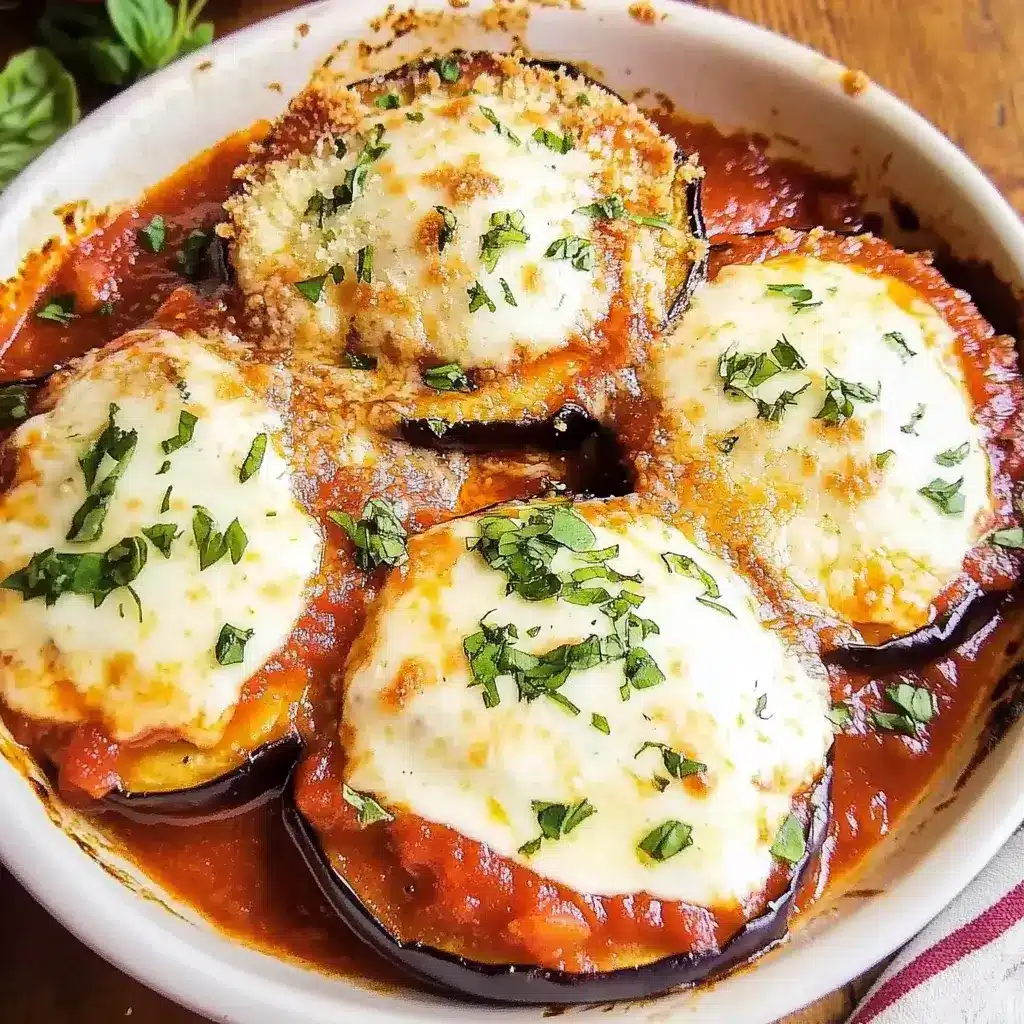
Growing up in an Italian-American household, Eggplant Parmesan, or “Parmigiana di Melanzane” as my Nonna lovingly called it, was more than just a dish; it was a Sunday ritual. The aroma of simmering marinara sauce, mingled with the savory scent of frying eggplant, would fill our home, signaling warmth, family, and pure comfort. This wasn’t just any eggplant parmesan; it was Nonna’s Eggplant Parmesan, a recipe passed down through generations, perfected with love and a few secret touches. Over the years, I’ve tweaked and refined her classic recipe, aiming for that perfect balance of crispy eggplant, rich marinara, and gooey mozzarella, all while trying to capture the essence of Nonna’s original masterpiece. And let me tell you, after countless iterations, I think I’ve finally cracked the code. This Eggplant Parmesan with Mozzarella and Marinara Sauce is not just a dish; it’s an experience. The layers of flavor and texture are simply divine – the tender, slightly sweet eggplant, the tangy, herbaceous marinara, and the creamy, melted mozzarella all come together in perfect harmony. Whether you’re new to Italian cooking or a seasoned pro, this recipe is approachable, deeply satisfying, and guaranteed to become a family favorite. Prepare to be transported to a cozy Italian trattoria with every single bite.
Ingredients for Authentic Eggplant Parmesan
Creating truly exceptional Eggplant Parmesan relies on the quality and combination of a few key ingredients. Each element plays a crucial role in building the layers of flavor and texture that make this dish a classic comfort food. Let’s delve into each ingredient and understand why they are essential for achieving Eggplant Parmesan perfection.
- Eggplant (2 large globe eggplants): The star of the show, of course, is the eggplant. For Eggplant Parmesan, large globe eggplants are ideal. They are sturdy, meaty, and have a shape that’s perfect for slicing into rounds. When selecting eggplants, look for ones that are firm, heavy for their size, and have smooth, unblemished skin. Avoid eggplants that are soft or wrinkled, as these may be overripe and bitter. The eggplant’s texture is crucial; it should be able to hold its shape after frying or baking and provide a tender, slightly sweet base for the other flavors. While some recipes call for salting eggplant to remove bitterness, modern eggplants are generally less bitter, and salting primarily helps to draw out excess moisture, which is beneficial for achieving crispy eggplant. Two large eggplants will yield enough slices to create generous layers in a standard baking dish, ensuring a substantial and satisfying dish. The quality of your eggplant directly impacts the final dish, so choose wisely and handle them with care.
- Marinara Sauce (6 cups, homemade or high-quality store-bought): Marinara sauce is the soul of Eggplant Parmesan, providing the tangy, tomatoey foundation upon which all other flavors build. While store-bought marinara can be convenient, homemade marinara sauce truly elevates this dish to another level. Homemade marinara allows you to control the ingredients and flavors, resulting in a sauce that is fresh, vibrant, and perfectly seasoned to your liking. If opting for store-bought, choose a high-quality marinara sauce made with simple, natural ingredients. Look for sauces with minimal added sugar and preservatives. A robust and flavorful marinara sauce is essential because it not only adds moisture but also infuses the eggplant and cheese with its rich, herbaceous notes. Six cups might seem like a lot, but Eggplant Parmesan requires a generous amount of sauce to ensure each layer is moist and flavorful. The sauce should be simmered long enough to develop depth and complexity, whether you’re making it from scratch or heating up a store-bought version. The acidity of the tomatoes cuts through the richness of the cheese and fried eggplant, creating a balanced and harmonious flavor profile.
- Mozzarella Cheese (1 pound, fresh mozzarella, sliced or shredded low-moisture): Mozzarella cheese provides the creamy, melted, and slightly tangy element that is indispensable in Eggplant Parmesan. You have two main options for mozzarella: fresh mozzarella or low-moisture mozzarella. Fresh mozzarella, packed in water, offers a softer texture and a delicate milky flavor. It’s best sliced for layering. Low-moisture mozzarella, often sold shredded or in blocks, is drier and melts beautifully, becoming wonderfully gooey when baked. For this recipe, either can be used effectively. If using fresh mozzarella, pat it dry before layering to remove excess moisture. If using low-moisture mozzarella, shredded is convenient for even melting, while slices can create distinct layers of melted cheese. One pound of mozzarella ensures a generous cheesy topping and layers throughout the dish, providing that signature stretchy, melty goodness that everyone loves in Eggplant Parmesan. The mozzarella’s mild flavor complements the marinara and eggplant without overpowering them, acting as a creamy bridge between the other components.
- Parmesan Cheese (1 cup, grated): Parmesan cheese adds a salty, nutty, and umami-rich dimension to Eggplant Parmesan. It’s used both in the breadcrumb mixture and sprinkled between layers and on top, contributing to both flavor and texture. Freshly grated Parmesan is always superior to pre-grated, as it has a more robust flavor and melts more smoothly. Look for Parmigiano-Reggiano for the most authentic and flavorful Parmesan experience, but Grana Padano is a more affordable and still excellent alternative. One cup of grated Parmesan, divided for breading, layering, and topping, provides a significant flavor boost. Parmesan cheese crisps up beautifully when baked, adding a delightful textural contrast to the soft eggplant and melted mozzarella. Its salty and savory notes enhance the overall flavor profile, making it an indispensable ingredient in traditional Eggplant Parmesan.
- Eggs (2 large): Eggs serve as the binding agent for the breadcrumb coating on the eggplant slices. They create a wash that helps the breadcrumbs adhere to the eggplant, ensuring a crispy and flavorful crust. Use large eggs for optimal coverage and binding. Whisking the eggs with a touch of water or milk can help to thin them slightly and ensure even coating. Eggs contribute to the golden-brown color of the fried or baked eggplant and help to create a cohesive and satisfying breadcrumb crust. They are a simple but crucial component for achieving that classic Eggplant Parmesan texture.
- Breadcrumbs (2 cups, Italian seasoned breadcrumbs): Breadcrumbs are essential for creating the crispy coating on the eggplant slices. Italian seasoned breadcrumbs are ideal as they already contain herbs and spices like oregano, basil, and garlic powder, which complement the flavors of Eggplant Parmesan perfectly. If using plain breadcrumbs, you’ll need to add your own seasonings (see tip below). Two cups of breadcrumbs should be sufficient to coat all the eggplant slices generously. The breadcrumbs create a textural contrast to the soft eggplant and melty cheese, adding a satisfying crunch to each bite. They also absorb some of the oil during frying or baking, contributing to the overall richness and flavor of the dish.
- Olive Oil (1/2 cup, plus more for frying or baking): Olive oil is used for both frying or baking the eggplant and for adding richness to the marinara sauce (if making homemade). Extra virgin olive oil is preferred for its flavor and health benefits, but regular olive oil or even vegetable oil can be used for frying due to their higher smoke points. For frying the eggplant, you’ll need enough oil to shallow fry the slices until golden brown and tender. For baking, you’ll use less oil to lightly coat the eggplant slices. Olive oil imparts a subtle fruity flavor and helps to create a golden-brown color on the eggplant. It also contributes to the overall richness and mouthfeel of the dish. Using good quality olive oil will enhance the flavor of your Eggplant Parmesan significantly.
- Garlic (2 cloves, minced, for homemade marinara): If making homemade marinara sauce, minced garlic is a fundamental flavor component. Garlic adds a pungent, aromatic base to the sauce, enhancing its complexity and depth. Freshly minced garlic is always preferred over pre-minced for its superior flavor. Sautéing the garlic in olive oil before adding the tomatoes helps to mellow its sharpness and release its fragrant oils, infusing the marinara sauce with a delicious garlicky aroma.
- Dried Oregano and Basil (1 teaspoon each, for homemade marinara): Dried oregano and basil are classic Italian herbs that are essential for authentic marinara sauce flavor. They provide a warm, herbaceous, and slightly peppery note that complements the tomatoes and garlic beautifully. Adding these dried herbs to the marinara sauce during simmering allows their flavors to fully infuse and develop, creating a truly aromatic and flavorful sauce.
- Salt and Black Pepper (to taste): Salt and black pepper are fundamental seasonings that enhance all the flavors in Eggplant Parmesan. Salt is used to season the eggplant, breadcrumbs, and marinara sauce, bringing out the natural flavors of the ingredients. Black pepper adds a subtle warmth and spice. Season generously throughout the recipe, tasting and adjusting as needed to achieve a well-balanced and flavorful dish.
These carefully selected ingredients, when combined and prepared with attention to detail, will result in a truly exceptional Eggplant Parmesan with Mozzarella and Marinara Sauce. Each component contributes to the overall flavor, texture, and aroma, creating a comforting and satisfying Italian classic.
Instructions for Perfect Eggplant Parmesan
Creating delicious Eggplant Parmesan involves a few key steps, but each is straightforward and contributes to the final masterpiece. Follow these detailed instructions to make your own authentic and mouthwatering Eggplant Parmesan with Mozzarella and Marinara Sauce.
Step 1: Prepare the Eggplant (30 minutes)
Begin by preparing the eggplant. Wash and trim the ends of the 2 large globe eggplants. Slice the eggplants crosswise into rounds, about 1/4-inch thick. Lay the eggplant slices in a single layer on a large baking sheet or clean kitchen towel. Sprinkle both sides of the eggplant slices generously with salt. This step is crucial for drawing out excess moisture from the eggplant, which helps to prevent it from becoming soggy and also reduces any potential bitterness. Let the salted eggplant slices sit for at least 30 minutes. You’ll notice beads of moisture forming on the surface of the eggplant. After 30 minutes, pat the eggplant slices thoroughly dry with paper towels. Removing the excess moisture is key to achieving crispy eggplant.
Step 2: Prepare the Breading Station (10 minutes)
While the eggplant is sitting, prepare your breading station. In one shallow dish, whisk together 2 large eggs with 2 tablespoons of water or milk to create an egg wash. In another shallow dish, combine 2 cups of Italian seasoned breadcrumbs and 1 cup of grated Parmesan cheese. If you are using plain breadcrumbs, season them with 1 teaspoon of dried oregano, 1 teaspoon of dried basil, 1/2 teaspoon of garlic powder, 1/2 teaspoon of salt, and 1/4 teaspoon of black pepper. Mix the breadcrumbs and Parmesan cheese (and seasonings, if using) thoroughly. Set up your breading station in an efficient order: eggplant slices, egg wash, breadcrumb mixture, and then a clean baking sheet or plate to place the breaded eggplant slices.
Step 3: Bread the Eggplant Slices (20 minutes)
Now, bread each eggplant slice. Take one eggplant slice at a time and dredge it in the egg wash, ensuring both sides are coated. Then, immediately transfer the egg-washed eggplant slice to the breadcrumb mixture. Press the eggplant slice firmly into the breadcrumbs, making sure it is completely coated on both sides. The breadcrumbs should adhere well to the egg wash. Place the breaded eggplant slice on the clean baking sheet or plate. Repeat this process for all the eggplant slices until they are all breaded.
Step 4: Fry or Bake the Eggplant (Frying: 20-25 minutes, Baking: 30-35 minutes)
You have two options for cooking the breaded eggplant: frying or baking.
- Frying: Heat about 1/2 inch of olive oil in a large skillet over medium-high heat. Once the oil is hot (it should shimmer and a breadcrumb dropped in should sizzle), carefully add the breaded eggplant slices in batches, being careful not to overcrowd the skillet. Fry for 3-4 minutes per side, or until golden brown and crispy. Remove the fried eggplant slices and place them on a wire rack lined with paper towels to drain excess oil.
- Baking: Preheat oven to 400°F (200°C). Lightly brush a baking sheet with olive oil. Arrange the breaded eggplant slices in a single layer on the baking sheet. Drizzle or spray the tops of the eggplant slices lightly with olive oil. Bake for 15-20 minutes, then flip the eggplant slices and bake for another 15-20 minutes, or until golden brown and tender.
Both frying and baking will yield delicious results, but frying will result in crispier eggplant, while baking is a healthier, less oily option. Choose your preferred method based on your taste and dietary preferences.
Step 5: Assemble the Eggplant Parmesan (15 minutes)
Preheat oven to 375°F (190°C). Lightly grease a 9×13 inch baking dish. Spread a thin layer (about 1 cup) of marinara sauce on the bottom of the baking dish. Arrange a layer of fried or baked eggplant slices over the marinara sauce, slightly overlapping if necessary. Top the eggplant layer with another layer of marinara sauce (about 2 cups), followed by a layer of sliced or shredded mozzarella cheese (about half of the 1 pound). Sprinkle with a little grated Parmesan cheese. Repeat the layers: eggplant, marinara sauce (about 2 cups), mozzarella cheese (remaining half), and finish with a generous sprinkling of Parmesan cheese on top. The layering order is crucial for even distribution of flavors and textures.
Step 6: Bake the Eggplant Parmesan (25-30 minutes)
Bake in the preheated oven for 25-30 minutes, or until the cheese is melted, bubbly, and golden brown, and the marinara sauce is heated through and simmering. The baking time may vary slightly depending on your oven. Keep an eye on it and remove it when it reaches the desired level of browning and cheesiness.
Step 7: Rest and Serve (10 minutes)
Remove the Eggplant Parmesan from the oven and let it rest for about 10 minutes before serving. This resting period allows the cheese to set slightly and the layers to meld together, making it easier to slice and serve. Garnish with fresh basil leaves, if desired. Serve hot and enjoy your homemade Eggplant Parmesan with Mozzarella and Marinara Sauce!
Following these detailed instructions will guide you through each step of making perfect Eggplant Parmesan. Whether you choose to fry or bake the eggplant, and whether you use homemade or store-bought marinara, this recipe provides a solid foundation for creating a truly delicious and satisfying Italian classic.
Nutrition Facts
Eggplant Parmesan with Mozzarella and Marinara Sauce is a hearty and satisfying dish, but it’s important to be mindful of its nutritional content. Please note that the nutrition information is an estimate and can vary based on specific ingredient brands, preparation methods (frying vs. baking), and portion sizes.
Servings: Approximately 8 servings
Serving Size: About 1 slice (approximately 1/8 of a 9×13 inch dish)
Estimated Nutrition Facts Per Serving (Frying Method):
- Calories: 450-550 kcal
- Protein: 20-25g
- Fat: 25-35g
- Saturated Fat: 10-15g
- Monounsaturated Fat: 10-15g
- Polyunsaturated Fat: 3-5g
- Cholesterol: 100-120mg
- Sodium: 800-1000mg (can be lower with low-sodium marinara and reduced salt)
- Carbohydrates: 40-50g
- Fiber: 5-7g
- Sugar: 10-15g
- Vitamins and Minerals: (Varying amounts of Vitamin A, Vitamin C, Vitamin K, Calcium, Iron, Potassium, and other micronutrients from tomatoes, eggplant, and cheese)
Estimated Nutrition Facts Per Serving (Baking Method):
- Calories: 380-480 kcal
- Protein: 20-25g
- Fat: 18-28g
- Saturated Fat: 8-13g
- Monounsaturated Fat: 8-13g
- Polyunsaturated Fat: 2-4g
- Cholesterol: 100-120mg
- Sodium: 750-950mg (can be lower with low-sodium marinara and reduced salt)
- Carbohydrates: 40-50g
- Fiber: 5-7g
- Sugar: 10-15g
- Vitamins and Minerals: (Similar to frying method)
Nutritional Highlights:
- Good Source of Protein: Mozzarella, Parmesan, and eggs contribute a significant amount of protein, essential for muscle building and satiety.
- Source of Calcium: Mozzarella and Parmesan cheese are excellent sources of calcium, important for bone health.
- Fiber Content: Eggplant and marinara sauce (from tomatoes) provide dietary fiber, which aids in digestion and promotes fullness.
- Vitamins and Antioxidants: Tomatoes in marinara sauce are rich in vitamins like Vitamin C and antioxidants like lycopene. Eggplant also contains antioxidants.
Important Considerations:
- Calorie and Fat Content: Eggplant Parmesan is a calorie-dense and relatively high-fat dish, especially when fried. Baking reduces the fat content but it’s still a moderately rich meal.
- Sodium Content: The sodium content can be significant due to cheese, marinara sauce, and added salt. Using low-sodium marinara sauce and being mindful of added salt can help reduce sodium levels.
- Portion Control: Due to its richness, portion control is important for calorie management. Enjoy in moderation as part of a balanced diet.
- Preparation Method Impact: Baking significantly reduces the fat content compared to frying, making it a healthier option.
- Cheese Choices: Using part-skim mozzarella can slightly reduce the fat content while still providing good flavor and melting properties.
Eggplant Parmesan is a delicious and satisfying comfort food, but it’s best enjoyed as an occasional treat rather than a regular dietary staple due to its calorie and fat content. Being aware of portion sizes and preparation methods can help you enjoy this classic dish in a more balanced way.
Preparation Time
Eggplant Parmesan, while rewarding in flavor, does require a bit of time for preparation and cooking. Here’s a breakdown of the estimated preparation time:
Total Preparation Time: Approximately 2 – 2.5 hours (depending on frying or baking)
- Prep Time: Approximately 1 hour 15 minutes – 1 hour 45 minutes
- Preparing Eggplant (slicing, salting, patting dry): 45 minutes
- Preparing Marinara Sauce (if homemade): 30 minutes (can be done concurrently with eggplant salting)
- Preparing Breading Station: 10 minutes
- Breading Eggplant Slices: 20 minutes
- Assembling Eggplant Parmesan: 15 minutes
- Cook Time:
- Frying Eggplant: 20-25 minutes (in batches)
- Baking Eggplant: 30-35 minutes
- Baking Assembled Eggplant Parmesan: 25-30 minutes
Tips to Speed Up Preparation:
- Use Store-Bought Marinara Sauce: Opting for a high-quality store-bought marinara sauce will save you about 30 minutes of prep time.
- Prepare Marinara in Advance: If making homemade marinara, prepare it a day or two ahead of time and store it in the refrigerator. This breaks up the prep time and allows the flavors to meld even further.
- Salt Eggplant Ahead: You can slice and salt the eggplant in the morning or even the day before and store it in the refrigerator (pat dry thoroughly before breading). This makes the breading process quicker when you’re ready to cook.
- Baking Method for Eggplant: Baking the eggplant, while taking a bit longer in the oven, can be less hands-on than frying and might be slightly less time-consuming overall as you don’t need to stand at the stove frying in batches.
- Efficient Breading Station: Set up your breading station in a streamlined way to make the breading process as efficient as possible. Have all dishes and baking sheets ready before you start.
While Eggplant Parmesan isn’t a quick weeknight meal, the majority of the time is hands-off (eggplant salting, baking). By planning ahead and utilizing some of these time-saving tips, you can make the process more manageable and enjoy this delicious dish without spending the entire day in the kitchen. It’s a perfect recipe for a weekend meal or a special occasion when you have a bit more time to dedicate to cooking.
How to Serve Eggplant Parmesan
Eggplant Parmesan is a versatile and satisfying dish that can be served in numerous ways. Whether you’re planning a casual family dinner or a more formal gathering, here are some delicious serving suggestions to complement your homemade Eggplant Parmesan with Mozzarella and Marinara Sauce:
As a Main Course:
- Classic Italian Dinner: Serve Eggplant Parmesan as the centerpiece of a traditional Italian meal. It’s substantial enough to be a satisfying vegetarian main course.
- With Pasta: Pair Eggplant Parmesan with a side of pasta. Spaghetti, linguine, or penne tossed with a simple olive oil and garlic sauce, or even more marinara sauce, are excellent choices. This creates a truly hearty and comforting Italian meal.
- Alongside a Salad: Balance the richness of Eggplant Parmesan with a fresh and crisp side salad. A simple green salad with a light vinaigrette, a Caprese salad, or an Italian chopped salad would be wonderful complements.
- With Crusty Bread: Serve warm, crusty Italian bread or garlic bread alongside Eggplant Parmesan for soaking up the delicious marinara sauce and enjoying with each bite.
- Vegetable Sides: Offer roasted vegetables as a side dish, such as roasted asparagus, broccoli, green beans, or bell peppers, to add extra nutrients and balance to the meal.
Serving Styles and Garnishes:
- Family Style: Serve the Eggplant Parmesan directly from the baking dish in the center of the table, allowing everyone to serve themselves. This creates a warm and communal dining experience.
- Plated Portions: For a more formal presentation, slice the Eggplant Parmesan into individual portions and plate them attractively.
- Fresh Basil Garnish: Garnish each serving with fresh basil leaves for a pop of color and a fresh, aromatic touch that complements the Italian flavors beautifully.
- Extra Parmesan Cheese: Offer extra grated Parmesan cheese at the table for those who want to add an extra cheesy boost to their serving.
- Red Pepper Flakes (Optional): For those who enjoy a little heat, offer a small bowl of red pepper flakes on the side for sprinkling over their Eggplant Parmesan.
Occasions to Serve Eggplant Parmesan:
- Sunday Dinner: Eggplant Parmesan is a classic Sunday dinner dish, perfect for gathering family and friends around the table.
- Weeknight Comfort Food: While it takes a bit of time, Eggplant Parmesan can be a wonderfully comforting and satisfying meal for a special weeknight dinner.
- Potlucks and Gatherings: Eggplant Parmesan is a crowd-pleasing dish that travels well and is always a hit at potlucks, parties, and casual gatherings.
- Vegetarian Entrée: It’s an excellent choice for vegetarian guests or for incorporating more meatless meals into your weekly routine.
- Holiday Meals: Eggplant Parmesan can be a delicious addition to holiday feasts, especially Italian-American holiday celebrations.
No matter how you choose to serve it, Eggplant Parmesan with Mozzarella and Marinara Sauce is sure to be a welcomed and enjoyed dish. Its rich flavors and comforting textures make it a timeless classic for any occasion.
Additional Tips for Exceptional Eggplant Parmesan
To elevate your Eggplant Parmesan from delicious to truly exceptional, consider these 5 additional tips that can make a significant difference in flavor and texture:
- Homemade Marinara is Worth It (If You Have Time): While store-bought marinara is convenient, homemade marinara sauce truly elevates the flavor of Eggplant Parmesan. The freshness and depth of flavor in homemade sauce are unmatched. If you have the time, even a simple homemade marinara sauce made with quality canned tomatoes, garlic, olive oil, and herbs will make a noticeable difference. Simmering the sauce for at least 30-45 minutes allows the flavors to meld and deepen.
- Don’t Skip Salting the Eggplant: Salting the eggplant is not just an old wives’ tale; it serves a crucial purpose. It draws out excess moisture, which prevents the eggplant from becoming soggy when fried or baked. It also slightly tenderizes the eggplant and can reduce any potential bitterness, although modern eggplants are generally less bitter. Don’t skimp on the salting time (at least 30 minutes) and make sure to pat the eggplant slices thoroughly dry before breading.
- Crispy Eggplant is Key: The texture of the eggplant is paramount in Eggplant Parmesan. Aim for crispy, golden-brown eggplant. Whether you choose to fry or bake, ensure the eggplant slices are cooked until they are tender inside and crispy outside. For frying, maintain the oil temperature and don’t overcrowd the skillet. For baking, ensure the eggplant slices are in a single layer and get sufficiently browned on both sides. Crispy eggplant provides a delightful textural contrast to the soft cheese and sauce.
- Use a Blend of Cheeses (Optional): While mozzarella and Parmesan are the classic cheeses for Eggplant Parmesan, consider adding a blend of cheeses for extra flavor complexity. Provolone cheese, with its slightly sharper and nuttier flavor, pairs wonderfully with mozzarella. A small amount of ricotta cheese, dolloped between layers, can add extra creaminess. Experiment with different cheese combinations to find your favorite flavor profile.
- Let it Rest Before Serving: Patience is key after baking your Eggplant Parmesan. Let it rest for at least 10 minutes, and ideally 15-20 minutes, before slicing and serving. This resting period is crucial because it allows the cheese to set slightly, making the Eggplant Parmesan easier to slice cleanly and preventing it from being too runny. It also allows the flavors to meld together even further, enhancing the overall taste of the dish.
By incorporating these additional tips, you can take your Eggplant Parmesan to the next level, creating a truly restaurant-quality dish that will impress family and friends alike. These small refinements can make a big difference in achieving the perfect balance of flavor, texture, and aroma in this beloved Italian classic.
FAQ Section for Eggplant Parmesan
Here are some frequently asked questions about making Eggplant Parmesan with Mozzarella and Marinara Sauce, to help you troubleshoot and achieve perfect results:
Q1: Can I make Eggplant Parmesan ahead of time?
A: Yes, Eggplant Parmesan is a great make-ahead dish. You can assemble it completely, up to the baking step, and store it covered in the refrigerator for up to 24 hours. When ready to bake, add about 10-15 minutes to the baking time to ensure it’s heated through and bubbly. You can also bake it completely ahead of time, let it cool, and then reheat it gently in a 350°F (175°C) oven until warmed through. The flavor often improves the next day as the ingredients meld together.
Q2: How do I prevent my Eggplant Parmesan from being soggy?
A: Soggy Eggplant Parmesan is a common issue, but easily avoidable. The key steps to prevent sogginess are:
* Salting the Eggplant: This draws out excess moisture. Don’t skip this step and pat the eggplant thoroughly dry.
* Crispy Eggplant: Ensure the eggplant is properly fried or baked until golden brown and crispy before layering.
* Don’t Over-Sauce: Use a generous but not excessive amount of marinara sauce. Too much sauce can make the dish soggy.
* Rest After Baking: Letting the Eggplant Parmesan rest after baking allows it to set slightly and prevents excess moisture from making it soggy.
Q3: Can I make Eggplant Parmesan without frying the eggplant?
A: Yes, baking the eggplant is a popular and healthier alternative to frying. Follow the baking instructions in Step 4. Baked eggplant will be less crispy than fried, but still delicious and significantly lower in fat. You can also grill eggplant slices for a smoky flavor and reduced oil.
Q4: Can I freeze Eggplant Parmesan?
A: Yes, Eggplant Parmesan freezes well, making it a great option for meal prepping or leftovers. Let it cool completely after baking. Cut it into individual portions or freeze the whole dish. Wrap tightly in plastic wrap, then foil, or place in an airtight container. Freeze for up to 2-3 months. Thaw overnight in the refrigerator before reheating in a 350°F (175°C) oven until heated through and bubbly.
Q5: Can I make Eggplant Parmesan vegetarian or vegan?
A: Yes, Eggplant Parmesan is inherently vegetarian. To make it vegan:
* Vegan Cheese: Substitute mozzarella and Parmesan cheese with vegan mozzarella and Parmesan alternatives. Many brands melt and taste quite similar to dairy cheese.
* Egg Substitute: For the egg wash, you can use a flax egg (1 tablespoon flaxseed meal mixed with 3 tablespoons water, let sit for 5 minutes) or a plant-based milk mixed with a tablespoon of cornstarch.
* Ensure Breadcrumbs are Vegan: Check the ingredient list of your breadcrumbs to ensure they are vegan-friendly (some may contain dairy).
These FAQs should address common questions and concerns when making Eggplant Parmesan, helping you to create a successful and delicious dish every time. Enjoy cooking and savoring this classic Italian comfort food!
Print
Eggplant Parmesan with Mozzarella and Marinara Sauce recipe
Ingredients
-
- Eggplant (2 large globe eggplants): The star of the show, of course, is the eggplant. For Eggplant Parmesan, large globe eggplants are ideal. They are sturdy, meaty, and have a shape that’s perfect for slicing into rounds. When selecting eggplants, look for ones that are firm, heavy for their size, and have smooth, unblemished skin. Avoid eggplants that are soft or wrinkled, as these may be overripe and bitter. The eggplant’s texture is crucial; it should be able to hold its shape after frying or baking and provide a tender, slightly sweet base for the other flavors. While some recipes call for salting eggplant to remove bitterness, modern eggplants are generally less bitter, and salting primarily helps to draw out excess moisture, which is beneficial for achieving crispy eggplant. Two large eggplants will yield enough slices to create generous layers in a standard baking dish, ensuring a substantial and satisfying dish. The quality of your eggplant directly impacts the final dish, so choose wisely and handle them with care.
-
- Marinara Sauce (6 cups, homemade or high-quality store-bought): Marinara sauce is the soul of Eggplant Parmesan, providing the tangy, tomatoey foundation upon which all other flavors build. While store-bought marinara can be convenient, homemade marinara sauce truly elevates this dish to another level. Homemade marinara allows you to control the ingredients and flavors, resulting in a sauce that is fresh, vibrant, and perfectly seasoned to your liking. If opting for store-bought, choose a high-quality marinara sauce made with simple, natural ingredients. Look for sauces with minimal added sugar and preservatives. A robust and flavorful marinara sauce is essential because it not only adds moisture but also infuses the eggplant and cheese with its rich, herbaceous notes. Six cups might seem like a lot, but Eggplant Parmesan requires a generous amount of sauce to ensure each layer is moist and flavorful. The sauce should be simmered long enough to develop depth and complexity, whether you’re making it from scratch or heating up a store-bought version. The acidity of the tomatoes cuts through the richness of the cheese and fried eggplant, creating a balanced and harmonious flavor profile.
-
- Mozzarella Cheese (1 pound, fresh mozzarella, sliced or shredded low-moisture): Mozzarella cheese provides the creamy, melted, and slightly tangy element that is indispensable in Eggplant Parmesan. You have two main options for mozzarella: fresh mozzarella or low-moisture mozzarella. Fresh mozzarella, packed in water, offers a softer texture and a delicate milky flavor. It’s best sliced for layering. Low-moisture mozzarella, often sold shredded or in blocks, is drier and melts beautifully, becoming wonderfully gooey when baked. For this recipe, either can be used effectively. If using fresh mozzarella, pat it dry before layering to remove excess moisture. If using low-moisture mozzarella, shredded is convenient for even melting, while slices can create distinct layers of melted cheese. One pound of mozzarella ensures a generous cheesy topping and layers throughout the dish, providing that signature stretchy, melty goodness that everyone loves in Eggplant Parmesan. The mozzarella’s mild flavor complements the marinara and eggplant without overpowering them, acting as a creamy bridge between the other components.
-
- Parmesan Cheese (1 cup, grated): Parmesan cheese adds a salty, nutty, and umami-rich dimension to Eggplant Parmesan. It’s used both in the breadcrumb mixture and sprinkled between layers and on top, contributing to both flavor and texture. Freshly grated Parmesan is always superior to pre-grated, as it has a more robust flavor and melts more smoothly. Look for Parmigiano-Reggiano for the most authentic and flavorful Parmesan experience, but Grana Padano is a more affordable and still excellent alternative. One cup of grated Parmesan, divided for breading, layering, and topping, provides a significant flavor boost. Parmesan cheese crisps up beautifully when baked, adding a delightful textural contrast to the soft eggplant and melted mozzarella. Its salty and savory notes enhance the overall flavor profile, making it an indispensable ingredient in traditional Eggplant Parmesan.
-
- Eggs (2 large): Eggs serve as the binding agent for the breadcrumb coating on the eggplant slices. They create a wash that helps the breadcrumbs adhere to the eggplant, ensuring a crispy and flavorful crust. Use large eggs for optimal coverage and binding. Whisking the eggs with a touch of water or milk can help to thin them slightly and ensure even coating. Eggs contribute to the golden-brown color of the fried or baked eggplant and help to create a cohesive and satisfying breadcrumb crust. They are a simple but crucial component for achieving that classic Eggplant Parmesan texture.
-
- Breadcrumbs (2 cups, Italian seasoned breadcrumbs): Breadcrumbs are essential for creating the crispy coating on the eggplant slices. Italian seasoned breadcrumbs are ideal as they already contain herbs and spices like oregano, basil, and garlic powder, which complement the flavors of Eggplant Parmesan perfectly. If using plain breadcrumbs, you’ll need to add your own seasonings (see tip below). Two cups of breadcrumbs should be sufficient to coat all the eggplant slices generously. The breadcrumbs create a textural contrast to the soft eggplant and melty cheese, adding a satisfying crunch to each bite. They also absorb some of the oil during frying or baking, contributing to the overall richness and flavor of the dish.
-
- Olive Oil (1/2 cup, plus more for frying or baking): Olive oil is used for both frying or baking the eggplant and for adding richness to the marinara sauce (if making homemade). Extra virgin olive oil is preferred for its flavor and health benefits, but regular olive oil or even vegetable oil can be used for frying due to their higher smoke points. For frying the eggplant, you’ll need enough oil to shallow fry the slices until golden brown and tender. For baking, you’ll use less oil to lightly coat the eggplant slices. Olive oil imparts a subtle fruity flavor and helps to create a golden-brown color on the eggplant. It also contributes to the overall richness and mouthfeel of the dish. Using good quality olive oil will enhance the flavor of your Eggplant Parmesan significantly.
-
- Garlic (2 cloves, minced, for homemade marinara): If making homemade marinara sauce, minced garlic is a fundamental flavor component. Garlic adds a pungent, aromatic base to the sauce, enhancing its complexity and depth. Freshly minced garlic is always preferred over pre-minced for its superior flavor. Sautéing the garlic in olive oil before adding the tomatoes helps to mellow its sharpness and release its fragrant oils, infusing the marinara sauce with a delicious garlicky aroma.
-
- Dried Oregano and Basil (1 teaspoon each, for homemade marinara): Dried oregano and basil are classic Italian herbs that are essential for authentic marinara sauce flavor. They provide a warm, herbaceous, and slightly peppery note that complements the tomatoes and garlic beautifully. Adding these dried herbs to the marinara sauce during simmering allows their flavors to fully infuse and develop, creating a truly aromatic and flavorful sauce.
-
- Salt and Black Pepper (to taste): Salt and black pepper are fundamental seasonings that enhance all the flavors in Eggplant Parmesan. Salt is used to season the eggplant, breadcrumbs, and marinara sauce, bringing out the natural flavors of the ingredients. Black pepper adds a subtle warmth and spice. Season generously throughout the recipe, tasting and adjusting as needed to achieve a well-balanced and flavorful dish.
Instructions
Step 1: Prepare the Eggplant (30 minutes)
Begin by preparing the eggplant. Wash and trim the ends of the 2 large globe eggplants. Slice the eggplants crosswise into rounds, about 1/4-inch thick. Lay the eggplant slices in a single layer on a large baking sheet or clean kitchen towel. Sprinkle both sides of the eggplant slices generously with salt. This step is crucial for drawing out excess moisture from the eggplant, which helps to prevent it from becoming soggy and also reduces any potential bitterness. Let the salted eggplant slices sit for at least 30 minutes. You’ll notice beads of moisture forming on the surface of the eggplant. After 30 minutes, pat the eggplant slices thoroughly dry with paper towels. Removing the excess moisture is key to achieving crispy eggplant.
Step 2: Prepare the Breading Station (10 minutes)
While the eggplant is sitting, prepare your breading station. In one shallow dish, whisk together 2 large eggs with 2 tablespoons of water or milk to create an egg wash. In another shallow dish, combine 2 cups of Italian seasoned breadcrumbs and 1 cup of grated Parmesan cheese. If you are using plain breadcrumbs, season them with 1 teaspoon of dried oregano, 1 teaspoon of dried basil, 1/2 teaspoon of garlic powder, 1/2 teaspoon of salt, and 1/4 teaspoon of black pepper. Mix the breadcrumbs and Parmesan cheese (and seasonings, if using) thoroughly. Set up your breading station in an efficient order: eggplant slices, egg wash, breadcrumb mixture, and then a clean baking sheet or plate to place the breaded eggplant slices.
Step 3: Bread the Eggplant Slices (20 minutes)
Now, bread each eggplant slice. Take one eggplant slice at a time and dredge it in the egg wash, ensuring both sides are coated. Then, immediately transfer the egg-washed eggplant slice to the breadcrumb mixture. Press the eggplant slice firmly into the breadcrumbs, making sure it is completely coated on both sides. The breadcrumbs should adhere well to the egg wash. Place the breaded eggplant slice on the clean baking sheet or plate. Repeat this process for all the eggplant slices until they are all breaded.
Step 4: Fry or Bake the Eggplant (Frying: 20-25 minutes, Baking: 30-35 minutes)
You have two options for cooking the breaded eggplant: frying or baking.
-
- Frying: Heat about 1/2 inch of olive oil in a large skillet over medium-high heat. Once the oil is hot (it should shimmer and a breadcrumb dropped in should sizzle), carefully add the breaded eggplant slices in batches, being careful not to overcrowd the skillet. Fry for 3-4 minutes per side, or until golden brown and crispy. Remove the fried eggplant slices and place them on a wire rack lined with paper towels to drain excess oil.
-
- Baking: Preheat oven to 400°F (200°C). Lightly brush a baking sheet with olive oil. Arrange the breaded eggplant slices in a single layer on the baking sheet. Drizzle or spray the tops of the eggplant slices lightly with olive oil. Bake for 15-20 minutes, then flip the eggplant slices and bake for another 15-20 minutes, or until golden brown and tender.
Both frying and baking will yield delicious results, but frying will result in crispier eggplant, while baking is a healthier, less oily option. Choose your preferred method based on your taste and dietary preferences.
Step 5: Assemble the Eggplant Parmesan (15 minutes)
Preheat oven to 375°F (190°C). Lightly grease a 9×13 inch baking dish. Spread a thin layer (about 1 cup) of marinara sauce on the bottom of the baking dish. Arrange a layer of fried or baked eggplant slices over the marinara sauce, slightly overlapping if necessary. Top the eggplant layer with another layer of marinara sauce (about 2 cups), followed by a layer of sliced or shredded mozzarella cheese (about half of the 1 pound). Sprinkle with a little grated Parmesan cheese. Repeat the layers: eggplant, marinara sauce (about 2 cups), mozzarella cheese (remaining half), and finish with a generous sprinkling of Parmesan cheese on top. The layering order is crucial for even distribution of flavors and textures.
Step 6: Bake the Eggplant Parmesan (25-30 minutes)
Bake in the preheated oven for 25-30 minutes, or until the cheese is melted, bubbly, and golden brown, and the marinara sauce is heated through and simmering. The baking time may vary slightly depending on your oven. Keep an eye on it and remove it when it reaches the desired level of browning and cheesiness.
Step 7: Rest and Serve (10 minutes)
Remove the Eggplant Parmesan from the oven and let it rest for about 10 minutes before serving. This resting period allows the cheese to set slightly and the layers to meld together, making it easier to slice and serve. Garnish with fresh basil leaves, if desired. Serve hot and enjoy your homemade Eggplant Parmesan with Mozzarella and Marinara Sauce!
Nutrition
- Serving Size: one normal portion
- Calories: 450-550
- Sugar: 10-15g
- Sodium: 800-1000mg
- Fat: 25-35g
- Saturated Fat: 10-15g
- Carbohydrates: 40-50g
- Fiber: 5-7g
- Protein: 20-25g
- Cholesterol: 100-120mg