


There’s something truly uplifting about the first bite of a vibrant Spring Vegetable Sauté—the tender snap of fresh asparagus, the sweet pop of peas, and the subtle earthiness of baby spinach all come together in a medley that feels like sunshine on a plate. After weeks of heavier winter meals, this recipe is my go-to for a burst of color and flavor that’s as nourishing as it is delightful. What I love most is how effortlessly it transforms simple, seasonal veggies into a dish that’s anything but ordinary—perfect for a quick weeknight dinner or a charming side that impresses guests. Let me take you through this easy, versatile recipe that celebrates the best of spring’s bounty and will have you craving homemade veggies over any fast food line-up.
Why choose Spring Vegetable Sauté?
Freshness in every bite: This recipe celebrates crisp, seasonal veggies at their peak. Quick and easy: Ready in under 20 minutes, perfect for busy weeknights. Versatile delight: Serve as a main, side, or toss into pasta or grain bowls. Healthy and light: Packed with vitamins and natural flavors that energize your day. Crowd-pleaser: Its vibrant colors and tastes bring joy to any table, impressing both family and guests alike.
Spring Vegetable Sauté Ingredients
Fresh Vegetables
- Asparagus – Trimmed and cut into bite-sized pieces for a tender snap that defines Spring Vegetable Sauté.
- Sugar Snap Peas – Whole, to add a sweet crunch and vibrant green color.
- Baby Spinach – Fresh leaves folded in at the end to wilt gently and keep the dish light.
- Carrots – Thinly sliced or julienned for a subtle sweetness and bright hue.
Flavor Enhancers
- Garlic Cloves – Minced to infuse the vegetables with warm, aromatic depth.
- Shallots – Finely chopped, bringing a mild onion flavor that mellows when sautéed.
- Lemon Zest – Adds a fresh, zesty brightness that lifts the whole dish.
Cooking Essentials
- Olive Oil – Use extra virgin for the best flavor and a healthy fat to sauté the veggies.
- Salt and Pepper – To season perfectly and highlight the natural sweetness of the spring harvest.
Optional Additions
- Fresh Herbs (like parsley or thyme) – Chopped and sprinkled on top for an herbal fragrance that complements the freshness.
- Toasted Almonds or Pine Nuts – Adds a satisfying crunch for texture contrast in your Spring Vegetable Sauté.
How to Make Spring Vegetable Sauté
- Prep Veggies: Start by trimming and cutting asparagus into 1-inch pieces, slicing carrots thinly, and rinsing peas and spinach. Pat dry for even sauté.
- Heat Oil: Warm olive oil in a large skillet over medium heat for 1 minute until shimmering, swirling the pan to coat evenly and prepare for aromatics.
- Sauté Aromatics: Add shallots and garlic; cook until fragrant, translucent, and golden-edged, about 1–2 minutes, stirring constantly to prevent burning.
- Cook Root Veggies: Toss in carrots and asparagus; sauté for 3–4 minutes until veggies turn bright, edges lightly golden, and begin to soften.
- Add Peas: Stir in sugar snap peas; cook another 2 minutes until they stay crisp-tender, maintain their sweet crunch, and remain vibrant green.
- Wilt Spinach: Add baby spinach; toss gently for 1 minute until leaves just wilt and maintain a bright green hue.
- Finish & Season: Sprinkle lemon zest, salt, and pepper; toss to combine, let flavors meld for 1 minute off heat while still warm.
- Garnish & Serve: Transfer sauté to a serving dish; top with fresh herbs and toasted nuts for extra aroma and crisp crunch.
Optional: Drizzle with extra lemon juice before serving for a zesty finish.
Exact quantities are listed in the recipe card below.
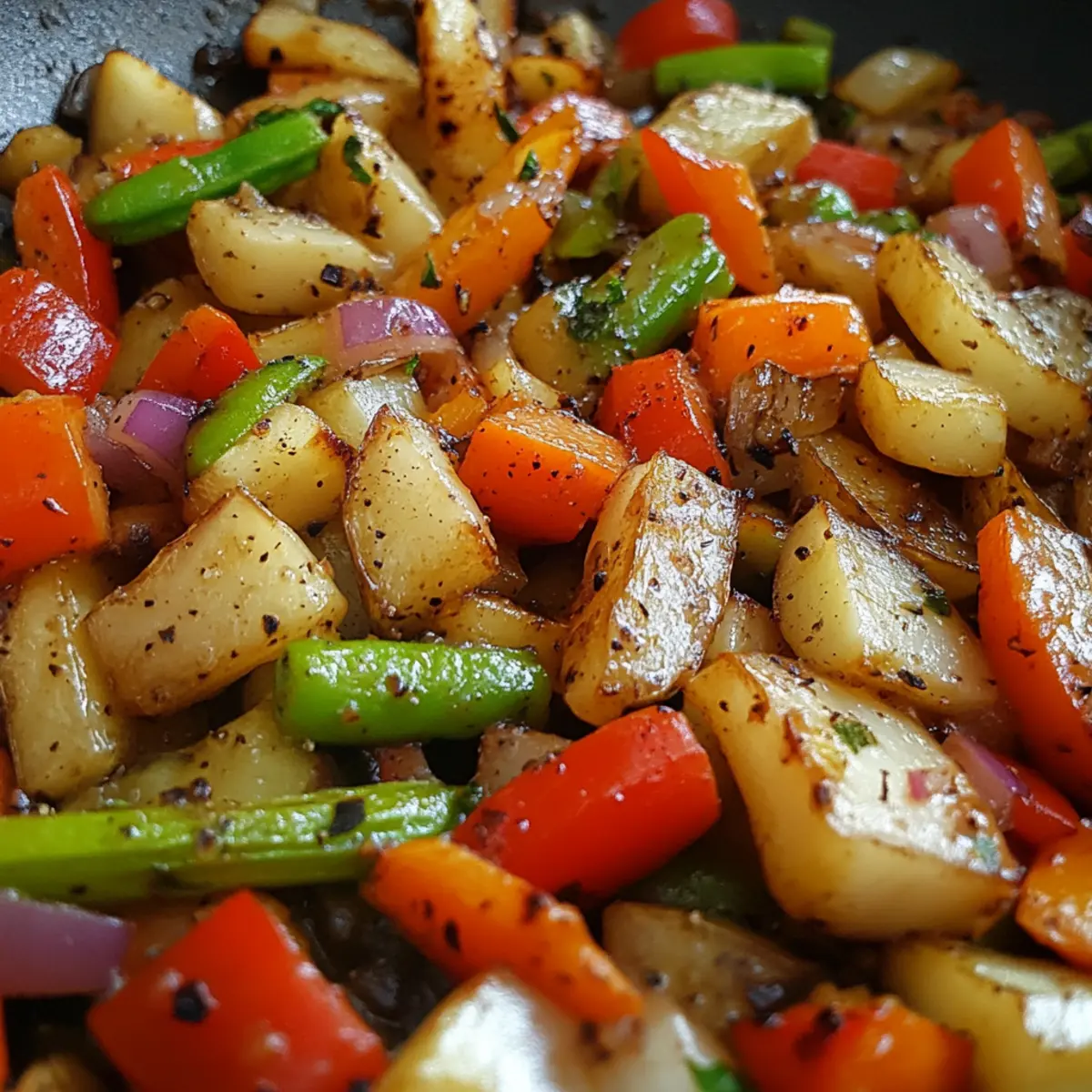
Expert Tips for Spring Vegetable Sauté
- Prep Veggies Evenly: Cut all vegetables into similar-sized pieces to ensure they cook uniformly and you avoid overcooking delicate greens.
- Avoid Overcrowding: Use a wide pan and cook in batches if needed; overcrowding traps moisture and steams veggies rather than sautéing them for that perfect crisp-tender texture.
- Control Heat: Keep the heat medium to medium-high—too high will burn the garlic and shallots, too low results in soggy vegetables.
- Add Spinach Last: Spinach cooks quickly; add it at the end to wilt just right, preserving its bright color and tender texture in your Spring Vegetable Sauté.
- Season Gradually: Salt in stages: a pinch during cooking and adjust after finishing to enhance the natural flavors without overpowering the fresh veggies.
- Fresh Zest & Nuts: Fresh lemon zest and toasted nuts add layers of brightness and crunch, making your dish burst with springtime flavors and satisfy every bite.
How to Store and Freeze Spring Vegetable Sauté
Fridge: Store leftover Spring Vegetable Sauté in an airtight container for up to 3 days. Reheat in the skillet or microwave until warmed through, preserving the vibrant flavors.
Freezer: For longer storage, freeze the sauté in individual portions. Transfer to a freezer-safe container and consume within 2 months for the best taste and texture.
Reheating: To reheat frozen portions, thaw overnight in the fridge and then warm gently in a skillet over medium heat, adding a splash of olive oil to revive the flavors.
Room Temperature: Enjoy freshly made Spring Vegetable Sauté warm. If it’s sitting out, consume within 2 hours for food safety.
Make Ahead Options
These Spring Vegetable Sauté ingredients are perfect for meal prep, allowing you to enjoy fresh flavors with minimal effort on busy nights! You can chop the vegetables—like asparagus, carrots, and snap peas—up to 24 hours in advance. Simply wash and cut the veggies, then store them in an airtight container in the refrigerator to keep them crisp and vibrant. To maintain quality, it’s best to add the delicate baby spinach and seasonings just before cooking. When you’re ready to serve, heat olive oil in a skillet and sauté the prepped veggies for a few minutes, adding the spinach at the end to wilt. You’ll have a colorful and nutritious dish that’s just as delightful as when made fresh!
What to Serve with Spring Vegetable Sauté?
There’s nothing quite like the fresh, vibrant flavors of seasonal veggies to brighten your dinner table and fill your home with warmth.
- Quinoa Salad: A nutty quinoa base adds protein and texture, perfectly absorbing the bright flavors of the sauté.
- Grilled Chicken: Juicy, herb-marinated chicken complements the veggie medley, creating a satisfying meal that appeals to everyone.
- Couscous with Herbs: Fluffy couscous offers a light, fluffy base that soaks up the juices, enhancing the dish’s freshness.
- Roasted Potatoes: Crisped, golden potatoes provide a delightful contrast, balancing the tender veggies with comforting starchy goodness.
- Garlic Bread: Crispy, warm garlic bread makes for a delicious side, perfect for dipping into the vibrant sauté’s flavors.
- Lemonade or Iced Tea: Refreshing drinks with citrus notes match the zest of the dish, keeping the meal light and invigorating.
- Fruit Sorbet: For dessert, a refreshing sorbet offers a sweet, tangy finish, cleansing the palate after the savory sauté.
- Seasoned Flatbreads: Soft flatbreads seasoned with herbs make an excellent vehicle for enjoying the sauté, elevating your meal’s flavors.
Variations & Substitutions for Spring Vegetable Sauté
Feel free to get creative and make this dish your own with these delightful twists that will elevate your Spring Vegetable Sauté!
-
Vegan: Swap out any butter for olive oil, and omit the toasted nuts for a light yet satisfying dish. The freshness shines through without losing flavor.
-
Spicy Kick: Add a pinch of red pepper flakes or a dash of cayenne to the oil while sautéing for a kick that excites the palate. This adds an unexpected warmth that complements the veggies beautifully.
-
Grain Boost: Toss in cooked quinoa or brown rice with the final stir for a hearty addition. It creates a complete meal while adding texture and health benefits.
-
Protein-Packed: Incorporate chickpeas or edamame for a protein boost that complements the veggies. Their creamy texture pairs perfectly with the sauté’s crispness.
-
Herb Infusion: Experiment with fresh herbs like basil or dill for a fragrant twist. The vibrant notes will transform the dish into a refreshing garden delight.
-
Citrus Variation: Use lime or orange zest instead of lemon for a different citrus profile. It adds a sweet zing that enhances the fresh flavors of the sauté.
-
Nutty Crunch: Replace toasted almonds with walnuts or pecans for a distinct crunch and flavor. Each nut brings its unique taste that complements the sauté beautifully.
-
Other Veggies: Feel free to swap any of the vegetables for seasonal favorites like zucchini or bell peppers. This ensures you enjoy what’s freshest and most flavorful.
Embrace the spirit of spring and customize your dish with these enticing variations—each one promises to bring a new layer of joy to your vibrant sauté!
Spring Vegetable Sauté Recipe FAQs
How do I choose the best asparagus and snap peas for the Spring Vegetable Sauté?
Look for asparagus with firm, straight stalks and tightly closed tips—avoiding any that look wilted or slimy. Snap peas should be bright green, crisp, and free of dark spots. Freshness here makes all the difference since these veggies are the stars of the dish!
Can I store leftover Spring Vegetable Sauté and how long will it keep?
Absolutely! Store leftovers in an airtight container in the fridge for up to 3 days. Make sure to cool the sauté completely before refrigerating to keep the flavors fresh and the texture just right.
Is it possible to freeze Spring Vegetable Sauté for later meals?
Yes, I recommend freezing it if you want to enjoy those vibrant spring flavors another time. Let the sauté cool fully, then portion it into freezer-safe containers or bags. Label them and freeze for up to 2 months. When ready to eat, thaw overnight in the fridge and gently reheat in a skillet with a splash of olive oil to revive its brightness.
What if my vegetables turn mushy or soggy? How can I avoid this?
Great question! Overcooking or overcrowding the pan causes vegetables to steam instead of sauté. To keep them crisp-tender, cook in batches if needed, keep heat medium to medium-high, and remove from heat as soon as the veggies are bright and just tender. Also, add delicate greens like spinach at the very end to prevent wilting too much.
Are there any dietary considerations for this recipe, like allergies or pets?
This sauté is naturally vegetarian and gluten-free, making it a versatile, crowd-friendly dish. However, if you add toasted nuts like almonds or pine nuts, be mindful of nut allergies. And while this is a healthy human meal, keep in mind that garlic and onions (shallots) are toxic to pets, so avoid sharing your sauté with furry friends.
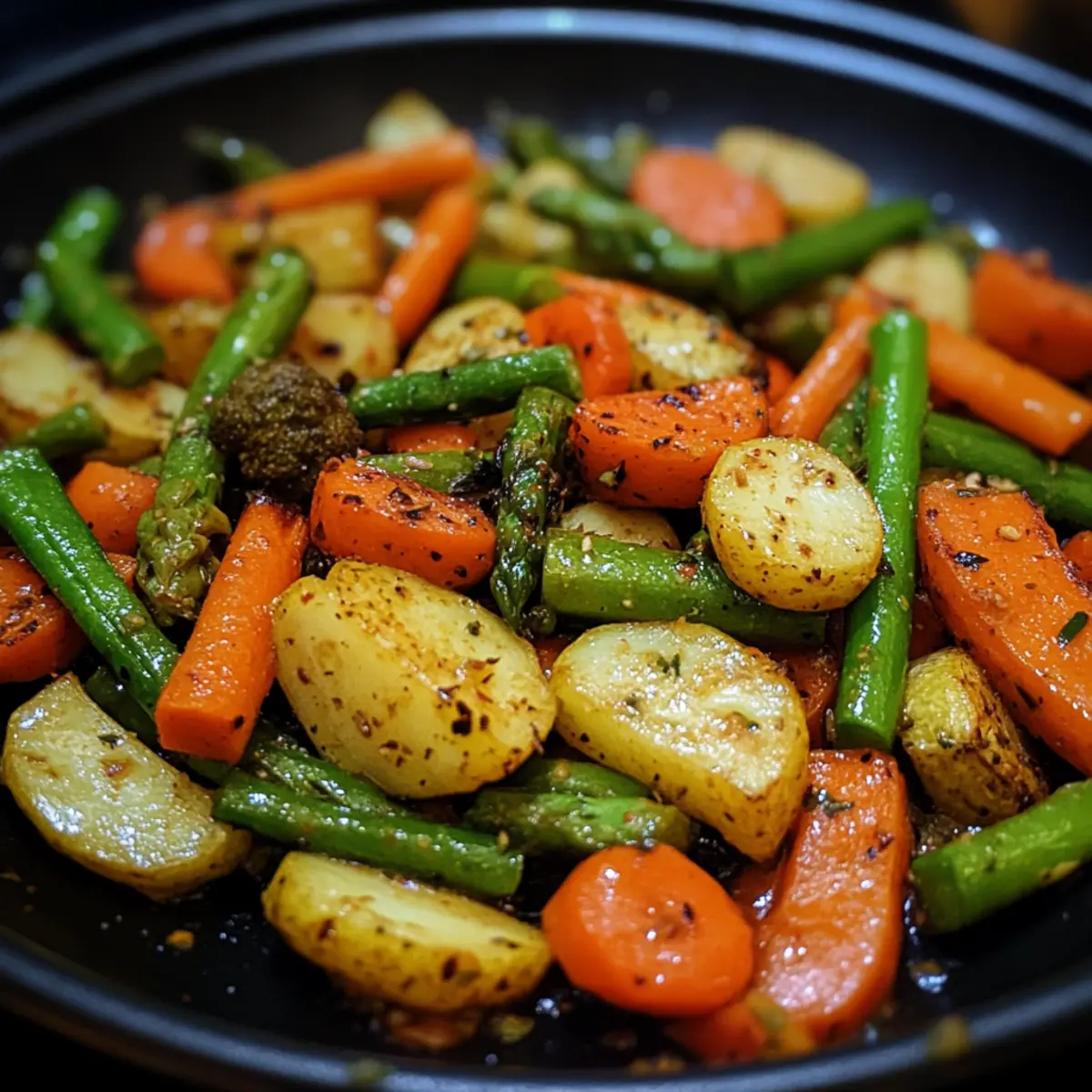
Easy Spring Vegetable Sauté Bursting with Fresh, Vibrant Flavors
Ingredients
Equipment
Method
- Start by trimming and cutting asparagus into 1-inch pieces, slicing carrots thinly, and rinsing peas and spinach. Pat dry for even sauté.
- Warm olive oil in a large skillet over medium heat for 1 minute until shimmering, swirling the pan to coat evenly.
- Add shallots and garlic; cook until fragrant and golden-edged, about 1–2 minutes, stirring constantly.
- Toss in carrots and asparagus; sauté for 3–4 minutes until veggies turn bright and begin to soften.
- Stir in sugar snap peas; cook another 2 minutes until they stay crisp-tender and vibrant green.
- Add baby spinach; toss gently for 1 minute until leaves just wilt.
- Sprinkle lemon zest, salt, and pepper; toss to combine, let flavors meld for 1 minute off heat.
- Transfer sauté to a serving dish; top with fresh herbs and toasted nuts.