
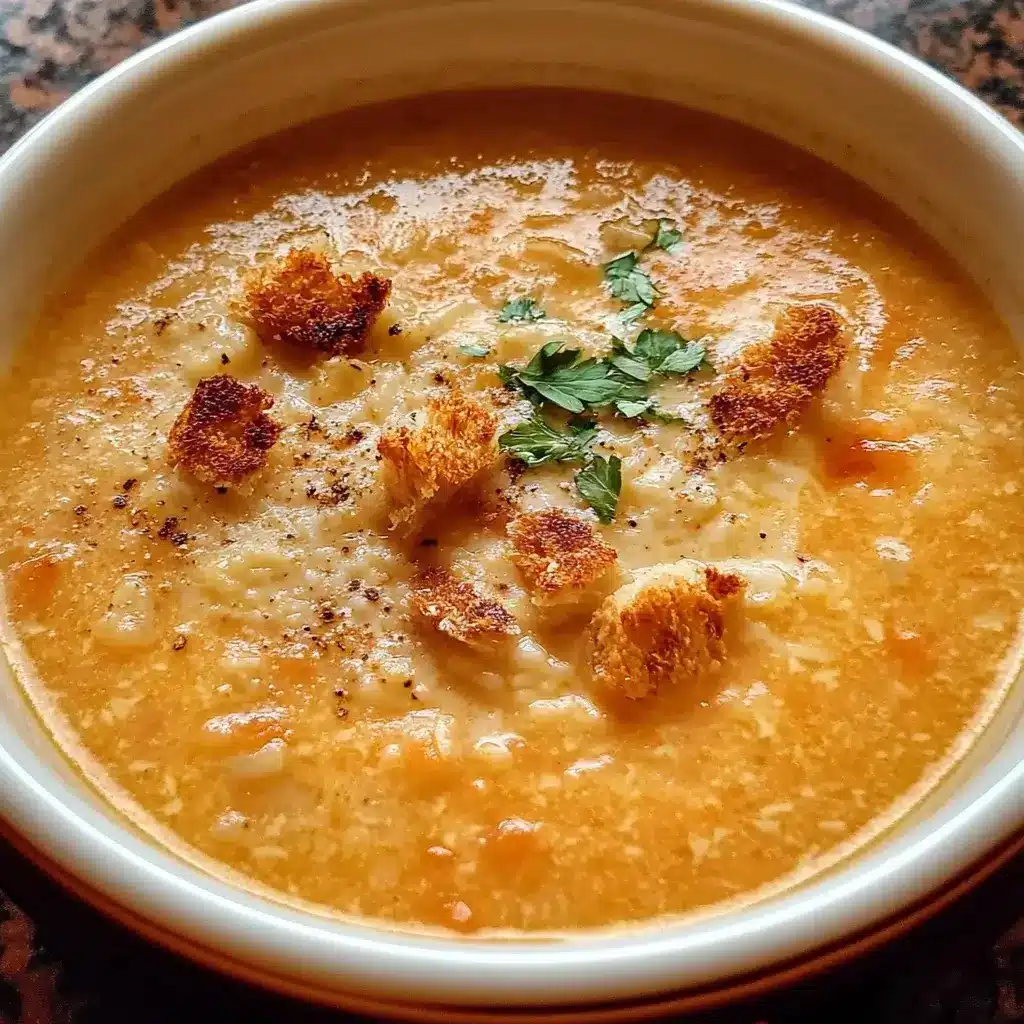
The first time I truly understood the soul of Spanish cooking wasn’t in a bustling Barcelona tapas bar or a high-end Madrid restaurant. It was on a chilly, windswept afternoon in a tiny, family-run mesón in the heart of Old Castile. I had ordered the Sopa de Ajo—garlic soup—expecting something simple, perhaps even plain. What arrived was a revelation. It was a rustic earthenware bowl, steaming and fragrant, filled with a deep, golden-red broth. Inside, tender pieces of bread had softened into silky pillows, and a perfectly poached egg sat like a hidden treasure, its yolk waiting to be broken. The aroma was intoxicating: a heady mix of sweet, toasted garlic, smoky paprika, and rich olive oil. With the first spoonful, I was completely captivated. It was profoundly flavorful, deeply comforting, and utterly delicious. It tasted of history, of resourcefulness, of turning the humblest ingredients—stale bread, garlic, water, and an egg—into something magical. That single bowl of soup taught me more about Spanish cuisine than any cookbook ever could. It’s a dish born from necessity, a “peasant soup” that is fit for royalty. This recipe is my homage to that perfect bowl, a recreation of that soul-warming, life-changing soup that is, thankfully, incredibly easy to make at home.
The Soul of Castile: Ingredients for Authentic Sopa de Ajo
The beauty of Spanish Garlic Soup lies in its simplicity. There are no fancy techniques or hard-to-find ingredients, but the quality of each component is what makes the final dish sing. This recipe stays true to its humble, rustic roots.
- Garlic: 8-10 large cloves, thinly sliced. This is the star of the show. Slicing the garlic (rather than mincing) prevents it from burning too quickly and allows it to release its sweet, nutty flavor into the oil.
- Stale, Crusty Bread: 6 cups of day-old, rustic bread, torn or cut into 1-inch pieces. The type of bread is crucial. You want a sturdy, country-style loaf with a good crust. In Spain, they would use pan de pueblo. Stale bread is essential because it will absorb the flavorful broth without completely disintegrating into mush.
- Spanish Smoked Paprika (Pimentón): 1 tablespoon of sweet (dulce) or bittersweet (agridulce) smoked paprika. This is the ingredient that gives the soup its iconic color and smoky depth. Do not substitute with regular paprika; the smoked flavor is non-negotiable.
- Good Quality Spanish Extra Virgin Olive Oil: ¼ cup. The oil is a primary flavor component, so use a good, fruity one.
- Eggs: 4 large, fresh eggs. These will be poached directly in the simmering soup just before serving.
- Broth or Water: 8 cups. Traditionally, water was often used. However, using a low-sodium chicken or vegetable broth will create a much richer, more flavorful soup.
- Jamón Serrano (Optional but Recommended): 2 ounces (about 50g), finely diced. A few small cubes of Spanish cured ham add a wonderful, salty, umami depth to the soup. You can substitute with pancetta or bacon if you cannot find Jamón Serrano.
- Salt: 1 teaspoon, plus more to taste.
- Fresh Parsley: a small handful, chopped, for garnish.
Crafting a Spanish Classic: Step-by-Step Instructions
Making Sopa de Ajo is a quick and straightforward process. The key is to build layers of flavor carefully and to pay close attention at the beginning to avoid burning the garlic or paprika.
1. Prepare Your Ingredients:
Begin by preparing all your ingredients. Thinly slice the garlic cloves. Tear or cut your stale bread into bite-sized chunks. If using Jamón Serrano, dice it finely. Have your broth, paprika, and eggs ready to go. This soup comes together quickly, so having everything prepped in advance (mise en place) is essential.
2. Toast the Garlic and Jamón:
In a large, heavy-bottomed pot or Dutch oven, heat the ¼ cup of olive oil over medium heat. Add the thinly sliced garlic and the diced Jamón Serrano (if using). Cook gently, stirring frequently, for about 3-4 minutes. You are looking for the garlic to become fragrant and turn a very light, pale golden color. It is absolutely crucial that you do not let the garlic brown or burn, as it will make the entire soup bitter. The goal is to toast it lightly to infuse the oil with its sweet, nutty flavor.
3. Bloom the Paprika:
This is the most critical step for achieving the soup’s signature flavor and color. Remove the pot from the heat completely. Add the tablespoon of smoked paprika to the hot oil and stir immediately and constantly for about 15-20 seconds. The paprika will “bloom” in the hot oil, becoming incredibly fragrant and releasing its deep red color. Keeping the pot off the heat prevents the delicate paprika from scorching, which would also result in a bitter taste.
4. Add the Bread:
Immediately after blooming the paprika, add the torn pieces of stale bread to the pot. Return the pot to medium heat and stir everything together for about 2-3 minutes. This step toasts the bread slightly and ensures that every piece is coated in the delicious, garlic- and paprika-infused olive oil.
5. Simmer the Soup:
Pour the 8 cups of broth (or water) into the pot. Add 1 teaspoon of salt. Stir everything together, gently scraping the bottom of the pot to lift any flavorful bits that may have stuck. Bring the soup to a boil, then reduce the heat to low, cover the pot partially (leaving a small gap for steam to escape), and let it simmer gently for about 15 minutes. This simmering time allows the bread to soften beautifully and for all the flavors to meld together into a harmonious broth.
6. Poach the Eggs:
After 15 minutes of simmering, the soup is ready for the eggs. Taste the broth and adjust the salt if needed. Keep the soup at a gentle, barely-there simmer (do not let it boil). One at a time, crack each egg into a small bowl or ramekin first (this makes it easier to slide them into the pot without breaking the yolk). Gently slide each egg from the bowl into a different quadrant of the soup.
7. Cook the Eggs and Serve:
Cover the pot and let the eggs poach in the hot broth for 3-5 minutes. The cooking time depends on how you like your yolks: 3 minutes will give you a very runny yolk, while 5 minutes will result in a firmer, “jammy” yolk. The whites should be set and opaque. To serve, carefully ladle one poached egg and a generous amount of the soup and bread into each of four traditional earthenware bowls (cazuelas) or regular soup bowls. Garnish with a sprinkle of fresh chopped parsley and serve immediately while piping hot.
Nutritional Snapshot: Understanding Sopa de Ajo
This is a soup that nourishes the soul as well as the body. It’s a wonderful example of the healthy Mediterranean diet.
- Servings: This recipe yields 4 generous main course servings.
- Calories per serving: Approximately 450-550 kcal.
Disclaimer: This nutritional information is an estimate and will vary based on the specific ingredients used, such as the type of bread and whether you use broth or water.
This soup is a well-balanced meal in a bowl. You get carbohydrates for energy from the bread, healthy monounsaturated fats from the olive oil, and high-quality protein from the eggs and optional ham. Garlic is renowned for its health benefits, including supporting the immune system, and the entire dish is free from heavy creams or processed ingredients.
From Kitchen to Table: Preparation and Cook Time
One of the best things about Sopa de Ajo is how quickly it comes together, making it a perfect meal for a busy weeknight.
- Preparation Time: 10 minutes
- Cook Time: 25-30 minutes
- Total Time: Approximately 35-40 minutes
In less than an hour, you can have a deeply flavorful, rustic, and satisfying meal on the table.
The Art of Serving: Presentation and Pairings
Serving Sopa de Ajo is all about embracing its rustic charm.
Traditional Presentation:
- Earthenware Bowls: For the most authentic experience, serve the soup in shallow, wide earthenware bowls known as cazuelas de barro. These bowls retain heat beautifully.
- Garnish Simply: A sprinkle of fresh, green chopped parsley is all that’s needed to provide a fresh contrast to the rich, red broth.
- The Big Reveal: The best part of eating this soup is breaking the yolk of the poached egg with your spoon and watching it run into and enrich the broth. Encourage your guests to do this!
Perfect Pairings:
- Wine: Pair this soup with a young, fruity Spanish red wine like a Rioja Crianza or a Tempranillo. A crisp, dry Spanish white like a Verdejo or Albariño would also be a fantastic choice.
- As a First Course: Serve a smaller portion as a starter before a main course of roasted chicken or grilled fish.
- As a Light Main: The soup is hearty enough to be a light main course on its own. Serve it with a simple side salad with a sherry vinaigrette and a plate of Spanish cheeses like Manchego and some olives.
Alternative Egg Method (Stracciatella-Style):
If you prefer not to have a whole poached egg, you can use the Italian “stracciatella” method.
- In a small bowl, lightly beat two of the eggs.
- While the soup is simmering, slowly pour the beaten eggs into the pot in a thin stream while constantly stirring the soup with a fork or whisk.
- The egg will cook instantly into beautiful, thin ribbons or “rags,” thickening the soup slightly and distributing the egg flavor throughout.
Secrets from a Spanish Kitchen: 5 Additional Tips for Perfection
These tips will help you master the nuances of this seemingly simple soup.
1. The Bread is Everything—Seriously:
You cannot make great Sopa de Ajo with soft, fresh sandwich bread. It will dissolve into a starchy, unpleasant paste. You need a robust, rustic loaf with an open crumb and a firm crust. If your bread is fresh, you can “stale” it yourself. Cut it into chunks, spread it on a baking sheet, and bake it in a 300°F (150°C) oven for 15-20 minutes until it is dried out and crisp.
2. Respect the Paprika:
I cannot stress this enough: bloom the paprika off the heat. Paprika is essentially a finely ground dried pepper, and its sugars will burn incredibly fast, turning it from smoky and sweet to acrid and bitter in a matter of seconds. Taking the pot off the heat gives you a safety buffer and ensures a perfect result every time.
3. Use the Best Ingredients You Can Afford:
Because this soup has so few ingredients, each one plays a starring role. Use a good quality Spanish olive oil that you would enjoy on a salad. Use real Spanish smoked paprika—it is a world away from the generic paprika found in most spice racks. These details will elevate your soup from good to truly memorable.
4. A Touch of Sherry Vinegar:
For a little pop of brightness that cuts through the richness of the soup, add a tiny splash (about ½ teaspoon) of Spanish sherry vinegar to the pot at the very end of cooking. Stir it in just before you add the eggs. It’s not strictly traditional in all regions, but this little acidic kick can beautifully balance the flavors.
5. Let It Rest Before Serving:
Once the eggs are cooked, turn off the heat and let the soup stand for 5 minutes before ladling it into bowls. This brief resting period allows the flavors to meld even further and for the bread to absorb the last bit of broth, achieving the perfect texture.
Your Questions Answered: Frequently Asked Questions (FAQ)
Here are answers to some of the most common questions about making Spanish Garlic Soup.
1. Can I make Sopa de Ajo vegetarian?
Yes, absolutely! It is incredibly easy to make a vegetarian or vegan version. Simply omit the Jamón Serrano and be sure to use a high-quality vegetable broth instead of chicken broth. For a vegan version, you would also omit the egg. The soup is still wonderfully flavorful and comforting on its own.
2. My soup tastes bitter. What went wrong?
Bitterness in Sopa de Ajo almost always comes from one of two things: burnt garlic or scorched paprika. If the garlic slices turn dark brown instead of pale gold, they will impart a bitter flavor. If the paprika is heated for too long or at too high a temperature, it will scorch and become bitter. Follow the instructions to cook the garlic gently and to bloom the paprika off the heat to prevent this.
3. Can I make this soup ahead of time?
Sopa de Ajo is truly at its best when served immediately after it’s made, primarily because of the texture of the bread and the perfectly poached egg. If you make it too far in advance, the bread can become overly saturated and mushy. However, you can certainly prep the components: slice the garlic, cube the bread, and have your broth measured out. With the prep done, the soup itself comes together in under 30 minutes.
4. What is the difference between Spanish Garlic Soup and French Onion Soup?
While both are iconic European rustic soups featuring a flavorful broth and bread, they are quite different. French Onion Soup gets its flavor from the deep, slow caramelization of onions and is often enriched with wine or brandy and topped with a thick, cheesy crouton. Spanish Garlic Soup is much quicker to make, gets its primary flavors from toasted garlic and smoked paprika, and features bread and egg incorporated directly into the soup itself.
5. Can I use garlic powder instead of fresh garlic?
It is highly recommended to use fresh garlic for this recipe. Garlic powder lacks the nuanced, sweet flavor that you get from toasting fresh garlic slices in olive oil. The fresh garlic is the heart and soul of the soup, and using powder would result in a much flatter, less complex flavor profile.

Easy Spanish Garlic Soup recipe
Ingredients
- Garlic: 8-10 large cloves, thinly sliced. This is the star of the show. Slicing the garlic (rather than mincing) prevents it from burning too quickly and allows it to release its sweet, nutty flavor into the oil.
- Stale, Crusty Bread: 6 cups of day-old, rustic bread, torn or cut into 1-inch pieces. The type of bread is crucial. You want a sturdy, country-style loaf with a good crust. In Spain, they would use pan de pueblo. Stale bread is essential because it will absorb the flavorful broth without completely disintegrating into mush.
- Spanish Smoked Paprika (Pimentón): 1 tablespoon of sweet (dulce) or bittersweet (agridulce) smoked paprika. This is the ingredient that gives the soup its iconic color and smoky depth. Do not substitute with regular paprika; the smoked flavor is non-negotiable.
- Good Quality Spanish Extra Virgin Olive Oil: ¼ cup. The oil is a primary flavor component, so use a good, fruity one.
- Eggs: 4 large, fresh eggs. These will be poached directly in the simmering soup just before serving.
- Broth or Water: 8 cups. Traditionally, water was often used. However, using a low-sodium chicken or vegetable broth will create a much richer, more flavorful soup.
- Jamón Serrano (Optional but Recommended): 2 ounces (about 50g), finely diced. A few small cubes of Spanish cured ham add a wonderful, salty, umami depth to the soup. You can substitute with pancetta or bacon if you cannot find Jamón Serrano.
- Salt: 1 teaspoon, plus more to taste.
- Fresh Parsley: a small handful, chopped, for garnish.
Instructions
Prepare Your Ingredients:
Begin by preparing all your ingredients. Thinly slice the garlic cloves. Tear or cut your stale bread into bite-sized chunks. If using Jamón Serrano, dice it finely. Have your broth, paprika, and eggs ready to go. This soup comes together quickly, so having everything prepped in advance (mise en place) is essential.
2. Toast the Garlic and Jamón:
In a large, heavy-bottomed pot or Dutch oven, heat the ¼ cup of olive oil over medium heat. Add the thinly sliced garlic and the diced Jamón Serrano (if using). Cook gently, stirring frequently, for about 3-4 minutes. You are looking for the garlic to become fragrant and turn a very light, pale golden color. It is absolutely crucial that you do not let the garlic brown or burn, as it will make the entire soup bitter. The goal is to toast it lightly to infuse the oil with its sweet, nutty flavor.
3. Bloom the Paprika:
This is the most critical step for achieving the soup’s signature flavor and color. Remove the pot from the heat completely. Add the tablespoon of smoked paprika to the hot oil and stir immediately and constantly for about 15-20 seconds. The paprika will “bloom” in the hot oil, becoming incredibly fragrant and releasing its deep red color. Keeping the pot off the heat prevents the delicate paprika from scorching, which would also result in a bitter taste.
4. Add the Bread:
Immediately after blooming the paprika, add the torn pieces of stale bread to the pot. Return the pot to medium heat and stir everything together for about 2-3 minutes. This step toasts the bread slightly and ensures that every piece is coated in the delicious, garlic- and paprika-infused olive oil.
5. Simmer the Soup:
Pour the 8 cups of broth (or water) into the pot. Add 1 teaspoon of salt. Stir everything together, gently scraping the bottom of the pot to lift any flavorful bits that may have stuck. Bring the soup to a boil, then reduce the heat to low, cover the pot partially (leaving a small gap for steam to escape), and let it simmer gently for about 15 minutes. This simmering time allows the bread to soften beautifully and for all the flavors to meld together into a harmonious broth.
6. Poach the Eggs:
After 15 minutes of simmering, the soup is ready for the eggs. Taste the broth and adjust the salt if needed. Keep the soup at a gentle, barely-there simmer (do not let it boil). One at a time, crack each egg into a small bowl or ramekin first (this makes it easier to slide them into the pot without breaking the yolk). Gently slide each egg from the bowl into a different quadrant of the soup.
7. Cook the Eggs and Serve:
Cover the pot and let the eggs poach in the hot broth for 3-5 minutes. The cooking time depends on how you like your yolks: 3 minutes will give you a very runny yolk, while 5 minutes will result in a firmer, “jammy” yolk. The whites should be set and opaque. To serve, carefully ladle one poached egg and a generous amount of the soup and bread into each of four traditional earthenware bowls (cazuelas) or regular soup bowls. Garnish with a sprinkle of fresh chopped parsley and serve immediately while piping hot.
Nutrition
- Serving Size: one normal portion
- Calories: 450-550 kcal