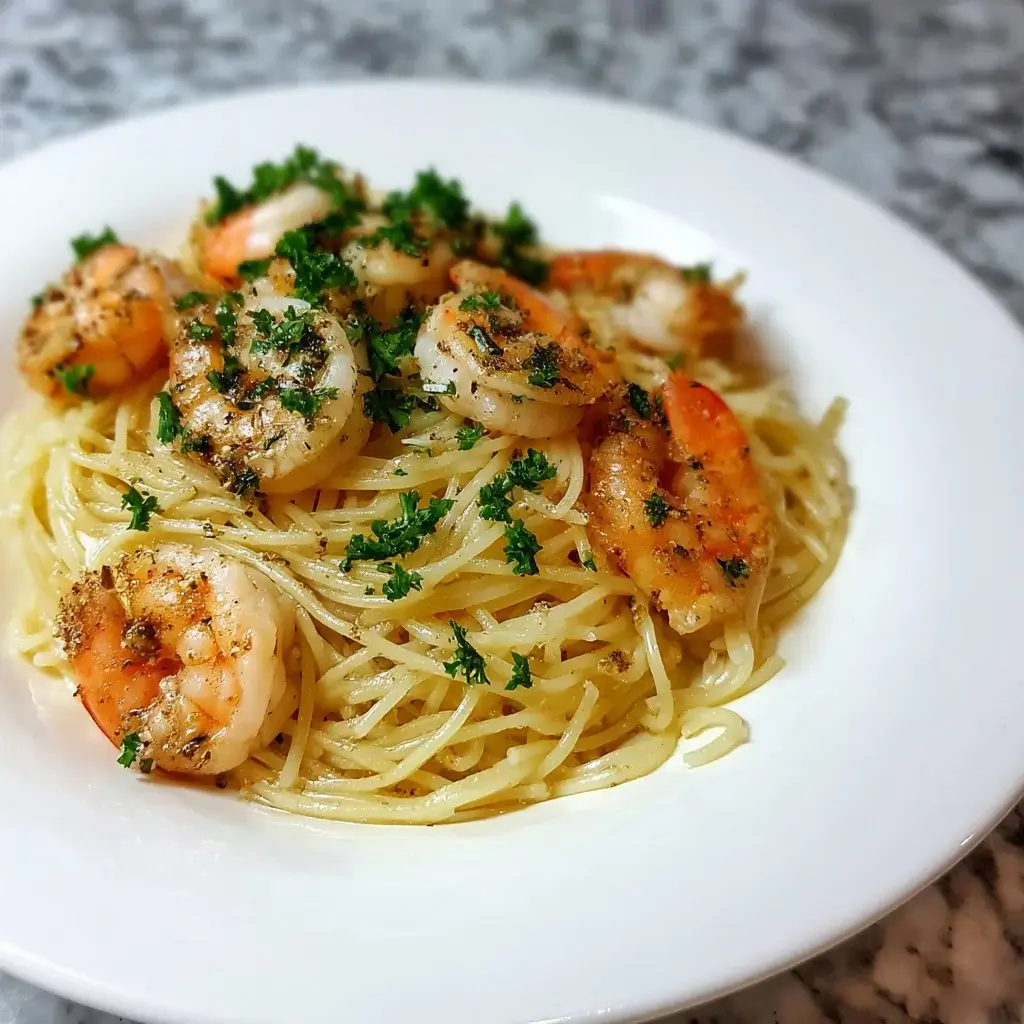
There are certain recipes in my collection that I call “lifesavers,” and this Easy Shrimp with Angel Hair Pasta sits right at the top of that list. It’s my go-to for those chaotic weeknights when everyone is hungry now, but I still want to put something elegant and genuinely delicious on the table. I remember one such evening, buried under deadlines and feeling completely uninspired, when I pulled a bag of frozen shrimp from the freezer. In less than 20 minutes, the kitchen was filled with the intoxicating aroma of garlic sizzling in butter and a splash of white wine. My husband wandered in, drawn by the scent, and peeked into the pan. “Having a fancy dinner tonight?” he asked. I just smiled. That’s the secret power of this dish: it has the sophisticated feel of a restaurant-quality meal, but it’s deceptively simple, requiring minimal ingredients and even less time. The delicate, quick-cooking angel hair pasta is the perfect vehicle for a light yet luxurious sauce, and the plump, juicy shrimp feel like an indulgence. It’s a meal that has saved me from the takeout menu more times than I can count, consistently delighting my family and making me feel like a culinary hero with almost zero effort.
The Magic of Simplicity: Why This Recipe Is a Weeknight Winner
The genius of this dish lies in its perfect marriage of speed and elegance. It’s a testament to the idea that you don’t need a long list of complicated ingredients or hours of simmering to create a truly memorable meal. Let’s break down why this combination is so effective:
- Angel Hair Pasta (Capelli d’Angelo): The name literally translates to “angel’s hair,” and for good reason. These incredibly fine strands of pasta cook in a flash—often in as little as 2-3 minutes. This rapid cooking time is the cornerstone of the recipe’s speed. Furthermore, its delicate texture is the ideal partner for a light pan sauce. It doesn’t overwhelm the subtle flavors of the shrimp and garlic; instead, it gracefully carries the sauce in every single bite.
- The Perfect Protein: Shrimp: Shrimp is the ultimate fast food of the sea. It cooks in mere minutes, going from translucent to perfectly pink and plump. This quick transformation means you can build your entire sauce and cook the protein in the time it takes for your pasta water to boil.
- The Instant Pan Sauce: This is where the real culinary magic happens. There’s no long simmering required. The sauce is built directly in the skillet by layering simple, high-impact flavors: aromatic garlic, rich butter, acidic white wine and lemon, and a hint of heat from red pepper flakes. The final touch—emulsifying the sauce with starchy pasta water—is a classic Italian technique that turns these humble ingredients into a glossy, restaurant-quality sauce that clings beautifully to the pasta.
This recipe is a masterclass in efficiency, proving that a sophisticated dinner is just minutes away with the right ingredients and technique.
A Deep Dive into Your Ingredients: The Complete List
While this recipe is simple, the quality of your ingredients will shine through. Here is everything you need, along with notes on why each component is crucial for the best possible result.
For the Pasta and Shrimp:
- 1 lb (450g) Angel Hair Pasta: As the foundation of the dish, choose a good quality brand if possible. The delicate nature of this pasta means a well-made one will be less likely to clump or break.
- 1 ½ lbs (680g) Large Shrimp, peeled and deveined:
- Size: Large or jumbo shrimp (21-25 or 16-20 count per pound) work best as they remain juicy and have a satisfying bite. Smaller shrimp can easily overcook and become tough.
- Preparation: Buying shrimp that is already peeled and deveined is a huge time-saver. If you buy shell-on, you can save the shells to make a flavorful seafood stock for another time!
- Fresh vs. Frozen: Don’t hesitate to use frozen shrimp! Often, the shrimp frozen on the fishing boats is “fresher” than what’s sitting on ice at the seafood counter. Just be sure to thaw it properly (see FAQ).
For the Garlic Lemon Butter Sauce:
- 4 tbsp Unsalted Butter, divided: We use butter for its unparalleled rich flavor and creamy texture. Dividing it allows us to build the sauce in stages and finish it for a perfect emulsion.
- 2 tbsp Olive Oil: Using olive oil alongside butter is a classic technique. The oil has a higher smoke point, which helps prevent the butter from browning too quickly when we sauté the garlic.
- 6-8 Cloves Garlic, thinly sliced or minced: This is a garlic-forward dish, so don’t be shy. Slicing the garlic provides a mellower, sweeter flavor, while mincing gives a sharper, more intense garlic punch. Use fresh cloves—jarred garlic simply doesn’t have the same vibrant flavor.
- ½ cup Dry White Wine: This is for deglazing the pan and adding a crucial layer of acidity and depth. Choose a crisp, dry wine you would enjoy drinking, like a Pinot Grigio, Sauvignon Blanc, or an unoaked Chardonnay. Avoid sweet wines like Moscato or Riesling.
- Juice of 1 Large Lemon (about 3-4 tablespoons): Freshly squeezed lemon juice is non-negotiable. It adds the bright, zesty finish that cuts through the richness of the butter and makes the entire dish taste fresh and alive.
- ½ tsp Red Pepper Flakes (or more, to taste): This adds a gentle background warmth that complements the sweetness of the shrimp. Adjust the amount based on your preference for spice.
- Salt and Freshly Ground Black Pepper, to taste: Essential for seasoning every layer of the dish.
- 1 cup Reserved Starchy Pasta Water: This is the secret ingredient! The cloudy, starchy water left over from cooking the pasta is liquid gold. The starches help to thicken the sauce and bind it to the pasta, creating a creamy, emulsified sauce instead of a watery or oily one.
- ½ cup Fresh Parsley, finely chopped: Added at the very end, fresh parsley lends a clean, herbaceous, and peppery note that brightens all the other flavors.
The Step-by-Step Guide to Perfection
This dish comes together very quickly, so it’s essential to have all your ingredients prepped and ready to go before you start cooking. This concept is known as mise en place.
Phase 1: Preparation (The 10-Minute Head Start)
- Prep the Shrimp: If your shrimp are frozen, thaw them first. Pat the shrimp completely dry with paper towels. This is a critical step for getting a good sear. Season the dry shrimp generously with salt and black pepper.
- Prep the Aromatics: Peel and thinly slice or mince your garlic cloves. Chop your fresh parsley. Zest the lemon first (for garnish, optional), then cut it in half for juicing.
- Boil the Water: Fill a large pot with water and bring it to a rolling boil. Once boiling, add a generous amount of salt—it should taste like the sea. This seasons the pasta from the inside out and is the only chance you get to season the pasta itself.
Phase 2: Cooking the Pasta and Shrimp (The Action Phase)
- Cook the Pasta: Add the angel hair pasta to the boiling salted water. Stir immediately to prevent it from sticking. Angel hair cooks extremely fast, so stay close! It will likely be perfectly al dente (firm to the bite) in 2-4 minutes.
- Start the Sauce: While the pasta is cooking, heat a large skillet or sauté pan over medium heat. Add the olive oil and 2 tablespoons of the butter. Once the butter is melted and foaming, add the sliced or minced garlic and the red pepper flakes. Cook, stirring constantly, for about 30-60 seconds until the garlic is fragrant and just beginning to turn golden. Be very careful not to let it burn, as burnt garlic will make the entire dish bitter.
- Cook the Shrimp: Add the seasoned shrimp to the pan in a single layer. Cook for 1-2 minutes per side, just until they turn pink and opaque. The shrimp will curl into a “C” shape when they are perfectly cooked. An “O” shape means they are overcooked and will be rubbery. Remove the cooked shrimp from the skillet and set them aside on a plate. Do not overcook them at this stage, as they will be returned to the sauce later.
Phase 3: Building and Finishing the Dish (The Grand Finale)
- Deglaze the Pan: Pour the ½ cup of dry white wine into the hot skillet. As it sizzles, use a wooden spoon or spatula to scrape up any browned bits (called fond) from the bottom of the pan. This is where a massive amount of flavor is hiding. Let the wine simmer and reduce by about half, which should take 2-3 minutes.
- Save the Magic Water: Just before you drain the pasta, use a mug or a ladle to reserve at least 1 cup of the starchy pasta water.
- Drain the Pasta: Drain the cooked angel hair pasta in a colander. Do not rinse it.
- Create the Sauce: Add the fresh lemon juice to the reduced wine in the skillet. Add about ½ cup of the reserved pasta water to start. Bring the mixture to a simmer.
- Emulsify: Reduce the heat to low and add the remaining 2 tablespoons of butter. Swirl the pan or whisk constantly until the butter has melted and the sauce has come together into a slightly thickened, creamy consistency. This is your beautiful, emulsified pan sauce.
- Combine Everything: Add the drained angel hair pasta directly into the skillet with the sauce. Return the cooked shrimp to the pan as well. Add the chopped fresh parsley.
- Toss to Coat: Using tongs, gently toss everything together until the pasta and shrimp are thoroughly coated in the glistening sauce. If the sauce seems too thick, add another splash of the reserved pasta water until it reaches your desired consistency.
- Serve Immediately: Taste the pasta and adjust seasoning with more salt, pepper, or a squeeze of lemon if needed. Serve immediately, garnished with a little extra fresh parsley and some lemon zest if desired.
Nutrition Facts
- Servings: 4-6 generous servings
- Calories per serving (approximate): 550-650 kcal
Disclaimer: The nutritional information is an estimate and can vary based on the exact size of the shrimp, the brand of pasta, and the precise amount of butter and oil used.
Preparation Time
- Prep time: 10 minutes
- Cook time: 15 minutes
- Total time: Approximately 25 minutes
How to Serve: Turning a Simple Meal into an Occasion
Even a quick weeknight dinner can feel special with the right presentation and accompaniments.
- Plating for Perfection:
- Use tongs to grab a portion of pasta and lower it into a shallow bowl, twisting the tongs as you release to create an elegant swirl.
- Artfully arrange 5-6 shrimp on top of and around the pasta nest.
- Spoon any extra sauce from the pan over the top.
- Garnish with a final sprinkle of fresh parsley, a bit of lemon zest, or a pinch of red pepper flakes for visual appeal.
- Perfect Side Dish Pairings:
- Crusty Garlic Bread: Absolutely essential for sopping up every last drop of the delicious lemon-garlic butter sauce.
- A Simple Green Salad: A salad of arugula or mixed greens with a light vinaigrette provides a fresh, peppery contrast to the rich pasta.
- Roasted or Steamed Vegetables: Simple roasted asparagus, steamed broccoli, or sautéed green beans with a squeeze of lemon complement the dish without overpowering it.
- Wine Pairings:
- Continue with the wine you used in the sauce. A crisp Pinot Grigio or Sauvignon Blanc is a perfect match, as their acidity cuts through the butter and complements the lemon and shrimp.
- An un-oaked Chardonnay or a dry Rosé would also be excellent choices.
5 Pro Tips for Flawless Shrimp Pasta
- Don’t Crowd the Pan: When cooking the shrimp, make sure they are in a single layer with a bit of space between them. If you overcrowd the pan, the shrimp will steam instead of sear, and you won’t get that beautiful pink color and delicious flavor. Work in two batches if necessary.
- Never, Ever Forget the Pasta Water: It’s easy to go on autopilot and dump all the water down the drain. Place your colander over a large bowl or put a liquid measuring cup directly in the sink as a physical reminder to save some of that starchy water. It is the single most important element for creating a silky sauce.
- Pat Your Shrimp Dry: I mentioned it in the instructions, but it bears repeating. Moisture is the enemy of a good sear. Thoroughly drying your shrimp ensures they sizzle the moment they hit the hot pan, creating better flavor and texture.
- Control Your Garlic: Garlic can go from perfectly fragrant to acrid and burnt in a matter of seconds. Keep the heat on medium and stir it constantly. As soon as you can smell it and see it turning a very light golden color, it’s time to add your next ingredient (the shrimp or the wine) to cool the pan down.
- Finish with Butter Off the Heat (or on Low): When adding the final two tablespoons of butter to create the sauce, lower the heat significantly. Swirling cold butter into a sauce just before serving is a classic French technique called monter au beurre. It helps to thicken and emulsify the sauce, giving it a beautiful, velvety sheen and rich flavor.
Frequently Asked Questions (FAQ)
1. Can I use frozen shrimp? How do I thaw it properly?
Yes, frozen shrimp is a fantastic and convenient option. The best way to thaw it is to place it in a colander in the sink and run cool water over it for 5-10 minutes, tossing it occasionally, until thawed. Alternatively, you can place the frozen shrimp in a covered bowl in the refrigerator overnight. Avoid using the microwave, as it can start to cook the shrimp and make them tough.
2. My sauce is watery and just pools at the bottom of the bowl. What went wrong?
This is almost always due to forgetting or not using enough of the starchy pasta water. The starches in the water are a powerful emulsifier. If your sauce is thin, make sure the pasta is in the pan, add a healthy splash of pasta water, and turn up the heat slightly while tossing constantly. The sauce should tighten up and cling to the pasta beautifully.
3. Can I make this dish without wine?
Absolutely. If you prefer not to use wine, you can substitute it with an equal amount of low-sodium chicken broth or even seafood stock. To replicate the acidity that the wine provides, add an extra squeeze of fresh lemon juice along with the broth.
4. Can I use a different type of pasta?
Yes, but for best results, stick with long, thin pasta shapes. Linguine, spaghetti, or thin spaghetti would all be excellent substitutes for angel hair. Thicker, heartier shapes like penne or rigatoni are a bit too robust for this delicate sauce.
5. How do I store and reheat leftovers?
While this dish is undeniably best when eaten fresh, you can store leftovers in an airtight container in the refrigerator for up to 2 days. The best way to reheat it is in a skillet over low heat. Add a splash of water or chicken broth to the pan to help loosen the sauce and create some steam. Gently toss the pasta until it’s warmed through. Reheating in the microwave can often overcook the shrimp and make it rubbery.
Easy Shrimp With Angel Hair Pasta recipe
Ingredients
For the Pasta and Shrimp:
-
1 lb (450g) Angel Hair Pasta: As the foundation of the dish, choose a good quality brand if possible. The delicate nature of this pasta means a well-made one will be less likely to clump or break.
-
1 ½ lbs (680g) Large Shrimp, peeled and deveined:
-
Size: Large or jumbo shrimp (21-25 or 16-20 count per pound) work best as they remain juicy and have a satisfying bite. Smaller shrimp can easily overcook and become tough.
-
Preparation: Buying shrimp that is already peeled and deveined is a huge time-saver. If you buy shell-on, you can save the shells to make a flavorful seafood stock for another time!
-
Fresh vs. Frozen: Don’t hesitate to use frozen shrimp! Often, the shrimp frozen on the fishing boats is “fresher” than what’s sitting on ice at the seafood counter. Just be sure to thaw it properly (see FAQ).
-
For the Garlic Lemon Butter Sauce:
-
4 tbsp Unsalted Butter, divided: We use butter for its unparalleled rich flavor and creamy texture. Dividing it allows us to build the sauce in stages and finish it for a perfect emulsion.
-
2 tbsp Olive Oil: Using olive oil alongside butter is a classic technique. The oil has a higher smoke point, which helps prevent the butter from browning too quickly when we sauté the garlic.
-
6-8 Cloves Garlic, thinly sliced or minced: This is a garlic-forward dish, so don’t be shy. Slicing the garlic provides a mellower, sweeter flavor, while mincing gives a sharper, more intense garlic punch. Use fresh cloves—jarred garlic simply doesn’t have the same vibrant flavor.
-
½ cup Dry White Wine: This is for deglazing the pan and adding a crucial layer of acidity and depth. Choose a crisp, dry wine you would enjoy drinking, like a Pinot Grigio, Sauvignon Blanc, or an unoaked Chardonnay. Avoid sweet wines like Moscato or Riesling.
-
Juice of 1 Large Lemon (about 3-4 tablespoons): Freshly squeezed lemon juice is non-negotiable. It adds the bright, zesty finish that cuts through the richness of the butter and makes the entire dish taste fresh and alive.
-
½ tsp Red Pepper Flakes (or more, to taste): This adds a gentle background warmth that complements the sweetness of the shrimp. Adjust the amount based on your preference for spice.
-
Salt and Freshly Ground Black Pepper, to taste: Essential for seasoning every layer of the dish.
-
1 cup Reserved Starchy Pasta Water: This is the secret ingredient! The cloudy, starchy water left over from cooking the pasta is liquid gold. The starches help to thicken the sauce and bind it to the pasta, creating a creamy, emulsified sauce instead of a watery or oily one.
-
½ cup Fresh Parsley, finely chopped: Added at the very end, fresh parsley lends a clean, herbaceous, and peppery note that brightens all the other flavors.
Instructions
Phase 1: Preparation (The 10-Minute Head Start)
-
Prep the Shrimp: If your shrimp are frozen, thaw them first. Pat the shrimp completely dry with paper towels. This is a critical step for getting a good sear. Season the dry shrimp generously with salt and black pepper.
-
Prep the Aromatics: Peel and thinly slice or mince your garlic cloves. Chop your fresh parsley. Zest the lemon first (for garnish, optional), then cut it in half for juicing.
-
Boil the Water: Fill a large pot with water and bring it to a rolling boil. Once boiling, add a generous amount of salt—it should taste like the sea. This seasons the pasta from the inside out and is the only chance you get to season the pasta itself.
Phase 2: Cooking the Pasta and Shrimp (The Action Phase)
-
Cook the Pasta: Add the angel hair pasta to the boiling salted water. Stir immediately to prevent it from sticking. Angel hair cooks extremely fast, so stay close! It will likely be perfectly al dente (firm to the bite) in 2-4 minutes.
-
Start the Sauce: While the pasta is cooking, heat a large skillet or sauté pan over medium heat. Add the olive oil and 2 tablespoons of the butter. Once the butter is melted and foaming, add the sliced or minced garlic and the red pepper flakes. Cook, stirring constantly, for about 30-60 seconds until the garlic is fragrant and just beginning to turn golden. Be very careful not to let it burn, as burnt garlic will make the entire dish bitter.
-
Cook the Shrimp: Add the seasoned shrimp to the pan in a single layer. Cook for 1-2 minutes per side, just until they turn pink and opaque. The shrimp will curl into a “C” shape when they are perfectly cooked. An “O” shape means they are overcooked and will be rubbery. Remove the cooked shrimp from the skillet and set them aside on a plate. Do not overcook them at this stage, as they will be returned to the sauce later.
Phase 3: Building and Finishing the Dish (The Grand Finale)
-
Deglaze the Pan: Pour the ½ cup of dry white wine into the hot skillet. As it sizzles, use a wooden spoon or spatula to scrape up any browned bits (called fond) from the bottom of the pan. This is where a massive amount of flavor is hiding. Let the wine simmer and reduce by about half, which should take 2-3 minutes.
-
Save the Magic Water: Just before you drain the pasta, use a mug or a ladle to reserve at least 1 cup of the starchy pasta water.
-
Drain the Pasta: Drain the cooked angel hair pasta in a colander. Do not rinse it.
-
Create the Sauce: Add the fresh lemon juice to the reduced wine in the skillet. Add about ½ cup of the reserved pasta water to start. Bring the mixture to a simmer.
-
Emulsify: Reduce the heat to low and add the remaining 2 tablespoons of butter. Swirl the pan or whisk constantly until the butter has melted and the sauce has come together into a slightly thickened, creamy consistency. This is your beautiful, emulsified pan sauce.
-
Combine Everything: Add the drained angel hair pasta directly into the skillet with the sauce. Return the cooked shrimp to the pan as well. Add the chopped fresh parsley.
-
Toss to Coat: Using tongs, gently toss everything together until the pasta and shrimp are thoroughly coated in the glistening sauce. If the sauce seems too thick, add another splash of the reserved pasta water until it reaches your desired consistency.
-
Serve Immediately: Taste the pasta and adjust seasoning with more salt, pepper, or a squeeze of lemon if needed. Serve immediately, garnished with a little extra fresh parsley and some lemon zest if desired.
Nutrition
- Serving Size: one normal portion
- Calories: 550-650 kcal