
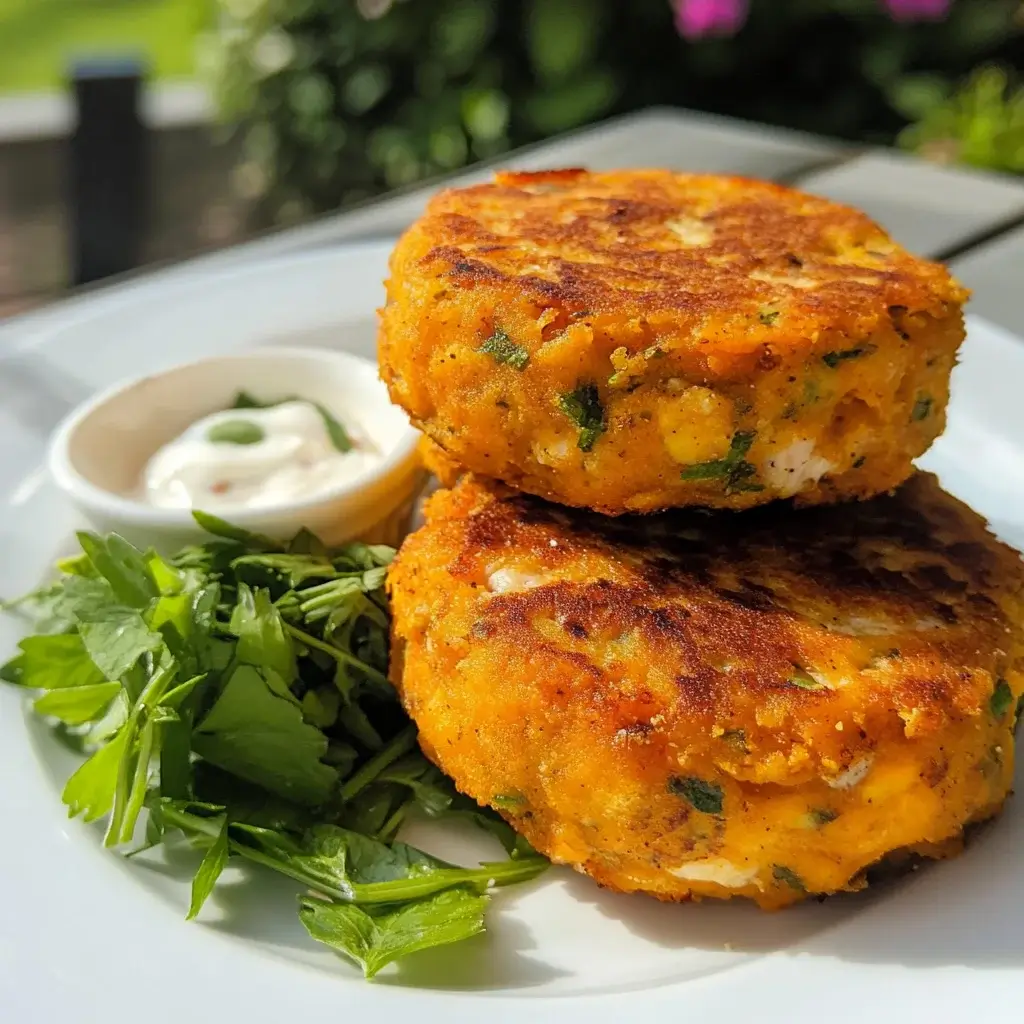
Dinner time at my house can sometimes feel like navigating a culinary minefield. Getting everyone to agree on a meal, let alone actually enjoy it, is a feat worthy of an Olympic medal. Fish, in particular, has always been a tricky subject. That is, until I discovered these Easy Salmon & Sweet Potato Fishcakes. I was initially drawn to the recipe because of its simplicity – the ingredient list was short and manageable, and the steps seemed straightforward even on a hectic weeknight. But what truly surprised me was the universal acclaim they received. Even my most discerning eater (who shall remain nameless, but let’s just say vegetables are typically viewed with suspicion) cleaned their plate. The combination of flaky salmon and sweet, creamy sweet potato, formed into crispy, golden patties, was an absolute revelation. These fishcakes are not only incredibly delicious and satisfying, but they are also packed with goodness, making them a guilt-free family favorite. If you’re searching for a way to introduce more fish into your diet, or simply looking for a quick, healthy, and crowd-pleasing meal, look no further. These Easy Salmon & Sweet Potato Fishcakes are about to become your new go-to recipe.
Ingredients: Simple, Wholesome, and Flavor-Packed
The beauty of these fishcakes lies in their simplicity. You don’t need a pantry full of exotic ingredients to create a truly delicious and nutritious meal. Here’s what you’ll need:
- 1 lb Cooked Salmon: The star ingredient! You can use fresh salmon that you’ve cooked yourself (poached, baked, grilled, or pan-fried – leftovers work perfectly!), or canned salmon (skinless and boneless, drained). Freshly cooked salmon will provide a flakier texture, while canned salmon is incredibly convenient and budget-friendly. When choosing fresh salmon, look for fillets that are bright in color, firm to the touch, and have a fresh, clean smell. For canned salmon, opt for wild-caught varieties whenever possible for potentially higher omega-3 content and sustainability. The salmon provides the essential protein and rich flavor base for the fishcakes.
- 1 lb Sweet Potatoes (about 2 medium): Sweet potatoes add a wonderful sweetness, creaminess, and vibrant color to the fishcakes. They also contribute essential nutrients and fiber. Choose sweet potatoes that are firm, with smooth skin and no soft spots or sprouts. Roasting or boiling the sweet potatoes until tender is key. Roasting will enhance their natural sweetness and create a slightly drier texture, which is ideal for fishcakes. Boiling is quicker but can result in a slightly wetter sweet potato. Ensure the sweet potatoes are thoroughly cooked and mashed smoothly to create a good binding agent for the fishcakes.
- 1/2 Cup Breadcrumbs (Panko or Regular): Breadcrumbs are crucial for binding the fishcakes together and providing a crispy exterior. Panko breadcrumbs, which are Japanese-style breadcrumbs, are highly recommended for their light and airy texture, resulting in extra crispy fishcakes. Regular breadcrumbs will also work well. You can use store-bought breadcrumbs or make your own by toasting and crushing stale bread. For a gluten-free option, you can use gluten-free breadcrumbs, almond flour, or oat flour, though the texture may be slightly different.
- 1 Egg: The egg acts as a binder, helping to hold the fishcakes together and adding moisture. Use a large egg for this recipe. If you have an egg allergy or prefer an egg-free option, you can try using flaxseed “egg” (1 tablespoon flaxseed meal mixed with 3 tablespoons water, let sit for 5 minutes to thicken) as a substitute, although the binding may be slightly less effective.
- 2 Tablespoons Fresh Parsley (chopped): Fresh parsley adds a burst of freshness and herbaceous flavor that complements the salmon and sweet potato beautifully. Flat-leaf parsley (Italian parsley) is preferred for its more robust flavor, but curly parsley will also work. Make sure to chop the parsley finely. You can substitute with other fresh herbs like dill, chives, or cilantro, depending on your flavor preferences.
- 1 Tablespoon Lemon Juice: Lemon juice brightens the flavors of the fishcakes and cuts through the richness of the salmon and sweet potato. Freshly squeezed lemon juice is always best for its vibrant flavor. You can use bottled lemon juice in a pinch, but fresh juice will make a noticeable difference.
- 1 Teaspoon Dijon Mustard: Dijon mustard adds a subtle tangy and savory depth of flavor that enhances the overall taste of the fishcakes. It complements the salmon and sweet potato without being overpowering. You can adjust the amount of Dijon mustard to your liking.
- 1/2 Teaspoon Salt: Salt is essential for seasoning and bringing out the flavors of all the ingredients. Sea salt or kosher salt are preferred for their purer flavor. Adjust the amount of salt to your taste, especially if using canned salmon, which can sometimes be salty already.
- 1/4 Teaspoon Black Pepper: Black pepper adds a touch of warmth and spice that balances the sweetness of the sweet potato and the richness of the salmon. Freshly ground black pepper is always recommended for the best flavor.
- 2-3 Tablespoons Olive Oil (or cooking oil of choice): Olive oil (or another cooking oil like avocado oil, vegetable oil, or coconut oil) is used for pan-frying or baking the fishcakes. Olive oil adds a subtle flavor and helps create a crispy golden-brown crust. Choose a cooking oil with a high smoke point if pan-frying at higher temperatures.
Instructions: Step-by-Step to Fishcake Perfection
Making these Easy Salmon & Sweet Potato Fishcakes is surprisingly simple. Follow these step-by-step instructions for delicious results:
Step 1: Prepare the Sweet Potatoes
- Preheat oven to 400°F (200°C) if roasting. If boiling, skip this step.
- Wash and pierce sweet potatoes several times with a fork. This allows steam to escape and prevents them from bursting while cooking.
- Roast sweet potatoes (optional, recommended for best flavor): Wrap sweet potatoes in foil and roast for 45-60 minutes, or until very tender when pierced with a fork. Alternatively, you can halve the sweet potatoes lengthwise and roast cut-side down on a baking sheet for about 30-40 minutes.
- Boil sweet potatoes (quicker method): Place whole, pierced sweet potatoes in a pot of cold water. Bring to a boil and cook for 20-25 minutes, or until very tender when pierced with a fork.
- Let sweet potatoes cool slightly. Allow the cooked sweet potatoes to cool enough to handle comfortably.
- Peel sweet potatoes (if roasting in foil or boiling). If you roasted halved sweet potatoes cut-side down, you can scoop out the flesh directly from the skin.
- Mash sweet potatoes until smooth. Use a potato masher, fork, or ricer to mash the sweet potatoes until smooth and creamy. Ensure there are no large lumps.
Step 2: Prepare the Salmon Mixture
- Flake the cooked salmon. If using fresh cooked salmon, flake it into a bowl using a fork. If using canned salmon, drain it well and flake it in the can or directly into the mixing bowl. Remove any bones or skin if present in canned salmon, though boneless and skinless varieties are readily available.
- Combine salmon and mashed sweet potato in a large bowl. Add the mashed sweet potato to the flaked salmon in the bowl.
- Add breadcrumbs, egg, parsley, lemon juice, Dijon mustard, salt, and pepper. Add all the remaining ingredients to the bowl with the salmon and sweet potato.
- Mix well to combine. Use your hands or a spoon to thoroughly mix all the ingredients until well combined. The mixture should be moist but not too wet and should hold together when pressed. If the mixture seems too wet, add a tablespoon or two more breadcrumbs.
Step 3: Shape the Fishcakes
- Divide the mixture into equal portions. Use a spoon or ice cream scoop to divide the fishcake mixture into approximately 6-8 equal portions, depending on your desired fishcake size.
- Shape each portion into a patty. Gently shape each portion into a round or oval patty, about ¾ inch thick. You can make them thicker or thinner depending on your preference, but thicker patties may require slightly longer cooking time.
- Place fishcakes on a plate or baking sheet lined with parchment paper. This prevents them from sticking and makes for easier handling. You can chill the fishcakes in the refrigerator for 15-20 minutes before cooking to help them firm up further, especially if the mixture is slightly soft. This is optional but can make them easier to handle.
Step 4: Cook the Fishcakes
- Pan-fry fishcakes (recommended for crispier texture): Heat olive oil (or cooking oil) in a large skillet or non-stick pan over medium heat. Use enough oil to lightly coat the bottom of the pan.
- Cook fishcakes in batches. Carefully place fishcakes in the hot pan, ensuring not to overcrowd the pan. Cook in batches if necessary to avoid lowering the pan temperature too much.
- Cook for 3-4 minutes per side, or until golden brown and heated through. Cook until the fishcakes are golden brown and crispy on the outside and heated through in the center. Flip them gently with a spatula to cook both sides evenly.
- Bake fishcakes (healthier option): Preheat oven to 375°F (190°C).
- Place fishcakes on a baking sheet lined with parchment paper. Lightly brush or spray the fishcakes with olive oil.
- Bake for 15-20 minutes, or until golden brown and heated through. Flip the fishcakes halfway through baking to ensure even browning.
Step 5: Serve and Enjoy!
- Remove cooked fishcakes from pan or oven and place on a paper towel-lined plate to drain excess oil (if pan-frying).
- Serve immediately while hot and crispy. These fishcakes are best enjoyed fresh and hot. Serve with your favorite dipping sauces and sides.
Nutrition Facts: A Healthy and Delicious Meal
These Easy Salmon & Sweet Potato Fishcakes are not only delicious but also packed with nutritional benefits. Here’s an approximate nutritional breakdown per fishcake (based on 8 fishcakes per recipe):
- Servings: 8 fishcakes
- Calories per fishcake: Approximately 180-220 calories (This can vary slightly depending on the size of the fishcakes, the type of salmon used, and the amount of oil used for cooking.)
Key Nutritional Highlights:
- Excellent Source of Protein: Salmon is a fantastic source of high-quality protein, essential for muscle building, repair, and overall bodily functions.
- Rich in Omega-3 Fatty Acids: Salmon is renowned for its high content of omega-3 fatty acids, which are beneficial for heart health, brain function, and reducing inflammation.
- Good Source of Vitamin D: Salmon is one of the few food sources of vitamin D, crucial for bone health, immune function, and mood regulation.
- High in Vitamin A and Beta-Carotene: Sweet potatoes are loaded with vitamin A and beta-carotene, powerful antioxidants that are important for vision, immune health, and cell growth.
- Good Source of Fiber: Sweet potatoes contribute fiber, which aids in digestion, promotes satiety, and helps regulate blood sugar levels.
- Source of Potassium: Both salmon and sweet potatoes contain potassium, an essential mineral for maintaining healthy blood pressure and muscle function.
- Relatively Low in Fat (especially when baked): While salmon is naturally fatty, the overall fat content of these fishcakes can be controlled, especially when baked instead of pan-fried. The fats are primarily healthy fats from the salmon and olive oil.
- Gluten-Free Option Available: By using gluten-free breadcrumbs, these fishcakes can easily be made gluten-free, catering to those with gluten sensitivities or celiac disease.
These fishcakes offer a balanced and nutritious meal option, providing a good source of protein, healthy fats, vitamins, and minerals. They are a delicious way to incorporate more fish and vegetables into your diet.
Preparation Time: Quick and Convenient for Weeknights
These Easy Salmon & Sweet Potato Fishcakes are designed to be quick and convenient, making them perfect for busy weeknights. Here’s a breakdown of the preparation time:
- Prep Time: 20-25 minutes (This includes cooking and mashing sweet potatoes, flaking salmon, chopping parsley, and mixing ingredients.)
- Cook Time: 10-20 minutes (Pan-frying takes about 15-20 minutes, baking takes about 20-25 minutes, depending on the method and size of fishcakes.)
- Total Time: Approximately 30-45 minutes
The active cooking time is relatively short, especially if you opt for canned salmon and boiling the sweet potatoes. You can also prepare the sweet potatoes ahead of time (roast or boil them earlier in the day or even the day before) to further reduce the prep time on the day you plan to make the fishcakes. This recipe is a great option when you need a healthy and satisfying meal on the table quickly.
How to Serve: Versatile and Delicious for Any Occasion
These Salmon & Sweet Potato Fishcakes are incredibly versatile and can be served in numerous ways, making them suitable for various meals and occasions. Here are some delicious serving suggestions:
As a Main Course:
- Classic Fishcake Meal: Serve with a side of tartar sauce, lemon wedges, and your favorite side dishes like:
- Green Salad: A simple green salad with a light vinaigrette provides a refreshing contrast.
- Roasted Vegetables: Roasted asparagus, broccoli, green beans, or Brussels sprouts complement the fishcakes beautifully.
- Steamed Vegetables: Steamed peas, green beans, or carrots are quick and healthy side options.
- Potato Wedges or Fries: For a more indulgent meal, serve with baked potato wedges or sweet potato fries.
- Fishcake Burgers/Sandwiches: Serve the fishcakes on burger buns or crusty rolls with your favorite burger toppings like:
- Lettuce, Tomato, Onion: Classic burger toppings add freshness and crunch.
- Avocado or Guacamole: Creamy avocado or guacamole adds richness and healthy fats.
- Spicy Mayo or Sriracha Mayo: A spicy mayonnaise adds a kick of flavor.
- Pickled Onions or Relish: Pickled onions or relish provide a tangy contrast.
- Fishcakes with Grain Bowls: Create a healthy and balanced bowl by serving fishcakes alongside:
- Quinoa or Brown Rice: Healthy grains provide a nutritious base.
- Roasted Vegetables: Add a variety of roasted vegetables like bell peppers, zucchini, and eggplant.
- Avocado Slices: Creamy avocado adds healthy fats and texture.
- Lemon-Herb Dressing: A light lemon-herb dressing ties all the flavors together.
As an Appetizer or Snack:
- Mini Fishcakes with Dipping Sauces: Make smaller fishcakes and serve them as appetizers or party snacks with a selection of dipping sauces like:
- Tartar Sauce: A classic fishcake dipping sauce.
- Sweet Chili Sauce: Adds a sweet and spicy kick.
- Aioli: Garlic mayonnaise for a creamy and flavorful dip.
- Lemon-Dill Yogurt Sauce: A refreshing and light dipping sauce.
- Fishcake Sliders: Serve mini fishcakes on small slider buns with a dollop of tartar sauce or aioli for delicious bite-sized appetizers.
Creative Serving Ideas:
- Fishcake Salad: Crumble cooked fishcakes over a green salad for a protein-packed and flavorful salad.
- Fishcake Tacos: Flake cooked fishcakes and use them as a filling for tacos with shredded cabbage, salsa, and avocado crema.
- Fishcake Hash: Break up cooked fishcakes and sauté them with diced potatoes, onions, and peppers for a flavorful hash.
The possibilities are endless! Get creative and experiment with different serving styles and flavor combinations to find your favorite way to enjoy these delicious Salmon & Sweet Potato Fishcakes.
Additional Tips for Fishcake Success
To ensure your Easy Salmon & Sweet Potato Fishcakes are always perfectly delicious, here are five helpful tips:
- Don’t Overmix the Mixture: Mix the fishcake ingredients just until combined. Overmixing can result in tough fishcakes. Gently fold the ingredients together until everything is evenly distributed.
- Adjust Breadcrumbs for Moisture: The moisture content of your sweet potatoes and salmon can vary. If the fishcake mixture seems too wet, add a tablespoon or two more breadcrumbs until it reaches a consistency that is easy to shape into patties. If it’s too dry, add a teaspoon of olive oil or water to moisten it slightly.
- Chill Fishcakes Before Cooking (Optional but Recommended): Chilling the shaped fishcakes in the refrigerator for 15-20 minutes before cooking helps them firm up and makes them easier to handle, especially if the mixture is a bit soft. This also helps them hold their shape better during cooking.
- Don’t Overcrowd the Pan When Pan-Frying: When pan-frying, avoid overcrowding the pan. Cook the fishcakes in batches to ensure they brown evenly and get crispy. Overcrowding lowers the pan temperature and can result in steamed, rather than crispy, fishcakes.
- Test for Doneness: Fishcakes are cooked through when they are golden brown on the outside and heated through in the center. You can gently flake one fishcake with a fork to check if it’s heated through. Be careful not to overcook them, as they can become dry.
FAQ: Your Fishcake Questions Answered
Got questions about making Easy Salmon & Sweet Potato Fishcakes? Here are answers to some frequently asked questions:
Q1: Can I use different types of fish besides salmon?
A: Yes, you can definitely use other types of cooked fish! Good alternatives to salmon include cod, haddock, tuna (canned), or even flaked smoked fish. Each fish will impart a slightly different flavor profile, so experiment to find your favorites. Firm white fish like cod and haddock work particularly well due to their flaky texture.
Q2: Can I make these fishcakes ahead of time?
A: Yes, you can prepare the fishcake mixture ahead of time. You can mix all the ingredients, shape the fishcakes, and store them, covered, in the refrigerator for up to 24 hours before cooking. You can also cook the fishcakes ahead of time and reheat them gently in the oven or skillet. However, they are best enjoyed fresh and crispy.
Q3: Can I freeze cooked fishcakes?
A: Yes, cooked fishcakes can be frozen. Let them cool completely, then place them in a single layer on a baking sheet lined with parchment paper and freeze until solid. Once frozen, transfer them to a freezer-safe bag or container. They can be frozen for up to 2-3 months. Reheat them from frozen in the oven or skillet until heated through and crispy.
Q4: What are some variations I can make to this recipe?
A: There are many ways to customize these fishcakes! Consider:
- Spice it up: Add a pinch of red pepper flakes, cayenne pepper, or a dash of hot sauce to the mixture for a spicy kick.
- Add more vegetables: Incorporate finely diced red onion, bell pepper, zucchini, or corn into the fishcake mixture.
- Use different herbs: Experiment with different fresh herbs like dill, chives, cilantro, or thyme in place of or in addition to parsley.
- Add cheese: Stir in grated cheddar cheese, Parmesan cheese, or feta cheese for a cheesy twist.
- Lemon zest: Add lemon zest for an extra burst of citrus flavor.
Q5: My fishcakes are falling apart when I cook them. What am I doing wrong?
A: Fishcakes falling apart can be due to a few reasons:
- Mixture too wet: If the mixture is too wet, add a tablespoon or two more breadcrumbs to help bind it.
- Not enough binder: Ensure you are using an egg, which acts as a binder. If using an egg substitute, make sure it is a suitable binder.
- Pan not hot enough: If the pan is not hot enough when you add the fishcakes, they may stick and fall apart. Make sure the oil is heated to medium heat before adding the fishcakes.
- Flipping too soon: Allow the fishcakes to cook for a few minutes on each side before attempting to flip them. They need time to set and firm up before flipping.
- Handle gently: Fishcakes are delicate, so handle them gently when shaping and cooking.
These Easy Salmon & Sweet Potato Fishcakes are a delicious and healthy meal that the whole family will love. With their simple ingredients, straightforward instructions, and endless serving possibilities, they are sure to become a regular part of your recipe repertoire. Enjoy!
Print
Easy Salmon & Sweet Potato Fishcakes recipe
Ingredients
-
- 1 lb Cooked Salmon: The star ingredient! You can use fresh salmon that you’ve cooked yourself (poached, baked, grilled, or pan-fried – leftovers work perfectly!), or canned salmon (skinless and boneless, drained). Freshly cooked salmon will provide a flakier texture, while canned salmon is incredibly convenient and budget-friendly. When choosing fresh salmon, look for fillets that are bright in color, firm to the touch, and have a fresh, clean smell. For canned salmon, opt for wild-caught varieties whenever possible for potentially higher omega-3 content and sustainability. The salmon provides the essential protein and rich flavor base for the fishcakes.
-
- 1 lb Sweet Potatoes (about 2 medium): Sweet potatoes add a wonderful sweetness, creaminess, and vibrant color to the fishcakes. They also contribute essential nutrients and fiber. Choose sweet potatoes that are firm, with smooth skin and no soft spots or sprouts. Roasting or boiling the sweet potatoes until tender is key. Roasting will enhance their natural sweetness and create a slightly drier texture, which is ideal for fishcakes. Boiling is quicker but can result in a slightly wetter sweet potato. Ensure the sweet potatoes are thoroughly cooked and mashed smoothly to create a good binding agent for the fishcakes.
-
- 1/2 Cup Breadcrumbs (Panko or Regular): Breadcrumbs are crucial for binding the fishcakes together and providing a crispy exterior. Panko breadcrumbs, which are Japanese-style breadcrumbs, are highly recommended for their light and airy texture, resulting in extra crispy fishcakes. Regular breadcrumbs will also work well. You can use store-bought breadcrumbs or make your own by toasting and crushing stale bread. For a gluten-free option, you can use gluten-free breadcrumbs, almond flour, or oat flour, though the texture may be slightly different.
-
- 1 Egg: The egg acts as a binder, helping to hold the fishcakes together and adding moisture. Use a large egg for this recipe. If you have an egg allergy or prefer an egg-free option, you can try using flaxseed “egg” (1 tablespoon flaxseed meal mixed with 3 tablespoons water, let sit for 5 minutes to thicken) as a substitute, although the binding may be slightly less effective.
-
- 2 Tablespoons Fresh Parsley (chopped): Fresh parsley adds a burst of freshness and herbaceous flavor that complements the salmon and sweet potato beautifully. Flat-leaf parsley (Italian parsley) is preferred for its more robust flavor, but curly parsley will also work. Make sure to chop the parsley finely. You can substitute with other fresh herbs like dill, chives, or cilantro, depending on your flavor preferences.
-
- 1 Tablespoon Lemon Juice: Lemon juice brightens the flavors of the fishcakes and cuts through the richness of the salmon and sweet potato. Freshly squeezed lemon juice is always best for its vibrant flavor. You can use bottled lemon juice in a pinch, but fresh juice will make a noticeable difference.
-
- 1 Teaspoon Dijon Mustard: Dijon mustard adds a subtle tangy and savory depth of flavor that enhances the overall taste of the fishcakes. It complements the salmon and sweet potato without being overpowering. You can adjust the amount of Dijon mustard to your liking.
-
- 1/2 Teaspoon Salt: Salt is essential for seasoning and bringing out the flavors of all the ingredients. Sea salt or kosher salt are preferred for their purer flavor. Adjust the amount of salt to your taste, especially if using canned salmon, which can sometimes be salty already.
-
- 1/4 Teaspoon Black Pepper: Black pepper adds a touch of warmth and spice that balances the sweetness of the sweet potato and the richness of the salmon. Freshly ground black pepper is always recommended for the best flavor.
-
- 2–3 Tablespoons Olive Oil (or cooking oil of choice): Olive oil (or another cooking oil like avocado oil, vegetable oil, or coconut oil) is used for pan-frying or baking the fishcakes. Olive oil adds a subtle flavor and helps create a crispy golden-brown crust. Choose a cooking oil with a high smoke point if pan-frying at higher temperatures.
Instructions
Step 1: Prepare the Sweet Potatoes
-
- Preheat oven to 400°F (200°C) if roasting. If boiling, skip this step.
-
- Wash and pierce sweet potatoes several times with a fork. This allows steam to escape and prevents them from bursting while cooking.
-
- Roast sweet potatoes (optional, recommended for best flavor): Wrap sweet potatoes in foil and roast for 45-60 minutes, or until very tender when pierced with a fork. Alternatively, you can halve the sweet potatoes lengthwise and roast cut-side down on a baking sheet for about 30-40 minutes.
-
- Boil sweet potatoes (quicker method): Place whole, pierced sweet potatoes in a pot of cold water. Bring to a boil and cook for 20-25 minutes, or until very tender when pierced with a fork.
-
- Let sweet potatoes cool slightly. Allow the cooked sweet potatoes to cool enough to handle comfortably.
-
- Peel sweet potatoes (if roasting in foil or boiling). If you roasted halved sweet potatoes cut-side down, you can scoop out the flesh directly from the skin.
-
- Mash sweet potatoes until smooth. Use a potato masher, fork, or ricer to mash the sweet potatoes until smooth and creamy. Ensure there are no large lumps.
Step 2: Prepare the Salmon Mixture
-
- Flake the cooked salmon. If using fresh cooked salmon, flake it into a bowl using a fork. If using canned salmon, drain it well and flake it in the can or directly into the mixing bowl. Remove any bones or skin if present in canned salmon, though boneless and skinless varieties are readily available.
-
- Combine salmon and mashed sweet potato in a large bowl. Add the mashed sweet potato to the flaked salmon in the bowl.
-
- Add breadcrumbs, egg, parsley, lemon juice, Dijon mustard, salt, and pepper. Add all the remaining ingredients to the bowl with the salmon and sweet potato.
-
- Mix well to combine. Use your hands or a spoon to thoroughly mix all the ingredients until well combined. The mixture should be moist but not too wet and should hold together when pressed. If the mixture seems too wet, add a tablespoon or two more breadcrumbs.
Step 3: Shape the Fishcakes
-
- Divide the mixture into equal portions. Use a spoon or ice cream scoop to divide the fishcake mixture into approximately 6-8 equal portions, depending on your desired fishcake size.
-
- Shape each portion into a patty. Gently shape each portion into a round or oval patty, about ¾ inch thick. You can make them thicker or thinner depending on your preference, but thicker patties may require slightly longer cooking time.
-
- Place fishcakes on a plate or baking sheet lined with parchment paper. This prevents them from sticking and makes for easier handling. You can chill the fishcakes in the refrigerator for 15-20 minutes before cooking to help them firm up further, especially if the mixture is slightly soft. This is optional but can make them easier to handle.
Step 4: Cook the Fishcakes
-
- Pan-fry fishcakes (recommended for crispier texture): Heat olive oil (or cooking oil) in a large skillet or non-stick pan over medium heat. Use enough oil to lightly coat the bottom of the pan.
-
- Cook fishcakes in batches. Carefully place fishcakes in the hot pan, ensuring not to overcrowd the pan. Cook in batches if necessary to avoid lowering the pan temperature too much.
-
- Cook for 3-4 minutes per side, or until golden brown and heated through. Cook until the fishcakes are golden brown and crispy on the outside and heated through in the center. Flip them gently with a spatula to cook both sides evenly.
-
- Bake fishcakes (healthier option): Preheat oven to 375°F (190°C).
-
- Place fishcakes on a baking sheet lined with parchment paper. Lightly brush or spray the fishcakes with olive oil.
-
- Bake for 15-20 minutes, or until golden brown and heated through. Flip the fishcakes halfway through baking to ensure even browning.
Step 5: Serve and Enjoy!
-
- Remove cooked fishcakes from pan or oven and place on a paper towel-lined plate to drain excess oil (if pan-frying).
-
- Serve immediately while hot and crispy. These fishcakes are best enjoyed fresh and hot. Serve with your favorite dipping sauces and sides.
Nutrition
- Serving Size: one normal portion
- Calories: 180-220