
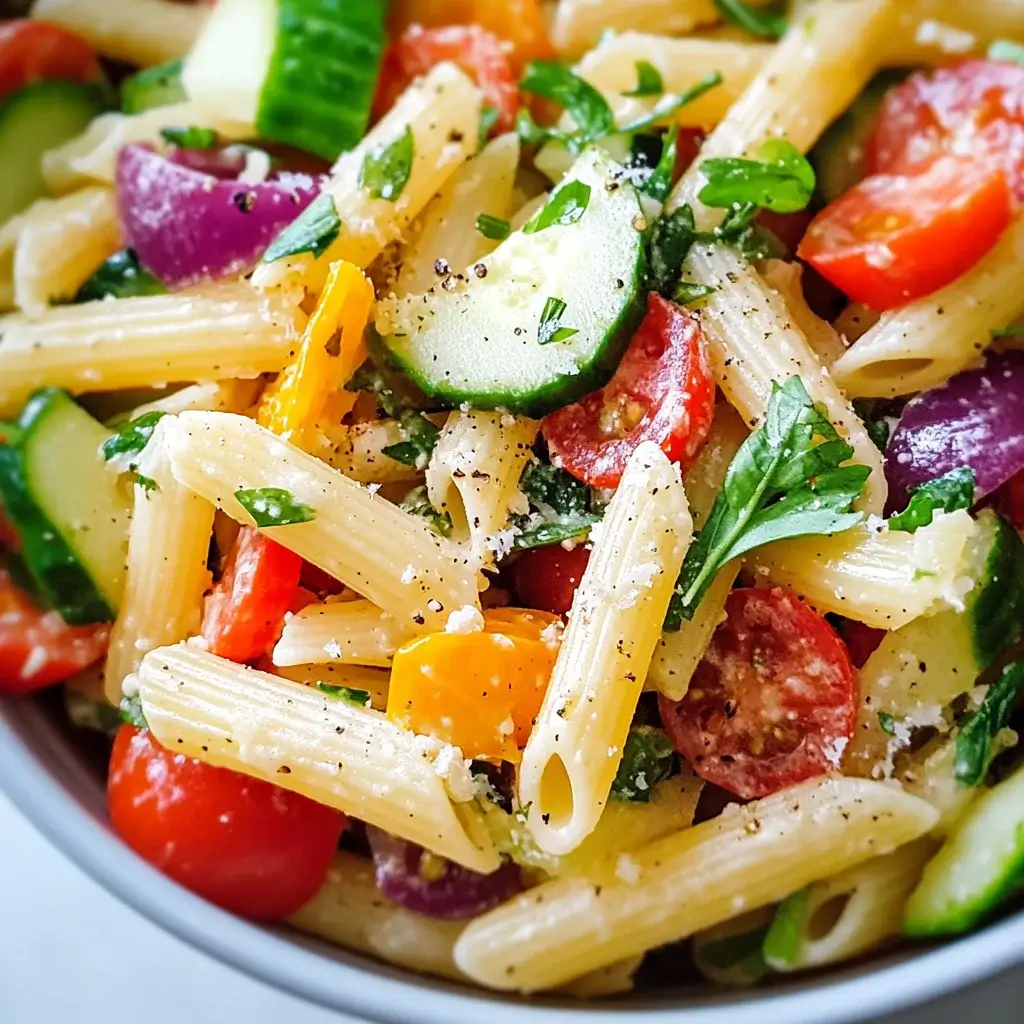
Summer gatherings, potlucks, and even just a simple weeknight dinner – there’s always a call for a good pasta salad. But let’s be honest, sometimes those heavy, mayo-laden versions can feel a bit… well, heavy. That’s why I absolutely adore this Easy Pasta Salad with No Mayo. It’s a revelation! From the first time I tossed together this vibrant bowl of goodness, it became an instant hit in my house. My family raves about the bright, fresh flavors, and I love how light and healthy it feels. No more guilt-inducing spoonfuls of mayo – this salad is all about celebrating the natural tastes of fresh vegetables, perfectly cooked pasta, and a zesty, flavorful dressing. It’s the kind of dish that’s incredibly versatile, adapting beautifully to whatever vegetables are in season or what you have on hand. Whether you’re a seasoned cook or just starting out, this Easy Pasta Salad with No Mayo is a recipe you’ll come back to again and again. It’s a guaranteed crowd-pleaser and a testament to how delicious simple, fresh ingredients can be when combined just right. Get ready to ditch the mayo and embrace a pasta salad that’s both healthy and bursting with flavor!
Ingredients: The Vibrant Palette of a Mayo-Free Pasta Salad
The secret to a truly delicious Easy Pasta Salad with No Mayo lies in the quality and freshness of the ingredients. Since we’re skipping the creamy cloak of mayonnaise, each component needs to shine on its own, contributing to the overall symphony of flavors and textures. Here’s what you’ll need to create this vibrant and refreshing salad:
- Pasta: 1 pound pasta, such as rotini, fusilli, penne, or farfalle. The shape of the pasta is important for capturing the dressing and other ingredients. Short, sturdy pasta shapes with ridges or grooves work best. Rotini, fusilli, penne, and farfalle are all excellent choices. For a whole wheat option, consider whole wheat pasta for added fiber and a nuttier flavor. Gluten-free pasta made from quinoa, brown rice, or chickpeas can also be used for dietary restrictions.
- Fresh Vegetables (Choose a Colorful Medley): Aim for about 4-5 cups of chopped fresh vegetables. Variety is key for both flavor and visual appeal. Consider a combination of:
- Cherry or Grape Tomatoes: 1 pint, halved or quartered. Tomatoes add sweetness, acidity, and juiciness. Cherry or grape tomatoes are particularly convenient and flavorful.
- Cucumber: 1 large cucumber, peeled (optional) and diced. Cucumber provides a refreshing coolness and crunch. English cucumbers have fewer seeds and thinner skin, making them a good choice.
- Bell Pepper: 1-2 bell peppers (any color), seeded and diced. Bell peppers add sweetness, color, and a crisp texture. A mix of colors (red, yellow, orange, green) is visually appealing and offers a slightly different flavor profile.
- Red Onion: ½ red onion, thinly sliced or finely diced. Red onion adds a pungent bite and a touch of sharpness. If you prefer a milder onion flavor, soak the sliced red onion in cold water for 10-15 minutes, then drain and pat dry.
- Black Olives (Kalamata or Pitted): ½ cup, halved or sliced. Olives add a salty, briny flavor and a Mediterranean touch. Kalamata olives offer a richer, more intense flavor, while pitted black olives are milder.
- Artichoke Hearts (Canned or Marinated): 1 can (14 ounces), drained and quartered or halved. Artichoke hearts add a slightly tangy, savory flavor and a tender texture. Canned artichoke hearts in water or brine are readily available. Marinated artichoke hearts in oil can also be used, but be mindful of the added oil in the dressing.
- Sun-Dried Tomatoes (Oil-Packed or Dried): ½ cup, oil-packed, drained and chopped, OR dried, rehydrated and chopped. Sun-dried tomatoes add intense, concentrated tomato flavor and a chewy texture. Oil-packed sun-dried tomatoes are softer and ready to use. Dried sun-dried tomatoes need to be rehydrated by soaking them in hot water for about 15-20 minutes.
- Fresh Herbs (For Brightness and Aroma): A generous handful of fresh herbs, chopped. Choose from:
- Fresh Parsley: Adds a fresh, clean, and slightly peppery flavor.
- Fresh Basil: Provides a sweet, aromatic, and slightly peppery flavor, classic in Italian and Mediterranean cuisine.
- Fresh Oregano: Offers a robust, earthy, and slightly pungent flavor, common in Mediterranean dishes.
- Fresh Dill: Adds a bright, herbaceous, and slightly tangy flavor, pairing well with lemon and vegetables.
- Fresh Mint: Provides a cool, refreshing, and slightly sweet flavor, adding a unique twist.
- Feta Cheese (Optional, but Highly Recommended): ½ cup crumbled feta cheese. Feta cheese adds a salty, tangy, and creamy element that complements the other flavors beautifully. For a dairy-free option, you can omit the feta or use a plant-based feta alternative.
- Dressing Ingredients: The Zesty Heart of the Salad:
- Extra Virgin Olive Oil: ½ cup. High-quality extra virgin olive oil is the base of the dressing, providing richness, flavor, and healthy fats.
- Lemon Juice: ¼ cup, freshly squeezed. Fresh lemon juice adds brightness, acidity, and a zesty flavor that balances the richness of the olive oil and vegetables.
- Red Wine Vinegar: 2 tablespoons. Red wine vinegar adds another layer of acidity and complexity to the dressing. You can substitute with white wine vinegar or balsamic vinegar for slightly different flavor profiles.
- Garlic: 2-3 cloves, minced. Garlic adds savory depth and aroma to the dressing. Freshly minced garlic is best.
- Dried Oregano: 1 teaspoon. Dried oregano enhances the herbaceous notes in the dressing and complements the fresh herbs.
- Dried Basil: ½ teaspoon. Dried basil adds a subtle sweetness and aromatic depth.
- Salt: ¾ teaspoon, or to taste. Salt enhances the flavors of all the ingredients and balances the acidity.
- Black Pepper: ½ teaspoon, freshly ground, or to taste. Freshly ground black pepper adds a pungent spice and aroma.
- Optional Enhancements for the Dressing:
- Dijon Mustard: 1 teaspoon. Dijon mustard adds a tangy and emulsifying element to the dressing, helping it to bind together.
- Honey or Maple Syrup: 1 teaspoon. A touch of sweetness can balance the acidity and enhance the overall flavor profile.
- Red Pepper Flakes: ¼ teaspoon (or to taste). For a subtle kick of heat.
Ingredient Variations and Considerations:
- Pasta Types: Beyond the suggested shapes, consider using orzo (rice-shaped pasta), ditalini, or cavatappi. Experiment with different pasta types to find your favorite.
- Vegetable Flexibility: Feel free to swap out or add other vegetables based on your preferences and seasonal availability. Roasted vegetables like zucchini, eggplant, or roasted red peppers can add a smoky depth. Raw vegetables like broccoli florets (blanched or finely chopped), shredded carrots, or radishes can add crunch and different flavor notes.
- Protein Additions (Optional): For a heartier pasta salad, consider adding protein. Grilled chicken, grilled shrimp, canned tuna (drained), chickpeas, cannellini beans, or mozzarella balls are all excellent additions.
- Cheese Alternatives: If feta isn’t your favorite, try using fresh mozzarella balls (bocconcini), provolone cubes, or parmesan shavings. For a vegan option, nutritional yeast can add a cheesy, umami flavor to the dressing.
- Vinegar Variations: Experiment with different vinegars like balsamic vinegar (for a sweeter and richer dressing), apple cider vinegar (for a slightly fruity and tangy dressing), or white wine vinegar (for a lighter and more delicate dressing).
- Herb Combinations: Don’t be afraid to experiment with different herb combinations. Parsley and dill, basil and mint, or oregano and thyme are all delicious pairings.
Instructions: Simple Steps to a Stunning Mayo-Free Pasta Salad
Creating this Easy Pasta Salad with No Mayo is incredibly straightforward and requires minimal cooking skills. The focus is on fresh ingredients and a simple, flavorful dressing. Follow these easy steps to assemble your own vibrant and delicious pasta salad:
Step 1: Cook the Pasta:
- Boil Water: Bring a large pot of salted water to a rolling boil. Salting the water seasons the pasta from the inside out. Use about 1-2 tablespoons of salt per gallon of water.
- Cook Pasta: Add the pasta to the boiling water and cook according to package directions until al dente. Al dente means “to the tooth” in Italian – the pasta should be cooked through but still slightly firm to the bite, not mushy. Usually, this is about 8-10 minutes for most pasta shapes.
- Drain and Rinse (Optional): Once the pasta is cooked, drain it immediately in a colander. Rinsing the pasta with cold water is optional. Rinsing stops the cooking process and cools the pasta down quickly, which is helpful for pasta salad. However, some argue that rinsing can remove some of the starch that helps the dressing adhere to the pasta. For this recipe, a quick rinse is generally recommended to prevent the pasta from sticking together too much.
- Cool Pasta: Allow the pasta to cool slightly. You can spread it out on a baking sheet to cool faster or leave it in the colander to drain and cool. It’s best to add the dressing to slightly cooled pasta, not piping hot pasta, as very hot pasta can absorb too much dressing and become soggy.
Step 2: Prepare the Vegetables and Herbs:
- Wash and Chop Vegetables: Wash all your chosen vegetables thoroughly. Chop them into bite-sized pieces. Halve or quarter cherry tomatoes, dice cucumber and bell pepper, thinly slice or dice red onion, halve or slice olives, and quarter or halve artichoke hearts.
- Chop Fresh Herbs: Wash and dry your chosen fresh herbs. Finely chop them and set aside.
Step 3: Make the Dressing:
- Combine Dressing Ingredients: In a small bowl or jar, whisk together extra virgin olive oil, fresh lemon juice, red wine vinegar, minced garlic, dried oregano, dried basil, salt, and black pepper. If using Dijon mustard and honey/maple syrup, add them now as well.
- Emulsify Dressing (Optional): For a slightly thicker and more emulsified dressing, you can whisk vigorously or shake the dressing in a jar until it becomes slightly creamy and well combined. This helps to prevent the oil and vinegar from separating.
Step 4: Assemble the Pasta Salad:
- Combine Pasta and Vegetables: In a large bowl, combine the cooled pasta, chopped vegetables, and fresh herbs.
- Pour Dressing Over Salad: Pour the prepared dressing over the pasta and vegetable mixture.
- Toss to Coat: Gently toss everything together until the pasta and vegetables are evenly coated with the dressing. Be careful not to over-toss, as this can break up delicate vegetables like tomatoes.
- Add Feta Cheese (Optional): If using feta cheese, crumble it over the pasta salad and gently toss to combine.
- Taste and Adjust Seasoning: Taste the pasta salad and adjust seasoning as needed. You may want to add more salt, pepper, lemon juice, or herbs to your preference.
Step 5: Chill and Serve (Optional but Recommended):
- Chill (Optional): While you can serve the pasta salad immediately, chilling it in the refrigerator for at least 30 minutes to an hour (or even longer) allows the flavors to meld and deepen. Chilling also enhances the refreshing quality of the salad.
- Serve: Serve the Easy Pasta Salad with No Mayo chilled or at room temperature. Garnish with extra fresh herbs or a sprinkle of feta cheese, if desired.
Tips for Perfect Pasta Salad Assembly:
- Don’t Overcook Pasta: Al dente pasta is crucial for pasta salad. Overcooked pasta will become mushy when dressed.
- Cool Pasta Before Dressing: Adding dressing to hot pasta can make it absorb too much dressing and become soggy. Allow the pasta to cool slightly before dressing.
- Dress Generously: Don’t be shy with the dressing! Pasta salad tends to absorb dressing as it sits. Make sure to coat all the pasta and vegetables well. You can always add a little extra dressing before serving if needed.
- Taste and Adjust Seasoning: Always taste your pasta salad and adjust seasoning to your liking. Acidity, salt, and pepper are key to balancing the flavors.
- Make Ahead Friendly: This pasta salad is perfect for making ahead of time. The flavors actually improve as it sits and marinates. You can make it a few hours or even a day in advance. Just give it a good toss before serving.
Nutrition Facts: A Light and Healthy Salad Option
This Easy Pasta Salad with No Mayo is not only delicious and flavorful but also a relatively healthy and nutritious choice, especially compared to mayo-based pasta salads. It’s packed with vegetables, healthy fats from olive oil, and fiber from whole wheat pasta (if used).
Serving Size: Approximately 1 ½ cups (estimated, may vary based on portion size)
Approximate Nutritional Information Per Serving (estimated, may vary based on specific ingredients and portion size):
- Calories: 350-450 kcal
- Protein: 10-15 grams
- Fat: 20-25 grams
- Saturated Fat: 3-5 grams
- Monounsaturated Fat: 15-18 grams
- Polyunsaturated Fat: 2-3 grams
- Cholesterol: 10-20 mg (depending on feta cheese content)
- Sodium: Varies depending on feta cheese and added salt (approximately 300-500 mg or more, can be reduced by using less feta and controlling added salt)
- Carbohydrates: 40-50 grams
- Fiber: 5-7 grams (higher if using whole wheat pasta)
- Sugar: 5-8 grams (naturally occurring from vegetables and tomatoes)
- Vitamins and Minerals:
- Excellent source of Vitamin C (from bell peppers and tomatoes)
- Good source of Vitamin K (from leafy green vegetables)
- Good source of Vitamin A (from carrots and bell peppers, if used)
- Good source of Potassium (from tomatoes and vegetables)
- Contains antioxidants and other beneficial phytonutrients from vegetables and olive oil.
Health Benefits of Mayo-Free Pasta Salad:
- Lower in Fat and Calories (than mayo-based salads): By eliminating mayonnaise, this pasta salad is significantly lower in fat and calories, making it a lighter and healthier option.
- Healthy Fats from Olive Oil: Olive oil provides monounsaturated fats, which are heart-healthy fats.
- Rich in Vegetables and Fiber: The abundance of vegetables provides essential vitamins, minerals, and dietary fiber, promoting digestive health and satiety.
- Fresh and Flavorful: Focusing on fresh ingredients and herbs, this salad is bursting with natural flavors, avoiding the heavy, sometimes bland taste of mayo-based salads.
- Versatile and Customizable: You can easily customize the vegetable mix and protein additions to tailor the salad to your dietary needs and preferences.
Note: These nutritional facts are estimates and can vary depending on the specific ingredients used, portion sizes, and pasta type. For more precise nutritional information, you can use online nutritional calculators and input the specific ingredients and quantities used. Using whole wheat pasta will increase the fiber content and slightly alter the carbohydrate and calorie counts.
Preparation Time: Quick and Easy for Any Occasion
This Easy Pasta Salad with No Mayo is true to its name – quick and easy to prepare, making it perfect for potlucks, picnics, BBQs, weeknight dinners, or meal prepping for lunches.
Total Preparation Time: Approximately 30-40 minutes
- Prep Time (including vegetable chopping and dressing prep): 20-25 minutes
- Cook Time (pasta cooking): 10-15 minutes
- Cooling Time (pasta cooling): 5-10 minutes (optional, can be done while prepping vegetables)
Breakdown:
- Pasta Cooking (10-15 minutes): While the pasta is cooking, you can move on to prepping the vegetables and dressing.
- Vegetable Chopping and Herb Chopping (15-20 minutes): This is the most hands-on part, but efficient chopping techniques can speed things up.
- Dressing Preparation (5 minutes): Whisking together the dressing is quick and easy.
- Assembly and Chilling (5 minutes + chilling time): Tossing everything together is fast, and chilling is optional but recommended.
Make-Ahead Tips:
- Make the Salad Ahead: As mentioned earlier, this pasta salad is ideal for making ahead of time. You can prepare it up to a day in advance and store it covered in the refrigerator. The flavors meld and deepen as it sits.
- Prep Vegetables Ahead: You can chop the vegetables a day or two in advance and store them separately in airtight containers in the refrigerator. This can significantly reduce prep time on the day you plan to assemble the salad.
- Make Dressing Ahead: The dressing can also be made up to a week in advance and stored in a jar in the refrigerator. Whisk or shake it well before using.
How to Serve Easy Pasta Salad with No Mayo: Versatile and Delicious
Easy Pasta Salad with No Mayo is incredibly versatile and can be served as a side dish, a light lunch, or even a main course with added protein. Its bright and refreshing flavors make it a perfect accompaniment to a wide variety of meals. Here are some delicious ways to serve this mayo-free pasta salad:
Side Dish Pairings:
- Grilled Meats: Perfect alongside grilled chicken, steak, burgers, or sausages. The lightness of the salad balances the richness of grilled meats.
- Grilled Fish or Seafood: Pairs beautifully with grilled salmon, tuna steaks, shrimp skewers, or grilled swordfish.
- BBQ Favorites: Serve with BBQ ribs, pulled pork, or grilled chicken wings for a classic summer BBQ spread.
- Sandwiches and Wraps: A refreshing side for sandwiches, wraps, or paninis, especially vegetarian or Mediterranean-inspired options.
- Soup and Salad Combo: Serve alongside a light soup, such as gazpacho, tomato soup, or lentil soup, for a balanced lunch or light dinner.
Main Course Ideas (with Protein Additions):
- Grilled Chicken or Shrimp Pasta Salad: Add grilled chicken breast or grilled shrimp for a protein-packed main course salad.
- Tuna Pasta Salad (Mayo-Free): Incorporate canned tuna (drained) for a classic tuna pasta salad without the mayo.
- Chickpea or Bean Pasta Salad (Vegetarian/Vegan): Add chickpeas, cannellini beans, or other beans for a vegetarian or vegan protein boost.
- Mozzarella and Tomato Pasta Salad: Add fresh mozzarella balls (bocconcini) for a Caprese-inspired pasta salad main course.
Serving Suggestions for Different Occasions:
- Potlucks and Picnics: Ideal for potlucks and picnics as it’s easy to transport, can be made ahead, and is delicious at room temperature or chilled.
- Summer BBQs and Cookouts: A refreshing and flavorful side dish for summer BBQs and cookouts, offering a lighter alternative to heavy mayo-based salads.
- Weeknight Family Dinners: A quick and easy side dish to complement grilled chicken, fish, or vegetarian mains for a healthy weeknight meal.
- Lunchboxes and Meal Prep: Perfect for packing in lunchboxes or preparing ahead for healthy and satisfying lunches throughout the week.
Additional Tips for the Best Easy Pasta Salad with No Mayo
To ensure your Easy Pasta Salad with No Mayo is a resounding success every time, here are five additional tips to elevate your salad game:
- Salt Your Pasta Water Generously: Don’t underestimate the importance of salting your pasta water. Adding enough salt (about 1-2 tablespoons per gallon of water) seasons the pasta from the inside out and enhances its flavor. Taste the pasta water – it should taste slightly salty, like seawater.
- Don’t Overdress the Salad Initially: Start with a generous amount of dressing, but don’t completely saturate the salad right away. Pasta salad tends to absorb dressing as it sits. It’s better to slightly underdress initially and add more dressing just before serving if needed. You can always add more dressing, but you can’t take it away.
- Let the Salad Marinate (If Time Allows): While this pasta salad is delicious right away, allowing it to marinate in the refrigerator for at least 30 minutes to an hour (or even longer) allows the flavors to meld and deepen. The dressing will penetrate the pasta and vegetables, creating a more cohesive and flavorful salad.
- Use High-Quality Olive Oil: Since olive oil is a key component of the dressing and a significant flavor contributor, using high-quality extra virgin olive oil makes a noticeable difference. Choose a good quality olive oil with a fruity and slightly peppery flavor.
- Fresh Herbs are Key: Don’t skimp on the fresh herbs! Fresh herbs are essential for adding brightness, aroma, and vibrant flavor to this mayo-free pasta salad. Use a generous handful of your favorite fresh herbs or a combination of herbs for the best results.
Frequently Asked Questions (FAQ) About Easy Pasta Salad with No Mayo
Here are five frequently asked questions about making Easy Pasta Salad with No Mayo:
Q1: Can I make this pasta salad ahead of time?
A: Yes, absolutely! This pasta salad is perfect for making ahead of time. In fact, it often tastes even better after sitting for a while as the flavors meld. You can prepare it up to a day in advance and store it covered in the refrigerator. Give it a good toss and add a little extra dressing (if needed, as pasta can absorb dressing) just before serving.
Q2: Can I use different vegetables in this pasta salad?
A: Yes, definitely! This recipe is highly adaptable. Feel free to use whatever vegetables you have on hand or prefer. Good additions include roasted vegetables (zucchini, eggplant, red peppers), broccoli florets (blanched or finely chopped), shredded carrots, radishes, corn kernels, and more. Get creative and customize it to your taste.
Q3: Can I add protein to this pasta salad to make it a main course?
A: Yes, absolutely! Adding protein is a great way to make this pasta salad a more substantial and satisfying main course. Grilled chicken, grilled shrimp, canned tuna (drained), chickpeas, cannellini beans, or mozzarella balls are all excellent protein additions.
Q4: How long does this pasta salad last in the refrigerator?
A: Properly stored in an airtight container in the refrigerator, this pasta salad will last for 3-4 days. The vegetables may become slightly softer over time, but the salad will still be flavorful and enjoyable. It’s a great option for meal prepping lunches or having leftovers for a few days.
Q5: Can I freeze this pasta salad?
A: Freezing pasta salad is generally not recommended, especially pasta salads with fresh vegetables. Freezing can alter the texture of the pasta and vegetables, making them mushy and less appealing when thawed. It’s best to make this pasta salad fresh or enjoy it within a few days of making it.
Enjoy creating this refreshing and flavorful Easy Pasta Salad with No Mayo! It’s a recipe that’s perfect for any occasion and sure to become a new favorite in your kitchen.
Print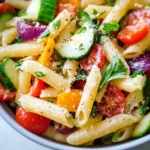
Easy Pasta Salad with No Mayo recipe
Ingredients
-
- Pasta: 1 pound pasta, such as rotini, fusilli, penne, or farfalle. The shape of the pasta is important for capturing the dressing and other ingredients. Short, sturdy pasta shapes with ridges or grooves work best. Rotini, fusilli, penne, and farfalle are all excellent choices. For a whole wheat option, consider whole wheat pasta for added fiber and a nuttier flavor. Gluten-free pasta made from quinoa, brown rice, or chickpeas can also be used for dietary restrictions.
-
- Fresh Vegetables (Choose a Colorful Medley): Aim for about 4-5 cups of chopped fresh vegetables. Variety is key for both flavor and visual appeal. Consider a combination of:
-
- Cherry or Grape Tomatoes: 1 pint, halved or quartered. Tomatoes add sweetness, acidity, and juiciness. Cherry or grape tomatoes are particularly convenient and flavorful.
-
- Cucumber: 1 large cucumber, peeled (optional) and diced. Cucumber provides a refreshing coolness and crunch. English cucumbers have fewer seeds and thinner skin, making them a good choice.
-
- Bell Pepper: 1-2 bell peppers (any color), seeded and diced. Bell peppers add sweetness, color, and a crisp texture. A mix of colors (red, yellow, orange, green) is visually appealing and offers a slightly different flavor profile.
-
- Red Onion: ½ red onion, thinly sliced or finely diced. Red onion adds a pungent bite and a touch of sharpness. If you prefer a milder onion flavor, soak the sliced red onion in cold water for 10-15 minutes, then drain and pat dry.
-
- Black Olives (Kalamata or Pitted): ½ cup, halved or sliced. Olives add a salty, briny flavor and a Mediterranean touch. Kalamata olives offer a richer, more intense flavor, while pitted black olives are milder.
-
- Artichoke Hearts (Canned or Marinated): 1 can (14 ounces), drained and quartered or halved. Artichoke hearts add a slightly tangy, savory flavor and a tender texture. Canned artichoke hearts in water or brine are readily available. Marinated artichoke hearts in oil can also be used, but be mindful of the added oil in the dressing.
-
- Sun-Dried Tomatoes (Oil-Packed or Dried): ½ cup, oil-packed, drained and chopped, OR dried, rehydrated and chopped. Sun-dried tomatoes add intense, concentrated tomato flavor and a chewy texture. Oil-packed sun-dried tomatoes are softer and ready to use. Dried sun-dried tomatoes need to be rehydrated by soaking them in hot water for about 15-20 minutes.
-
- Fresh Vegetables (Choose a Colorful Medley): Aim for about 4-5 cups of chopped fresh vegetables. Variety is key for both flavor and visual appeal. Consider a combination of:
-
- Fresh Herbs (For Brightness and Aroma): A generous handful of fresh herbs, chopped. Choose from:
-
- Fresh Parsley: Adds a fresh, clean, and slightly peppery flavor.
-
- Fresh Basil: Provides a sweet, aromatic, and slightly peppery flavor, classic in Italian and Mediterranean cuisine.
-
- Fresh Oregano: Offers a robust, earthy, and slightly pungent flavor, common in Mediterranean dishes.
-
- Fresh Dill: Adds a bright, herbaceous, and slightly tangy flavor, pairing well with lemon and vegetables.
-
- Fresh Mint: Provides a cool, refreshing, and slightly sweet flavor, adding a unique twist.
-
- Fresh Herbs (For Brightness and Aroma): A generous handful of fresh herbs, chopped. Choose from:
-
- Feta Cheese (Optional, but Highly Recommended): ½ cup crumbled feta cheese. Feta cheese adds a salty, tangy, and creamy element that complements the other flavors beautifully. For a dairy-free option, you can omit the feta or use a plant-based feta alternative.
-
- Dressing Ingredients: The Zesty Heart of the Salad:
-
- Extra Virgin Olive Oil: ½ cup. High-quality extra virgin olive oil is the base of the dressing, providing richness, flavor, and healthy fats.
-
- Lemon Juice: ¼ cup, freshly squeezed. Fresh lemon juice adds brightness, acidity, and a zesty flavor that balances the richness of the olive oil and vegetables.
-
- Red Wine Vinegar: 2 tablespoons. Red wine vinegar adds another layer of acidity and complexity to the dressing. You can substitute with white wine vinegar or balsamic vinegar for slightly different flavor profiles.
-
- Garlic: 2-3 cloves, minced. Garlic adds savory depth and aroma to the dressing. Freshly minced garlic is best.
-
- Dried Oregano: 1 teaspoon. Dried oregano enhances the herbaceous notes in the dressing and complements the fresh herbs.
-
- Dried Basil: ½ teaspoon. Dried basil adds a subtle sweetness and aromatic depth.
-
- Salt: ¾ teaspoon, or to taste. Salt enhances the flavors of all the ingredients and balances the acidity.
-
- Black Pepper: ½ teaspoon, freshly ground, or to taste. Freshly ground black pepper adds a pungent spice and aroma.
-
- Optional Enhancements for the Dressing:
-
- Dijon Mustard: 1 teaspoon. Dijon mustard adds a tangy and emulsifying element to the dressing, helping it to bind together.
-
- Honey or Maple Syrup: 1 teaspoon. A touch of sweetness can balance the acidity and enhance the overall flavor profile.
-
- Red Pepper Flakes: ¼ teaspoon (or to taste). For a subtle kick of heat.
-
- Optional Enhancements for the Dressing:
-
- Dressing Ingredients: The Zesty Heart of the Salad:
Instructions
Step 1: Cook the Pasta:
-
- Boil Water: Bring a large pot of salted water to a rolling boil. Salting the water seasons the pasta from the inside out. Use about 1-2 tablespoons of salt per gallon of water.
-
- Cook Pasta: Add the pasta to the boiling water and cook according to package directions until al dente. Al dente means “to the tooth” in Italian – the pasta should be cooked through but still slightly firm to the bite, not mushy. Usually, this is about 8-10 minutes for most pasta shapes.
-
- Drain and Rinse (Optional): Once the pasta is cooked, drain it immediately in a colander. Rinsing the pasta with cold water is optional. Rinsing stops the cooking process and cools the pasta down quickly, which is helpful for pasta salad. However, some argue that rinsing can remove some of the starch that helps the dressing adhere to the pasta. For this recipe, a quick rinse is generally recommended to prevent the pasta from sticking together too much.
-
- Cool Pasta: Allow the pasta to cool slightly. You can spread it out on a baking sheet to cool faster or leave it in the colander to drain and cool. It’s best to add the dressing to slightly cooled pasta, not piping hot pasta, as very hot pasta can absorb too much dressing and become soggy.
Step 2: Prepare the Vegetables and Herbs:
-
- Wash and Chop Vegetables: Wash all your chosen vegetables thoroughly. Chop them into bite-sized pieces. Halve or quarter cherry tomatoes, dice cucumber and bell pepper, thinly slice or dice red onion, halve or slice olives, and quarter or halve artichoke hearts.
-
- Chop Fresh Herbs: Wash and dry your chosen fresh herbs. Finely chop them and set aside.
Step 3: Make the Dressing:
-
- Combine Dressing Ingredients: In a small bowl or jar, whisk together extra virgin olive oil, fresh lemon juice, red wine vinegar, minced garlic, dried oregano, dried basil, salt, and black pepper. If using Dijon mustard and honey/maple syrup, add them now as well.
-
- Emulsify Dressing (Optional): For a slightly thicker and more emulsified dressing, you can whisk vigorously or shake the dressing in a jar until it becomes slightly creamy and well combined. This helps to prevent the oil and vinegar from separating.
Step 4: Assemble the Pasta Salad:
-
- Combine Pasta and Vegetables: In a large bowl, combine the cooled pasta, chopped vegetables, and fresh herbs.
-
- Pour Dressing Over Salad: Pour the prepared dressing over the pasta and vegetable mixture.
-
- Toss to Coat: Gently toss everything together until the pasta and vegetables are evenly coated with the dressing. Be careful not to over-toss, as this can break up delicate vegetables like tomatoes.
-
- Add Feta Cheese (Optional): If using feta cheese, crumble it over the pasta salad and gently toss to combine.
-
- Taste and Adjust Seasoning: Taste the pasta salad and adjust seasoning as needed. You may want to add more salt, pepper, lemon juice, or herbs to your preference.
Step 5: Chill and Serve (Optional but Recommended):
-
- Chill (Optional): While you can serve the pasta salad immediately, chilling it in the refrigerator for at least 30 minutes to an hour (or even longer) allows the flavors to meld and deepen. Chilling also enhances the refreshing quality of the salad.
-
- Serve: Serve the Easy Pasta Salad with No Mayo chilled or at room temperature. Garnish with extra fresh herbs or a sprinkle of feta cheese, if desired.
Nutrition
- Serving Size: one normal portion
- Calories: 350-450
- Sugar: 5-8 grams
- Sodium: 300-500 mg
- Fat: 20-25 grams
- Saturated Fat: 3-5 grams
- Carbohydrates: 40-50 grams
- Fiber: 5-7 grams
- Protein: 10-15 grams
- Cholesterol: 10-20 mg