
There are those recipes that you stumble upon almost by accident, and then they become instant staples in your kitchen. Parmentier Potatoes are exactly that for me. I was looking for a simple yet elegant side dish to accompany a roast chicken dinner, something a bit more refined than regular roasted potatoes, but without the fuss of complicated recipes. That’s when I discovered Parmentier Potatoes, and let me tell you, they’ve been a weeknight dinner hero ever since.
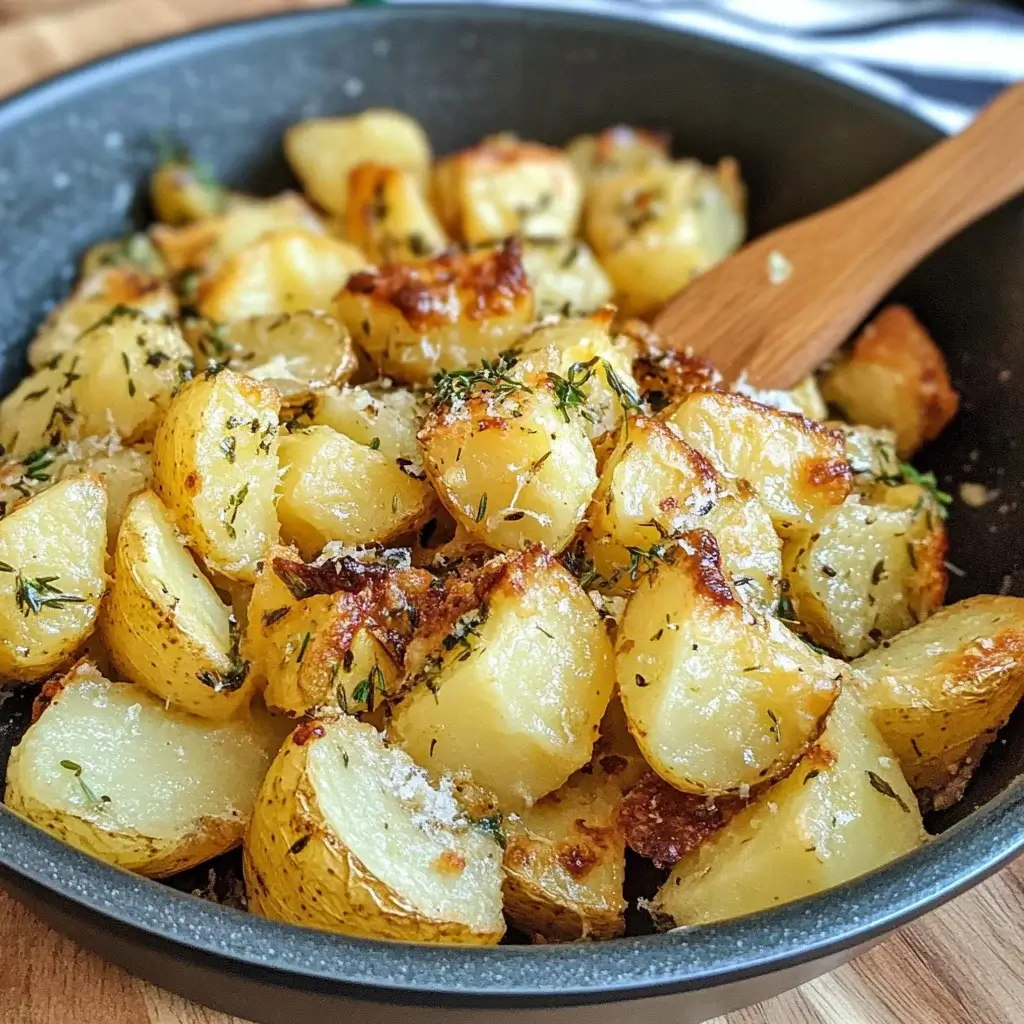
What initially drew me in was the sheer simplicity of the ingredients and method. Just potatoes, oil, and seasonings – pantry staples! But the result? Oh, the result is anything but ordinary. These aren’t just roasted potatoes; they are perfectly cubed morsels of crispy-edged, fluffy-centered potato perfection. The uniform size ensures even cooking, creating a delightful texture contrast in every bite. My family, who can be quite discerning when it comes to potatoes (we are potato people, after all!), absolutely adored them. Even my youngest, who usually prefers fries, declared these “the best potatoes ever!” And honestly, I have to agree. If you’re searching for an effortless side dish that elevates any meal, look no further. Parmentier Potatoes are your answer. They’re easy enough for a weeknight, impressive enough for a dinner party, and utterly delicious every single time.
Ingredients for Easy Parmentier Potatoes: Simple Yet Essential
The beauty of Parmentier Potatoes lies in its minimalist ingredient list. Each component, however humble, plays a crucial role in achieving that perfect balance of crispy exterior and fluffy interior. Here’s what you’ll need to gather to create this delightful side dish:
- Potatoes: 2 lbs (approximately 900g), preferably a floury or all-purpose variety. The type of potato you choose is paramount for Parmentier Potatoes.
- Floury Potatoes (like Russet, Maris Piper, King Edward): These potatoes are high in starch and low in moisture. This starch content is key to achieving that fluffy interior and crispy exterior we crave. They roast beautifully and become wonderfully light and airy inside. Russets are a classic choice for roasting, while Maris Piper and King Edward are popular in the UK for their excellent roasting qualities.
- All-Purpose Potatoes (like Yukon Gold, Rooster): These potatoes strike a balance between floury and waxy. They have a good starch content for crisping but also hold their shape well. Yukon Golds are particularly buttery and flavorful, adding an extra layer of deliciousness to the dish. Rooster potatoes are another excellent all-purpose choice, offering a good balance of texture and flavor.
- Avoid Waxy Potatoes (like Red Potatoes, New Potatoes): Waxy potatoes are low in starch and high in moisture. They tend to steam rather than roast, resulting in potatoes that are firm and hold their shape, but lack the desired fluffiness and crispness for Parmentier Potatoes. While they are great for boiling or potato salads, they are not ideal for this particular recipe.
- Olive Oil or Cooking Oil: ¼ cup (approximately 60ml). The oil is essential for roasting and achieving that golden-brown crispiness.
- Olive Oil: Extra virgin olive oil adds a rich flavor and healthy fats. It’s a classic choice and imparts a lovely Mediterranean touch.
- Vegetable Oil, Canola Oil, Sunflower Oil: These neutral oils are also excellent choices, especially if you prefer a milder flavor that lets the potato taste shine through. They have a higher smoke point than olive oil, which can be beneficial for high-heat roasting.
- Duck Fat or Goose Fat (for extra indulgence): For an extra luxurious and incredibly flavorful version, consider using duck fat or goose fat. These fats render beautifully and impart a rich, savory depth that elevates Parmentier Potatoes to another level. This is a fantastic option for special occasions.
- Salt: 1-1.5 teaspoons, or to taste. Salt is crucial for seasoning and enhancing the flavor of the potatoes. Don’t be shy with the salt, as it draws out moisture and helps with crisping.
- Sea Salt or Kosher Salt: These salts are preferred by many cooks for their pure flavor and coarser texture, which is easier to control when seasoning.
- Table Salt: Table salt can also be used, but be mindful that it is finer and saltier per volume, so you might need to adjust the quantity slightly.
- Black Pepper: ½ teaspoon, freshly ground, or to taste. Freshly ground black pepper adds a warm, aromatic spice that complements the potatoes beautifully.
- Optional Herbs (for added flavor and aroma):
- Fresh Rosemary: 1-2 sprigs, finely chopped. Rosemary adds a fragrant, piney aroma that pairs wonderfully with potatoes.
- Fresh Thyme: 1-2 sprigs, leaves removed and chopped. Thyme offers a subtle earthy and slightly lemony flavor that enhances the savory notes of the potatoes.
- Garlic Powder or Granulated Garlic: ½ – 1 teaspoon. Garlic powder adds a savory depth and subtle garlic flavor.
- Paprika (Smoked or Sweet): ½ – 1 teaspoon. Paprika adds a touch of smokiness or sweetness and a beautiful reddish hue to the potatoes.
Choosing the Best Potatoes: For truly exceptional Parmentier Potatoes, take the time to select the right type of potato. Floury or all-purpose varieties will consistently deliver the best results, providing that perfect balance of crispy edges and fluffy interiors that make this side dish so irresistible. Experiment with different types to find your personal favorite!
Instructions: Mastering Perfect Parmentier Potatoes
Making Parmentier Potatoes is surprisingly simple, but following these detailed instructions will ensure you achieve perfectly cooked, crispy-edged, and fluffy-centered potatoes every time.
- Preheat Your Oven and Prepare Baking Sheet: Preheat your oven to 400°F (200°C). This high temperature is crucial for achieving crispy potatoes. Line a large baking sheet with parchment paper or aluminum foil. Parchment paper prevents sticking and makes cleanup easier. Aluminum foil also works well, and you can lightly grease it if desired for extra non-stick insurance. Using a large baking sheet is important to avoid overcrowding the potatoes, which can lead to steaming instead of roasting.
- Prepare the Potatoes: Washing, Peeling, and Dicing: Wash the potatoes thoroughly under cold running water to remove any dirt or debris. You can choose to peel the potatoes or leave the skin on for added nutrients and a slightly rustic texture. If peeling, use a vegetable peeler to remove the skin. The key to Parmentier Potatoes is their uniform cube shape. Dice the potatoes into even cubes, approximately ¾ inch (2 cm) in size. Consistency in size is vital for even cooking. Larger cubes will take longer to cook, while smaller cubes might cook too quickly and become dry. Aim for roughly uniform cubes for optimal results.
- Parboil the Potatoes (Optional but Recommended for Extra Fluffiness): For extra fluffy interiors, parboiling the potatoes is a helpful step. Place the diced potatoes in a large saucepan and cover them with cold water. Add a generous pinch of salt to the water. Bring the water to a boil and cook for 5-7 minutes, or until the potatoes are slightly tender but still hold their shape. They should be just slightly softened on the outside but still firm in the center. Don’t overcook them at this stage, as they will continue to cook in the oven. Drain the potatoes in a colander and let them steam dry for a few minutes. Steaming helps to remove excess moisture and promotes crispiness during roasting.
- Season and Toss with Oil: In a large bowl, toss the diced (and parboiled, if using) potatoes with olive oil (or your chosen cooking oil). Ensure that all the potato cubes are evenly coated with oil. This oil coating is essential for crisping and prevents the potatoes from drying out. Add salt, freshly ground black pepper, and any optional herbs you are using (rosemary, thyme, garlic powder, paprika). Toss again to distribute the seasonings evenly. Season generously at this stage, as the salt and pepper will penetrate the potatoes during roasting.
- Arrange Potatoes on Baking Sheet: Spread the seasoned potato cubes in a single layer on the prepared baking sheet. Avoid overcrowding the pan, as this will cause the potatoes to steam instead of roast, resulting in less crispy potatoes. If necessary, use two baking sheets to ensure a single layer. Spacing the potatoes out allows for proper air circulation and even browning.
- Roast in the Oven: Place the baking sheet in the preheated oven and roast for 25-35 minutes, or until the potatoes are golden brown, crispy on the outside, and fluffy on the inside. Halfway through the cooking time, around 15-20 minutes, gently flip or toss the potatoes with a spatula to ensure even browning on all sides. Keep an eye on them towards the end of the cooking time, as oven temperatures can vary. The potatoes are done when they are easily pierced with a fork and have a golden-brown, crispy exterior.
- Rest Briefly and Serve: Once cooked, remove the baking sheet from the oven and let the Parmentier Potatoes rest for a few minutes before serving. This allows them to cool slightly and allows the steam to escape, further enhancing their crispiness. Serve immediately while they are hot and at their crispiest. Garnish with fresh herbs, if desired, for an extra touch of freshness and visual appeal.
Tips for Extra Crispiness:
- Parboiling: As mentioned, parboiling is a key step for achieving extra fluffy interiors and crispier exteriors.
- Drying Potatoes: Ensure the potatoes are well-drained and slightly dried after parboiling and before tossing with oil and seasonings.
- Hot Oven and Baking Sheet: A preheated oven and hot baking sheet are crucial for searing the potatoes and promoting crispiness.
- Don’t Overcrowd: Give the potatoes space on the baking sheet for proper roasting and browning.
- Flip Halfway: Flipping or tossing the potatoes halfway through cooking ensures even crisping on all sides.
By following these detailed instructions and tips, you’ll be able to consistently create perfectly cooked, crispy, and flavorful Parmentier Potatoes that will impress every time!
Nutrition Facts: Parmentier Potatoes (Per Serving)
Parmentier Potatoes are not only delicious but also offer nutritional benefits as part of a balanced diet. Here’s a general overview of the nutrition facts per serving (assuming 6 servings from the recipe using 2 lbs of potatoes and ¼ cup olive oil):
- Servings: 6
- Calories Per Serving: Approximately 200-250 calories (This can vary based on the type of potato, amount of oil used, and serving size).
Approximate Macronutrient Breakdown (per serving):
- Carbohydrates: 30-35 grams (Potatoes are a good source of carbohydrates, providing energy for the body.)
- Fiber: 3-4 grams (Fiber is important for digestive health and helps you feel full and satisfied.)
- Fat: 8-10 grams (Primarily from olive oil or cooking oil. This includes healthy fats, especially if using olive oil.)
- Saturated Fat: Less than 1 gram (Primarily from the potatoes themselves)
- Unsaturated Fat: 7-9 grams (From olive oil or cooking oil, including monounsaturated and polyunsaturated fats)
- Protein: 3-4 grams (Potatoes contain a small amount of protein.)
Key Vitamins and Minerals (Potatoes are a good source of):
- Potassium: Important for blood pressure regulation, nerve function, and muscle contractions.
- Vitamin C: An antioxidant that supports immune function and collagen production.
- Vitamin B6: Important for brain development and function, and metabolism.
- Manganese: An essential trace mineral involved in bone formation, metabolism, and antioxidant function.
- Fiber: As mentioned above, important for digestive health.
Important Note: These are estimated values and can vary based on specific ingredients, potato type, portion sizes, and cooking methods. For precise nutritional information, use a nutrition calculator with the specific brands and quantities of ingredients you use. Using less oil will reduce the calorie and fat content, but may slightly impact the crispiness.
Parmentier Potatoes, when enjoyed in moderation as part of a balanced meal, can contribute valuable nutrients to your diet.
Preparation Time: Quick and Simple Side Dish
One of the many advantages of Parmentier Potatoes is their relatively quick and straightforward preparation. They are an ideal side dish for weeknight meals or when you need something delicious without spending hours in the kitchen.
- Prep Time: 15-20 minutes (This includes washing, peeling (optional), and dicing the potatoes, and gathering seasonings). If parboiling, add a few extra minutes for boiling and draining.
- Cook Time: 25-35 minutes (Roasting time in the oven, depending on the size of the cubes and oven temperature).
- Total Time: Approximately 40-55 minutes (From start to finish, ready to serve. If skipping parboiling, total time is closer to 40 minutes).
Parmentier Potatoes are a fantastic option when you need a flavorful and satisfying side dish that doesn’t require extensive preparation or cooking time. They are a perfect “set it and forget it” side dish while you focus on preparing the main course.
How to Serve Parmentier Potatoes: A Versatile Side Dish
Parmentier Potatoes are incredibly versatile and complement a wide array of main courses and cuisines. Their simple yet delicious flavor profile makes them a fantastic accompaniment to both casual and elegant meals. Here are some serving suggestions to inspire you:
Main Course Pairings:
- Roasted Meats:
- Roast Chicken or Turkey: A classic pairing. Parmentier Potatoes are the perfect side for a Sunday roast chicken dinner.
- Roast Beef or Lamb: The crispy potatoes provide a wonderful textural contrast to tender roasted meats.
- Pork Loin or Tenderloin: Parmentier Potatoes complement the savory flavors of pork beautifully.
- Steaks or Chops: Serve alongside grilled or pan-seared steaks, pork chops, or lamb chops for a satisfying meal.
- Fish and Seafood:
- Baked or Grilled Salmon: Parmentier Potatoes are a hearty side that balances the richness of salmon.
- Roasted Cod or Haddock: A lighter fish option that pairs well with the robust flavor of roasted potatoes.
- Pan-Seared Scallops or Shrimp: Serve alongside pan-seared seafood for a more elegant meal.
- Vegetarian and Vegan Mains:
- Lentil Loaf or Shepherd’s Pie: Parmentier Potatoes are a comforting and satisfying side for vegetarian mains.
- Roasted Vegetable Tart or Quiche: The potatoes complement vegetable-based dishes without overpowering them.
- Hearty Bean Stew or Chili: Serve alongside a bean stew or chili for a warming and complete meal.
- Grilled Halloumi or Tofu: Parmentier Potatoes are a great accompaniment to grilled vegetarian proteins.
Sauces and Dips:
- Classic Ketchup or Mayonnaise: Simple and always a crowd-pleaser.
- Garlic Aioli: A creamy and garlicky dip that elevates the potatoes.
- Spicy Sriracha Mayo: For a touch of heat and flavor.
- Herbaceous Yogurt Dip (with dill, chives, or parsley): A refreshing and lighter option.
- Chimichurri Sauce: A vibrant South American herb sauce that adds a burst of flavor.
- Romesco Sauce: A Spanish tomato and nut-based sauce that’s rich and flavorful.
Serving Styles:
- Casual Family Dinner: Serve Parmentier Potatoes family-style in a large bowl on the table.
- Dinner Party Side Dish: Arrange them elegantly on a serving platter, garnished with fresh herbs.
- Buffet or Potluck: Parmentier Potatoes hold their heat well and are easy to serve at buffets.
- Leftovers (Reheated or Cold): Reheat leftovers for another meal or enjoy them cold in salads or potato salads.
Garnishes:
- Fresh Herbs: Chopped fresh parsley, chives, rosemary, or thyme sprinkled over the potatoes before serving.
- Flaky Sea Salt: A sprinkle of flaky sea salt adds extra texture and flavor.
- Lemon Wedges: A squeeze of fresh lemon juice brightens the flavors.
- Grated Parmesan Cheese (optional): For an extra cheesy touch (not strictly traditional but delicious).
- Crispy Fried Onions or Shallots (optional): For added texture and flavor.
Parmentier Potatoes are truly a versatile side dish that can be adapted to suit any meal and occasion. Their simple elegance and delicious flavor make them a welcome addition to any table.
Additional Tips for Crispy and Flavorful Parmentier Potatoes
To consistently achieve truly exceptional Parmentier Potatoes, keep these five additional tips in mind:
- Choose the Right Potato Type: As emphasized earlier, selecting the right type of potato is paramount. Opt for floury or all-purpose varieties like Russets, Yukon Golds, Maris Piper, or King Edwards. These potatoes have the ideal starch content for achieving fluffy interiors and crispy exteriors. Avoid waxy potatoes, which will not roast as well.
- Ensure Evenly Sized Cubes: Take the time to dice the potatoes into uniform cubes, approximately ¾ inch (2 cm) in size. This ensures that all the potatoes cook at the same rate, resulting in evenly cooked and crispy potatoes. Inconsistent sizes will lead to some potatoes being undercooked while others are overcooked.
- Preheat Your Baking Sheet (Optional but Recommended): For extra crispy bottoms, you can preheat your baking sheet in the oven while it’s preheating. Carefully remove the hot baking sheet from the oven before adding the oiled and seasoned potatoes. The hot surface will help to sear the potatoes immediately upon contact, promoting crispiness.
- Don’t Overcrowd the Pan: Resist the urge to overcrowd the baking sheet. Spread the potato cubes in a single layer with some space between them. Overcrowding will cause the potatoes to steam instead of roast, resulting in less crispy potatoes. If necessary, use two baking sheets to ensure a single layer.
- Rest After Roasting (Briefly): Once the Parmentier Potatoes are cooked, remove them from the oven and let them rest for a few minutes before serving. This brief resting period allows the steam to escape, further enhancing their crispiness and preventing them from becoming soggy. Serve them immediately while they are hot and at their crispiest for the best texture and flavor.
By incorporating these additional tips into your Parmentier Potatoes recipe, you’ll consistently create a side dish that is not only easy to make but also incredibly delicious and perfectly crispy every time!
Frequently Asked Questions (FAQ) about Parmentier Potatoes
Do you have questions about making Parmentier Potatoes? Here are answers to some common queries to help you perfect this simple yet delightful side dish:
Q1: Can I use different types of potatoes for Parmentier Potatoes?
A: Yes, you can experiment with different potato varieties, but for the best results, stick to floury or all-purpose potatoes like Russets, Yukon Golds, Maris Piper, or King Edwards. These potatoes have the ideal starch content for achieving the desired crispy exterior and fluffy interior. Waxy potatoes are not recommended as they don’t roast as well and won’t achieve the same texture.
Q2: Can I make Parmentier Potatoes vegetarian or vegan?
A: Yes, Parmentier Potatoes are naturally vegetarian and vegan-friendly! Simply use a plant-based cooking oil like olive oil, vegetable oil, or canola oil. Ensure that any seasonings or optional garnishes you use are also vegan-friendly. They are a naturally inclusive side dish.
Q3: Can I prepare Parmentier Potatoes ahead of time?
A: While Parmentier Potatoes are best served fresh and hot for maximum crispiness, you can prep some components ahead of time. You can peel and dice the potatoes a few hours in advance and store them in a bowl of cold water to prevent browning. Drain and dry them thoroughly before roasting. You can also toss the potatoes with oil and seasonings ahead of time and keep them in the refrigerator for up to a few hours, but roast them just before serving for the best texture. Roasting them ahead of time and reheating is not ideal as they may lose some crispness.
Q4: What’s the best way to reheat leftover Parmentier Potatoes?
A: To reheat leftover Parmentier Potatoes and try to retain some crispiness, the best method is to reheat them in the oven or an air fryer. Preheat your oven or air fryer to 350°F (175°C) and spread the potatoes in a single layer on a baking sheet or air fryer basket. Reheat for 10-15 minutes, or until heated through and slightly crispy again. Microwaving is not recommended as it will make them soggy.
Q5: Can I add other seasonings to Parmentier Potatoes?
A: Absolutely! Parmentier Potatoes are a blank canvas for flavor. Feel free to experiment with different seasonings to customize them to your taste. In addition to the suggested rosemary, thyme, garlic powder, and paprika, you can try:
* Onion Powder: For a savory onion flavor.
* Dried Herbs de Provence: For a French-inspired herb blend.
* Chili Flakes or Cayenne Pepper: For a touch of heat.
* Smoked Paprika: For a smoky flavor.
* Grated Parmesan Cheese (added in the last few minutes of roasting): For a cheesy version.
* Lemon Zest: For a bright citrusy note.
Don’t be afraid to get creative and experiment with different herbs, spices, and flavor combinations to make your Parmentier Potatoes uniquely your own! Enjoy making and savoring this simple and delicious side dish!
Print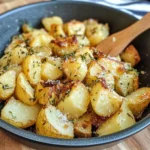
Easy Parmentier Potatoes recipe
Ingredients
- Potatoes: 2 lbs (approximately 900g), preferably a floury or all-purpose variety. The type of potato you choose is paramount for Parmentier Potatoes.
- Floury Potatoes (like Russet, Maris Piper, King Edward): These potatoes are high in starch and low in moisture. This starch content is key to achieving that fluffy interior and crispy exterior we crave. They roast beautifully and become wonderfully light and airy inside. Russets are a classic choice for roasting, while Maris Piper and King Edward are popular in the UK for their excellent roasting qualities.
- All-Purpose Potatoes (like Yukon Gold, Rooster): These potatoes strike a balance between floury and waxy. They have a good starch content for crisping but also hold their shape well. Yukon Golds are particularly buttery and flavorful, adding an extra layer of deliciousness to the dish. Rooster potatoes are another excellent all-purpose choice, offering a good balance of texture and flavor.
- Avoid Waxy Potatoes (like Red Potatoes, New Potatoes): Waxy potatoes are low in starch and high in moisture. They tend to steam rather than roast, resulting in potatoes that are firm and hold their shape, but lack the desired fluffiness and crispness for Parmentier Potatoes. While they are great for boiling or potato salads, they are not ideal for this particular recipe.
- Olive Oil or Cooking Oil: ¼ cup (approximately 60ml). The oil is essential for roasting and achieving that golden-brown crispiness.
- Olive Oil: Extra virgin olive oil adds a rich flavor and healthy fats. It’s a classic choice and imparts a lovely Mediterranean touch.
- Vegetable Oil, Canola Oil, Sunflower Oil: These neutral oils are also excellent choices, especially if you prefer a milder flavor that lets the potato taste shine through. They have a higher smoke point than olive oil, which can be beneficial for high-heat roasting.
- Duck Fat or Goose Fat (for extra indulgence): For an extra luxurious and incredibly flavorful version, consider using duck fat or goose fat. These fats render beautifully and impart a rich, savory depth that elevates Parmentier Potatoes to another level. This is a fantastic option for special occasions.
- Salt: 1-1.5 teaspoons, or to taste. Salt is crucial for seasoning and enhancing the flavor of the potatoes. Don’t be shy with the salt, as it draws out moisture and helps with crisping.
- Sea Salt or Kosher Salt: These salts are preferred by many cooks for their pure flavor and coarser texture, which is easier to control when seasoning.
- Table Salt: Table salt can also be used, but be mindful that it is finer and saltier per volume, so you might need to adjust the quantity slightly.
- Black Pepper: ½ teaspoon, freshly ground, or to taste. Freshly ground black pepper adds a warm, aromatic spice that complements the potatoes beautifully.
- Optional Herbs (for added flavor and aroma):
- Fresh Rosemary: 1-2 sprigs, finely chopped. Rosemary adds a fragrant, piney aroma that pairs wonderfully with potatoes.
- Fresh Thyme: 1-2 sprigs, leaves removed and chopped. Thyme offers a subtle earthy and slightly lemony flavor that enhances the savory notes of the potatoes.
- Garlic Powder or Granulated Garlic: ½ – 1 teaspoon. Garlic powder adds a savory depth and subtle garlic flavor.
- Paprika (Smoked or Sweet): ½ – 1 teaspoon. Paprika adds a touch of smokiness or sweetness and a beautiful reddish hue to the potatoes.
Instructions
- Preheat Your Oven and Prepare Baking Sheet: Preheat your oven to 400°F (200°C). This high temperature is crucial for achieving crispy potatoes. Line a large baking sheet with parchment paper or aluminum foil. Parchment paper prevents sticking and makes cleanup easier. Aluminum foil also works well, and you can lightly grease it if desired for extra non-stick insurance. Using a large baking sheet is important to avoid overcrowding the potatoes, which can lead to steaming instead of roasting.
- Prepare the Potatoes: Washing, Peeling, and Dicing: Wash the potatoes thoroughly under cold running water to remove any dirt or debris. You can choose to peel the potatoes or leave the skin on for added nutrients and a slightly rustic texture. If peeling, use a vegetable peeler to remove the skin. The key to Parmentier Potatoes is their uniform cube shape. Dice the potatoes into even cubes, approximately ¾ inch (2 cm) in size. Consistency in size is vital for even cooking. Larger cubes will take longer to cook, while smaller cubes might cook too quickly and become dry. Aim for roughly uniform cubes for optimal results.
- Parboil the Potatoes (Optional but Recommended for Extra Fluffiness): For extra fluffy interiors, parboiling the potatoes is a helpful step. Place the diced potatoes in a large saucepan and cover them with cold water. Add a generous pinch of salt to the water. Bring the water to a boil and cook for 5-7 minutes, or until the potatoes are slightly tender but still hold their shape. They should be just slightly softened on the outside but still firm in the center. Don’t overcook them at this stage, as they will continue to cook in the oven. Drain the potatoes in a colander and let them steam dry for a few minutes. Steaming helps to remove excess moisture and promotes crispiness during roasting.
- Season and Toss with Oil: In a large bowl, toss the diced (and parboiled, if using) potatoes with olive oil (or your chosen cooking oil). Ensure that all the potato cubes are evenly coated with oil. This oil coating is essential for crisping and prevents the potatoes from drying out. Add salt, freshly ground black pepper, and any optional herbs you are using (rosemary, thyme, garlic powder, paprika). Toss again to distribute the seasonings evenly. Season generously at this stage, as the salt and pepper will penetrate the potatoes during roasting.
- Arrange Potatoes on Baking Sheet: Spread the seasoned potato cubes in a single layer on the prepared baking sheet. Avoid overcrowding the pan, as this will cause the potatoes to steam instead of roast, resulting in less crispy potatoes. If necessary, use two baking sheets to ensure a single layer. Spacing the potatoes out allows for proper air circulation and even browning.
- Roast in the Oven: Place the baking sheet in the preheated oven and roast for 25-35 minutes, or until the potatoes are golden brown, crispy on the outside, and fluffy on the inside. Halfway through the cooking time, around 15-20 minutes, gently flip or toss the potatoes with a spatula to ensure even browning on all sides. Keep an eye on them towards the end of the cooking time, as oven temperatures can vary. The potatoes are done when they are easily pierced with a fork and have a golden-brown, crispy exterior.
- Rest Briefly and Serve: Once cooked, remove the baking sheet from the oven and let the Parmentier Potatoes rest for a few minutes before serving. This allows them to cool slightly and allows the steam to escape, further enhancing their crispiness. Serve immediately while they are hot and at their crispiest. Garnish with fresh herbs, if desired, for an extra touch of freshness and visual appeal.
Nutrition
- Serving Size: one normal portion
- Calories: 200-250
- Fat: 8-10 grams
- Saturated Fat: 1 gram
- Unsaturated Fat: 7-9 grams
- Carbohydrates: 30-35 grams
- Fiber: 3-4 grams
- Protein: 3-4 grams