
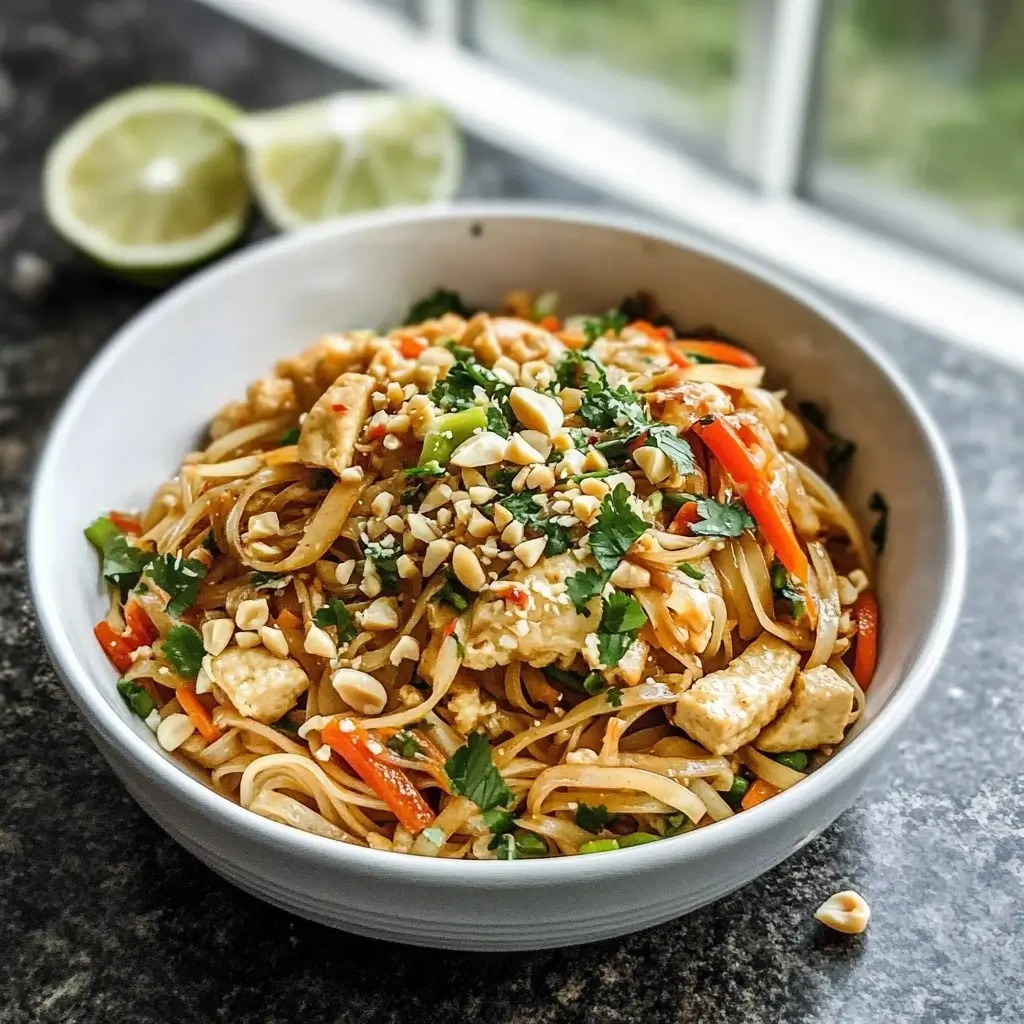
Pad Thai is a globally adored dish that hails from the vibrant streets of Thailand. With its perfect balance of sweet, salty, sour, and spicy flavors, it’s no wonder that Pad Thai has become a staple in many homes and restaurants worldwide. Whether you’re a seasoned cook or a beginner in the kitchen, this easy Pad Thai recipe will help you recreate this classic dish with minimal effort and maximum flavor. In this guide, we will take you through each step, from gathering your ingredients to serving a beautifully garnished plate of Pad Thai. Let’s dive in!
Ingredients
Before you start cooking, make sure you have all the necessary ingredients ready. Here’s what you’ll need to make this delicious Pad Thai:
Noodles
- 4 oz flat rice noodles
Oil
- 1.5 tbsp vegetable oil (or less if using pre-cooked protein)
Protein
- 8 oz tofu, shrimp, or rotisserie chicken, cubed
Veggies
- 3 garlic cloves, minced
- 3 green onions, cut
- 1.5 cups julienned carrots or bell pepper
Eggs
- 2 eggs
Bean Sprouts
- 1 cup bean sprouts
Pad Thai Sauce
- 2 tbsp soy sauce
- 1/4 cup brown sugar
- 2 tbsp rice vinegar or tamarind paste
- 1 tbsp sriracha (adjust for spice)
- 2 tbsp peanut butter
Garnish
- Lime wedges
- 1/2 cup crushed peanuts
- 1/4 cup chopped fresh cilantro
Instructions
Now that you have all your ingredients ready, it’s time to bring them together in this easy-to-follow recipe. Follow these steps to create a mouthwatering Pad Thai:
1. Prepare Noodles
- Soak noodles in hot water for 5-7 minutes until they become soft. Drain and rinse with cold water to prevent them from sticking together.
2. Make the Sauce
- In a bowl, whisk together soy sauce, brown sugar, rice vinegar, sriracha, and peanut butter. Set aside. This sauce will give your Pad Thai its signature flavor.
3. Cook the Protein
- If using fresh protein, cook it in a pan over medium-high heat with 1/2 tbsp oil until done, about 2-3 minutes. If using pre-cooked protein, you can skip this step.
4. Sauté the Veggies
- In a pan, heat the remaining oil. Sauté green onions, carrots, and bell pepper for 4 minutes. Add the minced garlic and cook for an additional 30 seconds to release its aroma.
5. Scramble the Eggs
- Push the veggies to the side, crack the eggs into the pan, and scramble until cooked, about 1 minute.
6. Combine Everything
- Add the cooked protein, drained noodles, half of the bean sprouts, half of the cilantro, and the prepared sauce. Toss everything together until heated through. If the mixture is too dry, add a bit of water to reach the desired consistency.
7. Serve
- Transfer to a plate and garnish with the remaining bean sprouts, crushed peanuts, cilantro, and lime wedges. Serve hot and enjoy!
Nutrition Facts
Understanding the nutritional content of your meals is crucial, especially if you’re mindful of your dietary intake. Here’s the nutritional breakdown for one serving of this Pad Thai recipe:
- Calories: 640
- Carbohydrates: 85g
- Protein: 30g
- Fat: 21g
- Fiber: 5g
- Sugar: 25g
How to Serve
Pad Thai is best enjoyed fresh off the stove, and serving it with the right accompaniments can elevate your dining experience significantly. Here are several detailed suggestions to enhance the flavors and presentation of this beloved dish:
Lime Wedges
A squeeze of fresh lime juice is not just a garnish; it’s an essential component that brings the dish to life. The acidity of the lime cuts through the richness of the sauce and balances the sweetness of the tamarind and sugar. To serve, cut limes into wedges and arrange them on the side of the plate or bowl. Encourage diners to squeeze the lime over their Pad Thai just before eating, allowing them to customize the level of acidity to their liking. For added flair, consider using a zester to create lime curls for garnish, enhancing both the visual appeal and the aroma.
Crushed Peanuts
Crushed peanuts are a traditional topping for Pad Thai that adds both texture and flavor. Their crunchy nature provides a delightful contrast to the tender noodles and soft vegetables. To serve, take roasted, unsalted peanuts and crush them into small pieces using a mortar and pestle or the bottom of a pan. Sprinkle the crushed peanuts generously over each serving of Pad Thai just before presenting it. This not only adds an earthy, nutty flavor but also enhances the dish’s authenticity. For a gourmet touch, consider toasting the peanuts lightly in a dry skillet to bring out their oils and flavor before crushing.
Fresh Herbs
Incorporating fresh herbs not only brightens up the dish visually but also adds layers of flavor that can elevate the entire meal. Chopped cilantro is the most common herb used, but you can also consider adding Thai basil or mint for a unique twist. To serve, take a handful of fresh cilantro, rinse it thoroughly, and then chop it coarsely. Sprinkle the chopped herbs over the Pad Thai just before serving. This not only adds a burst of color but also a refreshing, aromatic quality that complements the dish beautifully. For those who enjoy herbaceous flavors, consider serving a small bowl of mixed herbs alongside the Pad Thai, allowing diners to add more according to their taste preference.
Chili Flakes
For those who love an extra kick, chili flakes or fresh chili slices are an excellent way to spice up Pad Thai. The heat from the chilies can provide a delightful contrast to the dish’s sweetness and acidity. For serving, offer a small dish of chili flakes, sliced bird’s eye chilies, or even a homemade chili oil on the side. This allows guests to control the level of heat in their dish, ensuring everyone can enjoy it to their liking. To make things visually appealing, consider using a colorful variety of chilies, such as red and green, and arrange them artfully on the serving platter.
Additional Serving Suggestions
Beyond the primary components, consider enhancing the overall dining experience with some additional serving suggestions:
- Presentation: Serve Pad Thai in a large, shallow bowl or on a colorful plate, allowing the vibrant colors of the dish to shine through. Garnish with a few sprigs of fresh herbs or additional lime wedges for a more appealing presentation.
- Side Dishes: Pair Pad Thai with traditional side dishes like spring rolls, Thai salad, or a light soup to create a more comprehensive meal. This not only enriches the dining experience but also offers a variety of flavors and textures.
- Beverage Pairing: Consider serving refreshing beverages alongside your Pad Thai, such as Thai iced tea or a light lager. The sweetness of these drinks complements the flavors of Pad Thai beautifully.
- Utensils: While many enjoy using chopsticks for noodles, providing both chopsticks and a fork can cater to various preferences, enhancing the overall dining experience.
By thoughtfully incorporating these elements into your Pad Thai serving approach, you can create a memorable meal that highlights the dish’s rich flavors and textures, delighting your guests with every bite.
Additional Tips
Creating the perfect Pad Thai goes beyond meticulously following each step of the recipe; it involves grasping essential techniques and understanding the nuances that elevate this beloved dish. Here are some comprehensive tips to ensure your Pad Thai is not only delicious but also reflective of authentic flavors and textures.
Noodles
One of the most crucial elements of Pad Thai is the noodles, typically made from rice. When preparing the noodles, it’s vital to strike a balance with soaking time. Be cautious not to over-soak the noodles, as doing so can lead to a mushy texture, ruining the delightful chewiness that characterizes good Pad Thai. Aim for a soak time of about 30 minutes in warm water. After soaking, drain the noodles and give them a quick cold rinse under running water to halt the cooking process and remove excess starch. This step is essential, as it helps maintain the noodles’ integrity during stir-frying, allowing them to achieve that perfect al dente texture.
Protein Variations
While traditional Pad Thai often features shrimp or chicken, don’t hesitate to mix and match proteins according to your preferences. For instance, a combination of shrimp and chicken can create a delightful contrast in flavors and textures. You can also experiment with tofu for a vegetarian version, or include other proteins like beef or pork if you prefer a heartier dish. If using shrimp, select medium to large-sized shrimp for a satisfying bite. When cooking the proteins, ensure they are cooked through but not overdone, as this can lead to a rubbery texture.
Sauce Consistency
The sauce is the heart of Pad Thai, and achieving the right consistency is paramount. If you find that your sauce is too thick, adjust its thickness by gradually adding water or broth until you reach your desired texture. The sauce should coat the noodles lightly, providing flavor without overwhelming them. A good trick is to start with a smaller amount of sauce and gradually add more as needed, tasting as you go to ensure the balance of flavors is just right.
Veggie Options
While classic Pad Thai recipes often recommend carrots and bell peppers for their sweetness and crunch, you can get creative with veggie options. Consider adding broccoli florets, snap peas, or even bean sprouts for a refreshing crunch. Zucchini noodles can be a fun, low-carb alternative that adds a unique texture. If you enjoy a bit of heat, consider tossing in some sliced Thai chilies or a sprinkle of red pepper flakes. Remember to cut your vegetables into uniform sizes to ensure they cook evenly.
Tamarind Paste
For an authentic Pad Thai experience, tamarind paste is a game changer. While rice vinegar is often used as a substitute, tamarind paste offers a distinctive tangy flavor that elevates the dish. If you can find tamarind paste in stores or online, opt for it to achieve a more traditional taste. When using tamarind paste, start with a smaller amount and adjust according to your taste preference, as it can vary in intensity. If tamarind paste is unavailable, you can make a quick substitute by mixing lime juice with a bit of sugar and a splash of soy sauce, but be mindful that this may not replicate the depth of flavor that tamarind provides.
Final Thoughts
Pad Thai is an incredibly versatile dish that allows for personal touches and creativity. By paying attention to these tips—cooking the noodles just right, experimenting with proteins and vegetables, perfecting the sauce consistency, and opting for authentic ingredients like tamarind paste—you can craft a Pad Thai that not only satisfies your cravings but also impresses your family and friends. Happy cooking!
Frequently Asked Questions (FAQs)
1. Can I use other types of noodles?
Yes, while flat rice noodles are traditional, you can experiment with other types like soba or even zucchini noodles for a low-carb option.
2. Is it possible to make Pad Thai vegetarian?
Absolutely! Use tofu as your protein and ensure the sauce ingredients are vegetarian-friendly.
3. Can I prepare Pad Thai in advance?
Pad Thai is best served fresh, but you can prepare the sauce and chop the veggies ahead of time to save on prep work.
4. What can I do if my Pad Thai is too dry?
If your Pad Thai feels too dry, add a splash of water, broth, or additional sauce to achieve the desired consistency.
5. How do I store leftovers?
Store any leftovers in an airtight container in the refrigerator for up to 3 days. Reheat in a pan, adding a little water to loosen the noodles.
Conclusion
Pad Thai is more than just a meal; it’s an expression of Thailand’s rich culinary heritage. This easy recipe allows you to bring the vibrant flavors of Thai street food into your kitchen with just a few simple steps. Whether you’re cooking for yourself or hosting a dinner, this Pad Thai is sure to impress. Remember to experiment with different ingredients and make it your own. Enjoy the process and savor every bite of your homemade Pad Thai!
Print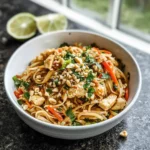
Easy Pad Thai Recipe
Ingredients
Noodles
- 4 oz flat rice noodles
Oil
- 1.5 tbsp vegetable oil (or less if using pre-cooked protein)
Protein
- 8 oz tofu, shrimp, or rotisserie chicken, cubed
Veggies
- 3 garlic cloves, minced
- 3 green onions, cut
- 1.5 cups julienned carrots or bell pepper
Eggs
- 2 eggs
Bean Sprouts
- 1 cup bean sprouts
Pad Thai Sauce
- 2 tbsp soy sauce
- 1/4 cup brown sugar
- 2 tbsp rice vinegar or tamarind paste
- 1 tbsp sriracha (adjust for spice)
- 2 tbsp peanut butter
Garnish
- Lime wedges
- 1/2 cup crushed peanuts
- 1/4 cup chopped fresh cilantro
Instructions
1. Prepare Noodles
- Soak noodles in hot water for 5-7 minutes until they become soft. Drain and rinse with cold water to prevent them from sticking together.
2. Make the Sauce
- In a bowl, whisk together soy sauce, brown sugar, rice vinegar, sriracha, and peanut butter. Set aside. This sauce will give your Pad Thai its signature flavor.
3. Cook the Protein
- If using fresh protein, cook it in a pan over medium-high heat with 1/2 tbsp oil until done, about 2-3 minutes. If using pre-cooked protein, you can skip this step.
4. Sauté the Veggies
- In a pan, heat the remaining oil. Sauté green onions, carrots, and bell pepper for 4 minutes. Add the minced garlic and cook for an additional 30 seconds to release its aroma.
5. Scramble the Eggs
- Push the veggies to the side, crack the eggs into the pan, and scramble until cooked, about 1 minute.
6. Combine Everything
- Add the cooked protein, drained noodles, half of the bean sprouts, half of the cilantro, and the prepared sauce. Toss everything together until heated through. If the mixture is too dry, add a bit of water to reach the desired consistency.
7. Serve
- Transfer to a plate and garnish with the remaining bean sprouts, crushed peanuts, cilantro, and lime wedges. Serve hot and enjoy!
Nutrition
- Serving Size: one normal portion
- Calories: 640
- Sugar: 25g
- Fat: 21g
- Carbohydrates: 85g
- Fiber: 5g
- Protein: 30g