

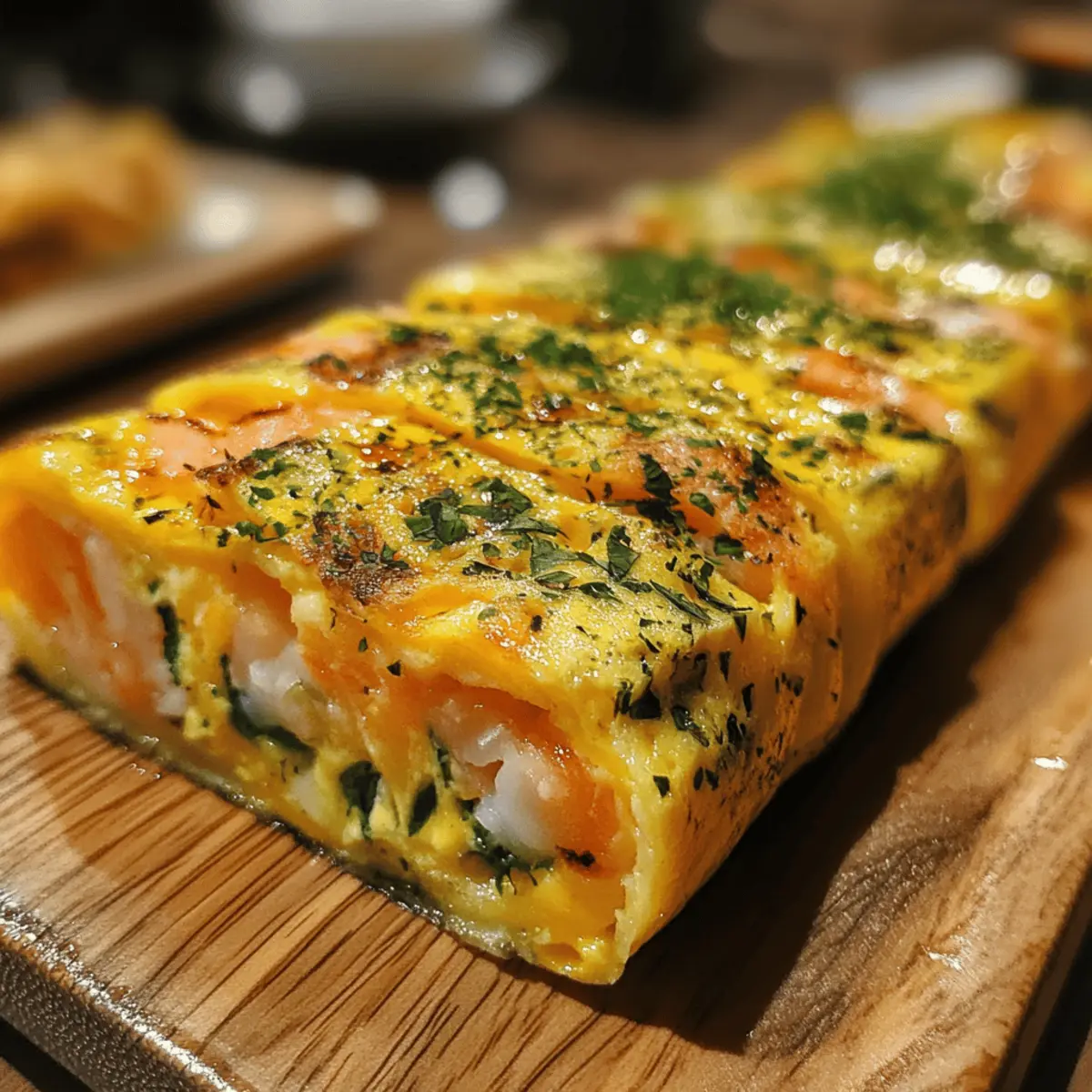
There’s something truly captivating about the delicate layers and subtly sweet flavor of a Japanese-Style Seafood Omelet, or Tamagoyaki. One afternoon, while experimenting with a few simple ingredients from my fridge, I stumbled upon this recipe that transforms everyday eggs into a silky, flavorful masterpiece. What sets this dish apart is not just the tender, rolled texture but the surprise of fresh seafood that takes each bite to a new level of savory delight. Whether you’re craving a comforting breakfast or a light dinner, this Tamagoyaki blends elegance with ease, making it a perfect addition to your homemade meal rotation. Trust me, once you try this, fast food won’t stand a chance against the fresh, vibrant taste packed into every fold.
Why choose Japanese-Style Seafood Omelet (Tamagoyaki)?
Effortless elegance: This recipe is simple enough for beginners yet impresses with its refined look. Unique flavor: The blend of sweet egg with fresh seafood creates a delightfully savory surprise. Versatile meal: Perfect for breakfast, lunch, or a light dinner that feels special. Quick prep: Ready in under 20 minutes for busy home cooks. Crowd-pleaser: Its delicate texture and taste appeal to both family and dinner guests.
Japanese-Style Seafood Omelet (Tamagoyaki) Ingredients
For the Omelet Batter
- Eggs – Use fresh, large eggs for the best silky texture in your Japanese-Style Seafood Omelet (Tamagoyaki).
- Mirin – Adds a subtle sweetness and glossy shine, essential for that classic flavor.
- Soy Sauce – A splash enhances umami, bringing depth to the delicate egg layers.
- Sugar – Balances the savory elements with just a touch of sweetness.
- Salt – Season lightly to bring out all the flavors without overpowering.
For the Seafood Filling
- Fresh Shrimp – Peeled and deveined, they offer a tender bite that complements the eggs.
- Scallops – Small, diced scallops bring a sweet ocean flavor and soft texture.
- White Fish – Mild-flavored fish like cod or halibut works beautifully, finely chopped for even cooking.
Optional Garnishes and Add-ins
- Chopped Green Onions – Sprinkle inside for a fresh, mild onion note and color contrast.
- Shredded Nori (Seaweed) – Adds a subtle roasted flavor and elegant finish.
- Toast Sesame Seeds – For a hint of nuttiness and a gentle crunch on top.
How to Make Japanese-Style Seafood Omelet (Tamagoyaki)
- Whisk Batter: In a medium bowl, whisk eggs with mirin, soy sauce, sugar, and salt until smooth and slightly frothy, creating that classic Tamagoyaki sweetness and sheen.
- Prep Seafood: Pat shrimp, scallops, and white fish dry, then season lightly. Chop into small, uniform pieces so each tender bite of seafood cooks through evenly inside the egg layers.
- Heat Pan: Warm a small nonstick or tamagoyaki pan over medium heat. Brush with oil, heating until it shimmers lightly, about 1–2 minutes, ensuring even cooking for beautifully golden layers.
- Cook Layer: Pour about 2 tablespoons of batter into the hot pan, tilting to cover the surface. Cook until the top is just set but still slightly moist, about 1 minute.
- Add Filling: Distribute half of the seafood mixture evenly over the semi-set egg. Let the proteins cook briefly, about 30 seconds, so they nestle into the egg without overcooking.
- Roll Omelet: With chopsticks or a spatula, gently lift one edge and roll toward the opposite side into a tight log. Press lightly to seal edges and shape the roll.
- Repeat Layers: Wipe pan lightly with oil, pour another thin batter layer under the roll, and cook until set. Continue adding, cooking, and rolling layers until all batter is used.
- Shape and Rest: Transfer roll to a bamboo mat or cutting board, shaping edges by wrapping gently for 1 minute. Allow the tamagoyaki to rest 2 minutes before slicing.
Optional: Garnish slices with toasted sesame seeds and chopped green onions for extra crunch.
Exact quantities are listed in the recipe card below.
How to Store and Freeze Japanese-Style Seafood Omelet (Tamagoyaki)
Fridge: Keep your Tamagoyaki in an airtight container, and it will stay fresh for up to 3 days. This keeps the flavors intact while avoiding drying out.
Freezer: If you want to store it longer, freeze individual slices wrapped tightly in plastic wrap and then in aluminum foil. It can last up to 2 months.
Reheating: To reheat, thaw overnight in the fridge, then warm slices in a nonstick pan over low heat for a few minutes. This helps restore its lovely texture and flavor.
Japanese-Style Seafood Omelet (Tamagoyaki) Variations
Feel free to explore these delightful twists that will elevate your Japanese-Style Seafood Omelet into something uniquely yours!
-
Vegetarian: Omit seafood and substitute with sautéed mushrooms, bell peppers, or spinach for a vibrant, veggie-packed omelet.
-
Spicy Kick: Add a pinch of chili flakes or a dash of sriracha to the batter for a mild yet exciting heat that awakens the palate.
-
Creamy Twist: Mix in a dollop of cream cheese or mascarpone to the egg mixture for a richer, creamier texture that melts in your mouth.
-
Herb Infusion: Toss in finely chopped fresh herbs like dill or cilantro into the batter; they add a burst of fresh aroma and a hint of flavor that brightens each bite.
-
Smoked Fish: Use smoked salmon or mackerel instead of fresh seafood for a smoky depth of flavor that pairs beautifully with the egg.
-
Cheesy Delight: Fold in grated cheese of your choice right before rolling the omelet; the gooey, melty goodness takes comfort food to the next level.
Each variation invites creativity and reflects your personal taste, transforming this classic dish into a celebration of flavors that keeps every meal exciting. Happy cooking!
Make Ahead Options
Preparing your Japanese-Style Seafood Omelet (Tamagoyaki) is a breeze, making it a fantastic choice for meal prep. You can whisk the batter and chop the seafood filling up to 24 hours in advance; simply store them in airtight containers in the refrigerator to maintain freshness. To keep the omelet flavorful, cook it fresh just before serving. When you’re ready to enjoy, pour the prepared batter into the pan and layer in the seafood, cooking it to perfection as detailed in the recipe. This approach not only saves time on busy mornings or weeknights but ensures that your Tamagoyaki retains its delicate texture and savory taste, just as delicious as if you had made it from scratch that day.
What to Serve with Japanese-Style Seafood Omelet (Tamagoyaki)?
Elevate your dining experience with an array of delightful sides that complement the delicate flavors of this elegant omelet.
- Steamed Rice: The subtle sweetness and soft texture of plain steamed rice create a comforting base for your omelet.
- Miso Soup: A warm bowl of miso soup adds a comforting and umami-rich component, making your meal feel truly authentic.
- Pickled Vegetables: A tangy assortment of pickled vegetables brightens the palate and balances the savory richness of the tamagoyaki.
- Sautéed Greens: Lightly sautéed greens like bok choy or spinach add a fresh, vibrant crunch that enhances the overall dish.
Pairing the omelet with a refreshing drink can also elevate your meal.
- Green Tea: A warm cup of green tea cleanses the palate, harmonizing beautifully with the egg and seafood flavors.
For dessert, consider something light and sweet to wrap up your meal.
- Mochi Ice Cream: The chewy texture and sweet filling of mochi ice cream provide a delightful end to your dining experience.
With these complements to your Japanese-Style Seafood Omelet, you’ll create a balanced and satisfying meal that will leave everyone asking for seconds!
Expert Tips for Japanese-Style Seafood Omelet (Tamagoyaki)
- Use a nonstick pan: This prevents sticking and helps create smooth, even layers essential for the classic tamagoyaki texture.
- Control the heat: Cook over medium to low heat to avoid browning too quickly, preserving the omelet’s delicate flavor and color.
- Keep batter consistent: Whisk eggs and seasoning thoroughly to ensure a silky, uniform texture in every layer of your Japanese-Style Seafood Omelet (Tamagoyaki).
- Prep seafood small and dry: Dry seafood well and chop finely to ensure quick, even cooking without releasing too much moisture into the omelet.
- Roll gently but firmly: Use gentle pressure to seal layers without breaking the delicate egg, shaping a neat, elegant roll every time.
- Rest before slicing: Letting the tamagoyaki rest slightly allows layers to set fully, making it easier to slice cleanly and enjoy its tender texture.
Japanese-Style Seafood Omelet (Tamagoyaki) Recipe FAQs
How fresh should the eggs be for the best Japanese-Style Seafood Omelet (Tamagoyaki)?
Fresh, large eggs are key to achieving that silky, tender texture. Look for eggs with clear yolks and whites, and avoid any with cracks or dark spots. Freshness really makes the omelet shine!
Can I store leftover Tamagoyaki, and how long will it keep?
Absolutely! Store your Tamagoyaki in an airtight container in the refrigerator. It will stay fresh and delicious for up to 3 days. Make sure to let it cool completely before storing to keep that perfect texture.
Is it possible to freeze Japanese-Style Seafood Omelet (Tamagoyaki), and what’s the best way?
Very much so! Freeze individual slices by wrapping them tightly in plastic wrap, then again in aluminum foil to prevent freezer burn. Frozen this way, Tamagoyaki keeps well for up to 2 months. When ready to eat, thaw overnight in the fridge, then warm gently in a nonstick pan over low heat for just a few minutes to bring back the softness.
What if my Tamagoyaki turns out too dry or rubbery?
This can happen if the heat is too high or the layers are cooked too long. Try cooking over medium-low heat and remove each layer as soon as it’s set but still slightly moist. Also, whisk your batter thoroughly to incorporate air for a fluffier texture. Practice helps perfect this delicate balance!
Are there any dietary considerations, especially concerning seafood allergies?
Definitely keep allergies in mind! If you or anyone you’re serving is allergic to seafood, you can simply omit the seafood and enjoy Tamagoyaki plain or add vegetables like finely chopped spinach or mushrooms for a tasty alternative. Always check ingredient labels for soy sauce or mirin if allergies are a concern.
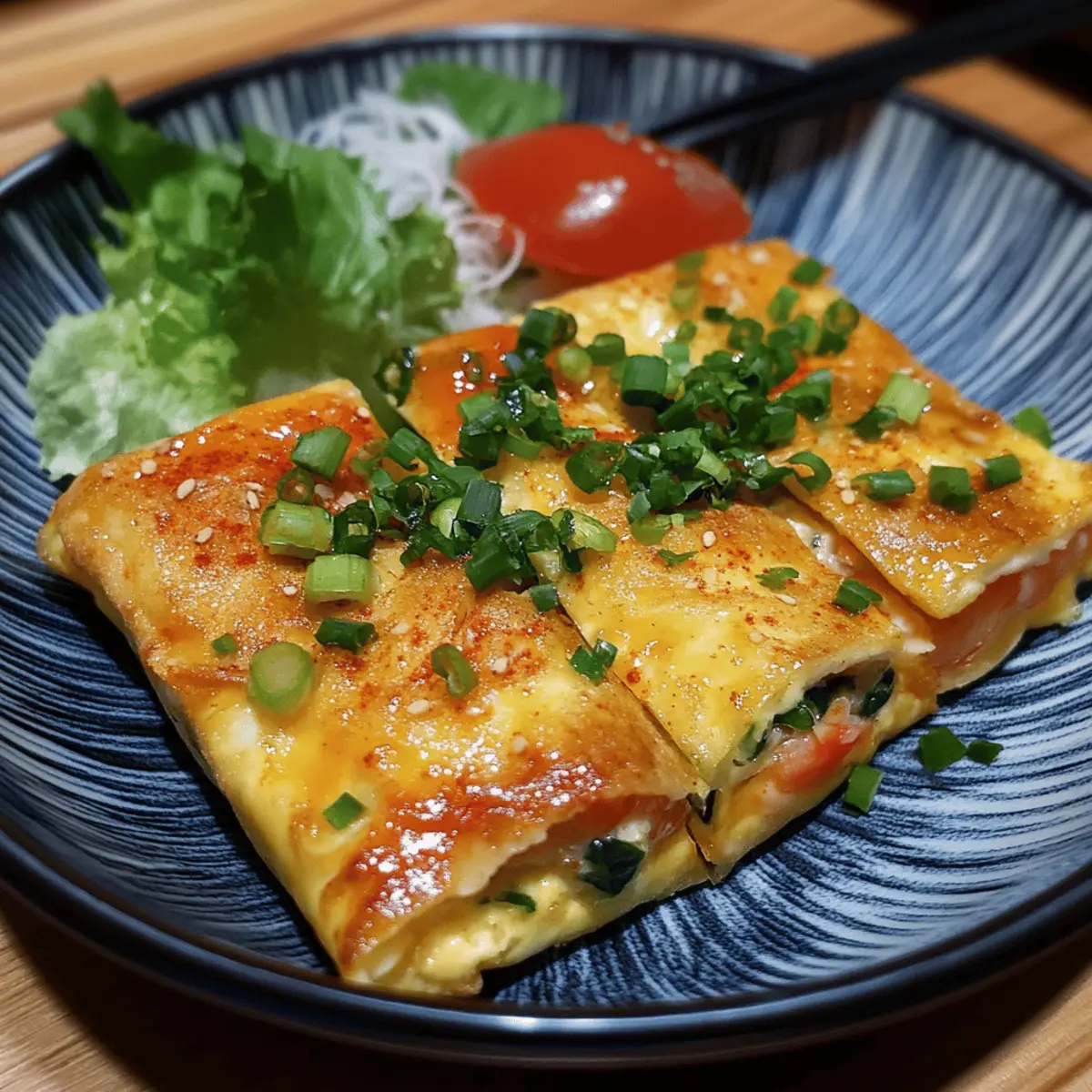
Easy Japanese-Style Seafood Omelet (Tamagoyaki) You’ll Love
Ingredients
Equipment
Method
- Whisk eggs with mirin, soy sauce, sugar, and salt until smooth and slightly frothy.
- Pat shrimp, scallops, and white fish dry, season lightly, and chop into small pieces.
- Warm a nonstick or tamagoyaki pan over medium heat, brushing with oil until it shimmers.
- Pour about 2 tablespoons of batter into the pan, tilting to cover the surface. Cook until the top is just set.
- Distribute half of the seafood mixture over the semi-set egg. Let them cook for about 30 seconds.
- Lift one edge and roll toward the opposite side into a tight log, pressing lightly to seal.
- Wipe pan with oil, pour another thin layer of batter, and repeat until all batter is used.
- Transfer roll to a bamboo mat or cutting board, shape gently and let rest for 2 minutes before slicing.