

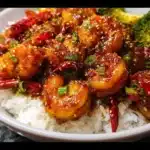
Of all the weeknight dinner dilemmas, the craving for good, restaurant-quality Chinese takeout is one of the most persistent in our household. There’s something undeniably comforting about that perfect balance of sweet, savory, and tangy sauce clinging to perfectly cooked protein. For years, my solution was a quick call to our local spot. But then came the evening when I wanted that specific, glossy, slightly spicy flavor of General Tso’s, but I had a bag of shrimp in the freezer and a desire not to leave the house. That’s when this Easy General Tso Shrimp Stir-Fry recipe was born. I was skeptical at first—could I really replicate that addictive, takeout-style magic at home? The answer was a resounding yes. The first time I made it, my family was silent for the first five minutes, a rare and beautiful thing, followed by a chorus of “Wow, you made this?” The shrimp were plump and juicy with a light, crispy coating, and the sauce… oh, the sauce was everything. It had the depth, the gentle heat, and the beautiful sheen I craved, but it tasted fresher and less heavy than its takeout counterpart. It has since become a fixture in our meal rotation, our secret weapon for a “fancy” dinner that, secret’s out, comes together in under 30 minutes. It’s the recipe that proves you can satisfy a powerful craving with simple ingredients and a single wok, transforming a regular Tuesday into a delicious event.
Complete Recipe: Easy General Tso Shrimp Stir-Fry
This recipe breaks down the process into manageable parts: preparing the shrimp, whisking the signature sauce, and bringing it all together in a quick stir-fry. Having all your ingredients prepped and ready to go (a practice known as mise en place) is the key to a flawless and stress-free cooking experience.
Ingredients You’ll Need
To create this spectacular dish, we’ll organize the ingredients into three categories: for the succulent shrimp, for the unforgettable sauce, and for the stir-fry assembly and garnish.
For the Crispy Shrimp:
- 1 lb large or jumbo shrimp (about 16-20 count): The star of the show. Using large or jumbo shrimp ensures they remain plump and juicy after cooking and don’t get lost in the sauce. You’ll want them peeled and deveined. You can buy them this way or do it yourself. If using frozen shrimp, make sure they are thoroughly thawed and patted completely dry with paper towels. This step is crucial for achieving a crispy exterior.
- 2 tablespoons cornstarch: This is the secret to that light, crispy coating you find in restaurant stir-fries. It creates a protective layer that crisps up beautifully in the hot oil and also helps the sauce adhere to the shrimp.
- 1/4 teaspoon salt: To season the shrimp from the inside out.
- 1/4 teaspoon black pepper: For a subtle, background warmth.
- 2 tablespoons vegetable or canola oil: A neutral oil with a high smoke point is essential for stir-frying. This will be used for searing the shrimp.
For the Signature General Tso Sauce:
- 1/3 cup low-sodium chicken broth or water: This forms the base of our sauce, providing volume and carrying the other flavors. Using low-sodium broth allows you to control the saltiness of the final dish.
- 1/4 cup hoisin sauce: This is a key flavor component. Hoisin is a thick, fragrant sauce commonly used in Chinese cuisine. It’s sweet, savory, and slightly tangy, made from fermented soybean paste, garlic, vinegar, and spices. It provides much of the body and depth for our General Tso sauce.
- 3 tablespoons low-sodium soy sauce or tamari: This adds the essential savory, umami flavor. Use tamari for a gluten-free alternative. Again, low-sodium is preferred to prevent the sauce from becoming overly salty.
- 2 tablespoons rice vinegar: This provides the characteristic tanginess that balances the sweetness of the hoisin and sugar. Do not substitute with white vinegar, as its flavor is much harsher.
- 2 tablespoons granulated sugar or honey: General Tso’s sauce needs a touch of sweetness to balance the savory and tangy elements. Honey can be used as a more natural alternative, though it will impart a slightly different flavor.
- 1 tablespoon Shaoxing wine (or dry sherry): This Chinese cooking wine adds an incredible depth and authentic aroma to the sauce. If you can’t find it, dry sherry is the best substitute. If you need to avoid alcohol, you can simply omit it and add an extra tablespoon of chicken broth.
- 1 tablespoon cornstarch: This is the thickening agent. When mixed into the cold liquids and then heated, it will transform the sauce from thin and watery to a thick, glossy glaze that coats every piece of shrimp perfectly.
- 1 teaspoon sesame oil: A little goes a long way! Sesame oil is added at the end for its nutty aroma and flavor. It’s a finishing oil, not a cooking oil, as it has a low smoke point.
- 1 teaspoon minced fresh ginger: Provides a warm, zesty spice that cuts through the richness.
- 2 cloves garlic, minced: Adds a pungent, aromatic foundation to the sauce.
- 1/2 to 1 teaspoon red pepper flakes (or to taste): This is where you control the heat. Start with 1/2 teaspoon for a mild kick and increase from there if you prefer it spicier. You can also use a teaspoon of chili garlic sauce or sriracha.
For the Stir-Fry & Garnish:
- 1 tablespoon vegetable or canola oil: An additional tablespoon for sautéing the aromatics.
- 4-6 dried red chilies (optional): While the red pepper flakes in the sauce provide heat, adding whole dried chilies to the oil infuses it with a smoky, complex spice and gives the dish its classic look.
- 1 bunch of green onions (scallions): These will be separated. The white and light green parts will be sliced and sautéed with the aromatics for flavor, while the dark green parts will be sliced for a fresh, crisp garnish at the end.
- Steamed jasmine or brown rice, for serving: The perfect vessel to soak up all that delicious sauce.
- Toasted sesame seeds, for garnish: Adds a final nutty crunch and visual appeal.
Step-by-Step Instructions
Follow these detailed steps for a perfect stir-fry every time. The key is to work quickly once you start cooking, so preparation is paramount.
Step 1: Prepare the Shrimp
First, ensure your shrimp are ready for their starring role. If they are frozen, thaw them completely by placing them in a colander under cold running water. Once thawed, or if using fresh, pat them meticulously dry with paper towels. Any excess moisture will prevent them from getting crispy. In a medium bowl, combine the dried shrimp with 2 tablespoons of cornstarch, salt, and black pepper. Toss well until each shrimp is lightly and evenly coated. This thin layer is what will create that coveted crispy texture. Set the bowl aside.
Step 2: Whisk Together the Sauce
In a separate, smaller bowl or a liquid measuring cup, it’s time to create the magic sauce. Combine all the sauce ingredients: the chicken broth, hoisin sauce, soy sauce, rice vinegar, sugar, Shaoxing wine, the remaining 1 tablespoon of cornstarch, sesame oil, minced ginger, minced garlic, and red pepper flakes. Whisk everything together vigorously until the cornstarch and sugar are fully dissolved and the mixture is smooth. This step is important; any lumps of cornstarch will result in a lumpy sauce. Set this sauce mixture next to your stove.
Step 3: Sear the Shrimp
Place a large skillet, wok, or non-stick frying pan over medium-high heat. Let the pan get hot before adding any oil. Once hot, add 2 tablespoons of vegetable oil. Swirl to coat the bottom of the pan. Carefully place the cornstarch-coated shrimp in the pan in a single layer. Do not overcrowd the pan; cook in two batches if necessary. Overcrowding will steam the shrimp instead of searing them. Cook for about 1-2 minutes per side, until they are pink, opaque, and have a beautiful golden-brown crust. The shrimp should be just cooked through. Use tongs to remove the seared shrimp from the pan and set them aside on a clean plate.
Step 4: Sauté the Aromatics
Reduce the heat to medium. Add the remaining 1 tablespoon of oil to the same skillet. Add the sliced white and light green parts of the green onions and the optional dried red chilies. Sauté for about 30-60 seconds, stirring constantly, until they are fragrant. Be careful not to burn the garlic or ginger that might be left in the pan. This step infuses the oil with an aromatic base layer of flavor.
Step 5: Thicken the Sauce and Combine
Give your sauce mixture one final quick whisk to ensure the cornstarch hasn’t settled at the bottom. Pour the entire sauce mixture into the hot skillet. Bring the sauce to a simmer, stirring constantly with a whisk or spatula. As it heats up, the cornstarch will activate, and the sauce will begin to thicken and become glossy. This should take about 1-2 minutes. Scrape the bottom of the pan to incorporate any flavorful browned bits left from cooking the shrimp.
Step 6: Finish the Dish
Once the sauce has thickened to the consistency of a glaze, immediately return the cooked shrimp to the pan. Add most of the sliced dark green parts of the green onions. Gently toss everything together for about 30 seconds, just enough to coat every piece of shrimp in the glorious sauce and warm them through. Be careful not to overcook the shrimp at this stage, as they can become tough. Remove the skillet from the heat immediately.
Nutrition Facts
- Servings: 4
- Calories per serving: Approximately 450-500 kcal
Disclaimer: The nutritional information provided is an estimate and can vary based on the specific ingredients and brands used, as well as the exact portion sizes. This dish is a great source of lean protein from the shrimp. Making it at home allows you to control the sodium and sugar levels, making it a significantly healthier option than most restaurant versions.
Preparation Time
- Prep Time: 15 minutes (includes thawing shrimp, chopping aromatics, and mixing the sauce)
- Cook Time: 10-12 minutes
- Total Time: Approximately 25-27 minutes
This recipe is a true weeknight champion, delivering a complex, satisfying meal in less than half an hour.
How to Serve Your General Tso Shrimp
Presentation and accompaniments can elevate this simple stir-fry into a complete and impressive meal. Here are some fantastic ways to serve it:
- The Classic Base:
- Steamed Jasmine Rice: The fragrant, slightly sticky texture is the perfect traditional pairing, soaking up the sauce beautifully.
- Brown Rice: For a healthier, whole-grain option with a nuttier flavor and chewier texture.
- Quinoa: A protein-packed, gluten-free alternative that works wonderfully with the flavors.
- Low-Carb and Veggie-Forward Options:
- Cauliflower Rice: A popular low-carb choice that keeps the meal light. You can buy it pre-riced or make your own in a food processor.
- Zucchini Noodles (Zoodles): A fresh, healthy base that adds an extra serving of vegetables.
- Sautéed Cabbage: Thinly sliced and sautéed cabbage makes a delicious and nutrient-dense bed for the shrimp.
- Add More Greens:
- Serve alongside steamed or blanched broccoli florets or bok choy. Their clean, crisp flavors provide a perfect contrast to the rich sauce. You can even toss them in the pan with the shrimp at the very end.
- Garnishes for the Final Touch:
- Sprinkle generously with toasted sesame seeds for a nutty crunch.
- Top with the remaining sliced fresh green onions for a sharp, fresh bite.
- For those who love extra heat, offer a side of sriracha, chili oil, or extra red pepper flakes.
5 Additional Tips for Success
- The Secret to Crispy Shrimp is Dryness: This cannot be overstated. After thawing your shrimp, lay them on a plate lined with paper towels and pat the tops with another paper towel. The drier the shrimp, the better the cornstarch will adhere, and the crispier the final result will be. Any moisture will create steam, which is the enemy of a good sear.
- Don’t Overcook the Shrimp: Shrimp cook incredibly fast. The difference between perfectly tender and disappointingly rubbery is a matter of seconds. A perfectly cooked shrimp will curl into a “C” shape. If it curls into a tight “O,” it’s likely overcooked. Searing them for just 1-2 minutes per side and then briefly tossing them in the sauce at the end is the perfect method.
- Mise en Place is Not Optional: The French term for having all your ingredients prepped and ready to go is the golden rule of stir-frying. The cooking process is extremely fast. You won’t have time to mince garlic or measure soy sauce once the wok is hot. Have your shrimp coated, your sauce whisked, and your green onions chopped before you even turn on the stove.
- Customize Your Heat and Sweetness: This recipe is a fantastic template. Feel free to adjust it to your taste. If you love spicy food, increase the red pepper flakes or add a swirl of chili garlic sauce to the sauce mixture. If you prefer it tangier, add an extra splash of rice vinegar. If you want it less sweet, reduce the sugar by a tablespoon.
- Bulk It Up with Vegetables: To make this a more complete one-pan meal, feel free to add quick-cooking vegetables. Add 1-2 cups of broccoli florets, sliced bell peppers, or snap peas to the skillet after searing the shrimp. Stir-fry them for 2-3 minutes until tender-crisp, then remove them and proceed with the sauce. Add them back into the pan along with the shrimp at the very end.
Frequently Asked Questions (FAQ)
1. Can I make this General Tso Shrimp recipe gluten-free?
Absolutely! It’s very easy to adapt this recipe for a gluten-free diet. Simply make two key substitutions: use tamari instead of soy sauce (tamari is a Japanese soy sauce brewed without wheat) and ensure you are using a certified gluten-free hoisin sauce, as some brands may contain wheat. Cornstarch is naturally gluten-free, so you’re all set there.
2. What’s the best kind of shrimp to use? Fresh or frozen?
Both fresh and frozen shrimp work wonderfully in this recipe. The most important factors are size and preparation. Use large (21-25 count per pound) or jumbo (16-20 count per pound) shrimp. This size ensures they stay plump and succulent. If using frozen shrimp, which are often more convenient and just as high-quality (they are typically flash-frozen on the boat), make sure to thaw them completely and, most importantly, pat them very dry before coating them in cornstarch.
3. Can I prepare any parts of this recipe ahead of time for easier weeknight cooking?
Yes, this recipe is great for meal prep. You can be very efficient by doing the following ahead of time:
- The Sauce: Whisk all the sauce ingredients together, pour into an airtight container or jar, and store in the refrigerator for up to 3 days.
- The Aromatics: Mince the garlic and ginger, and slice the green onions. Store them in a small airtight container in the fridge.
When you’re ready to cook, all you need to do is coat and cook the shrimp and then finish the dish, cutting your active cooking time down to about 10 minutes.
4. How do I store and reheat leftovers?
Store any leftover General Tso Shrimp in an airtight container in the refrigerator for up to 2-3 days. The shrimp will lose its initial crispiness upon refrigeration, but it will still be delicious. To reheat, you can microwave it in 30-second intervals until warm. However, the best method is to gently reheat it in a non-stick skillet over medium-low heat until just warmed through. This helps revive the texture of the shrimp and sauce without overcooking it.
5. Is General Tso Shrimp an authentic Chinese dish?
This is a great question with a fascinating history. General Tso’s chicken (the original dish) is a classic example of Chinese-American cuisine. It was invented in the 1970s in New York City by a Taiwanese chef, Peng Chang-kuei. While he based it on a traditional Hunanese dish, he adapted it for American palates, making it much sweeter. So, while it has Chinese roots, the version we know and love today is not something you would typically find in China. The shrimp version is a popular and delicious variation on that iconic Chinese-American creation.
Easy General Tso Shrimp Stir Fry recipe
Ingredients
For the Crispy Shrimp:
-
1 lb large or jumbo shrimp (about 16-20 count): The star of the show. Using large or jumbo shrimp ensures they remain plump and juicy after cooking and don’t get lost in the sauce. You’ll want them peeled and deveined. You can buy them this way or do it yourself. If using frozen shrimp, make sure they are thoroughly thawed and patted completely dry with paper towels. This step is crucial for achieving a crispy exterior.
-
2 tablespoons cornstarch: This is the secret to that light, crispy coating you find in restaurant stir-fries. It creates a protective layer that crisps up beautifully in the hot oil and also helps the sauce adhere to the shrimp.
-
1/4 teaspoon salt: To season the shrimp from the inside out.
-
1/4 teaspoon black pepper: For a subtle, background warmth.
-
2 tablespoons vegetable or canola oil: A neutral oil with a high smoke point is essential for stir-frying. This will be used for searing the shrimp.
For the Signature General Tso Sauce:
-
1/3 cup low-sodium chicken broth or water: This forms the base of our sauce, providing volume and carrying the other flavors. Using low-sodium broth allows you to control the saltiness of the final dish.
-
1/4 cup hoisin sauce: This is a key flavor component. Hoisin is a thick, fragrant sauce commonly used in Chinese cuisine. It’s sweet, savory, and slightly tangy, made from fermented soybean paste, garlic, vinegar, and spices. It provides much of the body and depth for our General Tso sauce.
-
3 tablespoons low-sodium soy sauce or tamari: This adds the essential savory, umami flavor. Use tamari for a gluten-free alternative. Again, low-sodium is preferred to prevent the sauce from becoming overly salty.
-
2 tablespoons rice vinegar: This provides the characteristic tanginess that balances the sweetness of the hoisin and sugar. Do not substitute with white vinegar, as its flavor is much harsher.
-
2 tablespoons granulated sugar or honey: General Tso’s sauce needs a touch of sweetness to balance the savory and tangy elements. Honey can be used as a more natural alternative, though it will impart a slightly different flavor.
-
1 tablespoon Shaoxing wine (or dry sherry): This Chinese cooking wine adds an incredible depth and authentic aroma to the sauce. If you can’t find it, dry sherry is the best substitute. If you need to avoid alcohol, you can simply omit it and add an extra tablespoon of chicken broth.
-
1 tablespoon cornstarch: This is the thickening agent. When mixed into the cold liquids and then heated, it will transform the sauce from thin and watery to a thick, glossy glaze that coats every piece of shrimp perfectly.
-
1 teaspoon sesame oil: A little goes a long way! Sesame oil is added at the end for its nutty aroma and flavor. It’s a finishing oil, not a cooking oil, as it has a low smoke point.
-
1 teaspoon minced fresh ginger: Provides a warm, zesty spice that cuts through the richness.
-
2 cloves garlic, minced: Adds a pungent, aromatic foundation to the sauce.
-
1/2 to 1 teaspoon red pepper flakes (or to taste): This is where you control the heat. Start with 1/2 teaspoon for a mild kick and increase from there if you prefer it spicier. You can also use a teaspoon of chili garlic sauce or sriracha.
For the Stir-Fry & Garnish:
-
1 tablespoon vegetable or canola oil: An additional tablespoon for sautéing the aromatics.
-
4-6 dried red chilies (optional): While the red pepper flakes in the sauce provide heat, adding whole dried chilies to the oil infuses it with a smoky, complex spice and gives the dish its classic look.
-
1 bunch of green onions (scallions): These will be separated. The white and light green parts will be sliced and sautéed with the aromatics for flavor, while the dark green parts will be sliced for a fresh, crisp garnish at the end.
-
Steamed jasmine or brown rice, for serving: The perfect vessel to soak up all that delicious sauce.
-
Toasted sesame seeds, for garnish: Adds a final nutty crunch and visual appeal.
Instructions
First, ensure your shrimp are ready for their starring role. If they are frozen, thaw them completely by placing them in a colander under cold running water. Once thawed, or if using fresh, pat them meticulously dry with paper towels. Any excess moisture will prevent them from getting crispy. In a medium bowl, combine the dried shrimp with 2 tablespoons of cornstarch, salt, and black pepper. Toss well until each shrimp is lightly and evenly coated. This thin layer is what will create that coveted crispy texture. Set the bowl aside.
In a separate, smaller bowl or a liquid measuring cup, it’s time to create the magic sauce. Combine all the sauce ingredients: the chicken broth, hoisin sauce, soy sauce, rice vinegar, sugar, Shaoxing wine, the remaining 1 tablespoon of cornstarch, sesame oil, minced ginger, minced garlic, and red pepper flakes. Whisk everything together vigorously until the cornstarch and sugar are fully dissolved and the mixture is smooth. This step is important; any lumps of cornstarch will result in a lumpy sauce. Set this sauce mixture next to your stove.
Place a large skillet, wok, or non-stick frying pan over medium-high heat. Let the pan get hot before adding any oil. Once hot, add 2 tablespoons of vegetable oil. Swirl to coat the bottom of the pan. Carefully place the cornstarch-coated shrimp in the pan in a single layer. Do not overcrowd the pan; cook in two batches if necessary. Overcrowding will steam the shrimp instead of searing them. Cook for about 1-2 minutes per side, until they are pink, opaque, and have a beautiful golden-brown crust. The shrimp should be just cooked through. Use tongs to remove the seared shrimp from the pan and set them aside on a clean plate.
Reduce the heat to medium. Add the remaining 1 tablespoon of oil to the same skillet. Add the sliced white and light green parts of the green onions and the optional dried red chilies. Sauté for about 30-60 seconds, stirring constantly, until they are fragrant. Be careful not to burn the garlic or ginger that might be left in the pan. This step infuses the oil with an aromatic base layer of flavor.
Give your sauce mixture one final quick whisk to ensure the cornstarch hasn’t settled at the bottom. Pour the entire sauce mixture into the hot skillet. Bring the sauce to a simmer, stirring constantly with a whisk or spatula. As it heats up, the cornstarch will activate, and the sauce will begin to thicken and become glossy. This should take about 1-2 minutes. Scrape the bottom of the pan to incorporate any flavorful browned bits left from cooking the shrimp.
Once the sauce has thickened to the consistency of a glaze, immediately return the cooked shrimp to the pan. Add most of the sliced dark green parts of the green onions. Gently toss everything together for about 30 seconds, just enough to coat every piece of shrimp in the glorious sauce and warm them through. Be careful not to overcook the shrimp at this stage, as they can become tough. Remove the skillet from the heat immediately.
Nutrition
- Serving Size: one normal portion
- Calories: 450-500 kcal