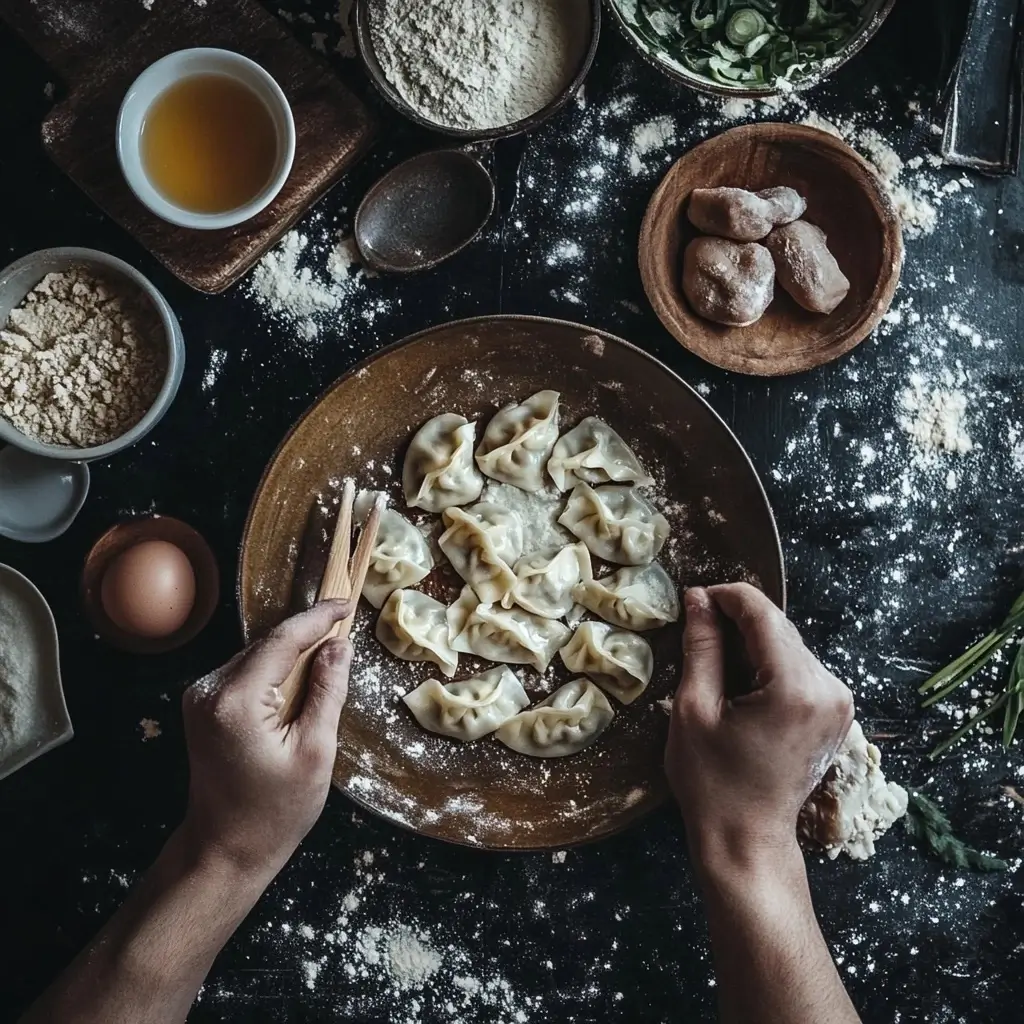
Chinese dumplings are a delightful culinary treat enjoyed by people of all ages. Whether steamed, boiled, or pan-fried, these little parcels burst with flavor and are a staple in Chinese cuisine. Making dumplings at home can be a rewarding experience, allowing you to customize flavors and enjoy fresh, delicious results. This guide will walk you through the process of creating easy Chinese dumplings, covering everything from ingredients to cooking methods and serving suggestions. Whether you’re a novice or an experienced cook, this article will help you master the art of dumpling-making.
Ingredients
To embark on your dumpling-making adventure, gather the following ingredients:
Dumpling Wrappers
- 3 cups all-purpose flour
- 1 cup room temperature water
Filling
- 1 lb ground chicken or plant-based alternative
- ½ cup green onion, chopped
- 1 teaspoon finely chopped ginger
- 1 teaspoon sesame oil
- 1 teaspoon salt
- ¼ cup soy sauce
- 2 tablespoons vegetable oil
- 1 large egg
- 1 lb Chinese cabbage, chopped
- 1 teaspoon salt (extra for cabbage)
Instructions
Creating dumplings involves several steps, from preparing the filling to crafting the dough and cooking the dumplings. Follow these detailed instructions to ensure perfect results every time.
Make the Filling
- Combine the Ingredients: In a large bowl, mix ground chicken (or plant-based alternative), chopped green onion, finely chopped ginger, sesame oil, salt, soy sauce, vegetable oil, and a large egg until well combined.
- Prepare the Cabbage: Cut the Chinese cabbage into thin strips and then chop into small pieces. Sprinkle with an extra teaspoon of salt and let sit for 30 minutes to draw out excess moisture.
- Mix Cabbage with Filling: Squeeze the excess water from the cabbage and incorporate it into the chicken mixture, ensuring a well-blended filling.
Make the Dough
- Form the Dough: In a separate bowl, combine the flour and water until a soft dough forms. Knead the dough on a floured surface for about 10 minutes until it becomes smooth and elastic.
- Divide and Shape: Divide the dough in half and shape each half into a roll. Cut each roll into ½-inch pieces.
- Roll Out Wrappers: Roll each piece into a ball, then flatten it and roll out into thin, round wrappers.
Assemble Dumplings
- Fill and Seal: Place a wrapper in your palm, add a tablespoon of filling in the center, fold the wrapper in half, and pinch the edges together to seal. Repeat with remaining wrappers and filling.
Cooking Options
Pan-Fry
- Heat Oil: Heat ½ tablespoon vegetable oil in a frying pan over medium heat.
- Cook Dumplings: Arrange the dumplings in the pan, cover, and cook for 3 minutes. Add ⅓ cup water, cover again, and continue cooking until the water evaporates and the dumplings are golden brown.
Boil
- Boil Water: Bring a large pot of water to a boil.
- Cook Dumplings: Add 20-25 dumplings and 1 tablespoon of oil. Cover and cook until the dumplings float to the surface. Add 1 cup of water and repeat the process until the dumplings are fully cooked. Use a slotted spoon to transfer them to a serving dish.
Nutrition Facts
Understanding the nutritional value of your dumplings helps maintain a balanced diet. Here are the nutrition facts for one dumpling:
- Calories: 67
- Total Fat: 3g
- Saturated Fat: 1g
- Sodium: 131mg
- Carbohydrates: 6g
- Protein: 4g
How to Serve
Serving dumplings is an art form that can elevate your dining experience into a culinary celebration. The way dumplings are presented can enhance their flavor and create a delightful atmosphere for your meal. Below are detailed serving suggestions to ensure your dumpling feast is both delicious and visually appealing.
Dipping Sauces
Dipping sauces play a crucial role in enhancing the flavor profile of your dumplings. Here are some popular options and their characteristics:
- Soy Sauce: A classic choice, soy sauce adds a salty and umami punch that complements most dumpling fillings. For an extra layer of flavor, consider adding a few drops of sesame oil or a sprinkle of crushed red pepper flakes to your soy sauce.
- Chili Oil: For those who enjoy a little heat, chili oil is an excellent accompaniment. This sauce can range from mildly spicy to intensely fiery, depending on the type of oil and the amount used. You can make your own by infusing oils with dried chili peppers, garlic, and spices.
- Vinegar and Ginger Mixture: A refreshing dip can be created by combining rice vinegar with freshly grated ginger. This combination adds a zesty kick and balances the richness of the dumplings. You can also add a touch of honey or sugar to mellow the acidity if desired.
- Peanut Sauce: For a more indulgent option, a creamy peanut sauce can be a delightful dip for dumplings, especially those with a meat or vegetable filling. Mixing peanut butter with soy sauce, lime juice, and a touch of honey creates a rich and flavorful dip.
- Sweet and Sour Sauce: This sauce provides a tangy and sweet contrast that can work beautifully with fried dumplings. A homemade version can be made with ketchup, vinegar, and sugar, cooked down to a syrupy consistency.
Side Dishes
To create a well-rounded meal, consider complementing your dumplings with thoughtfully chosen side dishes. Here are some ideas:
- Stir-Fried Vegetables: A colorful stir-fry with seasonal vegetables like bell peppers, broccoli, and snap peas can add texture and freshness to your meal. Tossing in some garlic, ginger, and soy sauce during cooking can enhance the flavors and create a cohesive dining experience.
- Fresh Green Salad: A light and refreshing salad can balance the richness of the dumplings. Consider a mix of greens like arugula or spinach, tossed with a light sesame ginger dressing. Adding ingredients like cucumber, radish, and shredded carrots can provide crunch and visual appeal.
- Noodle Salad: For a heartier side, a cold noodle salad dressed in a sesame or soy-based sauce pairs wonderfully with dumplings. Choose thin noodles like rice vermicelli or soba, and toss them with vegetables, herbs, and a zesty dressing.
- Pickled Vegetables: Adding a small serving of pickled vegetables can provide a tangy contrast that cuts through the richness of the dumplings. Options like pickled radishes, cucumbers, or kimchi can add a delightful crunch and a burst of flavor.
Garnish
Presentation is key when serving dumplings, and garnishes can elevate both the visual appeal and flavor. Here are some ideas to consider:
- Chopped Green Onions: Sprinkling fresh, finely chopped green onions over your dumplings not only adds a pop of color but also infuses a mild onion flavor that complements the dish beautifully.
- Sesame Seeds: Toasted sesame seeds can add both texture and a nutty flavor. They can be sprinkled over dumplings or served on the side for guests to add as they please.
- Coriander or Cilantro: Fresh herbs like coriander or cilantro can bring brightness to the dish. They can be placed on top of the dumplings or served on the side for an aromatic touch.
- Chili Flakes or Powder: For an extra kick, a sprinkle of chili flakes or powder can enhance the visual appeal and add spice. This is particularly effective for fried dumplings, creating an enticing contrast with their golden color.
- Edible Flowers: For a truly stunning presentation, consider garnishing your plate with edible flowers. They can add a beautiful pop of color and a touch of elegance, making your dumpling dish feel special and inviting.
By incorporating these serving suggestions, you can transform a simple dumpling meal into a memorable dining experience. Whether hosting a gathering or enjoying a quiet dinner at home, thoughtful presentation and complementary flavors will ensure your dumplings are the star of the show.
Additional Tips
Creating perfect dumplings is an art that requires a blend of practice, attention to detail, and a willingness to experiment. Whether you are a novice or a seasoned cook, refining your dumpling-making skills can elevate your culinary repertoire. Here are some comprehensive tips to help you achieve dumpling perfection:
Consistency in Wrappers
One of the keys to successful dumplings lies in the consistency of the wrappers. Here are some detailed pointers to ensure you’re on the right track:
- Dough Preparation: When making your dough, it’s crucial to use the right flour. All-purpose flour is commonly used for dumpling wrappers, but a blend of all-purpose and cake flour can yield a softer texture. After mixing the flour with water and salt, allow the dough to rest for at least 30 minutes. This resting period helps relax the gluten, making it easier to roll out.
- Rolling Technique: When rolling out your wrappers, use a clean, floured surface to prevent sticking. Aim for a thickness of about 1/16 inch for each wrapper. To achieve even thickness, start in the center and roll outward in a circular motion. Rotate the dough frequently to maintain a round shape and avoid uneven edges.
- Uniform Size: Use a round cutter or a glass to ensure each wrapper is the same size. Typically, a diameter of 3 to 4 inches is ideal for standard dumplings. Uniformity in size not only looks appealing but also ensures that all dumplings cook evenly.
- Proper Storage: If you’re not using the wrappers immediately, stack them with a light dusting of flour between each one to prevent sticking. Cover the stack with a damp cloth or plastic wrap to keep them from drying out.
Avoid Overfilling
Filling your dumplings is perhaps the most critical step. Here’s how to manage your fillings effectively:
- Portion Control: Use a measuring spoon to portion out your fillings. A typical guideline is about 1 to 2 teaspoons, depending on the size of your wrappers. A consistent amount allows you to maintain control over the filling process and prevents overstuffing.
- Filling Technique: When placing the filling in the center of the wrapper, ensure that there is enough space around the edges for sealing. This space is essential to avoid any leaks during cooking. If you’re unsure, it’s better to err on the side of caution and use less filling.
- Sealing the Dumplings: Wet the edges of the wrapper with a little water before folding. This helps create a tight seal, reducing the chances of bursting during cooking. Pinch the edges together firmly, and consider pleating for added security and a decorative touch.
Experiment with Fillings
Dumplings are incredibly versatile, and experimenting with different fillings can lead to exciting new flavors. Here are some ideas to inspire your culinary creativity:
- Traditional Fillings: Classic fillings such as ground pork with ginger and scallions, or shrimp mixed with garlic and cilantro are always crowd-pleasers. You can also incorporate traditional ingredients such as mushrooms, bamboo shoots, or water chestnuts for added texture.
- Vegetarian and Vegan Options: Create delicious vegetarian dumplings using a mix of finely chopped vegetables such as cabbage, carrots, and mushrooms. For a protein boost, consider adding tofu or tempeh to the mix. Season with soy sauce, sesame oil, and fresh herbs to enhance the flavor.
- International Flavors: Don’t hesitate to draw inspiration from global cuisines. Consider fillings like spiced lamb with mint for a Middle Eastern twist, or creamy ricotta and spinach for an Italian flair. The possibilities are endless, and experimenting can lead to delightful discoveries.
- Sweet Dumplings: For a unique dessert option, try sweet dumplings filled with ingredients like crushed fruit, sweetened red bean paste, or even chocolate. These can be steamed or boiled and served with a drizzle of honey or syrup.
Additional Considerations
- Cooking Techniques: Dumplings can be boiled, steamed, pan-fried, or deep-fried. Each method lends a different texture and flavor, so feel free to try them all to see which you prefer.
- Serving Suggestions: Serve your dumplings with a variety of dipping sauces, such as soy sauce mixed with vinegar and chili oil, or a tangy sesame sauce. Garnishing with chopped scallions, sesame seeds, or fresh herbs can also enhance presentation and flavor.
- Practice Makes Perfect: Like any culinary skill, making dumplings improves with practice. Don’t be discouraged by initial mistakes; each attempt is an opportunity to learn and refine your technique.
By paying attention to these details and embracing your creativity, you can become adept at making delicious dumplings that impress family and friends alike. Happy cooking!
FAQs
Can I freeze dumplings for later use?
Yes, you can freeze uncooked dumplings. Arrange them on a baking sheet, freeze until solid, and then transfer to a freezer bag. Cook directly from frozen by adding a few extra minutes to the cooking time.
What if my dough is too sticky or too dry?
If the dough is too sticky, add a little more flour, one tablespoon at a time, until it becomes manageable. If it’s too dry, add water, one tablespoon at a time, until the desired consistency is achieved.
How can I make sure my dumplings don’t stick to the pan when pan-frying?
Ensure the pan is well-heated and coated with enough oil before adding the dumplings. Avoid moving them until they have developed a golden crust.
Conclusion
Making easy Chinese dumplings at home is a rewarding culinary experience that allows you to explore new flavors and techniques. With a little practice and creativity, you can create delicious dumplings that rival any restaurant offering. Whether enjoyed on their own, with a selection of sauces, or as part of a larger meal, dumplings are sure to bring joy to your table. Dive into the world of dumpling-making and enjoy the delightful process of crafting these beloved Chinese delicacies. Happy cooking!
Print
Easy Chinese Dumplings recipe
Ingredients
Dumpling Wrappers
- 3 cups all-purpose flour
- 1 cup room temperature water
Filling
- 1 lb ground chicken or plant-based alternative
- ½ cup green onion, chopped
- 1 teaspoon finely chopped ginger
- 1 teaspoon sesame oil
- 1 teaspoon salt
- ¼ cup soy sauce
- 2 tablespoons vegetable oil
- 1 large egg
- 1 lb Chinese cabbage, chopped
- 1 teaspoon salt (extra for cabbage)
Instructions
Make the Filling
- Combine the Ingredients: In a large bowl, mix ground chicken (or plant-based alternative), chopped green onion, finely chopped ginger, sesame oil, salt, soy sauce, vegetable oil, and a large egg until well combined.
- Prepare the Cabbage: Cut the Chinese cabbage into thin strips and then chop into small pieces. Sprinkle with an extra teaspoon of salt and let sit for 30 minutes to draw out excess moisture.
- Mix Cabbage with Filling: Squeeze the excess water from the cabbage and incorporate it into the chicken mixture, ensuring a well-blended filling.
Make the Dough
- Form the Dough: In a separate bowl, combine the flour and water until a soft dough forms. Knead the dough on a floured surface for about 10 minutes until it becomes smooth and elastic.
- Divide and Shape: Divide the dough in half and shape each half into a roll. Cut each roll into ½-inch pieces.
- Roll Out Wrappers: Roll each piece into a ball, then flatten it and roll out into thin, round wrappers.
Assemble Dumplings
- Fill and Seal: Place a wrapper in your palm, add a tablespoon of filling in the center, fold the wrapper in half, and pinch the edges together to seal. Repeat with remaining wrappers and filling.
Cooking Options
Pan-Fry
- Heat Oil: Heat ½ tablespoon vegetable oil in a frying pan over medium heat.
- Cook Dumplings: Arrange the dumplings in the pan, cover, and cook for 3 minutes. Add ⅓ cup water, cover again, and continue cooking until the water evaporates and the dumplings are golden brown.
Boil
- Boil Water: Bring a large pot of water to a boil.
- Cook Dumplings: Add 20-25 dumplings and 1 tablespoon of oil. Cover and cook until the dumplings float to the surface. Add 1 cup of water and repeat the process until the dumplings are fully cooked. Use a slotted spoon to transfer them to a serving dish.
Nutrition
- Serving Size: one normal portion
- Calories: 67
- Sodium: 131mg
- Fat: 3g
- Saturated Fat: 1g
- Carbohydrates: 6g
- Protein: 4g