
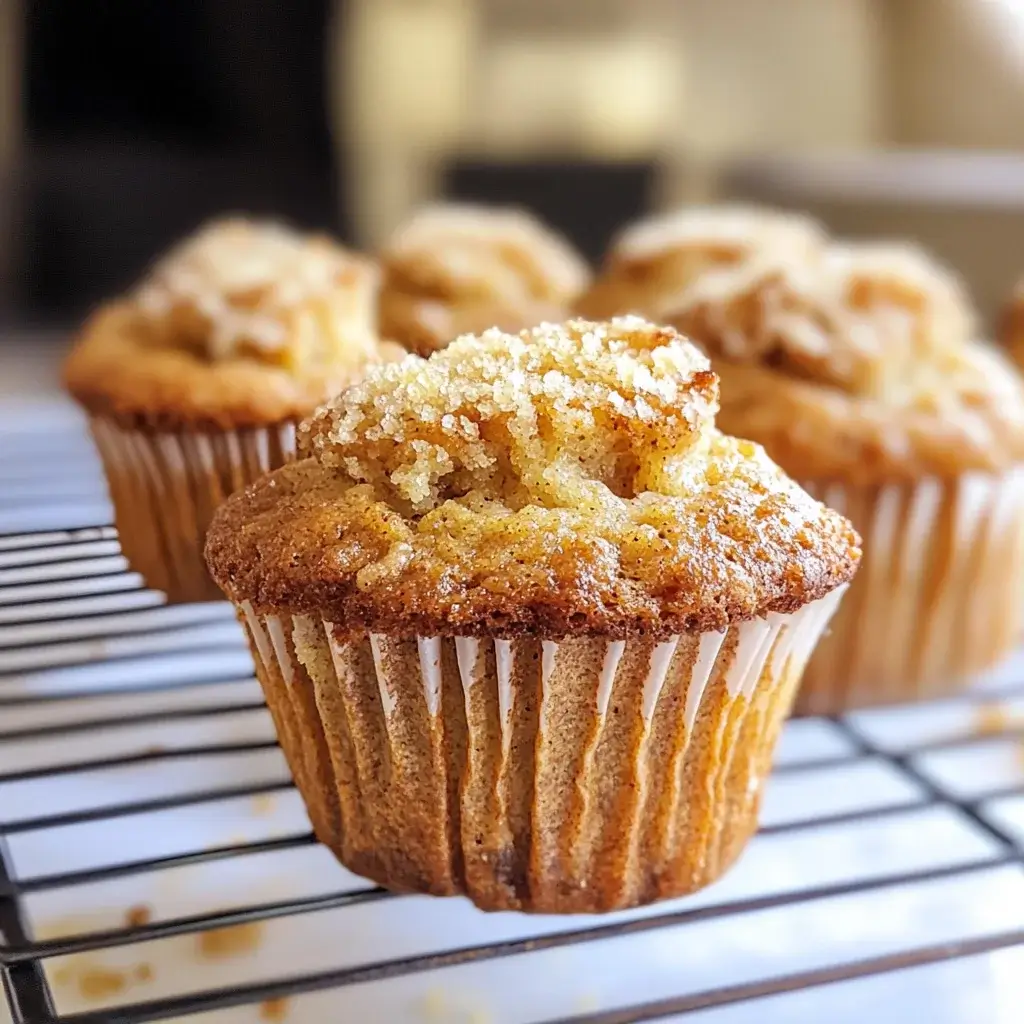

There’s something undeniably comforting about the scent of warm spices and baked apples wafting through the kitchen, especially as the days grow shorter and the leaves begin to turn. For me, that quintessential fall aroma is perfectly captured in Apple Cider Muffins. I’ve always been on the lookout for easy baking recipes that deliver big flavor and a cozy, homemade feel, and these muffins have become an absolute staple in our home, particularly as soon as apple cider season rolls around. From the first bite, they’re an explosion of autumnal goodness – the tangy sweetness of apple cider, the warm embrace of cinnamon and nutmeg, and a tender, moist crumb that just melts in your mouth. My kids, who are usually more inclined towards sweeter treats, devour these muffins without a second thought, and they’ve become a requested addition to every brunch, potluck, and cozy afternoon tea we host. What I love most is how incredibly simple they are to make. No fancy equipment or complicated techniques required – just a bowl, a whisk, and a little bit of fall magic. If you’re searching for a recipe that embodies the spirit of autumn and will fill your home with irresistible aromas and even more irresistible muffins, look no further. Get ready to fall in love with these Easy Apple Cider Muffins – they’re about to become your new fall baking obsession!
Ingredients: The Heart of Apple Cider Goodness
The secret to truly exceptional Apple Cider Muffins lies in the quality and balance of the ingredients. Each component plays a vital role in creating that signature moist crumb, warm spice profile, and distinct apple cider flavor. Let’s break down each ingredient and explore why it’s important and how you can ensure you’re using the best for your muffins.
- Apple Cider: The Star Flavor: Unsurprisingly, apple cider is the defining ingredient in these muffins. It provides moisture, sweetness, and that unmistakable autumnal tang.
- Real Apple Cider: It’s crucial to use real apple cider, not apple juice. Apple cider is unfiltered and unpasteurized apple juice, giving it a richer, more complex flavor and a slightly cloudy appearance. It often has sediment at the bottom and needs to be shaken before using. The depth of flavor in real apple cider is what truly makes these muffins shine.
- Freshly Pressed Cider: If you have access to freshly pressed apple cider from a local orchard or farm stand, definitely use it! The flavor will be even more vibrant and authentic.
- Reduced Apple Cider (Optional, for Intensified Flavor): For an even more concentrated apple cider flavor, you can reduce the cider before adding it to the batter. To do this, simmer the cider in a saucepan over medium heat until it reduces by about half. This will intensify the apple flavor and sweetness. Let it cool slightly before using in the recipe. Be mindful that reducing the cider will also concentrate the sugars, so you might want to slightly reduce the added sugar in the recipe if you choose this method.
- Apple Juice (In a Pinch): If you absolutely cannot find apple cider, you can use apple juice as a substitute, but the flavor will be less complex and less distinctly “apple cider.” Try to choose a good quality, unfiltered apple juice if possible. You might consider adding a touch more cinnamon or apple pie spice to compensate for the less intense flavor.
- All-Purpose Flour: The Foundation: All-purpose flour provides the structure for the muffins.
- Measure Correctly: Properly measuring your flour is crucial for muffin success. Too much flour will result in dry, dense muffins, while too little will make them too crumbly. The best way to measure flour is using the “spoon and level” method. Spoon the flour lightly into your measuring cup until it is overflowing, then level it off with a straight edge (like the back of a knife). Avoid scooping directly into the flour bag, as this compacts the flour and can lead to using too much.
- Unbleached vs. Bleached: Either unbleached or bleached all-purpose flour will work in this recipe. Unbleached flour has a slightly denser texture and a slightly nutty flavor, while bleached flour is softer and finer. The difference is subtle in muffins, so use whichever you have on hand.
- Whole Wheat Flour (Optional, for a Nutty Twist): For a slightly healthier and nuttier muffin, you can substitute up to half of the all-purpose flour with whole wheat flour. Start with replacing 1/4 and see if you like the texture. Whole wheat flour will make the muffins slightly denser and chewier. You might need to add a tablespoon or two more liquid if using a significant amount of whole wheat flour, as it absorbs more moisture.
- Granulated Sugar: Sweetness and Moisture: Granulated sugar not only adds sweetness but also contributes to the muffins’ moistness and tender texture.
- Adjust Sweetness (Optional): Depending on your preference and the sweetness of your apple cider, you can adjust the amount of sugar slightly. If using reduced apple cider, you may want to reduce the sugar by a tablespoon or two.
- Brown Sugar (Optional, for Molasses Notes): For a richer, more molasses-y flavor, you can substitute part of the granulated sugar with light or dark brown sugar. Brown sugar also adds moisture to baked goods. Try replacing up to half of the granulated sugar with brown sugar for a deeper flavor.
- Baking Powder & Baking Soda: The Leavening Duo: This combination of leavening agents ensures the muffins rise properly and have a light, airy texture.
- Freshness Matters: Make sure your baking powder and baking soda are fresh. Old leavening agents lose their potency, and your muffins may not rise properly. To test freshness, put a teaspoon of baking powder in hot water – it should bubble vigorously. For baking soda, put a teaspoon in vinegar – it should also bubble vigorously.
- Don’t Substitute: Baking powder and baking soda are not interchangeable. They work differently. Baking powder is a complete leavening agent (acid and base combined), while baking soda requires an acidic ingredient (like apple cider in this recipe) to activate. Using both provides the best rise and texture in muffins.
- Salt: Flavor Enhancer: A pinch of salt is crucial in any sweet recipe. It enhances the sweetness and balances all the flavors, preventing the muffins from tasting flat.
- Table Salt or Sea Salt: Either table salt or fine sea salt will work perfectly.
- Spices: Warmth and Autumnal Aroma: Cinnamon, nutmeg, and sometimes cloves or allspice, are the classic fall spices that give Apple Cider Muffins their signature warm and comforting flavor.
- Ground Cinnamon: Cinnamon is the primary spice in these muffins. Use good quality ground cinnamon for the best flavor.
- Ground Nutmeg: Nutmeg adds a warm, slightly nutty, and aromatic depth. Freshly grated nutmeg is even better if you have it, but ground nutmeg works perfectly well.
- Ground Cloves or Allspice (Optional): A pinch of ground cloves or allspice can add extra warmth and complexity to the spice blend. Use them sparingly, as they are quite strong.
- Apple Pie Spice Blend (Optional, for Convenience): You can use apple pie spice blend instead of individual spices. It’s a pre-mixed blend of cinnamon, nutmeg, and often allspice or ginger.
- Eggs: Binding and Richness: Eggs provide structure, richness, and moisture to the muffins.
- Large Eggs: Use large eggs for this recipe as specified.
- Room Temperature Eggs (Optional): Room temperature eggs emulsify more easily with other ingredients, resulting in a smoother batter. It’s not strictly necessary for muffins, but it can be helpful.
- Vegetable Oil: Moisture and Tender Crumb: Vegetable oil contributes to the muffins’ moistness and tender crumb. Oil-based muffins tend to stay moist longer than butter-based muffins.
- Neutral Oil: Use a neutral-flavored oil like vegetable oil, canola oil, or grapeseed oil so the oil flavor doesn’t compete with the apple cider and spices.
- Melted Butter (Optional, for Buttery Flavor): For a richer, buttery flavor, you can substitute half or all of the vegetable oil with melted unsalted butter. Butter will add flavor but might make the muffins slightly less moist compared to using only oil.
- Vanilla Extract: Flavor Enhancer: Vanilla extract enhances the overall flavor profile and adds a touch of warmth.
- Pure Vanilla Extract: Use pure vanilla extract for the best flavor. Imitation vanilla extract can have a slightly artificial taste.
- Vanilla Bean Paste (Optional Upgrade): For an even more intense vanilla flavor and those beautiful black specks, consider using vanilla bean paste.
Optional Add-Ins (To Customize Your Muffins):
- Chopped Apples: Adding diced apples (like Granny Smith or Honeycrisp) to the batter will enhance the apple flavor and add texture. Toss the diced apples with a little flour before adding them to the batter to prevent them from sinking to the bottom.
- Nuts (Walnuts, Pecans): Chopped walnuts or pecans add a crunchy texture and nutty flavor that complements apple and spices beautifully. Toast the nuts lightly before adding them to the batter for enhanced flavor.
- Raisins or Dried Cranberries: For added chewiness and sweetness, you can add raisins or dried cranberries to the batter.
- Streusel Topping: A streusel topping made with flour, butter, sugar, and cinnamon adds a delightful crunchy and buttery sweetness to the tops of the muffins.
Here’s a concise list of the essential ingredients you’ll need:
- 2 cups all-purpose flour
- 1 cup granulated sugar
- 2 teaspoons baking powder
- 1 teaspoon baking soda
- 1/2 teaspoon salt
- 1 teaspoon ground cinnamon
- 1/2 teaspoon ground nutmeg
- 1 cup apple cider
- 1/2 cup vegetable oil
- 2 large eggs
- 1 teaspoon vanilla extract
- Optional add-ins: chopped apples, nuts, raisins, streusel topping
Instructions: Baking Your Way to Apple Cider Muffin Perfection
Making these Easy Apple Cider Muffins is a breeze! Follow these simple step-by-step instructions, and you’ll be enjoying warm, fragrant muffins in no time.
- Preheat Oven and Prepare Muffin Tin: Preheat your oven to 375°F (190°C). Line a 12-cup muffin tin with paper liners or grease it well with cooking spray. Preparing the muffin tin first ensures you’re ready to fill it as soon as the batter is mixed, preventing the leavening agents from activating for too long before baking.
- Whisk Dry Ingredients: In a large bowl, whisk together the all-purpose flour, granulated sugar, baking powder, baking soda, salt, cinnamon, and nutmeg. Whisking the dry ingredients ensures they are evenly distributed and eliminates any clumps, which is crucial for a consistent muffin texture.
- Whisk Wet Ingredients: In a separate medium bowl, whisk together the apple cider, vegetable oil, eggs, and vanilla extract until well combined. Ensure the eggs are fully incorporated into the wet mixture for a smooth batter.
- Combine Wet and Dry Ingredients: Pour the wet ingredients into the bowl with the dry ingredients. Gently fold the wet and dry ingredients together using a spatula or wooden spoon until just combined. Be careful not to overmix the batter. Overmixing develops the gluten in the flour, which can result in tough, dense muffins. Stop mixing as soon as you see no more streaks of dry flour remaining. A few lumps in the batter are perfectly fine. If you are adding any optional add-ins like chopped apples or nuts, gently fold them in now.
- Fill Muffin Cups: Divide the batter evenly among the prepared muffin cups, filling each cup about two-thirds to three-quarters full. Using a cookie scoop or measuring cup can help ensure even filling. If making a streusel topping, sprinkle it evenly over the tops of the muffin batter now.
- Bake: Bake in the preheated oven for 18-22 minutes, or until a toothpick inserted into the center of a muffin comes out clean or with just a few moist crumbs attached. The muffins should be golden brown on top and spring back lightly when gently pressed. Start checking for doneness around 18 minutes and adjust baking time as needed depending on your oven.
- Cool: Let the muffins cool in the muffin tin for 5-10 minutes before transferring them to a wire rack to cool completely. Cooling in the tin slightly allows them to set up and prevents them from sticking. Cooling completely on a wire rack prevents condensation from making the bottoms of the muffins soggy.
Detailed Tips for Each Step:
- Step 1 (Oven and Muffin Tin Prep): Accurate oven temperature is important for baking success. Use an oven thermometer to ensure your oven is heating correctly. Lining muffin tins with paper liners makes for easy cleanup and prevents sticking. If you don’t have liners, grease the muffin tin thoroughly, paying attention to the corners and crevices.
- Step 2 (Dry Ingredients): Whisking is essential for evenly distributing the leavening agents (baking powder and baking soda) and spices throughout the flour. This ensures a consistent rise and flavor in every muffin.
- Step 3 (Wet Ingredients): Make sure the wet ingredients are well combined before adding them to the dry ingredients. This helps create a homogenous batter and prevents overmixing later.
- Step 4 (Combining Ingredients): The key to tender muffins is to avoid overmixing. Gently folding the wet and dry ingredients until just combined prevents gluten development, which leads to tough muffins. Don’t worry about a few lumps in the batter – they will bake out. Overmixed batter can also result in peaked or tunnelled muffins.
- Step 5 (Filling Muffin Cups): Evenly filling the muffin cups ensures that all the muffins bake at the same rate. Filling them about two-thirds to three-quarters full allows room for them to rise without overflowing. If you want to make jumbo muffins, use a jumbo muffin tin and increase the baking time accordingly.
- Step 6 (Baking): Baking time can vary slightly depending on your oven and the size of your muffin cups. Use a toothpick to check for doneness. Insert it into the center of a muffin; if it comes out clean or with just a few moist crumbs, the muffins are done. If it comes out with wet batter, bake for a few more minutes and check again. Don’t overbake the muffins, as they can become dry.
- Step 7 (Cooling): Allowing the muffins to cool slightly in the tin before transferring them to a wire rack prevents them from breaking apart and also helps them release more easily from the liners or greased tin. Cooling completely before frosting or storing is essential to prevent condensation and sogginess.
Nutrition Facts: A Delicious Treat in Moderation
While Apple Cider Muffins are a delightful treat, it’s helpful to be aware of their nutritional content, especially when incorporating them into your regular diet. Here’s an estimated nutritional breakdown per muffin. Please note that these are estimates and can vary depending on the specific ingredients used, muffin size, and any added toppings.
Serving Size: 1 Muffin (recipe makes 12 muffins)
Estimated Nutritional Information per Serving (without toppings or streusel):
- Calories: 200-250 calories
- This range depends on ingredient variations and muffin size.
- Total Fat: 9-12 grams
- Primarily from vegetable oil and eggs.
- Saturated Fat: 1-2 grams
- From eggs and naturally occurring fats in ingredients.
- Cholesterol: 30-40 mg
- From eggs.
- Sodium: 150-200 mg
- From baking soda, baking powder, and added salt.
- Total Carbohydrates: 30-35 grams
- Primarily from flour and sugar.
- Dietary Fiber: 1-2 grams
- From flour and apple cider.
- Sugars: 15-20 grams
- From granulated sugar and naturally occurring sugars in apple cider.
- Protein: 3-4 grams
- From eggs and flour.
Important Considerations:
- Serving Size: Be mindful of serving sizes. While one muffin might seem like a small portion, calories and sugar can add up quickly if you eat multiple muffins.
- Sugar Content: These muffins do contain a moderate amount of sugar. If you are watching your sugar intake, enjoy them as an occasional treat. You can slightly reduce the sugar in the recipe, but it may affect the texture and moistness.
- Fat Content: The vegetable oil contributes to the fat content. While fats are important for flavor and texture, be mindful of overall fat intake if you are following a specific diet.
- Nutritional Value: These muffins are primarily carbohydrates and fats, with some protein. They are not a significant source of vitamins or minerals. Pair them with a source of protein and fruit for a more balanced meal or snack.
Making Healthier Apple Cider Muffins (Modifications):
- Reduce Sugar: Reduce the granulated sugar by 1/4 cup to 1/3 cup. You can also experiment with using a sugar substitute, but it may affect texture.
- Use Whole Wheat Flour (Partially): Substitute up to half of the all-purpose flour with whole wheat flour for increased fiber.
- Reduce Oil (Slightly): You can try reducing the vegetable oil by 1-2 tablespoons, but this may slightly affect moistness.
- Add More Fruit: Increase the amount of chopped apples or add other fruits like berries for added nutrients and fiber.
- Oat Flour (Partial Substitution): Substitute a portion of the all-purpose flour with oat flour for added fiber and a slightly nutty flavor.
- Healthy Toppings: Choose healthier toppings like a sprinkle of nuts, a dollop of Greek yogurt, or fresh fruit instead of sugary frostings.
Preparation Time: Quick Baking for Busy Days
One of the wonderful things about these Apple Cider Muffins is how quickly they come together, making them perfect for a spontaneous weekend bake or a quick weekday breakfast treat.
- Prep Time: 15-20 minutes
- This includes preheating the oven, preparing the muffin tin, measuring and whisking dry and wet ingredients, and combining the batter.
- Cook Time: 18-22 minutes
- Baking time in the oven.
- Total Time: 33-42 minutes
Time-Saving Tips:
- Measure Ingredients Ahead: Measure out all your dry and wet ingredients in advance. This is called “mise en place” and can significantly speed up the baking process.
- Use Muffin Liners: Paper muffin liners make cleanup a breeze and eliminate the need to grease the muffin tin, saving a few minutes.
- One-Bowl Method (Carefully): While the recipe calls for separate bowls for dry and wet ingredients to prevent overmixing, experienced bakers can sometimes carefully combine everything in one bowl, starting with dry ingredients and making a well for wet ingredients in the center. However, be extra cautious not to overmix when using this method.
- Skip Streusel (If Short on Time): While streusel topping adds deliciousness, you can skip it if you are short on time and still have delicious muffins.
How to Serve: Endless Ways to Enjoy Apple Cider Muffins
Apple Cider Muffins are incredibly versatile and can be enjoyed in so many ways, from a simple breakfast to a delightful dessert. Here are some serving suggestions to spark your culinary creativity:
Classic Breakfast & Brunch:
- Warm with Butter: Simply serve warm muffins with a pat of butter for a classic and comforting breakfast or brunch.
- Alongside Eggs and Bacon: Create a balanced breakfast platter by serving Apple Cider Muffins alongside scrambled eggs, bacon, or sausage.
- With Yogurt and Fruit: Pair muffins with a dollop of Greek yogurt and fresh fruit for a lighter and healthier breakfast option.
- Coffee or Tea Pairing: Enjoy with a hot cup of coffee, tea, or a warm glass of apple cider for the ultimate cozy morning.
Elevated Treats & Desserts:
- Cinnamon Sugar Topping: Brush warm muffins with melted butter and then roll them in cinnamon sugar for a sweet and sparkly finish.
- Maple Glaze: Drizzle a simple maple glaze (powdered sugar mixed with maple syrup and a touch of milk) over cooled muffins for added sweetness and flavor.
- Cream Cheese Frosting: Top cooled muffins with a creamy cream cheese frosting for a more indulgent dessert. Add a sprinkle of cinnamon or chopped nuts to the frosting for extra flair.
- Caramel Drizzle: Drizzle caramel sauce over cooled muffins for a decadent and rich treat.
- Apple Cider Butter: Serve muffins with homemade apple cider butter for an intensified apple cider experience.
- Warm with Ice Cream: Serve warm muffins with a scoop of vanilla ice cream or caramel ice cream for a delightful dessert.
Snacks & On-the-Go:
- Lunchbox Treat: Apple Cider Muffins are perfect for packing in lunchboxes for a sweet midday treat.
- Afternoon Snack: Enjoy a muffin with a glass of milk or juice for a satisfying afternoon snack.
- Road Trip Snack: These muffins travel well and make a great snack for road trips or picnics.
Seasonal & Festive Occasions:
- Fall Gatherings: Perfect for fall potlucks, Thanksgiving brunch, Halloween parties, or any autumnal gathering.
- Holiday Brunch: A wonderful addition to your Christmas or holiday brunch spread.
- Gift Giving: Package a batch of Apple Cider Muffins in a pretty box or basket to give as a thoughtful homemade gift.
Serving Style:
- Muffin Basket: Arrange warm muffins in a pretty basket lined with a cloth napkin for a charming presentation.
- Muffin Stand: Display muffins on a tiered muffin stand for an elegant touch at brunches or parties.
- Individual Plates: Plate individual muffins with your chosen toppings or accompaniments for a more formal serving.
Additional Tips: Unlock Muffin Mastery
Want to take your Apple Cider Muffins to the next level? These extra tips will help you achieve muffin perfection every time:
- Use Room Temperature Ingredients (Especially Eggs): Room temperature eggs and wet ingredients emulsify more easily and create a smoother batter, which can contribute to a more tender muffin texture. Allow eggs to sit at room temperature for about 30 minutes before using.
- Don’t Overmix the Batter: As emphasized earlier, overmixing is the enemy of tender muffins. Mix the wet and dry ingredients just until combined. A few lumps in the batter are perfectly fine. Overmixing develops gluten and leads to tough, dense muffins.
- Fill Muffin Cups Evenly: Use a cookie scoop or measuring cup to ensure you fill each muffin cup evenly. This will ensure that all the muffins bake at the same rate and are uniform in size and appearance.
- Check for Doneness with a Toothpick: Use a toothpick to check for doneness. Insert it into the center of a muffin; if it comes out clean or with just a few moist crumbs, the muffins are done. Don’t overbake, as this can make them dry.
- Cool Muffins Properly: Let the muffins cool in the muffin tin for a few minutes before transferring them to a wire rack to cool completely. This prevents sticking and allows them to finish setting up. Cooling completely before storing prevents condensation and sogginess.
FAQ Section: Your Apple Cider Muffin Questions Answered
Got questions about Apple Cider Muffins? We’ve got answers! Here are some frequently asked questions to help you troubleshoot and perfect your muffin baking:
Q1: My muffins are dry. What did I do wrong?
A1: Dry muffins are often caused by:
* Overbaking: Baking them for too long. Use a toothpick to check for doneness and remove them from the oven as soon as they are done.
* Too much flour: Measuring flour incorrectly (using too much). Use the spoon and level method.
* Not enough liquid: Ensure you are using the correct amount of apple cider and oil.
* Overmixing: Overmixing can also contribute to dryness by developing too much gluten.
Q2: Can I make these muffins gluten-free?
A2: Yes, you can! Substitute the all-purpose flour with a gluten-free all-purpose flour blend. Make sure the blend is designed for baking and contains xanthan gum or another binder to help with structure. Follow the recipe as directed, but check for doneness slightly earlier as gluten-free flours can sometimes bake faster.
Q3: How do I store Apple Cider Muffins?
A3: Store cooled Apple Cider Muffins in an airtight container at room temperature for up to 3-4 days. For longer storage, you can freeze them. Wrap individual muffins tightly in plastic wrap and then place them in a freezer-safe bag or container. Freeze for up to 2-3 months. Thaw at room temperature or warm them gently in the oven or microwave.
Q4: Can I make these muffins ahead of time?
A4: Yes, you can bake these muffins a day ahead of time. Store them at room temperature in an airtight container. They are best enjoyed within 1-2 days for optimal freshness and moistness. For longer make-ahead, freeze them as described above.
Q5: Can I add a streusel topping to these muffins?
A5: Absolutely! A streusel topping is a delicious addition to Apple Cider Muffins. A simple streusel can be made with equal parts all-purpose flour, brown sugar, and cold butter, plus a pinch of cinnamon. Cut the butter into the dry ingredients until crumbly, and sprinkle over the muffin batter before baking. You can find many streusel topping recipes online for variations.
Enjoy the delightful aroma and even more delightful taste of homemade Easy Apple Cider Muffins! They are a perfect way to embrace the flavors of fall and create warm, comforting moments in your kitchen and at your table.
Print
Easy Apple Cider Muffins recipe
Ingredients
-
- Apple Cider: The Star Flavor: Unsurprisingly, apple cider is the defining ingredient in these muffins. It provides moisture, sweetness, and that unmistakable autumnal tang.
-
- Real Apple Cider: It’s crucial to use real apple cider, not apple juice. Apple cider is unfiltered and unpasteurized apple juice, giving it a richer, more complex flavor and a slightly cloudy appearance. It often has sediment at the bottom and needs to be shaken before using. The depth of flavor in real apple cider is what truly makes these muffins shine.
-
- Freshly Pressed Cider: If you have access to freshly pressed apple cider from a local orchard or farm stand, definitely use it! The flavor will be even more vibrant and authentic.
-
- Reduced Apple Cider (Optional, for Intensified Flavor): For an even more concentrated apple cider flavor, you can reduce the cider before adding it to the batter. To do this, simmer the cider in a saucepan over medium heat until it reduces by about half. This will intensify the apple flavor and sweetness. Let it cool slightly before using in the recipe. Be mindful that reducing the cider will also concentrate the sugars, so you might want to slightly reduce the added sugar in the recipe if you choose this method.
-
- Apple Juice (In a Pinch): If you absolutely cannot find apple cider, you can use apple juice as a substitute, but the flavor will be less complex and less distinctly “apple cider.” Try to choose a good quality, unfiltered apple juice if possible. You might consider adding a touch more cinnamon or apple pie spice to compensate for the less intense flavor.
-
- Apple Cider: The Star Flavor: Unsurprisingly, apple cider is the defining ingredient in these muffins. It provides moisture, sweetness, and that unmistakable autumnal tang.
-
- All-Purpose Flour: The Foundation: All-purpose flour provides the structure for the muffins.
-
- Measure Correctly: Properly measuring your flour is crucial for muffin success. Too much flour will result in dry, dense muffins, while too little will make them too crumbly. The best way to measure flour is using the “spoon and level” method. Spoon the flour lightly into your measuring cup until it is overflowing, then level it off with a straight edge (like the back of a knife). Avoid scooping directly into the flour bag, as this compacts the flour and can lead to using too much.
-
- Unbleached vs. Bleached: Either unbleached or bleached all-purpose flour will work in this recipe. Unbleached flour has a slightly denser texture and a slightly nutty flavor, while bleached flour is softer and finer. The difference is subtle in muffins, so use whichever you have on hand.
-
- Whole Wheat Flour (Optional, for a Nutty Twist): For a slightly healthier and nuttier muffin, you can substitute up to half of the all-purpose flour with whole wheat flour. Start with replacing 1/4 and see if you like the texture. Whole wheat flour will make the muffins slightly denser and chewier. You might need to add a tablespoon or two more liquid if using a significant amount of whole wheat flour, as it absorbs more moisture.
-
- All-Purpose Flour: The Foundation: All-purpose flour provides the structure for the muffins.
-
- Granulated Sugar: Sweetness and Moisture: Granulated sugar not only adds sweetness but also contributes to the muffins’ moistness and tender texture.
-
- Adjust Sweetness (Optional): Depending on your preference and the sweetness of your apple cider, you can adjust the amount of sugar slightly. If using reduced apple cider, you may want to reduce the sugar by a tablespoon or two.
-
- Brown Sugar (Optional, for Molasses Notes): For a richer, more molasses-y flavor, you can substitute part of the granulated sugar with light or dark brown sugar. Brown sugar also adds moisture to baked goods. Try replacing up to half of the granulated sugar with brown sugar for a deeper flavor.
-
- Granulated Sugar: Sweetness and Moisture: Granulated sugar not only adds sweetness but also contributes to the muffins’ moistness and tender texture.
-
- Baking Powder & Baking Soda: The Leavening Duo: This combination of leavening agents ensures the muffins rise properly and have a light, airy texture.
-
- Freshness Matters: Make sure your baking powder and baking soda are fresh. Old leavening agents lose their potency, and your muffins may not rise properly. To test freshness, put a teaspoon of baking powder in hot water – it should bubble vigorously. For baking soda, put a teaspoon in vinegar – it should also bubble vigorously.
-
- Don’t Substitute: Baking powder and baking soda are not interchangeable. They work differently. Baking powder is a complete leavening agent (acid and base combined), while baking soda requires an acidic ingredient (like apple cider in this recipe) to activate. Using both provides the best rise and texture in muffins.
-
- Baking Powder & Baking Soda: The Leavening Duo: This combination of leavening agents ensures the muffins rise properly and have a light, airy texture.
-
- Salt: Flavor Enhancer: A pinch of salt is crucial in any sweet recipe. It enhances the sweetness and balances all the flavors, preventing the muffins from tasting flat.
-
- Table Salt or Sea Salt: Either table salt or fine sea salt will work perfectly.
-
- Salt: Flavor Enhancer: A pinch of salt is crucial in any sweet recipe. It enhances the sweetness and balances all the flavors, preventing the muffins from tasting flat.
-
- Spices: Warmth and Autumnal Aroma: Cinnamon, nutmeg, and sometimes cloves or allspice, are the classic fall spices that give Apple Cider Muffins their signature warm and comforting flavor.
-
- Ground Cinnamon: Cinnamon is the primary spice in these muffins. Use good quality ground cinnamon for the best flavor.
-
- Ground Nutmeg: Nutmeg adds a warm, slightly nutty, and aromatic depth. Freshly grated nutmeg is even better if you have it, but ground nutmeg works perfectly well.
-
- Ground Cloves or Allspice (Optional): A pinch of ground cloves or allspice can add extra warmth and complexity to the spice blend. Use them sparingly, as they are quite strong.
-
- Apple Pie Spice Blend (Optional, for Convenience): You can use apple pie spice blend instead of individual spices. It’s a pre-mixed blend of cinnamon, nutmeg, and often allspice or ginger.
-
- Spices: Warmth and Autumnal Aroma: Cinnamon, nutmeg, and sometimes cloves or allspice, are the classic fall spices that give Apple Cider Muffins their signature warm and comforting flavor.
-
- Eggs: Binding and Richness: Eggs provide structure, richness, and moisture to the muffins.
-
- Large Eggs: Use large eggs for this recipe as specified.
-
- Room Temperature Eggs (Optional): Room temperature eggs emulsify more easily with other ingredients, resulting in a smoother batter. It’s not strictly necessary for muffins, but it can be helpful.
-
- Eggs: Binding and Richness: Eggs provide structure, richness, and moisture to the muffins.
-
- Vegetable Oil: Moisture and Tender Crumb: Vegetable oil contributes to the muffins’ moistness and tender crumb. Oil-based muffins tend to stay moist longer than butter-based muffins.
-
- Neutral Oil: Use a neutral-flavored oil like vegetable oil, canola oil, or grapeseed oil so the oil flavor doesn’t compete with the apple cider and spices.
-
- Melted Butter (Optional, for Buttery Flavor): For a richer, buttery flavor, you can substitute half or all of the vegetable oil with melted unsalted butter. Butter will add flavor but might make the muffins slightly less moist compared to using only oil.
-
- Vegetable Oil: Moisture and Tender Crumb: Vegetable oil contributes to the muffins’ moistness and tender crumb. Oil-based muffins tend to stay moist longer than butter-based muffins.
-
- Vanilla Extract: Flavor Enhancer: Vanilla extract enhances the overall flavor profile and adds a touch of warmth.
-
- Pure Vanilla Extract: Use pure vanilla extract for the best flavor. Imitation vanilla extract can have a slightly artificial taste.
-
- Vanilla Bean Paste (Optional Upgrade): For an even more intense vanilla flavor and those beautiful black specks, consider using vanilla bean paste.
-
- Vanilla Extract: Flavor Enhancer: Vanilla extract enhances the overall flavor profile and adds a touch of warmth.
Instructions
-
- Preheat Oven and Prepare Muffin Tin: Preheat your oven to 375°F (190°C). Line a 12-cup muffin tin with paper liners or grease it well with cooking spray. Preparing the muffin tin first ensures you’re ready to fill it as soon as the batter is mixed, preventing the leavening agents from activating for too long before baking.
-
- Whisk Dry Ingredients: In a large bowl, whisk together the all-purpose flour, granulated sugar, baking powder, baking soda, salt, cinnamon, and nutmeg. Whisking the dry ingredients ensures they are evenly distributed and eliminates any clumps, which is crucial for a consistent muffin texture.
-
- Whisk Wet Ingredients: In a separate medium bowl, whisk together the apple cider, vegetable oil, eggs, and vanilla extract until well combined. Ensure the eggs are fully incorporated into the wet mixture for a smooth batter.
-
- Combine Wet and Dry Ingredients: Pour the wet ingredients into the bowl with the dry ingredients. Gently fold the wet and dry ingredients together using a spatula or wooden spoon until just combined. Be careful not to overmix the batter. Overmixing develops the gluten in the flour, which can result in tough, dense muffins. Stop mixing as soon as you see no more streaks of dry flour remaining. A few lumps in the batter are perfectly fine. If you are adding any optional add-ins like chopped apples or nuts, gently fold them in now.
-
- Fill Muffin Cups: Divide the batter evenly among the prepared muffin cups, filling each cup about two-thirds to three-quarters full. Using a cookie scoop or measuring cup can help ensure even filling. If making a streusel topping, sprinkle it evenly over the tops of the muffin batter now.
-
- Bake: Bake in the preheated oven for 18-22 minutes, or until a toothpick inserted into the center of a muffin comes out clean or with just a few moist crumbs attached. The muffins should be golden brown on top and spring back lightly when gently pressed. Start checking for doneness around 18 minutes and adjust baking time as needed depending on your oven.
-
- Cool: Let the muffins cool in the muffin tin for 5-10 minutes before transferring them to a wire rack to cool completely. Cooling in the tin slightly allows them to set up and prevents them from sticking. Cooling completely on a wire rack prevents condensation from making the bottoms of the muffins soggy.
Nutrition
- Serving Size: one normal portion
- Calories: 200-250
- Sugar: 15-20 grams
- Sodium: 150-200 mg
- Fat: 9-12 grams
- Saturated Fat: 1-2 grams
- Carbohydrates: 30-35 grams
- Fiber: 1-2 grams
- Protein: 3-4 grams
- Cholesterol: 30-40 mg