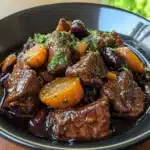



For us, Easter isn’t just a holiday; it’s a feeling, a sense of renewal and togetherness that fills our home with warmth and joy. And at the heart of our Easter celebration, literally and figuratively, sits the Easter Ham. It’s a tradition that spans generations, a culinary cornerstone that signifies abundance, celebration, and the sheer delight of sharing a meal with loved ones. I can vividly recall childhood Easters, the anticipation building as the aroma of a slowly baking ham permeated the house, a scent that instantly conjured images of spring blossoms and family laughter. My grandmother, the matriarch of our Easter feasts, had a way with ham that was legendary. It was always perfectly moist, infused with deep, smoky flavor, and adorned with a glistening, caramelized glaze that was simply irresistible. Trying to recreate that magic in my own kitchen felt like a daunting task at first. But over the years, through trial, a bit of error, and a lot of love (and countless family taste tests!), I’ve honed a recipe that not only honors my grandmother’s legacy but has become a cherished tradition for my own family. This Easter Ham recipe isn’t complicated; in fact, that’s part of its beauty. It’s about simple, quality ingredients, a little bit of patience, and the magic of slow roasting to transform a humble ham into a show-stopping centerpiece. The result is a ham that is tender, juicy, and bursting with flavor, a true testament to the power of classic Easter cuisine. Every year, as I pull that beautifully glazed ham from the oven, greeted by cheers and eager faces around the table, I’m reminded of the enduring joy of Easter and the simple, profound pleasure of sharing a delicious meal with family. If you’re searching for that perfect Easter Ham recipe, one that will become the heart of your holiday celebration and create lasting memories for years to come, then you’ve come to the right place. Prepare to create an Easter Ham that will be the star of your feast and the centerpiece of your Easter joy.
Ingredients for a Glorious Easter Ham Feast
Creating a truly memorable Easter Ham starts with selecting quality ingredients and understanding how each component contributes to the final flavor and texture. Here’s a detailed list of what you’ll need to prepare a show-stopping Easter Ham, along with considerations for each ingredient:
- For the Ham:
- 1 Bone-In or Boneless Ham (fully cooked, shank or butt portion, approximately 8-10 pounds): The ham is, of course, the star of the show. Choosing the right type is crucial.
- Bone-In Ham: Bone-in hams are often preferred for their richer flavor and moistness. The bone helps to distribute heat evenly and adds depth to the ham’s taste. Shank portion (leg portion) is typically leaner, while the butt portion (sirloin portion) is meatier and richer.
- Boneless Ham: Boneless hams are easier to carve and often more uniform in shape. They are a convenient option, especially for larger gatherings.
- Spiral-Cut Ham: Spiral-cut hams are pre-sliced, making carving incredibly easy. However, they can sometimes dry out slightly during baking due to the increased surface area. If using spiral-cut, be extra careful not to overbake and consider basting frequently.
- Fully Cooked Ham: Ensure you purchase a fully cooked ham (also labeled “ready-to-eat”). These hams are already safe to eat and simply need to be heated through and glazed for flavor and presentation. Avoid “cook-before-eating” or “partially cooked” hams unless you are specifically looking for a longer cooking process.
- 1 Bone-In or Boneless Ham (fully cooked, shank or butt portion, approximately 8-10 pounds): The ham is, of course, the star of the show. Choosing the right type is crucial.
- For the Classic Brown Sugar Glaze:
- 1 cup Packed Brown Sugar (light or dark): Brown sugar is the foundation of a classic Easter Ham glaze, providing sweetness and a rich, caramelized flavor. Light brown sugar offers a milder sweetness, while dark brown sugar delivers a deeper molasses flavor.
- ½ cup Dijon Mustard: Dijon mustard adds a tangy, savory counterpoint to the sweetness of the brown sugar and helps to balance the overall flavor profile. It also aids in creating a beautiful, slightly sticky glaze.
- ¼ cup Apple Cider Vinegar (or Pineapple Juice, or Orange Juice): A liquid component is needed to thin the glaze and add moisture. Apple cider vinegar provides a subtle tang, while pineapple juice or orange juice adds a touch of fruity sweetness and acidity. Choose based on your preferred flavor profile.
- 2 tablespoons Honey (or Maple Syrup): Honey or maple syrup enhances the sweetness and adds a glossy sheen to the glaze. Honey offers a floral sweetness, while maple syrup provides a warm, caramel-like note.
- 1 tablespoon Worcestershire Sauce: Worcestershire sauce adds a savory umami depth to the glaze, balancing the sweetness and tanginess and creating a more complex flavor.
- 1 teaspoon Ground Cloves (optional, but highly recommended): Ground cloves add a warm, aromatic spice that is classic in ham glazes. They complement the sweetness and savory notes beautifully. Use sparingly as cloves can be potent.
- ¼ teaspoon Ground Cinnamon (optional): Cinnamon adds a touch of warmth and spice that enhances the overall flavor profile, especially if using fruit juice in the glaze.
- Pinch of Ground Ginger (optional): Ginger adds a subtle warmth and a hint of zing to the glaze, complementing the other spices and flavors.
- For Flavor Infusion (Optional):
- Whole Cloves (for studding, optional): Whole cloves can be studded into the ham before glazing, adding visual appeal and infusing the ham with their warm, aromatic flavor.
- Pineapple Rings or Slices (optional, for garnish and flavor): Pineapple rings or slices can be placed around the ham during baking, adding a tropical sweetness and beautiful presentation.
Detailed Ingredient Breakdown and Flavor Profiles:
- Ham Choice: Bone-In vs. Boneless vs. Spiral-Cut: Your choice of ham significantly impacts the final dish. Bone-in hams are often considered superior in flavor and moisture, while boneless hams offer convenience. Spiral-cut hams are incredibly easy to carve but require careful baking to prevent dryness. Consider your carving skills, desired flavor depth, and ease of serving when making your selection.
- Brown Sugar Glaze Components: The classic brown sugar glaze is a balance of sweet, tangy, and savory elements. Brown sugar provides the primary sweetness and caramelization. Dijon mustard adds tang and savory depth. The liquid component (vinegar or juice) thins the glaze and adds moisture. Honey or maple syrup enhances sweetness and shine. Worcestershire sauce provides umami complexity. Spices like cloves, cinnamon, and ginger add warmth and aromatic depth.
- Glaze Liquid Variations: Apple cider vinegar provides a balanced tanginess that cuts through the richness of the ham. Pineapple juice adds tropical sweetness and a subtle acidity that tenderizes the ham slightly. Orange juice offers a brighter, citrusy sweetness. Choose the liquid that best suits your desired flavor profile.
- Spice Level Customization: The spices in the glaze (cloves, cinnamon, ginger) can be adjusted to your preference. If you prefer a more pronounced clove flavor, use the full teaspoon. If you prefer a milder spice profile, reduce the amounts or omit them altogether. Experiment to find your perfect balance.
- Optional Flavor Infusion Techniques: Studding the ham with whole cloves not only adds visual appeal but also infuses the ham with a subtle clove aroma and flavor as it bakes. Pineapple rings placed around the ham bake alongside it, adding a caramelized sweetness and moisture to the surrounding ham.
Step-by-Step Instructions: Baking Your Perfect Easter Ham
Baking an Easter Ham is a relatively straightforward process, but following these steps carefully will ensure a moist, flavorful, and beautifully glazed centerpiece for your Easter feast.
Step 1: Prepare the Ham
- Preheat Oven and Prepare Ham: Preheat your oven to 325°F (160°C). Remove the ham from its packaging and place it in a large roasting pan. If using a bone-in ham, place it cut-side down.
- Score the Ham (Optional but Recommended): Scoring the ham allows the glaze to penetrate deeper and creates a visually appealing presentation. Use a sharp knife to score the surface of the ham in a diamond pattern, making shallow cuts about ¼-inch deep. Be careful not to cut too deep, especially on a spiral-cut ham.
- Stud with Cloves (Optional): If using whole cloves, insert them into the points of the diamond pattern created by scoring. This is optional but adds a classic Easter Ham touch and infuses flavor.
- Add Water to Roasting Pan (Optional): Add about 1 cup of water to the bottom of the roasting pan. This helps to create steam and keep the ham moist during baking. Ensure the water doesn’t touch the ham directly; it should be in the bottom of the pan.
Step 2: Prepare the Brown Sugar Glaze
- Combine Glaze Ingredients: In a medium saucepan, combine the brown sugar, Dijon mustard, apple cider vinegar (or juice), honey (or maple syrup), Worcestershire sauce, ground cloves (if using), ground cinnamon (if using), and ground ginger (if using).
- Simmer Glaze: Cook the glaze over medium heat, stirring constantly, until the brown sugar is dissolved and the glaze is smooth and slightly thickened. This should take about 5-7 minutes. Simmering helps to meld the flavors together.
- Set Aside Glaze: Remove the glaze from the heat and set aside to cool slightly. It will thicken as it cools.
Step 3: Bake and Glaze the Ham
- Bake Ham (Initial Bake): Place the roasting pan with the ham in the preheated oven. Bake for approximately 10-12 minutes per pound, or according to the package directions. A general rule of thumb for fully cooked hams is to heat them to an internal temperature of 140°F (60°C). Use a meat thermometer inserted into the thickest part of the ham, avoiding the bone, to monitor the temperature.
- Glaze the Ham (First Glaze): During the last 30-45 minutes of baking time, begin glazing the ham. Remove the ham from the oven. Brush about half of the prepared glaze evenly over the surface of the ham, ensuring it coats all sides, especially the scored areas.
- Return to Oven (Second Bake): Return the ham to the oven and continue baking for another 15-20 minutes.
- Glaze Again (Second Glaze): Remove the ham from the oven again. Brush the remaining glaze over the ham, ensuring a thick and even coating. If desired, arrange pineapple rings or slices around the ham in the roasting pan at this stage.
- Final Bake and Caramelize: Return the ham to the oven for the final 15-20 minutes of baking, or until the glaze is beautifully caramelized and slightly sticky, and the internal temperature reaches 140°F (60°C). Keep a close eye on the ham during this final stage to prevent the glaze from burning. If the glaze starts to brown too quickly, you can loosely tent the ham with foil.
Step 4: Rest and Carve the Ham
- Rest the Ham: Once the ham is cooked and glazed, remove it from the oven and let it rest for at least 10-15 minutes before carving. Resting allows the juices to redistribute throughout the ham, resulting in a more moist and tender final product. Tent the ham loosely with foil while it rests to keep it warm.
- Carve the Ham: After resting, transfer the ham to a carving board. Carve the ham according to your preference, either slicing across the grain or following the natural muscle separations. For a bone-in ham, you may need to carve around the bone. For a spiral-cut ham, simply separate the pre-cut slices.
- Serve Immediately: Serve your glorious Easter Ham immediately, accompanied by your favorite side dishes and enjoy the centerpiece of your Easter feast!
Nutrition Facts (per Serving – Estimated)
- Servings: Approximately 16-20 servings (depending on serving size and ham size)
- Serving Size: Approximately 4 ounces (113 grams) of cooked ham (without glaze, glaze adds calories and sugar)
- Approximate Calories per Serving (estimated, for plain ham, without glaze): 180-250 calories (This is an estimate and can vary significantly based on the type of ham, fat content, and serving size.)
Important Note: Nutritional information is an estimate and will vary depending on the specific type of ham, brand, fat content, and serving sizes. The glaze will add calories and sugar to the nutritional profile. For more precise nutritional information, refer to the nutritional labels of the specific ham and glaze ingredients you use and adjust calculations accordingly. Ham is a source of protein and some vitamins and minerals, but it can also be high in sodium and saturated fat. Enjoy in moderation as part of a balanced diet.
Preparation Time: From Prep to Easter Feast Centerpiece
- Prep Time: 20-30 minutes (includes preparing glaze, scoring ham, studding with cloves)
- Cook Time: 2-2 ½ hours (baking and glazing time, depending on ham size and type)
- Resting Time: 10-15 minutes
- Total Time: 2 ½ – 3 hours
How to Serve Your Easter Ham: A Feast for the Senses
Easter Ham is a versatile centerpiece that pairs beautifully with a wide array of side dishes and complements the festive spirit of the holiday. Here are some serving suggestions to create a complete and memorable Easter meal:
- Classic Side Dish Pairings:
- Scalloped Potatoes or Au Gratin Potatoes: Creamy, cheesy potatoes are a classic and comforting pairing with ham.
- Mashed Potatoes: Fluffy mashed potatoes and gravy (made from ham drippings or chicken broth) are always a crowd-pleaser.
- Green Bean Casserole: A traditional and beloved side dish that complements the richness of the ham.
- Asparagus (Roasted or Steamed): Fresh asparagus adds a touch of spring green and a healthy element to the meal.
- Honey Glazed Carrots: Sweet and tender carrots that echo the sweetness of the ham glaze.
- Dinner Rolls or Biscuits: Warm, soft rolls or biscuits are perfect for soaking up the delicious ham juices and glaze.
- Macaroni and Cheese: A creamy and comforting side dish that’s always popular, especially with families.
- Cornbread: Slightly sweet cornbread is a great Southern-inspired side for ham.
- Deviled Eggs: A quintessential Easter appetizer that complements ham beautifully.
- Fruit Salad or Ambrosia Salad: A light and refreshing fruit salad provides a contrast to the richness of the ham and side dishes.
- Serving Styles and Presentation:
- Platter Presentation: Arrange carved ham slices on a large platter, garnished with fresh herbs like parsley or rosemary, and perhaps some orange slices or pineapple wedges for visual appeal.
- Buffet Style: For larger gatherings, set up a buffet with the ham as the centerpiece, surrounded by side dishes, salads, and rolls, allowing guests to serve themselves.
- Family Style at the Table: Place the whole glazed ham on a large serving platter in the center of the table and let someone at the table carve and serve the ham family-style.
- Drink Pairings:
- White Wine: A dry or off-dry white wine like Riesling, Pinot Grigio, or Gewürztraminer can pair well with the sweetness of the ham and glaze.
- Rosé Wine: A light and fruity rosé wine is a versatile pairing for Easter Ham and spring flavors.
- Light-bodied Red Wine: A light-bodied red wine like Pinot Noir or Beaujolais can also complement ham without overpowering it.
- Sparkling Cider or Grape Juice: For a non-alcoholic option, sparkling cider or white grape juice provides a festive touch.
- Iced Tea or Lemonade: Classic and refreshing non-alcoholic choices that pair well with a hearty meal.
Additional Tips for a Truly Exceptional Easter Ham
- Don’t Overbake: Overbaking ham can dry it out. Use a meat thermometer to ensure you heat it to an internal temperature of 140°F (60°C) for fully cooked hams and avoid exceeding this temperature.
- Glaze in Layers: Applying the glaze in multiple layers, as described in the instructions, allows each layer to caramelize slightly and build a richer, more flavorful glaze coating.
- Use Quality Ingredients: Start with a good quality ham and use fresh, flavorful ingredients for the glaze to maximize the taste of your Easter centerpiece.
- Adjust Glaze to Your Taste: Taste the glaze before applying it to the ham and adjust the sweetness, tanginess, and spice levels to your personal preference. You can add more brown sugar for sweetness, more mustard for tang, or increase or decrease the spices.
- Let it Rest: Resting the ham after baking is crucial for juicy, tender slices. Don’t skip the resting period; it makes a noticeable difference in the final texture and moisture.
FAQ Section: Your Easter Ham Questions Answered
Q1: What type of ham is best for Easter?
A: The “best” type of ham is a matter of personal preference. Bone-in hams (shank or butt portion) are often favored for their richer flavor and moistness. Boneless hams are convenient and easier to carve. Spiral-cut hams are incredibly easy to serve but can be prone to drying out if overbaked. Consider your priorities – flavor, ease of carving, presentation – when choosing. For a classic Easter ham, a bone-in shank portion is a popular and excellent choice.
Q2: Can I make the glaze ahead of time?
A: Yes, you can prepare the brown sugar glaze ahead of time. The glaze can be made up to 2-3 days in advance and stored in an airtight container in the refrigerator. Reheat the glaze gently on the stovetop or in the microwave before using to thin it out if it has thickened in the refrigerator.
Q3: How do I carve an Easter Ham?
A: Carving technique depends on the type of ham:
* Bone-In Ham: Place the ham cut-side down. Make a horizontal cut across the top of the ham, perpendicular to the bone. Then, slice down along the bone to release the slices. Finally, separate the slices from the bone by running your knife along the bone.
* Boneless Ham: Boneless hams are easiest to carve. Simply slice across the grain of the ham to create even slices.
* Spiral-Cut Ham: Spiral-cut hams are pre-sliced. Simply run a knife along the bone to release the slices and then separate them.
Q4: How long can I store leftover Easter Ham?
A: Properly stored leftover Easter Ham can be kept in the refrigerator for 3-4 days. Wrap leftover ham tightly in plastic wrap or aluminum foil or store it in an airtight container to prevent drying out. Leftover ham can be used in sandwiches, soups, casseroles, and various other dishes.
Q5: How do I reheat leftover Easter Ham without drying it out?
A: To reheat leftover ham without drying it out:
* Oven Reheating: Preheat oven to 325°F (160°C). Place ham slices in a baking dish with a little bit of water or broth in the bottom to add moisture. Cover the dish tightly with foil and reheat for 10-15 minutes, or until heated through.
* Microwave Reheating: Place ham slices on a microwave-safe plate with a damp paper towel over them. Microwave in short intervals (30 seconds to 1 minute) on medium power until heated through, being careful not to overheat and dry out the ham.
* Skillet Reheating: Reheat ham slices in a skillet over medium-low heat with a little butter or oil. Cook gently, turning occasionally, until heated through.

Easter Ham recipe
Ingredients
- For the Ham:
- 1 Bone-In or Boneless Ham (fully cooked, shank or butt portion, approximately 8-10 pounds): The ham is, of course, the star of the show. Choosing the right type is crucial.
- Bone-In Ham: Bone-in hams are often preferred for their richer flavor and moistness. The bone helps to distribute heat evenly and adds depth to the ham’s taste. Shank portion (leg portion) is typically leaner, while the butt portion (sirloin portion) is meatier and richer.
- Boneless Ham: Boneless hams are easier to carve and often more uniform in shape. They are a convenient option, especially for larger gatherings.
- Spiral-Cut Ham: Spiral-cut hams are pre-sliced, making carving incredibly easy. However, they can sometimes dry out slightly during baking due to the increased surface area. If using spiral-cut, be extra careful not to overbake and consider basting frequently.
- Fully Cooked Ham: Ensure you purchase a fully cooked ham (also labeled “ready-to-eat”). These hams are already safe to eat and simply need to be heated through and glazed for flavor and presentation. Avoid “cook-before-eating” or “partially cooked” hams unless you are specifically looking for a longer cooking process.
- 1 Bone-In or Boneless Ham (fully cooked, shank or butt portion, approximately 8-10 pounds): The ham is, of course, the star of the show. Choosing the right type is crucial.
- For the Classic Brown Sugar Glaze:
- 1 cup Packed Brown Sugar (light or dark): Brown sugar is the foundation of a classic Easter Ham glaze, providing sweetness and a rich, caramelized flavor. Light brown sugar offers a milder sweetness, while dark brown sugar delivers a deeper molasses flavor.
- ½ cup Dijon Mustard: Dijon mustard adds a tangy, savory counterpoint to the sweetness of the brown sugar and helps to balance the overall flavor profile. It also aids in creating a beautiful, slightly sticky glaze.
- ¼ cup Apple Cider Vinegar (or Pineapple Juice, or Orange Juice): A liquid component is needed to thin the glaze and add moisture. Apple cider vinegar provides a subtle tang, while pineapple juice or orange juice adds a touch of fruity sweetness and acidity. Choose based on your preferred flavor profile.
- 2 tablespoons Honey (or Maple Syrup): Honey or maple syrup enhances the sweetness and adds a glossy sheen to the glaze. Honey offers a floral sweetness, while maple syrup provides a warm, caramel-like note.
- 1 tablespoon Worcestershire Sauce: Worcestershire sauce adds a savory umami depth to the glaze, balancing the sweetness and tanginess and creating a more complex flavor.
- 1 teaspoon Ground Cloves (optional, but highly recommended): Ground cloves add a warm, aromatic spice that is classic in ham glazes. They complement the sweetness and savory notes beautifully. Use sparingly as cloves can be potent.
- ¼ teaspoon Ground Cinnamon (optional): Cinnamon adds a touch of warmth and spice that enhances the overall flavor profile, especially if using fruit juice in the glaze.
- Pinch of Ground Ginger (optional): Ginger adds a subtle warmth and a hint of zing to the glaze, complementing the other spices and flavors.
- For Flavor Infusion (Optional):
- Whole Cloves (for studding, optional): Whole cloves can be studded into the ham before glazing, adding visual appeal and infusing the ham with their warm, aromatic flavor.
- Pineapple Rings or Slices (optional, for garnish and flavor): Pineapple rings or slices can be placed around the ham during baking, adding a tropical sweetness and beautiful presentation.
Instructions
Step 1: Prepare the Ham
- Preheat Oven and Prepare Ham: Preheat your oven to 325°F (160°C). Remove the ham from its packaging and place it in a large roasting pan. If using a bone-in ham, place it cut-side down.
- Score the Ham (Optional but Recommended): Scoring the ham allows the glaze to penetrate deeper and creates a visually appealing presentation. Use a sharp knife to score the surface of the ham in a diamond pattern, making shallow cuts about ¼-inch deep. Be careful not to cut too deep, especially on a spiral-cut ham.
- Stud with Cloves (Optional): If using whole cloves, insert them into the points of the diamond pattern created by scoring. This is optional but adds a classic Easter Ham touch and infuses flavor.
- Add Water to Roasting Pan (Optional): Add about 1 cup of water to the bottom of the roasting pan. This helps to create steam and keep the ham moist during baking. Ensure the water doesn’t touch the ham directly; it should be in the bottom of the pan.
Step 2: Prepare the Brown Sugar Glaze
- Combine Glaze Ingredients: In a medium saucepan, combine the brown sugar, Dijon mustard, apple cider vinegar (or juice), honey (or maple syrup), Worcestershire sauce, ground cloves (if using), ground cinnamon (if using), and ground ginger (if using).
- Simmer Glaze: Cook the glaze over medium heat, stirring constantly, until the brown sugar is dissolved and the glaze is smooth and slightly thickened. This should take about 5-7 minutes. Simmering helps to meld the flavors together.
- Set Aside Glaze: Remove the glaze from the heat and set aside to cool slightly. It will thicken as it cools.
Step 3: Bake and Glaze the Ham
- Bake Ham (Initial Bake): Place the roasting pan with the ham in the preheated oven. Bake for approximately 10-12 minutes per pound, or according to the package directions. A general rule of thumb for fully cooked hams is to heat them to an internal temperature of 140°F (60°C). Use a meat thermometer inserted into the thickest part of the ham, avoiding the bone, to monitor the temperature.
- Glaze the Ham (First Glaze): During the last 30-45 minutes of baking time, begin glazing the ham. Remove the ham from the oven. Brush about half of the prepared glaze evenly over the surface of the ham, ensuring it coats all sides, especially the scored areas.
- Return to Oven (Second Bake): Return the ham to the oven and continue baking for another 15-20 minutes.
- Glaze Again (Second Glaze): Remove the ham from the oven again. Brush the remaining glaze over the ham, ensuring a thick and even coating. If desired, arrange pineapple rings or slices around the ham in the roasting pan at this stage.
- Final Bake and Caramelize: Return the ham to the oven for the final 15-20 minutes of baking, or until the glaze is beautifully caramelized and slightly sticky, and the internal temperature reaches 140°F (60°C). Keep a close eye on the ham during this final stage to prevent the glaze from burning. If the glaze starts to brown too quickly, you can loosely tent the ham with foil.
Step 4: Rest and Carve the Ham
- Rest the Ham: Once the ham is cooked and glazed, remove it from the oven and let it rest for at least 10-15 minutes before carving. Resting allows the juices to redistribute throughout the ham, resulting in a more moist and tender final product. Tent the ham loosely with foil while it rests to keep it warm.
- Carve the Ham: After resting, transfer the ham to a carving board. Carve the ham according to your preference, either slicing across the grain or following the natural muscle separations. For a bone-in ham, you may need to carve around the bone. For a spiral-cut ham, simply separate the pre-cut slices.
- Serve Immediately: Serve your glorious Easter Ham immediately, accompanied by your favorite side dishes and enjoy the centerpiece of your Easter feast!
Nutrition
- Serving Size: one normal portion
- Calories: 180-250