
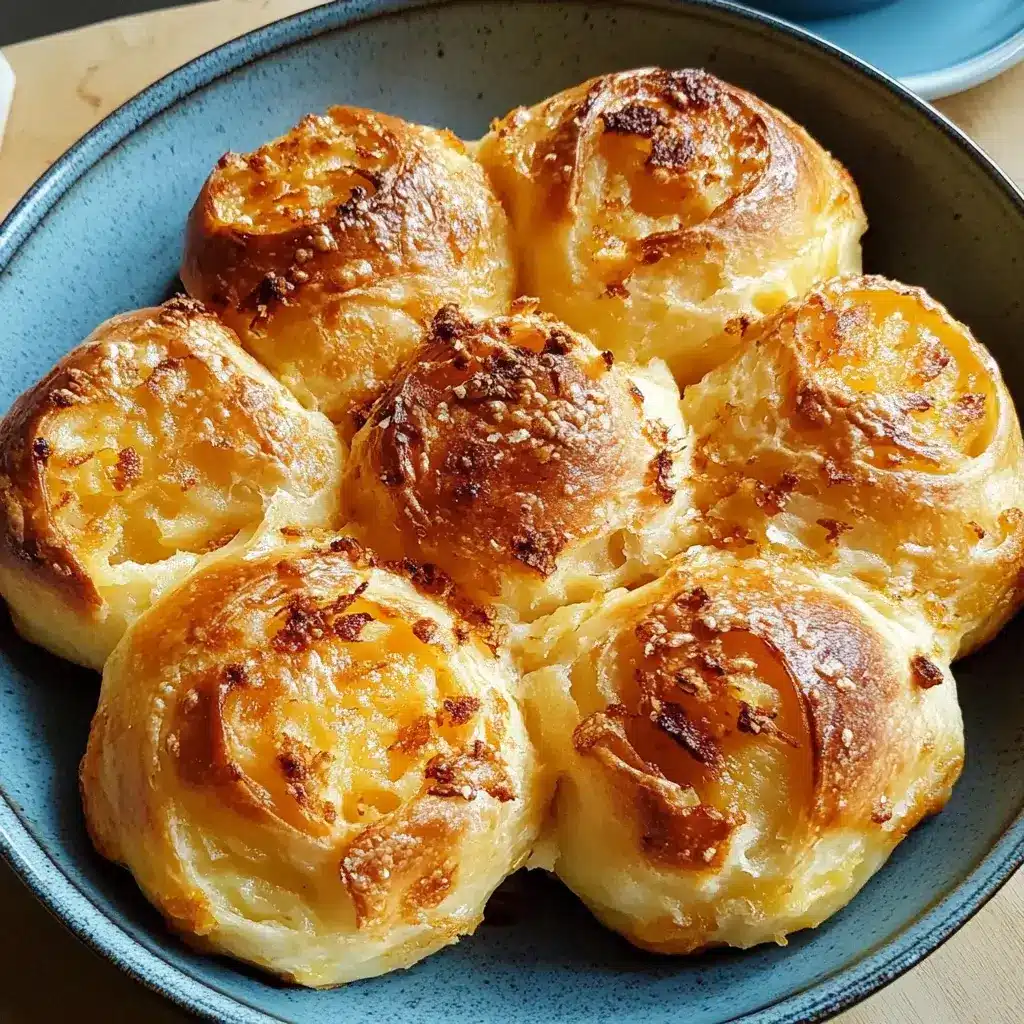
Donal Skehan’s Irish Cheddar Potato Rolls have completely won me over. There’s something truly magical about biting into a warm, fluffy roll that’s bursting with cheesy, savory goodness. I stumbled upon Donal’s recipe during a quest for the perfect side to a hearty stew, and let me tell you, these rolls are not just a side – they’re a star in their own right. The subtle tang of potato, combined with the sharp, creamy Irish cheddar, creates a flavor profile that’s both comforting and sophisticated. They’re surprisingly easy to make, too, which is always a bonus in my busy kitchen. My family absolutely devours them, and they’ve become a regular request at dinners and gatherings. If you’re looking to elevate your bread basket with something truly special, look no further. Let me guide you through making these irresistible Irish Cheddar Potato Rolls.
Ingredients
The secret to Donal Skehan’s incredible Irish Cheddar Potato Rolls lies in the quality and combination of simple, yet impactful ingredients. Each element contributes to the rolls’ signature flavor and texture. Here’s a detailed breakdown of what you’ll need:
- 500g (about 2 ½ cups) Strong White Bread Flour, plus extra for dusting: Strong white bread flour is crucial for developing the gluten necessary to create light and airy rolls with a good chew. This type of flour has a higher protein content than all-purpose flour, which results in a stronger gluten structure. Make sure to use bread flour, not just regular all-purpose flour, for the best texture. Having extra flour on hand for dusting your work surface and your hands is essential to prevent the dough from sticking and making it easier to handle.
- 7g (about 2 ¼ teaspoons) Dried Yeast (fast-action/instant): Dried yeast is the leavening agent that makes the rolls rise and become fluffy. Fast-action or instant yeast is convenient because it can be added directly to the dry ingredients without needing to be activated in liquid first. Ensure your yeast is fresh – check the expiration date to ensure it’s still active. If you’re using active dry yeast instead, you’ll need to activate it first by dissolving it in lukewarm water with a pinch of sugar for about 5-10 minutes until it becomes frothy, before adding it to the dry ingredients.
- 1 teaspoon Salt: Salt is essential in bread making. It not only enhances the flavor of the rolls but also controls the yeast activity and strengthens the gluten structure. Use fine sea salt or kosher salt for even distribution. Don’t skip the salt, as it plays a critical role in the overall taste and texture of the rolls.
- 300ml (about 1 ¼ cups) Lukewarm Milk: Lukewarm milk provides the liquid needed to hydrate the flour and activate the yeast. The temperature of the milk is important – it should be lukewarm, around 100-110°F (38-43°C). If it’s too hot, it can kill the yeast; if it’s too cold, it won’t activate the yeast effectively. You can use any type of milk – whole milk will add richness, while semi-skimmed or skimmed milk will work just as well. Non-dairy milk alternatives like almond milk or oat milk can also be used, but dairy milk tends to provide a slightly richer flavor in bread baking.
- 50g (about ¼ cup) Butter, melted, plus extra for greasing: Melted butter adds richness, flavor, and tenderness to the rolls. Use unsalted butter so you can control the salt content. Melt the butter gently and let it cool slightly before adding it to the dough mixture, as hot butter can also negatively affect the yeast. You’ll also need extra melted butter for greasing your baking sheet or dish to prevent the rolls from sticking.
- 200g (about 1 cup) Cooked Potatoes, mashed until smooth and cooled: Cooked potatoes are the secret ingredient that gives these rolls their unique texture and flavor. Use starchy potatoes like Russet or Yukon Gold, as they mash up smoothly and contribute to a soft, moist crumb. Boil or steam the potatoes until they are tender, then mash them thoroughly until completely smooth with no lumps. Ensure the mashed potatoes are cooled to lukewarm or room temperature before adding them to the dough, as hot potatoes can also inhibit yeast activity. The potatoes add moisture, tenderness, and a subtle earthy flavor to the rolls, making them incredibly soft and fluffy.
- 200g (about 2 cups) Irish Cheddar Cheese, grated, plus extra for topping: Irish cheddar cheese is the star flavor in these rolls. It provides a sharp, savory, and slightly tangy flavor that is distinctively Irish. Use a good quality Irish cheddar for the best taste. Grating the cheese ensures it melts evenly into the dough and creates pockets of cheesy goodness throughout the rolls. You’ll need to grate 200g for incorporating into the dough, and it’s also nice to have a little extra grated cheddar for sprinkling on top of the rolls before baking for a cheesy crust. If you can’t find Irish cheddar, a good quality sharp cheddar cheese will work as a substitute, but Irish cheddar truly brings the authentic flavor to these rolls.
Ingredient Variations and Substitutions:
- Flour: While strong white bread flour is recommended, you can use a mix of strong white bread flour and whole wheat bread flour for a slightly nuttier and more wholesome flavor. Start with a ratio of 75% white bread flour and 25% whole wheat bread flour and adjust to your preference in subsequent batches.
- Yeast: If you are using active dry yeast instead of instant yeast, remember to activate it in lukewarm water with a pinch of sugar before adding it to the dry ingredients. The rising times will be similar, but activation is a crucial step for active dry yeast.
- Milk: For a richer flavor, you can use buttermilk instead of regular milk. Buttermilk will add a slight tanginess and extra tenderness to the rolls. Non-dairy milk alternatives like almond milk, oat milk, soy milk, or even potato milk can be used to make the recipe dairy-free, although the flavor and texture may be slightly altered.
- Butter: While butter is recommended for its flavor and richness, you can use a good quality margarine or vegan butter alternative to make the recipe dairy-free and vegan-friendly. Olive oil is not recommended as a direct substitute for butter in this recipe as it will affect the texture and flavor significantly.
- Potatoes: While starchy potatoes like Russet or Yukon Gold are ideal, you can use other types of potatoes in a pinch. Just ensure they are mashed until completely smooth and cooled. Sweet potatoes can also be used for a slightly sweeter and different flavor profile, but the texture will be slightly different.
- Cheese: While Irish cheddar is the signature cheese, you can experiment with other types of cheese. Sharp cheddar, Gruyère, Monterey Jack, or even a mix of cheeses can be used. For a spicier kick, consider adding some pepper jack cheese. For a milder flavor, use mozzarella or provolone. Smoked cheddar would also add a lovely depth of flavor.
Instructions
Making Donal Skehan’s Irish Cheddar Potato Rolls is a rewarding baking experience. While it involves a few steps and some waiting for the dough to rise, the process is straightforward and the results are well worth the effort. Here’s a detailed step-by-step guide:
- Combine Dry Ingredients: In a large mixing bowl, sift in the strong white bread flour. Sifting helps to aerate the flour and remove any lumps, resulting in a lighter dough. Add the dried yeast and salt to the bowl. Make sure the salt and yeast are not placed directly next to each other, as salt can inhibit yeast activity. Whisk the dry ingredients together to combine them evenly. This ensures the yeast and salt are well distributed throughout the flour.
- Add Wet Ingredients and Mashed Potato: Make a well in the center of the dry ingredients. Pour in the lukewarm milk and melted butter. Add the cooled, mashed potatoes to the bowl.
- Mix to Form a Dough: Using a wooden spoon or your hands, mix all the ingredients together until they start to come together and form a shaggy dough. Initially, it might seem a bit dry or sticky, but keep mixing.
- Knead the Dough: Turn the dough out onto a lightly floured work surface. Knead the dough for 5-7 minutes until it becomes smooth and elastic. Kneading is crucial for developing the gluten in the bread flour, which gives the rolls their structure and chewiness. Use the heel of your hand to push the dough away from you, then fold it back over itself, and repeat. If the dough is too sticky, add a little extra flour, a tablespoon at a time, but try to avoid adding too much as it can make the rolls dry. The dough is ready when it’s smooth, springs back when poked gently, and no longer feels sticky.
- First Rise (Bulk Fermentation): Place the kneaded dough in a lightly oiled large bowl. Turn the dough to coat it lightly in oil – this prevents it from drying out during rising. Cover the bowl with plastic wrap or a clean kitchen towel. Place the bowl in a warm place and let the dough rise for about 1-1.5 hours, or until it has doubled in size. The rising time will depend on the temperature of your room – a warmer environment will speed up the rising process. This first rise, also known as bulk fermentation, develops flavor and texture in the dough.
- Punch Down and Add Cheese: Once the dough has doubled in size, gently punch it down to release the air. This process redistributes the yeast and prepares the dough for shaping. Sprinkle the grated Irish cheddar cheese over the dough. Knead the cheese into the dough for another 1-2 minutes until it is evenly distributed throughout.
- Shape the Rolls: Divide the dough into 12 equal portions. You can use a kitchen scale to ensure they are all roughly the same size for even baking. Shape each portion into a smooth ball by gently pulling the edges of the dough underneath and tucking them in to create a smooth top.
- Second Rise (Proofing): Grease a baking sheet or a 9×13 inch baking dish with butter. Arrange the shaped dough balls on the prepared baking sheet or in the dish, leaving a little space between them for rising and baking. If using a baking dish, you can place them closer together for pull-apart rolls. Cover the rolls loosely with plastic wrap or a clean kitchen towel. Let them rise in a warm place for another 30-45 minutes, or until they have almost doubled in size and look puffy. This second rise, called proofing, is crucial for creating light and airy rolls.
- Preheat Oven and Bake: Preheat your oven to 400°F (200°C). Once the rolls have proofed, brush the tops with a little melted butter and sprinkle with extra grated Irish cheddar cheese, if desired.
- Bake the Rolls: Bake in the preheated oven for 20-25 minutes, or until the rolls are golden brown on top and sound hollow when tapped on the bottom. The baking time may vary slightly depending on your oven and the size of the rolls. Keep an eye on them and check for doneness around 20 minutes.
- Cool and Serve: Once baked, remove the rolls from the oven and let them cool slightly on the baking sheet or in the dish for a few minutes before transferring them to a wire rack to cool further. Serve warm and enjoy!
Method Variations:
- Overnight Rise: For a more complex flavor, you can do a slow, overnight rise in the refrigerator. After kneading the dough, place it in an oiled bowl, cover it, and refrigerate for 12-18 hours. The slow, cold fermentation develops deeper flavors in the dough. Bring the dough back to room temperature for about 1-2 hours before proceeding with punching down, adding cheese, shaping, and the second rise.
- Pull-Apart Rolls: To make pull-apart rolls, arrange the shaped dough balls very close together in a greased baking dish. As they bake, they will rise and bake together, creating soft and fluffy pull-apart rolls.
- Individual Rolls: For individual rolls with a crustier exterior, space the dough balls further apart on a baking sheet. This allows for more even browning and a slightly crispier crust.
- Using a Stand Mixer: If you have a stand mixer with a dough hook, you can use it to mix and knead the dough. Combine the dry ingredients in the mixer bowl, then add the wet ingredients and mashed potato. Mix on low speed until the dough comes together, then increase to medium speed and knead with the dough hook for 5-7 minutes until the dough is smooth and elastic.
Nutrition Facts
(Per Roll, approximate, based on 12 rolls per recipe)
- Serving Size: 1 roll
- Calories: 250-300 kcal
- Total Fat: 10-15g
- Saturated Fat: 6-9g
- Cholesterol: 30-40mg
- Sodium: 300-400mg
- Total Carbohydrates: 30-35g
- Dietary Fiber: 2-3g
- Sugars: 2-3g
- Protein: 8-10g
- Calcium: 150-200mg
- Iron: 1-2mg
Note: Nutritional values can vary slightly depending on specific ingredients, cheese type, and roll size. This is an estimate and should be used as a general guide.
Donal Skehan’s Irish Cheddar Potato Rolls are a delicious treat, but like most enriched bread, they are moderately calorie-dense. They provide a good source of carbohydrates for energy, protein from the cheese and flour, and calcium. However, they are also relatively high in fat and sodium, primarily from the butter and cheese. Enjoy these rolls in moderation as part of a balanced diet. You can make them slightly healthier by using reduced-fat cheddar cheese and semi-skimmed milk, but this will slightly alter the flavor and texture.
Preparation Time
- Prep Time: 30-40 minutes (including mashing potatoes, measuring ingredients, kneading dough)
- Rise Time (First Rise): 1-1.5 hours
- Rise Time (Second Rise): 30-45 minutes
- Cook Time: 20-25 minutes
- Total Time: Approximately 2 hours 20 minutes – 2 hours 50 minutes (excluding cooling time)
While the total time for making these rolls is around 2.5 hours, much of that time is hands-off rising time. The active preparation and baking time is around 1 hour, making it a manageable baking project, especially for a weekend or a special occasion. The hands-on time is broken down into stages, making the process less daunting.
How to Serve
Donal Skehan’s Irish Cheddar Potato Rolls are incredibly versatile and can be served in numerous ways, making them a perfect addition to various meals and occasions. Here are some serving suggestions:
- As a Side Dish:
- With Soups and Stews: These rolls are fantastic served alongside hearty soups and stews, perfect for soaking up flavorful broths. Think Irish stew, beef stew, potato and leek soup, or creamy tomato soup.
- With Roasted Meats: Serve them as a side with roasted chicken, roast beef, lamb, or pork. They complement the savory flavors of roasted meats beautifully.
- With Comfort Food Dinners: Pair them with classic comfort food dishes like shepherd’s pie, chili, macaroni and cheese, or lasagna.
- With Salads: Serve warm rolls alongside a fresh salad for a balanced and satisfying lunch or light dinner.
- As Appetizers or Snacks:
- Warm Appetizers: Serve warm rolls as appetizers at gatherings or parties. They are delicious on their own or with a pat of butter.
- Cheese Board Addition: Include them on a cheese board alongside various cheeses, crackers, fruits, and olives.
- Bruschetta Base: Slice the rolls in half and toast them lightly to use as a base for bruschetta toppings, like tomatoes, basil, and balsamic glaze.
- Mini Sandwiches: Slice the rolls in half and use them to make mini sandwiches or sliders with fillings like ham and cheese, pulled pork, or chicken salad.
- For Special Occasions and Holidays:
- Holiday Bread Basket: Include these rolls in your holiday bread basket for Thanksgiving, Christmas, Easter, or St. Patrick’s Day. Their Irish cheddar flavor makes them especially fitting for St. Patrick’s Day celebrations.
- Dinner Parties: Impress your guests by serving freshly baked Irish Cheddar Potato Rolls at dinner parties.
- Brunch: Add them to your brunch spread alongside eggs, bacon, sausages, and other breakfast or brunch dishes.
- Serving Temperature:
- Warm: These rolls are best served warm, straight from the oven. The warmth enhances their soft texture and cheesy flavor.
- Room Temperature: They are also enjoyable at room temperature, although they are at their absolute best when warm.
- Reheated: Leftover rolls can be reheated gently in the oven or microwave. To reheat in the oven, wrap them in foil and warm at 350°F (175°C) for about 10-15 minutes. To microwave, reheat in short intervals to prevent them from becoming tough.
- Accompaniments:
- Butter: Serve with softened butter, salted or unsalted, for spreading.
- Flavored Butters: Enhance the flavor by serving with flavored butters like garlic butter, herb butter, or chive butter.
- Dips: Offer dips like creamy spinach and artichoke dip, French onion dip, or hummus to enjoy with the rolls.
- Jams or Preserves: For a sweet and savory combination, serve with fruit jams, preserves, or chutneys.
Additional Tips
To ensure your Donal Skehan’s Irish Cheddar Potato Rolls turn out perfectly every time, here are five essential tips:
- Use Lukewarm Milk and Cooled Potatoes: The temperature of the milk and mashed potatoes is crucial for yeast activity. Ensure the milk is lukewarm (around 100-110°F/38-43°C) – too hot will kill the yeast, too cold will slow down activation. Similarly, make sure the mashed potatoes are cooled to lukewarm or room temperature before adding them to the dough. Hot potatoes can also inhibit yeast activity and affect the dough’s texture.
- Don’t Over-Knead the Dough: Kneading is essential for developing gluten, but over-kneading can make the rolls tough. Knead the dough for the recommended 5-7 minutes until it’s smooth and elastic. Avoid adding excessive amounts of extra flour while kneading, as this can also lead to dry rolls. The dough should be slightly tacky but manageable.
- Ensure a Warm Place for Rising: Yeast needs warmth to rise effectively. Find a warm, draft-free place for both the first and second rise. A slightly warmed oven (turned off), a warm spot in your kitchen, or even placing the bowl in a slightly warmer room can help. In colder climates, you might need to extend the rising time. Proper rising is key to achieving light and airy rolls.
- Don’t Over-Proof the Rolls: While proper proofing (second rise) is important, over-proofing can lead to rolls that collapse during baking. Proof the rolls until they have almost doubled in size and look puffy. They should be soft to the touch and spring back slowly when gently pressed. Over-proofed rolls will be overly fragile and may deflate.
- Grate Your Own Cheese: For the best flavor and melting quality, grate your own Irish cheddar cheese from a block rather than using pre-shredded cheese. Pre-shredded cheese often contains cellulose and anti-caking agents that can prevent it from melting as smoothly and can affect the overall texture and flavor of the rolls. Freshly grated cheese melts beautifully into the dough and provides a richer, more authentic cheddar flavor.
FAQ Section
Q1: Can I make these rolls ahead of time?
A: Yes, you can prepare the dough ahead of time and bake the rolls later. After the first rise, you can punch down the dough, add the cheese, shape the rolls, and then refrigerate them (covered) for up to 12 hours for a slow, cold proof. When you are ready to bake, take them out of the refrigerator and let them sit at room temperature for about 1-1.5 hours for the second rise before baking as directed. Alternatively, you can bake the rolls completely and freeze them once cooled. To reheat frozen rolls, thaw them completely and then warm them in a 350°F (175°C) oven for about 10-15 minutes until heated through.
Q2: Can I use all-purpose flour instead of bread flour?
A: While bread flour is highly recommended for the best texture, you can use all-purpose flour in a pinch. However, the rolls made with all-purpose flour will be slightly less chewy and may not rise as high or be as airy as those made with bread flour. Bread flour’s higher protein content is essential for developing strong gluten, which is key to the texture of these rolls. If using all-purpose flour, try to knead the dough a little longer to help develop gluten.
Q3: Can I make these rolls without cheese?
A: Yes, you can make potato rolls without cheese if you prefer. Simply omit the cheddar cheese from the recipe. The rolls will still be delicious soft potato rolls, just without the cheesy flavor. You can brush the tops with melted butter and sprinkle with herbs like rosemary or thyme before baking for added flavor.
Q4: My rolls are not rising – what did I do wrong?
A: There are several reasons why your rolls might not be rising:
- Yeast Issues: Ensure your yeast is fresh and active. Check the expiration date. If using active dry yeast, make sure you activated it properly in lukewarm water. Lukewarm milk that is too hot or too cold can also inhibit yeast activity.
- Temperature: The dough needs a warm environment to rise. If your kitchen is too cold, the rising process will be very slow or may not happen at all. Find a warmer spot for rising.
- Too Much Salt: Too much salt can inhibit yeast activity. Ensure you are using the correct amount of salt as per the recipe.
- Over-Kneading: While under-kneading can be an issue, excessively over-kneading is less likely to be the cause of no rise.
- Liquid Ratio: Ensure you are using the correct amount of liquid. Too little liquid can result in a dry dough that doesn’t rise well.
Q5: How do I store leftover rolls?
A: Store leftover Irish Cheddar Potato Rolls in an airtight container at room temperature for up to 2-3 days, or in the refrigerator for up to 5 days. For longer storage, you can freeze them. To keep them soft, ensure they are completely cooled before storing and keep them in a sealed container or bag to prevent them from drying out. Reheat them gently before serving to restore their warmth and softness.
Print
Donal Skehan’s Irish Cheddar Potato Rolls recipe
Ingredients
-
- 500g (about 2 ½ cups) Strong White Bread Flour, plus extra for dusting: Strong white bread flour is crucial for developing the gluten necessary to create light and airy rolls with a good chew. This type of flour has a higher protein content than all-purpose flour, which results in a stronger gluten structure. Make sure to use bread flour, not just regular all-purpose flour, for the best texture. Having extra flour on hand for dusting your work surface and your hands is essential to prevent the dough from sticking and making it easier to handle.
-
- 7g (about 2 ¼ teaspoons) Dried Yeast (fast-action/instant): Dried yeast is the leavening agent that makes the rolls rise and become fluffy. Fast-action or instant yeast is convenient because it can be added directly to the dry ingredients without needing to be activated in liquid first. Ensure your yeast is fresh – check the expiration date to ensure it’s still active. If you’re using active dry yeast instead, you’ll need to activate it first by dissolving it in lukewarm water with a pinch of sugar for about 5-10 minutes until it becomes frothy, before adding it to the dry ingredients.
-
- 1 teaspoon Salt: Salt is essential in bread making. It not only enhances the flavor of the rolls but also controls the yeast activity and strengthens the gluten structure. Use fine sea salt or kosher salt for even distribution. Don’t skip the salt, as it plays a critical role in the overall taste and texture of the rolls.
-
- 300ml (about 1 ¼ cups) Lukewarm Milk: Lukewarm milk provides the liquid needed to hydrate the flour and activate the yeast. The temperature of the milk is important – it should be lukewarm, around 100-110°F (38-43°C). If it’s too hot, it can kill the yeast; if it’s too cold, it won’t activate the yeast effectively. You can use any type of milk – whole milk will add richness, while semi-skimmed or skimmed milk will work just as well. Non-dairy milk alternatives like almond milk or oat milk can also be used, but dairy milk tends to provide a slightly richer flavor in bread baking.
-
- 50g (about ¼ cup) Butter, melted, plus extra for greasing: Melted butter adds richness, flavor, and tenderness to the rolls. Use unsalted butter so you can control the salt content. Melt the butter gently and let it cool slightly before adding it to the dough mixture, as hot butter can also negatively affect the yeast. You’ll also need extra melted butter for greasing your baking sheet or dish to prevent the rolls from sticking.
-
- 200g (about 1 cup) Cooked Potatoes, mashed until smooth and cooled: Cooked potatoes are the secret ingredient that gives these rolls their unique texture and flavor. Use starchy potatoes like Russet or Yukon Gold, as they mash up smoothly and contribute to a soft, moist crumb. Boil or steam the potatoes until they are tender, then mash them thoroughly until completely smooth with no lumps. Ensure the mashed potatoes are cooled to lukewarm or room temperature before adding them to the dough, as hot potatoes can also inhibit yeast activity. The potatoes add moisture, tenderness, and a subtle earthy flavor to the rolls, making them incredibly soft and fluffy.
-
- 200g (about 2 cups) Irish Cheddar Cheese, grated, plus extra for topping: Irish cheddar cheese is the star flavor in these rolls. It provides a sharp, savory, and slightly tangy flavor that is distinctively Irish. Use a good quality Irish cheddar for the best taste. Grating the cheese ensures it melts evenly into the dough and creates pockets of cheesy goodness throughout the rolls. You’ll need to grate 200g for incorporating into the dough, and it’s also nice to have a little extra grated cheddar for sprinkling on top of the rolls before baking for a cheesy crust. If you can’t find Irish cheddar, a good quality sharp cheddar cheese will work as a substitute, but Irish cheddar truly brings the authentic flavor to these rolls.
Instructions
-
- Combine Dry Ingredients: In a large mixing bowl, sift in the strong white bread flour. Sifting helps to aerate the flour and remove any lumps, resulting in a lighter dough. Add the dried yeast and salt to the bowl. Make sure the salt and yeast are not placed directly next to each other, as salt can inhibit yeast activity. Whisk the dry ingredients together to combine them evenly. This ensures the yeast and salt are well distributed throughout the flour.
-
- Add Wet Ingredients and Mashed Potato: Make a well in the center of the dry ingredients. Pour in the lukewarm milk and melted butter. Add the cooled, mashed potatoes to the bowl.
-
- Mix to Form a Dough: Using a wooden spoon or your hands, mix all the ingredients together until they start to come together and form a shaggy dough. Initially, it might seem a bit dry or sticky, but keep mixing.
-
- Knead the Dough: Turn the dough out onto a lightly floured work surface. Knead the dough for 5-7 minutes until it becomes smooth and elastic. Kneading is crucial for developing the gluten in the bread flour, which gives the rolls their structure and chewiness. Use the heel of your hand to push the dough away from you, then fold it back over itself, and repeat. If the dough is too sticky, add a little extra flour, a tablespoon at a time, but try to avoid adding too much as it can make the rolls dry. The dough is ready when it’s smooth, springs back when poked gently, and no longer feels sticky.
-
- First Rise (Bulk Fermentation): Place the kneaded dough in a lightly oiled large bowl. Turn the dough to coat it lightly in oil – this prevents it from drying out during rising. Cover the bowl with plastic wrap or a clean kitchen towel. Place the bowl in a warm place and let the dough rise for about 1-1.5 hours, or until it has doubled in size. The rising time will depend on the temperature of your room – a warmer environment will speed up the rising process. This first rise, also known as bulk fermentation, develops flavor and texture in the dough.
-
- Punch Down and Add Cheese: Once the dough has doubled in size, gently punch it down to release the air. This process redistributes the yeast and prepares the dough for shaping. Sprinkle the grated Irish cheddar cheese over the dough. Knead the cheese into the dough for another 1-2 minutes until it is evenly distributed throughout.
-
- Shape the Rolls: Divide the dough into 12 equal portions. You can use a kitchen scale to ensure they are all roughly the same size for even baking. Shape each portion into a smooth ball by gently pulling the edges of the dough underneath and tucking them in to create a smooth top.
-
- Second Rise (Proofing): Grease a baking sheet or a 9×13 inch baking dish with butter. Arrange the shaped dough balls on the prepared baking sheet or in the dish, leaving a little space between them for rising and baking. If using a baking dish, you can place them closer together for pull-apart rolls. Cover the rolls loosely with plastic wrap or a clean kitchen towel. Let them rise in a warm place for another 30-45 minutes, or until they have almost doubled in size and look puffy. This second rise, called proofing, is crucial for creating light and airy rolls.
-
- Preheat Oven and Bake: Preheat your oven to 400°F (200°C). Once the rolls have proofed, brush the tops with a little melted butter and sprinkle with extra grated Irish cheddar cheese, if desired.
-
- Bake the Rolls: Bake in the preheated oven for 20-25 minutes, or until the rolls are golden brown on top and sound hollow when tapped on the bottom. The baking time may vary slightly depending on your oven and the size of the rolls. Keep an eye on them and check for doneness around 20 minutes.
-
- Cool and Serve: Once baked, remove the rolls from the oven and let them cool slightly on the baking sheet or in the dish for a few minutes before transferring them to a wire rack to cool further. Serve warm and enjoy!
Nutrition
- Serving Size: one normal portion
- Calories: 250-300
- Sugar: 2-3g
- Sodium: 300-400mg
- Fat: 10-15g
- Saturated Fat: 6-9g
- Carbohydrates: 30-35g
- Fiber: 2-3g
- Protein: 8-10g
- Cholesterol: 30-40mg