

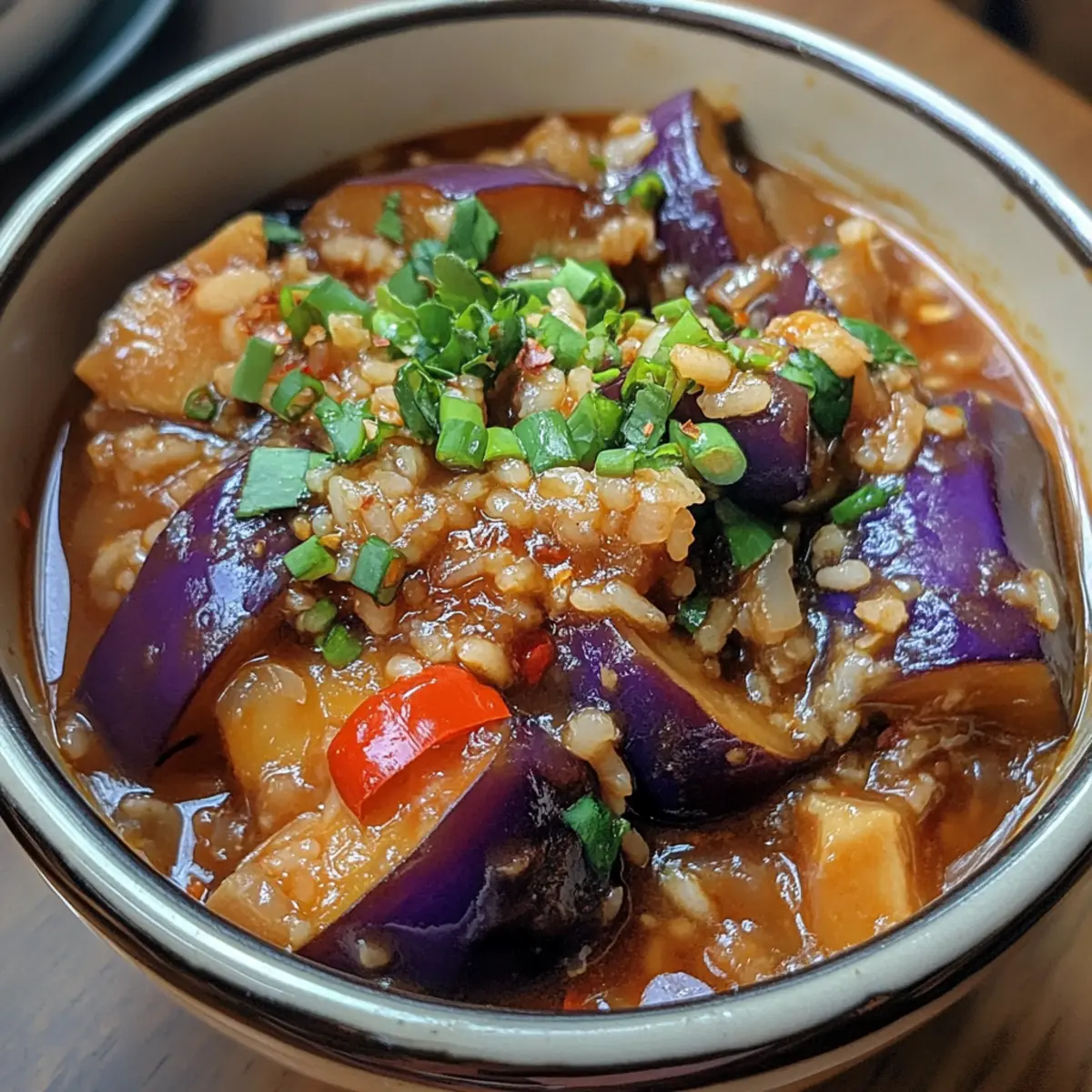
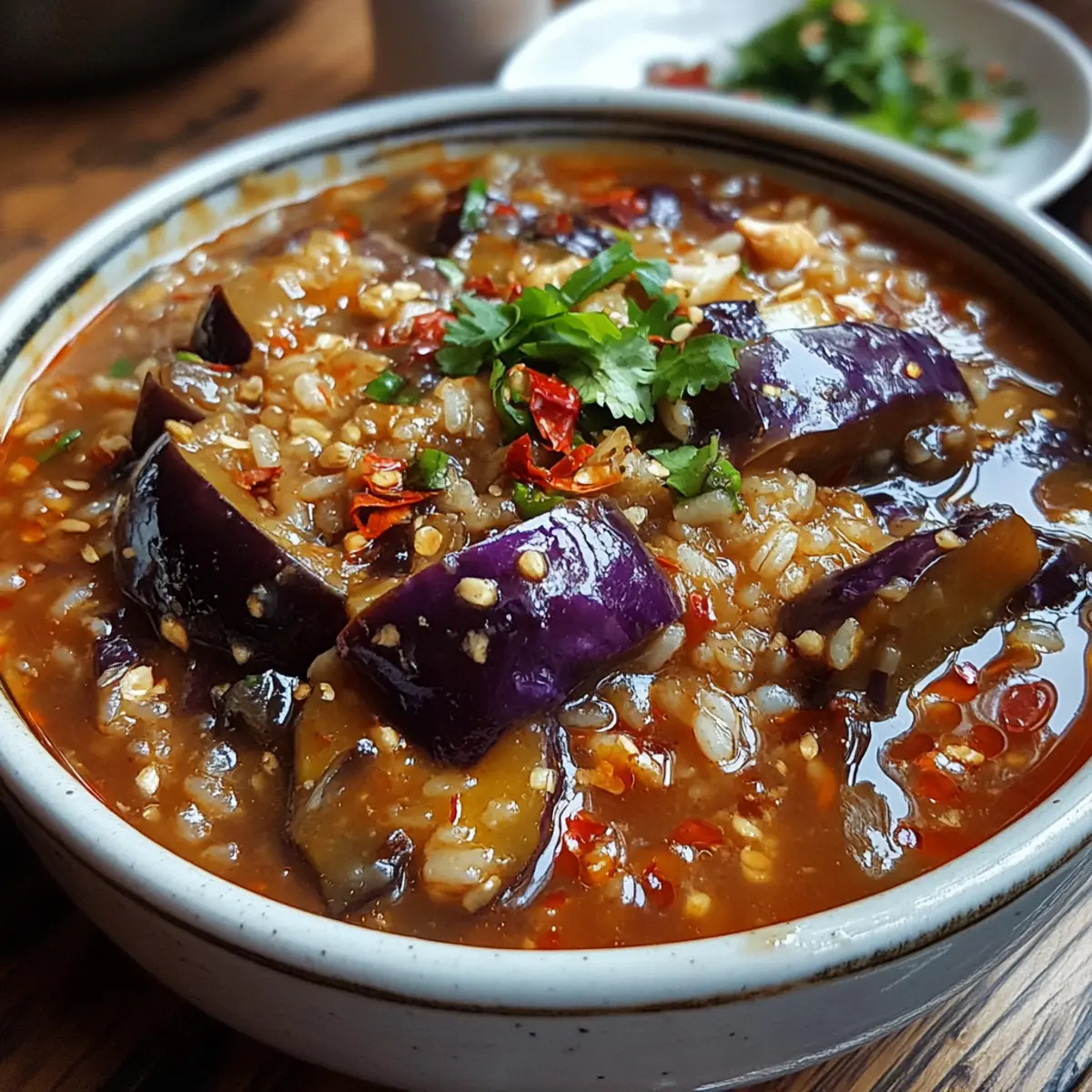
There’s something truly special about Cà Bung, the Hanoi eggplant and fermented rice stew that’s been warming hearts and kitchens for generations. One afternoon, while exploring traditional Vietnamese dishes, I stumbled upon this humble stew that perfectly balances the earthiness of tender eggplants with the tangy depth of fermented rice. What makes it stand out? Its unique flavor profile that’s both comforting and intriguingly complex, and the way it brings together simple ingredients into a hearty, soulful meal. Whether you’re craving something different from the usual stew or looking to impress with authentic home cooking, this Cà Bung recipe offers a delightful twist that’s surprisingly easy to make—and absolutely satisfying every time.
Why love Cà Bung: Hanoi Eggplant & Fermented Rice Stew?
Unique Flavor Fusion: The tanginess of fermented rice mingles beautifully with tender, earthy eggplants for a dish bursting with depth. Simple, wholesome ingredients create a comforting, nourishing stew that feels like a warm hug. Easy preparation means you can enjoy authentic Hanoi flavors without fuss. Versatile meal perfect for cozy dinners or sharing with friends craving something new and soulful. Tradition meets innovation in every spoonful, making this stew a standout in any homemade cooking repertoire.
Cà Bung Ingredients Unveiled
For the Stew Base
- Eggplants (Cà Bung) – Use tender, slender Hanoi eggplants for authentic texture and flavor.
- Fermented rice (Cơm mẻ) – Adds the signature tang and depth that defines Cà Bung: Hanoi Eggplant & Fermented Rice Stew.
- Pork bones or ribs – Simmer to create a rich, flavorful broth that complements the fermented rice.
- Garlic – Provides aromatic warmth that enhances the stew’s complexity.
- Shallots – Bring out subtle sweetness and a hint of sharpness to balance the tangy notes.
- Fish sauce – The essential umami booster locking all flavors together.
- Fresh chili – Optional, for a gentle spicy kick that awakens the palate.
For Garnish and Serving
- Fresh herbs (Vietnamese coriander, cilantro) – Sprinkle on top for brightness and herbaceous contrast.
- Lime wedges – Add a fresh citrus twist to brighten every bite.
- Cooked rice or crusty bread – Perfect to soak up the soulful broth in traditional style.
How to Make Cà Bung
For the Stew Base:
- Simmer pork bones in 6 cups of water for 45 minutes to build the rich broth that forms the flavorful backbone of Cà Bung: Hanoi Eggplant & Fermented Rice Stew, skimming foam as needed.
- Sauté garlic and shallots in 2 Tbsp oil over medium heat until translucent and fragrant, about 2 minutes.
- Stir in fermented rice (cơm mẻ) and cook for 3 minutes until the mixture is slightly thickened and bubbly.
- Add sliced eggplants and simmer gently for 15 minutes, stirring occasionally until eggplants are tender and golden at the edges.
- Season the stew with 2 Tbsp fish sauce and 1 diced chili, stirring well, then taste and adjust saltiness and heat to your preference.
For Garnish and Serving:
- Garnish each bowl with fresh Vietnamese coriander and cilantro, sprinkle on lime wedges, and serve immediately to enjoy vibrant herbal contrast.
- Serve alongside steamed rice or crusty bread to soak up every drop of the soulful broth and complete this comforting homemade meal.
Optional: Drizzle chili oil for extra spice.
Exact quantities are listed in the recipe card below.
Expert Tips for Cà Bung: Hanoi Eggplant & Fermented Rice Stew
- Choose fresh eggplants: Select tender, slender Hanoi eggplants for the perfect texture; older or large eggplants can become bitter and mushy in the stew.
- Balance fermentation flavor: Gradually add fermented rice (cơm mẻ) and taste frequently to avoid overpowering tanginess in your Cà Bung.
- Simmer gently: Cook eggplants over low heat to let them soften without disintegrating, preserving that delicate bite and vibrant color.
- Skim broth carefully: Remove foam while simmering pork bones to keep your stew clear and rich, avoiding any off-flavors.
- Add fresh herbs last: Garnish just before serving to keep their brightness and herbal aroma alive, enhancing the stew’s soul-warming qualities.
Make Ahead Options
Cà Bung: Hanoi Eggplant & Fermented Rice Stew is a fantastic choice for meal prep that saves you time on busy weeknights! You can prepare the stew base—broth, sautéed garlic and shallots, and fermented rice—up to 24 hours in advance and simply refrigerate it in an airtight container. The sliced eggplants can also be prepped ahead by storing them in water (with a splash of vinegar to prevent browning) for up to 3 hours. When you’re ready to enjoy your Cà Bung, just reheat the stew base, add the eggplants, and simmer for about 15 minutes until everything is warm and bubbly. This way, you’ll have a delicious, comforting meal on the table with minimal effort!
How to Store and Freeze Cà Bung
Fridge: Store leftover Cà Bung in an airtight container for up to 3 days. Reheat gently on the stovetop, adding a splash of water to restore moisture.
Freezer: Freeze portions of Cà Bung for up to 2 months in freezer-safe containers. Label them with the date. Thaw overnight in the fridge before reheating.
Reheating: When ready to enjoy again, reheat on low heat until warmed through. Stir occasionally to prevent sticking, and enjoy the comforting flavors of this Hanoi stew.
Cà Bung Variations & Substitutions
Feel free to explore creative twists on this beloved Hanoi stew, enhancing flavors and customizing to your taste!
-
Vegan Option: Replace pork bones with vegetable broth and add tofu for protein, maintaining depth without meat.
-
Spice it Up: Add a chopped Thai bird chili or sprinkle in crushed red pepper flakes for a fiery kick that elevates the dish.
-
Mushroom Medley: Substitute pork with shiitake or oyster mushrooms, soaking up the savory stew for a delightful umami experience.
-
Coconut Cream: For a creamier texture, stir in a splash of coconut cream during cooking, bringing a tropical twist to the traditional flavor profile.
-
Herb Enhanced: Experiment with adding basil or mint along with the usual coriander for a fresh, aromatic layer that dances on the palate.
-
Sweet Contrast: Toss in diced sweet potatoes or carrots while simmering for natural sweetness that beautifully balances the tangy notes.
-
Noodle Twist: Serve the stew over rice noodles instead of rice for a comforting and delicious variation, making it a complete meal in a bowl.
-
Rustic Broth: For a heartier version, throw in diced potatoes or squash to thicken the broth and add comforting, starchy goodness.
What to Serve with Cà Bung: Hanoi Eggplant & Fermented Rice Stew?
Elevate your dining experience with perfect pairings that will complement this delicious and comforting stew.
-
Steamed Jasmine Rice: The fluffy, fragrant rice soaks up the savory broth, enhancing each bite with an aromatic experience.
-
Crusty Baguette: A warm, crispy baguette provides a satisfying crunch, perfect for sopping up the deliciously tangy broth.
-
Vietnamese Spring Rolls: Fresh spring rolls bring a delightful crunch and vibrant flavors, creating a beautiful contrast to the rich stew.
-
Pickled Vegetables: A side of quick-pickled carrots and daikon adds brightness and acidity, balancing the stew’s earthiness with a refreshing zing.
-
Crispy Fried Tofu: The golden exterior and soft interior of fried tofu offer a different texture, enriching your meal while keeping it light.
-
Herbal Tea: A refreshing brew of jasmine or mint tea complements the savory flavors while offering a soothing finish to this delightful meal.
-
Coconut Milk Dessert: End your meal on a sweet note with a creamy coconut dessert, bringing a lovely tropical touch that pairs wonderfully with the stew.
Cà Bung: Hanoi Eggplant & Fermented Rice Stew Recipe FAQs
What type of eggplants should I use for the best Cà Bung flavor?
For authentic Cà Bung, I recommend tender, slender Hanoi eggplants. They have a delicate texture and mild flavor that holds up beautifully in the stew. Avoid older or large eggplants, as they tend to become bitter and mushy when cooked.
How long can I keep leftover Cà Bung in the fridge?
Leftover stew stores really well—just pop it into an airtight container and refrigerate. I always use it within 3 to 4 days to ensure freshness and flavor. When reheating, warm it gently on the stovetop and add a splash of water if it feels too thick.
Can I freeze Cà Bung, and how should I do it?
Absolutely! This stew freezes nicely for up to 2 months. Here’s my step-by-step method: cool the stew completely, transfer portions into freezer-safe containers or ziplock bags, label with the date, and freeze flat to save space. When ready, thaw overnight in the fridge and reheat slowly on the stove, stirring occasionally for even warming.
What if my stew tastes too tangy from the fermented rice?
No worries—this happens sometimes! I suggest adjusting gradually: add a bit more broth or water to dilute the tanginess. You can balance it with a touch more fish sauce or a pinch of sugar if needed. Taste frequently while cooking to find your perfect harmony.
Is Cà Bung safe for pets or those with common allergies?
Cà Bung contains fish sauce and pork bones, so it’s not suitable for pets or anyone allergic to seafood or pork. For allergy-friendly versions, consider substituting fish sauce with a vegetarian umami alternative and using vegetable broth instead of pork stock. Always check ingredients carefully to keep everyone safe and happy!
Discover the Best Cà Bung: Hanoi Eggplant & Fermented Rice Stew Recipe
Ingredients
Equipment
Method
- Simmer pork bones in 6 cups of water for 45 minutes to build the rich broth, skimming foam as needed.
- Sauté garlic and shallots in 2 Tbsp oil over medium heat until translucent and fragrant, about 2 minutes.
- Stir in fermented rice and cook for 3 minutes until the mixture is slightly thickened and bubbly.
- Add sliced eggplants and simmer gently for 15 minutes, stirring occasionally until eggplants are tender.
- Season the stew with 2 Tbsp fish sauce and 1 diced chili, stir well, then taste and adjust saltiness and heat.
- Garnish each bowl with fresh Vietnamese coriander and cilantro, sprinkle on lime wedges, and serve immediately.
- Serve alongside steamed rice or crusty bread to soak up the broth.