
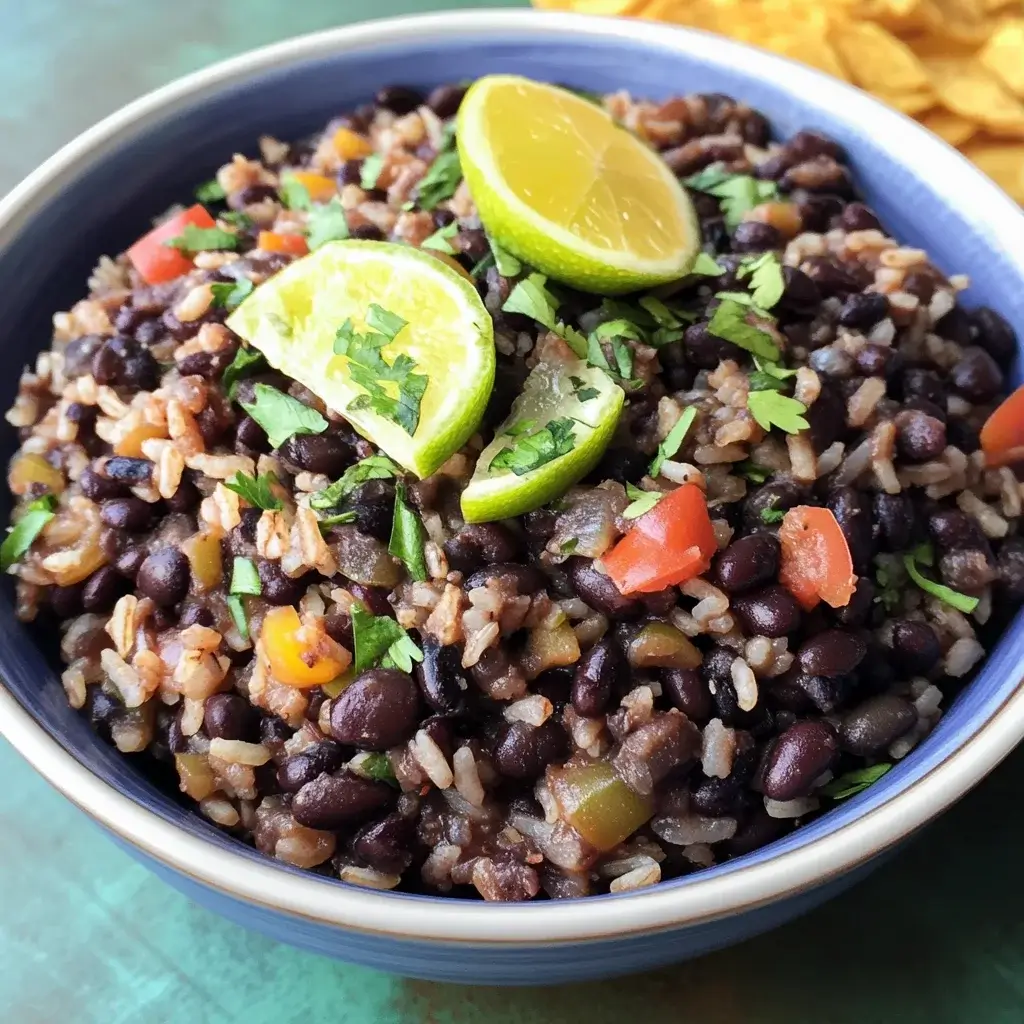

The aroma alone transports me straight back to Miami’s Little Havana. Growing up in a Cuban-American household, Moros y Cristianos – or Cuban Black Beans and Rice – wasn’t just a dish; it was a staple, a comfort, a taste of home. From boisterous family fiestas to quiet weeknight dinners, this humble yet flavorful combination graced our table more times than I can count. My abuela‘s recipe, passed down through generations, was always the gold standard. It was simple, honest cooking, relying on quality ingredients and patient simmering to unlock layers of savory, earthy, and subtly sweet flavors. Trying to recreate that magic in my own kitchen has been a culinary journey, filled with delicious successes and a few learning curves. But each time I serve a steaming bowl of these glistening black beans spooned over fluffy white rice, the memories flood back, and I’m reminded of the heart and soul that goes into truly authentic Cuban cuisine. This isn’t just a recipe; it’s a taste of Cuban heritage, a celebration of simple ingredients transformed into something extraordinary. And trust me, once you taste the rich, smoky depth of properly made Cuban Black Beans and Rice, you’ll understand why it’s a beloved dish in homes and restaurants around the world.
Ingredients for Authentic Cuban Black Beans and Rice
The magic of Cuban Black Beans and Rice, often called Moros y Cristianos (Moors and Christians) referring to the black beans and white rice, lies in the quality of its humble ingredients and the careful layering of flavors. While the ingredient list is relatively short, each component plays a vital role in creating that signature Cuban taste. Let’s break down the essentials for making truly authentic and delicious Moros y Cristianos:
- Dried Black Beans: The heart and soul of this dish. 1 pound of dried black beans is the starting point. Dried beans offer a richer, more robust flavor and a creamier texture compared to canned beans. Look for good quality, dried black beans. It’s crucial to soak them properly to rehydrate them and reduce cooking time, as well as make them more digestible.
- Long Grain White Rice: The perfect partner for the flavorful black beans. 2 cups of long grain white rice are typically used. Long grain rice cooks up fluffy and separate, providing a lovely textural contrast to the creamy beans. While white rice is traditional, you can experiment with other types of rice (see variations below), but for authentic Moros y Cristianos, white rice is key.
- Water or Broth: For cooking both the beans and the rice. You’ll need water for soaking the beans and fresh water or vegetable broth for cooking both the beans and the rice. Approximately 8-10 cups of water for soaking and cooking the beans, and 4 cups of water or broth for cooking the rice (adjust based on rice package instructions). Using vegetable broth for cooking the beans and/or rice can add an extra layer of flavor.
- Olive Oil or Lard: The traditional fat for sofrito and cooking. ¼ cup of olive oil or lard (lard is more traditional, but olive oil works beautifully and is a healthier option) is needed. Olive oil provides a fruity, Mediterranean note, while lard imparts a richer, more traditional Cuban flavor. You can also use a combination of both.
- Sofrito Ingredients: The flavor base of Cuban cooking, sofrito is essential. You’ll need:
- Onion: 1 large yellow onion, finely chopped. Yellow onions provide a foundational savory sweetness.
- Green Bell Pepper: 1 green bell pepper, finely chopped. Green bell pepper contributes a slightly bitter, vegetal note that balances the sweetness of the onion and other ingredients.
- Garlic: 4-6 cloves of garlic, minced. Garlic is crucial for that pungent, aromatic Cuban flavor. Don’t be shy with the garlic!
- Optional – Ají Dulce Peppers (Sweet Peppers): For a truly authentic touch, if you can find them, add 2-3 ají dulce peppers, finely chopped. These small, sweet peppers are a staple in Cuban sofrito and add a unique fruity sweetness and mild heat. If unavailable, you can omit them or substitute with a small piece of red bell pepper for sweetness.
- Seasonings and Spices: These are what truly define the Cuban flavor profile:
- Dried Oregano: 1 teaspoon of dried oregano. Cuban oregano has a distinct flavor, but regular dried oregano works well. Oregano provides an earthy, slightly peppery note.
- Ground Cumin: 1 teaspoon of ground cumin. Cumin adds a warm, earthy, and slightly smoky depth of flavor.
- Bay Leaves: 2-3 bay leaves. Bay leaves infuse a subtle, herbaceous, and slightly floral aroma during cooking.
- Salt: To taste. Salt is essential for bringing out all the flavors. Start with 1-1.5 teaspoons and adjust as needed. Kosher salt or sea salt is recommended.
- Black Pepper: To taste. Freshly ground black pepper adds a touch of spice. Start with ½ teaspoon and adjust to your liking.
- Optional – Dried Bay Leaves: 2-3 dried bay leaves add a subtle depth and aroma to the beans as they cook.
- Optional – A Pinch of Sugar: A pinch of sugar (about ¼ teaspoon) is sometimes added to balance the acidity and enhance the sweetness of the beans. This is optional but can round out the flavors.
- Optional – Vinegar (White or Red Wine Vinegar): A splash of vinegar (about 1-2 tablespoons, white or red wine vinegar) is often added at the end to brighten the flavors and add a touch of acidity. This is a key element in authentic Cuban black beans.
- Garnish (Optional but Recommended):
- Fresh Cilantro: Chopped fresh cilantro for a bright, herbaceous finish.
- Chopped White Onion: Finely chopped white onion adds a fresh, pungent bite.
- Lime Wedges: Lime wedges for squeezing fresh lime juice over the finished dish, adding a bright citrusy zing that cuts through the richness of the beans.
Variations and Substitutions:
- Rice Variations: While white rice is traditional, you can use brown rice for a healthier option, but cooking time will need to be adjusted. You can also use short-grain rice for a stickier texture.
- Vegetarian/Vegan Options: This recipe is naturally vegetarian and easily vegan. Ensure you use olive oil instead of lard and vegetable broth.
- Spice Level: For a spicier dish, you can add a pinch of red pepper flakes or a finely chopped jalapeño pepper to the sofrito. Alternatively, serve with a side of hot sauce.
- Canned Beans (for quicker version): While dried beans are recommended for the best flavor and texture, you can use 4-5 (15-ounce) cans of black beans, drained and rinsed, for a quicker version. Reduce the initial cooking time significantly and adjust liquid accordingly. However, the flavor will be less complex.
By gathering these essential ingredients and considering the optional additions and variations, you are well on your way to creating a truly authentic and delicious pot of Cuban Black Beans and Rice that will transport you to the heart of Cuban cuisine.
Instructions for Cooking Cuban Black Beans and Rice
Making authentic Cuban Black Beans and Rice is a rewarding process that involves a little patience but yields incredibly flavorful results. Follow these step-by-step instructions to create your own pot of Moros y Cristianos that will impress your family and friends:
- Soak the Black Beans (Essential Step): Place the 1 pound of dried black beans in a large pot. Cover them with 8-10 cups of cold water, ensuring the water level is at least 2-3 inches above the beans as they will expand. Optional quick-soak method: Bring the beans and water to a boil, boil for 2 minutes, then remove from heat, cover, and let soak for 1 hour. Traditional overnight soak: Cover and let soak at room temperature for at least 8 hours or overnight. Soaking helps to rehydrate the beans, reduce cooking time, and improve digestibility. After soaking, drain the beans in a colander and rinse them thoroughly under cold running water. Discard the soaking water.
- Cook the Black Beans: Return the rinsed and drained beans to the large pot. Add 8 cups of fresh water or vegetable broth (broth adds more flavor). Add 2-3 bay leaves, 1 teaspoon of dried oregano, and 1 teaspoon of ground cumin. Bring the mixture to a boil over high heat, then reduce heat to low, cover the pot, and simmer gently for 1 to 2 hours, or until the beans are tender and creamy when mashed against the side of the pot with a spoon. Cooking time will vary depending on the freshness and type of beans. Check for tenderness after 1 hour and continue cooking if needed. Stir occasionally to prevent sticking. Add more water or broth if the liquid level gets too low and the beans are not yet tender.
- Prepare the Sofrito: While the beans are simmering, prepare the sofrito. Heat ¼ cup of olive oil or lard in a large skillet or Dutch oven over medium heat. Add the 1 large chopped yellow onion and 1 chopped green bell pepper. Sauté for about 5-7 minutes, or until the onion is softened and translucent. Add the 4-6 minced cloves of garlic (and the optional 2-3 chopped ají dulce peppers, if using) and sauté for another 1-2 minutes, until fragrant, being careful not to burn the garlic. The sofrito should be fragrant and the vegetables softened but not browned.
- Combine Sofrito and Beans: Once the beans are tender, remove about 1 cup of cooked beans from the pot and set aside. Using an immersion blender or a potato masher, lightly mash the remaining beans in the pot to thicken the broth. This creates that characteristic creamy texture. Pour the prepared sofrito into the pot with the beans. Add the reserved whole beans back to the pot. Stir well to combine the sofrito thoroughly with the beans and broth.
- Season and Simmer: Season the beans with salt and freshly ground black pepper to taste. Start with 1-1.5 teaspoons of salt and ½ teaspoon of black pepper and adjust as needed. Add a pinch of sugar and 1-2 tablespoons of vinegar (white or red wine vinegar), if using. Simmer the beans, uncovered, for another 15-20 minutes, allowing the flavors to meld and deepen, and the sauce to thicken slightly. Taste and adjust seasoning as needed. The beans should have a rich, savory, and slightly tangy flavor.
- Cook the White Rice: While the beans are finishing, cook the white rice. Rinse 2 cups of long grain white rice under cold water until the water runs clear. This removes excess starch and helps prevent sticky rice. In a medium saucepan, combine the rinsed rice with 4 cups of water or broth (check rice package for specific liquid ratios, as they can vary slightly). Add a pinch of salt. Bring to a boil over high heat, then reduce heat to low, cover the pot tightly, and simmer for 18-20 minutes, or until all the liquid is absorbed and the rice is tender. Do not lift the lid during cooking. Once cooked, fluff the rice gently with a fork.
- Serve Moros y Cristianos: To serve, spoon a generous portion of fluffy white rice into bowls. Ladle the flavorful Cuban black beans over the rice, creating the classic Moros y Cristianos presentation. Garnish with freshly chopped cilantro and finely chopped white onion, if desired. Serve immediately with lime wedges on the side for squeezing fresh lime juice over the dish just before eating.
Tips for Success:
- Quality Ingredients: Use good quality dried black beans and fresh, flavorful vegetables for the sofrito.
- Don’t Rush the Sofrito: Sauté the sofrito vegetables slowly and patiently to develop their full flavor.
- Taste and Adjust Seasoning: Seasoning is key! Taste the beans throughout the cooking process and adjust salt, pepper, and vinegar as needed to achieve the perfect balance of flavors.
- Simmer Gently: Simmer the beans and sofrito gently to allow the flavors to meld and deepen without scorching.
- Use Enough Liquid: Ensure there is enough liquid in the pot while the beans are cooking to prevent them from drying out. Add more water or broth as needed.
- Texture Preference: Adjust the amount of mashing based on your preferred texture for the beans. For creamier beans, mash more; for a chunkier texture, mash less.
By following these detailed instructions and tips, you will be able to create a truly authentic and delicious pot of Cuban Black Beans and Rice that captures the heart and soul of Cuban cuisine. Enjoy the process and savor the incredible flavors!
Nutrition Facts for Cuban Black Beans and Rice
Cuban Black Beans and Rice is not only a delicious and comforting dish, but it’s also surprisingly nutritious. It’s a great source of plant-based protein, fiber, and essential vitamins and minerals. Here’s an approximate nutritional breakdown per serving, assuming a serving size of about 1.5 cups (approximately ¾ cup beans and ¾ cup rice), based on a recipe using olive oil and long-grain white rice, and yielding approximately 6 servings from the recipe:
Serving Size: Approximately 1.5 cups (¾ cup beans + ¾ cup rice)
Approximate Nutrition Facts per Serving:
- Calories: 350-450 calories (This can vary slightly depending on the amount of olive oil used and serving size.)
- Total Fat: 8-12 grams
- Saturated Fat: 1-2 grams
- Monounsaturated Fat: 6-8 grams (Primarily from olive oil)
- Polyunsaturated Fat: 1-2 grams
- Cholesterol: 0 mg
- Sodium: 400-600 mg (Varies based on added salt and broth if used)
- Total Carbohydrates: 60-70 grams
- Dietary Fiber: 12-15 grams (Excellent source of fiber from black beans)
- Sugars: 2-4 grams (Naturally occurring sugars in beans and vegetables)
- Protein: 15-20 grams (Good source of plant-based protein from black beans)
- Iron: 20-30% of Daily Value (DV) (Black beans are a good source of iron)
- Folate (Vitamin B9): 30-40% of DV (Black beans are rich in folate)
- Manganese: 40-50% of DV
- Magnesium: 15-20% of DV
- Potassium: 10-15% of DV
Important Nutritional Highlights:
- High in Fiber: Black beans are an excellent source of dietary fiber, which is important for digestive health, blood sugar control, and satiety.
- Good Source of Plant-Based Protein: Black beans provide a significant amount of plant-based protein, essential for muscle building, repair, and overall health. When combined with rice, it creates a complete protein, containing all nine essential amino acids.
- Rich in Iron: Black beans are a good source of iron, important for preventing iron-deficiency anemia and carrying oxygen throughout the body.
- Folate Powerhouse: Black beans are packed with folate, a B vitamin crucial for cell growth and development, especially important during pregnancy.
- Heart-Healthy Fats: Olive oil, a key ingredient, provides heart-healthy monounsaturated fats.
- Vitamins and Minerals: This dish is a good source of manganese, magnesium, potassium, and other essential vitamins and minerals.
- Low in Saturated Fat and Cholesterol: Naturally low in saturated fat and cholesterol, making it a heart-healthy choice.
- Vegan and Vegetarian Friendly: Naturally vegan and vegetarian, making it suitable for a wide range of dietary preferences.
Notes:
- Serving Size: Nutritional information is based on an estimated serving size of 1.5 cups. Actual serving sizes may vary.
- Ingredient Variations: Using lard instead of olive oil will increase the fat and saturated fat content. Using brown rice instead of white rice will increase fiber and slightly alter macronutrient ratios.
- Sodium Content: Sodium content can be adjusted by using low-sodium broth and controlling added salt.
- Calorie Control: Portion control is important for managing calorie intake.
Cuban Black Beans and Rice is a delicious and nutritious meal that can be enjoyed as part of a balanced diet. Its high fiber and protein content make it a satisfying and filling dish that can contribute to overall health and well-being.
Preparation Time for Cuban Black Beans and Rice
Preparing authentic Cuban Black Beans and Rice involves several steps, from soaking the beans to simmering the sofrito and cooking the rice. Here’s a breakdown of the estimated preparation time:
- Prep Time: 30-40 minutes
- This includes soaking the beans (can be done overnight or quick-soaked – soaking time is not active prep time but needs to be factored in).
- Chopping all the vegetables for the sofrito (onion, bell pepper, garlic, ají dulce peppers if using).
- Measuring out spices and other ingredients.
- Rinsing the rice.
- Cook Time (Beans): 1 hour 30 minutes – 2 hours (after soaking)
- Simmering the beans until tender and creamy.
- Time will vary based on the type and freshness of beans.
- Cook Time (Rice): 20 minutes
- Cooking the white rice on the stovetop.
- Sofrito Cooking Time: 10 minutes
- Sautéing the sofrito vegetables until softened and fragrant.
- Combining and Simmering (Beans and Sofrito): 20 minutes
- Combining the sofrito with the cooked beans and simmering to meld flavors.
Total Estimated Time (Excluding Soaking Time): 2 hours 20 minutes – 2 hours 50 minutes
Breakdown:
- Active Time: Approximately 1 hour – 1 hour 20 minutes (This is the time you are actively involved in preparing the dish, including prepping vegetables, cooking sofrito, mashing beans, and cooking rice).
- Inactive Time: Approximately 1 hour 20 minutes – 1 hour 30 minutes (This is primarily the simmering time for the beans, which requires minimal active involvement, just occasional stirring).
- Soaking Time (Inactive): 8 hours (overnight soak) or 1 hour (quick soak).
Tips to Speed Up Preparation:
- Quick Soak Method: Use the quick soak method for beans (boil for 2 minutes, soak for 1 hour) instead of overnight soaking, though overnight soaking is generally preferred for better digestibility and texture.
- Canned Beans (Faster but Less Authentic): Using canned black beans will drastically reduce cooking time. Skip the soaking and long simmering of beans. Start directly with the sofrito and add drained and rinsed canned beans. Simmer for about 20-30 minutes to allow flavors to meld. Note: Flavor and texture will be less complex and authentic compared to using dried beans.
- Prepare Sofrito Ahead: You can prepare the sofrito ahead of time and store it in the refrigerator for up to 2 days. This will save time on the day of cooking.
- Cook Rice Simultaneously: Start cooking the rice while the beans are simmering to maximize efficiency.
- Utilize Kitchen Tools: Use a food processor to chop vegetables for the sofrito to speed up prep time (though hand-chopping provides a slightly better texture for sofrito).
While Cuban Black Beans and Rice isn’t a super quick dish, the majority of the time is inactive simmering, allowing you to do other things while the flavors develop. The resulting rich and flavorful dish is well worth the time and effort, especially when made from scratch with dried beans and a lovingly prepared sofrito.
How to Serve Cuban Black Beans and Rice
Cuban Black Beans and Rice, or Moros y Cristianos, is a versatile dish that can be served in many ways, from a simple side dish to a hearty main course. Its rich and savory flavor profile pairs well with a variety of accompaniments. Here are some delicious ways to serve and enjoy Cuban Black Beans and Rice:
Classic Serving Suggestions:
- As a Side Dish: Serve alongside roasted or grilled meats such as:
- Roasted Chicken or Pollo Asado: A classic Cuban pairing. The savory beans and rice complement the juicy roasted chicken beautifully.
- Grilled Steak or Bistec Encebollado (Steak with Onions): The hearty beans and rice make a satisfying side for steak.
- Pork Chops or Roasted Pork (Lechon Asado): Another traditional Cuban pairing. The richness of pork is balanced by the earthy beans and rice.
- Fish or Seafood: While less traditional, black beans and rice can be a good side for grilled or pan-seared fish, especially white fish like cod or snapper.
- As a Main Course (Vegetarian/Vegan):Moros y Cristianos is a satisfying and complete meal on its own, especially for vegetarians and vegans. To enhance it as a main course:
- Serve with Plantains (Platanos Maduros or Tostones): Sweet fried plantains (maduros) or savory fried plantains (tostones) are a quintessential Cuban side dish and pair perfectly with black beans and rice.
- Add a Fried Egg: A fried egg on top adds protein and richness, making it a more substantial meal.
- Avocado Slices: Creamy avocado slices provide healthy fats and a cooling contrast to the warm beans and rice.
- Salsa or Pico de Gallo: Fresh salsa or pico de gallo adds brightness and acidity.
- Cuban Salad (Ensalada Cubana): A simple salad of lettuce, tomato, cucumber, and onion with a vinaigrette dressing provides a refreshing counterpoint.
- In Bowls or Plates:
- Individual Bowls: Serve in individual bowls for a cozy and satisfying meal.
- Platters Family Style: Present on a large platter family-style, allowing everyone to serve themselves.
Garnishes & Toppings:
- Fresh Cilantro: Chopped fresh cilantro is a must-have garnish, adding freshness and a pop of green.
- Chopped White Onion: Finely chopped white onion adds a pungent bite and textural contrast.
- Lime Wedges: Lime wedges are essential! Squeezing fresh lime juice over the finished dish brightens the flavors and adds a tangy zing.
- Hot Sauce: Serve with your favorite hot sauce for those who like a spicy kick.
- Crema or Sour Cream (Non-Vegan Option): A dollop of crema or sour cream can add richness and coolness (for non-vegan diets).
- Queso Fresco (Non-Vegan Option): Crumbled queso fresco (fresh cheese) adds a salty, milky flavor and texture (for non-vegan diets).
- Pickled Onions: Quick pickled red onions can add a tangy and crunchy element.
- Crumbled Bacon (Non-Vegetarian Option): Crispy crumbled bacon can add a smoky, savory crunch (for non-vegetarian diets).
Serving Styles:
- Classic Plating: Mound white rice in the center of the plate and ladle black beans generously over the rice, allowing them to cascade down the sides. Garnish with cilantro and onion.
- Layered Bowls: Layer rice at the bottom of the bowl, top with black beans, and then add garnishes on top.
- Deconstructed: Serve rice and beans separately in bowls, allowing diners to combine them as they wish.
Meal Ideas:
- Cuban Plate Lunch: Combine Moros y Cristianos with roasted chicken or pork, platanos maduros, and a simple salad for a classic Cuban plate lunch.
- Black Bean and Rice Bowls: Create customizable bowls with Moros y Cristianos as the base and add toppings like avocado, salsa, corn, roasted vegetables, and your choice of protein (plant-based or meat).
- Tacos or Burritos Filling: Use Cuban Black Beans and Rice as a flavorful filling for tacos or burritos.
No matter how you choose to serve it, Cuban Black Beans and Rice is a comforting and flavorful dish that is sure to be a hit. Experiment with different garnishes and accompaniments to find your favorite way to enjoy this classic Cuban staple.
Additional Tips for the Best Cuban Black Beans and Rice
To truly master Cuban Black Beans and Rice and achieve that authentic, mouthwatering flavor, consider these five additional tips that go beyond the basic recipe:
- Use Quality Sofrito Ingredients and Technique: The sofrito is the foundation of flavor. Use fresh, high-quality vegetables. Don’t rush the sofrito cooking process. Sauté the onions and peppers slowly over medium heat until they are truly softened and sweet, not just translucent. This caramelization of the vegetables is key to developing a rich, deep flavor base. Ensure the garlic is minced finely and added at the end of the sofrito cooking, sautéing just until fragrant to avoid burning, which can make it bitter. If you can find ají dulce peppers, their unique sweetness will significantly enhance the sofrito.
- Don’t Skimp on Seasoning, Especially Salt: Cuban cuisine is flavorful and well-seasoned. Don’t be afraid to use enough salt, especially when cooking the beans. Salt not only enhances flavor but also helps to tenderize the beans. Season the soaking water (optional), the cooking water for the beans, and then again after adding the sofrito. Taste and adjust seasoning throughout the cooking process. Under-seasoned beans will taste bland. Freshly ground black pepper also plays an important role.
- Control the Bean Broth Consistency: The broth of Cuban black beans should be rich and slightly thickened, not watery. The technique of mashing some of the beans is crucial for achieving this creamy consistency. Mash about a cup of cooked beans against the side of the pot or use an immersion blender to partially blend them. This releases starch and thickens the broth naturally. If the broth is still too thin after simmering, you can remove another ½ cup of beans, mash them, and return them to the pot. Conversely, if the beans become too thick, you can thin them out with a little warm water or vegetable broth.
- Add Vinegar at the End for Brightness: A splash of vinegar, typically white vinegar or red wine vinegar, is a secret weapon in authentic Cuban black beans. Adding it at the very end of cooking brightens the flavors, adds a subtle tanginess that cuts through the richness of the beans, and balances the sweetness of the sofrito. Start with a tablespoon or two and adjust to taste. Don’t skip this step – it makes a significant difference in the overall flavor profile.
- Consider Adding a Hueso de Jamón (Ham Bone) or Smoked Meat (Optional for Non-Vegetarian): For a more deeply savory and traditional flavor, consider adding a hueso de jamón (ham bone) or a piece of smoked meat like smoked ham hock or bacon to the beans while they simmer. This is optional and not essential for delicious Cuban Black Beans and Rice, but it adds a layer of smoky depth and richness that is characteristic of some authentic Cuban recipes. Remove the ham bone or smoked meat before serving. For vegetarian/vegan versions, skip this step and focus on building flavor through a well-made sofrito and good quality vegetable broth.
By incorporating these additional tips into your cooking process, you will be able to elevate your Cuban Black Beans and Rice from simply delicious to truly exceptional and authentically Cuban. These nuances in technique and flavor layering are what make all the difference in creating a memorable and truly satisfying dish.
FAQ Section: Cuban Black Beans and Rice
Here are five frequently asked questions about making Cuban Black Beans and Rice, along with detailed answers to help you troubleshoot and perfect your Moros y Cristianos:
Q1: Do I really need to soak the black beans? Can I skip soaking?
A1: While you can technically cook black beans without soaking, it is highly recommended to soak them. Soaking offers several benefits:
* Reduces Cooking Time: Soaking rehydrates the beans, significantly reducing the simmering time needed to cook them until tender.
* Improves Digestibility: Soaking helps to break down complex sugars that can cause gas and bloating, making beans more digestible.
* More Even Cooking: Soaking promotes more even cooking, resulting in a creamier texture and preventing some beans from being overcooked while others are still hard.
* Better Flavor: Some believe soaking helps to remove some of the phytic acid, which can inhibit nutrient absorption and have a slightly bitter taste, resulting in a cleaner, more pronounced bean flavor.
While you can use the quick-soak method (boiling for 2 minutes, soaking for 1 hour) if you are short on time, an overnight soak is generally preferable for optimal results. If you absolutely must skip soaking, be prepared for a significantly longer cooking time and potentially less tender and digestible beans.
Q2: Can I use canned black beans to make Cuban Black Beans and Rice faster?
A2: Yes, you can use canned black beans for a much quicker version of Cuban Black Beans and Rice. However, be aware that the flavor and texture will not be as rich and complex as when using dried beans. To use canned beans:
* Skip Soaking and Long Simmering: Drain and rinse 4-5 (15-ounce) cans of black beans.
* Prepare the Sofrito as Directed: Follow the sofrito instructions in the recipe.
* Add Canned Beans to Sofrito: Add the drained and rinsed canned beans to the sofrito in the pot.
* Add Broth and Seasonings: Add about 2-3 cups of vegetable broth (or water) and the seasonings (oregano, cumin, bay leaves, salt, pepper, vinegar).
* Simmer Briefly: Simmer for 20-30 minutes to allow the flavors to meld and the sauce to thicken slightly. You can still lightly mash some of the canned beans to thicken the broth if desired.
While quicker, using canned beans results in a less authentic and less deeply flavored dish compared to starting with dried beans and allowing them to simmer for hours. Consider canned beans a good option for a weeknight meal when time is short, but for the best flavor experience, dried beans are worth the effort.
Q3: My Cuban Black Beans are too watery. How do I thicken them?
A3: If your Cuban Black Beans are too watery, there are several ways to thicken them:
* Continue Simmering Uncovered: Simmer the beans uncovered over low heat for 15-20 minutes or longer, allowing excess liquid to evaporate and the sauce to reduce and thicken.
* Mash More Beans: Mash another ½ cup to 1 cup of cooked beans against the side of the pot or use an immersion blender to blend a bit more. The released starch will help thicken the broth.
* Cornstarch Slurry (Quick Fix): In a small bowl, whisk together 1-2 tablespoons of cornstarch with 2-3 tablespoons of cold water to create a slurry. Slowly whisk the slurry into the simmering beans and cook for a few minutes, stirring constantly, until the sauce thickens. Use cornstarch sparingly as too much can make the sauce gluey.
* Remove Liquid and Reduce: Carefully ladle out about 1-2 cups of the bean broth into a separate saucepan. Simmer the broth over medium-high heat until it reduces and thickens slightly. Then, return the reduced broth to the pot of beans and stir to combine.
* Add Tomato Paste (Optional Flavor Change): Stir in 1-2 tablespoons of tomato paste. Tomato paste can add thickness and a slight richness, but it will also slightly alter the flavor profile, making it less purely bean-focused.
Q4: Can I make Cuban Black Beans and Rice vegetarian/vegan?
A4: Yes, Cuban Black Beans and Rice is naturally vegetarian and very easily made vegan. The base recipe is already vegan-friendly. To ensure it is vegan:
* Use Olive Oil: Use olive oil or another plant-based oil instead of lard for the sofrito.
* Use Vegetable Broth or Water: Use vegetable broth or water instead of chicken broth if broth is used for cooking beans or rice.
* Omit Non-Vegan Garnishes: Skip non-vegan garnishes like crema, sour cream, queso fresco, or bacon bits and stick to vegan garnishes like cilantro, onion, avocado, and salsa.
* Check for Hidden Animal Products: Be mindful of any pre-made ingredients like broth to ensure they are labeled vegan.
Q5: How long can I store leftover Cuban Black Beans and Rice?
A5: Properly stored leftover Cuban Black Beans and Rice can be safely stored in the refrigerator for 3-4 days. To store:
* Cool Completely: Allow the beans and rice to cool completely to room temperature before refrigerating.
* Store Separately or Together: You can store the beans and rice separately in airtight containers or combine them and store together. Storing separately can help maintain the texture of the rice slightly better.
* Reheat Thoroughly: Reheat leftovers thoroughly until heated through, ensuring they reach an internal temperature of 165°F (74°C). You can reheat them on the stovetop over low heat, adding a little water or broth if needed to prevent drying out, or in the microwave in short intervals, stirring in between.
* Freezing (Optional): While the texture of rice can change slightly upon freezing and thawing, Cuban Black Beans and Rice can be frozen for 1-2 months. Cool completely, portion into freezer-safe containers or bags, and freeze. Thaw overnight in the refrigerator and reheat thoroughly.
These FAQs should help you address common questions and concerns when making Cuban Black Beans and Rice, allowing you to confidently create this delicious and authentic Cuban dish. Enjoy cooking and Buen Provecho!
Print
Cuban Black Beans and Rice recipe
Ingredients
-
- Dried Black Beans: The heart and soul of this dish. 1 pound of dried black beans is the starting point. Dried beans offer a richer, more robust flavor and a creamier texture compared to canned beans. Look for good quality, dried black beans. It’s crucial to soak them properly to rehydrate them and reduce cooking time, as well as make them more digestible.
-
- Long Grain White Rice: The perfect partner for the flavorful black beans. 2 cups of long grain white rice are typically used. Long grain rice cooks up fluffy and separate, providing a lovely textural contrast to the creamy beans. While white rice is traditional, you can experiment with other types of rice (see variations below), but for authentic Moros y Cristianos, white rice is key.
-
- Water or Broth: For cooking both the beans and the rice. You’ll need water for soaking the beans and fresh water or vegetable broth for cooking both the beans and the rice. Approximately 8-10 cups of water for soaking and cooking the beans, and 4 cups of water or broth for cooking the rice (adjust based on rice package instructions). Using vegetable broth for cooking the beans and/or rice can add an extra layer of flavor.
-
- Olive Oil or Lard: The traditional fat for sofrito and cooking. ¼ cup of olive oil or lard (lard is more traditional, but olive oil works beautifully and is a healthier option) is needed. Olive oil provides a fruity, Mediterranean note, while lard imparts a richer, more traditional Cuban flavor. You can also use a combination of both.
-
- Sofrito Ingredients: The flavor base of Cuban cooking, sofrito is essential. You’ll need:
-
- Onion: 1 large yellow onion, finely chopped. Yellow onions provide a foundational savory sweetness.
-
- Green Bell Pepper: 1 green bell pepper, finely chopped. Green bell pepper contributes a slightly bitter, vegetal note that balances the sweetness of the onion and other ingredients.
-
- Garlic: 4-6 cloves of garlic, minced. Garlic is crucial for that pungent, aromatic Cuban flavor. Don’t be shy with the garlic!
-
- Optional – Ají Dulce Peppers (Sweet Peppers): For a truly authentic touch, if you can find them, add 2-3 ají dulce peppers, finely chopped. These small, sweet peppers are a staple in Cuban sofrito and add a unique fruity sweetness and mild heat. If unavailable, you can omit them or substitute with a small piece of red bell pepper for sweetness.
-
- Sofrito Ingredients: The flavor base of Cuban cooking, sofrito is essential. You’ll need:
-
- Seasonings and Spices: These are what truly define the Cuban flavor profile:
-
- Dried Oregano: 1 teaspoon of dried oregano. Cuban oregano has a distinct flavor, but regular dried oregano works well. Oregano provides an earthy, slightly peppery note.
-
- Ground Cumin: 1 teaspoon of ground cumin. Cumin adds a warm, earthy, and slightly smoky depth of flavor.
-
- Bay Leaves: 2-3 bay leaves. Bay leaves infuse a subtle, herbaceous, and slightly floral aroma during cooking.
-
- Salt: To taste. Salt is essential for bringing out all the flavors. Start with 1-1.5 teaspoons and adjust as needed. Kosher salt or sea salt is recommended.
-
- Black Pepper: To taste. Freshly ground black pepper adds a touch of spice. Start with ½ teaspoon and adjust to your liking.
-
- Optional – Dried Bay Leaves: 2-3 dried bay leaves add a subtle depth and aroma to the beans as they cook.
-
- Optional – A Pinch of Sugar: A pinch of sugar (about ¼ teaspoon) is sometimes added to balance the acidity and enhance the sweetness of the beans. This is optional but can round out the flavors.
-
- Optional – Vinegar (White or Red Wine Vinegar): A splash of vinegar (about 1-2 tablespoons, white or red wine vinegar) is often added at the end to brighten the flavors and add a touch of acidity. This is a key element in authentic Cuban black beans.
-
- Seasonings and Spices: These are what truly define the Cuban flavor profile:
-
- Garnish (Optional but Recommended):
-
- Fresh Cilantro: Chopped fresh cilantro for a bright, herbaceous finish.
-
- Chopped White Onion: Finely chopped white onion adds a fresh, pungent bite.
-
- Lime Wedges: Lime wedges for squeezing fresh lime juice over the finished dish, adding a bright citrusy zing that cuts through the richness of the beans.
-
- Garnish (Optional but Recommended):
Instructions
-
- Soak the Black Beans (Essential Step): Place the 1 pound of dried black beans in a large pot. Cover them with 8-10 cups of cold water, ensuring the water level is at least 2-3 inches above the beans as they will expand. Optional quick-soak method: Bring the beans and water to a boil, boil for 2 minutes, then remove from heat, cover, and let soak for 1 hour. Traditional overnight soak: Cover and let soak at room temperature for at least 8 hours or overnight. Soaking helps to rehydrate the beans, reduce cooking time, and improve digestibility. After soaking, drain the beans in a colander and rinse them thoroughly under cold running water. Discard the soaking water.
-
- Cook the Black Beans: Return the rinsed and drained beans to the large pot. Add 8 cups of fresh water or vegetable broth (broth adds more flavor). Add 2-3 bay leaves, 1 teaspoon of dried oregano, and 1 teaspoon of ground cumin. Bring the mixture to a boil over high heat, then reduce heat to low, cover the pot, and simmer gently for 1 to 2 hours, or until the beans are tender and creamy when mashed against the side of the pot with a spoon. Cooking time will vary depending on the freshness and type of beans. Check for tenderness after 1 hour and continue cooking if needed. Stir occasionally to prevent sticking. Add more water or broth if the liquid level gets too low and the beans are not yet tender.
-
- Prepare the Sofrito: While the beans are simmering, prepare the sofrito. Heat ¼ cup of olive oil or lard in a large skillet or Dutch oven over medium heat. Add the 1 large chopped yellow onion and 1 chopped green bell pepper. Sauté for about 5-7 minutes, or until the onion is softened and translucent. Add the 4-6 minced cloves of garlic (and the optional 2-3 chopped ají dulce peppers, if using) and sauté for another 1-2 minutes, until fragrant, being careful not to burn the garlic. The sofrito should be fragrant and the vegetables softened but not browned.
-
- Combine Sofrito and Beans: Once the beans are tender, remove about 1 cup of cooked beans from the pot and set aside. Using an immersion blender or a potato masher, lightly mash the remaining beans in the pot to thicken the broth. This creates that characteristic creamy texture. Pour the prepared sofrito into the pot with the beans. Add the reserved whole beans back to the pot. Stir well to combine the sofrito thoroughly with the beans and broth.
-
- Season and Simmer: Season the beans with salt and freshly ground black pepper to taste. Start with 1-1.5 teaspoons of salt and ½ teaspoon of black pepper and adjust as needed. Add a pinch of sugar and 1-2 tablespoons of vinegar (white or red wine vinegar), if using. Simmer the beans, uncovered, for another 15-20 minutes, allowing the flavors to meld and deepen, and the sauce to thicken slightly. Taste and adjust seasoning as needed. The beans should have a rich, savory, and slightly tangy flavor.
-
- Cook the White Rice: While the beans are finishing, cook the white rice. Rinse 2 cups of long grain white rice under cold water until the water runs clear. This removes excess starch and helps prevent sticky rice. In a medium saucepan, combine the rinsed rice with 4 cups of water or broth (check rice package for specific liquid ratios, as they can vary slightly). Add a pinch of salt. Bring to a boil over high heat, then reduce heat to low, cover the pot tightly, and simmer for 18-20 minutes, or until all the liquid is absorbed and the rice is tender. Do not lift the lid during cooking. Once cooked, fluff the rice gently with a fork.
-
- Serve Moros y Cristianos: To serve, spoon a generous portion of fluffy white rice into bowls. Ladle the flavorful Cuban black beans over the rice, creating the classic Moros y Cristianos presentation. Garnish with freshly chopped cilantro and finely chopped white onion, if desired. Serve immediately with lime wedges on the side for squeezing fresh lime juice over the dish just before eating.
Nutrition
- Serving Size: one normal portion
- Calories: 350-450
- Sugar: 2-4 grams
- Sodium: 400-600 mg
- Fat: 8-12 grams
- Saturated Fat: 1-2 grams
- Carbohydrates: 60-70 grams
- Fiber: 12-15 grams
- Protein: 15-20 grams