
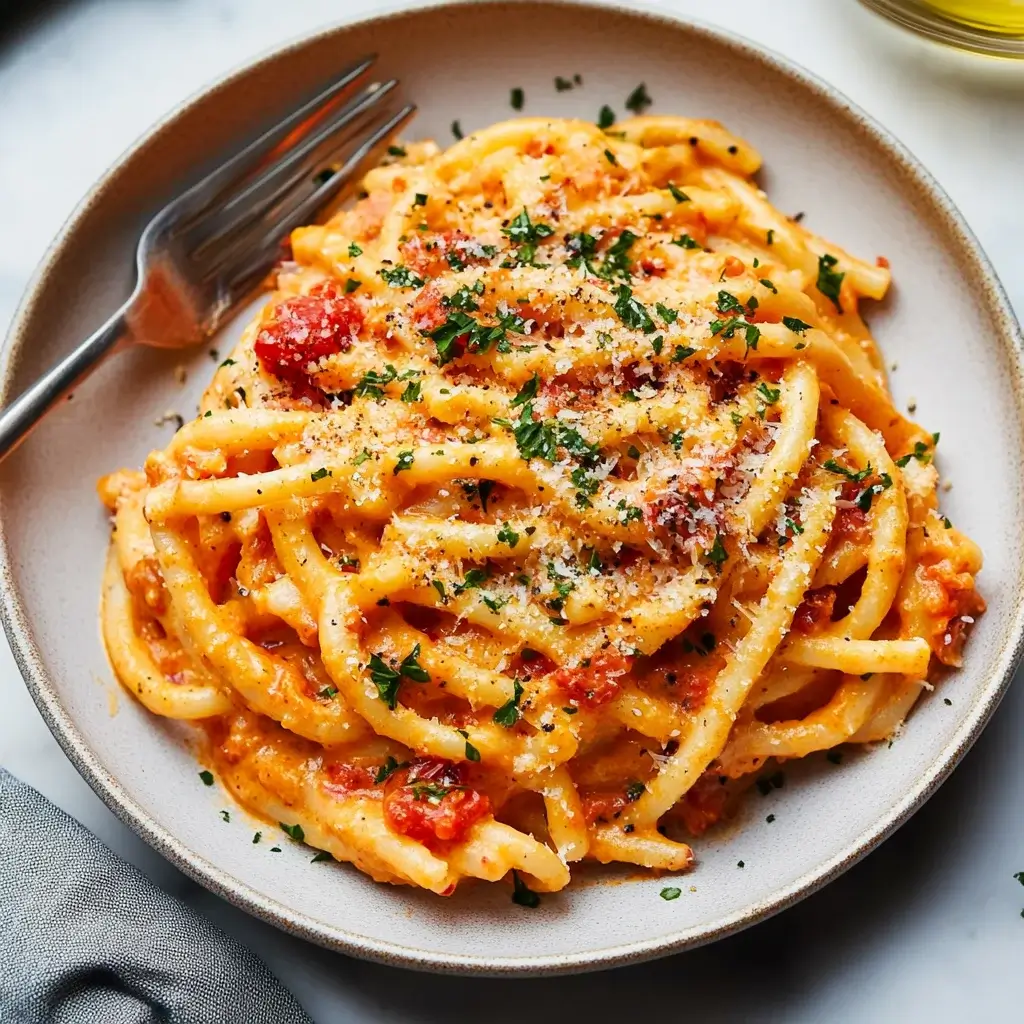

My journey to discovering truly satisfying vegan comfort food has been an exciting culinary adventure, and this Creamy Vegan Red Pepper Pasta? It’s a recipe that feels like a triumphant discovery. I’ll be honest, sometimes vegan creamy sauces can be… underwhelming. But this one? This is different. The first time I tasted this luscious, vibrant red sauce coating perfectly cooked pasta, I was genuinely blown away. It’s rich, it’s decadent, it’s bursting with flavor, and it’s entirely plant-based! My family, who aren’t strictly vegan, consistently request this dish. The secret, as you might guess, is in the roasted red peppers and the magic of cashews, blended into a velvety smooth sauce that rivals any cream-based pasta dish I’ve ever had. Whether you’re vegan, vegetarian, or simply looking to incorporate more plant-based meals into your diet without sacrificing flavor or satisfaction, this Creamy Vegan Red Pepper Pasta is a recipe you absolutely need in your repertoire. It’s surprisingly easy to make, incredibly versatile, and guaranteed to become a new weeknight favorite.
Ingredients: Unlocking Creamy Vegan Flavor
The ingredient list for Creamy Vegan Red Pepper Pasta is relatively simple, but each component is carefully chosen to contribute to the dish’s overall flavor, texture, and nutritional profile. Let’s delve into each ingredient and understand its role in creating this delicious and satisfying vegan pasta:
- 4 large Red Bell Peppers: Red bell peppers are the undisputed star of this recipe, providing the vibrant color, sweetness, and slightly smoky flavor that forms the foundation of the creamy sauce. It’s crucial to use red bell peppers, as they are the sweetest and most flavorful variety when roasted. Green bell peppers would be too bitter, and yellow or orange peppers, while sweeter than green, lack the depth of flavor of red peppers in this application. Look for firm, heavy red bell peppers with smooth, unblemished skin. Roasting the red bell peppers is essential, as it intensifies their natural sweetness, brings out a subtle smoky char, and makes them incredibly tender and easy to blend into a smooth sauce.
- 1 cup Raw Cashews, unsalted: Raw cashews are the secret weapon for achieving that incredible creamy texture in this vegan pasta sauce, without any dairy cream. Raw, unsalted cashews are essential because they have a neutral flavor and blend into an incredibly smooth and rich cream when soaked and processed. Raw cashews are important; roasted cashews will have a different flavor and may not blend as smoothly. Unsalted cashews allow you to control the salt level of the sauce. Soaking the cashews is absolutely crucial. Soaking softens them, making them blend into a perfectly velvety smooth cream and also making them easier to digest. You can soak cashews in hot water for about 30 minutes (quick soak method) or in cold water for at least 4 hours, or preferably overnight (traditional method). Properly soaked cashews are the key to achieving that luxuriously creamy vegan sauce.
- 1 pound Pasta (Penne, Spaghetti, or your favorite shape): Pasta is the hearty base of this dish, providing substance and a satisfying texture to complement the creamy red pepper sauce. Penne, spaghetti, rotini, fusilli, or shells all work wonderfully. Choose your favorite pasta shape based on your preference and what you have on hand. For a gluten-free option, use gluten-free pasta made from brown rice, quinoa, or corn. Whole wheat pasta can also be used for a more nutritious and nutty-flavored option. The pasta should be cooked al dente, meaning “to the tooth,” which is firm to the bite but not hard or crunchy. Cooking pasta al dente ensures it holds its shape and texture when combined with the sauce.
- 1 ½ cups Vegetable Broth (low sodium): Vegetable broth provides the liquid base for the sauce and adds a savory depth of flavor beyond just water. Low sodium vegetable broth is recommended to control the salt level in the sauce, as you can always add more salt to taste. Use a good quality vegetable broth for the best flavor. Homemade vegetable broth is ideal, but store-bought low-sodium vegetable broth is perfectly acceptable and convenient. The vegetable broth helps to thin the sauce to the desired consistency and contributes to the overall savory and umami notes.
- ¼ cup Nutritional Yeast: Nutritional yeast is a deactivated yeast that has a savory, nutty, and slightly cheesy flavor, making it a staple ingredient in vegan cooking for adding “cheesy” notes without dairy. Nutritional yeast is essential in this recipe for adding a subtle cheesy depth to the red pepper sauce, enhancing its savory flavor and making it more reminiscent of a traditional creamy pasta sauce. Look for fortified nutritional yeast, which is often enriched with B vitamins, adding a nutritional boost to the dish.
- 4 cloves Garlic: Garlic adds a pungent, savory, and aromatic base note to the sauce, complementing the sweetness of the roasted red peppers and enhancing the overall flavor complexity. Roasting the garlic cloves along with the red bell peppers mellows their sharpness and brings out their natural sweetness, creating a more nuanced garlic flavor in the sauce. Use fresh garlic cloves for the best flavor. Roast them whole with the red peppers, then peel them before blending into the sauce.
- 2 tablespoons Lemon Juice (freshly squeezed): Fresh lemon juice is crucial for brightening up the flavors of the creamy red pepper sauce and adding a zesty tang that balances the richness and sweetness. Use freshly squeezed lemon juice for the best flavor; avoid bottled lemon juice if possible. The acidity of the lemon juice cuts through the richness of the cashew cream and roasted red peppers, creating a more balanced and vibrant sauce.
- ¼ cup Olive Oil (extra virgin): Olive oil is used for roasting the red bell peppers and garlic, and also for sautéing any optional vegetables you might add to the pasta (like onions or mushrooms). Extra virgin olive oil is preferred for its flavor and health benefits. The olive oil helps the red peppers and garlic caramelize during roasting, enhancing their sweetness and flavor. It also adds richness and healthy fats to the dish.
- Salt and Black Pepper, to taste: Salt and black pepper are essential seasonings to enhance and balance all the flavors in the sauce and pasta. Kosher salt or sea salt is recommended for better flavor. Freshly ground black pepper is preferred for its more aromatic and robust flavor. Season generously, tasting and adjusting throughout the cooking process to achieve the perfect flavor balance.
Optional Ingredients (for Added Flavor and Texture):
- Fresh Basil, chopped (for garnish): Fresh basil adds a bright, herbaceous note and a pop of green color as a garnish, providing a fresh and aromatic finish.
- Pine Nuts, toasted (for garnish): Toasted pine nuts add a buttery, nutty flavor and a delightful crunch as a garnish, enhancing the texture and flavor complexity of the dish.
- Red Pepper Flakes (for heat): Red pepper flakes add a touch of heat and spice to the sauce, if you prefer a slightly spicy pasta dish. Add a pinch or two to the sauce while blending, or offer red pepper flakes on the side for those who want to customize their spice level.
- Sautéed Onions or Mushrooms (for added vegetables): Sautéed onions or mushrooms can be added to the pasta for extra vegetables and flavor. Sauté them in olive oil before adding the pasta and sauce.
Ingredient Variations and Substitutions:
- Nut-Free Version: For a nut-free version, substitute the cashews with sunflower seeds or white beans (cannellini beans). Soak sunflower seeds or white beans similarly to cashews before blending. The texture and flavor will be slightly different, but still creamy and delicious.
- Spice Level Adjustment: Adjust the amount of red pepper flakes (or omit them entirely) to control the spice level. You can also add a pinch of cayenne pepper to the sauce for extra heat.
- Herb Variations: Experiment with other fresh herbs like oregano, thyme, or parsley in the sauce or as a garnish.
- Vegetable Broth Alternatives: You can use vegetable bouillon cubes or paste dissolved in water instead of vegetable broth, but adjust seasoning accordingly.
- Pasta Variations: Explore different pasta shapes or gluten-free pasta options. You can also use zucchini noodles or spiralized sweet potato noodles for a lower-carb and gluten-free alternative, but the cooking method will need to be adjusted.
By understanding the role of each ingredient and exploring these variations, you can tailor this Creamy Vegan Red Pepper Pasta recipe to your personal preferences and dietary needs, creating a truly customized and delicious meal.
Instructions: Crafting Creamy Vegan Red Pepper Pasta
Making Creamy Vegan Red Pepper Pasta at home is a straightforward process that involves roasting, blending, and combining. Follow these detailed step-by-step instructions to ensure success and create a restaurant-quality vegan pasta dish:
- Preheat Oven and Prepare Vegetables: Preheat your oven to 400°F (200°C). Wash and halve the red bell peppers lengthwise. Remove the seeds and membranes. Peel the garlic cloves, leaving them whole. Preheating the oven to the correct temperature is essential for proper roasting. Halving the peppers and removing seeds and membranes prepares them for roasting. Leaving garlic cloves whole allows them to roast gently and mellow in flavor.
- Roast Red Peppers and Garlic: Place the red bell pepper halves, cut-side down, and whole garlic cloves on a baking sheet lined with parchment paper. Drizzle with 2 tablespoons of olive oil and sprinkle with salt and pepper. Roast in the preheated oven for 25-30 minutes, or until the pepper skins are blistered and charred and the peppers are very soft. Roasting cut-side down helps the peppers soften and caramelize. Parchment paper prevents sticking and makes cleanup easier. Roasting until blistered and charred is key to developing the smoky sweetness of the peppers.
- Soak Cashews (While Vegetables Roast): While the red peppers and garlic are roasting, prepare the cashews. If using the quick soak method, place the raw cashews in a heatproof bowl and cover them with boiling water. Let them soak for 30 minutes. If using the traditional method, soak the cashews in cold water for at least 4 hours, or preferably overnight. Soaking softens the cashews for blending into a creamy sauce.
- Cook Pasta: While the vegetables are roasting and cashews are soaking, cook the pasta according to package directions in a large pot of salted boiling water until al dente. Reserve about ½ cup of pasta water before draining. Drain the pasta and set aside. Cooking pasta al dente ensures it holds its shape and texture. Reserving pasta water is important, as it can be used to adjust the sauce consistency later.
- Steam Peppers (Optional, for Easier Peeling): Once the roasted red peppers are done, you can steam them briefly to make peeling easier (optional step, but recommended). Transfer the hot roasted peppers to a heatproof bowl and cover the bowl tightly with plastic wrap or a plate. Let them steam for 10-15 minutes. Steaming loosens the skins, making them easier to peel.
- Peel and Blend Roasted Peppers and Garlic: After steaming (or directly after roasting if skipping steaming), peel the skins off the roasted red bell peppers. They should slip off easily. Squeeze the roasted garlic cloves out of their skins. Discard the skins of the peppers and garlic. Place the peeled roasted red peppers and roasted garlic cloves in a high-speed blender. Add the soaked cashews (drained), vegetable broth, nutritional yeast, lemon juice, remaining 2 tablespoons of olive oil, salt, and black pepper to the blender.
- Blend Sauce Until Smooth and Creamy: Blend all ingredients in the blender until completely smooth and creamy. You may need to stop and scrape down the sides of the blender a few times to ensure everything is fully incorporated. Blend for a minute or two until the sauce is velvety smooth and no cashew pieces remain. Blending until completely smooth is key to achieving the desired creamy sauce texture.
- Combine Sauce and Pasta: Pour the creamy red pepper sauce over the cooked and drained pasta in the pot you cooked the pasta in. Toss well to coat the pasta evenly with the sauce. Toss until the pasta is evenly coated and warmed through.
- Add Spinach and Cook Until Wilted: Add the fresh baby spinach to the pasta and sauce mixture. Cook over medium heat, stirring frequently, until the spinach is wilted and bright green, about 2-3 minutes. Spinach wilts quickly with the heat of the pasta and sauce.
- Adjust Consistency and Seasoning: If the sauce is too thick, add a little of the reserved pasta water, one tablespoon at a time, until it reaches your desired consistency. Taste the pasta and sauce and adjust seasoning with salt, pepper, or lemon juice to taste. Pasta water helps to thin the sauce and create a glossy, emulsified texture. Adjust seasoning to your personal preference.
- Serve and Garnish: Serve the Creamy Vegan Red Pepper Pasta hot, garnished with fresh basil, toasted pine nuts, and red pepper flakes (if using). Enjoy your delicious and healthy vegan pasta dish! Serve immediately for the best texture and flavor. Garnish adds visual appeal, fresh flavor, and textural contrast.
Tips for Perfect Creamy Vegan Red Pepper Pasta:
- Roast Peppers Until Charred and Soft: Don’t under-roast the peppers. Roast them until the skins are blistered and charred and the peppers are very soft for the best flavor.
- Soak Cashews Properly: Soaking cashews for the recommended time is crucial for achieving a creamy sauce.
- Blend Sauce Until Velvety Smooth: Blend the sauce in a high-speed blender until completely smooth for the best texture.
- Cook Pasta Al Dente: Cook pasta al dente so it holds its shape and texture when combined with the sauce.
- Reserve Pasta Water: Don’t discard pasta water! It’s valuable for adjusting sauce consistency and creating a glossy finish.
- Taste and Adjust Seasoning: Taste the sauce and pasta throughout the cooking process and adjust seasoning to your liking.
- Serve Hot and Garnish Fresh: Serve the pasta hot and garnish with fresh herbs and toppings just before serving for the best flavor and presentation.
Following these instructions and tips will guide you in creating a truly delicious and impressive Creamy Vegan Red Pepper Pasta that is sure to impress!
Nutrition Facts for Creamy Vegan Red Pepper Pasta
(Per Serving, estimated for 1.5 cups of pasta and sauce. Nutritional values are estimates and can vary based on specific ingredients and serving size.)
- Servings: Approximately 4-6 servings per recipe (depending on serving size).
- Serving Size: Approximately 1.5 cups of pasta and sauce.
- Calories per Serving (Estimated): 400-550 calories (depending on serving size, pasta type, and ingredient variations).
Approximate Nutritional Breakdown per Serving (Estimated):
- Calories: 400-550 kcal
- Total Fat: 20-25g
- Saturated Fat: 3-4g (primarily from olive oil and cashews)
- Unsaturated Fat: 17-21g (primarily healthy monounsaturated and polyunsaturated fats from olive oil and cashews)
- Cholesterol: 0mg (vegan)
- Sodium: 300-500mg (can vary based on broth and salt added)
- Total Carbohydrates: 55-70g
- Dietary Fiber: 8-10g (Excellent source of fiber from vegetables, pasta, and cashews)
- Sugars: 10-15g (naturally occurring sugars from red peppers and pasta)
- Protein: 12-15g (Good source of plant-based protein from cashews, pasta, and nutritional yeast)
- Vitamin A: Excellent source of Vitamin A (from red peppers and spinach, primarily beta-carotene)
- Vitamin C: Excellent source of Vitamin C (from red peppers and lemon juice)
- Vitamin B6: Good source of Vitamin B6 (from nutritional yeast and cashews)
- Iron: Moderate source of Iron (from spinach, cashews, and pasta)
- Potassium: Good source of Potassium (from red peppers, potatoes, and spinach)
Key Nutritional Highlights:
- Vegan and Dairy-Free: Naturally vegan and dairy-free, suitable for vegan diets and lactose intolerance.
- Good Source of Plant-Based Protein: Cashews, pasta, and nutritional yeast provide a good amount of plant-based protein.
- Excellent Source of Fiber: High in dietary fiber from red peppers, spinach, pasta, and cashews, promoting digestive health and satiety.
- Rich in Vitamins and Minerals: Excellent source of Vitamin A, Vitamin C, Vitamin B6, potassium, and iron, along with other essential micronutrients.
- Healthy Fats: Contains healthy unsaturated fats primarily from olive oil and cashews, which are beneficial for heart health.
- Lower in Saturated Fat and Cholesterol: Significantly lower in saturated fat and cholesterol compared to traditional cream-based pasta dishes.
- Lower in Added Sugars: Contains primarily naturally occurring sugars from red peppers and pasta, with minimal added sugars.
Important Notes:
- These are estimated nutritional values and can vary based on the specific brands and types of ingredients used (e.g., pasta type, vegetable broth, cashew type), portion sizes, and ingredient variations.
- Homemade vegan pasta dishes generally offer more control over ingredients compared to restaurant or pre-made versions.
- To further enhance the nutritional profile, use whole wheat pasta for added fiber, load up on vegetables (add more spinach or other vegetables), and use minimal added salt and oil.
- While Creamy Vegan Red Pepper Pasta is a healthy option, portion control is still important, especially considering the carbohydrate content from pasta and the calorie density from cashews and olive oil.
For more precise nutritional information, you can use online nutrition calculators and input the specific brands and quantities of ingredients you used. However, this general nutritional overview highlights the numerous health benefits of enjoying Creamy Vegan Red Pepper Pasta as part of a balanced diet.
Preparation Time for Creamy Vegan Red Pepper Pasta
Creamy Vegan Red Pepper Pasta is a reasonably efficient dish to prepare, especially considering the flavorful and satisfying result. Here’s a breakdown of the approximate preparation time:
- Prep Time: 20-25 minutes (This includes washing and chopping vegetables, preparing cashews for soaking, peeling garlic, and preparing garnishes).
- Cook Time: 35-40 minutes (Roasting red peppers and garlic (25-30 mins), soaking cashews (inactive while roasting), cooking pasta (10-12 mins), blending sauce (5 mins), combining sauce and pasta and wilting spinach (5 mins)).
- Total Time (Approximate): 55-65 minutes (From start to finish).
Time-Saving Tips:
- Quick Soak Cashews: Use the quick soak method (30 minutes in boiling water) for cashews to shorten soaking time.
- Multi-Tasking: While the red peppers and garlic are roasting, you can soak cashews, cook pasta, and prepare garnishes to maximize efficiency.
- Jarred Roasted Red Peppers (for Faster Version): For a significantly faster version, you can use jarred roasted red peppers instead of roasting fresh peppers. Drain them well and use about 2 cups of jarred roasted red peppers. Skip step 2 (roasting peppers and garlic) and proceed directly to step 3 (soaking cashews) and then step 6 (blending sauce), adding raw garlic cloves to the blender instead of roasted garlic. This shortcut will significantly reduce the cooking time, but the flavor will be slightly less deep and smoky compared to using freshly roasted peppers.
- High-Speed Blender: Using a high-speed blender will ensure the sauce blends quickly and smoothly.
Planning Ahead:
- Weeknight Meal: The total preparation time is manageable for a weeknight dinner, especially if you utilize time-saving tips.
- Soak Cashews Ahead of Time: You can soak cashews overnight in the refrigerator, or start soaking them in the morning before work, to shorten prep time at dinner.
- Make-Ahead Sauce (Partial Prep): You can roast the red peppers and garlic and blend the sauce ahead of time (up to step 7 in the instructions). Store the sauce in an airtight container in the refrigerator for up to 2-3 days. When ready to serve, cook pasta, reheat the sauce gently, and proceed with steps 8-11 (combining sauce and pasta, adding spinach, and serving).
Creamy Vegan Red Pepper Pasta is designed to be a reasonably quick and easy meal, especially considering its rich flavor and creamy texture. With a little planning and utilizing time-saving tips, you can have a delicious and healthy vegan pasta dinner on the table in about an hour!
How to Serve Creamy Vegan Red Pepper Pasta
Creamy Vegan Red Pepper Pasta is a versatile and satisfying dish that can be served in various ways, making it suitable for both casual weeknight meals and more elegant occasions. Here are some delicious serving suggestions to help you enjoy your pasta to the fullest:
Classic Serving Style:
- Bowls, Warm and Comforting: Serve the pasta hot in bowls, garnished attractively with fresh basil, toasted pine nuts, and red pepper flakes (if using). The warmth of the pasta combined with the fresh garnishes creates a delightful combination of textures and temperatures.
- Garnish is Key: Don’t skip the garnishes! Fresh basil adds a pop of color and fresh, herbaceous flavor. Toasted pine nuts provide a buttery crunch and nutty richness. Red pepper flakes add a touch of visual appeal and optional heat. These garnishes elevate the dish both visually and flavor-wise.
- Side of Crusty Bread: Serve with a side of crusty bread, such as baguette, sourdough, or Italian bread, for soaking up any extra sauce and creating a more complete and satisfying meal. Garlic bread would also be a delicious accompaniment.
Topping Variations (Beyond the Basics):
- Vegan Parmesan Cheese: Sprinkle vegan Parmesan cheese over the pasta for an extra cheesy and savory flavor boost. Store-bought vegan Parmesan or homemade versions (made from nuts, nutritional yeast, and seasonings) both work well.
- Roasted Vegetables (Extra): Add extra roasted vegetables as a topping, such as roasted cherry tomatoes, asparagus spears, or roasted broccoli florets for added nutrition and flavor.
- Sautéed Mushrooms or Onions (Extra): Top with sautéed mushrooms or caramelized onions for added savory depth and texture.
- Artichoke Hearts (Marinated or Roasted): Marinated or roasted artichoke hearts add a tangy and slightly briny flavor.
- Kalamata Olives (Pitted and Sliced): Kalamata olives add a salty, briny, and Mediterranean flavor profile.
- Sun-Dried Tomatoes (Oil-Packed, Drained): Sun-dried tomatoes add intense tomato flavor and chewiness.
- Fresh Herbs (Variety): Experiment with other fresh herbs like oregano, thyme, or parsley, in addition to or instead of basil, for different herb profiles.
- Lemon Zest (Extra): Grated lemon zest adds a more intense lemon aroma and flavor.
Side Dish Pairings for a Complete Meal:
- Simple Green Salad: A fresh and crisp green salad with a light vinaigrette dressing provides a refreshing counterpoint to the richness of the pasta.
- Caesar Salad (Vegan Version): A vegan Caesar salad (using vegan Caesar dressing and croutons) is a classic and satisfying salad pairing.
- Roasted Asparagus or Broccoli: Roasted asparagus or broccoli with lemon and garlic adds a healthy and flavorful vegetable side dish.
- Garlic Knots or Breadsticks: For a more indulgent side, serve with garlic knots or breadsticks for dipping into any extra sauce.
- Caprese Salad (Vegan Version): A vegan Caprese salad using sliced tomatoes, vegan mozzarella, and basil leaves, drizzled with balsamic glaze, offers a fresh and flavorful Italian-inspired side.
Serving Occasions:
- Weeknight Dinner: Perfect for a comforting and satisfying weeknight dinner, especially during colder months.
- Casual Get-Togethers: Ideal for casual gatherings with friends and family, potlucks, or buffet-style meals.
- Dinner Party Appetizer or Main Course: Can be served in smaller portions as an elegant appetizer or in larger portions as a flavorful and impressive vegan main course for dinner parties or special occasions.
- Meal Prep Lunches or Dinners: Pasta and sauce can be meal-prepped and enjoyed for lunches or dinners throughout the week.
Serving Tips:
- Warm Bowls: Serve the pasta in warmed bowls to keep it hot longer.
- Garnish Just Before Serving: Add fresh garnishes just before serving to maintain their freshness and visual appeal.
- Offer Toppings on the Side: Set out extra toppings in bowls or small dishes and let everyone customize their own pasta.
- Consider a Wine Pairing (for adult gatherings): Pair with a crisp white wine like Pinot Grigio or Sauvignon Blanc, or a light-bodied rosé wine for a more elegant dining experience.
By considering these serving suggestions and offering a variety of toppings and side dishes, you can create a memorable and satisfying dining experience centered around your delicious Creamy Vegan Red Pepper Pasta!
Additional Tips for Vegan Pasta Perfection
To ensure your Creamy Vegan Red Pepper Pasta is truly exceptional and worthy of rave reviews, here are five additional tips gleaned from vegan cooking expertise and pasta-making wisdom:
- Roast Peppers Until Truly Soft and Sweet for Best Sauce Flavor: Don’t rush the roasting process! Roasting the red bell peppers until they are truly soft, almost meltingly tender, and slightly caramelized is key to developing their maximum sweetness and smoky depth, which translates directly into a more flavorful and complex sauce. Roast them until the skins are blistered and charred, and the flesh is very soft and yielding when pressed. Under-roasted peppers will result in a less sweet and less flavorful sauce. Roasting them “low and slow” (slightly lower oven temperature for a longer time) can also enhance caramelization.
- Adjust Sauce Consistency with Pasta Water for Perfect Coating: Pasta water is your secret weapon for achieving the perfect sauce consistency that beautifully coats the pasta without being too thick or too thin. Don’t discard the pasta water after draining! Reserve at least ½ cup (or even a full cup). If the red pepper sauce is too thick after blending, gradually add reserved pasta water, one tablespoon at a time, while tossing the sauce with the pasta, until it reaches your desired creamy consistency. Pasta water is starchy and helps to emulsify the sauce, creating a glossy, velvety coating that clings perfectly to the pasta. It also adds a subtle salty flavor and helps to bind the sauce and pasta together.
- Taste and Season Aggressively – Vegan Sauces Need Bold Flavor: Vegan sauces, especially creamy ones, can sometimes taste bland or lack depth if not properly seasoned. Don’t be afraid to season your Creamy Vegan Red Pepper Pasta sauce aggressively with salt, black pepper, and lemon juice. Taste the sauce frequently throughout the process and adjust seasoning as needed to create a bold and flavorful sauce that is not shy on taste. Vegan sauces often benefit from a generous hand with seasonings to achieve a satisfyingly rich and complex flavor profile that rivals traditional dairy-based sauces.
- Toast Pine Nuts (or Other Nuts/Seeds) for Enhanced Garnish Flavor: Toasted pine nuts (or other nuts or seeds like slivered almonds, chopped walnuts, or pumpkin seeds) as a garnish add a delightful buttery, nutty flavor and a satisfying crunch to the pasta dish. Toasting nuts enhances their flavor significantly. To toast pine nuts, spread them in a single layer on a dry skillet over medium heat and toast for 2-3 minutes, stirring frequently, until lightly golden and fragrant. Watch them carefully, as they can burn quickly. Toasted nuts or seeds elevate the garnish from a simple sprinkle to a flavor-boosting textural element.
- Make it a Complete Meal with Added Protein and Vegetables: While Creamy Vegan Red Pepper Pasta is satisfying on its own, you can easily transform it into a more complete and nutritionally balanced meal by adding extra protein and vegetables. Consider adding:
- Plant-Based Protein: Sautéed or roasted chickpeas, white beans, lentils, tofu cubes (pan-fried or baked), tempeh crumbles, or vegan sausage slices.
- Extra Vegetables: Sautéed mushrooms, onions, zucchini, eggplant, bell peppers (different colors for variety), asparagus spears, broccoli florets, or peas.
- Greens: Stir in extra spinach, kale, or arugula for added greens and nutrients.
Adding extra protein and vegetables not only boosts the nutritional value of the dish but also makes it a more substantial and filling meal, perfect for a hearty weeknight dinner.
By incorporating these additional tips into your Creamy Vegan Red Pepper Pasta recipe, you’ll be well on your way to creating a truly restaurant-quality vegan pasta dish that is bursting with flavor, texture, and satisfying creaminess!
Frequently Asked Questions (FAQ) about Creamy Vegan Red Pepper Pasta
Here are five frequently asked questions about making Creamy Vegan Red Pepper Pasta, along with detailed and helpful answers to guide you through the recipe and address common queries:
Q1: Can I use jarred roasted red peppers instead of roasting fresh peppers?
A: Yes, you can definitely use jarred roasted red peppers as a convenient shortcut for making Creamy Vegan Red Pepper Pasta. Jarred roasted red peppers can save you significant time and effort, especially on busy weeknights. Here’s how to use them effectively:
- Drain Jarred Peppers Well: Drain the jarred roasted red peppers thoroughly before using them. Excess liquid can dilute the sauce and make it less flavorful. Pat them dry with paper towels if they seem very wet.
- Use About 2 Cups (or 16 ounces) Jarred Peppers: For this recipe, you’ll need approximately 2 cups or 16 ounces of jarred roasted red peppers to replace the 4 large fresh red bell peppers.
- Omit Roasting Step: Skip step 2 in the instructions (roasting red peppers and garlic).
- Sauté Garlic Separately (Optional, but Recommended): While you can use raw garlic in the blender with jarred peppers, sautéing minced garlic briefly in olive oil before blending (for about 1-2 minutes until fragrant) can enhance the garlic flavor and add a touch of cooked garlic depth that is closer to the roasted garlic flavor. This step is optional but recommended for a slightly more nuanced sauce.
- Adjust Flavor if Needed: Jarred roasted red peppers can sometimes have a slightly different flavor profile than freshly roasted peppers (often less smoky and sweet). Taste the sauce after blending and adjust seasoning as needed. You might want to add a pinch of smoked paprika to enhance the smoky flavor, or a touch more lemon juice or salt to balance the sweetness.
Using jarred roasted red peppers is a perfectly acceptable and convenient substitution for fresh roasted peppers, especially when time is limited. While the flavor might be subtly different, the overall result will still be a delicious and creamy vegan red pepper pasta sauce.
Q2: What if I’m allergic to cashews? Are there nut-free alternatives for the creamy sauce?
A: Yes, there are several excellent nut-free alternatives to cashews for creating a creamy vegan red pepper pasta sauce. Here are a few popular and effective substitutions:
- Sunflower Seeds: Raw sunflower seeds are a great nut-free option for creating creamy vegan sauces. They have a neutral flavor and blend into a smooth cream similar to cashews. Use the same quantity of sunflower seeds as cashews (1 cup raw sunflower seeds). Soak them using the same method as cashews (hot water soak or overnight soak) before blending.
- White Beans (Cannellini Beans): Canned cannellini beans (white kidney beans), rinsed and drained, can be blended into a creamy sauce base. Use about 1 ½ cups of cooked cannellini beans. They provide a creamy texture and add protein and fiber to the sauce. The flavor is slightly different from cashews, but still delicious and savory.
- Silken Tofu: Silken tofu (soft or firm, not block tofu) blends into a very smooth and creamy sauce base. Use about 1 cup of silken tofu, drained. Silken tofu is virtually flavorless and provides a neutral creaminess.
- Coconut Cream (Full-Fat, Canned): Full-fat coconut cream (the thick, solid part from a can of refrigerated full-fat coconut milk) can create a very rich and creamy vegan sauce, but it will impart a noticeable coconut flavor. Use about ½ cup of coconut cream. This option is suitable if you enjoy a hint of coconut flavor in your pasta sauce.
- Avocado: Avocado can be blended into a creamy sauce, but it will also impart a distinct avocado flavor and a green hue. Use about ½ to 1 ripe avocado, depending on desired creaminess.
When using nut-free alternatives, follow the same blending instructions as with cashews. You may need to adjust the amount of liquid (vegetable broth) to achieve the desired sauce consistency. Taste and adjust seasoning, as different bases may require slightly different seasoning adjustments. Sunflower seeds and white beans are generally the most neutral-tasting and versatile nut-free substitutes for cashew cream in this recipe.
Q3: Can I make Creamy Vegan Red Pepper Pasta spicier?
A: Yes, you can easily adjust the spice level of Creamy Vegan Red Pepper Pasta to your preference. Here are several ways to add more heat:
- Red Pepper Flakes (Increase Amount): The recipe already includes optional red pepper flakes for garnish. To make the sauce spicier, add red pepper flakes directly to the sauce while blending. Start with ½ teaspoon and add more to taste.
- Cayenne Pepper or Chili Powder (Pinch): Add a pinch of cayenne pepper or chili powder to the sauce while blending for a direct heat boost. Start with ⅛ teaspoon or a small pinch and increase to taste, as cayenne pepper can be quite potent.
- Fresh Jalapeño or Serrano Pepper (Roasted): Roast a jalapeño pepper or serrano pepper along with the red bell peppers and garlic. Remove the seeds for less heat, or leave some seeds in for more intense heat. Add the roasted pepper to the blender with the other sauce ingredients.
- Hot Sauce (Dash or Two): Add a dash or two of your favorite hot sauce to the sauce while blending. Choose a hot sauce that complements the red pepper flavor, such as a chili garlic sauce or a smoky chipotle hot sauce.
- Spicy Paprika or Chipotle Powder (Smoked Heat): Substitute some of the regular paprika with smoked paprika or chipotle powder for a smoky heat dimension.
- Serve with Hot Sauce on the Side: Offer a variety of hot sauces on the side, allowing individuals to customize the spice level of their own servings.
Start by adding spice in small increments and taste as you go, especially if you are sensitive to heat. It’s always easier to add more spice than to remove it. Experiment to find your perfect level of spiciness for your Creamy Vegan Red Pepper Pasta!
Q4: How do I store and reheat leftover Creamy Vegan Red Pepper Pasta?
A: Storing and reheating Creamy Vegan Red Pepper Pasta is straightforward. Here’s how to do it properly:
- Cool Completely: Allow the pasta to cool completely to room temperature before storing. This prevents condensation from forming in the container and helps maintain the pasta’s quality.
- Store in Airtight Containers: Transfer the cooled pasta to airtight containers or resealable plastic bags. Store in single-serving or family-sized portions depending on your needs.
- Refrigerate: Store the pasta in the refrigerator for up to 3-4 days.
- Reheat on Stovetop or Microwave:
- Stovetop: Reheat the pasta gently on the stovetop over medium-low heat, stirring occasionally, until heated through. Add a tablespoon or two of water, vegetable broth, or plant-based milk if the sauce becomes too thick during reheating to restore creaminess.
- Microwave: Reheat individual portions in the microwave in microwave-safe bowls, stirring every 1-2 minutes, until heated through. Add a tablespoon of water or broth to prevent drying out.
- Texture May Change Slightly: Be aware that the texture of the pasta and sauce may change slightly upon reheating. The pasta may become a bit softer, and the sauce may thicken slightly. Reheating gently and adding a little liquid can help restore a more desirable texture.
- Freezing (Not Recommended for Best Texture): Freezing Creamy Vegan Red Pepper Pasta is generally not recommended, as the sauce and pasta texture can be affected upon thawing. The sauce may separate slightly, and the pasta may become mushier. While technically safe to freeze, the quality may be compromised. If you must freeze, use freezer-safe containers, thaw completely in the refrigerator overnight, and reheat gently on the stovetop, stirring frequently and adding liquid to restore creaminess.
Proper storage and reheating will ensure your leftover Creamy Vegan Red Pepper Pasta remains delicious and enjoyable for several days.
Q5: Can I add protein to this pasta dish to make it a more complete meal?
A: Yes, absolutely! Adding protein to Creamy Vegan Red Pepper Pasta is a great way to make it a more complete and satisfying meal. Here are some excellent vegan protein additions that pair well with the red pepper sauce:
- Chickpeas (Roasted or Sautéed): Roasted chickpeas or sautéed chickpeas add plant-based protein, fiber, and a slightly nutty flavor. Toss roasted chickpeas with spices like cumin, paprika, or chili powder for extra flavor before adding to the pasta.
- White Beans (Cannellini Beans): Canned cannellini beans, rinsed and drained, can be added directly to the pasta during the last few minutes of cooking. They provide a creamy texture and mild flavor that complements the sauce.
- Lentils (Cooked): Cooked green lentils or brown lentils add plant-based protein, iron, and a hearty texture. Stir in cooked lentils during the last few minutes of cooking.
- Tofu (Pan-Fried, Baked, or Air-Fried): Cubes of firm or extra-firm tofu, pan-fried until golden brown and crispy, baked, or air-fried, add a substantial protein source. Season tofu with spices like paprika, garlic powder, or Italian seasoning for flavor.
- Tempeh (Crumbled and Sautéed): Crumbled tempeh, sautéed until browned and slightly crispy, adds a nutty and slightly chewy protein element. Marinate tempeh in soy sauce, maple syrup, or smoky spices before sautéing for enhanced flavor.
- Vegan Sausage (Sliced and Sautéed): Sliced vegan sausage (Italian-style, chorizo-style, or your favorite variety), sautéed until browned, adds protein and a savory, spiced flavor.
- Edamame (Shelled, Steamed or Pan-Fried): Shelled edamame (soybeans), steamed or pan-fried, add a boost of plant-based protein and a slightly sweet and nutty flavor.
Add your chosen protein during the last few minutes of cooking, or serve it on top of the pasta as a garnish. Adjust seasoning as needed when adding protein, as some protein sources may absorb some of the sauce flavor. Adding protein transforms Creamy Vegan Red Pepper Pasta into a more nutritionally complete and satisfying meal, suitable for a hearty lunch or dinner.
Print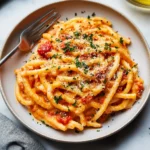
Creamy Vegan Red Pepper Pasta recipe
Ingredients
- 4 large Red Bell Peppers: Red bell peppers are the undisputed star of this recipe, providing the vibrant color, sweetness, and slightly smoky flavor that forms the foundation of the creamy sauce. It’s crucial to use red bell peppers, as they are the sweetest and most flavorful variety when roasted. Green bell peppers would be too bitter, and yellow or orange peppers, while sweeter than green, lack the depth of flavor of red peppers in this application. Look for firm, heavy red bell peppers with smooth, unblemished skin. Roasting the red bell peppers is essential, as it intensifies their natural sweetness, brings out a subtle smoky char, and makes them incredibly tender and easy to blend into a smooth sauce.
- 1 cup Raw Cashews, unsalted: Raw cashews are the secret weapon for achieving that incredible creamy texture in this vegan pasta sauce, without any dairy cream. Raw, unsalted cashews are essential because they have a neutral flavor and blend into an incredibly smooth and rich cream when soaked and processed. Raw cashews are important; roasted cashews will have a different flavor and may not blend as smoothly. Unsalted cashews allow you to control the salt level of the sauce. Soaking the cashews is absolutely crucial. Soaking softens them, making them blend into a perfectly velvety smooth cream and also making them easier to digest. You can soak cashews in hot water for about 30 minutes (quick soak method) or in cold water for at least 4 hours, or preferably overnight (traditional method). Properly soaked cashews are the key to achieving that luxuriously creamy vegan sauce.
- 1 pound Pasta (Penne, Spaghetti, or your favorite shape): Pasta is the hearty base of this dish, providing substance and a satisfying texture to complement the creamy red pepper sauce. Penne, spaghetti, rotini, fusilli, or shells all work wonderfully. Choose your favorite pasta shape based on your preference and what you have on hand. For a gluten-free option, use gluten-free pasta made from brown rice, quinoa, or corn. Whole wheat pasta can also be used for a more nutritious and nutty-flavored option. The pasta should be cooked al dente, meaning “to the tooth,” which is firm to the bite but not hard or crunchy. Cooking pasta al dente ensures it holds its shape and texture when combined with the sauce.
- 1 ½ cups Vegetable Broth (low sodium): Vegetable broth provides the liquid base for the sauce and adds a savory depth of flavor beyond just water. Low sodium vegetable broth is recommended to control the salt level in the sauce, as you can always add more salt to taste. Use a good quality vegetable broth for the best flavor. Homemade vegetable broth is ideal, but store-bought low-sodium vegetable broth is perfectly acceptable and convenient. The vegetable broth helps to thin the sauce to the desired consistency and contributes to the overall savory and umami notes.
- ¼ cup Nutritional Yeast: Nutritional yeast is a deactivated yeast that has a savory, nutty, and slightly cheesy flavor, making it a staple ingredient in vegan cooking for adding “cheesy” notes without dairy. Nutritional yeast is essential in this recipe for adding a subtle cheesy depth to the red pepper sauce, enhancing its savory flavor and making it more reminiscent of a traditional creamy pasta sauce. Look for fortified nutritional yeast, which is often enriched with B vitamins, adding a nutritional boost to the dish.
- 4 cloves Garlic: Garlic adds a pungent, savory, and aromatic base note to the sauce, complementing the sweetness of the roasted red peppers and enhancing the overall flavor complexity. Roasting the garlic cloves along with the red bell peppers mellows their sharpness and brings out their natural sweetness, creating a more nuanced garlic flavor in the sauce. Use fresh garlic cloves for the best flavor. Roast them whole with the red peppers, then peel them before blending into the sauce.
- 2 tablespoons Lemon Juice (freshly squeezed): Fresh lemon juice is crucial for brightening up the flavors of the creamy red pepper sauce and adding a zesty tang that balances the richness and sweetness. Use freshly squeezed lemon juice for the best flavor; avoid bottled lemon juice if possible. The acidity of the lemon juice cuts through the richness of the cashew cream and roasted red peppers, creating a more balanced and vibrant sauce.
- ¼ cup Olive Oil (extra virgin): Olive oil is used for roasting the red bell peppers and garlic, and also for sautéing any optional vegetables you might add to the pasta (like onions or mushrooms). Extra virgin olive oil is preferred for its flavor and health benefits. The olive oil helps the red peppers and garlic caramelize during roasting, enhancing their sweetness and flavor. It also adds richness and healthy fats to the dish.
- Salt and Black Pepper, to taste: Salt and black pepper are essential seasonings to enhance and balance all the flavors in the sauce and pasta. Kosher salt or sea salt is recommended for better flavor. Freshly ground black pepper is preferred for its more aromatic and robust flavor. Season generously, tasting and adjusting throughout the cooking process to achieve the perfect flavor balance.
Instructions
- Preheat Oven and Prepare Vegetables: Preheat your oven to 400°F (200°C). Wash and halve the red bell peppers lengthwise. Remove the seeds and membranes. Peel the garlic cloves, leaving them whole. Preheating the oven to the correct temperature is essential for proper roasting. Halving the peppers and removing seeds and membranes prepares them for roasting. Leaving garlic cloves whole allows them to roast gently and mellow in flavor.
- Roast Red Peppers and Garlic: Place the red bell pepper halves, cut-side down, and whole garlic cloves on a baking sheet lined with parchment paper. Drizzle with 2 tablespoons of olive oil and sprinkle with salt and pepper. Roast in the preheated oven for 25-30 minutes, or until the pepper skins are blistered and charred and the peppers are very soft. Roasting cut-side down helps the peppers soften and caramelize. Parchment paper prevents sticking and makes cleanup easier. Roasting until blistered and charred is key to developing the smoky sweetness of the peppers.
- Soak Cashews (While Vegetables Roast): While the red peppers and garlic are roasting, prepare the cashews. If using the quick soak method, place the raw cashews in a heatproof bowl and cover them with boiling water. Let them soak for 30 minutes. If using the traditional method, soak the cashews in cold water for at least 4 hours, or preferably overnight. Soaking softens the cashews for blending into a creamy sauce.
- Cook Pasta: While the vegetables are roasting and cashews are soaking, cook the pasta according to package directions in a large pot of salted boiling water until al dente. Reserve about ½ cup of pasta water before draining. Drain the pasta and set aside. Cooking pasta al dente ensures it holds its shape and texture. Reserving pasta water is important, as it can be used to adjust the sauce consistency later.
- Steam Peppers (Optional, for Easier Peeling): Once the roasted red peppers are done, you can steam them briefly to make peeling easier (optional step, but recommended). Transfer the hot roasted peppers to a heatproof bowl and cover the bowl tightly with plastic wrap or a plate. Let them steam for 10-15 minutes. Steaming loosens the skins, making them easier to peel.
- Peel and Blend Roasted Peppers and Garlic: After steaming (or directly after roasting if skipping steaming), peel the skins off the roasted red bell peppers. They should slip off easily. Squeeze the roasted garlic cloves out of their skins. Discard the skins of the peppers and garlic. Place the peeled roasted red peppers and roasted garlic cloves in a high-speed blender. Add the soaked cashews (drained), vegetable broth, nutritional yeast, lemon juice, remaining 2 tablespoons of olive oil, salt, and black pepper to the blender.
- Blend Sauce Until Smooth and Creamy: Blend all ingredients in the blender until completely smooth and creamy. You may need to stop and scrape down the sides of the blender a few times to ensure everything is fully incorporated. Blend for a minute or two until the sauce is velvety smooth and no cashew pieces remain. Blending until completely smooth is key to achieving the desired creamy sauce texture.
- Combine Sauce and Pasta: Pour the creamy red pepper sauce over the cooked and drained pasta in the pot you cooked the pasta in. Toss well to coat the pasta evenly with the sauce. Toss until the pasta is evenly coated and warmed through.
- Add Spinach and Cook Until Wilted: Add the fresh baby spinach to the pasta and sauce mixture. Cook over medium heat, stirring frequently, until the spinach is wilted and bright green, about 2-3 minutes. Spinach wilts quickly with the heat of the pasta and sauce.
- Adjust Consistency and Seasoning: If the sauce is too thick, add a little of the reserved pasta water, one tablespoon at a time, until it reaches your desired consistency. Taste the pasta and sauce and adjust seasoning with salt, pepper, or lemon juice to taste. Pasta water helps to thin the sauce and create a glossy, emulsified texture. Adjust seasoning to your personal preference.
- Serve and Garnish: Serve the Creamy Vegan Red Pepper Pasta hot, garnished with fresh basil, toasted pine nuts, and red pepper flakes (if using). Enjoy your delicious and healthy vegan pasta dish! Serve immediately for the best texture and flavor. Garnish adds visual appeal, fresh flavor, and textural contrast.
Nutrition
- Serving Size: one normal portion
- Calories: 400-550 kcal
- Sugar: 10-15g
- Sodium: 300-500mg
- Fat: 20-25g
- Saturated Fat: 3-4g
- Unsaturated Fat: 17-21g
- Carbohydrates: 55-70g
- Fiber: 8-10g
- Protein: 12-15g