
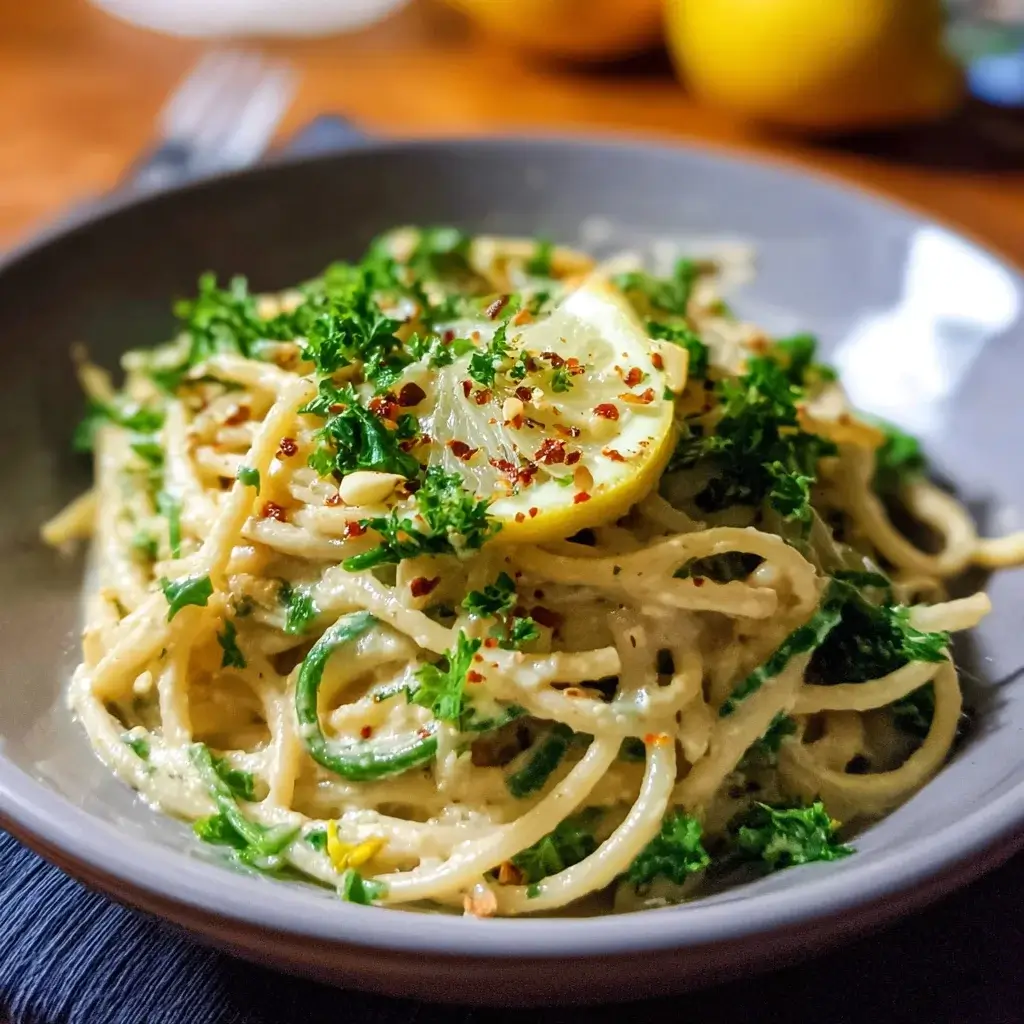

There are some recipes that feel like a secret weapon in the kitchen, and this Creamy Tahini Pasta with Lemon and Garlic is undoubtedly mine. I remember the first time I stumbled upon the idea. I was skeptical, to say the least. A pasta sauce with tahini as the base? It sounded like it belonged in a different culinary universe than my beloved Italian classics. But one busy Tuesday evening, with minimal ingredients in the fridge and a craving for something comforting yet quick, I decided to give it a try. The result was nothing short of a revelation. As I whisked the nutty tahini with bright lemon juice, pungent garlic, and a splash of hot pasta water, I watched in amazement as it transformed into a sauce with the texture of heavy cream. It was culinary magic happening right in my bowl. The final dish was a masterpiece of contrasts—impossibly creamy without a drop of dairy, deeply savory from the tahini, yet zesty and light from the fresh lemon. It has since become a staple in our home, the dish I turn to when I want something that feels both indulgent and wholesome, sophisticated and ridiculously simple. It’s a 20-minute miracle meal that never fails to impress, proving that sometimes the most unexpected combinations create the most unforgettable flavors.
Complete Recipe: Creamy Tahini Pasta with Lemon and Garlic
This vegan pasta recipe relies on a simple, brilliant technique where starchy pasta water emulsifies with tahini to create a luscious, dairy-free cream sauce. The beauty of this dish is its simplicity and the high-impact flavor derived from just a handful of pantry staples.
Ingredients for the Pasta and Sauce
- 1 lb (450g) pasta of your choice (linguine, spaghetti, or a short shape like fusilli or penne work beautifully)
- Salt for the pasta water
- 1/2 cup good-quality, runny tahini
- Juice of 1 large lemon (about 1/4 cup), plus more for serving
- 2-3 large cloves garlic, finely minced or grated
- 1/2 cup reserved hot pasta water, plus more as needed
- 2 tablespoons extra virgin olive oil
- 1/2 teaspoon salt (or to taste)
- 1/4 teaspoon black pepper
- 1/4 teaspoon red pepper flakes (optional, for a little heat)
Ingredients for Garnish and Serving (Optional)
- 1/4 cup fresh parsley, finely chopped
- 2 tablespoons toasted sesame seeds
- A drizzle of high-quality extra virgin olive oil
- Extra lemon wedges for squeezing
Step-by-Step Instructions
Follow these detailed instructions to achieve a perfectly creamy, flavorful, and emulsified tahini sauce every single time. The key is in the technique!
Part 1: Cooking the Pasta
- Boil the Water: Bring a large pot of water to a rolling boil.
- Salt Generously: Once boiling, add a generous amount of salt. The water should taste noticeably salty, like a mild seawater. This is your only opportunity to season the pasta itself, which is crucial for the overall flavor of the dish.
- Cook the Pasta: Add your chosen pasta to the boiling water and cook according to the package instructions until it reaches al dente. This means it should still have a slight, firm bite in the center. The pasta will cook a little more when tossed with the hot sauce, so you want to avoid overcooking it at this stage.
Part 2: Making the Magic Tahini Sauce
This is where the transformation happens. It’s best to make the sauce while the pasta is cooking so everything is ready at the same time.
- Combine Sauce Ingredients: In a medium-sized mixing bowl (large enough to potentially hold the pasta later, if you prefer), add the runny tahini, freshly squeezed lemon juice, minced garlic, extra virgin olive oil, salt, black pepper, and optional red pepper flakes.
- Whisk to Combine: Using a whisk, stir the ingredients together. At this point, the mixture will likely seize up, becoming very thick, pasty, and clumpy. Do not panic! This is a normal chemical reaction between the tahini and the acidic lemon juice. This is exactly what you want to see.
- Reserve Pasta Water: Just before you drain the pasta, use a mug or a heatproof measuring cup to carefully scoop out at least 1 cup of the hot, starchy pasta water. This cloudy water is the most important ingredient for your sauce.
- Create the Creamy Sauce: Slowly begin to add the hot pasta water to the tahini mixture, about one tablespoon at a time, while whisking vigorously. As you add the hot water, you will witness the sauce magically transform. It will go from a thick paste to a smooth, luscious, and incredibly creamy sauce. Continue adding pasta water until you reach your desired consistency. You’re aiming for a sauce that is about the thickness of heavy cream or a pourable pancake batter. You will likely use around 1/2 to 3/4 cup of the water.
- Taste and Adjust: Once the sauce is smooth, taste it. Now is the time to adjust the seasonings. Does it need more salt? More lemon for brightness? A little more heat? Adjust to your personal preference.
Part 3: Bringing It All Together
- Drain the Pasta: Drain the cooked pasta in a colander. Do not rinse it. The starch clinging to the outside of the pasta will help the sauce adhere beautifully.
- Combine and Toss: Immediately transfer the hot, drained pasta into the bowl with your prepared tahini sauce. Alternatively, you can return the pasta to its warm pot and pour the sauce over it.
- Toss Vigorously: Using tongs, toss the pasta and sauce together vigorously for about a minute. The heat from the pasta will warm the sauce through, and the tossing action will help the sauce coat every single noodle. If the sauce seems too thick and the pasta is clumping, add another splash of the reserved hot pasta water to loosen it until it’s perfectly creamy and coats the pasta evenly.
- Serve Immediately: This dish is best served immediately while it is warm and the sauce is at its creamiest. Divide the pasta among serving bowls. Garnish generously with chopped fresh parsley, a sprinkle of toasted sesame seeds, a final drizzle of good olive oil, and serve with an extra wedge of lemon on the side for those who like an extra citrusy kick.
Nutrition Facts
- Servings: 4-6 servings
- Calories per serving (approximate): 450-550 kcal
Disclaimer: The nutritional information is an estimate and will vary based on the specific type of pasta, brand of tahini, and optional garnishes used. This dish is naturally vegan and dairy-free.
Preparation Time
- Active Time: 10 minutes
- Total Time: 20 minutes
- Time Breakdown:
- Pasta Cooking: 10-12 minutes
- Sauce Preparation (done while pasta cooks): 5-7 minutes
- Final Assembly: 3 minutes
How to Serve This Versatile Pasta
This Creamy Tahini Pasta is a fantastic blank canvas. While delicious on its own, it can be easily elevated with toppings and sides to create a more substantial and texturally interesting meal.
- Boost the Protein:
- Crispy Roasted Chickpeas: Toss a can of chickpeas with olive oil, paprika, and salt, then roast at 400°F (200°C) until crispy. They add a wonderful crunch and plant-based protein.
- Sautéed Shrimp: Garlic-sautéed shrimp are a fantastic non-vegan addition.
- Grilled Chicken: Sliced grilled chicken breast pairs wonderfully with the lemon-garlic flavors.
- Add More Vegetables:
- Sautéed Greens: Wilt a large handful of spinach or kale into the pasta at the very end.
- Roasted Vegetables: Toss the pasta with pre-roasted broccoli, cauliflower, bell peppers, or asparagus. The caramelized flavor of the roasted veggies is a perfect complement.
- Fresh Vegetables: Halved cherry tomatoes or thinly sliced cucumber can be tossed in for a fresh, crisp contrast.
- Introduce More Texture and Flavor:
- Toasted Nuts: Toasted pine nuts, chopped walnuts, or slivered almonds add a delightful crunch.
- Fresh Herbs: While parsley is classic, fresh dill or mint can add an exciting and different flavor dimension.
- Cheese (for a non-vegan version): A crumble of salty feta or a sprinkle of grated Parmesan cheese over the top is a delicious addition.
- On the Side:
- Simple Salad: A simple green salad with a light vinaigrette is all you need.
- Pita Bread: Warm, soft pita bread is perfect for scooping up any leftover creamy sauce on the plate.
Additional Tips for Success
Master this recipe with these five essential tips that will ensure perfect results every time.
- Use High-Quality, Runny Tahini: The quality of your tahini is paramount to the success of this dish. Look for a brand that is smooth, pourable, and not overly bitter. Good tahini should have a consistency similar to natural peanut butter, where the oil might separate and need a good stir. Avoid the thick, dry paste often found at the bottom of an old jar, as it will be difficult to emulsify and may taste bitter.
- Embrace the Seizing Process: Many people panic when they first mix the tahini and lemon juice and it turns into a thick, unappealing clump. This is the most critical stage, and it’s supposed to happen! It’s the tahini’s fat reacting with the acid. This “seizing” is what allows the subsequent addition of hot water to create a stable, creamy emulsion. Trust the process.
- Don’t Underestimate the Pasta Water: This starchy, salty liquid is not just for thinning the sauce; it’s an active emulsifier. The starch molecules help bind the oil in the tahini and the water together, creating that signature creamy texture without any dairy. Always reserve more than you think you’ll need. If the pasta sits for a minute, it might absorb some sauce and thicken; another splash of pasta water will bring it right back to life.
- Balance the Flavors: Tahini can have a slightly bitter edge. The lemon juice is there to cut through the richness and bitterness. If you find your sauce is still a little bitter (which can happen with some brands of tahini), a tiny drizzle of maple syrup or a pinch of sugar (about 1/4 teaspoon) can balance it out perfectly without making the sauce sweet.
- Serve Immediately for Best Texture: This tahini sauce is at its absolute best when it’s freshly made and warm. As it cools, it will naturally thicken and can become a bit pasty. While leftovers are still delicious, they won’t have the same luxuriously creamy and flowing texture. If you are reheating leftovers, do so in a pan over low heat with a few tablespoons of water to help loosen the sauce and bring it back to a creamier state.
Frequently Asked Questions (FAQ)
Q1: Is this recipe vegan and dairy-free?
A: Yes, absolutely! One of the best things about this recipe is that it’s naturally vegan and dairy-free. The incredible creaminess comes from the emulsion of tahini and pasta water, not from any cream, milk, or cheese, making it a perfect choice for those following a plant-based diet or with dairy intolerances.
Q2: Can I make this recipe gluten-free?
A: Yes, this recipe is very easy to make gluten-free. Simply substitute your favorite brand of gluten-free pasta (lentil, chickpea, or brown rice pasta all work well). The only other consideration is that the starch content in the water of some gluten-free pastas can be different. You may need a little more or less water to get the sauce to the right consistency, but the technique remains the same.
Q3: My tahini sauce tastes bitter. How can I fix it?
A: A slight bitterness can be characteristic of tahini. To combat this, first ensure your tahini is fresh and of good quality. Second, make sure you have enough lemon juice to brighten the flavor. If it still tastes a bit bitter, the best trick is to add a small amount of sweetener to balance it out. A quarter-teaspoon of maple syrup or a pinch of sugar will neutralize the bitterness without making the dish sweet.
Q4: Can I make the tahini sauce ahead of time?
A: You can prepare the base of the sauce ahead of time by mixing the tahini, lemon juice, garlic, and seasonings. Store this thick paste in an airtight container in the refrigerator for up to 3-4 days. However, you should wait to add the hot pasta water until you are ready to serve. When it’s time to eat, cook your pasta, reserve the hot water, and then whisk it into your pre-made tahini base to create the fresh, creamy sauce.
Q5: Are there any substitutes for tahini if I have a sesame allergy?
A: Yes, while tahini is the star, you can achieve a similar creamy sauce with other nut or seed butters. For a nut-free option, sunflower seed butter is the best substitute. For a non-allergic alternative, creamy cashew butter or even almond butter can work. Be aware that each of these will impart its own distinct flavor to the final dish, so it will no longer be a classic “tahini pasta,” but it will still be a delicious, creamy pasta dish.
Creamy Tahini Pasta With Lemon and Garlic recipe
Ingredients
-
1 lb (450g) pasta of your choice (linguine, spaghetti, or a short shape like fusilli or penne work beautifully)
-
Salt for the pasta water
-
1/2 cup good-quality, runny tahini
-
Juice of 1 large lemon (about 1/4 cup), plus more for serving
-
2-3 large cloves garlic, finely minced or grated
-
1/2 cup reserved hot pasta water, plus more as needed
-
2 tablespoons extra virgin olive oil
-
1/2 teaspoon salt (or to taste)
-
1/4 teaspoon black pepper
-
1/4 teaspoon red pepper flakes (optional, for a little heat)
Ingredients for Garnish and Serving (Optional)
-
1/4 cup fresh parsley, finely chopped
-
2 tablespoons toasted sesame seeds
-
A drizzle of high-quality extra virgin olive oil
-
Extra lemon wedges for squeezing
Instructions
Part 1: Cooking the Pasta
-
Boil the Water: Bring a large pot of water to a rolling boil.
-
Salt Generously: Once boiling, add a generous amount of salt. The water should taste noticeably salty, like a mild seawater. This is your only opportunity to season the pasta itself, which is crucial for the overall flavor of the dish.
-
Cook the Pasta: Add your chosen pasta to the boiling water and cook according to the package instructions until it reaches al dente. This means it should still have a slight, firm bite in the center. The pasta will cook a little more when tossed with the hot sauce, so you want to avoid overcooking it at this stage.
Part 2: Making the Magic Tahini Sauce
This is where the transformation happens. It’s best to make the sauce while the pasta is cooking so everything is ready at the same time.
-
Combine Sauce Ingredients: In a medium-sized mixing bowl (large enough to potentially hold the pasta later, if you prefer), add the runny tahini, freshly squeezed lemon juice, minced garlic, extra virgin olive oil, salt, black pepper, and optional red pepper flakes.
-
Whisk to Combine: Using a whisk, stir the ingredients together. At this point, the mixture will likely seize up, becoming very thick, pasty, and clumpy. Do not panic! This is a normal chemical reaction between the tahini and the acidic lemon juice. This is exactly what you want to see.
-
Reserve Pasta Water: Just before you drain the pasta, use a mug or a heatproof measuring cup to carefully scoop out at least 1 cup of the hot, starchy pasta water. This cloudy water is the most important ingredient for your sauce.
-
Create the Creamy Sauce: Slowly begin to add the hot pasta water to the tahini mixture, about one tablespoon at a time, while whisking vigorously. As you add the hot water, you will witness the sauce magically transform. It will go from a thick paste to a smooth, luscious, and incredibly creamy sauce. Continue adding pasta water until you reach your desired consistency. You’re aiming for a sauce that is about the thickness of heavy cream or a pourable pancake batter. You will likely use around 1/2 to 3/4 cup of the water.
-
Taste and Adjust: Once the sauce is smooth, taste it. Now is the time to adjust the seasonings. Does it need more salt? More lemon for brightness? A little more heat? Adjust to your personal preference.
Part 3: Bringing It All Together
-
Drain the Pasta: Drain the cooked pasta in a colander. Do not rinse it. The starch clinging to the outside of the pasta will help the sauce adhere beautifully.
-
Combine and Toss: Immediately transfer the hot, drained pasta into the bowl with your prepared tahini sauce. Alternatively, you can return the pasta to its warm pot and pour the sauce over it.
-
Toss Vigorously: Using tongs, toss the pasta and sauce together vigorously for about a minute. The heat from the pasta will warm the sauce through, and the tossing action will help the sauce coat every single noodle. If the sauce seems too thick and the pasta is clumping, add another splash of the reserved hot pasta water to loosen it until it’s perfectly creamy and coats the pasta evenly.
-
Serve Immediately: This dish is best served immediately while it is warm and the sauce is at its creamiest. Divide the pasta among serving bowls. Garnish generously with chopped fresh parsley, a sprinkle of toasted sesame seeds, a final drizzle of good olive oil, and serve with an extra wedge of lemon on the side for those who like an extra citrusy kick.
Nutrition
- Serving Size: one normal portion
- Calories: 450-550 kcal