
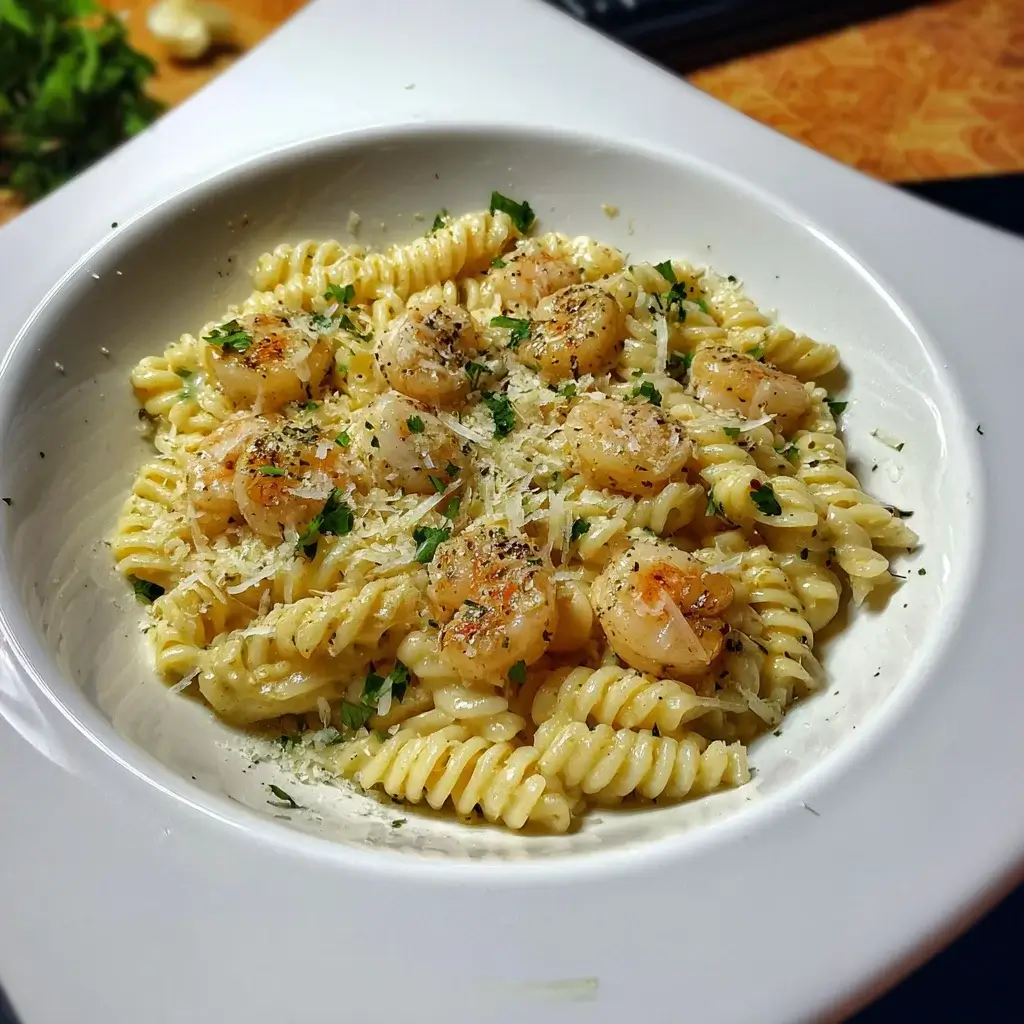
There are meals that feed you, and then there are meals that feel like a luxurious escape. This Creamy Shrimp Pasta firmly belongs in the latter category. I first made it on a date night in, wanting to create something that felt elegant and special without spending hours in the kitchen or dirtying every pot and pan I own. I was skeptical that I could achieve a truly restaurant-quality dish in under 30 minutes, but the moment I took the first bite, I was a believer. The plump, juicy shrimp, perfectly seared with a hint of garlic, were a delight. But the sauce—oh, the sauce! It was velvety smooth, clinging to every strand of fettuccine, a rich and savory symphony of cream, Parmesan, and a whisper of white wine. My partner was floored, asking which high-end restaurant I’d ordered from. It has since become our signature special occasion meal, our go-to for celebrating small victories, and my secret weapon for turning a regular Tuesday into a five-star dining experience. It’s a dish that proves you don’t need a culinary degree to create something truly spectacular.
An Elegant Escape: The Ultimate Creamy Shrimp Pasta Recipe
Welcome to a recipe that promises elegance on a weeknight timeline. This Creamy Shrimp Pasta is a masterclass in culinary efficiency, delivering a dish that is deeply comforting, incredibly sophisticated, and astonishingly easy to make. This isn’t just another pasta dish; it’s a perfectly balanced plate of plump, succulent shrimp, tossed in a luscious, garlic-infused cream sauce that’s both rich and light, all lovingly coating tender strands of pasta.
The secret to its success lies in a few key techniques: quickly searing the shrimp to lock in their moisture, building a flavorful pan sauce using the delicious browned bits left behind, and using a splash of starchy pasta water to create a silky, emulsified sauce that never feels heavy or greasy. In this comprehensive guide, we’ll walk you through every step, from selecting the best shrimp to mastering the art of the perfect cream sauce. Prepare to impress yourself and anyone lucky enough to share your table with this show-stopping, one-pan-wonder of a meal.
Gather Your Ingredients for a Luscious Pasta Night
A dish of this caliber is built on a foundation of quality ingredients. Each component plays a crucial role in creating the final harmony of flavors and textures. Here’s what you’ll need to assemble this creamy delight.
- Shrimp: 1 lb large or jumbo raw shrimp, peeled and deveined. The star of the show! Using large or jumbo shrimp (21-25 or 16-20 count per pound) ensures they remain plump and juicy after cooking. Raw shrimp are essential, as they will release flavor into the pan and cook to the perfect texture. Pre-cooked shrimp will become tough and rubbery. You can buy them already peeled and deveined to save significant prep time.
- Pasta: 12 ounces of long pasta (e.g., fettuccine, linguine, spaghetti, or pappardelle). Long, flat pasta like fettuccine or linguine is classic for cream sauces, as it provides plenty of surface area for the sauce to cling to. However, shapes like penne or fusilli also work well if that’s what you have on hand.
- Olive Oil & Butter: 1 tablespoon of olive oil and 2 tablespoons of unsalted butter. This combination is perfect for sautéing. The olive oil’s higher smoke point prevents the butter from burning, while the butter provides unparalleled richness and flavor to the sauce.
- Garlic: 5-6 cloves, minced. This is not a time for subtlety. A generous amount of freshly minced garlic is the aromatic heart of this dish, infusing the entire sauce with its pungent, savory flavor. Do not substitute with garlic powder; the fresh stuff is non-negotiable here.
- Dry White Wine: ¼ cup (e.g., Pinot Grigio, Sauvignon Blanc, or an unoaked Chardonnay). This is a key flavor-building ingredient. The wine deglazes the pan, lifting all the delicious browned shrimp bits, and its acidity cuts through the richness of the cream, balancing the sauce beautifully. If you don’t cook with alcohol, you can substitute with an equal amount of chicken or vegetable broth with a teaspoon of lemon juice.
- Heavy Cream: 1 cup. For a truly luscious and stable cream sauce, heavy cream (or heavy whipping cream) is the best choice. Its high fat content ensures it won’t curdle when simmered and creates a velvety texture.
- Parmesan Cheese: ¾ cup, freshly grated, plus more for serving. The salty, nutty flavor of Parmigiano-Reggiano is the perfect complement to the cream and garlic. It’s crucial to use a block of cheese and grate it yourself. Pre-shredded cheese contains anti-caking agents that can make your sauce grainy.
- Seasoning: Salt and freshly ground black pepper. To season the shrimp and the final sauce.
- Red Pepper Flakes: ¼ teaspoon (optional). For a gentle warmth that contrasts wonderfully with the creamy sauce. Adjust the amount based on your spice preference.
- Fresh Parsley: ¼ cup, finely chopped. Added at the end, fresh parsley provides a burst of clean, herbaceous flavor and a pop of vibrant green color that brightens the entire dish.
Crafting Your Creamy Shrimp Pasta: A Step-by-Step Guide
Follow this detailed method to build layers of flavor and achieve a perfect, restaurant-quality pasta dish in your own kitchen.
Step 1: Prepare the Pasta and Shrimp
Bring a large pot of water to a rolling boil. Salt it generously—it should taste like the ocean. This seasons the pasta from the inside out. Add your pasta and cook according to the package instructions until it is al dente (tender but with a firm bite).
While the pasta is cooking, prepare your shrimp. Pat them completely dry with paper towels. This is a critical step to ensure they sear properly rather than steam in the pan. Season the dry shrimp generously with salt and pepper.
Just before you drain the pasta, reserve about 1½ cups of the starchy pasta water. This is your secret weapon for a perfect sauce. Drain the pasta and set it aside.
Step 2: Sear the Shrimp to Perfection
In a large, deep skillet or Dutch oven, heat the olive oil and 1 tablespoon of the butter over medium-high heat. Once the butter is melted and foaming, add the seasoned shrimp to the pan in a single layer. Be careful not to overcrowd the skillet; work in two batches if necessary.
Cook the shrimp for 1-2 minutes per side, just until they turn pink and opaque and develop a light golden sear. The biggest mistake is overcooking shrimp, which makes them tough. Remove the seared shrimp from the skillet immediately and set them aside on a plate. They will finish cooking later in the sauce.
Step 3: Build the Aromatic Sauce Base
Reduce the heat to medium. Add the remaining 1 tablespoon of butter to the same skillet. Once it’s melted, add the minced garlic and the optional red pepper flakes. Sauté for about 30-60 seconds, stirring constantly, until the garlic is fragrant. Be very careful not to let the garlic brown or burn, as it will become bitter.
Step 4: Deglaze and Create the Creamy Sauce
Pour the dry white wine into the skillet. It will sizzle and steam. Use a wooden spoon to scrape up all the flavorful browned bits (fond) from the bottom of the pan. This process, called deglazing, is where a massive amount of flavor is unlocked. Let the wine simmer and reduce by about half, which should take 1-2 minutes.
Lower the heat to medium-low. Slowly pour in the heavy cream, stirring to combine with the wine and garlic reduction. Bring the sauce to a gentle simmer (do not let it boil vigorously) and let it cook for 2-3 minutes, allowing it to thicken slightly.
Step 5: Marry the Sauce, Pasta, and Shrimp
Remove the skillet from the heat. Gradually stir in the freshly grated Parmesan cheese until it has completely melted and the sauce is smooth.
Return the cooked pasta to the skillet with the sauce. Add the seared shrimp (along with any juices that have accumulated on the plate) and the chopped fresh parsley.
Add about ½ cup of the reserved hot pasta water to the skillet. Toss everything together vigorously using a pair of tongs. The starchy pasta water will emulsify with the cream sauce, helping it cling to every noodle and creating a perfectly silky, non-greasy consistency. If the sauce seems too thick, add more pasta water, a tablespoon at a time, until it reaches your desired creaminess.
Step 6: Serve and Garnish
Taste the pasta and adjust the seasoning with more salt and pepper if needed. Serve immediately in warm bowls, garnished with a generous sprinkle of extra Parmesan cheese and more fresh parsley.
Nutrition Facts
This is a rich and decadent dish, perfect for a special meal. The following is an estimate based on the recipe serving 4 people.
- Servings: 4
- Calories per serving: Approximately 700-800 kcal
Nutritional Highlights:
- Excellent Source of Protein: The shrimp provides a significant amount of high-quality, lean protein (around 25-30g per serving).
- Rich in Selenium: Shrimp are one of the best food sources of selenium, an important antioxidant that helps prevent cell damage.
- Energy-Providing: The pasta offers complex carbohydrates for sustained energy.
Disclaimer: The nutritional information provided is an estimate and can vary based on the specific ingredients, portion sizes, and brands used.
Preparation Time
This elegant meal comes together with impressive speed, making it achievable even on a busy evening.
- Prep Time: 15 minutes (peeling/deveining shrimp, mincing garlic, chopping parsley)
- Cook Time: 20 minutes
- Total Time: Approximately 35 minutes
How to Serve Your Creamy Shrimp Pasta
This dish is a showstopper on its own, but pairing it with the right accompaniments will create a truly memorable dining experience.
- Classic Side Dishes:
- Crusty Garlic Bread: Absolutely essential for sopping up every last drop of the glorious creamy sauce.
- A Simple Green Salad: A crisp salad with a bright, acidic lemon or balsamic vinaigrette is the perfect counterpoint to the rich pasta. Think arugula, shaved fennel, and a light dressing.
- Roasted or Steamed Vegetables: A side of roasted asparagus, steamed broccoli, or green beans adds color and a dose of healthy greens.
- Wine Pairings:
- Sauvignon Blanc: Its crisp acidity and citrus notes cut through the richness of the cream sauce beautifully.
- Pinot Grigio: A light, dry Pinot Grigio is another excellent choice that complements the delicate flavor of the shrimp.
- Unoaked Chardonnay: A crisp, unoaked Chardonnay has enough body to stand up to the cream sauce without overwhelming it.
- Final Flourishes and Garnishes:
- Fresh Lemon Zest: A sprinkle of lemon zest over the top just before serving adds a wonderful brightness and fresh aroma.
- Extra Parmesan: Always offer more freshly grated Parmesan at the table.
- High-Quality Finishing Oil: A tiny drizzle of a peppery, high-quality extra virgin olive oil can add a final layer of complexity.
5 Additional Tips for a Flawless Pasta
Master these five essential tips to ensure your Creamy Shrimp Pasta is perfect every single time.
1. The Two-Minute Shrimp Rule: Do Not Overcook!
This is the most important rule for cooking with shrimp. They cook incredibly fast. A perfectly cooked shrimp is tender, juicy, and C-shaped. An overcooked shrimp is tough, rubbery, and curls into a tight O-shape. Sear them for just 1-2 minutes per side until they are just pink, then remove them from the pan. They will finish cooking gently when you return them to the warm sauce at the end.
2. Pasta Water is Liquid Gold:
Never discard all your pasta water. The starchy, salty water is the key to creating a restaurant-quality sauce. The starch acts as an emulsifier, binding the fat from the cream and butter to the liquid, creating a sauce that is silky and creamy rather than oily. It also helps the sauce adhere perfectly to the pasta. Always reserve more than you think you’ll need.
3. Build Flavor from the “Fond”:
The French call the browned bits left in the pan after searing meat or seafood fond, which means “foundation.” This is where an immense amount of concentrated flavor lies. When you deglaze the pan with white wine, you are lifting that foundation and incorporating it directly into your sauce, giving it a savory depth that you can’t get any other way.
4. Grate Your Own Cheese, Always:
It bears repeating: for the smoothest, most flavorful cream sauce, you must grate your own Parmesan from a block. The cellulose and starches added to pre-shredded cheese to prevent clumping will inhibit melting and create a grainy, separated texture in your sauce. This small step makes a massive difference.
5. Control the Heat with Your Cream Sauce:
Cream sauces can be delicate. To prevent your sauce from breaking or becoming oily, maintain gentle, controlled heat. Never let the cream come to a rolling boil. Add the Parmesan cheese off the heat to allow it to melt gently into the warm sauce rather than seizing up from high temperatures.
Frequently Asked Questions (FAQ)
Here are the answers to some of the most common questions about making this creamy, dreamy pasta dish.
1. Can I use frozen shrimp for this recipe?
Yes, frozen shrimp work wonderfully and are often more convenient and affordable. For the best results, thaw them properly first. The ideal way is to place them in a colander in the refrigerator overnight. For a quicker method, you can place the frozen shrimp in a colander and run cold (never warm or hot) water over them for 5-10 minutes until thawed. Most importantly, after thawing, pat them completely dry with paper towels before seasoning.
2. How can I make this dish spicy?
This recipe is easy to customize for heat lovers! The simplest way is to increase the amount of red pepper flakes you add with the garlic—try ½ teaspoon for a medium kick or more for a fiery dish. You could also add a finely minced fresh chili, like a Fresno or serrano pepper, and sauté it with the garlic for a brighter, fresher heat.
3. I don’t have heavy cream. What can I use instead?
While heavy cream provides the richest, most stable sauce, you can make substitutions. Half-and-half is the next best option. It has less fat, so you’ll need to be more careful with the heat to prevent curdling, and the sauce will be slightly thinner. For a dairy-free option, full-fat canned coconut milk can work, but it will impart a distinct coconut flavor. A store-bought cashew cream would be a more neutral-tasting dairy-free alternative.
4. What other vegetables or proteins could I add?
This dish is a fantastic base for additions. For vegetables, consider adding a cup of frozen peas, chopped asparagus, or fresh spinach to the sauce during the last few minutes of cooking. Sautéed mushrooms or sun-dried tomatoes would also be delicious. For a “surf and turf” vibe, you could add some browned pancetta or crumbled Italian sausage.
5. How do I reheat leftovers without the sauce breaking?
Reheating cream sauces can be tricky. The best method is to do it low and slow on the stovetop. Place the leftover pasta in a skillet over low heat. Add a splash of milk, cream, or chicken broth to the pan. This extra liquid will help rehydrate the sauce and bring back its creamy consistency as it gently warms. Stir frequently until it’s heated through. Avoid using the microwave, as its intense heat can cause the sauce to separate and the shrimp to become rubbery.
Creamy Shrimp Pasta recipe
Ingredients
-
Shrimp: 1 lb large or jumbo raw shrimp, peeled and deveined. The star of the show! Using large or jumbo shrimp (21-25 or 16-20 count per pound) ensures they remain plump and juicy after cooking. Raw shrimp are essential, as they will release flavor into the pan and cook to the perfect texture. Pre-cooked shrimp will become tough and rubbery. You can buy them already peeled and deveined to save significant prep time.
-
Pasta: 12 ounces of long pasta (e.g., fettuccine, linguine, spaghetti, or pappardelle). Long, flat pasta like fettuccine or linguine is classic for cream sauces, as it provides plenty of surface area for the sauce to cling to. However, shapes like penne or fusilli also work well if that’s what you have on hand.
-
Olive Oil & Butter: 1 tablespoon of olive oil and 2 tablespoons of unsalted butter. This combination is perfect for sautéing. The olive oil’s higher smoke point prevents the butter from burning, while the butter provides unparalleled richness and flavor to the sauce.
-
Garlic: 5-6 cloves, minced. This is not a time for subtlety. A generous amount of freshly minced garlic is the aromatic heart of this dish, infusing the entire sauce with its pungent, savory flavor. Do not substitute with garlic powder; the fresh stuff is non-negotiable here.
-
Dry White Wine: ¼ cup (e.g., Pinot Grigio, Sauvignon Blanc, or an unoaked Chardonnay). This is a key flavor-building ingredient. The wine deglazes the pan, lifting all the delicious browned shrimp bits, and its acidity cuts through the richness of the cream, balancing the sauce beautifully. If you don’t cook with alcohol, you can substitute with an equal amount of chicken or vegetable broth with a teaspoon of lemon juice.
-
Heavy Cream: 1 cup. For a truly luscious and stable cream sauce, heavy cream (or heavy whipping cream) is the best choice. Its high fat content ensures it won’t curdle when simmered and creates a velvety texture.
-
Parmesan Cheese: ¾ cup, freshly grated, plus more for serving. The salty, nutty flavor of Parmigiano-Reggiano is the perfect complement to the cream and garlic. It’s crucial to use a block of cheese and grate it yourself. Pre-shredded cheese contains anti-caking agents that can make your sauce grainy.
-
Seasoning: Salt and freshly ground black pepper. To season the shrimp and the final sauce.
-
Red Pepper Flakes: ¼ teaspoon (optional). For a gentle warmth that contrasts wonderfully with the creamy sauce. Adjust the amount based on your spice preference.
-
Fresh Parsley: ¼ cup, finely chopped. Added at the end, fresh parsley provides a burst of clean, herbaceous flavor and a pop of vibrant green color that brightens the entire dish.
Instructions
Step 1: Prepare the Pasta and Shrimp
Bring a large pot of water to a rolling boil. Salt it generously—it should taste like the ocean. This seasons the pasta from the inside out. Add your pasta and cook according to the package instructions until it is al dente (tender but with a firm bite).
While the pasta is cooking, prepare your shrimp. Pat them completely dry with paper towels. This is a critical step to ensure they sear properly rather than steam in the pan. Season the dry shrimp generously with salt and pepper.
Just before you drain the pasta, reserve about 1½ cups of the starchy pasta water. This is your secret weapon for a perfect sauce. Drain the pasta and set it aside.
Step 2: Sear the Shrimp to Perfection
In a large, deep skillet or Dutch oven, heat the olive oil and 1 tablespoon of the butter over medium-high heat. Once the butter is melted and foaming, add the seasoned shrimp to the pan in a single layer. Be careful not to overcrowd the skillet; work in two batches if necessary.
Cook the shrimp for 1-2 minutes per side, just until they turn pink and opaque and develop a light golden sear. The biggest mistake is overcooking shrimp, which makes them tough. Remove the seared shrimp from the skillet immediately and set them aside on a plate. They will finish cooking later in the sauce.
Step 3: Build the Aromatic Sauce Base
Reduce the heat to medium. Add the remaining 1 tablespoon of butter to the same skillet. Once it’s melted, add the minced garlic and the optional red pepper flakes. Sauté for about 30-60 seconds, stirring constantly, until the garlic is fragrant. Be very careful not to let the garlic brown or burn, as it will become bitter.
Step 4: Deglaze and Create the Creamy Sauce
Pour the dry white wine into the skillet. It will sizzle and steam. Use a wooden spoon to scrape up all the flavorful browned bits (fond) from the bottom of the pan. This process, called deglazing, is where a massive amount of flavor is unlocked. Let the wine simmer and reduce by about half, which should take 1-2 minutes.
Lower the heat to medium-low. Slowly pour in the heavy cream, stirring to combine with the wine and garlic reduction. Bring the sauce to a gentle simmer (do not let it boil vigorously) and let it cook for 2-3 minutes, allowing it to thicken slightly.
Step 5: Marry the Sauce, Pasta, and Shrimp
Remove the skillet from the heat. Gradually stir in the freshly grated Parmesan cheese until it has completely melted and the sauce is smooth.
Return the cooked pasta to the skillet with the sauce. Add the seared shrimp (along with any juices that have accumulated on the plate) and the chopped fresh parsley.
Add about ½ cup of the reserved hot pasta water to the skillet. Toss everything together vigorously using a pair of tongs. The starchy pasta water will emulsify with the cream sauce, helping it cling to every noodle and creating a perfectly silky, non-greasy consistency. If the sauce seems too thick, add more pasta water, a tablespoon at a time, until it reaches your desired creaminess.
Step 6: Serve and Garnish
Taste the pasta and adjust the seasoning with more salt and pepper if needed. Serve immediately in warm bowls, garnished with a generous sprinkle of extra Parmesan cheese and more fresh parsley.
Nutrition
- Serving Size: one normal portion
- Calories: 700-800 kcal