
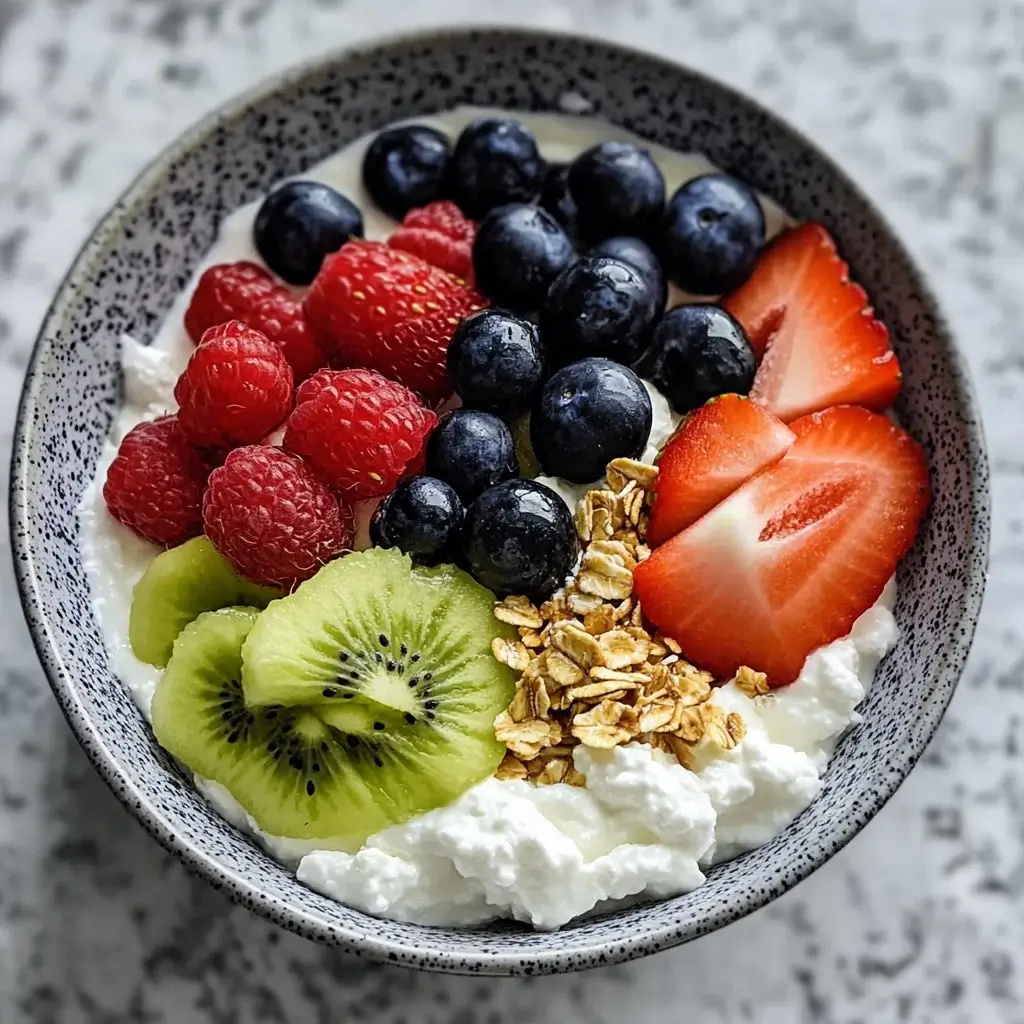

It was one of those mornings where time seemed to slip through my fingers like sand. I needed breakfast, and I needed it now. Rummaging through the fridge, my gaze landed on a tub of cottage cheese and a vibrant bowl of mixed berries. A lightbulb moment! Cottage cheese with fruit – a classic combination I’d almost forgotten in the hustle of elaborate breakfasts. In minutes, I had a bowl of creamy, slightly tangy cottage cheese studded with the juicy sweetness of blueberries, raspberries, and strawberries. The first spoonful was pure bliss – a delightful contrast of textures and flavors, satisfying yet light, and incredibly refreshing. It was so simple, so wholesome, and utterly delicious. That morning marked a rediscovery of sorts. Cottage cheese with fruit isn’t just a quick fix; it’s a powerhouse snack, a versatile breakfast, and even a surprisingly elegant dessert. It’s become my go-to for a healthy and satisfying meal or snack, and I’m excited to share the simple magic of this incredibly easy and nutritious combination with you.
Ingredients
The beauty of Cottage Cheese with Fruit lies in its minimalist ingredient list, emphasizing fresh, wholesome components that come together to create a symphony of flavors and textures. While incredibly simple, understanding each ingredient allows you to customize and elevate this dish to your personal preferences. Let’s explore the key ingredients and discuss variations to create your perfect Cottage Cheese with Fruit masterpiece.
- Cottage Cheese (1 cup per serving): The heart of this dish, cottage cheese provides a creamy, slightly tangy base and a protein punch that makes it incredibly satisfying. You’ll need approximately 1 cup of cottage cheese per serving, but feel free to adjust to your hunger levels. Choosing the Right Cottage Cheese:
- Fat Content: Cottage cheese comes in various fat percentages: nonfat, 1%, 2%, and full-fat (4%). The fat content significantly impacts the texture and flavor.
- Nonfat Cottage Cheese: Offers the lowest calories and fat, but can be drier and less creamy. It’s a great option for those watching their fat intake closely.
- 1% and 2% Cottage Cheese (Low-fat): Provide a good balance of creaminess and lower fat content. These are versatile and widely available options.
- Full-Fat Cottage Cheese (4% Milkfat): Offers the richest flavor and creamiest texture, closer to ricotta cheese. It’s more indulgent and satisfying but higher in calories and fat.
- Curd Size: Cottage cheese is also categorized by curd size: small curd, medium curd, and large curd.
- Small Curd Cottage Cheese: Features tiny, delicate curds and a slightly wetter texture. It’s often preferred for its smooth consistency.
- Large Curd Cottage Cheese: Has larger, more distinct curds and a chunkier texture. Some prefer the more pronounced texture of large curd cottage cheese.
- Medium Curd Cottage Cheese: A good middle ground, offering a balance of texture.
- Sodium Content: Pay attention to sodium levels, especially if you are sodium-sensitive. Opt for low-sodium or no-salt-added cottage cheese when possible.
- Organic vs. Conventional: Choose organic cottage cheese if you prefer to avoid pesticides and support organic dairy farming.
- Lactose-Free Options: For those with lactose intolerance, lactose-free cottage cheese is readily available, allowing everyone to enjoy this dish.
- Fat Content: Cottage cheese comes in various fat percentages: nonfat, 1%, 2%, and full-fat (4%). The fat content significantly impacts the texture and flavor.
- Fresh Fruit (1-2 cups per serving): The vibrant sweetness and juicy texture of fresh fruit are the perfect counterpoint to the creamy tang of cottage cheese. Aim for 1 to 2 cups of fresh fruit per serving, depending on your preference and the fruit’s density. Variety of Fruits to Choose From:
- Berries (Strawberries, Blueberries, Raspberries, Blackberries): Berries are nutritional powerhouses, packed with antioxidants, vitamins, and fiber. They are naturally sweet and add beautiful color. Mixed berries offer a diverse range of flavors and nutrients.
- Melon (Cantaloupe, Watermelon, Honeydew): Melon provides a refreshing sweetness and high water content, making it incredibly hydrating. Diced melon adds a juicy and cooling element.
- Stone Fruit (Peaches, Nectarines, Plums, Cherries): Stone fruits offer a richer sweetness and slightly denser texture. Sliced peaches, nectarines, or plums, or pitted cherries, bring a delightful summer flavor.
- Tropical Fruit (Pineapple, Mango, Papaya, Kiwi): Tropical fruits add a vibrant, tangy sweetness and exotic flair. Diced pineapple, mango, papaya, or kiwi provide a burst of tropical flavor.
- Apples and Pears (Diced): Diced apples and pears, especially crisp varieties, offer a satisfying crunch and subtle sweetness. Consider varieties like Honeycrisp, Fuji, or Gala apples, and Bartlett or Anjou pears.
- Bananas (Sliced): Sliced bananas add creaminess and natural sweetness. They are a good source of potassium.
- Citrus Fruits (Orange Segments, Grapefruit Segments): Citrus fruits offer a tangy and zesty brightness that can balance the richness of cottage cheese. Orange or grapefruit segments add a refreshing twist.
- Optional Enhancements (To Customize Flavor and Texture): While Cottage Cheese with Fruit is delicious on its own, a few optional additions can elevate it further and cater to your specific taste preferences.
- Honey or Maple Syrup (Drizzle): A drizzle of honey or maple syrup can enhance the sweetness, especially if using less sweet fruits or nonfat cottage cheese. Use sparingly to maintain its healthy profile.
- Nuts and Seeds (Sprinkle): Adding nuts and seeds like almonds, walnuts, pecans, chia seeds, flax seeds, or sunflower seeds provides a satisfying crunch, healthy fats, and extra nutrients. Toasted nuts offer a richer flavor.
- Granola (Sprinkle): A sprinkle of granola adds sweetness, crunch, and texture. Choose a granola with lower sugar content for a healthier option.
- Cinnamon or Nutmeg (Pinch): A pinch of cinnamon or nutmeg adds warmth and spice, complementing both cottage cheese and fruit beautifully.
- Vanilla Extract (Dash): A dash of vanilla extract enhances the overall sweetness and aroma.
- Fresh Mint or Basil (Chopped): Chopped fresh mint or basil adds a refreshing herbaceous note, especially with berries or melon.
- Lemon or Lime Zest (Grate): A grating of lemon or lime zest adds a citrusy brightness and aroma.
- Protein Powder (Scoop, Optional): For an extra protein boost, especially post-workout, you can mix in a scoop of your favorite protein powder (vanilla or unflavored works well).
By thoughtfully selecting your cottage cheese, choosing a variety of fresh, seasonal fruits, and considering optional enhancements, you can create a personalized and incredibly satisfying Cottage Cheese with Fruit dish that caters perfectly to your taste and nutritional needs.
Instructions
Preparing Cottage Cheese with Fruit is so simple, it barely qualifies as a recipe! It’s more of an assembly process, taking mere minutes to create a nutritious and delicious snack or meal. Here are the effortless instructions:
- Prepare the Fruit: Wash your chosen fresh fruit thoroughly. Depending on the type of fruit, you may need to chop or slice it into bite-sized pieces.
- Berries: Strawberries may need to be hulled and sliced. Blueberries, raspberries, and blackberries can be used whole or halved if very large.
- Melon: Cut melon into cubes or use a melon baller for a decorative touch.
- Stone Fruit: Pit and slice peaches, nectarines, plums, or cherries.
- Tropical Fruit: Peel and dice pineapple, mango, papaya, or kiwi.
- Apples and Pears: Wash, core (optional), and dice apples and pears.
- Bananas: Slice bananas into rounds.
- Citrus Fruits: Segment oranges or grapefruits, removing membranes.
- Portion Cottage Cheese: Scoop approximately 1 cup of your chosen cottage cheese into a bowl or serving dish. Adjust the amount based on your hunger level.
- Arrange Fruit Over Cottage Cheese: Arrange the prepared fruit over or around the cottage cheese. You can layer the fruit attractively or simply scatter it on top. Get creative with your presentation to make it visually appealing.
- Add Optional Enhancements (If Desired): If using any optional enhancements, now is the time to add them.
- Sweetness: Drizzle honey or maple syrup lightly over the fruit and cottage cheese.
- Crunch: Sprinkle nuts, seeds, or granola over the top.
- Spice: Dust with a pinch of cinnamon or nutmeg.
- Flavor Boost: Add a dash of vanilla extract, chopped fresh mint or basil, or lemon/lime zest.
- Protein: Stir in a scoop of protein powder (mix protein powder with a little milk or water first for smoother incorporation if needed).
- Serve Immediately or Chill (Optional): Cottage Cheese with Fruit can be enjoyed immediately at room temperature, or you can chill it in the refrigerator for 15-30 minutes for a colder, more refreshing snack, especially on a warm day. Chilling also allows the flavors to meld slightly.
That’s all there is to it! In just minutes, you have a healthy, satisfying, and delicious Cottage Cheese with Fruit snack or meal ready to enjoy. Its simplicity is part of its charm, making it perfect for busy mornings, quick snacks, or light desserts.
Nutrition Facts
Cottage Cheese with Fruit is not only a delicious and convenient snack but also a nutritional powerhouse. It’s a balanced combination of protein, carbohydrates, vitamins, and minerals, making it a smart choice for a healthy diet. The nutrition facts will vary depending on the type of cottage cheese and fruit used, as well as any optional additions. The following nutrition information is an estimate for a serving of 1 cup of 2% milkfat cottage cheese and 1 cup of mixed berries (strawberries, blueberries, raspberries, blackberries), without added sweeteners or toppings.
Serving Size: 1 serving (approximately 1 cup cottage cheese + 1 cup mixed berries)
Approximate Calories per Serving: 200-250 calories
Macronutrients (Approximate Values per Serving):
- Protein: 25-30 grams (High in protein, primarily from cottage cheese)
- Fat: 5-8 grams (From 2% milkfat cottage cheese. Nonfat will be lower, full-fat higher)
- Carbohydrates: 20-25 grams
- Fiber: 5-7 grams (From berries, contributes to satiety and digestive health)
- Sugars: 12-15 grams (Naturally occurring sugars from fruit and lactose in cottage cheese)
Micronutrients (Significant Vitamins and Minerals – Varies based on fruit and cottage cheese):
- Calcium: Cottage cheese is a good source of calcium, essential for bone health, muscle function, and nerve transmission.
- Vitamin B12: Cottage cheese provides Vitamin B12, important for nerve function, red blood cell formation, and DNA synthesis.
- Phosphorus: Cottage cheese is a source of phosphorus, crucial for bone health, energy production, and cell function.
- Potassium: Fruits, especially bananas and melons, are good sources of potassium, an electrolyte important for blood pressure regulation, nerve function, and muscle contractions. Berries also contribute potassium.
- Vitamin C: Berries are excellent sources of Vitamin C, a powerful antioxidant that supports immune function, skin health, and iron absorption.
- Antioxidants: Berries are rich in antioxidants, which help protect cells from damage and may reduce the risk of chronic diseases.
- Other Vitamins and Minerals: Depending on the fruit chosen, you’ll also get other vitamins and minerals like Vitamin K, manganese, folate, and more.
Health Benefits Highlighted:
- High in Protein: Excellent source of lean protein, crucial for muscle building and repair, satiety, and weight management. Protein helps you feel fuller for longer, reducing cravings and overeating.
- Relatively Low in Calories: Provides a satisfying and nutrient-dense snack or meal with a moderate calorie count, making it suitable for weight management.
- Good Source of Calcium: Contributes to bone health and overall well-being.
- Rich in Vitamins and Minerals: Offers a variety of essential vitamins and minerals, supporting overall health and bodily functions.
- High in Fiber (From Fruit): Fiber from fruit promotes digestive health, helps regulate blood sugar levels, and contributes to satiety.
- Naturally Sweet and Satisfying: Provides natural sweetness from fruit, satisfying sweet cravings in a healthy way.
- Versatile and Customizable: Easy to adapt to different dietary needs and preferences, and can be enhanced with various healthy toppings.
Comparison to Other Snacks:
- Compared to Sugary Snacks (Candy, Pastries, Chips): Cottage Cheese with Fruit is significantly lower in added sugars, unhealthy fats, and empty calories, while being much higher in protein, fiber, vitamins, and minerals. It’s a far more nutritious and satisfying alternative.
- Compared to Yogurt with Fruit (Some Yogurts): While yogurt with fruit can be healthy, many commercially prepared yogurts are high in added sugars. Cottage cheese naturally has a higher protein content than many yogurts, especially Greek yogurt (though Greek yogurt is also a great protein source). Cottage cheese often has less added sugar than flavored yogurts.
- Compared to Protein Bars or Shakes: Cottage Cheese with Fruit provides whole food nutrition from real ingredients, unlike processed protein bars or shakes that may contain artificial ingredients, additives, and added sugars. It’s a more natural and wholesome protein source.
By choosing Cottage Cheese with Fruit, you’re opting for a snack or meal that is not only delicious and quick but also contributes significantly to your daily nutritional needs, supporting your health and well-being.
Preparation Time
One of the most appealing aspects of Cottage Cheese with Fruit is its incredibly quick preparation time. If you are looking for a healthy and satisfying snack or meal that you can whip up in minutes, this is the perfect choice.
Total Preparation Time: Approximately 5-10 minutes
Breakdown of Time:
- Fruit Washing and Preparation (Chopping/Slicing): 3-7 minutes (depending on the type and amount of fruit)
- Scooping Cottage Cheese: 1 minute
- Arranging Fruit and Adding Optional Toppings: 1-2 minutes
Active Time vs. Inactive Time:
- Active Time: Essentially all of the preparation time is active time, meaning you are directly involved in washing, preparing, and assembling the dish.
- Inactive Time: There is virtually no inactive time in this recipe. The only potential inactive time is if you choose to chill the assembled Cottage Cheese with Fruit in the refrigerator for a short period, which is optional.
Reasons for Quick Preparation:
- Minimal Cooking Required: There is no cooking involved in this recipe. It’s a raw dish, making it incredibly fast to prepare.
- Simple Steps: The instructions are straightforward and involve just a few basic steps: preparing fruit, portioning cottage cheese, and combining them.
- Readily Available Ingredients: Cottage cheese and fresh fruit are typically readily available at most grocery stores.
Tips to Speed Up Preparation:
- Use Pre-Cut Fruit (If Available): If you are extremely short on time, you can purchase pre-cut fruit from the grocery store, such as pre-cut melon, berries, or pineapple. However, fresh-cut fruit is generally preferable for best flavor and freshness.
- Prepare Fruit in Batches: If you frequently enjoy Cottage Cheese with Fruit, consider washing and chopping a larger batch of fruit at the beginning of the week and storing it in airtight containers in the refrigerator for quicker access.
- Keep Cottage Cheese Ready-to-Eat: Always have a tub of cottage cheese readily available in your refrigerator for a quick and healthy snack or meal.
The incredibly short preparation time makes Cottage Cheese with Fruit an ideal choice for busy individuals, families on the go, or anyone who wants a healthy and delicious snack or meal without spending a lot of time in the kitchen. It’s a testament to the fact that healthy eating can be both convenient and delicious.
How to Serve
Cottage Cheese with Fruit is surprisingly versatile and can be served in various ways to suit different occasions and preferences. From a simple breakfast to a more elaborate dessert parfait, here are some creative serving ideas:
Serving Styles:
- Classic Bowl: The most straightforward and common way to serve is simply in a bowl. Layer cottage cheese at the bottom and top with your chosen fruit. This is perfect for a quick breakfast, snack, or light dessert.
- Parfait Style: Create an elegant parfait by layering cottage cheese and fruit in a tall glass or parfait dish. Alternate layers of cottage cheese, fruit, and optional granola or nuts for added texture and visual appeal. Parfaits are great for brunch, dessert, or a more visually appealing snack.
- On Toast or Crackers: Spread cottage cheese on whole-wheat toast, rice cakes, or whole-grain crackers and top with sliced fruit. This transforms it into a more substantial snack or light meal. Try it with sliced bananas, berries, or peaches on toast.
- Stuffed in Fruit: Get creative by stuffing larger fruits with cottage cheese. Core apples or pears and fill the center with cottage cheese and a sprinkle of cinnamon. Halve peaches or avocados and fill the cavity with cottage cheese and berries.
- As a Dip with Fruit: Serve cottage cheese as a dip alongside a platter of fresh fruit slices and chunks. This is a fun and interactive way to enjoy it, especially for gatherings or kids’ snacks.
- Blended into a Smoothie: For a creamy and protein-packed smoothie, blend cottage cheese with fruit, a liquid base (milk, almond milk, or water), and optional additions like spinach or protein powder.
Garnishes and Toppings (Enhance Flavor and Presentation):
- Nuts and Seeds: Sprinkle chopped nuts (almonds, walnuts, pecans) or seeds (chia seeds, flax seeds, sunflower seeds) for crunch, healthy fats, and visual appeal.
- Granola: Add a sprinkle of granola for sweetness, texture, and a touch of sweetness. Choose a low-sugar granola for a healthier option.
- Honey or Maple Syrup Drizzle: A light drizzle of honey or maple syrup enhances sweetness, especially if using less sweet fruits.
- Cinnamon or Nutmeg Dusting: A dusting of cinnamon or nutmeg adds warmth and spice, complementing both cottage cheese and fruit.
- Fresh Mint or Basil Leaves: Garnish with fresh mint or basil leaves for a refreshing herbaceous note and visual appeal.
- Lemon or Lime Zest: Grate lemon or lime zest over the top for a citrusy brightness and aroma.
- Edible Flowers: For a truly elegant presentation, especially for brunch or dessert, garnish with edible flowers.
Serving Occasions:
- Breakfast: A quick, high-protein, and healthy breakfast to start the day.
- Snack: A satisfying and nutritious snack between meals to curb hunger and provide sustained energy.
- Dessert: A light and refreshing dessert option that is naturally sweet and lower in calories than many traditional desserts.
- Post-Workout Recovery: Excellent post-workout snack due to its high protein content for muscle recovery and carbohydrates from fruit for energy replenishment.
- Brunch: A versatile dish that can be served as part of a brunch spread, either as a simple side or an elegant parfait.
- Potlucks and Gatherings: Easy to prepare and transport, making it a great option for potlucks, picnics, or casual gatherings.
Temperature to Serve:
- Chilled: Cottage Cheese with Fruit is often enjoyed chilled, especially as a refreshing snack or dessert.
- Room Temperature: It can also be served at room temperature, particularly for breakfast or a quick snack.
By exploring these diverse serving styles and garnish ideas, you can transform simple Cottage Cheese with Fruit into a versatile and appealing dish for any occasion.
Additional Tips
To elevate your Cottage Cheese with Fruit experience and ensure it’s consistently delicious and enjoyable, here are five additional tips based on experience and best practices:
- Choose High-Quality, Fresh Cottage Cheese: The quality of your cottage cheese significantly impacts the overall taste and texture of the dish. Opt for fresh, high-quality cottage cheese from reputable brands. Check the expiration date to ensure freshness. Taste the cottage cheese on its own before adding fruit to make sure you enjoy its flavor and texture.
- Select Seasonal, Ripe Fruits for Best Flavor: Seasonal, ripe fruits are at their peak flavor and sweetness, making your Cottage Cheese with Fruit even more delicious. Choose fruits that are in season for the best taste and value. Ripe fruits will be naturally sweeter, reducing the need for added sweeteners. Visit your local farmer’s market for the freshest seasonal fruit.
- Add Texture for a More Satisfying Experience: While the creamy cottage cheese and soft fruit are delightful, adding a textural element enhances the overall eating experience. Incorporate crunchy toppings like nuts, seeds, granola, or even a sprinkle of toasted oats. The contrast in textures makes each bite more interesting and satisfying.
- Enhance Flavor with Spices, Herbs, and Zest: Don’t underestimate the power of simple flavor enhancers. A pinch of cinnamon or nutmeg adds warmth and spice. Fresh mint or basil provides a refreshing herbaceous note. Lemon or lime zest brightens the flavors with citrusy aroma. Experiment with these additions to find your favorite flavor combinations and elevate the simple dish.
- Make it Ahead for Meal Prep Convenience: Cottage Cheese with Fruit is an excellent make-ahead snack or breakfast. Assemble it in individual containers and store in the refrigerator for up to 24 hours. This is perfect for meal prepping for busy weeks. If adding granola or nuts, it’s best to add them just before serving to maintain their crunch. Pre-portioning also makes it easy to grab and go for a quick and healthy snack anytime.
By implementing these additional tips, you can take your Cottage Cheese with Fruit from simple to sensational, ensuring a consistently delicious and satisfying experience every time you prepare it.
FAQ Section
To address common questions and provide further clarity about enjoying Cottage Cheese with Fruit, here is a Frequently Asked Questions (FAQ) section:
Q1: What is the best type of cottage cheese to use for Cottage Cheese with Fruit?
A: The “best” type depends on your personal preference. For a lower-fat option, nonfat or 1% milkfat cottage cheese works well. For a richer and creamier experience, choose 2% or full-fat cottage cheese. Curd size is also a matter of preference; small curd is smoother, while large curd is chunkier. Experiment with different types to find your favorite. Low-sodium or no-salt-added options are recommended for those watching their sodium intake.
Q2: Can I use frozen fruit instead of fresh fruit?
A: Yes, you can use frozen fruit, especially if fresh fruit is not in season or readily available. Frozen berries, peaches, or mango chunks work well. Thaw frozen fruit partially or fully before adding to cottage cheese. Be aware that thawed frozen fruit may release some liquid, which can make the mixture slightly wetter. You can drain excess liquid if desired. Fresh fruit generally provides better texture and flavor, but frozen fruit is a convenient and nutritious alternative.
Q3: How long does Cottage Cheese with Fruit last in the refrigerator?
A: Cottage Cheese with Fruit is best enjoyed fresh, but it can be stored in an airtight container in the refrigerator for up to 24 hours. The fruit may soften slightly over time, and some liquid may release from the fruit. It’s generally best to assemble it shortly before serving for optimal texture and freshness, but it can be prepped a day ahead for convenience.
Q4: Is Cottage Cheese with Fruit good for weight loss?
A: Yes, Cottage Cheese with Fruit can be a great addition to a weight loss diet. It is high in protein and relatively low in calories, helping to promote satiety and reduce hunger. The fiber from fruit also contributes to fullness. Choosing nonfat or low-fat cottage cheese and being mindful of added sweeteners or high-calorie toppings can further enhance its weight-loss-friendly properties. It’s a nutritious and satisfying snack or meal that can support weight management goals.
Q5: What is the best time to eat Cottage Cheese with Fruit?
A: Cottage Cheese with Fruit is versatile and can be enjoyed at various times of the day:
* Breakfast: A quick and protein-rich breakfast to start your day.
* Snack: A healthy and satisfying mid-morning or afternoon snack to curb hunger and boost energy.
* Dessert: A light and refreshing dessert option, especially when topped with a drizzle of honey or cinnamon.
* Post-Workout: An excellent post-workout recovery snack due to its protein and carbohydrate content.
There isn’t a single “best” time; it depends on your individual needs and preferences. It’s a healthy option to enjoy whenever you need a nutritious and satisfying meal or snack.

Cottage Cheese with Fruit Recipe
Ingredients
- Cottage Cheese (1 cup per serving): The heart of this dish, cottage cheese provides a creamy, slightly tangy base and a protein punch that makes it incredibly satisfying. You’ll need approximately 1 cup of cottage cheese per serving, but feel free to adjust to your hunger levels. Choosing the Right Cottage Cheese:
- Fat Content: Cottage cheese comes in various fat percentages: nonfat, 1%, 2%, and full-fat (4%). The fat content significantly impacts the texture and flavor.
- Nonfat Cottage Cheese: Offers the lowest calories and fat, but can be drier and less creamy. It’s a great option for those watching their fat intake closely.
- 1% and 2% Cottage Cheese (Low-fat): Provide a good balance of creaminess and lower fat content. These are versatile and widely available options.
- Full-Fat Cottage Cheese (4% Milkfat): Offers the richest flavor and creamiest texture, closer to ricotta cheese. It’s more indulgent and satisfying but higher in calories and fat.
- Curd Size: Cottage cheese is also categorized by curd size: small curd, medium curd, and large curd.
- Small Curd Cottage Cheese: Features tiny, delicate curds and a slightly wetter texture. It’s often preferred for its smooth consistency.
- Large Curd Cottage Cheese: Has larger, more distinct curds and a chunkier texture. Some prefer the more pronounced texture of large curd cottage cheese.
- Medium Curd Cottage Cheese: A good middle ground, offering a balance of texture.
- Sodium Content: Pay attention to sodium levels, especially if you are sodium-sensitive. Opt for low-sodium or no-salt-added cottage cheese when possible.
- Organic vs. Conventional: Choose organic cottage cheese if you prefer to avoid pesticides and support organic dairy farming.
- Lactose-Free Options: For those with lactose intolerance, lactose-free cottage cheese is readily available, allowing everyone to enjoy this dish.
- Fat Content: Cottage cheese comes in various fat percentages: nonfat, 1%, 2%, and full-fat (4%). The fat content significantly impacts the texture and flavor.
- Fresh Fruit (1-2 cups per serving): The vibrant sweetness and juicy texture of fresh fruit are the perfect counterpoint to the creamy tang of cottage cheese. Aim for 1 to 2 cups of fresh fruit per serving, depending on your preference and the fruit’s density. Variety of Fruits to Choose From:
- Berries (Strawberries, Blueberries, Raspberries, Blackberries): Berries are nutritional powerhouses, packed with antioxidants, vitamins, and fiber. They are naturally sweet and add beautiful color. Mixed berries offer a diverse range of flavors and nutrients.
- Melon (Cantaloupe, Watermelon, Honeydew): Melon provides a refreshing sweetness and high water content, making it incredibly hydrating. Diced melon adds a juicy and cooling element.
- Stone Fruit (Peaches, Nectarines, Plums, Cherries): Stone fruits offer a richer sweetness and slightly denser texture. Sliced peaches, nectarines, or plums, or pitted cherries, bring a delightful summer flavor.
- Tropical Fruit (Pineapple, Mango, Papaya, Kiwi): Tropical fruits add a vibrant, tangy sweetness and exotic flair. Diced pineapple, mango, papaya, or kiwi provide a burst of tropical flavor.
- Apples and Pears (Diced): Diced apples and pears, especially crisp varieties, offer a satisfying crunch and subtle sweetness. Consider varieties like Honeycrisp, Fuji, or Gala apples, and Bartlett or Anjou pears.
- Bananas (Sliced): Sliced bananas add creaminess and natural sweetness. They are a good source of potassium.
- Citrus Fruits (Orange Segments, Grapefruit Segments): Citrus fruits offer a tangy and zesty brightness that can balance the richness of cottage cheese. Orange or grapefruit segments add a refreshing twist.
- Optional Enhancements (To Customize Flavor and Texture): While Cottage Cheese with Fruit is delicious on its own, a few optional additions can elevate it further and cater to your specific taste preferences.
- Honey or Maple Syrup (Drizzle): A drizzle of honey or maple syrup can enhance the sweetness, especially if using less sweet fruits or nonfat cottage cheese. Use sparingly to maintain its healthy profile.
- Nuts and Seeds (Sprinkle): Adding nuts and seeds like almonds, walnuts, pecans, chia seeds, flax seeds, or sunflower seeds provides a satisfying crunch, healthy fats, and extra nutrients. Toasted nuts offer a richer flavor.
- Granola (Sprinkle): A sprinkle of granola adds sweetness, crunch, and texture. Choose a granola with lower sugar content for a healthier option.
- Cinnamon or Nutmeg (Pinch): A pinch of cinnamon or nutmeg adds warmth and spice, complementing both cottage cheese and fruit beautifully.
- Vanilla Extract (Dash): A dash of vanilla extract enhances the overall sweetness and aroma.
- Fresh Mint or Basil (Chopped): Chopped fresh mint or basil adds a refreshing herbaceous note, especially with berries or melon.
- Lemon or Lime Zest (Grate): A grating of lemon or lime zest adds a citrusy brightness and aroma.
- Protein Powder (Scoop, Optional): For an extra protein boost, especially post-workout, you can mix in a scoop of your favorite protein powder (vanilla or unflavored works well).
Instructions
- Prepare the Fruit: Wash your chosen fresh fruit thoroughly. Depending on the type of fruit, you may need to chop or slice it into bite-sized pieces.
- Berries: Strawberries may need to be hulled and sliced. Blueberries, raspberries, and blackberries can be used whole or halved if very large.
- Melon: Cut melon into cubes or use a melon baller for a decorative touch.
- Stone Fruit: Pit and slice peaches, nectarines, plums, or cherries.
- Tropical Fruit: Peel and dice pineapple, mango, papaya, or kiwi.
- Apples and Pears: Wash, core (optional), and dice apples and pears.
- Bananas: Slice bananas into rounds.
- Citrus Fruits: Segment oranges or grapefruits, removing membranes.
- Portion Cottage Cheese: Scoop approximately 1 cup of your chosen cottage cheese into a bowl or serving dish. Adjust the amount based on your hunger level.
- Arrange Fruit Over Cottage Cheese: Arrange the prepared fruit over or around the cottage cheese. You can layer the fruit attractively or simply scatter it on top. Get creative with your presentation to make it visually appealing.
- Add Optional Enhancements (If Desired): If using any optional enhancements, now is the time to add them.
- Sweetness: Drizzle honey or maple syrup lightly over the fruit and cottage cheese.
- Crunch: Sprinkle nuts, seeds, or granola over the top.
- Spice: Dust with a pinch of cinnamon or nutmeg.
- Flavor Boost: Add a dash of vanilla extract, chopped fresh mint or basil, or lemon/lime zest.
- Protein: Stir in a scoop of protein powder (mix protein powder with a little milk or water first for smoother incorporation if needed).
- Serve Immediately or Chill (Optional): Cottage Cheese with Fruit can be enjoyed immediately at room temperature, or you can chill it in the refrigerator for 15-30 minutes for a colder, more refreshing snack, especially on a warm day. Chilling also allows the flavors to meld slightly.
Nutrition
- Serving Size: one normal portion
- Calories: 200-250
- Sugar: 12-15 grams
- Fat: 5-8 grams
- Carbohydrates: 20-25 grams
- Fiber: 5-7 grams
- Protein: 25-30 grams