
It’s funny how some of the most unassuming cookies can hold such a special place in our hearts (and stomachs!). For me, coconut macaroons are exactly that. They’re not flashy, they don’t scream for attention with layers of frosting or intricate decorations, but there’s a quiet magic to them. My first encounter with a truly exceptional coconut macaroon was at a small bakery tucked away on a seaside vacation. The air was salty, the sun was warm, and that simple, chewy, coconutty bite was pure bliss. I was determined to recreate that experience at home. After a bit of experimenting, I finally landed on a recipe that captures that same perfect balance of crisp edges, chewy centers, and intense coconut flavor. These aren’t just any macaroons; they’re the kind that disappear in minutes at gatherings, the kind you crave with your afternoon tea, and the kind that are surprisingly easy to whip up whenever the craving strikes. Honestly, if you’re looking for a cookie that’s effortlessly elegant, naturally gluten-free, and utterly irresistible, you’ve found it. Let’s dive into everything you need to know to make perfect coconut macaroons in your own kitchen.
Ingredients for Perfectly Chewy Coconut Macaroons
The ingredient list for coconut macaroons is wonderfully short and sweet, highlighting the natural simplicity of this classic treat. However, each ingredient plays a crucial role in achieving the perfect texture and flavor. Here’s a detailed breakdown of what you’ll need:
- Sweetened Shredded Coconut: 7 ounces (about 2 cups). This is the star ingredient, providing the signature coconut flavor and chewy texture of macaroons. It’s crucial to use sweetened shredded coconut, as unsweetened coconut will result in macaroons that are less sweet and may not hold together as well. Look for finely shredded coconut, as it creates a more delicate and cohesive macaroon. If you can only find desiccated coconut (which is often drier), you may need to add a touch more liquid (like an extra teaspoon of vanilla extract or a splash of milk) to achieve the right consistency of the batter. Ensure your coconut is fresh and hasn’t dried out too much for the best results. The quality of the coconut directly impacts the flavor and texture of your macaroons, so choose a reputable brand.
- Granulated Sugar: ¾ cup. Granulated sugar provides the necessary sweetness and also contributes to the crisp edges of the macaroons. The sugar interacts with the egg whites during baking to create that slightly caramelized exterior. Standard white granulated sugar works perfectly. You can experiment with using a portion of caster sugar (superfine sugar) for an even smoother texture, but granulated sugar is readily available and yields excellent results. The ratio of sugar to coconut is important for achieving the right balance of sweetness and chewiness, so stick to the measurement for best results.
- Egg Whites: 4 large, at room temperature. Egg whites are the binding agent in macaroons, providing structure and lift. It’s essential to use only egg whites, with no traces of yolk, as any fat from the yolk can prevent the egg whites from whipping up to their full volume. Using egg whites at room temperature helps them whip up to a greater volume, resulting in lighter and airier macaroons. Separate the eggs carefully, ensuring no yolk gets into the whites. If any yolk accidentally contaminates the whites, it’s best to start with fresh eggs. Using fresh, high-quality eggs will also contribute to a better flavor and texture.
- Vanilla Extract: 1 teaspoon, pure vanilla extract. Vanilla extract enhances the overall flavor profile, adding a warm, aromatic note that complements the coconut beautifully. Use pure vanilla extract for the best flavor, rather than imitation vanilla flavoring. A good quality vanilla extract will make a noticeable difference in the final taste of the macaroons. You can also experiment with other extracts, like almond extract for a slightly different flavor variation, but vanilla is the classic and most popular choice.
- Pinch of Salt: Just a pinch of salt. Salt enhances the sweetness and balances the flavors in the macaroons. It also helps to stabilize the egg whites when whipping them. Use a fine grain salt, like table salt or sea salt, and just a small pinch is needed to bring out the best in the other ingredients.
- Optional: Almond Extract (¼ teaspoon): While vanilla extract is classic, a tiny touch of almond extract can add a subtle and complementary nutty note that enhances the coconut flavor. Use almond extract sparingly, as it can be quite potent and overpower the other flavors if used in excess. If you choose to use almond extract, start with just ¼ teaspoon and adjust to your taste preference in future batches.
- Optional: Chocolate for Dipping or Drizzling: For an extra touch of indulgence, you can dip the bottoms of the cooled macaroons in melted chocolate or drizzle melted chocolate over the tops. Dark chocolate, semi-sweet chocolate, or even white chocolate all work well, depending on your preference. Use good quality chocolate for the best flavor and melting properties. Tempering the chocolate will give it a glossy finish and prevent it from blooming (developing white streaks).
With these simple yet essential ingredients, you are ready to create delicious and irresistible coconut macaroons.
Instructions: Step-by-Step to Macaroon Magic
Making coconut macaroons is surprisingly straightforward, but following these step-by-step instructions and tips will ensure your success and lead to perfectly chewy and flavorful cookies every time:
- Preheat Oven and Prepare Baking Sheets: Preheat your oven to 325°F (160°C). Line two baking sheets with parchment paper. Parchment paper is crucial for preventing the macaroons from sticking to the baking sheets and ensures easy removal after baking. Do not use wax paper or greased baking sheets, as parchment paper provides the best non-stick surface for macaroons.
- Combine Coconut, Sugar, and Salt: In a large bowl, combine the sweetened shredded coconut, granulated sugar, and pinch of salt. Toss the ingredients together with a spoon or your hands to ensure they are evenly mixed. This step helps to distribute the sugar and salt throughout the coconut, ensuring consistent sweetness and flavor in each macaroon.
- Whip Egg Whites to Stiff Peaks: In a separate clean, grease-free bowl (preferably glass or metal), using an electric mixer (handheld or stand mixer), beat the egg whites until stiff, glossy peaks form. This is a crucial step for achieving the light and airy texture of macaroons. Start beating on low speed and gradually increase to medium-high speed. Beat until the egg whites hold stiff, glossy peaks when you lift the beaters. Be careful not to overwhip, as overwhipped egg whites can become dry and grainy. The bowl and beaters must be completely clean and grease-free, as any traces of fat will prevent the egg whites from whipping properly.
- Gently Fold in Egg Whites: Gradually add the whipped egg whites to the coconut mixture, in three additions, gently folding them in with a spatula until just combined. It’s important to fold gently to avoid deflating the egg whites, which will result in dense macaroons. Use a figure-eight motion to fold, scraping down the sides of the bowl as needed. Mix until the egg whites are just incorporated and no streaks of egg white remain, but be careful not to overmix. Overmixing can also deflate the egg whites and make the macaroons tough.
- Stir in Vanilla Extract (and Almond Extract, if using): Stir in the vanilla extract (and almond extract, if using) until evenly distributed throughout the batter. This is the final step in preparing the macaroon batter, adding the essential flavor extracts.
- Drop by Rounded Tablespoons onto Baking Sheets: Using a rounded tablespoon or a small cookie scoop, drop mounds of the macaroon batter onto the prepared baking sheets, spacing them about 1-2 inches apart. Rounded tablespoons will create uniformly sized macaroons. You can gently shape the mounds slightly with your fingers if desired, but avoid pressing them down too much, as they should remain somewhat dome-shaped.
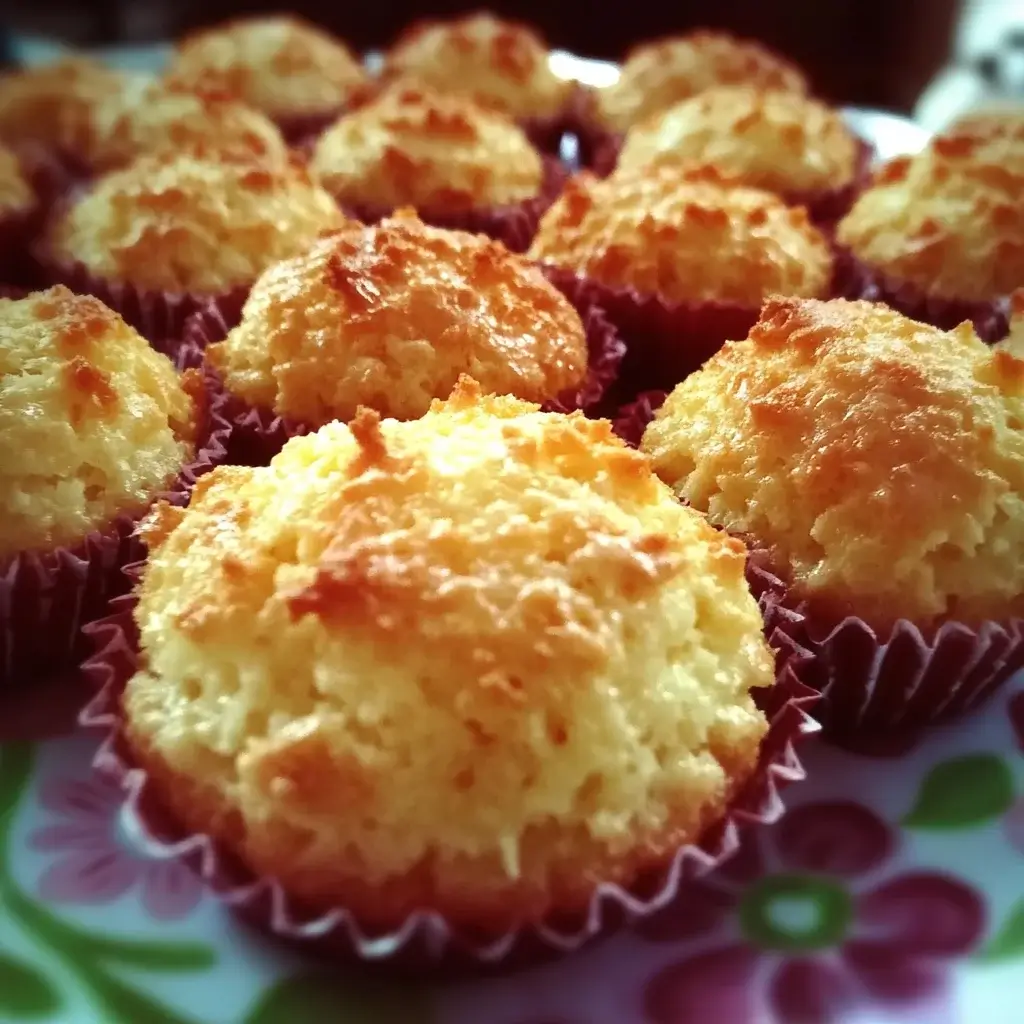
- Bake Until Golden Brown: Bake in the preheated oven for 18-22 minutes, or until the macaroons are golden brown around the edges and lightly golden on top. Baking time can vary slightly depending on your oven and the size of the macaroons. Keep an eye on them and bake until they are golden brown, which indicates they are cooked through and have developed their characteristic crisp edges and chewy centers. The bottoms should be lightly browned as well.
- Cool Completely on Baking Sheets: Once baked, remove the baking sheets from the oven and let the macaroons cool completely on the baking sheets. Allowing them to cool completely on the baking sheets allows them to firm up and prevents them from breaking when you try to remove them. They will be slightly soft when warm but will firm up as they cool. Resist the temptation to move them while they are still warm.
- Optional: Dip in Chocolate (if desired): If you are dipping the macaroons in chocolate, melt your chocolate of choice in a double boiler or microwave. Once the macaroons are completely cool, dip the bottoms of the macaroons in the melted chocolate and place them on parchment paper to set. Alternatively, you can drizzle melted chocolate over the tops of the macaroons. Allow the chocolate to harden completely before serving or storing the macaroons.
- Serve and Enjoy: Once cooled and, if desired, chocolate-dipped, your coconut macaroons are ready to serve and enjoy! They are best enjoyed within a few days of baking, but can be stored in an airtight container at room temperature for up to a week.
Following these detailed instructions will ensure you create perfect coconut macaroons with crisp edges, chewy centers, and delightful coconut flavor every time.
Nutrition Facts: A Sweet Treat in Moderation
Coconut macaroons, while delicious and naturally gluten-free, are still a sweet treat and should be enjoyed in moderation as part of a balanced diet. Here’s a breakdown of the approximate nutritional information for a single coconut macaroon (based on a recipe yielding about 24 macaroons):
(Nutritional Information is approximate and can vary based on specific ingredients and size of macaroon. Values are generally per macaroon):
- Serving Size: 1 macaroon
- Servings per Recipe: Approximately 24 macaroons
- Calories: Approximately 80-100 calories
- Fat: 4-6 grams
- Saturated Fat: 3-5 grams (from coconut)
- Trans Fat: 0 grams
- Cholesterol: 0 mg
- Sodium: 10-20 mg
- Carbohydrates: 10-12 grams
- Fiber: Less than 1 gram
- Sugar: 9-11 grams
- Protein: Less than 1 gram
Key Nutritional Points:
- Source of Saturated Fat (from Coconut): Coconut is naturally high in saturated fat, primarily medium-chain triglycerides (MCTs). While saturated fat intake should be mindful, MCTs are sometimes considered to be metabolized differently than long-chain saturated fats, and some studies suggest potential benefits, but more research is needed. Enjoy coconut macaroons in moderation as part of a balanced diet.
- Moderate Calorie Count: Each macaroon contains a moderate amount of calories, making them a treat to be enjoyed in moderation, especially if you are watching your calorie intake.
- Low in Protein and Fiber: Coconut macaroons are not a significant source of protein or fiber. They are primarily a source of carbohydrates and fats.
- Gluten-Free: Naturally gluten-free, making them a suitable treat for individuals with celiac disease or gluten sensitivity.
- Source of Sugar: Coconut macaroons are sweetened with granulated sugar, contributing to their carbohydrate and calorie content. Be mindful of sugar intake as part of a healthy diet.
Ways to Make them Slightly Healthier (While Still Delicious):
- Reduce Sugar Slightly: You can experiment with slightly reducing the sugar content (by about ¼ cup) without significantly compromising the texture, although it may affect the crispness slightly.
- Use Unsweetened Coconut (and Adjust Sweetener): If you prefer to control the type of sweetener and reduce overall sugar intake, you can use unsweetened shredded coconut and add a natural sweetener like maple syrup or honey (though this may slightly alter the texture and require adjustments to liquid). You can also use sugar substitutes, but be mindful of how they affect baking and texture.
- Dark Chocolate Dipping (Optional): If dipping in chocolate, choose dark chocolate with a higher percentage of cacao, as dark chocolate generally contains more antioxidants and less sugar than milk chocolate.
- Enjoy in Moderation: The most important aspect of enjoying coconut macaroons as part of a healthy diet is to consume them in moderation as an occasional treat, rather than an everyday snack.
While coconut macaroons are a delicious indulgence, understanding their nutritional profile allows you to make informed choices and enjoy them as a treat within a balanced dietary approach.
Preparation Time: Quick and Easy Treat from Start to Finish
Coconut macaroons are a fantastic choice when you want a delicious homemade treat without spending hours in the kitchen. The preparation time is remarkably quick and efficient:
- Active Preparation Time: Approximately 15-20 minutes. This includes the time spent combining the coconut and sugar, whipping the egg whites, and folding the batter together. The whipping of egg whites is often the most time-consuming part of the active prep, but with an electric mixer, it’s still quite fast.
- Baking Time: 18-22 minutes. The baking time is relatively short, allowing the macaroons to bake to golden brown perfection in under half an hour.
- Cooling Time: Approximately 30-45 minutes (or longer). While not active time, allowing the macaroons to cool completely on the baking sheets is essential for them to firm up and be easily removable. This cooling time is largely passive.
- Total Preparation Time (Active and Inactive): Approximately 1 hour to 1 hour 30 minutes. From start to finish, including cooling time, you can have a batch of delicious coconut macaroons ready in around an hour to an hour and a half. The active hands-on time is minimal, making them a very efficient baking project.
Why They are so Quick to Make:
- Simple Ingredient List: The short ingredient list means less time spent gathering and measuring ingredients.
- Minimal Mixing: The batter comes together quickly with just a few simple steps – combining dry ingredients, whipping egg whites, and gentle folding.
- Fast Baking Time: The relatively short baking time ensures you can have freshly baked macaroons in under 25 minutes in the oven.
Perfect for Last-Minute Cravings and Quick Desserts:
The speed and ease of preparation make coconut macaroons ideal for satisfying sudden sweet cravings, whipping up a quick dessert for guests, or for baking projects when you are short on time. They are a delightful treat that doesn’t require a significant time investment, making them a go-to recipe for many occasions.
How to Serve Coconut Macaroons: Serving Suggestions and Creative Ideas
Coconut macaroons are delightful on their own, but with a few thoughtful serving suggestions, you can elevate them from a simple treat to a more special and memorable dessert experience. Here are some ideas on how to serve and present your coconut macaroons:
Classic Serving Suggestions:
- With Coffee or Tea: Coconut macaroons are a perfect accompaniment to a cup of coffee or tea, whether it’s a morning pick-me-up, an afternoon break, or an after-dinner treat. The sweetness of the macaroon balances the bitterness of coffee and complements the warmth of tea.
- Dessert Platter Addition: Include coconut macaroons as part of a dessert platter or cookie assortment. Their unique texture and flavor provide a lovely contrast to other cookies and desserts on the platter.
- Gift Giving: Package coconut macaroons in decorative boxes or bags to create a thoughtful and homemade gift for friends, family, or neighbors. They are especially appreciated during holidays or special occasions.
- Holiday Treat: Coconut macaroons are a popular choice for holiday baking, particularly during Passover (as they are naturally gluten-free and often made without leavening agents) and Christmas. They add a festive touch to holiday dessert tables.
- Simple Dessert After a Meal: Serve a couple of coconut macaroons as a light and satisfying dessert after a meal. Their sweetness and chewiness provide a perfect ending to a dinner.
Creative Serving Ideas:
- Chocolate Dipped or Drizzled: As mentioned earlier, dipping the bottoms in melted chocolate or drizzling chocolate over the tops adds a touch of elegance and indulgence. Use dark, milk, or white chocolate, or a combination.
- Sandwiched with Chocolate Ganache or Jam: Create macaroon sandwiches by spreading chocolate ganache, raspberry jam, or lemon curd between two macaroons. This elevates them to a more decadent dessert.
- Served with Fruit: Pair coconut macaroons with fresh fruit like berries (strawberries, raspberries, blueberries), sliced peaches, or pineapple. The fruit provides a refreshing contrast to the sweetness of the macaroons.
- Alongside Ice Cream or Sorbet: Serve coconut macaroons alongside a scoop of vanilla ice cream, coconut sorbet, or mango sorbet. The combination of warm, chewy macaroons and cold, creamy ice cream or sorbet is delightful.
- Crumbled as a Topping: Crumble coconut macaroons and use them as a topping for ice cream sundaes, yogurt parfaits, or fruit crisps. They add a textural crunch and coconut flavor.
- Flavored Variations: Experiment with adding different flavors to the macaroon batter, such as lemon zest, orange zest, almond extract, or spices like cinnamon or cardamom. This allows you to create unique flavor profiles and serving experiences.
Presentation Tips:
- Arrange on a Pretty Plate: Arrange the macaroons attractively on a decorative plate or platter for serving guests.
- Dust with Powdered Sugar: A light dusting of powdered sugar adds a touch of elegance and visual appeal.
- Use Macaron Towers or Stands: For special occasions, display coconut macaroons on macaron towers or tiered stands to create a visually stunning presentation.
- Garnish with Sprinkles or Edible Glitter: For festive occasions or kids’ parties, garnish with colorful sprinkles or edible glitter to add a fun and playful touch.
By considering these serving suggestions and presentation ideas, you can transform simple coconut macaroons into a more sophisticated and enjoyable dessert for any occasion.
Additional Tips for Perfect Coconut Macaroons
To ensure consistently perfect and delightful coconut macaroons every time you bake, keep these helpful tips and tricks in mind:
- Use Room Temperature Egg Whites: Using egg whites at room temperature is crucial for achieving maximum volume when whipping them. Room temperature egg whites whip up to a greater volume and create a more stable meringue, resulting in lighter and airier macaroons. If you forgot to take your eggs out of the refrigerator ahead of time, you can quickly warm them by placing them in a bowl of lukewarm water for about 10-15 minutes.
- Ensure Bowls and Beaters are Grease-Free: Absolutely no grease should be present in the bowl or on the beaters when whipping egg whites. Even a tiny trace of fat can prevent the egg whites from whipping properly to stiff peaks. Clean your bowl and beaters thoroughly with hot soapy water, rinse well, and dry completely before whipping the egg whites. Wiping the bowl and beaters with a bit of lemon juice or vinegar can also help remove any lingering grease.
- Don’t Overmix the Batter: Overmixing the macaroon batter after folding in the egg whites will deflate the meringue and result in dense, flat macaroons. Fold gently and just until the egg whites are incorporated and no streaks of egg white remain. Stop mixing as soon as the batter is just combined, even if it seems slightly streaky – it will come together as it bakes.
- Bake Until Golden Brown (Don’t Underbake): Bake the macaroons until they are golden brown around the edges and lightly golden on top, and the bottoms are lightly browned. Underbaked macaroons will be too soft and may stick to the parchment paper. The golden brown color indicates that they are cooked through and have developed their characteristic crisp edges and chewy centers. If they are not golden brown enough, they may be too pale and lack the desired texture.
- Cool Completely Before Removing from Baking Sheet: Allow the macaroons to cool completely on the baking sheets before attempting to remove them. They will be slightly soft when warm but will firm up and become easier to handle as they cool. Trying to remove them while they are still warm and soft can cause them to break apart or stick to the parchment paper. Patience is key – let them cool completely and they will release easily.
By following these additional tips, you will be well-equipped to consistently bake perfect coconut macaroons with ideal texture and flavor every time!
Frequently Asked Questions (FAQ) About Coconut Macaroons
Here are some common questions people have about making and enjoying coconut macaroons:
Q1: Are coconut macaroons gluten-free?
A: Yes, coconut macaroons are naturally gluten-free as they are primarily made with coconut, sugar, and egg whites, none of which contain gluten. This makes them a wonderful treat for individuals with celiac disease or gluten sensitivities. Always double-check the ingredient labels of your coconut and vanilla extract to ensure they are certified gluten-free if you are strictly following a gluten-free diet.
Q2: Can I make coconut macaroons ahead of time?
A: Yes, coconut macaroons are excellent for making ahead of time. In fact, they often taste even better after a day or two as the flavors meld together. Store baked and cooled coconut macaroons in an airtight container at room temperature for up to a week. They can also be frozen for longer storage (up to 2-3 months). Thaw frozen macaroons at room temperature before serving.
Q3: Why are my coconut macaroons flat and spread out?
A: Flat and spread-out macaroons can be caused by several factors:
- Overmixing the Batter: Overmixing deflates the egg whites, resulting in a thinner batter that spreads during baking. Be gentle when folding in the egg whites and mix just until combined.
- Egg Whites Not Whipped Enough: If the egg whites are not whipped to stiff peaks, they won’t provide enough structure to the macaroons, causing them to spread. Ensure you whip the egg whites until stiff, glossy peaks form.
- Too Much Liquid: If your coconut is very moist or you add too much vanilla extract or other liquid, the batter may be too thin and spread. Use the recommended amount of vanilla and ensure your coconut isn’t overly moist.
Q4: How do I store coconut macaroons to keep them fresh?
A: To keep coconut macaroons fresh, store them in an airtight container at room temperature. Avoid storing them in the refrigerator, as this can make them dry out. Properly stored, they will stay fresh and chewy for up to a week. For longer storage, freeze them in an airtight container or freezer bag for up to 2-3 months.
Q5: Can I add other flavors or ingredients to coconut macaroons?
A: Yes, coconut macaroons are very versatile and you can easily add other flavors or ingredients to customize them. Some popular additions include:
- Citrus Zest: Lemon zest, orange zest, or lime zest for a bright citrus flavor.
- Almond Extract: A touch of almond extract to enhance the nutty notes.
- Spices: Cinnamon, cardamom, or nutmeg for warm spice flavors.
- Chocolate Chips or Chunks: Fold in mini chocolate chips or chopped chocolate for added chocolatey goodness.
- Nuts: Fold in chopped toasted almonds, pecans, or macadamia nuts for extra crunch and flavor.
Experiment with different additions to create your own signature coconut macaroon variations!
Print
Coconut Macaroons recipe
Ingredients
- Sweetened Shredded Coconut: 7 ounces (about 2 cups). This is the star ingredient, providing the signature coconut flavor and chewy texture of macaroons. It’s crucial to use sweetened shredded coconut, as unsweetened coconut will result in macaroons that are less sweet and may not hold together as well. Look for finely shredded coconut, as it creates a more delicate and cohesive macaroon. If you can only find desiccated coconut (which is often drier), you may need to add a touch more liquid (like an extra teaspoon of vanilla extract or a splash of milk) to achieve the right consistency of the batter. Ensure your coconut is fresh and hasn’t dried out too much for the best results. The quality of the coconut directly impacts the flavor and texture of your macaroons, so choose a reputable brand.
- Granulated Sugar: ¾ cup. Granulated sugar provides the necessary sweetness and also contributes to the crisp edges of the macaroons. The sugar interacts with the egg whites during baking to create that slightly caramelized exterior. Standard white granulated sugar works perfectly. You can experiment with using a portion of caster sugar (superfine sugar) for an even smoother texture, but granulated sugar is readily available and yields excellent results. The ratio of sugar to coconut is important for achieving the right balance of sweetness and chewiness, so stick to the measurement for best results.
- Egg Whites: 4 large, at room temperature. Egg whites are the binding agent in macaroons, providing structure and lift. It’s essential to use only egg whites, with no traces of yolk, as any fat from the yolk can prevent the egg whites from whipping up to their full volume. Using egg whites at room temperature helps them whip up to a greater volume, resulting in lighter and airier macaroons. Separate the eggs carefully, ensuring no yolk gets into the whites. If any yolk accidentally contaminates the whites, it’s best to start with fresh eggs. Using fresh, high-quality eggs will also contribute to a better flavor and texture.
- Vanilla Extract: 1 teaspoon, pure vanilla extract. Vanilla extract enhances the overall flavor profile, adding a warm, aromatic note that complements the coconut beautifully. Use pure vanilla extract for the best flavor, rather than imitation vanilla flavoring. A good quality vanilla extract will make a noticeable difference in the final taste of the macaroons. You can also experiment with other extracts, like almond extract for a slightly different flavor variation, but vanilla is the classic and most popular choice.
- Pinch of Salt: Just a pinch of salt. Salt enhances the sweetness and balances the flavors in the macaroons. It also helps to stabilize the egg whites when whipping them. Use a fine grain salt, like table salt or sea salt, and just a small pinch is needed to bring out the best in the other ingredients.
- Optional: Almond Extract (¼ teaspoon): While vanilla extract is classic, a tiny touch of almond extract can add a subtle and complementary nutty note that enhances the coconut flavor. Use almond extract sparingly, as it can be quite potent and overpower the other flavors if used in excess. If you choose to use almond extract, start with just ¼ teaspoon and adjust to your taste preference in future batches.
- Optional: Chocolate for Dipping or Drizzling: For an extra touch of indulgence, you can dip the bottoms of the cooled macaroons in melted chocolate or drizzle melted chocolate over the tops. Dark chocolate, semi-sweet chocolate, or even white chocolate all work well, depending on your preference. Use good quality chocolate for the best flavor and melting properties. Tempering the chocolate will give it a glossy finish and prevent it from blooming (developing white streaks).
Instructions
- Preheat Oven and Prepare Baking Sheets: Preheat your oven to 325°F (160°C). Line two baking sheets with parchment paper. Parchment paper is crucial for preventing the macaroons from sticking to the baking sheets and ensures easy removal after baking. Do not use wax paper or greased baking sheets, as parchment paper provides the best non-stick surface for macaroons.
- Combine Coconut, Sugar, and Salt: In a large bowl, combine the sweetened shredded coconut, granulated sugar, and pinch of salt. Toss the ingredients together with a spoon or your hands to ensure they are evenly mixed. This step helps to distribute the sugar and salt throughout the coconut, ensuring consistent sweetness and flavor in each macaroon.
- Whip Egg Whites to Stiff Peaks: In a separate clean, grease-free bowl (preferably glass or metal), using an electric mixer (handheld or stand mixer), beat the egg whites until stiff, glossy peaks form. This is a crucial step for achieving the light and airy texture of macaroons. Start beating on low speed and gradually increase to medium-high speed. Beat until the egg whites hold stiff, glossy peaks when you lift the beaters. Be careful not to overwhip, as overwhipped egg whites can become dry and grainy. The bowl and beaters must be completely clean and grease-free, as any traces of fat will prevent the egg whites from whipping properly.
- Gently Fold in Egg Whites: Gradually add the whipped egg whites to the coconut mixture, in three additions, gently folding them in with a spatula until just combined. It’s important to fold gently to avoid deflating the egg whites, which will result in dense macaroons. Use a figure-eight motion to fold, scraping down the sides of the bowl as needed. Mix until the egg whites are just incorporated and no streaks of egg white remain, but be careful not to overmix. Overmixing can also deflate the egg whites and make the macaroons tough.
- Stir in Vanilla Extract (and Almond Extract, if using): Stir in the vanilla extract (and almond extract, if using) until evenly distributed throughout the batter. This is the final step in preparing the macaroon batter, adding the essential flavor extracts.
- Drop by Rounded Tablespoons onto Baking Sheets: Using a rounded tablespoon or a small cookie scoop, drop mounds of the macaroon batter onto the prepared baking sheets, spacing them about 1-2 inches apart. Rounded tablespoons will create uniformly sized macaroons. You can gently shape the mounds slightly with your fingers if desired, but avoid pressing them down too much, as they should remain somewhat dome-shaped.
- Bake Until Golden Brown: Bake in the preheated oven for 18-22 minutes, or until the macaroons are golden brown around the edges and lightly golden on top. Baking time can vary slightly depending on your oven and the size of the macaroons. Keep an eye on them and bake until they are golden brown, which indicates they are cooked through and have developed their characteristic crisp edges and chewy centers. The bottoms should be lightly browned as well.
- Cool Completely on Baking Sheets: Once baked, remove the baking sheets from the oven and let the macaroons cool completely on the baking sheets. Allowing them to cool completely on the baking sheets allows them to firm up and prevents them from breaking when you try to remove them. They will be slightly soft when warm but will firm up as they cool. Resist the temptation to move them while they are still warm.
- Optional: Dip in Chocolate (if desired): If you are dipping the macaroons in chocolate, melt your chocolate of choice in a double boiler or microwave. Once the macaroons are completely cool, dip the bottoms of the macaroons in the melted chocolate and place them on parchment paper to set. Alternatively, you can drizzle melted chocolate over the tops of the macaroons. Allow the chocolate to harden completely before serving or storing the macaroons.
- Serve and Enjoy: Once cooled and, if desired, chocolate-dipped, your coconut macaroons are ready to serve and enjoy! They are best enjoyed within a few days of baking, but can be stored in an airtight container at room temperature for up to a week.
Nutrition
- Serving Size: one normal portion
- Calories: 80-100 calories
- Sugar: 9-11 grams
- Sodium: 10-20 mg
- Fat: 4-6 grams
- Saturated Fat: 3-5 grams
- Carbohydrates: 10-12 grams