
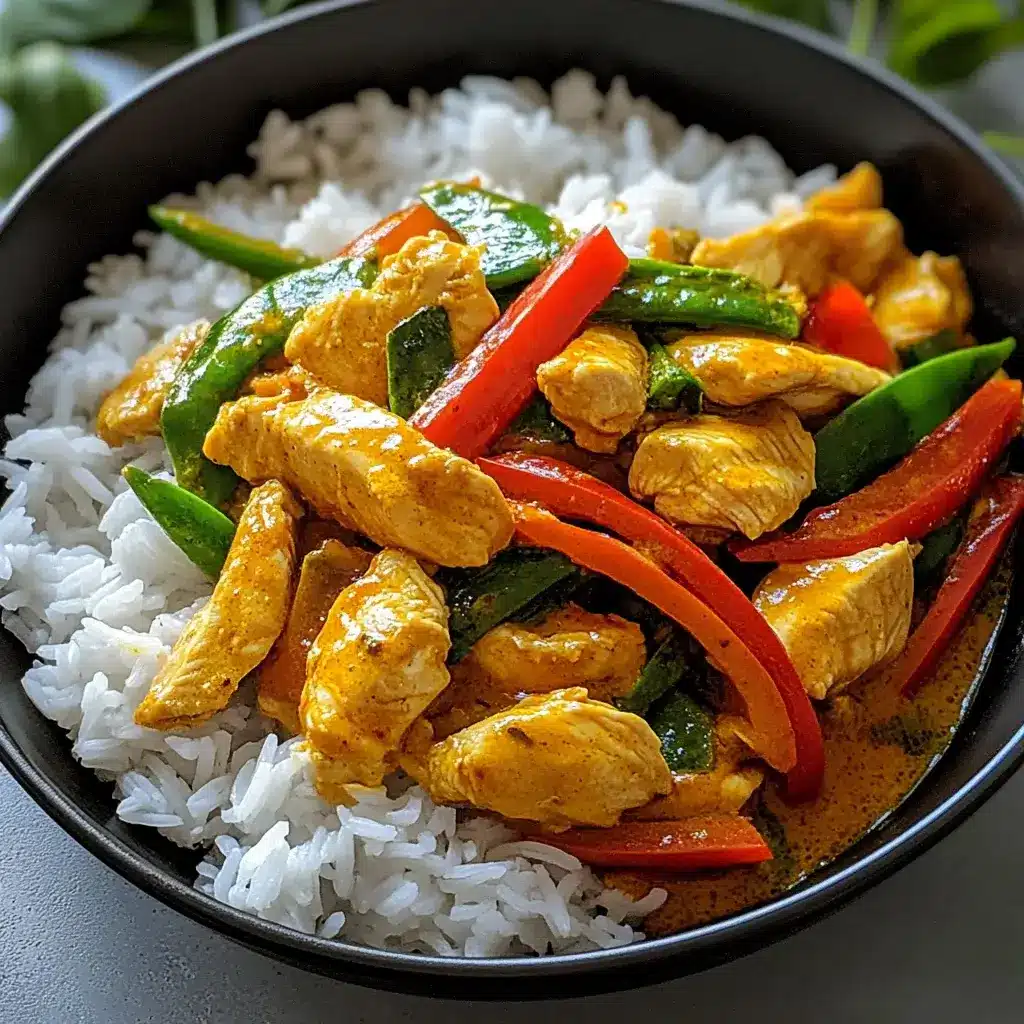

The first time I whipped up this Coconut Curry Chicken Stir Fry, my kitchen was instantly transformed into a fragrant haven, reminiscent of bustling Southeast Asian markets. My family, drawn by the exotic aromas of coconut, curry, and ginger, gathered with eager anticipation. The verdict? An overwhelming success! The tender chicken, crisp-tender vegetables, and that luxuriously creamy, slightly spicy coconut curry sauce coating every grain of jasmine rice – it was pure bliss. Even my pickiest eater asked for seconds, completely enchanted by the vibrant colors and the delightful balance of sweet, savory, and aromatic notes. It has since become a star in our weeknight dinner rotation because it’s not only incredibly delicious but also surprisingly quick and easy to make. It’s the kind of meal that feels both comforting and exciting, a perfect escape on a busy day.
What Makes This Coconut Curry Chicken Stir Fry So Irresistible?
Before we dive into the wok and get sizzling, let’s explore why this particular Coconut Curry Chicken Stir Fry recipe is destined to become a beloved favorite in your home. It’s more than just a quick meal; it’s a delightful journey for your taste buds.
- A Symphony of Flavors: This dish is a masterclass in flavor balance. The creamy richness of full-fat coconut milk provides a luscious base. The chosen curry paste (we’ll lean towards red or yellow for this recipe) brings warmth, spice, and aromatic complexity. A touch of sweetness from brown sugar or honey, savory depth from soy sauce and fish sauce, and a bright finish from fresh lime juice all work in perfect harmony. Ginger and garlic lay down an irresistible aromatic foundation.
- Quick and Easy for Weeknights: Despite its complex flavor profile, this stir-fry comes together in under 45 minutes, making it an ideal solution for busy weeknights. The stir-fry method means quick cooking, and using accessible ingredients keeps the prep manageable.
- Customizable to Your Palate: One of the best things about stir-fries is their versatility.
- Vegetable Medley: Use your favorite vegetables or what’s in season. Broccoli, bell peppers, carrots, snap peas, snow peas, mushrooms, baby corn – the possibilities are endless!
- Spice Level Control: Adjust the amount of curry paste or add extra chilies to make it as mild or as fiery as you like.
- Protein Power: While chicken is the star here, you could easily substitute shrimp, beef, pork, or tofu for a vegetarian/vegan option.
- Healthier Than Takeout: Craving those delicious curry flavors but want to control the ingredients? Making it at home means you know exactly what’s going into your meal. You can adjust sodium, sugar, and oil levels to suit your dietary preferences.
- Visually Stunning: The vibrant colors of the assorted vegetables against the creamy, rich curry sauce and tender chicken make this dish a feast for the eyes as well as the palate. It looks impressive on any dinner table.
- One-Pan Wonder (Mostly!): While you might cook rice separately, the main stir-fry action happens in one wok or large skillet, which means less cleanup – always a bonus!
- Globally Inspired Comfort Food: It has the comforting appeal of a creamy chicken dish but with an exciting, exotic twist that transports you to far-off places.
This Coconut Curry Chicken Stir Fry isn’t just about filling a hunger gap; it’s about enjoying a vibrant, aromatic, and deeply satisfying meal that you can feel good about making and eating.
Complete Ingredients for Your Flavorful Stir Fry
Here’s what you’ll need to gather to create this mouthwatering Coconut Curry Chicken Stir Fry. This recipe serves 4-6 people.
For the Chicken & Marinade (Optional but Recommended):
- 1.5 lbs (680g) boneless, skinless chicken breasts or thighs, cut into 1-inch cubes
- 1 tablespoon light soy sauce
- 1 teaspoon cornstarch
- 1/2 teaspoon white pepper (optional)
For the Stir-Fry Vegetables (Choose 4-5 cups total):
- 1 tablespoon coconut oil or vegetable oil
- 1 medium yellow onion, sliced
- 3-4 cloves garlic, minced
- 1-inch piece of fresh ginger, grated or minced
- 1 red bell pepper, deseeded and sliced
- 1 green bell pepper, deseeded and sliced
- 1 cup broccoli florets
- 1 carrot, julienned or thinly sliced
- 1/2 cup snap peas or snow peas
For the Coconut Curry Sauce:
- 1 (13.5-ounce / 400ml) can full-fat coconut milk (shake well before opening)
- 2-4 tablespoons red Thai curry paste (or yellow curry paste, adjust to spice preference)
- 1 tablespoon fish sauce (optional, but adds authentic umami)
- 1 tablespoon light soy sauce (or tamari for gluten-free)
- 1-2 teaspoons brown sugar or honey (adjust to taste, depending on curry paste sweetness)
- Juice of 1/2 to 1 lime
- 1 tablespoon cornstarch mixed with 2 tablespoons cold water (cornstarch slurry for thickening)
For Garnish & Serving:
- Fresh cilantro, chopped
- Fresh basil leaves (Thai basil if available)
- Lime wedges
- Toasted shredded coconut (optional)
- Chopped peanuts or cashews (optional)
- Steamed jasmine rice or basmati rice, for serving
Ingredient Notes:
- Chicken: Chicken thighs are more forgiving and flavorful, but chicken breasts work well too. The optional marinade helps tenderize the chicken and adds a flavor base.
- Vegetables: Feel free to customize! Other great options include zucchini, mushrooms, baby corn, bok choy, or water chestnuts. Cut harder vegetables (like carrots and broccoli) smaller or add them earlier than softer ones (like bell peppers).
- Coconut Oil: Adds a subtle coconut aroma, but any high smoke point vegetable oil (canola, grapeseed, peanut) will work.
- Full-Fat Coconut Milk: This is crucial for a creamy, rich sauce. Light coconut milk can result in a thinner, less flavorful sauce. Shake the can well as the cream often separates.
- Curry Paste:
- Red Curry Paste: Generally spicier and more robust.
- Yellow Curry Paste: Milder, often with turmeric and a sweeter profile.
- Green Curry Paste: Typically the spiciest, with a fresh, herbaceous flavor.
Start with 2 tablespoons and add more if you like it spicier. Brands vary in intensity.
- Fish Sauce: A staple in Southeast Asian cooking. It adds a unique savory depth (umami). If you’re new to it, start with a smaller amount. Vegetarian fish sauce alternatives are available.
- Lime Juice: Freshly squeezed is always best for brightness.
- Cornstarch Slurry: This is an easy way to thicken the sauce to your desired consistency at the end.
Step-by-Step Instructions for Stir Fry Success
Follow these straightforward steps to create a stunning and delicious Coconut Curry Chicken Stir Fry:
1. Prepare the Chicken (Optional Marination):
* If marinating, place the cubed chicken in a medium bowl. Add 1 tablespoon soy sauce, 1 teaspoon cornstarch, and optional white pepper. Toss to coat evenly. Let it sit for at least 10-15 minutes while you prepare other ingredients (or up to 30 minutes in the refrigerator). This step helps tenderize the chicken and gives it a nice sear.
2. Prepare Vegetables and Sauce (Mise en Place):
* Wash and chop/slice all your chosen vegetables. Keep harder vegetables (like broccoli, carrots) separate from softer ones (like bell peppers, snap peas) if their cooking times differ significantly.
* Mince garlic and grate/mince ginger. Slice the onion.
* In a small bowl, whisk together all the ingredients for the Coconut Curry Sauce: full-fat coconut milk, curry paste, fish sauce (if using), soy sauce, and brown sugar/honey. Set aside.
* In a separate very small bowl, mix the 1 tablespoon cornstarch with 2 tablespoons cold water to make the slurry. Set aside.
* Have your garnishes (cilantro, lime wedges, etc.) ready.
* Start cooking your rice according to package directions.
3. Cook the Chicken:
* Heat 1 tablespoon of coconut oil (or vegetable oil) in a large wok or heavy-bottomed skillet over medium-high heat until shimmering.
* Add the chicken (marinated or plain) to the hot wok in a single layer. Do not overcrowd the pan; cook in batches if necessary to ensure the chicken sears rather than steams.
* Cook for 3-5 minutes per side, until golden brown and cooked through.
* Remove the cooked chicken from the wok and set aside on a clean plate.
4. Stir-Fry Aromatics and Vegetables:
* To the same wok (add a little more oil if needed), add the sliced onion. Stir-fry for 2-3 minutes until softened.
* Add the minced garlic and grated ginger. Stir-fry for another 30 seconds to 1 minute until fragrant – be careful not to burn them.
* Add the harder vegetables (e.g., broccoli florets, carrots). Stir-fry for 3-4 minutes until they begin to tender-crisp.
* Add the softer vegetables (e.g., bell peppers, snap peas). Stir-fry for another 2-3 minutes until all vegetables are tender-crisp but still vibrant. You want them to retain some crunch.
5. Create the Coconut Curry Sauce & Combine:
* Pour the prepared coconut curry sauce mixture into the wok with the vegetables. Stir well to combine.
* Bring the sauce to a gentle simmer. Let it cook for 2-3 minutes, allowing the flavors to meld and the curry paste to cook through.
* Return the cooked chicken (and any accumulated juices from the plate) to the wok. Stir to coat the chicken with the sauce.
* Give the cornstarch slurry a quick stir and pour it into the simmering sauce. Stir constantly until the sauce thickens to your desired consistency (usually 1-2 minutes). If it gets too thick, you can add a splash of water or more coconut milk.
6. Finish and Serve:
* Remove the wok from the heat. Stir in the fresh lime juice.
* Taste the sauce and adjust seasonings if necessary. You might want more curry paste for heat, more sugar for sweetness, more soy for saltiness, or more lime for brightness.
* Serve the Coconut Curry Chicken Stir Fry immediately over hot steamed jasmine or basmati rice.
* Garnish generously with fresh chopped cilantro, basil leaves, extra lime wedges, and optional toasted coconut or chopped nuts.
Enjoy your homemade, fragrant, and utterly delicious stir-fry!
Nutrition Facts (Approximate)
- Servings: This recipe typically serves 4-6 people.
- Calories per serving (approximate, stir-fry only, without rice): 400-600 calories.
- Calories per serving (with 1 cup cooked jasmine rice): Add approximately 200-250 calories.
Important Disclaimer: This nutritional information is an estimate. Actual values can vary significantly based on:
* Specific Ingredients Used: The exact brand of coconut milk (full-fat vs. light, though full-fat is recommended), curry paste, type of chicken (breast vs. thigh), amount of oil used, and specific vegetables will alter the counts.
* Portion Sizes: The calorie range assumes the dish is divided into 4-6 servings.
* Optional Ingredients: The inclusion of fish sauce, sugar/honey, and garnishes like nuts will affect the final nutritional profile.
General Nutritional Highlights:
- Protein: High, primarily from the chicken.
- Fat: Significant, from the full-fat coconut milk and cooking oil. Coconut milk contains beneficial medium-chain triglycerides (MCTs).
- Carbohydrates: Moderate from vegetables and sugars in the sauce. Rice will be the primary carbohydrate source if served with it.
- Vitamins & Minerals: Good source of various vitamins and minerals from the diverse range of vegetables, ginger, and garlic.
While indulgent due to the coconut milk, this dish can be part of a balanced diet, offering good protein and a variety of micronutrients.
Preparation Time Breakdown
This Coconut Curry Chicken Stir Fry is designed for weeknight ease without compromising on flavor.
- Prep Time (Active Work): 20-25 minutes
- This includes:
- Chopping chicken and marinating (if doing).
- Washing, chopping, and slicing all vegetables.
- Mincing garlic and ginger.
- Mixing the sauce ingredients.
- Preparing the cornstarch slurry.
- This includes:
- Cook Time: 15-20 minutes
- Searing chicken: 6-8 minutes.
- Stir-frying vegetables and making sauce: 8-10 minutes.
- Total Time: Approximately 35-45 minutes (excluding rice cooking time, which can be done concurrently).
Tips for Even Faster Prep:
- Pre-Cut Vegetables: Using store-bought pre-cut vegetables (like broccoli florets, julienned carrots, or sliced bell peppers) can save significant chopping time.
- Mise en Place is Key: Have all ingredients prepped and measured before you start cooking. Stir-frying is a fast process, and you won’t have time to chop once the wok is hot.
- Frozen Vegetables: In a pinch, some frozen vegetables (like broccoli or peas) can be used; add them towards the end of cooking as they cook quickly. Thaw slightly if very icy.
With a bit of organization, you can have this delicious and aromatic meal on the table in well under an hour.
How to Serve Your Vibrant Coconut Curry Chicken Stir Fry
Serving this flavorful stir-fry is all about complementing its rich, aromatic character. Here’s how to present it beautifully:
- The Perfect Base:
- Steamed Jasmine Rice: This is the classic and most popular choice. Its fragrant, slightly sticky texture is perfect for soaking up the creamy coconut curry sauce.
- Basmati Rice: Another excellent option, offering a lighter, fluffier texture and distinct aroma.
- Brown Rice: For a healthier, whole-grain option with a nuttier flavor.
- Rice Noodles or Egg Noodles: If you prefer a noodle base, thin rice noodles (vermicelli) or wider flat rice noodles, or even Chinese egg noodles, would be delicious. Prepare according to package directions.
- Quinoa: A protein-rich, gluten-free alternative.
- Generous Garnishes are a Must! (use lists and bullet points):
Garnishes add freshness, texture, and visual appeal:- Fresh Cilantro: A generous sprinkle of freshly chopped cilantro brightens the dish.
- Fresh Basil Leaves: Thai basil is ideal for its anise-like notes, but sweet Italian basil also works well.
- Lime Wedges: Always serve with extra lime wedges on the side. A fresh squeeze of lime juice right before eating elevates all the flavors.
- Toasted Shredded Coconut: Adds a lovely textural contrast and enhances the coconut flavor. Toast unsweetened shredded coconut in a dry skillet over medium heat until lightly golden and fragrant.
- Chopped Nuts: Peanuts or cashews (roasted and unsalted or lightly salted) provide a delightful crunch.
- Sliced Green Onions (Scallions): For a mild, fresh oniony bite.
- Thinly Sliced Red Chilies: For those who love an extra kick of heat and a pop of color.
- Presentation:
- Serve in wide, shallow bowls to best showcase the colorful stir-fry and allow for easy mixing with the rice.
- Spoon a generous portion of rice, then ladle the Coconut Curry Chicken Stir Fry over or alongside it.
- Refreshing Drink Pairings:
- Thai Iced Tea: The creamy sweetness is a perfect counterpoint to the curry.
- Light Lager Beer: A crisp Asian lager (like Singha or Tiger) or a pale ale.
- Fruity White Wine: An off-dry Riesling or Gewürztraminer can complement the spice and sweetness.
- Sparkling Water with Lime: A simple, refreshing non-alcoholic choice.
Thoughtful serving makes this already delicious stir-fry an even more memorable meal.
Additional Tips for Stir Fry Perfection
Elevate your Coconut Curry Chicken Stir Fry from good to absolutely exceptional with these five expert tips:
- Don’t Overcrowd the Wok/Skillet: This is a cardinal rule of stir-frying. Adding too much food to the pan at once lowers the temperature significantly, causing the ingredients to steam rather than sear. This results in soggy vegetables and pale, unevenly cooked chicken. Cook your chicken in batches if necessary, and give your vegetables enough space to make good contact with the hot surface.
- Mise en Place is Your Best Friend: French for “everything in its place,” this means having all your ingredients chopped, measured, and ready to go before you even think about turning on the heat. Stir-frying is a fast-paced cooking method. Once you start, you won’t have time to chop an onion or measure out soy sauce. Being prepared makes the process smooth, stress-free, and ensures nothing burns.
- Use Full-Fat Coconut Milk (and Shake it Well!): For the creamiest, richest, and most flavorful sauce, full-fat coconut milk is non-negotiable. Light coconut milk will result in a thinner, less satisfying sauce. Remember to shake the can vigorously before opening, as the thick cream often separates and rises to the top. You want to incorporate that luscious cream.
- Bloom Your Curry Paste: For maximum flavor, briefly “bloom” or fry your curry paste in a little oil (or the coconut cream skimmed from the top of the can) with your aromatics (garlic, ginger) before adding the rest of the coconut milk and other sauce ingredients. This step helps to release the aromatic compounds in the paste, deepening its flavor and fragrance significantly. Cook it for 1-2 minutes, stirring constantly, until it’s very fragrant.
- Taste and Adjust Seasoning at the End: The balance of flavors (sweet, salty, sour, spicy) is crucial in this dish. Before serving, always taste your sauce. Does it need more saltiness (soy sauce/fish sauce)? More sweetness (sugar/honey)? More tang (lime juice)? More heat (curry paste/chili flakes)? Don’t be afraid to tweak it until it tastes perfect to you. The amounts in the recipe are a guideline.
By incorporating these simple yet effective techniques, you’ll consistently produce a Coconut Curry Chicken Stir Fry that rivals your favorite restaurant version.
Frequently Asked Questions (FAQ) About Coconut Curry Chicken Stir Fry
Here are answers to some common questions you might have when embarking on your coconut curry adventure:
1. Q: Which type of curry paste is best for this recipe? Red, Yellow, or Green?
* A: The choice largely depends on your spice preference and desired flavor profile:
* Red Thai Curry Paste: This is a popular and versatile choice. It typically offers a good balance of heat (from red chilies), savory notes, and aromatic spices like lemongrass, galangal, and kaffir lime. It gives a beautiful reddish hue to the curry. (This is what the recipe leans towards).
* Yellow Thai Curry Paste: Generally the mildest of the three, yellow curry paste gets its color from turmeric and often includes milder spices like cumin and coriander, sometimes with a hint of cinnamon or cardamom. It’s great if you prefer less heat but still want aromatic curry flavor.
* Green Thai Curry Paste: Usually the spiciest, made with fresh green chilies, lemongrass, galangal, kaffir lime leaves, and often Thai basil. It has a bright, fresh, and intensely herbaceous flavor.
You can use any of these, but start with a smaller amount (e.g., 2 tablespoons) and add more to taste, as spice levels vary significantly between brands.
2. Q: How can I make this stir-fry spicier or milder?
* A:
* Spicier: Increase the amount of curry paste. Add fresh sliced chilies (like bird’s eye or serrano) along with the garlic and ginger. A pinch of red pepper flakes or a dash of sriracha stirred into the sauce can also boost the heat.
* Milder: Use less curry paste (start with 1-2 tablespoons, especially if using red or green). Opt for yellow curry paste, which is naturally milder. Ensure you remove seeds from any fresh chilies if you choose to add them for flavor without too much heat. You can also add a bit more coconut milk or a dollop of plain yogurt (at the end, off-heat) to temper the spiciness.
3. Q: What are the best vegetables to use in this coconut curry stir-fry?
* A: This dish is very forgiving and works well with a wide variety of vegetables! Aim for a colorful mix and consider textures. Good choices include:
* Crunchy: Bell peppers (any color), broccoli florets, carrots (julienned or sliced), snap peas, snow peas, baby corn, water chestnuts, bamboo shoots.
* Softer: Zucchini or yellow squash (sliced), mushrooms (shiitake, button, cremini), bok choy (add stems first, then leaves), green beans.
* Leafy Greens: Spinach or kale can be wilted in at the very end.
Cut harder vegetables into smaller pieces or add them to the wok earlier than softer vegetables to ensure everything is perfectly tender-crisp.
4. Q: Can I make this Coconut Curry Chicken Stir Fry vegetarian or vegan?
* A: Absolutely! It’s easily adaptable:
* Protein: Replace the chicken with firm or extra-firm tofu (pressed and cubed, then pan-fried or baked until golden), tempeh, seitan, or a can of rinsed and drained chickpeas or lentils (added towards the end).
* Fish Sauce: Omit it or use a vegan fish sauce alternative (often made from seaweed or mushrooms) or add a bit more soy sauce/tamari for umami.
* Honey: If using honey as a sweetener, swap it for maple syrup or agave for a vegan version.
Ensure your curry paste is vegetarian/vegan, as some brands may contain shrimp paste.
5. Q: How do I store and reheat leftovers?
* A: Store leftover Coconut Curry Chicken Stir Fry in an airtight container in the refrigerator for up to 3-4 days.
* Reheating: The best way to reheat is gently in a skillet over medium-low heat, stirring occasionally, until warmed through. You might want to add a splash of water or coconut milk if the sauce has thickened too much. You can also reheat it in the microwave, stirring halfway through, but be careful not to overcook the chicken or vegetables.
Store rice separately if possible and reheat it alongside the stir-fry.
Enjoy creating your delicious and customizable Coconut Curry Chicken Stir Fry!
Print
Coconut Curry Chicken Stir Fry recipe
Ingredients
For the Chicken & Marinade (Optional but Recommended):
-
- 1.5 lbs (680g) boneless, skinless chicken breasts or thighs, cut into 1-inch cubes
-
- 1 tablespoon light soy sauce
-
- 1 teaspoon cornstarch
-
- 1/2 teaspoon white pepper (optional)
For the Stir-Fry Vegetables (Choose 4-5 cups total):
-
- 1 tablespoon coconut oil or vegetable oil
-
- 1 medium yellow onion, sliced
-
- 3–4 cloves garlic, minced
-
- 1-inch piece of fresh ginger, grated or minced
-
- 1 red bell pepper, deseeded and sliced
-
- 1 green bell pepper, deseeded and sliced
-
- 1 cup broccoli florets
-
- 1 carrot, julienned or thinly sliced
-
- 1/2 cup snap peas or snow peas
For the Coconut Curry Sauce:
-
- 1 (13.5-ounce / 400ml) can full-fat coconut milk (shake well before opening)
-
- 2–4 tablespoons red Thai curry paste (or yellow curry paste, adjust to spice preference)
-
- 1 tablespoon fish sauce (optional, but adds authentic umami)
-
- 1 tablespoon light soy sauce (or tamari for gluten-free)
-
- 1–2 teaspoons brown sugar or honey (adjust to taste, depending on curry paste sweetness)
-
- Juice of 1/2 to 1 lime
-
- 1 tablespoon cornstarch mixed with 2 tablespoons cold water (cornstarch slurry for thickening)
For Garnish & Serving:
-
- Fresh cilantro, chopped
-
- Fresh basil leaves (Thai basil if available)
-
- Lime wedges
-
- Toasted shredded coconut (optional)
-
- Chopped peanuts or cashews (optional)
-
- Steamed jasmine rice or basmati rice, for serving
Instructions
1. Prepare the Chicken (Optional Marination):
* If marinating, place the cubed chicken in a medium bowl. Add 1 tablespoon soy sauce, 1 teaspoon cornstarch, and optional white pepper. Toss to coat evenly. Let it sit for at least 10-15 minutes while you prepare other ingredients (or up to 30 minutes in the refrigerator). This step helps tenderize the chicken and gives it a nice sear.
2. Prepare Vegetables and Sauce (Mise en Place):
* Wash and chop/slice all your chosen vegetables. Keep harder vegetables (like broccoli, carrots) separate from softer ones (like bell peppers, snap peas) if their cooking times differ significantly.
* Mince garlic and grate/mince ginger. Slice the onion.
* In a small bowl, whisk together all the ingredients for the Coconut Curry Sauce: full-fat coconut milk, curry paste, fish sauce (if using), soy sauce, and brown sugar/honey. Set aside.
* In a separate very small bowl, mix the 1 tablespoon cornstarch with 2 tablespoons cold water to make the slurry. Set aside.
* Have your garnishes (cilantro, lime wedges, etc.) ready.
* Start cooking your rice according to package directions.
3. Cook the Chicken:
* Heat 1 tablespoon of coconut oil (or vegetable oil) in a large wok or heavy-bottomed skillet over medium-high heat until shimmering.
* Add the chicken (marinated or plain) to the hot wok in a single layer. Do not overcrowd the pan; cook in batches if necessary to ensure the chicken sears rather than steams.
* Cook for 3-5 minutes per side, until golden brown and cooked through.
* Remove the cooked chicken from the wok and set aside on a clean plate.
4. Stir-Fry Aromatics and Vegetables:
* To the same wok (add a little more oil if needed), add the sliced onion. Stir-fry for 2-3 minutes until softened.
* Add the minced garlic and grated ginger. Stir-fry for another 30 seconds to 1 minute until fragrant – be careful not to burn them.
* Add the harder vegetables (e.g., broccoli florets, carrots). Stir-fry for 3-4 minutes until they begin to tender-crisp.
* Add the softer vegetables (e.g., bell peppers, snap peas). Stir-fry for another 2-3 minutes until all vegetables are tender-crisp but still vibrant. You want them to retain some crunch.
5. Create the Coconut Curry Sauce & Combine:
* Pour the prepared coconut curry sauce mixture into the wok with the vegetables. Stir well to combine.
* Bring the sauce to a gentle simmer. Let it cook for 2-3 minutes, allowing the flavors to meld and the curry paste to cook through.
* Return the cooked chicken (and any accumulated juices from the plate) to the wok. Stir to coat the chicken with the sauce.
* Give the cornstarch slurry a quick stir and pour it into the simmering sauce. Stir constantly until the sauce thickens to your desired consistency (usually 1-2 minutes). If it gets too thick, you can add a splash of water or more coconut milk.
6. Finish and Serve:
* Remove the wok from the heat. Stir in the fresh lime juice.
* Taste the sauce and adjust seasonings if necessary. You might want more curry paste for heat, more sugar for sweetness, more soy for saltiness, or more lime for brightness.
* Serve the Coconut Curry Chicken Stir Fry immediately over hot steamed jasmine or basmati rice.
* Garnish generously with fresh chopped cilantro, basil leaves, extra lime wedges, and optional toasted coconut or chopped nuts.
Nutrition
- Serving Size: one normal portion
- Calories: 400-600