
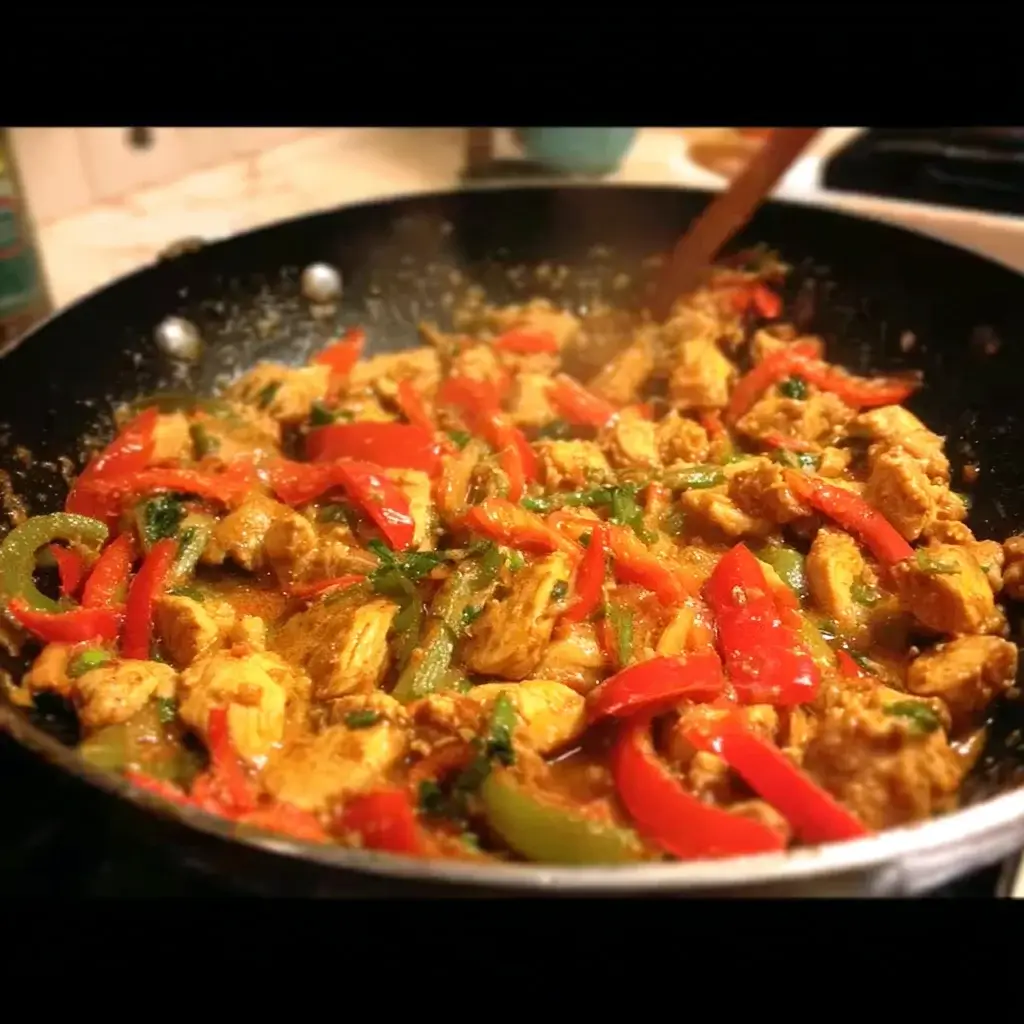

There are some weeknight dinners that are born from sheer necessity—a quick scramble of whatever is left in the fridge. And then there are dinners that, despite their speed, feel like a luxurious, intentional escape. This Coconut Curry Chicken Stir-Fry firmly belongs in the latter category. I stumbled upon the idea on a particularly hectic Tuesday when I was craving the rich, comforting creaminess of a Thai coconut curry but only had the time and energy for a quick stir-fry. A lightbulb went off: why not combine them? I grabbed a can of coconut milk, my trusty jar of red curry paste, and the chicken and veggies I had planned for a basic stir-fry. The result was nothing short of alchemy. As the curry paste bloomed in the hot wok and the coconut milk hit the pan, my kitchen was filled with an aroma so fragrant and complex, it instantly transported me far away from my chaotic evening. The final dish was a revelation—tender bites of chicken, crisp-tender vegetables, all enrobed in a sauce that was simultaneously creamy, spicy, sweet, and savory. My family, who are my most honest food critics, were silent for the first few minutes of eating, a rare and surefire sign of a hit. Now, this “emergency” meal has become one of our most requested dinners, a perfect fusion of speed and flavor that proves you don’t need hours to create something truly special.
Why This Coconut Curry Chicken Stir-Fry is a Weeknight Game-Changer
Before we dive into the wok, let’s explore what makes this recipe so uniquely satisfying. It’s more than just a quick meal; it’s a perfect harmony of textures and flavors that will make you feel like a culinary genius, even on a busy night.
- The Best of Both Worlds: Curry and Stir-Fry: This recipe brilliantly fuses the best qualities of two beloved dishes. You get the incredible speed and fresh, crisp-tender vegetables of a classic stir-fry, combined with the rich, aromatic, and lusciously creamy sauce of a coconut curry. It’s a flavor-packed shortcut to a restaurant-quality meal.
- A Luscious, No-Simmer Creamy Sauce: Traditional curries often require a long simmer time to develop flavor and thicken. This recipe hacks that process. By creating a quick pan sauce with coconut milk, curry paste, and a cornstarch slurry, you achieve a velvety, rich sauce that clings beautifully to every ingredient in a matter of minutes.
- Incredibly Fast and Efficient: Once your ingredients are prepped and ready to go (the all-important mise en place), the actual cooking time is under 15 minutes. This makes it an absolute hero for those nights when you’re short on time but refuse to compromise on a delicious, home-cooked meal. It’s faster, healthier, and infinitely more satisfying than waiting for takeout.
- Packed with Flavor and Freshness: The flavor profile is wonderfully complex. The red curry paste provides a warm, spicy, and fragrant base, while the full-fat coconut milk adds sweetness and a luxurious creaminess. Fish sauce brings a deep umami saltiness, lime juice adds a bright, zesty finish, and a hint of brown sugar balances it all out. Paired with fresh vegetables, it’s a vibrant and exciting dish.
- Completely Customizable to Your Taste: This recipe is a fantastic template. You control the spice level by adjusting the amount of curry paste. You can swap the chicken for shrimp, tofu, or beef. The vegetables are completely adaptable to what’s in season or what you have in your crisper drawer. It’s a forgiving and versatile recipe that you can make your own.
The Ultimate Coconut Curry Chicken Stir-Fry Recipe
For the best results, it’s essential to prepare all your ingredients before you start cooking. The stir-fry process moves very quickly!
Ingredients You’ll Need
For the Chicken:
- Boneless, Skinless Chicken Breasts or Thighs: 1.5 pounds (680g), cut into 1-inch pieces
- Soy Sauce or Tamari: 1 tablespoon
- Cornstarch: 1 tablespoon
- Vegetable Oil: 1 teaspoon
For the Creamy Coconut Curry Sauce:
- Full-Fat Coconut Milk: 1 can (13.5 oz / 400ml), from a can, not a carton, unshaken
- Thai Red Curry Paste: 2-3 tablespoons, or to your heat preference
- Fish Sauce: 2 tablespoons
- Brown Sugar or Coconut Sugar: 1 tablespoon, packed
- Fresh Lime Juice: 2 tablespoons (from 1 large lime)
- Cornstarch: 1 teaspoon (optional, for a thicker sauce)
For the Stir-Fry:
- Coconut Oil or Vegetable Oil: 2 tablespoons
- Garlic: 4 cloves, minced
- Ginger: 1-inch piece, peeled and freshly grated
- Red Bell Pepper: 1, seeded and cut into thin strips
- Broccoli Florets: 2 cups, cut into bite-sized pieces
- Carrot: 1 large, peeled and thinly sliced on a diagonal
- Fresh Basil Leaves: ½ cup, preferably Thai basil (optional, for garnish)
- Chopped Peanuts or Cashews: ¼ cup (optional, for garnish)
- Sliced Red Chili or Cilantro: (optional, for garnish)
Step-by-Step Instructions
- Marinate the Chicken: In a medium bowl, toss the chicken pieces with the soy sauce (or tamari), 1 tablespoon of cornstarch, and 1 teaspoon of vegetable oil. Mix well to coat each piece. This simple marinade, a form of “velveting,” will help keep the chicken tender and juicy. Set aside while you prepare the other ingredients.
- Prepare the Sauce: Open the can of unshaken coconut milk. Scoop out about ¼ cup of the thick, solidified cream from the top and set it aside. In a liquid measuring cup or bowl, whisk together the remaining thinner coconut milk, fish sauce, brown sugar, and fresh lime juice. If you are using the optional cornstarch for a thicker sauce, whisk it into this mixture until it’s fully dissolved.
- Set Up Your Wok Station (Mise en Place): Arrange all your prepared ingredients within easy reach of your stove: the marinated chicken, the reserved thick coconut cream, the mixed coconut milk sauce, and all your chopped aromatics and vegetables.
- Heat the Wok: Place a large wok or a heavy-bottomed skillet over medium-high heat. Add the 2 tablespoons of coconut or vegetable oil and let it get hot and shimmering.
- Sear the Chicken: Add the marinated chicken to the hot wok in a single layer, being careful not to overcrowd the pan (cook in two batches if necessary). Let the chicken sear without moving it for 2-3 minutes, until it’s nicely browned on one side. Then, stir-fry for another 2-3 minutes until the chicken is cooked through and lightly browned all over. Remove the chicken from the wok with a slotted spoon and set it aside on a plate.
- Bloom the Curry Paste: Reduce the heat to medium. Add the reserved thick coconut cream to the wok. Once it starts to bubble, add the Thai red curry paste. Stir and cook for 1-2 minutes, using your spatula to break up the paste and fry it in the coconut cream. The paste will become incredibly fragrant, and you’ll see the reddish oil start to separate. This step is crucial for unlocking the full depth of flavor.
- Sauté the Aromatics: Add the minced garlic and grated ginger to the wok and stir-fry for 30-60 seconds until fragrant, being careful not to burn them.
- Cook the Vegetables: Add the broccoli florets and sliced carrots to the wok. Turn the heat back up to high and stir-fry for 3-4 minutes. Add the sliced red bell pepper and continue to stir-fry for another 2-3 minutes. You want the vegetables to be vibrant and crisp-tender. If the pan seems dry, you can add a tablespoon of water or the coconut milk mixture to help steam the vegetables.
- Combine and Create the Sauce: Return the cooked chicken to the wok. Give your coconut milk sauce mixture a quick re-whisk and pour it all over the ingredients. Bring the sauce to a simmer and cook, stirring constantly, for 1-2 minutes, until the sauce has slightly thickened and coats everything beautifully.
- Finish and Garnish: Turn off the heat. If using, stir in the fresh basil leaves until they are just wilted. Transfer the stir-fry to a large serving platter. Garnish generously with the chopped peanuts or cashews, and extra cilantro or sliced red chili if desired. Serve immediately.
Nutritional Information
This information is an estimate and will vary based on the specific brands of ingredients used and portion sizes.
- Servings: 4-6 servings
- Calories per serving: Approximately 450-550 calories (not including rice)
Preparation & Cooking Time
- Preparation Time: 20 minutes
- Cooking Time: 15 minutes
- Total Time: Approximately 35 minutes
How to Serve Your Coconut Curry Chicken Stir-Fry
This vibrant dish is a meal in itself, but it truly shines when served with a base to soak up every last drop of the glorious sauce.
Grain & Noodle Pairings
- Steamed Jasmine Rice: The classic and arguably best pairing. The fragrant, fluffy rice is the perfect neutral canvas for the rich and spicy sauce.
- Brown Rice or Quinoa: For a healthier, whole-grain option with a nuttier flavor and chewier texture.
- Coconut Rice: To double down on the tropical flavor, serve with rice cooked with coconut milk and a pinch of salt.
- Rice Noodles: Cooked rice vermicelli or wider pad thai-style noodles are a fantastic gluten-free option. Simply toss them with the finished stir-fry or serve the stir-fry on top.
- Low-Carb Options: For a lighter meal, serve over cauliflower rice, zucchini noodles (“zoodles”), or a bed of steamed spinach.
Essential Garnishes
Don’t underestimate the power of a good garnish! It adds the finishing touch of flavor, texture, and freshness.
- Fresh Herbs: Chopped fresh cilantro or more Thai basil.
- A Squeeze of Lime: Always serve with extra lime wedges on the side for a final spritz of bright acidity.
- Crunch: Chopped roasted peanuts or cashews provide a wonderful textural contrast.
- Extra Heat: Thinly sliced red Thai chilies or a drizzle of sriracha for the spice lovers.
Additional Tips for Stir-Fry Success
Master the art of the stir-fry with these five essential, professional-approved tips.
- Prep Everything First (Mise en Place): This is the most important rule of stir-frying. The cooking process is incredibly fast, and you won’t have time to chop vegetables or mix a sauce once you start. Have every ingredient prepped, measured, and ready to go before the wok gets hot.
- Use Full-Fat, Canned Coconut Milk: The creaminess of this dish depends entirely on the fat content of the coconut milk. Do not use light coconut milk or the kind that comes in a carton for drinking. These have a much higher water content and will result in a thin, watery sauce that lacks richness and flavor.
- Don’t Crowd the Pan: This is a critical mistake that leads to steamed, soggy food instead of a true stir-fry. If you add too much chicken or vegetables at once, the temperature of the wok plummets. It’s always better to cook in two batches if your wok or skillet isn’t large enough to hold the ingredients in a single, spacious layer.
- Bloom Your Curry Paste: Frying the curry paste in the thick coconut cream for a minute or two before adding the other liquids is a key step that many home cooks skip. This process, known as “blooming,” toasts the spices within the paste, unlocking a deeper, more aromatic, and more complex flavor profile.
- Cook in the Right Order: The sequence of adding ingredients matters. Cook the protein first and set it aside to prevent overcooking. Cook the hard vegetables (like carrots and broccoli) first, followed by the quicker-cooking vegetables (like bell peppers), and finally the delicate ingredients (like fresh herbs) at the very end.
Frequently Asked Questions (FAQ)
Here are answers to some common questions you might have about this delicious recipe.
1. What kind of red curry paste is best?
For the most authentic Thai flavor, look for brands imported from Thailand, such as Mae Ploy or Maesri. They are typically found in the international aisle of larger supermarkets or at Asian grocery stores. These tend to be spicier and more fragrant than some Americanized brands. Always check the ingredients; it should be primarily made of things like red chili, lemongrass, galangal, and shrimp paste.
2. Can I make this dish vegetarian or vegan?
Yes, absolutely! This recipe is very easy to adapt. For a vegan version, substitute the chicken with 1 block of extra-firm tofu (pressed and cubed) or 1 can of chickpeas. Replace the fish sauce with an equal amount of soy sauce, tamari, or a vegan fish sauce alternative. The rest of the recipe remains the same!
3. How can I adjust the spice level?
The spice level is controlled almost entirely by the red curry paste. Different brands have different heat levels. For a milder curry, start with just 1 or 1.5 tablespoons of curry paste. For a spicier curry, use 3 or even 4 tablespoons. You can also add sliced fresh Thai chilies or a pinch of cayenne pepper along with the garlic and ginger for an extra kick.
4. Can I use different vegetables?
Of course! This is one of the best parts of a stir-fry. Feel free to use about 4-5 cups of any combination of quick-cooking vegetables you like. Some great alternatives or additions include snap peas, snow peas, mushrooms, baby corn, bamboo shoots, onions, or bok choy.
5. How do I store and reheat leftovers?
Store any leftovers in an airtight container in the refrigerator for up to 4 days. The sauce may thicken upon chilling. To reheat, you can use the microwave, but for the best results, gently reheat the stir-fry in a skillet over medium heat. Add a splash of water or coconut milk to loosen the sauce and bring it back to its original creamy consistency without overcooking the ingredients.

Coconut Curry Chicken Stir Fry recipe
Ingredients
For the Chicken:
-
Boneless, Skinless Chicken Breasts or Thighs: 1.5 pounds (680g), cut into 1-inch pieces
-
Soy Sauce or Tamari: 1 tablespoon
-
Cornstarch: 1 tablespoon
-
Vegetable Oil: 1 teaspoon
For the Creamy Coconut Curry Sauce:
-
Full-Fat Coconut Milk: 1 can (13.5 oz / 400ml), from a can, not a carton, unshaken
-
Thai Red Curry Paste: 2-3 tablespoons, or to your heat preference
-
Fish Sauce: 2 tablespoons
-
Brown Sugar or Coconut Sugar: 1 tablespoon, packed
-
Fresh Lime Juice: 2 tablespoons (from 1 large lime)
-
Cornstarch: 1 teaspoon (optional, for a thicker sauce)
For the Stir-Fry:
-
Coconut Oil or Vegetable Oil: 2 tablespoons
-
Garlic: 4 cloves, minced
-
Ginger: 1-inch piece, peeled and freshly grated
-
Red Bell Pepper: 1, seeded and cut into thin strips
-
Broccoli Florets: 2 cups, cut into bite-sized pieces
-
Carrot: 1 large, peeled and thinly sliced on a diagonal
-
Fresh Basil Leaves: ½ cup, preferably Thai basil (optional, for garnish)
-
Chopped Peanuts or Cashews: ¼ cup (optional, for garnish)
-
Sliced Red Chili or Cilantro: (optional, for garnish)
Instructions
-
Marinate the Chicken: In a medium bowl, toss the chicken pieces with the soy sauce (or tamari), 1 tablespoon of cornstarch, and 1 teaspoon of vegetable oil. Mix well to coat each piece. This simple marinade, a form of “velveting,” will help keep the chicken tender and juicy. Set aside while you prepare the other ingredients.
-
Prepare the Sauce: Open the can of unshaken coconut milk. Scoop out about ¼ cup of the thick, solidified cream from the top and set it aside. In a liquid measuring cup or bowl, whisk together the remaining thinner coconut milk, fish sauce, brown sugar, and fresh lime juice. If you are using the optional cornstarch for a thicker sauce, whisk it into this mixture until it’s fully dissolved.
-
Set Up Your Wok Station (Mise en Place): Arrange all your prepared ingredients within easy reach of your stove: the marinated chicken, the reserved thick coconut cream, the mixed coconut milk sauce, and all your chopped aromatics and vegetables.
-
Heat the Wok: Place a large wok or a heavy-bottomed skillet over medium-high heat. Add the 2 tablespoons of coconut or vegetable oil and let it get hot and shimmering.
-
Sear the Chicken: Add the marinated chicken to the hot wok in a single layer, being careful not to overcrowd the pan (cook in two batches if necessary). Let the chicken sear without moving it for 2-3 minutes, until it’s nicely browned on one side. Then, stir-fry for another 2-3 minutes until the chicken is cooked through and lightly browned all over. Remove the chicken from the wok with a slotted spoon and set it aside on a plate.
-
Bloom the Curry Paste: Reduce the heat to medium. Add the reserved thick coconut cream to the wok. Once it starts to bubble, add the Thai red curry paste. Stir and cook for 1-2 minutes, using your spatula to break up the paste and fry it in the coconut cream. The paste will become incredibly fragrant, and you’ll see the reddish oil start to separate. This step is crucial for unlocking the full depth of flavor.
-
Sauté the Aromatics: Add the minced garlic and grated ginger to the wok and stir-fry for 30-60 seconds until fragrant, being careful not to burn them.
-
Cook the Vegetables: Add the broccoli florets and sliced carrots to the wok. Turn the heat back up to high and stir-fry for 3-4 minutes. Add the sliced red bell pepper and continue to stir-fry for another 2-3 minutes. You want the vegetables to be vibrant and crisp-tender. If the pan seems dry, you can add a tablespoon of water or the coconut milk mixture to help steam the vegetables.
-
Combine and Create the Sauce: Return the cooked chicken to the wok. Give your coconut milk sauce mixture a quick re-whisk and pour it all over the ingredients. Bring the sauce to a simmer and cook, stirring constantly, for 1-2 minutes, until the sauce has slightly thickened and coats everything beautifully.
-
Finish and Garnish: Turn off the heat. If using, stir in the fresh basil leaves until they are just wilted. Transfer the stir-fry to a large serving platter. Garnish generously with the chopped peanuts or cashews, and extra cilantro or sliced red chili if desired. Serve immediately.
Nutrition
- Serving Size: one normal portion
- Calories: 450-550