

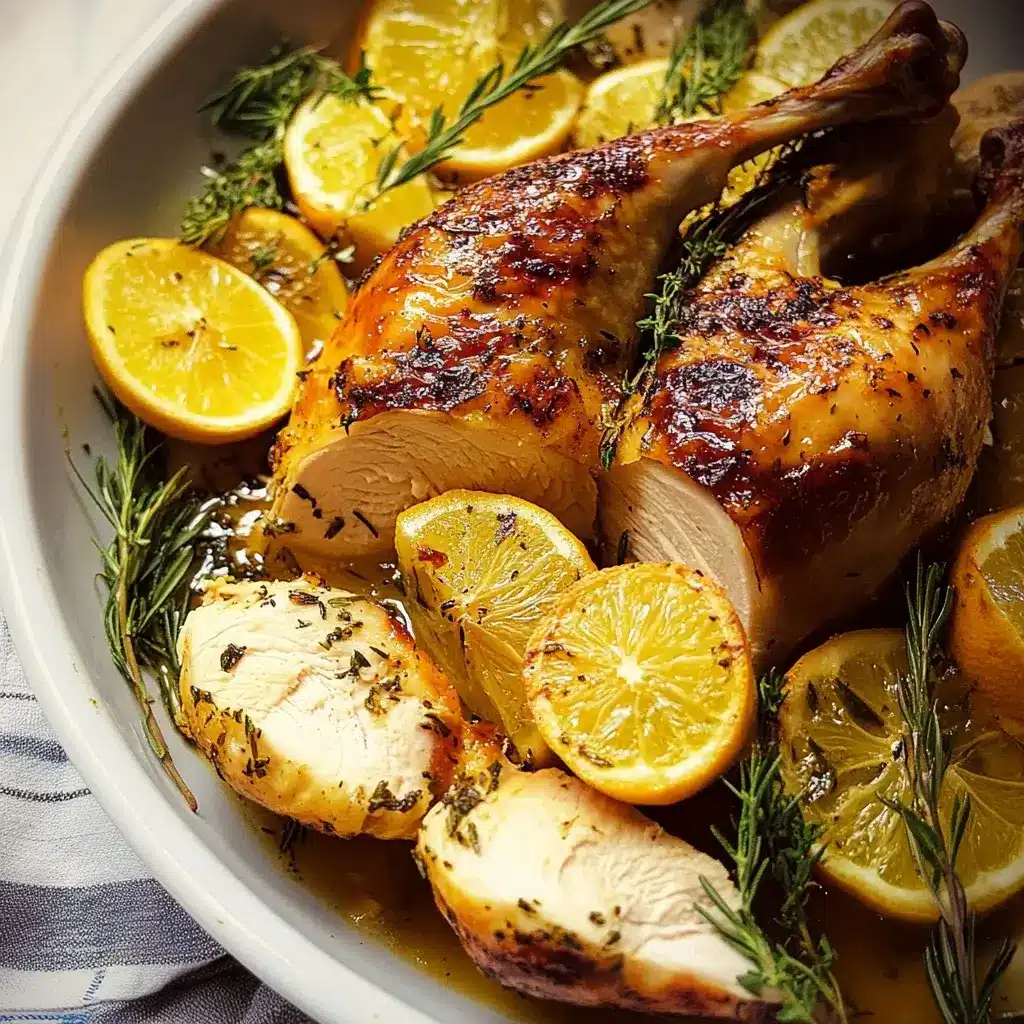
The first time I made this Citrus and Herb Roasted Chicken, the aroma alone was enough to tell me it was going to be a hit. Imagine the bright, zesty scent of lemon and orange mingling with the earthy fragrance of rosemary and thyme, all permeating the kitchen as the chicken slowly roasted to golden perfection. And the taste? Even better than the smell! The skin was unbelievably crispy, crackling with each bite, while the meat underneath was succulent, tender, and infused with the vibrant flavors of citrus and herbs. My family, usually a tough crowd to please on weeknights, devoured every last morsel. Even my picky eater, who usually sticks to plain chicken nuggets, asked for seconds! This Citrus and Herb Roasted Chicken has become a staple in our home, a go-to recipe for both weeknight dinners and special occasions. It’s incredibly easy to make, yet delivers restaurant-quality flavor that will impress everyone at your table. Prepare to be amazed by the simplicity and deliciousness of this dish – it’s truly a game-changer!
Ingredients for Flavorful Citrus and Herb Roasted Chicken
Creating a truly exceptional Citrus and Herb Roasted Chicken hinges on using fresh, high-quality ingredients. The combination of bright citrus and fragrant herbs is what elevates this dish from ordinary to extraordinary. Let’s break down each component to ensure you have everything you need for a flavorful and aromatic roasted chicken.
For the Chicken:
The star of the show, the chicken itself, is crucial. Choosing the right type and size will significantly impact the cooking time and overall flavor.
- 1 Whole Chicken (3-4 lbs): A 3-4 pound chicken is ideal for roasting and will typically serve 4-6 people. Look for a good quality, fresh chicken. You can also use an organic or free-range chicken for potentially richer flavor and texture. If you prefer, you can also use bone-in, skin-on chicken pieces like thighs and drumsticks, but roasting a whole chicken offers a beautiful presentation and juicy, flavorful meat throughout.
For the Citrus and Herb Marinade/Rub:
This marinade, which also acts as a rub, is the key to infusing the chicken with bright, zesty, and herbaceous flavors. Freshly squeezed citrus juice and vibrant herbs are essential.
- 1 Lemon, Zest and Juice: Lemon provides a bright, acidic, and slightly sweet citrus note that cuts through the richness of the chicken and complements the herbs beautifully. Use both the zest (the outer yellow peel, without the bitter white pith) and the juice for maximum lemon flavor.
- 1 Orange, Zest and Juice: Orange adds a sweeter, less acidic citrus flavor that balances the lemon and contributes to the overall complexity of the marinade. Similar to lemon, use both the zest and juice for the best orange essence.
- 4 Cloves Garlic, Minced: Garlic is a foundational aromatic that adds pungent and savory notes to the chicken. Freshly minced garlic is preferred for its intensity and flavor.
- 1/4 cup Fresh Rosemary, Chopped: Rosemary offers a piney, slightly peppery, and robust flavor that pairs exceptionally well with citrus and chicken. Fresh rosemary is crucial for its aromatic oils.
- 1/4 cup Fresh Thyme, Chopped: Thyme provides a delicate, earthy, and slightly minty flavor that complements rosemary and citrus beautifully. Fresh thyme is preferred for its nuanced aroma.
- 1/4 cup Olive Oil: Olive oil acts as a carrier for the flavors of the citrus and herbs, helping them penetrate the chicken. It also contributes to crispy skin during roasting and adds moisture to the meat. Extra virgin olive oil is a great choice for its flavor, but regular olive oil will also work.
- 1 tablespoon Dijon Mustard: Dijon mustard adds a subtle tang and depth of flavor to the marinade. It also acts as an emulsifier, helping to bind the marinade ingredients together.
- 1 teaspoon Salt: Salt is essential for seasoning the chicken and enhancing the flavors of all the other ingredients. Use kosher salt or sea salt for best results. Adjust to taste if needed.
- 1/2 teaspoon Black Pepper, Freshly Ground: Freshly ground black pepper provides a more robust and aromatic flavor compared to pre-ground pepper. It adds a subtle spice and depth to the marinade.
Optional Ingredients for Enhanced Flavor:
These additions are not strictly necessary but can further elevate the flavor profile of your Citrus and Herb Roasted Chicken.
- 1/4 cup Dry White Wine (e.g., Sauvignon Blanc, Pinot Grigio): White wine adds acidity and complexity to the marinade. The alcohol evaporates during cooking, leaving behind subtle fruity and floral notes.
- 1 tablespoon Honey or Maple Syrup: A touch of sweetness balances the acidity of the citrus and helps with caramelization during roasting, contributing to a beautiful golden-brown skin.
- 1/2 teaspoon Red Pepper Flakes (Optional for a touch of heat): If you like a subtle kick, red pepper flakes add a gentle warmth that complements the citrus and herbs without being overpowering.
- Fresh Parsley, for Garnish: Freshly chopped parsley adds a bright, fresh, and slightly peppery note and provides a beautiful visual garnish when serving.
- Extra Lemon and Orange Slices, for Roasting: Adding extra citrus slices to the roasting pan not only enhances the aroma during cooking but also creates caramelized citrus that can be served alongside the chicken.
- Aromatics for the Cavity (Optional): Stuffing the chicken cavity with aromatics like quartered lemons and oranges, onion wedges, garlic cloves, and extra herb sprigs further infuses the chicken from the inside out, adding another layer of flavor.
Step-by-Step Instructions for Perfect Citrus and Herb Roasted Chicken
Follow these detailed instructions to roast a perfectly juicy and flavorful Citrus and Herb Chicken every time.
- Prepare the Chicken: Remove the chicken from its packaging and pat it dry thoroughly with paper towels. This is crucial for achieving crispy skin. Remove any giblets or neck from the cavity of the chicken, if present. You can discard them or save them for making stock.
- Make the Citrus and Herb Marinade/Rub: In a medium bowl, combine the lemon zest and juice, orange zest and juice, minced garlic, chopped rosemary, chopped thyme, olive oil, Dijon mustard, salt, and black pepper (and optional white wine, honey/maple syrup, red pepper flakes if using). Whisk all the ingredients together until well combined, creating a fragrant and slightly emulsified marinade.
- Marinate (or Rub) the Chicken:
- For Marinating (Recommended for Deeper Flavor): Place the chicken in a large resealable plastic bag or a large bowl. Pour the citrus and herb marinade over the chicken, ensuring it coats all sides. If using a bag, seal it tightly, removing as much air as possible. If using a bowl, cover it tightly with plastic wrap. Marinate in the refrigerator for at least 2 hours, or ideally for 4-8 hours, or even overnight for the most intense flavor. The longer it marinates, the more flavorful and tender the chicken will become.
- For Rubbing (Quicker Method): If you are short on time, you can skip the marinating and use the mixture as a rub. Simply apply the citrus and herb mixture all over the chicken, under the skin where possible (especially on the breast and thighs), and inside the cavity. Let it sit at room temperature for at least 30 minutes before roasting to allow the flavors to penetrate slightly.
- Preheat the Oven: Preheat your oven to 425°F (220°C). This higher initial temperature helps to crisp up the skin quickly.
- Prepare the Chicken for Roasting: Remove the chicken from the marinade (if marinated) and place it in a roasting pan. You can use a roasting pan with a rack, or simply place the chicken directly in the pan. If desired, stuff the cavity with quartered lemons and oranges, onion wedges, garlic cloves, and extra herb sprigs. Tuck the wing tips under the chicken to prevent them from burning. You can also tie the legs together with kitchen twine for a more compact and even roasting shape, although this is optional.
- Roast the Chicken: Place the roasting pan in the preheated oven. Roast for 20 minutes at 425°F (220°C). Then, reduce the oven temperature to 375°F (190°C) and continue roasting for another 45-60 minutes, or until the chicken is cooked through.
- Check for Doneness: The chicken is done when the internal temperature reaches 165°F (74°C) in the thickest part of the thigh (without touching the bone). Use a meat thermometer to check the temperature accurately. Alternatively, you can check for doneness by piercing the thigh with a fork or knife; the juices should run clear, not pink. If you are unsure, it’s always better to err on the side of slightly overcooked chicken to ensure it’s safe to eat.
- Baste (Optional, for extra moisture and flavor): During the roasting process, you can baste the chicken with the pan juices every 15-20 minutes. This helps to keep the chicken moist and enhances the browning of the skin. However, basting is not strictly necessary, especially if you used olive oil in the marinade.
- Rest the Chicken: Once the chicken is cooked through, remove it from the oven and let it rest for 10-15 minutes before carving. Tent it loosely with foil to keep it warm and allow the juices to redistribute throughout the meat. This resting period is crucial for ensuring juicy and tender chicken.
- Carve and Serve: After resting, carve the chicken and serve immediately. Garnish with fresh parsley and serve with any pan juices spooned over the top. You can also serve with the roasted citrus slices from the pan and any pan vegetables you may have added.
Nutrition Facts for Citrus and Herb Roasted Chicken (Approximate)
- Serving Size: 1 Roasted Chicken Quarter (approximately ¼ of a 3-4 lb chicken)
- Calories per Serving (Estimated): 400-550 calories (This is an estimate and can vary based on chicken size, fat content, and skin consumption. Skin-on chicken will be higher in calories and fat than skinless).
Approximate Macronutrient Breakdown (per serving, estimated):
- Protein: 40-50 grams (Chicken is an excellent source of lean protein)
- Fat: 20-35 grams (Varies depending on skin consumption and chicken cut. Includes healthy fats from olive oil)
- Carbohydrates: 5-10 grams (Primarily from citrus juices and herbs, minimal carbs)
Key Nutritional Benefits:
- Excellent Source of Protein: Chicken is a lean protein source essential for muscle building, repair, and overall bodily functions.
- Rich in Vitamins and Minerals: Chicken provides vitamins like B vitamins (niacin, B6, B12), selenium, and phosphorus, which are important for energy production, nerve function, and bone health.
- Citrus Benefits: Lemons and oranges are excellent sources of Vitamin C, a powerful antioxidant that supports the immune system and skin health.
- Herb Benefits: Rosemary and thyme contain antioxidants and may have anti-inflammatory properties.
- Healthy Fats: Olive oil provides monounsaturated fats, considered heart-healthy fats.
Important Notes:
- These are estimates and can vary based on specific chicken size, cut, and cooking methods.
- Removing the skin will significantly reduce the calorie and fat content.
- Homemade roasted chicken is a healthier alternative to processed meats and fast food options.
- Pairing roasted chicken with vegetables and whole grains creates a balanced and nutritious meal.
- For more precise nutritional information, use online nutrition calculators and input the specific ingredients and quantities you use.
Preparation Time for Citrus and Herb Roasted Chicken
- Prep Time (Marinade & Chicken Prep): 20-30 minutes
- Marinating Time: Minimum 2 hours, ideally 4-8 hours or overnight (optional, can be reduced to 30 minutes rub time)
- Cooking Time: 1 hour 5-20 minutes (depending on chicken size and oven temperature consistency)
- Resting Time: 10-15 minutes
- Total Time (excluding marinating): Approximately 1 hour 35 minutes – 1 hour 55 minutes
- Total Time (including marinating time): Approximately 3 hours 35 minutes – 9 hours 55 minutes (mostly inactive marinating time)
Tips for Time Management:
- Prepare the marinade the night before or in the morning and marinate the chicken ahead of time to save time on the day of cooking.
- Chop vegetables for side dishes while the chicken is marinating or roasting to maximize efficiency.
- If short on time, use the rub method instead of marinating, and allow at least 30 minutes for the rub to penetrate before roasting.
How to Serve Citrus and Herb Roasted Chicken
Citrus and Herb Roasted Chicken is incredibly versatile and pairs beautifully with a wide array of side dishes and serving styles. Here are some delicious ways to serve it:
- Classic Roasted Chicken Dinner:
- Serve the whole roasted chicken on a platter as a centerpiece.
- Pair with classic sides like:
- Roasted Potatoes or Mashed Potatoes
- Roasted Root Vegetables (carrots, parsnips, sweet potatoes)
- Steamed or Roasted Green Beans or Asparagus
- Stuffing or Dressing
- Gravy (made from pan juices or chicken stock)
- Dinner Rolls or Crusty Bread
- Citrus Herb Chicken Salad:
- Let leftover roasted chicken cool, then shred or dice the meat.
- Combine with mayonnaise, celery, red onion, grapes or cranberries, and a touch of extra lemon juice.
- Serve chicken salad on croissants, lettuce wraps, or crackers for a delicious lunch or light dinner.
- Chicken and Grain Bowls:
- Create healthy and satisfying bowls with shredded or sliced roasted chicken.
- Base options: Quinoa, rice (brown, white, or wild rice), couscous, farro.
- Vegetable additions: Roasted vegetables (broccoli, Brussels sprouts, bell peppers), steamed greens (kale, spinach), avocado, cherry tomatoes, cucumbers.
- Sauce options: Lemon-herb vinaigrette, tahini dressing, yogurt sauce, pesto.
- Chicken Tacos or Wraps:
- Shred the roasted chicken and use it as filling for tacos or wraps.
- Serve with:
- Warm tortillas (corn or flour) or pita bread
- Salsa or pico de gallo
- Guacamole or avocado slices
- Shredded lettuce or cabbage
- Sour cream or Greek yogurt
- Pickled onions or jalapenos
- Chicken Noodle Soup or Chicken and Rice Soup:
- Use leftover roasted chicken carcass to make a flavorful chicken broth.
- Shred or dice the remaining chicken meat and add it to homemade chicken noodle soup or chicken and rice soup for a comforting and hearty meal.
- With Pasta or Risotto:
- Shred or dice roasted chicken and add it to pasta dishes like lemon-herb pasta, creamy pesto pasta, or pasta primavera.
- Incorporate roasted chicken into creamy risotto for a flavorful and elegant dish.
Additional Tips for Perfect Citrus and Herb Roasted Chicken
- Brine the Chicken (Optional but Highly Recommended): Brining the chicken before marinating or roasting results in incredibly juicy and flavorful meat. Submerge the chicken in a saltwater solution (about 1/2 cup salt per gallon of water) for 4-8 hours or overnight in the refrigerator. Rinse thoroughly and pat dry before proceeding with the recipe. Brining helps the chicken retain moisture during cooking.
- Spatchcock the Chicken for Faster and Even Cooking (Optional): Spatchcocking (butterflying) the chicken involves removing the backbone so that it lays flat. This technique reduces cooking time significantly and ensures even cooking because the chicken is in a single plane. Search online for “how to spatchcock a chicken” for detailed instructions.
- Use a Meat Thermometer – It’s Your Best Friend: Don’t rely solely on cooking time. A meat thermometer is the most accurate way to determine when your chicken is cooked through. Insert the thermometer into the thickest part of the thigh, avoiding the bone. The chicken is done when it reaches 165°F (74°C).
- Make a Pan Sauce or Gravy: While the chicken rests, you can easily make a delicious pan sauce or gravy from the pan drippings. Skim off excess fat from the pan juices. Place the roasting pan over medium heat on the stovetop. Add a splash of white wine or chicken broth to deglaze the pan, scraping up any browned bits from the bottom. Simmer until slightly reduced. You can thicken the sauce with a cornstarch slurry (cornstarch mixed with cold water) if desired. Season to taste with salt and pepper.
- Experiment with Different Herbs and Citrus: While rosemary and thyme are classic choices, feel free to experiment with other herbs like oregano, sage, marjoram, or tarragon. You can also try different citrus fruits like grapefruit, blood oranges, or Meyer lemons for variations in flavor. Adjust the herb and citrus combinations to your personal preferences.
Frequently Asked Questions (FAQ) About Citrus and Herb Roasted Chicken
Q1: Can I use frozen chicken for this recipe?
A: It’s best to use a fully thawed chicken for roasting to ensure even cooking. If you must use frozen chicken, thaw it completely in the refrigerator before proceeding with the recipe. Thawing in the refrigerator is the safest method and can take 24-48 hours for a whole chicken, depending on its size. Do not thaw chicken at room temperature due to food safety concerns.
Q2: How do I get crispy skin on my roasted chicken?
A: Several factors contribute to crispy chicken skin:
- Pat the chicken dry: Thoroughly drying the chicken with paper towels before applying the marinade or rub is crucial for crispy skin. Moisture is the enemy of crispiness.
- Use olive oil: Olive oil in the marinade and roasting process helps to crisp up the skin.
- High initial oven temperature: Starting at a higher temperature (425°F/220°C) for the first 20 minutes helps to render the fat and crisp the skin quickly.
- Don’t overcrowd the pan: Ensure there is enough space around the chicken for air circulation, which promotes even browning and crisping.
- Consider broiling (carefully): For extra crispy skin at the very end, you can broil the chicken for the last few minutes of cooking, watching very carefully to prevent burning.
Q3: Can I make this recipe ahead of time?
A: While roasted chicken is best served fresh, you can prepare components ahead of time to streamline the process. You can make the citrus and herb marinade up to 2-3 days in advance and store it in the refrigerator. You can also marinate the chicken overnight. Cooked roasted chicken can be stored in the refrigerator for up to 3-4 days. Reheat gently in the oven or microwave until warmed through. For best results, reheat in the oven to help retain some crispness in the skin.
Q4: What are some good side dishes to serve with Citrus and Herb Roasted Chicken?
A: As mentioned in the “How to Serve” section, excellent side dishes include roasted potatoes, mashed potatoes, roasted root vegetables, steamed green beans or asparagus, stuffing or dressing, rice pilaf, quinoa, salads, and crusty bread. Choose sides that complement the bright citrus and herb flavors of the chicken.
Q5: Can I use chicken pieces instead of a whole chicken?
A: Yes, you can definitely use bone-in, skin-on chicken pieces like thighs, drumsticks, and breasts. Adjust the roasting time accordingly, as chicken pieces will cook faster than a whole chicken. Chicken thighs and drumsticks will take approximately 30-40 minutes at 375°F (190°C), while chicken breasts may take 25-35 minutes. Always check for an internal temperature of 165°F (74°C) to ensure doneness. Using chicken pieces is a great option for smaller meals or if you prefer specific cuts of chicken.
Print
Citrus and Herb Roasted Chicken recipe
Ingredients
For the Chicken:
The star of the show, the chicken itself, is crucial. Choosing the right type and size will significantly impact the cooking time and overall flavor.
- 1 Whole Chicken (3–4 lbs): A 3-4 pound chicken is ideal for roasting and will typically serve 4-6 people. Look for a good quality, fresh chicken. You can also use an organic or free-range chicken for potentially richer flavor and texture. If you prefer, you can also use bone-in, skin-on chicken pieces like thighs and drumsticks, but roasting a whole chicken offers a beautiful presentation and juicy, flavorful meat throughout.
For the Citrus and Herb Marinade/Rub:
This marinade, which also acts as a rub, is the key to infusing the chicken with bright, zesty, and herbaceous flavors. Freshly squeezed citrus juice and vibrant herbs are essential.
- 1 Lemon, Zest and Juice: Lemon provides a bright, acidic, and slightly sweet citrus note that cuts through the richness of the chicken and complements the herbs beautifully. Use both the zest (the outer yellow peel, without the bitter white pith) and the juice for maximum lemon flavor.
- 1 Orange, Zest and Juice: Orange adds a sweeter, less acidic citrus flavor that balances the lemon and contributes to the overall complexity of the marinade. Similar to lemon, use both the zest and juice for the best orange essence.
- 4 Cloves Garlic, Minced: Garlic is a foundational aromatic that adds pungent and savory notes to the chicken. Freshly minced garlic is preferred for its intensity and flavor.
- 1/4 cup Fresh Rosemary, Chopped: Rosemary offers a piney, slightly peppery, and robust flavor that pairs exceptionally well with citrus and chicken. Fresh rosemary is crucial for its aromatic oils.
- 1/4 cup Fresh Thyme, Chopped: Thyme provides a delicate, earthy, and slightly minty flavor that complements rosemary and citrus beautifully. Fresh thyme is preferred for its nuanced aroma.
- 1/4 cup Olive Oil: Olive oil acts as a carrier for the flavors of the citrus and herbs, helping them penetrate the chicken. It also contributes to crispy skin during roasting and adds moisture to the meat. Extra virgin olive oil is a great choice for its flavor, but regular olive oil will also work.
- 1 tablespoon Dijon Mustard: Dijon mustard adds a subtle tang and depth of flavor to the marinade. It also acts as an emulsifier, helping to bind the marinade ingredients together.
- 1 teaspoon Salt: Salt is essential for seasoning the chicken and enhancing the flavors of all the other ingredients. Use kosher salt or sea salt for best results. Adjust to taste if needed.
- 1/2 teaspoon Black Pepper, Freshly Ground: Freshly ground black pepper provides a more robust and aromatic flavor compared to pre-ground pepper. It adds a subtle spice and depth to the marinade.
Instructions
- Prepare the Chicken: Remove the chicken from its packaging and pat it dry thoroughly with paper towels. This is crucial for achieving crispy skin. Remove any giblets or neck from the cavity of the chicken, if present. You can discard them or save them for making stock.
- Make the Citrus and Herb Marinade/Rub: In a medium bowl, combine the lemon zest and juice, orange zest and juice, minced garlic, chopped rosemary, chopped thyme, olive oil, Dijon mustard, salt, and black pepper (and optional white wine, honey/maple syrup, red pepper flakes if using). Whisk all the ingredients together until well combined, creating a fragrant and slightly emulsified marinade.
- Marinate (or Rub) the Chicken:
- For Marinating (Recommended for Deeper Flavor): Place the chicken in a large resealable plastic bag or a large bowl. Pour the citrus and herb marinade over the chicken, ensuring it coats all sides. If using a bag, seal it tightly, removing as much air as possible. If using a bowl, cover it tightly with plastic wrap. Marinate in the refrigerator for at least 2 hours, or ideally for 4-8 hours, or even overnight for the most intense flavor. The longer it marinates, the more flavorful and tender the chicken will become.
- For Rubbing (Quicker Method): If you are short on time, you can skip the marinating and use the mixture as a rub. Simply apply the citrus and herb mixture all over the chicken, under the skin where possible (especially on the breast and thighs), and inside the cavity. Let it sit at room temperature for at least 30 minutes before roasting to allow the flavors to penetrate slightly.
- Preheat the Oven: Preheat your oven to 425°F (220°C). This higher initial temperature helps to crisp up the skin quickly.
- Prepare the Chicken for Roasting: Remove the chicken from the marinade (if marinated) and place it in a roasting pan. You can use a roasting pan with a rack, or simply place the chicken directly in the pan. If desired, stuff the cavity with quartered lemons and oranges, onion wedges, garlic cloves, and extra herb sprigs. Tuck the wing tips under the chicken to prevent them from burning. You can also tie the legs together with kitchen twine for a more compact and even roasting shape, although this is optional.
- Roast the Chicken: Place the roasting pan in the preheated oven. Roast for 20 minutes at 425°F (220°C). Then, reduce the oven temperature to 375°F (190°C) and continue roasting for another 45-60 minutes, or until the chicken is cooked through.
- Check for Doneness: The chicken is done when the internal temperature reaches 165°F (74°C) in the thickest part of the thigh (without touching the bone). Use a meat thermometer to check the temperature accurately. Alternatively, you can check for doneness by piercing the thigh with a fork or knife; the juices should run clear, not pink. If you are unsure, it’s always better to err on the side of slightly overcooked chicken to ensure it’s safe to eat.
- Baste (Optional, for extra moisture and flavor): During the roasting process, you can baste the chicken with the pan juices every 15-20 minutes. This helps to keep the chicken moist and enhances the browning of the skin. However, basting is not strictly necessary, especially if you used olive oil in the marinade.
- Rest the Chicken: Once the chicken is cooked through, remove it from the oven and let it rest for 10-15 minutes before carving. Tent it loosely with foil to keep it warm and allow the juices to redistribute throughout the meat. This resting period is crucial for ensuring juicy and tender chicken.
- Carve and Serve: After resting, carve the chicken and serve immediately. Garnish with fresh parsley and serve with any pan juices spooned over the top. You can also serve with the roasted citrus slices from the pan and any pan vegetables you may have added.
Nutrition
- Serving Size: one normal portion
- Calories: 400-550
- Fat: 20-35 grams
- Carbohydrates: 5-10 grams
- Protein: 40-50 grams


