
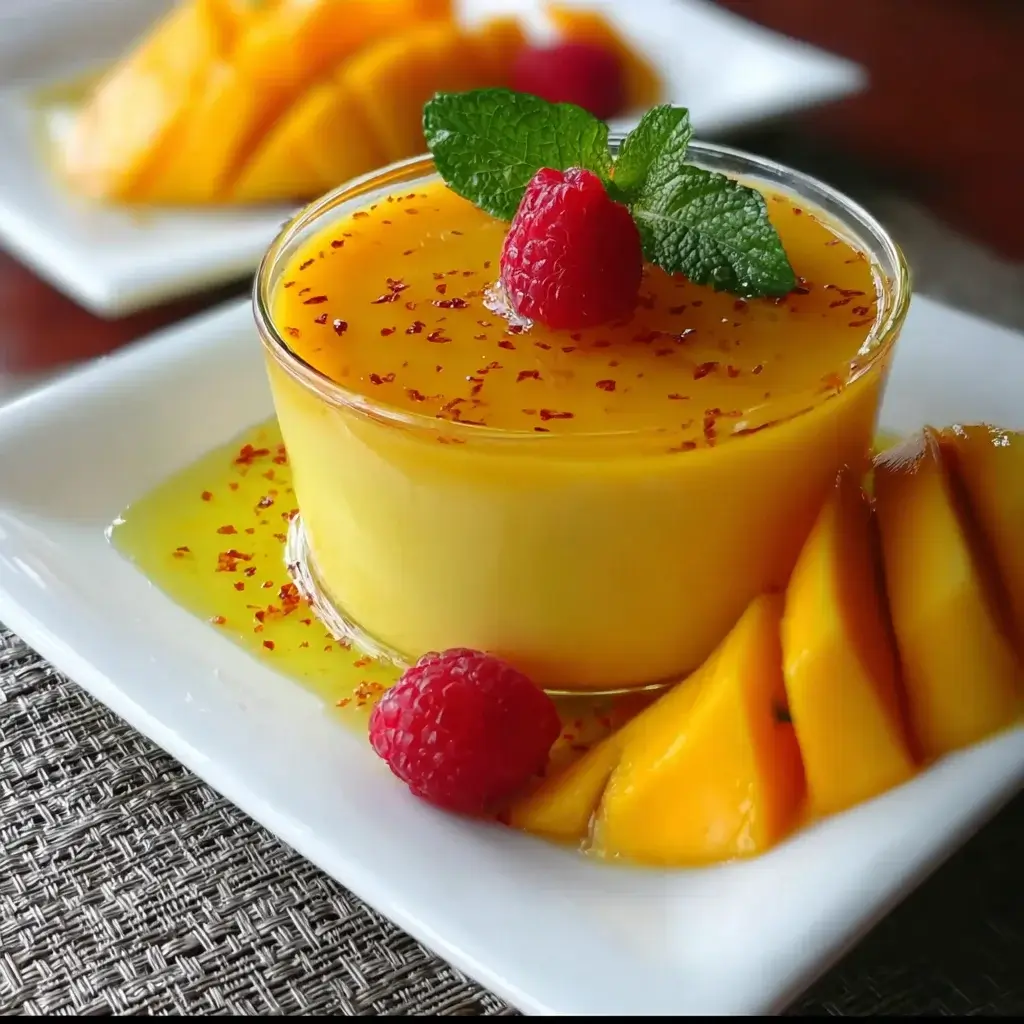

Of all the culinary experiences that define a weekend dim sum brunch, few moments are as eagerly anticipated as the arrival of the dessert cart. After a glorious parade of savory dumplings, steamed buns, and crispy rolls, the sight of those wobbly, vibrant orange mango puddings is a sweet, triumphant finale. I remember being a child, my eyes wide with excitement, pointing at the jiggly domes glistening under the restaurant lights. The first spoonful was always a moment of pure bliss—an intensely fruity, shockingly smooth, and creamy texture that was unlike any other dessert. It was cool, refreshing, and tasted like the very essence of a perfect, ripe mango. For years, I believed this luxurious treat was a complex secret held only by dim sum chefs. The thought of recreating it at home seemed like an impossible dream. But when I finally embarked on the journey, I discovered that the magic of Chinese Mango Pudding lies not in complexity, but in the quality of its ingredients and a few key techniques. This recipe is the culmination of that journey, a foolproof method to bring that authentic, restaurant-quality dessert into your own kitchen. The first time I successfully unmolded one and served it to my family, their reaction of surprised delight mirrored my own childhood joy, proving that this simple, elegant dessert has a universal power to enchant.
The Ultimate Chinese Mango Pudding: A Taste of Dim Sum at Home
Welcome to your definitive guide to crafting the most luscious, authentic Chinese Mango Pudding you’ve ever tasted. This iconic Hong Kong-style dessert, a star of dim sum menus and Chinese bakeries worldwide, is a celebration of tropical flavor and silken texture. Forget the grainy, artificial-tasting pudding mixes; this from-scratch recipe will show you how to create a dessert that is intensely mango-forward, perfectly creamy, and beautifully wobbly.
Why This is the Only Mango Pudding Recipe You’ll Ever Need
This isn’t just a set of instructions; it’s a deep dive into the art and science of creating the perfect mango pudding. It’s a recipe designed for success, whether you’re a seasoned baker or a curious beginner.
- Authentic Restaurant Flavor: This recipe is engineered to replicate the classic taste and texture you’d find in a high-quality dim sum restaurant, right down to the specific combination of milks used.
- Intensely Mango-Forward: The star of the show is, and always should be, the mango. This recipe uses a generous amount of fresh mango purée to ensure every bite is bursting with pure, unadulterated fruit flavor.
- Incredibly Smooth and Creamy: We will walk through the essential techniques, from blooming gelatin correctly to blending the purée, that guarantee a final product with a luxurious, velvety-smooth texture, free from any graininess or fibrous bits.
- Surprisingly Simple: Despite its elegant appearance and luxurious taste, this dessert is surprisingly straightforward to make. With just a handful of ingredients and a blender, you’re well on your way to dessert perfection.
- Visually Stunning: The vibrant, sunny orange color and the satisfying jiggle of the unmolded pudding make it a show-stopping dessert for any occasion, from a family dinner to a special celebration.
The Anatomy of a Perfect Mango Pudding: Choosing Your Ingredients
The secret to an exceptional mango pudding lies in the quality and synergy of its few, simple components. Understanding the role of each ingredient will empower you to create a truly flawless dessert.
The Soul of the Pudding: The Mangoes
This is the single most important ingredient and will make or break your dessert.
- The Best Varieties: Not all mangoes are created equal. For the smoothest, least fibrous, and sweetest pudding, you must seek out specific varieties. Ataulfo mangoes (also known as Honey or Champagne mangoes) are the undisputed champions. They have a buttery, silky-smooth flesh with virtually no fibers and a deeply sweet, honeyed flavor. Other excellent choices include the Kent or Keitt varieties. Avoid varieties like the Tommy Atkins (the most common type in US supermarkets), as they tend to be very fibrous and can result in a stringy, unpleasant texture.
- Ripeness is Everything: You need mangoes that are at peak ripeness. They should yield to gentle pressure, have a strong, sweet, fruity fragrance at the stem, and have deep golden-yellow or orange skin. An underripe mango will result in a sour, bland pudding.
- Fresh vs. Frozen: While fresh, in-season mangoes will always provide the absolute best flavor, high-quality frozen mango chunks (often made from sweet, non-fibrous varieties) are an excellent year-round alternative. Canned mango purée (like Alphonso purée) can also be used, but you will need to significantly reduce or even eliminate the added sugar, as these are often pre-sweetened.
The Creamy Base: The Dairy
The signature creaminess of a classic Hong Kong mango pudding comes from a specific combination of milks.
- Evaporated Milk: This is the secret ingredient for that authentic cha chaan teng (Hong Kong-style café) flavor. It’s milk that has had about 60% of its water removed, resulting in a concentrated, slightly caramelized, and distinctively rich flavor that is lighter than heavy cream.
- Coconut Milk: Full-fat coconut milk from a can adds a luxurious richness, a subtle tropical note that beautifully complements the mango, and contributes to the creamy mouthfeel.
The Setting Agent: Gelatin
This is what gives the pudding its signature wobbly, jiggly structure.
- Unflavored Powdered Gelatin: This is the most widely available option. The most crucial step when using powdered gelatin is to “bloom” it first. This means sprinkling it over cold water and letting it sit for 5-10 minutes. The gelatin granules will absorb the water and swell, which allows them to dissolve evenly in the hot liquid later, preventing lumps and ensuring a smooth, consistent set.
- Gelatin Sheets: If you prefer using gelatin sheets (leaves), use the equivalent amount according to the package instructions, typically soaking them in cold water until soft before wringing them out and dissolving them.
Complete Ingredients for Authentic Mango Pudding
Yields: 6-8 individual servings
Prep time: 20 minutes
Chilling time: 4 hours (or overnight)
- Mangoes: 500g (about 1 lb) ripe mango flesh, from 2-3 large Ataulfo/Honey mangoes
- Gelatin: 14g (2 packets or 1.5 tablespoons) unflavored powdered gelatin
- Water (for blooming): 1/4 cup (60ml) cold water
- Sugar: 1/2 cup (100g) granulated sugar (adjust based on mango sweetness)
- Water (for dissolving): 1 cup (240ml) hot water
- Evaporated Milk: 1 cup (240ml)
- Coconut Milk: 1/2 cup (120ml) full-fat, from a can
- For Garnish (Optional):
- Small cubes of fresh mango
- A drizzle of evaporated milk
- Fresh mint sprigs
Step-by-Step Instructions: Creating the Silkiest Mango Pudding
Follow these detailed steps carefully for a smooth, delicious, and perfectly set pudding every time.
Step 1: Prepare the Mangoes and Bloom the Gelatin
- Bloom the Gelatin: In a small bowl, sprinkle the 14g of powdered gelatin evenly over the 1/4 cup of cold water. Do not stir. Let it sit for 5-10 minutes to “bloom.” The gelatin will absorb the water and become thick and jiggly. This step is crucial for a smooth final texture.
- Prepare the Mango Purée: Peel your ripe mangoes and cut the flesh away from the pit. Dice the flesh and place it in a high-speed blender. Blend until the mango is completely and utterly smooth. You should have about 2 cups of silky purée.
Step 2: Create the Pudding Base
- Dissolve Sugar and Gelatin: In a medium saucepan, combine the 1/2 cup of sugar and the 1 cup of hot water. Place it over medium heat, stirring until the sugar is completely dissolved. Do not let it boil.
- Melt the Gelatin: Once the sugar is dissolved, remove the saucepan from the heat. Add the bloomed gelatin mixture to the hot sugar water. Whisk continuously until the gelatin is fully melted and there are absolutely no granules remaining.
- Combine with Milks: Pour the evaporated milk and coconut milk into the saucepan with the gelatin mixture. Whisk until everything is well combined.
Step 3: Combine and Chill
- Marry the Mixtures: Pour the milk and gelatin mixture into the blender with the smooth mango purée.
- Blend to Perfection: Blend everything on medium speed for about 30 seconds, or until the mixture is homogenous, smooth, and evenly colored. For an ultra-silky, professional-quality pudding, you can strain the final mixture through a fine-mesh sieve into a large measuring cup or pitcher to catch any potential tiny lumps of gelatin or fibrous mango bits.
- Portion and Chill: Pour the pudding mixture into your desired molds. You can use individual ramekins, silicone molds, small glass cups, or even a single larger mold.
- Chill to Set: Carefully place the molds in the refrigerator. Let the pudding chill, undisturbed, for at least 4 hours, or preferably overnight, until it is completely firm and set.
Step 4: Unmold and Serve
- The Unmolding Trick: To easily release the pudding from its mold, briefly dip the bottom of the mold in a bowl of hot water for 5-10 seconds. Be careful not to let any water get into the pudding.
- Plate and Garnish: Place a serving plate on top of the mold and carefully invert them together. The pudding should slide out easily. Garnish your beautiful mango pudding with a drizzle of evaporated milk, some fresh mango cubes, and a sprig of mint before serving.
Nutrition Facts (Estimated)
- Servings: 8
- Calories per serving: Approximately 200-250 kcal (This can vary based on the sweetness of your mangoes and the fat content of your coconut milk.)
Preparation and Cooking Time
- Active Preparation Time: 20 minutes
- Chilling Time: 4 hours (minimum)
- Total Time: 4 hours 20 minutes
How to Serve Your Mango Pudding: Classic and Creative Ideas
The presentation is part of the fun! Here are some wonderful ways to serve your creation.
- The Classic Dim Sum Style:
- Unmold the pudding onto a small, elegant plate.
- Drizzle a generous amount of evaporated milk over the top, letting it pool around the base.
- Top with a few perfectly diced cubes of fresh mango.
- Add a single mint leaf for a pop of color.
- The No-Fuss Glass Method:
- Simply chill and serve the pudding directly in the beautiful glass cups or jars you set it in. This is a foolproof method that is perfect for parties.
- Garnish the top just before serving.
- Transform it into Mango Sago:
- For a different, but equally beloved, Cantonese dessert, turn this into a Mango Sago Pudding.
- Prepare a small batch of sago pearls according to package directions.
- Serve the mango pudding in a bowl, surrounded by the cooked sago pearls, fresh mango cubes, and a generous pour of coconut milk.
5 Secrets to Restaurant-Quality Mango Pudding
- The Mango is King: I cannot stress this enough. Your pudding will only be as good as your mangoes. Use the sweetest, ripest, non-fibrous variety you can find (Ataulfo/Honey are best). Taste your mango purée before adding sugar and adjust accordingly.
- Bloom Gelatin Like a Pro: Never dump powdered gelatin directly into hot liquid. Always bloom it in cold water first. This single step is the difference between a silky-smooth pudding and a lumpy, grainy one.
- The Smoothness Secret: Blend and Strain: For the ultimate velvety texture, don’t be afraid to blend the final mixture a little longer than you think you need to. And for that professional, flawless finish, taking the extra 30 seconds to strain the mixture through a fine-mesh sieve is well worth the effort.
- Don’t Boil the Dairy: When you are dissolving the sugar and gelatin, use hot, not boiling, water. And when you add the milks, do it off the heat. Boiling milk can cause it to develop a skin or even curdle, which can affect the final texture of your pudding.
- Patience is a Virtue (The Chill): Do not try to rush the chilling process by putting the pudding in the freezer. This can cause ice crystals to form and ruin the texture. A slow, steady chill in the refrigerator for at least 4 hours is essential for the gelatin to set properly into that perfect, wobbly consistency.
Frequently Asked Questions (FAQ)
1. Why does my mango pudding have a stringy or fibrous texture?
This is almost always due to the type of mango used. Varieties like Tommy Atkins, which are very common in many Western supermarkets, are notoriously fibrous. To guarantee a smooth pudding, you must use a low-fiber variety like Ataulfo (Honey), Kent, or Keitt mangoes. Straining the purée can help, but starting with the right mango is the best solution.
2. My mango pudding didn’t set. What went wrong?
There are a few potential culprits:
- Gelatin wasn’t bloomed or dissolved properly: If the gelatin didn’t fully absorb the cold water or dissolve in the hot liquid, it won’t be able to do its job.
- Incorrect measurements: Not using enough gelatin for the amount of liquid will result in a soft, unset pudding.
- Using certain fresh fruits: While not an issue in this recipe, it’s good to know that certain fresh fruits like pineapple, kiwi, papaya, and guava contain an enzyme (bromelain or actinidin) that breaks down the proteins in gelatin and prevents it from setting.
3. Can I make this pudding vegan?
Yes, you can make a vegan version using agar-agar powder instead of gelatin. Agar-agar is a seaweed-based gelling agent. However, it behaves differently. You need to bring the agar-agar and liquid to a boil to activate it, and it creates a much firmer, less jiggly set than gelatin. A general substitution is to use about 1.5 teaspoons of agar-agar powder for the 14g of gelatin, but follow the instructions on your specific agar-agar package. You would also need to substitute the evaporated milk with a plant-based alternative.
4. Can I use other types of milk besides evaporated and coconut?
Yes, you can experiment. You could use all coconut milk for a richer, more tropical flavor, or use heavy cream for a more decadent, panna cotta-like texture. You could even use whole milk for a lighter version. However, the combination of evaporated and coconut milk is what provides that signature, authentic Hong Kong-style flavor.
5. How long can I store mango pudding in the refrigerator?
The mango pudding will keep well in the refrigerator for up to 4 days. It’s best to keep it covered with plastic wrap or in an airtight container to prevent it from drying out or absorbing other fridge odors. The flavor is often even better on the second day as the tastes continue to meld.
Conclusion: A Sweet Symbol of Joy and Simplicity
Chinese Mango Pudding is more than just a dessert; it’s a nostalgic journey, a symbol of happy gatherings, and a perfect example of how simple ingredients can be transformed into something truly extraordinary. By focusing on the quality of your mangoes and mastering a few fundamental techniques, you can easily bring the joy of this beloved dim sum classic into your own home. It’s a taste of pure sunshine, a wobbly, jiggly, creamy delight that is guaranteed to end any meal on a sweet and triumphant note.
Print
Chinese Mango Pudding recipe
Ingredients
-
Mangoes: 500g (about 1 lb) ripe mango flesh, from 2-3 large Ataulfo/Honey mangoes
-
Gelatin: 14g (2 packets or 1.5 tablespoons) unflavored powdered gelatin
-
Water (for blooming): 1/4 cup (60ml) cold water
-
Sugar: 1/2 cup (100g) granulated sugar (adjust based on mango sweetness)
-
Water (for dissolving): 1 cup (240ml) hot water
-
Evaporated Milk: 1 cup (240ml)
-
Coconut Milk: 1/2 cup (120ml) full-fat, from a can
-
For Garnish (Optional):
-
Small cubes of fresh mango
-
A drizzle of evaporated milk
-
Fresh mint sprig
-
Instructions
Step 1: Prepare the Mangoes and Bloom the Gelatin
-
Bloom the Gelatin: In a small bowl, sprinkle the 14g of powdered gelatin evenly over the 1/4 cup of cold water. Do not stir. Let it sit for 5-10 minutes to “bloom.” The gelatin will absorb the water and become thick and jiggly. This step is crucial for a smooth final texture.
-
Prepare the Mango Purée: Peel your ripe mangoes and cut the flesh away from the pit. Dice the flesh and place it in a high-speed blender. Blend until the mango is completely and utterly smooth. You should have about 2 cups of silky purée.
Step 2: Create the Pudding Base
-
Dissolve Sugar and Gelatin: In a medium saucepan, combine the 1/2 cup of sugar and the 1 cup of hot water. Place it over medium heat, stirring until the sugar is completely dissolved. Do not let it boil.
-
Melt the Gelatin: Once the sugar is dissolved, remove the saucepan from the heat. Add the bloomed gelatin mixture to the hot sugar water. Whisk continuously until the gelatin is fully melted and there are absolutely no granules remaining.
-
Combine with Milks: Pour the evaporated milk and coconut milk into the saucepan with the gelatin mixture. Whisk until everything is well combined.
Step 3: Combine and Chill
-
Marry the Mixtures: Pour the milk and gelatin mixture into the blender with the smooth mango purée.
-
Blend to Perfection: Blend everything on medium speed for about 30 seconds, or until the mixture is homogenous, smooth, and evenly colored. For an ultra-silky, professional-quality pudding, you can strain the final mixture through a fine-mesh sieve into a large measuring cup or pitcher to catch any potential tiny lumps of gelatin or fibrous mango bits.
-
Portion and Chill: Pour the pudding mixture into your desired molds. You can use individual ramekins, silicone molds, small glass cups, or even a single larger mold.
-
Chill to Set: Carefully place the molds in the refrigerator. Let the pudding chill, undisturbed, for at least 4 hours, or preferably overnight, until it is completely firm and set.
Step 4: Unmold and Serve
-
The Unmolding Trick: To easily release the pudding from its mold, briefly dip the bottom of the mold in a bowl of hot water for 5-10 seconds. Be careful not to let any water get into the pudding.
-
Plate and Garnish: Place a serving plate on top of the mold and carefully invert them together. The pudding should slide out easily. Garnish your beautiful mango pudding with a drizzle of evaporated milk, some fresh mango cubes, and a sprig of mint before serving.
Nutrition
- Serving Size: one normal portion
- Calories: 200-250 kcal