
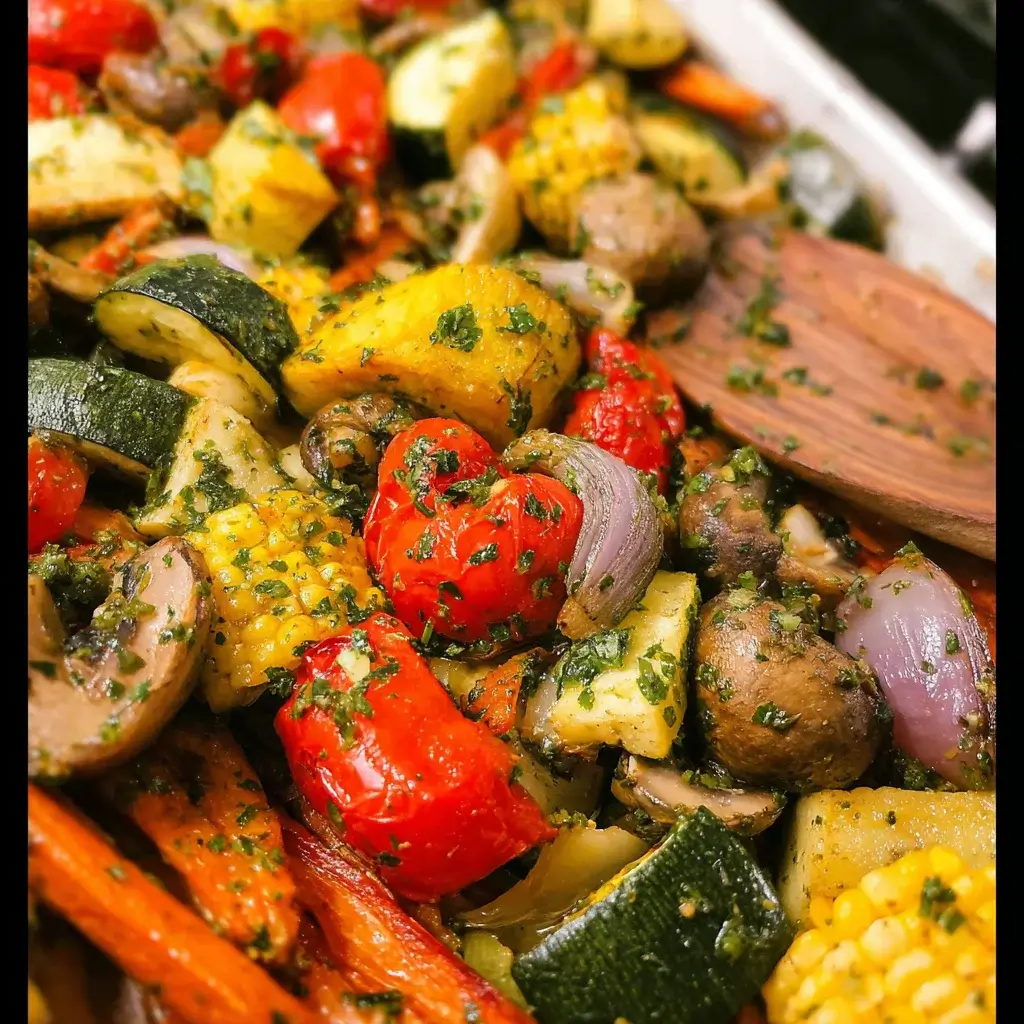

Roasted vegetables have always been my weeknight savior. A simple sheet pan, a drizzle of olive oil, a sprinkle of salt—it’s a reliable, healthy, and easy way to get dinner on the table. But for a long time, it was just that: reliable. It was never exciting. It was the sensible supporting actor, never the star of the show. That all changed the day I discovered the transformative power of chimichurri. I had first tried the vibrant, garlicky green sauce at an Argentinian steakhouse, and I was hooked. It was electric, herbaceous, and tangy. On a whim one evening, staring at a tray of freshly roasted, perfectly caramelized broccoli and carrots, I decided to whip up a batch. As I spooned the brilliant green sauce over the still-warm vegetables, the kitchen filled with an intoxicating aroma of fresh parsley, garlic, and vinegar. The result was nothing short of a revelation. The bright acidity and pungent garlic of the chimichurri cut through the earthy sweetness of the roasted vegetables, awakening every single flavor. It was no longer just a boring side dish; it was a vibrant, complex, and utterly addictive centerpiece. My family, who usually treated roasted veggies with polite acceptance, were suddenly asking for seconds and thirds. This recipe isn’t just about cooking vegetables; it’s about giving them a bold, brilliant new identity.
What is Chimichurri? The Green Magic from Argentina
Before we get to roasting, let’s talk about the star of our show: chimichurri sauce. If you’ve never had it, you are in for an incredible treat. Chimichurri is a raw, uncooked sauce that is a cornerstone of Argentinian and Uruguayan cuisine. It’s traditionally served as a condiment for grilled meats (asado), but its use extends far beyond steak.
Unlike pesto, to which it’s sometimes compared, chimichurri contains no nuts or cheese. Its flavor profile is bright, zesty, and powerful, not creamy or rich. The core components of a classic chimichurri are:
- Fresh Herbs: The foundation is almost always finely chopped fresh flat-leaf parsley. Many modern variations, including this one, also incorporate cilantro for an added layer of bright, citrusy flavor.
- Aromatics: A healthy amount of finely minced fresh garlic is non-negotiable. It provides the pungent, spicy bite that chimichurri is known for.
- Acidity: Red wine vinegar gives the sauce its signature tang, cutting through richness and brightening all the other flavors.
- Good Quality Oil: Extra virgin olive oil binds the sauce together, adding its own peppery, fruity notes and a luscious mouthfeel.
- A Touch of Spice: Dried oregano and a pinch of red pepper flakes provide warmth and a gentle background heat.
When this vibrant, zesty sauce meets the deep, sweet, caramelized flavors of oven-roasted vegetables, it creates a perfect culinary harmony. The bright acidity awakens the palate, the garlic adds a savory punch, and the fresh herbs provide a burst of clean, green flavor.
The Art of Roasting: Choosing Your Vegetables
The beauty of this recipe lies in its versatility. You can use almost any combination of vegetables you have on hand. The key is to understand that different vegetables cook at different rates and to cut them accordingly for even roasting. Here’s a guide to some of the best choices:
- Cruciferous Powerhouses: These are my top picks. They become wonderfully sweet and their edges get delightfully crispy when roasted.
- Broccoli & Cauliflower: Cut into uniform florets. They absorb the chimichurri beautifully.
- Brussels Sprouts: Halved or quartered, they develop a nutty, deeply savory flavor.
- Hardy Root Vegetables: These take a bit longer to cook but reward you with a tender, sweet interior.
- Carrots & Parsnips: Cut into sticks or coins. Their natural sweetness is a perfect match for the tangy sauce.
- Potatoes & Sweet Potatoes: Cut into 1-inch cubes. They make the dish incredibly hearty and satisfying.
- Softer Vegetables: These cook more quickly and add wonderful color and texture.
- Bell Peppers (any color): Cut into thick strips or chunks.
- Red Onion: Cut into wedges. It becomes sweet and jammy when roasted.
- Zucchini or Yellow Squash: Cut into thick half-moons.
For this recipe, we’ll use a classic, colorful mix of broccoli, carrots, and bell peppers, but feel free to create your own perfect combination.
Complete Recipe: Chimichurri Oven Roasted Vegetables
This recipe is divided into two simple parts: roasting the vegetables to perfection and whipping up the quick and flavorful chimichurri sauce.
Ingredients
For the Oven Roasted Vegetables:
- 1 large head of Broccoli, cut into bite-sized florets (about 4 cups)
- 2 large Carrots, peeled and sliced into ¼-inch thick coins
- 1 large Red bell pepper, deseeded and cut into 1-inch chunks
- 1 Red onion, cut into thick wedges
- 2 tablespoons Olive oil
- 1 teaspoon Salt
- ½ teaspoon Black pepper
For the Chimichurri Sauce:
- 1 cup packed Fresh flat-leaf parsley, thick stems removed
- ½ cup packed Fresh cilantro, thick stems removed (optional, can be replaced with more parsley)
- 3-4 cloves Garlic, peeled and roughly chopped
- 1 teaspoon Dried oregano
- ½ teaspoon Red pepper flakes (or more, to taste)
- 3 tablespoons Red wine vinegar
- ½ cup good quality Extra virgin olive oil
- ½ teaspoon Salt (or to taste)
Step-by-Step Instructions
Follow these simple steps to create a show-stopping vegetable side dish.
Step 1: Preheat and Prepare Your Pan
Preheat your oven to 425°F (220°C). For the best results, use a large, rimmed baking sheet. A large pan is crucial because it allows the vegetables to spread out in a single layer, which promotes roasting rather than steaming.
Step 2: Prepare the Vegetables for Roasting
In a large bowl, combine the broccoli florets, sliced carrots, bell pepper chunks, and red onion wedges. Drizzle with the 2 tablespoons of olive oil and sprinkle with the salt and black pepper. Use your hands to toss everything together until the vegetables are evenly coated.
Step 3: Roast the Vegetables
Spread the seasoned vegetables in a single, even layer on your prepared baking sheet. Make sure not to crowd the pan; use two pans if necessary. Place the baking sheet in the preheated oven and roast for 20-30 minutes. Toss the vegetables halfway through the cooking time to ensure even browning. The vegetables are done when they are tender-crisp and have developed nicely browned, caramelized edges.
Step 4: Make the Chimichurri Sauce
While the vegetables are roasting, prepare the chimichurri. You have two methods:
- Food Processor Method (Quick & Easy): Combine the parsley, cilantro (if using), garlic, dried oregano, and red pepper flakes in the bowl of a food processor. Pulse several times until the herbs and garlic are finely chopped. Add the red wine vinegar and salt, and pulse again to combine. With the processor running on low, slowly stream in the extra virgin olive oil until the sauce is just combined. Be careful not to over-process; you want a finely chopped texture, not a smooth purée.
- Hand-Chopped Method (Authentic Texture): Finely chop the parsley, cilantro, and garlic by hand and place them in a small bowl. Stir in the dried oregano, red pepper flakes, salt, and red wine vinegar. Slowly whisk in the extra virgin olive oil until combined. This method yields a slightly chunkier, more rustic texture.
Step 5: Combine and Serve
Once the vegetables are roasted to perfection, remove them from the oven. Transfer the hot vegetables to a large serving bowl. Pour about two-thirds of the fresh chimichurri sauce over the warm vegetables and toss gently to coat. The heat from the vegetables will slightly wilt the herbs and release their incredible aroma. Serve immediately, with the remaining chimichurri sauce on the side for drizzling.
Nutrition Facts
- Servings: 4-6 as a side dish
- Calories per serving: Approximately 250-300 kcal
Disclaimer: This nutritional information is an estimate and will vary based on the exact vegetables used and final portion size.
Preparation Time
- Prep Time: 15 minutes
- Cook Time: 25 minutes
- Total Time: 40 minutes
How to Serve Your Chimichurri Roasted Vegetables
While delicious enough to eat straight from the bowl with a fork, these vegetables are incredibly versatile. Here are a few ways to serve them:
- As a Stunning Side Dish: This is their primary role. They are the perfect accompaniment to almost any main course, including grilled chicken, steak, fish, or plant-based proteins like tofu or chickpeas.
- The Base for a Grain Bowl: Spoon a generous portion of the vegetables over a bed of cooked quinoa, farro, brown rice, or couscous. Top with a dollop of yogurt or some crumbled feta cheese for a complete, satisfying meal.
- In Tacos or Wraps: Chop the vegetables slightly smaller and tuck them into warm corn or flour tortillas. Add some black beans and a slice of avocado for a fantastic vegetarian taco.
- On Top of Creamy Polenta: Serve the vibrant, tangy vegetables over a bowl of soft, creamy polenta for a comforting and rustic meal.
- As a Hearty Topping for Toast: Pile the chimichurri vegetables onto a thick slice of toasted sourdough bread, perhaps with a schmear of goat cheese underneath, for a hearty and flavorful bruschetta.
5 Additional Tips for Roasting Perfection
- Don’t Crowd the Pan: This is the most important rule of roasting. If you pile your vegetables too close together, they will trap steam and become soggy instead of developing that delicious caramelized crust. Give them space! If your pan is crowded, split the vegetables between two sheet pans.
- Ensure Uniform(ish) Cuts: While they don’t need to be perfect, cutting your vegetables into roughly the same size ensures they cook at a similar rate. If you are mixing very hard vegetables (like potatoes) with softer ones (like zucchini), you can give the harder vegetables a 10-minute head start in the oven before adding the softer ones to the pan.
- High Heat is Your Friend: Don’t be afraid to crank up the oven. A temperature of 400°F (200°C) to 425°F (220°C) is ideal for achieving the Maillard reaction—the chemical process that creates the beautiful browning and deep, savory flavor.
- Dress the Vegetables While They’re Warm: Tossing the fresh chimichurri with the vegetables right after they come out of the oven is key. The residual heat helps the vegetables absorb the flavors of the sauce more deeply and releases the aromatic oils in the fresh herbs and garlic.
- Taste and Adjust Your Chimichurri: A recipe for a sauce is a guideline, not a strict rule. Taste your finished chimichurri before dressing the vegetables. Does it need more salt? A bigger acidic punch from more vinegar? More of a kick from red pepper flakes? Adjust it to your personal preference.
Frequently Asked Questions (FAQ)
1. Can I make the chimichurri sauce ahead of time?
Yes, absolutely! You can make the chimichurri sauce up to 2-3 days in advance and store it in an airtight container in the refrigerator. The flavor will actually meld and deepen over time. Note that the color may darken slightly as the fresh herbs oxidize, but it will still be delicious. Just give it a good stir before using.
2. How do I store leftover chimichurri roasted vegetables?
Store any leftovers in an airtight container in the refrigerator for up to 3 days. They are delicious cold, tossed into a salad, or can be gently reheated in a 350°F (175°C) oven or in a skillet until warmed through.
3. I don’t like cilantro. What can I substitute?
No problem at all! The most traditional Argentinian chimichurri is made with only parsley. Simply omit the cilantro and use 1 ½ cups of packed fresh parsley instead. The flavor will be slightly less citrusy but just as delicious and authentic.
4. Can I use different vegetables?
Of course! This recipe is a fantastic template. Feel free to use other roasting favorites like sweet potatoes, butternut squash, mushrooms, asparagus, or green beans. Just be mindful of their different cooking times.
5. Is there a substitute for red wine vinegar?
Red wine vinegar provides the classic chimichurri flavor, but if you don’t have any, you can substitute it with white wine vinegar or fresh lemon juice. Lemon juice will give the sauce a brighter, more citrus-forward flavor that is also incredibly delicious with roasted vegetables.
Chimichurri Oven Roasted Vegetable recipe
Ingredients
For the Oven Roasted Vegetables:
-
1 large head of Broccoli, cut into bite-sized florets (about 4 cups)
-
2 large Carrots, peeled and sliced into ¼-inch thick coins
-
1 large Red bell pepper, deseeded and cut into 1-inch chunks
-
1 Red onion, cut into thick wedges
-
2 tablespoons Olive oil
-
1 teaspoon Salt
-
½ teaspoon Black pepper
For the Chimichurri Sauce:
-
1 cup packed Fresh flat-leaf parsley, thick stems removed
-
½ cup packed Fresh cilantro, thick stems removed (optional, can be replaced with more parsley)
-
3-4 cloves Garlic, peeled and roughly chopped
-
1 teaspoon Dried oregano
-
½ teaspoon Red pepper flakes (or more, to taste)
-
3 tablespoons Red wine vinegar
-
½ cup good quality Extra virgin olive oil
-
½ teaspoon Salt (or to taste)
Instructions
Step 1: Preheat and Prepare Your Pan
Preheat your oven to 425°F (220°C). For the best results, use a large, rimmed baking sheet. A large pan is crucial because it allows the vegetables to spread out in a single layer, which promotes roasting rather than steaming.
Step 2: Prepare the Vegetables for Roasting
In a large bowl, combine the broccoli florets, sliced carrots, bell pepper chunks, and red onion wedges. Drizzle with the 2 tablespoons of olive oil and sprinkle with the salt and black pepper. Use your hands to toss everything together until the vegetables are evenly coated.
Step 3: Roast the Vegetables
Spread the seasoned vegetables in a single, even layer on your prepared baking sheet. Make sure not to crowd the pan; use two pans if necessary. Place the baking sheet in the preheated oven and roast for 20-30 minutes. Toss the vegetables halfway through the cooking time to ensure even browning. The vegetables are done when they are tender-crisp and have developed nicely browned, caramelized edges.
Step 4: Make the Chimichurri Sauce
While the vegetables are roasting, prepare the chimichurri. You have two methods:
-
Food Processor Method (Quick & Easy): Combine the parsley, cilantro (if using), garlic, dried oregano, and red pepper flakes in the bowl of a food processor. Pulse several times until the herbs and garlic are finely chopped. Add the red wine vinegar and salt, and pulse again to combine. With the processor running on low, slowly stream in the extra virgin olive oil until the sauce is just combined. Be careful not to over-process; you want a finely chopped texture, not a smooth purée.
-
Hand-Chopped Method (Authentic Texture): Finely chop the parsley, cilantro, and garlic by hand and place them in a small bowl. Stir in the dried oregano, red pepper flakes, salt, and red wine vinegar. Slowly whisk in the extra virgin olive oil until combined. This method yields a slightly chunkier, more rustic texture.
Step 5: Combine and Serve
Once the vegetables are roasted to perfection, remove them from the oven. Transfer the hot vegetables to a large serving bowl. Pour about two-thirds of the fresh chimichurri sauce over the warm vegetables and toss gently to coat. The heat from the vegetables will slightly wilt the herbs and release their incredible aroma. Serve immediately, with the remaining chimichurri sauce on the side for drizzling.
Nutrition
- Serving Size: one normal portion
- Calories: 250-300 kcal