
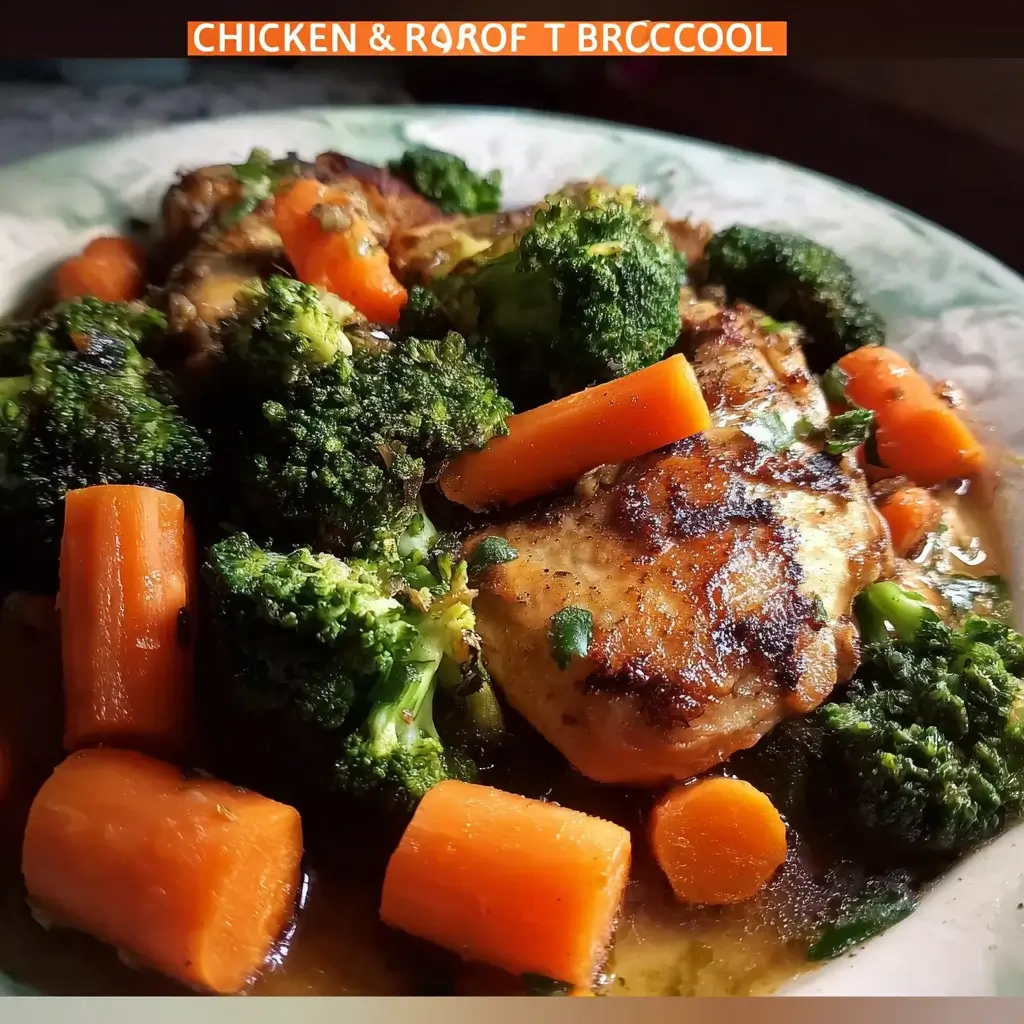

This Chicken with Broccoli and Carrots recipe has become a true staple in our household, a reigning champion of weeknight dinners that never fails to bring everyone to the table with smiles. I still remember the first time I made it, a bit of a kitchen experiment born out of a desire for something healthy, quick, and, most importantly, delicious enough to please both the adults and the discerning palates of my children. I was skeptical, as “healthy” and “kid-approved” don’t always go hand-in-hand in our house. But as the aroma of sizzling garlic and ginger began to fill the kitchen, followed by the vibrant hiss of fresh vegetables hitting the pan, I had a feeling this one might be different.
That evening, the true test came at the dinner table. My youngest, who usually eyes any green vegetable with deep suspicion, tentatively speared a piece of broccoli coated in the glossy, savory-sweet sauce. After a moment of thoughtful chewing, his eyes widened. “This is good!” he exclaimed, before promptly demanding more “trees.” My partner, who appreciates a hearty and flavorful meal after a long day, was equally impressed, commenting on how the chicken was perfectly tender and the vegetables had just the right amount of crispness. It was a resounding success. Since that first time, this dish has been on regular rotation, becoming a reliable go-to that I can whip up in about thirty minutes. It’s my secret weapon for busy evenings when I want to serve a home-cooked meal that’s packed with nutrients without spending hours in the kitchen. It’s more than just a recipe now; it’s a source of comfort, a guaranteed crowd-pleaser, and a testament to the fact that simple, fresh ingredients can create something truly special.
Complete with the ingredients amount
To create this vibrant and flavorful dish, you will need a combination of lean protein, fresh vegetables, and a handful of pantry staples to create a truly spectacular stir-fry sauce. The beauty of this recipe lies in its flexibility, but the following ingredients and amounts provide the perfect starting point for a balanced and delicious meal.
For the Chicken and Vegetables:
- Boneless, Skinless Chicken: 1 to 1.5 pounds (about 2 large breasts or 4-5 thighs), cut into 1-inch pieces. Both chicken breasts and thighs work wonderfully in this recipe. Breasts are a leaner option that cooks quickly, while thighs are more forgiving and tend to be juicier due to their higher fat content.
- Broccoli Florets: 3 to 4 cups, cut into bite-sized pieces. This equates to about one large head of broccoli. Using fresh broccoli will give you the best crisp-tender texture.
- Carrots: 1 to 2 medium carrots, thinly sliced or julienned. Slicing them thinly ensures they cook at the same rate as the broccoli. You can cut them into rounds or for a more delicate texture, julienne them.
- Avocado Oil or other Neutral Oil: 2 tablespoons, divided. A neutral oil with a high smoke point, like avocado, canola, or extra light olive oil, is essential for stir-frying to prevent burning.
- Garlic: 3 to 4 cloves, minced. Freshly minced garlic provides the best aromatic flavor, forming a savory backbone for the dish.
- Fresh Ginger: 1 tablespoon, finely grated or minced. Similar to garlic, fresh ginger is highly recommended for its potent, zesty flavor that is crucial to a great stir-fry.
- Yellow Onion: 1 small onion, chopped. Onions add a foundational layer of sweet and savory flavor as they cook down.
- Red Bell Pepper: 1 medium pepper, deseeded and chopped into 1-inch pieces. While optional, bell peppers add a lovely sweetness, vibrant color, and additional nutrients.
For the Savory-Sweet Stir-Fry Sauce:
The sauce is what brings everything together, coating the chicken and vegetables in a glossy, flavorful glaze.
- Low-Sodium Soy Sauce: 1/4 cup. It is important to use low-sodium soy sauce to control the saltiness of the dish; regular soy sauce can easily make it too salty. For a gluten-free alternative, use tamari.
- Low-Sodium Chicken Broth: 1/4 cup. This adds depth and volume to the sauce. You can also use water, but broth provides a richer flavor.
- Honey: 2 to 3 tablespoons. Honey provides the touch of sweetness that balances the savory soy sauce and makes the dish appealing to all ages. You can adjust the amount based on your preference for sweetness.
- Toasted Sesame Oil: 1 to 2 teaspoons. This oil has a strong, nutty flavor and adds an authentic Asian flair to the dish; a little goes a long way.
- Rice Vinegar: 1 teaspoon. This adds a subtle tang that brightens and balances the sauce.
- Cornstarch: 1 tablespoon. Cornstarch is the thickening agent. When mixed with a cold liquid to create a slurry and then heated, it gives the sauce its characteristic thick, glossy consistency.
Instructions
This stir-fry comes together quickly, so it’s crucial to have all your ingredients prepped and ready to go before you start cooking—a concept known in the culinary world as “mise en place.” This ensures a smooth and fast cooking process.
Step 1: Prepare the Sauce
Begin by preparing the stir-fry sauce. In a small bowl, whisk together the cornstarch and the cold chicken broth until the cornstarch is completely dissolved and no lumps remain. This initial step is critical, as adding cornstarch directly to hot liquid will cause it to clump. Once smooth, add the low-sodium soy sauce, honey, toasted sesame oil, and rice vinegar to the bowl. Whisk everything together until well combined. Set the sauce aside; you’ll use it at the very end of the cooking process.
Step 2: Cook the Chicken
Place a large skillet or wok over medium-high heat and add one tablespoon of the avocado oil. Allow the pan to get hot; the oil should shimmer slightly, and the chicken should sizzle the moment it hits the pan. Add the chicken pieces in a single layer, being careful not to overcrowd the pan, which can cause the chicken to steam rather than sear. You may need to cook the chicken in two batches. Season lightly with salt and pepper. Cook the chicken for 4 to 5 minutes, stirring occasionally, until it’s lightly browned and cooked through. The goal is to get a nice golden-brown crust, which adds a tremendous amount of flavor. Once cooked, remove the chicken from the skillet and set it aside on a clean plate.
Step 3: Stir-Fry the Vegetables
Leaving any flavorful juices and browned bits from the chicken in the pan, reduce the heat to medium and add the remaining tablespoon of oil. Add the sliced carrots and broccoli florets to the hot skillet. These are the heartiest vegetables and need a little more time to cook. Stir-fry for about 3 to 4 minutes. You want the vegetables to become tender, yet remain crisp. The broccoli should turn a vibrant bright green color.
Next, add the chopped onion and red bell pepper to the skillet. Continue to stir-fry for another 2 to 3 minutes until all the vegetables are crisp-tender. Overcooking the vegetables will make them soft and mushy, so keep a close eye on them. Finally, add the minced garlic and grated ginger to the pan. Stir constantly for about 30 seconds until they become fragrant. Garlic and ginger can burn quickly, so it’s important to add them in the last minute of vegetable cooking.
Step 4: Combine and Finish
Return the cooked chicken to the skillet with the vegetables. Give the prepared stir-fry sauce another quick whisk to recombine the ingredients, as the cornstarch may have settled. Pour the sauce over the chicken and vegetables, stirring gently to coat everything evenly.
Bring the entire mixture to a simmer. Allow it to cook and bubble for 1 to 2 minutes. As it simmers, the sauce will thicken and become glossy, clinging to every piece of chicken and vegetable. Once the sauce has thickened to your desired consistency, remove the skillet from the heat. The dish is now ready to be served immediately for the best taste and texture.
Nutrition Facts
This recipe for Chicken with Broccoli and Carrots is not only delicious but also packed with nutrients, making it a well-balanced meal. The nutritional information can vary slightly based on the exact ingredients used, such as choosing chicken breast versus thighs or adjusting the amount of honey.
- Servings: This recipe yields approximately 4 to 6 servings.
- Calories per serving: A typical serving contains approximately 270 to 380 calories. This makes it a relatively low-calorie meal that is still satisfying.
The macronutrient profile of this dish is quite balanced. It is a good source of lean protein from the chicken, which is essential for muscle building and repair. The broccoli and carrots contribute carbohydrates for energy, as well as a significant amount of dietary fiber, which aids in digestion. The healthy fats in the dish come primarily from the cooking oil and the sesame oil in the sauce.
Furthermore, this meal is rich in vitamins and minerals. Broccoli is a powerhouse of nutrients, known for being a cruciferous vegetable that may help reduce the risk of certain diseases and supports heart and bone health. Carrots are an excellent source of Vitamin A, which is crucial for eye health.
Preparation time
One of the greatest appeals of this stir-fry recipe is how quickly it comes together, making it an ideal choice for a busy weeknight dinner. The total time can be broken down into two main phases: preparation and cooking.
- Preparation Time: 15 minutes. This includes washing and chopping the vegetables, cutting the chicken into bite-sized pieces, and whisking together the sauce ingredients. To make the process even faster, you can do all the prep work ahead of time. Chopping the vegetables and prepping the chicken a day in advance can save significant time during the dinner rush.
- Cooking Time: 15-20 minutes. The cooking process itself is very fast, which is characteristic of stir-frying. From searing the chicken to stir-frying the vegetables and simmering in the sauce, the entire cooking phase is typically completed in under 20 minutes.
- Total Time: Approximately 30-35 minutes from start to finish. This makes it possible to get a healthy, home-cooked meal on the table in about half an hour.
How to Serve
The versatility of this Chicken with Broccoli and Carrots stir-fry extends to how it can be served. You can tailor it to your family’s preferences or dietary needs. Here are some of the best ways to present this delicious meal:
- Over Fluffy Rice: This is the classic and most popular way to serve a stir-fry. The rice soaks up the delicious, savory-sweet sauce beautifully.
- Jasmine Rice: A fragrant, long-grain rice that is a perfect complement to Asian flavors.
- Basmati Rice: Another excellent long-grain option with a slightly nuttier flavor.
- Brown Rice: For a healthier, whole-grain option with more fiber, serve it over steamed brown rice. It provides a chewier texture and a richer, nuttier taste.
- With Noodles: Transform this dish into a hearty noodle bowl.
- Ramen Noodles: Simply cook the noodles according to package directions, drain, and serve the stir-fry on top.
- Rice Noodles: A great gluten-free option. Prepare the noodles as directed and toss them directly with the chicken and vegetables or serve them underneath.
- Linguine or Fettuccine: Don’t be afraid to use what you have on hand; standard pasta can also work well as a base for the stir-fry.
- Low-Carbohydrate Options: For those looking to reduce their carb intake, there are several fantastic alternatives to rice and noodles.
- Cauliflower Rice: A popular low-carb substitute that has a similar texture to rice and absorbs the sauce well.
- Quinoa: A protein-packed, gluten-free seed that makes a healthy and satisfying base for the stir-fry.
- As Is: The dish is delicious and complete on its own, without any starchy side.
- Garnishes for Extra Flair: A simple garnish can elevate the presentation and add an extra layer of flavor and texture.
- Toasted Sesame Seeds: Sprinkle on top for a nutty crunch.
- Sliced Green Onions: Adds a fresh, mild oniony bite.
- Fresh Cilantro: For those who enjoy its bright, citrusy flavor.
- Crushed Red Pepper Flakes: For a touch of heat for those who like it spicy.
Additional tips
Here are five additional tips to help you perfect this Chicken with Broccoli and Carrots recipe and make it your own.
- Don’t Overcrowd the Pan: This is one of the most important rules of stir-frying. Adding too much food to the skillet at once lowers the temperature, causing the ingredients to steam in their own juices rather than searing. This results in pale, rubbery chicken and soggy vegetables. To avoid this, use a large wok or skillet and cook the chicken in batches if necessary, ensuring each piece has direct contact with the hot surface.
- Cut Ingredients Uniformly: Cut the chicken, broccoli, and carrots into similar-sized pieces. This not only makes the final dish more aesthetically pleasing but, more importantly, it ensures that everything cooks evenly. If your broccoli florets are large and the carrots are cut into thick chunks, the chicken might overcook before the vegetables are tender.
- Cook Chicken and Vegetables Separately: Cooking the chicken first and then removing it from the pan before cooking the vegetables is a key technique for a successful stir-fry. This method allows the chicken to brown properly and develop flavor without overcooking. It also ensures the vegetables cook to a perfect crisp-tender texture without being crowded by the chicken. The flavorful bits left in the pan after cooking the chicken will then season the vegetables.
- Embrace Ingredient Flexibility: Don’t be afraid to customize this recipe based on what you have on hand. This stir-fry is a fantastic way to use up leftover vegetables. Feel free to add or substitute with other veggies like snow peas, mushrooms, sliced cabbage, or water chestnuts. You can also swap the protein; thinly sliced beef, pork, or shrimp would all be delicious. For a vegetarian version, use firm tofu.
- Make it Kid-Friendly: If you have picky eaters, there are a few tricks to make this dish more appealing. Involve them in the cooking process by letting them help wash the vegetables or mix the sauce. Cutting the vegetables into fun shapes can also help. The honey in the sauce adds a touch of sweetness that kids often enjoy. You can serve the components separately on their plate—a pile of chicken, a pile of broccoli, a pile of carrots, and rice—allowing them to mix it themselves.
FAQ section
Q1: Can I use frozen vegetables for this stir-fry?
Yes, you can certainly use frozen vegetables in a pinch. However, it’s important to note that frozen vegetables release more water than fresh ones, which can sometimes result in a more watery sauce and softer vegetables. For best results, do not thaw the vegetables before cooking. Add them directly from the freezer to the hot pan, and be prepared to cook them for a few extra minutes to allow the excess moisture to evaporate.
Q2: My stir-fry sauce is too thin. How can I thicken it?
The cornstarch in the recipe is designed to thicken the sauce as it simmers. If your sauce isn’t as thick as you’d like, simply let it simmer for a minute or two longer. If it still needs more body, you can create a “slurry.” In a separate small bowl, whisk one teaspoon of cornstarch with two tablespoons of cold water or chicken broth until smooth. Slowly pour this slurry into the simmering sauce while stirring, and it should thicken up almost immediately.
Q3: Is a wok necessary to make a good stir-fry?
While a wok is the traditional and ideal tool for stir-frying due to its shape that distributes heat evenly, it is not absolutely necessary. You can achieve excellent results using a large, heavy-bottomed skillet. The key is to use a pan that is large enough to hold all the ingredients without overcrowding and that can handle high heat.
Q4: How should I store and reheat leftovers?
Leftovers can be stored in an airtight container in the refrigerator for up to four days, making this recipe great for meal prep. To reheat, you can use a microwave, but for the best texture, gently reheat the stir-fry in a skillet over medium heat until warmed through. You may need to add a splash of water or chicken broth to loosen up the sauce as it reheats.
Q5: What’s the difference between using chicken breasts and chicken thighs?
Both chicken breasts and thighs are great choices for stir-frying, and the best one often comes down to personal preference. Boneless, skinless chicken breasts are a very lean protein that cooks quickly. Boneless, skinless chicken thighs have a higher fat content, which makes them more flavorful, juicier, and more forgiving if you accidentally overcook them slightly.
Print
Chicken with Broccoli and Carrots recipe
Ingredients
-
Boneless, Skinless Chicken: 1 to 1.5 pounds (about 2 large breasts or 4-5 thighs), cut into 1-inch pieces. Both chicken breasts and thighs work wonderfully in this recipe. Breasts are a leaner option that cooks quickly, while thighs are more forgiving and tend to be juicier due to their higher fat content.
-
Broccoli Florets: 3 to 4 cups, cut into bite-sized pieces. This equates to about one large head of broccoli. Using fresh broccoli will give you the best crisp-tender texture.
-
Carrots: 1 to 2 medium carrots, thinly sliced or julienned. Slicing them thinly ensures they cook at the same rate as the broccoli. You can cut them into rounds or for a more delicate texture, julienne them.
-
Avocado Oil or other Neutral Oil: 2 tablespoons, divided. A neutral oil with a high smoke point, like avocado, canola, or extra light olive oil, is essential for stir-frying to prevent burning.
-
Garlic: 3 to 4 cloves, minced. Freshly minced garlic provides the best aromatic flavor, forming a savory backbone for the dish.
-
Fresh Ginger: 1 tablespoon, finely grated or minced. Similar to garlic, fresh ginger is highly recommended for its potent, zesty flavor that is crucial to a great stir-fry.
-
Yellow Onion: 1 small onion, chopped. Onions add a foundational layer of sweet and savory flavor as they cook down.
-
Red Bell Pepper: 1 medium pepper, deseeded and chopped into 1-inch pieces. While optional, bell peppers add a lovely sweetness, vibrant color, and additional nutrients.
For the Savory-Sweet Stir-Fry Sauce:
The sauce is what brings everything together, coating the chicken and vegetables in a glossy, flavorful glaze.
-
Low-Sodium Soy Sauce: 1/4 cup. It is important to use low-sodium soy sauce to control the saltiness of the dish; regular soy sauce can easily make it too salty. For a gluten-free alternative, use tamari.
-
Low-Sodium Chicken Broth: 1/4 cup. This adds depth and volume to the sauce. You can also use water, but broth provides a richer flavor.
-
Honey: 2 to 3 tablespoons. Honey provides the touch of sweetness that balances the savory soy sauce and makes the dish appealing to all ages. You can adjust the amount based on your preference for sweetness.
-
Toasted Sesame Oil: 1 to 2 teaspoons. This oil has a strong, nutty flavor and adds an authentic Asian flair to the dish; a little goes a long way.
-
Rice Vinegar: 1 teaspoon. This adds a subtle tang that brightens and balances the sauce.
-
Cornstarch: 1 tablespoon. Cornstarch is the thickening agent. When mixed with a cold liquid to create a slurry and then heated, it gives the sauce its characteristic thick, glossy consistency.
Instructions
Begin by preparing the stir-fry sauce. In a small bowl, whisk together the cornstarch and the cold chicken broth until the cornstarch is completely dissolved and no lumps remain. This initial step is critical, as adding cornstarch directly to hot liquid will cause it to clump. Once smooth, add the low-sodium soy sauce, honey, toasted sesame oil, and rice vinegar to the bowl. Whisk everything together until well combined. Set the sauce aside; you’ll use it at the very end of the cooking process.
Place a large skillet or wok over medium-high heat and add one tablespoon of the avocado oil. Allow the pan to get hot; the oil should shimmer slightly, and the chicken should sizzle the moment it hits the pan. Add the chicken pieces in a single layer, being careful not to overcrowd the pan, which can cause the chicken to steam rather than sear. You may need to cook the chicken in two batches. Season lightly with salt and pepper. Cook the chicken for 4 to 5 minutes, stirring occasionally, until it’s lightly browned and cooked through. The goal is to get a nice golden-brown crust, which adds a tremendous amount of flavor. Once cooked, remove the chicken from the skillet and set it aside on a clean plate.
Leaving any flavorful juices and browned bits from the chicken in the pan, reduce the heat to medium and add the remaining tablespoon of oil. Add the sliced carrots and broccoli florets to the hot skillet. These are the heartiest vegetables and need a little more time to cook. Stir-fry for about 3 to 4 minutes. You want the vegetables to become tender, yet remain crisp. The broccoli should turn a vibrant bright green color.
Next, add the chopped onion and red bell pepper to the skillet. Continue to stir-fry for another 2 to 3 minutes until all the vegetables are crisp-tender. Overcooking the vegetables will make them soft and mushy, so keep a close eye on them. Finally, add the minced garlic and grated ginger to the pan. Stir constantly for about 30 seconds until they become fragrant. Garlic and ginger can burn quickly, so it’s important to add them in the last minute of vegetable cooking.
Return the cooked chicken to the skillet with the vegetables. Give the prepared stir-fry sauce another quick whisk to recombine the ingredients, as the cornstarch may have settled. Pour the sauce over the chicken and vegetables, stirring gently to coat everything evenly.
Nutrition
- Serving Size: one normal portion
- Calories: 270 to 380