
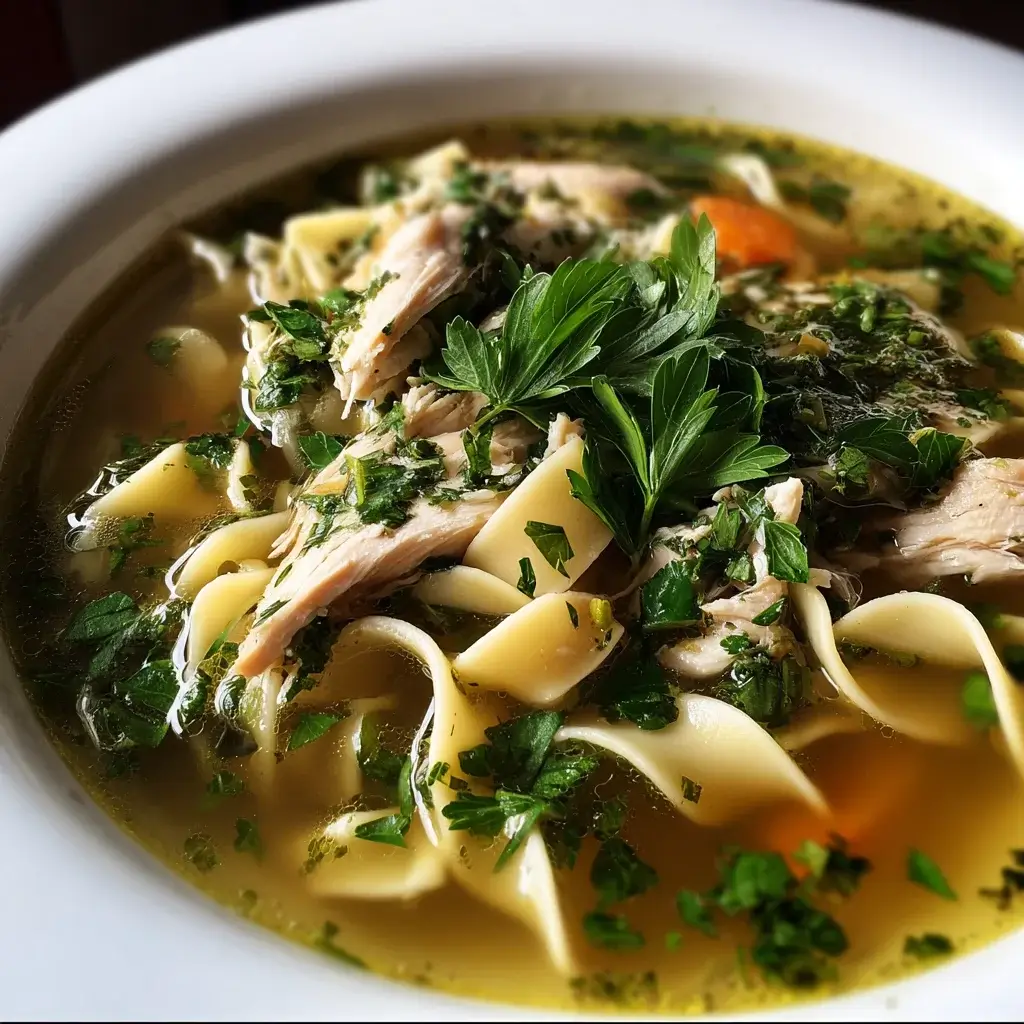

There’s a certain magic that happens when a pot of chicken noodle soup is simmering on the stove. The aroma alone is enough to soothe a weary soul and make a house feel like a home. I’ll never forget the first time I perfected this specific recipe. It was a cold, rainy Sunday, and the whole family was feeling a bit sluggish. I decided against the usual dried herbs and went all-in with a handful of fresh parsley, thyme, and dill from the garden. The difference was night and day. As the soup simmered, the kitchen filled with a fragrance that was earthy, bright, and deeply comforting. When I finally ladled it into bowls, the response was unanimous. My husband, who is usually a man of few words about food, looked up and said, “This is the best chicken soup I have ever had.” The kids, usually picky, slurped down every last drop and even asked for seconds. The fresh herbs didn’t just add flavor; they infused the entire dish with a vibrant, clean taste that cut through the richness of the broth, making it feel both nourishing and incredibly special. This isn’t just a recipe for when you’re feeling under the weather; it’s a bowl of pure comfort that has become our family’s most requested meal on a chilly day.
Why This Chicken Noodle Soup with Fresh Herbs is a Game Changer
Before we dive into the pot, let’s talk about what sets this recipe apart from the countless others you might find. While classic chicken noodle soup is a timeless comfort food, the addition of a generous amount of fresh herbs at the end of the cooking process elevates it from a simple remedy to a gourmet experience.
The Power of Fresh Herbs
Dried herbs are wonderful and have their place, but in a delicate and savory broth like this, fresh herbs are a revelation.
- Vibrant Flavor: Unlike their dried counterparts, fresh herbs retain their essential oils, which deliver a much brighter, cleaner, and more potent flavor profile. The earthy notes of fresh thyme, the bright, peppery taste of Italian parsley, and the subtle, tangy zest of fresh dill create a symphony of flavors that is complex yet perfectly balanced.
- Aromatic Experience: The aroma released by fresh herbs as they hit the hot broth is a key part of the experience. It signals freshness and care, making the soup feel more nourishing and homemade.
- Nutritional Boost: Fresh herbs are packed with vitamins and antioxidants, adding a subtle nutritional punch to an already wholesome dish.
Building a Broth with Unparalleled Depth
The soul of any great chicken noodle soup is its broth. This recipe focuses on building layers of flavor from the ground up, ensuring every spoonful is rich, savory, and satisfying. We achieve this by:
- Using Bone-In Chicken: Cooking the chicken on the bone releases collagen and gelatin into the broth. This not only adds incredible flavor and body but also gives the soup a silky, satisfying mouthfeel that you simply can’t get from using boneless chicken alone.
- Creating a Mirepoix Base: The classic trio of onion, carrots, and celery (known as a mirepoix) is the foundational flavor base. By sweating these vegetables in butter and olive oil until they are soft and fragrant, we release their natural sweetness and create the first essential layer of flavor.
- Simmering, Not Boiling: Patience is a key ingredient. A gentle simmer allows the flavors to meld together slowly and beautifully without making the broth cloudy or the chicken tough.
This recipe is more than just a set of instructions; it’s a guide to creating a truly memorable bowl of soup that will have your family and friends asking for the recipe every single time.
The Ultimate Chicken Noodle Soup with Fresh Herbs: Ingredients
This recipe yields a generous pot of soup, perfect for a family meal with leftovers. The key is to use the freshest ingredients you can find, as their quality will shine through in the final product.
For the Soup Base:
- Chicken: 2 lbs bone-in, skin-on chicken thighs or a mix of thighs and drumsticks
- Fat: 1 tablespoon unsalted butter and 1 tablespoon olive oil
- Aromatics: 1 large yellow onion (chopped), 3 cloves garlic (minced)
- Vegetables: 3 large carrots (peeled and sliced into 1/4-inch rounds), 3 celery stalks (sliced into 1/4-inch pieces)
- Broth: 8 cups (64 oz) low-sodium chicken broth, plus 2-4 cups of water as needed
- Bay Leaves: 2 whole dried bay leaves
For the Noodles and Herbs:
- Noodles: 6 oz wide egg noodles (or your favorite type of pasta)
- Fresh Italian Parsley: 1/2 cup, finely chopped
- Fresh Dill: 1/4 cup, finely chopped
- Fresh Thyme: 1 tablespoon fresh leaves, removed from the stem
- Lemon: 1 tablespoon fresh lemon juice (from about half a lemon)
For Seasoning:
- Salt: 1 1/2 teaspoons kosher salt (or to taste)
- Black Pepper: 1/2 teaspoon freshly ground black pepper (or to taste)
Step-by-Step Instructions for Perfect Homemade Soup
Follow these detailed steps to create a flawless pot of chicken noodle soup. The process is straightforward, but taking your time with each stage is crucial for developing deep, layered flavor.
Step 1: Sear the Chicken
Pat the chicken pieces completely dry with a paper towel. Season them generously on all sides with salt and pepper. In a large Dutch oven or heavy-bottomed pot, heat the olive oil and butter over medium-high heat. Once the butter is melted and foaming, carefully place the chicken pieces in the pot, skin-side down. Sear for 4-5 minutes per side, until the skin is golden brown and crispy. Do not overcrowd the pot; work in batches if necessary. This step is crucial for rendering the fat and creating a fond (the browned bits on the bottom of the pot) which is pure flavor. Once browned, remove the chicken and set it aside on a plate.
Step 2: Build the Flavor Base (Mirepoix)
Reduce the heat to medium. Add the chopped onion, carrots, and celery to the same pot. There should be enough rendered chicken fat, but if the pot seems dry, add another drizzle of olive oil. Sauté the vegetables, stirring occasionally, for 8-10 minutes, until the onion is translucent and the vegetables have softened. Use your wooden spoon to scrape up any of the browned bits from the bottom of the pot as the vegetables release their moisture. Add the minced garlic and cook for another minute until fragrant.
Step 3: Simmer the Soup
Return the seared chicken to the pot. Pour in the 8 cups of chicken broth and add the 2 bay leaves. The liquid should cover the chicken; if it doesn’t, add a few cups of water until it does. Bring the mixture to a gentle boil, then immediately reduce the heat to low. Cover the pot and let it simmer for at least 45 minutes, or up to 1.5 hours. The longer it simmers, the more tender the chicken will be and the more flavorful the broth will become. A slow, gentle simmer is key—avoid a rolling boil which can make the chicken tough and the broth cloudy.
Step 4: Shred the Chicken and Cook the Noodles
Carefully remove the chicken pieces and bay leaves from the pot. Place the chicken on a cutting board and let it cool slightly until you can handle it. While the chicken is cooling, bring the broth back to a simmer over medium heat. Add the egg noodles directly to the pot and cook according to the package directions, usually about 7-9 minutes, until al dente. While the noodles cook, use two forks to shred the chicken meat from the bones. Discard the skin and bones.
Step 5: Finish with Fresh Herbs and Seasoning
Once the noodles are cooked, reduce the heat to low. Stir the shredded chicken back into the soup. Now for the most important step: add the chopped fresh parsley, dill, and thyme. Stir in the fresh lemon juice. The lemon juice brightens all the flavors and balances the richness of the broth. Taste the soup and adjust the seasoning with more salt and freshly ground black pepper as needed. Let the soup sit for 5 minutes off the heat for the herb flavors to meld beautifully with the broth before serving.
Nutrition Facts
- Servings: 8
- Calories per serving: Approximately 350-400 kcal
Disclaimer: The nutritional information provided is an estimate and can vary based on the specific ingredients and portion sizes used. This calculation is based on using bone-in, skin-on chicken thighs and standard egg noodles.
Preparation Time
- Prep Time: 20 minutes (for chopping vegetables and preparing chicken)
- Cook Time: 1 hour 15 minutes
- Total Time: 1 hour 35 minutes
How to Serve Your Delicious Chicken Noodle Soup
Serving this soup is an experience in itself. A warm bowl is a perfect meal on its own, but a few simple additions can make it even more special.
- Garnishes are Key: Elevate each bowl with a final flourish.
- A sprinkle of extra chopped fresh parsley or dill.
- A few cracks of coarse black pepper.
- A small dollop of sour cream or Greek yogurt for a creamy tang.
- A drizzle of high-quality extra virgin olive oil.
- A sprinkle of red pepper flakes for a gentle kick of heat.
- Perfect Pairings: Serve the soup alongside complementary sides to make it a more substantial meal.
- Crusty Bread: A thick slice of sourdough, a warm baguette, or homemade garlic bread is essential for dipping into the savory broth.
- Saltine or Oyster Crackers: A classic and comforting choice for adding a bit of crunch.
- Simple Green Salad: A light salad with a simple vinaigrette provides a fresh, crisp contrast to the warm, hearty soup.
- Grilled Cheese Sandwich: For the ultimate comfort food combination, serve a half a grilled cheese sandwich alongside the soup for dipping.
Additional Tips for Soup Perfection
- Don’t Skim All the Fat: While you can skim some of the excess fat from the top of the broth as it simmers, leave a little bit behind. That fat contains a tremendous amount of flavor and contributes to the soup’s rich, satisfying mouthfeel.
- Cook Noodles Separately for Better Leftovers: If you plan on having leftovers or freezing the soup, it’s highly recommended to cook the noodles separately. Add the cooked noodles to individual bowls before ladling the hot soup over them. This prevents the noodles from absorbing too much broth and becoming mushy and bloated in the leftover soup.
- Make the Broth Ahead: The flavorful chicken broth base can be made up to 3 days in advance and stored in the refrigerator. This breaks up the cooking process and allows the flavors to deepen even further. When you’re ready to eat, simply bring the broth to a simmer, add freshly cooked noodles and the fresh herbs, and serve.
- Save Your Vegetable Scraps: For an even more flavorful and cost-effective broth, save your vegetable scraps! Keep a bag in the freezer with onion peels, carrot ends, celery tops, and parsley stems. You can add these to the pot along with the chicken to create an even richer stock, straining them out before adding the noodles.
- Don’t Add the Herbs Too Early: The magic of the fresh herbs is in their bright, vibrant flavor. If you add them at the beginning of the simmering process, their delicate flavors will cook away and become dull. Adding them in the last 5 minutes of cooking preserves their freshness and ensures they are the star of the show.
Frequently Asked Questions (FAQ)
1. Can I use boneless, skinless chicken breast instead?
Yes, you can, but the flavor and texture of the soup will be different. Boneless, skinless breasts lack the fat and collagen from the bones and skin, which contribute significantly to the broth’s richness. If using breasts, consider using a higher-quality store-bought bone broth and be very careful not to overcook the chicken, as it can become dry and tough. You may want to poach the breasts in the broth for just 15-20 minutes until cooked through, then remove and shred them.
2. Can I use dried herbs if I don’t have fresh ones?
You can, but the final taste will be significantly different and less vibrant. The general rule of thumb is to use one-third the amount of dried herbs as you would fresh. For this recipe, you would use about 1.5 teaspoons of dried parsley, 1 teaspoon of dried dill, and 1 teaspoon of dried thyme. Add the dried herbs along with the broth to give them time to rehydrate and release their flavor.
3. My broth looks cloudy. What did I do wrong?
A cloudy broth is usually caused by boiling the soup too vigorously. A rapid boil emulsifies the fats into the liquid and can cause the proteins from the chicken to break down into tiny particles, which cloud the broth. The key to a clear, golden broth is to maintain a very gentle, slow simmer throughout the cooking process. While a slightly cloudy broth is purely a cosmetic issue and will still taste delicious, a gentle simmer is the best practice.
4. Can I freeze this chicken noodle soup?
Yes, this soup freezes beautifully with one important modification: freeze the soup without the noodles. As mentioned in the tips, noodles do not freeze well and become very soft and mushy upon reheating. To freeze, allow the soup base (with the chicken and vegetables) to cool completely. Portion it into freezer-safe containers or bags and freeze for up to 3 months. When you’re ready to eat, thaw the soup in the refrigerator overnight, reheat it on the stove, and add freshly cooked noodles just before serving.
5. What other vegetables can I add to this soup?
This recipe is wonderfully versatile! You can add a variety of other vegetables to make it even heartier. Some great additions include:
- Mushrooms: Sauté them with the mirepoix for an earthy, umami flavor.
- Corn: Add frozen or fresh corn kernels during the last 10 minutes of cooking.
- Peas: Stir in frozen peas right at the end with the fresh herbs.
- Spinach or Kale: Add a few handfuls of fresh spinach or chopped kale at the end and let it wilt into the hot broth.
- Potatoes: Dice a potato and add it with the broth, allowing it to simmer until tender.
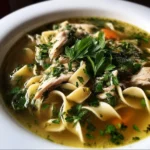
Chicken Noodle Soup with Fresh Herbs
Ingredients
For the Soup Base:
-
Chicken: 2 lbs bone-in, skin-on chicken thighs or a mix of thighs and drumsticks
-
Fat: 1 tablespoon unsalted butter and 1 tablespoon olive oil
-
Aromatics: 1 large yellow onion (chopped), 3 cloves garlic (minced)
-
Vegetables: 3 large carrots (peeled and sliced into 1/4-inch rounds), 3 celery stalks (sliced into 1/4-inch pieces)
-
Broth: 8 cups (64 oz) low-sodium chicken broth, plus 2-4 cups of water as needed
-
Bay Leaves: 2 whole dried bay leaves
For the Noodles and Herbs:
-
Noodles: 6 oz wide egg noodles (or your favorite type of pasta)
-
Fresh Italian Parsley: 1/2 cup, finely chopped
-
Fresh Dill: 1/4 cup, finely chopped
-
Fresh Thyme: 1 tablespoon fresh leaves, removed from the stem
-
Lemon: 1 tablespoon fresh lemon juice (from about half a lemon)
For Seasoning:
-
Salt: 1 1/2 teaspoons kosher salt (or to taste)
-
Black Pepper: 1/2 teaspoon freshly ground black pepper (or to taste)
Instructions
Step 1: Sear the Chicken
Pat the chicken pieces completely dry with a paper towel. Season them generously on all sides with salt and pepper. In a large Dutch oven or heavy-bottomed pot, heat the olive oil and butter over medium-high heat. Once the butter is melted and foaming, carefully place the chicken pieces in the pot, skin-side down. Sear for 4-5 minutes per side, until the skin is golden brown and crispy. Do not overcrowd the pot; work in batches if necessary. This step is crucial for rendering the fat and creating a fond (the browned bits on the bottom of the pot) which is pure flavor. Once browned, remove the chicken and set it aside on a plate.
Step 2: Build the Flavor Base (Mirepoix)
Reduce the heat to medium. Add the chopped onion, carrots, and celery to the same pot. There should be enough rendered chicken fat, but if the pot seems dry, add another drizzle of olive oil. Sauté the vegetables, stirring occasionally, for 8-10 minutes, until the onion is translucent and the vegetables have softened. Use your wooden spoon to scrape up any of the browned bits from the bottom of the pot as the vegetables release their moisture. Add the minced garlic and cook for another minute until fragrant.
Step 3: Simmer the Soup
Return the seared chicken to the pot. Pour in the 8 cups of chicken broth and add the 2 bay leaves. The liquid should cover the chicken; if it doesn’t, add a few cups of water until it does. Bring the mixture to a gentle boil, then immediately reduce the heat to low. Cover the pot and let it simmer for at least 45 minutes, or up to 1.5 hours. The longer it simmers, the more tender the chicken will be and the more flavorful the broth will become. A slow, gentle simmer is key—avoid a rolling boil which can make the chicken tough and the broth cloudy.
Step 4: Shred the Chicken and Cook the Noodles
Carefully remove the chicken pieces and bay leaves from the pot. Place the chicken on a cutting board and let it cool slightly until you can handle it. While the chicken is cooling, bring the broth back to a simmer over medium heat. Add the egg noodles directly to the pot and cook according to the package directions, usually about 7-9 minutes, until al dente. While the noodles cook, use two forks to shred the chicken meat from the bones. Discard the skin and bones.
Step 5: Finish with Fresh Herbs and Seasoning
Once the noodles are cooked, reduce the heat to low. Stir the shredded chicken back into the soup. Now for the most important step: add the chopped fresh parsley, dill, and thyme. Stir in the fresh lemon juice. The lemon juice brightens all the flavors and balances the richness of the broth. Taste the soup and adjust the seasoning with more salt and freshly ground black pepper as needed. Let the soup sit for 5 minutes off the heat for the herb flavors to meld beautifully with the broth before serving.
Nutrition
- Serving Size: one normal portion
- Calories: 350-400