
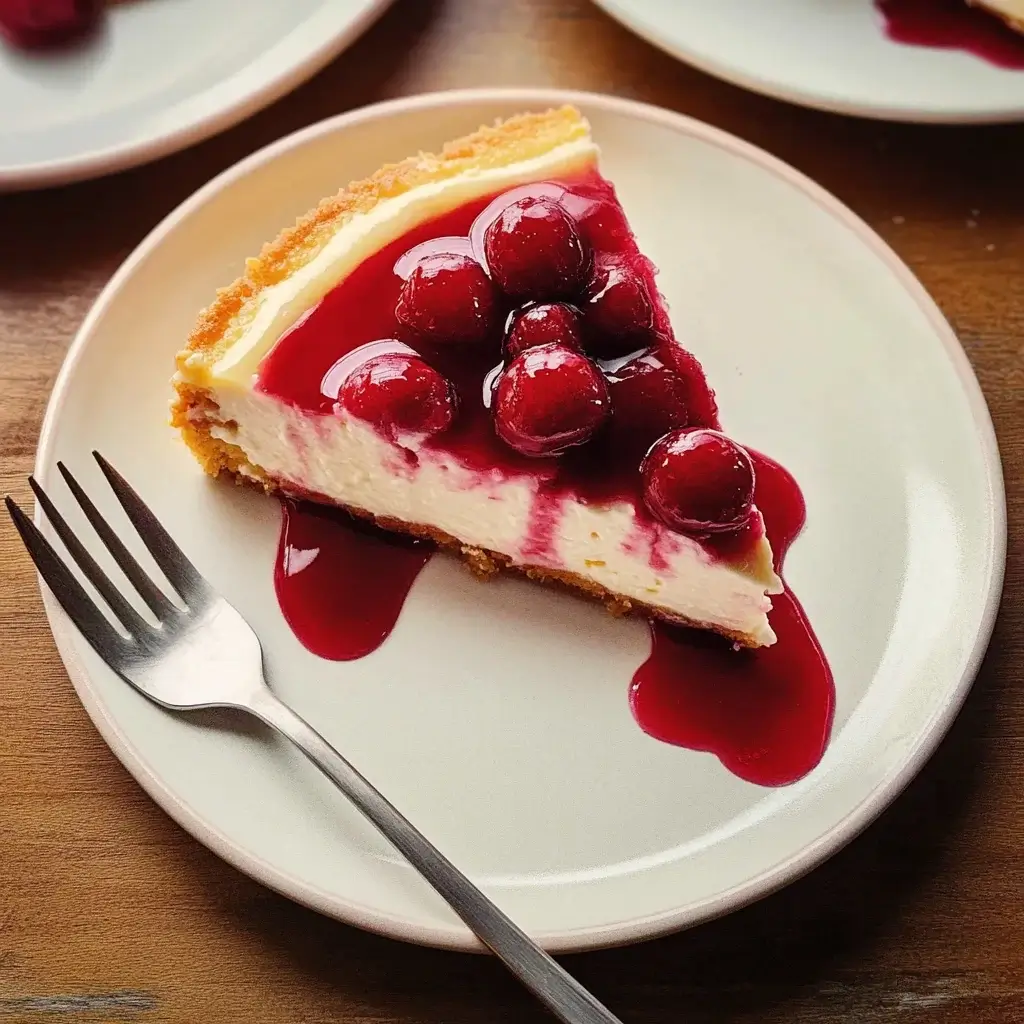
There are desserts, and then there are desserts. For me, a classic Cherry Cheesecake falls firmly into the latter category. It’s the kind of showstopper that graces holiday tables, marks special celebrations, and turns an ordinary Tuesday into an occasion. The first time I successfully baked a truly magnificent, crack-free cheesecake with a vibrant cherry topping, I felt an immense sense of pride. The creamy, tangy filling, the buttery graham cracker crust, and the sweet-tart burst of cherries – it was, and still is, pure bliss. My family’s eyes light up every time I announce it’s “cheesecake day,” and the silence that descends as everyone savors their first bite is the highest compliment a baker can receive. This recipe isn’t just about ingredients and steps; it’s about creating edible joy, a slice of comfort and celebration.
Why This Classic Cherry Cheesecake Recipe is a Guaranteed Showstopper
In a world filled with fleeting dessert trends, the Classic Cherry Cheesecake stands as an enduring icon of indulgence and elegance. It’s a dessert that promises satisfaction and delivers it in every creamy, decadent bite. But what makes this particular recipe the one you’ll turn to time and time again? It’s a combination of achievable perfection, timeless appeal, and a flavor profile that’s universally loved.
The Perfect Trifecta of Textures and Flavors:
A truly exceptional cheesecake is a symphony of contrasts.
- The Crust: This recipe ensures a buttery, slightly crumbly graham cracker crust that provides the perfect textural counterpoint to the smooth filling. It’s sturdy enough to hold its own yet tender enough to meld beautifully with each forkful.
- The Filling: We’re aiming for pure, unadulterated creaminess. Rich, dense, yet unbelievably smooth, with a delicate tang from the cream cheese perfectly balanced by sweetness. No chalkiness, no graininess – just velvety perfection.
- The Topping: The vibrant, glossy cherry topping is more than just a pretty face. Its sweet-tart flavor cuts through the richness of the cheesecake, adding a bright, fruity dimension that completes the experience.
Achievable Elegance for Home Bakers:
While “cheesecake” might sound intimidating to some, this recipe breaks down the process into manageable steps. We’ll cover all the essential techniques, from ensuring room temperature ingredients to the option of a water bath (for ultimate crack-prevention), making it accessible even for less experienced bakers. The result is a dessert that looks like it came from a high-end bakery, but with the satisfaction of knowing you made it yourself.
A Timeless Crowd-Pleaser:
Cherry cheesecake isn’t beholden to fads. It’s a classic for a reason. Its appeal spans generations, making it a perfect choice for family gatherings, holiday feasts (think Christmas, Thanksgiving, Easter), birthdays, or simply when you want to treat yourself and your loved ones. It’s sophisticated enough for a dinner party yet comforting enough for a casual get-together.
Versatility in Presentation:
While the classic cherry topping is iconic, this base cheesecake recipe is also a fantastic canvas for other fruit toppings, chocolate ganache, or a simple dusting of powdered sugar. However, the cherry version remains the quintessential choice for many, offering that perfect visual and gustatory appeal.
The “Worth It” Factor:
Yes, making a cheesecake from scratch takes time, particularly with the crucial cooling and chilling periods. But the payoff is immeasurable. The aroma wafting from your oven, the sight of that perfectly set cheesecake, and the rave reviews from anyone lucky enough to taste it make every minute spent entirely worthwhile. It’s a labor of love that deeply rewards.
This Classic Cherry Cheesecake recipe is more than just instructions; it’s a guide to creating a memorable culinary experience. It’s designed to give you the confidence and the know-how to produce a truly spectacular dessert that will have everyone asking for the recipe. Get ready to bake a legend!
Ingredients: The Building Blocks of Cheesecake Perfection
Crafting the perfect cherry cheesecake starts with quality ingredients. Ensure your dairy products, especially the cream cheese and eggs, are at room temperature for the smoothest, most homogenous filling.
For the Graham Cracker Crust:
- 1 ½ cups (about 150g) graham cracker crumbs: Approximately 10-12 full graham cracker sheets. You can buy pre-made crumbs or make your own in a food processor.
- ¼ cup (50g) granulated sugar: Adds a touch of sweetness to the crust.
- 6 tablespoons (85g) unsalted butter, melted: Binds the crust together and adds richness.
For the Cheesecake Filling:
- 32 ounces (904g) full-fat block cream cheese, softened to room temperature: This is crucial! Use four 8-ounce blocks. Do not use whipped or tub-style cream cheese. Softened cream cheese blends smoothly, preventing lumps.
- 1 ¾ cups (350g) granulated sugar: Provides the primary sweetness.
- ¼ cup (30g) all-purpose flour OR 2 tablespoons cornstarch: Helps to prevent cracking and gives a slightly firmer texture. Flour is traditional; cornstarch gives a silkier feel.
- 1 teaspoon vanilla extract: Enhances all the other flavors.
- ½ teaspoon lemon zest (optional, but recommended): Adds a subtle brightness that complements the cream cheese.
- 4 large eggs, at room temperature: Eggs are vital for structure. Room temperature eggs incorporate better.
- ½ cup (120ml) heavy cream OR full-fat sour cream, at room temperature: Adds richness, moisture, and tang (especially sour cream).
For the Cherry Topping:
- 1 can (21 ounces or approximately 595g) cherry pie filling: The easiest and quickest option, providing a delicious, glossy topping.
- Optional Homemade Cherry Sauce (if preferred over canned):
- 4 cups (about 600g) fresh or frozen pitted cherries (tart or sweet)
- ¾ – 1 cup (150-200g) granulated sugar (adjust to cherry tartness)
- ¼ cup (60ml) water or cherry juice
- 2 tablespoons cornstarch mixed with 2 tablespoons cold water (slurry)
- 1 tablespoon lemon juice
- ½ teaspoon almond extract (optional, enhances cherry flavor)
- Optional Homemade Cherry Sauce (if preferred over canned):
A Note on Room Temperature Ingredients:
I cannot stress this enough: for the cheesecake filling, having your cream cheese, eggs, and heavy cream/sour cream at room temperature is paramount. Cold cream cheese will result in a lumpy batter, no matter how much you beat it. Eggs and cream will incorporate more evenly when not chilled, leading to a smoother, more uniform texture and reducing the risk of overmixing. Plan ahead and take these ingredients out of the refrigerator at least 1-2 hours before you begin (cream cheese might need longer, depending on your kitchen’s temperature).
Step-by-Step Instructions: Crafting Your Cheesecake Masterpiece
Follow these detailed instructions carefully for a flawless cherry cheesecake. Patience is key, especially during the mixing and cooling stages.
Phase 1: Prepare the Graham Cracker Crust
- Preheat Oven & Prepare Pan: Preheat your oven to 350°F (175°C). You will need a 9-inch springform pan. To make removal easier, you can lightly grease the bottom of the pan and line it with a circle of parchment paper, though this is optional for the crust.
- Make Crumbs (if needed): If you’re not using pre-made crumbs, place graham cracker sheets in a food processor and pulse until fine crumbs form. Alternatively, place them in a zip-top bag and crush them with a rolling pin.
- Combine Crust Ingredients: In a medium bowl, combine the graham cracker crumbs and ¼ cup of granulated sugar. Pour the melted butter over the crumbs and stir with a fork until all the crumbs are moistened and the mixture resembles wet sand.
- Press Crust into Pan: Transfer the crumb mixture to your 9-inch springform pan. Press the crumbs firmly and evenly into the bottom of the pan and about 1 inch up the sides. You can use the bottom of a flat glass or a measuring cup to help create a compact and even layer.
- Pre-Bake Crust (Recommended): Bake the crust for 8-10 minutes, or until it’s lightly golden and fragrant. This helps to set the crust and prevent it from becoming soggy. Remove from the oven and let it cool slightly on a wire rack while you prepare the filling. Reduce oven temperature to 325°F (160°C) for baking the cheesecake.
Phase 2: Create the Creamy Cheesecake Filling
- Beat Cream Cheese: In the large bowl of a stand mixer fitted with the paddle attachment (or using a hand mixer and a large bowl), beat the softened cream cheese on medium-low speed until completely smooth and creamy, with no lumps. This might take 2-3 minutes. Scrape down the sides and bottom of the bowl frequently. This step is crucial for a lump-free cheesecake.
- Add Sugar and Flour/Cornstarch: In a separate small bowl, whisk together the 1 ¾ cups granulated sugar and the ¼ cup all-purpose flour (or 2 tbsp cornstarch). With the mixer on low speed, gradually add the sugar mixture to the cream cheese, beating until just combined and smooth. Scrape the bowl again. Do not overbeat.
- Incorporate Flavorings & Dairy: Add the vanilla extract, lemon zest (if using), and heavy cream (or sour cream). Beat on low speed until just combined. Scrape the bowl.
- Add Eggs (Gently!): Add the room temperature eggs one at a time, beating on low speed just until each yolk disappears into the batter. Overbeating at this stage incorporates too much air, which can lead to cracks. Scrape the bowl after the last egg is incorporated to ensure everything is well mixed but not overmixed. The batter should be smooth and thick.
Phase 3: Assemble and Bake the Cheesecake
- Prepare Water Bath (Optional but Highly Recommended for Crack Prevention):
- If using a water bath, take a large sheet of heavy-duty aluminum foil (or two regular sheets) and wrap the outside of the springform pan tightly to prevent water from seeping in.
- Place the foil-wrapped springform pan into a larger baking pan (like a roasting pan).
- Pour Filling: Pour the cheesecake filling over the pre-baked crust in the springform pan, spreading it into an even layer.
- Add Hot Water (for Water Bath): If using a water bath, carefully pour very hot (recently boiled) water into the larger roasting pan, around the springform pan, until the water reaches about 1 to 1.5 inches up the sides of the springform pan. Be careful not to splash water into the cheesecake batter.
- Bake: Carefully transfer the pan(s) to the preheated 325°F (160°C) oven. Bake for 60-75 minutes.
- The cheesecake is done when the edges are set and lightly golden, and the center still has a slight jiggle (it shouldn’t be liquid, but it shouldn’t be completely firm either – think Jell-O). An instant-read thermometer inserted into the center (not touching the crust) should register 150°F (65°C). Avoid opening the oven door frequently, especially during the first 45 minutes.
Phase 4: The Crucial Cooling Process (Patience is a Virtue!)
This slow cooling process is essential to prevent cracks and ensure a creamy texture.
- Cool in Oven: Turn off the oven. Prop the oven door open slightly (with a wooden spoon, for example) and let the cheesecake cool in the oven for 1 hour.
- Cool at Room Temperature: Carefully remove the cheesecake (and the springform pan from the water bath, if used; remove foil). Place it on a wire rack and let it cool completely to room temperature. This will take another 1-2 hours.
- Chill in Refrigerator: Once at room temperature, cover the cheesecake loosely with plastic wrap (don’t let the wrap touch the surface if possible, or it might stick) and refrigerate for at least 6 hours, but preferably overnight (8-12 hours). This allows the cheesecake to fully set and the flavors to meld. Do not rush this step!
Phase 5: Add Topping and Serve
- Prepare Cherry Topping (if making homemade):
- If making homemade sauce: In a medium saucepan, combine cherries, sugar, and water/cherry juice. Bring to a simmer over medium heat, stirring until sugar dissolves.
- Stir in the cornstarch slurry. Cook, stirring constantly, until the sauce thickens and becomes glossy, about 1-2 minutes.
- Remove from heat and stir in lemon juice and almond extract (if using).
- Let the sauce cool completely before using. It will thicken further as it cools.
- Release and Top: Once the cheesecake is thoroughly chilled, carefully run a thin knife around the edge of the cheesecake to loosen it from the springform pan sides (if it hasn’t already pulled away slightly). Unbuckle and remove the springform ring.
- Spread Topping: Gently spoon and spread the canned cherry pie filling (or your cooled homemade cherry sauce) over the top of the chilled cheesecake.
- Serve: Slice with a large, sharp knife, wiping the blade clean with a damp, hot cloth between each cut for neat slices. Keep refrigerated until ready to serve.
Enjoy your magnificent homemade Classic Cherry Cheesecake!
Nutrition Facts (Estimated)
Please note that these nutritional values are estimates and can vary significantly based on the specific brands of ingredients used, exact portion sizes, and whether you opt for homemade or canned cherry topping.
- Servings: This recipe typically yields 12-16 generous slices.
- Calories per serving (Estimated, based on 1/12th of the cheesecake with canned cherry pie filling): Approximately 480-600 calories.
- Calories per serving (Estimated, based on 1/16th of the cheesecake with canned cherry pie filling): Approximately 360-450 calories.
General Nutritional Profile Considerations:
- Fat: High, primarily from cream cheese, butter in the crust, and heavy cream/sour cream.
- Saturated Fat: A significant portion of the fat content will be saturated fat.
- Carbohydrates: High, from sugar in the filling and crust, graham crackers, and the cherry topping (which also contains added sugars).
- Protein: Moderate, primarily from cream cheese and eggs.
- Sodium: Moderate, depending on the salt content of your graham crackers and cream cheese.
Tips for a Slightly Lighter Version (Note: This will alter texture and richness):
- Neufchâtel Cheese: You can substitute some of the full-fat cream cheese with Neufchâtel cheese, which has a lower fat content. However, the texture might be less rich and creamy. Avoid fat-free cream cheese.
- Reduced-Fat Graham Crackers: If available.
- Portion Control: This is the most effective way to manage calorie intake. A smaller slice can still be very satisfying.
- Homemade Topping Control: When making homemade cherry topping, you have more control over the amount of sugar used.
This is an indulgent dessert, best enjoyed in moderation as part of a balanced diet. Always refer to the specific nutrition labels on your purchased ingredients for the most accurate information.
Preparation Time: A Labor of Love Worth Every Minute
Making a classic baked cheesecake is a multi-stage process, but much of the time is hands-off (baking, cooling, chilling). Here’s a breakdown:
- Active Preparation Time (Crust): 15-20 minutes (making crumbs, mixing, pressing into pan)
- Pre-Baking Crust Time: 8-10 minutes
- Active Preparation Time (Filling): 20-25 minutes (beating cream cheese, adding ingredients, mixing)
- Baking Time: 60-75 minutes
- Cooling Time in Oven (Oven Off, Door Ajar): 1 hour
- Cooling Time at Room Temperature: 1-2 hours
- Chilling Time in Refrigerator: Minimum 6 hours, preferably 8-12 hours (or overnight)
- Topping Preparation (if homemade & concurrent): 15-20 minutes (plus cooling time for homemade sauce)
- Final Assembly (Adding Topping): 5 minutes
Total Active Hands-On Time: Approximately 40-50 minutes (excluding homemade topping if made separately).
Total Time (From Start to Ready-to-Serve): Approximately 10-16 hours (largely due to the essential cooling and chilling periods).
While the overall timeline seems long, remember that the active work is concentrated at the beginning. The extended cooling and chilling are crucial for the cheesecake’s texture and to prevent cracking. Plan to make this cheesecake a day before you intend to serve it for the best results and a stress-free experience. This allows it to fully set and for the flavors to meld beautifully.
How to Serve: Presenting Your Culinary Triumph
Serving your Classic Cherry Cheesecake is the rewarding final step. Here’s how to make the most of its presentation and enjoyment:
- Proper Slicing for Clean Cuts:
- Use a long, thin, sharp knife.
- For the cleanest slices, dip the knife in hot water and wipe it dry with a clean kitchen towel before each cut.
- Cut straight down, then pull the knife out cleanly. Don’t “saw” through the cheesecake.
- Wipe the knife clean between slices to prevent crumb and filling buildup.
- Plating and Garnishes:
- Individual Slices: Place each slice neatly on a dessert plate.
- Extra Cherries: Garnish with a few fresh cherries (if in season) alongside the cherry topping for a pop of color and freshness.
- Whipped Cream: A dollop or swirl of freshly whipped cream (lightly sweetened) is a classic accompaniment. You can pipe it for an elegant touch.
- Mint Sprig: A small sprig of fresh mint adds a touch of green and a hint of freshness.
- Chocolate Shavings: For a more decadent twist, a few dark or white chocolate shavings can be sprinkled over the top or on the plate.
- Graham Cracker Crumbs: A light dusting of extra graham cracker crumbs around the plate can look appealing.
- Serving Temperature:
- Cheesecake is best served chilled, directly from the refrigerator. This maintains its firm, creamy texture.
- If it has been out for a very long time, it might become too soft.
- Accompaniments:
- Coffee or Tea: A hot cup of coffee, espresso, or a nice tea perfectly complements the richness of the cheesecake.
- Dessert Wine: A light, sweet dessert wine, like a Riesling Spätlese or a Moscato d’Asti, can pair beautifully.
- Milk: A cold glass of milk is a simple but delightful pairing, especially for kids (and kids at heart!).
- Occasions:
- Centerpiece Dessert: This cheesecake is impressive enough to be the star of any dessert table for holidays, birthdays, anniversaries, or dinner parties.
- Potlucks: Always a welcome and much-loved contribution to potlucks (transport carefully!).
- Special Treat: Don’t wait for an occasion! Sometimes, a slice of homemade cheesecake is the perfect way to elevate an ordinary day.
Transporting Tip: If you need to transport the cheesecake, do so before adding the cherry topping if possible, or add it very carefully and ensure the cheesecake is well-chilled and kept level during transport. A cake carrier is ideal.
No matter how you serve it, this Classic Cherry Cheesecake is bound to impress with its stunning looks and even more incredible taste.
Beyond the Basics: Additional Tips for Cheesecake Perfection
Mastering cheesecake comes down to a few key principles and techniques. Here are five additional tips to elevate your cheesecake game and ensure success every time:
- Embrace Room Temperature Ingredients (Seriously!):
We’ve mentioned it before, but it bears repeating with emphasis. Your cream cheese must be thoroughly softened to room temperature. If it’s even slightly cool, it won’t blend smoothly, resulting in lumps. The same goes for eggs and any dairy like sour cream or heavy cream. Cold ingredients don’t emulsify well, can lead to a curdled appearance, and often require more mixing, which incorporates too much air (a crack culprit!). Plan ahead: take them out 2-4 hours before you start (cream cheese might need the full 4 hours, or cut it into smaller cubes to speed up softening). - The Gentle Art of Mixing: Avoid Overbeating!
Once you start adding eggs to the cheesecake batter, your mantra should be “low and slow.” Beat on low speed and only until each egg is just incorporated. Overmixing, especially after eggs are added, whips too much air into the batter. This air expands during baking and then collapses as it cools, leading to the dreaded cracks on the surface and a potentially denser, heavier texture. Scrape the bowl frequently to ensure even mixing without the need for excessive speed or time. - The Water Bath (Bain-Marie) – Your Best Friend for a Flawless Top:
While optional for some cheesecake recipes, a water bath is highly recommended for classic baked cheesecakes like this one. It creates a steamy, humid environment in the oven, which promotes even baking and helps prevent the cheesecake from drying out and cracking. It also ensures a more level surface and an incredibly creamy, smooth texture.- Pro-Tip for Water Bath: Use heavy-duty aluminum foil to wrap your springform pan, or use two layers of regular foil, ensuring there are no gaps for water to seep in. Alternatively, some bakers place their springform pan inside a slightly larger regular cake pan (e.g., a 10-inch round) which then sits in the water bath, offering an extra layer of protection.
- Patience in Cooling is Non-Negotiable:
Sudden temperature changes are a cheesecake’s enemy. The gradual cooling process (oven off with door ajar, then fully at room temperature, then long chill in the fridge) is critical. Rushing this can cause the cheesecake to contract too quickly, leading to cracks. The long chill in the refrigerator isn’t just for firmness; it allows the flavors to meld and mature, resulting in a much tastier cheesecake. Don’t even think about slicing into it before it’s thoroughly chilled for at least 6 hours, preferably overnight. - Crust and Topping Customization – Make it Your Own:
While classic graham cracker crust and cherry topping are divine, don’t be afraid to experiment once you’ve mastered the base recipe.- Crust Variations: Try using digestive biscuits, Oreo cookies (filling removed or kept), gingersnaps, or Biscoff cookies for the crust. You can also add spices like cinnamon or nutmeg to your graham cracker crust, or even finely chopped nuts like pecans or walnuts.
- Topping Alternatives: Instead of cherry, consider other fruit toppings like blueberry, strawberry, raspberry, or a mixed berry compote. Lemon curd, salted caramel sauce, or a rich chocolate ganache are also fantastic alternatives. A simple dusting of powdered sugar or a pile of fresh berries can be equally elegant.
By incorporating these tips into your cheesecake-making routine, you’ll not only achieve consistently beautiful and delicious results but also gain the confidence to experiment and truly make the recipe your own.
Your Cheesecake Conundrums Solved: FAQ
Baking the perfect cheesecake can sometimes feel like a science experiment. Here are answers to some frequently asked questions to help you troubleshoot and succeed:
Q1: Why did my cheesecake crack on top? This is my biggest fear!
A: Cracks are the most common cheesecake woe, but often preventable! Several factors can contribute:
* Overbaking: The most common culprit. If the cheesecake is baked until completely firm in the center, it’s overdone. It should still have a slight jiggle.
* Too Much Air: Overmixing the batter, especially after adding eggs, incorporates excess air. This air expands during baking and deflates upon cooling, causing cracks.
* Drastic Temperature Changes: Moving the cheesecake from a hot oven directly to a cold environment can cause it to contract too quickly and crack. This is why the slow cooling process (oven off, room temp, then fridge) is vital.
* No Water Bath: A water bath creates a humid environment, promoting even baking and moisture, which helps prevent cracks.
* Sides Sticking: If the cheesecake sticks to the sides of the pan as it cools and contracts, it can pull and crack. Running a thin knife around the edge after the initial oven cooling can help.
* Oven Too Hot: Inaccurate oven temperatures can lead to overly rapid baking and cracks. An oven thermometer is a good investment.
Q2: Can I make this cherry cheesecake ahead of time?
A: Absolutely! In fact, cheesecake is an ideal make-ahead dessert. It needs to chill for at least 6 hours, but it’s even better if chilled overnight (8-12 hours) or up to 2 days before serving. This allows it to fully set and the flavors to develop. Prepare the cheesecake entirely (bake, cool, chill) and then add the cherry topping just before serving or a few hours before. Keep it covered in the refrigerator.
Q3: How do I properly store leftover cherry cheesecake? And how long will it last?
A: Leftover cheesecake should be stored in the refrigerator. Cover it loosely with plastic wrap or store it in an airtight container to prevent it from drying out or absorbing other fridge odors. Properly stored, it will last for about 3-5 days. The crust may soften slightly over time, especially with the topping on it.
Q4: Can I use low-fat or fat-free cream cheese to make it healthier?
A: While you can, it’s generally not recommended for the best texture and flavor. Full-fat block cream cheese is essential for that classic rich, dense, and creamy cheesecake. Low-fat cream cheese (Neufchâtel) can sometimes work, but it may result in a softer, less rich, and sometimes slightly more watery or grainy cheesecake. Fat-free cream cheese is strongly discouraged as it will significantly alter the texture and is unlikely to yield good results. If you’re concerned about calories, enjoying a smaller slice of the full-fat version is often more satisfying.
Q5: My cheesecake filling looks a bit lumpy/curdled after mixing. What went wrong, and can I fix it?
A: Lumps in cheesecake batter are almost always due to the cream cheese being too cold when mixed. It doesn’t break down smoothly and leaves small, unmixed bits.
* Prevention: Ensure your cream cheese is fully at room temperature before you begin. Beat it alone until perfectly smooth before adding other ingredients.
* Minor Lumps: If there are only a few tiny lumps, they might bake out or be unnoticeable.
* Significant Lumps: If the batter is quite lumpy, you can try to strain it through a fine-mesh sieve. This is a bit tedious but can salvage the texture. Alternatively, if it’s just the cream cheese and sugar stage, you can try gently warming the bottom of the mixing bowl over a pan of simmering water (like a double boiler) for very short intervals, mixing on low, to help soften and smooth the cream cheese – be extremely careful not to cook the mixture.
A “curdled” look (like separated) can happen if eggs are added to very cold cream cheese or if the mixture is overbeaten drastically. Gentle mixing and room temperature ingredients are key.
This Classic Cherry Cheesecake, with its rich filling, buttery crust, and sweet-tart topping, is more than just a dessert – it’s an experience. It’s a testament to the fact that with a little patience and attention to detail, you can create something truly special in your own kitchen. Whether for a grand celebration or a quiet moment of indulgence, this recipe is sure to bring joy and earn you rave reviews. Happy baking!
Print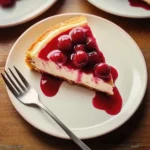
Cherry Cheesecake recipe
Ingredients
For the Graham Cracker Crust:
- 1 ½ cups (about 150g) graham cracker crumbs: Approximately 10-12 full graham cracker sheets. You can buy pre-made crumbs or make your own in a food processor.
- ¼ cup (50g) granulated sugar: Adds a touch of sweetness to the crust.
- 6 tablespoons (85g) unsalted butter, melted: Binds the crust together and adds richness.
For the Cheesecake Filling:
- 32 ounces (904g) full-fat block cream cheese, softened to room temperature: This is crucial! Use four 8-ounce blocks. Do not use whipped or tub-style cream cheese. Softened cream cheese blends smoothly, preventing lumps.
- 1 ¾ cups (350g) granulated sugar: Provides the primary sweetness.
- ¼ cup (30g) all-purpose flour OR 2 tablespoons cornstarch: Helps to prevent cracking and gives a slightly firmer texture. Flour is traditional; cornstarch gives a silkier feel.
- 1 teaspoon vanilla extract: Enhances all the other flavors.
- ½ teaspoon lemon zest (optional, but recommended): Adds a subtle brightness that complements the cream cheese.
- 4 large eggs, at room temperature: Eggs are vital for structure. Room temperature eggs incorporate better.
- ½ cup (120ml) heavy cream OR full-fat sour cream, at room temperature: Adds richness, moisture, and tang (especially sour cream).
For the Cherry Topping:
- 1 can (21 ounces or approximately 595g) cherry pie filling: The easiest and quickest option, providing a delicious, glossy topping.
- Optional Homemade Cherry Sauce (if preferred over canned):
- 4 cups (about 600g) fresh or frozen pitted cherries (tart or sweet)
- ¾ – 1 cup (150-200g) granulated sugar (adjust to cherry tartness)
- ¼ cup (60ml) water or cherry juice
- 2 tablespoons cornstarch mixed with 2 tablespoons cold water (slurry)
- 1 tablespoon lemon juice
- ½ teaspoon almond extract (optional, enhances cherry flavor)
- Optional Homemade Cherry Sauce (if preferred over canned):
Instructions
Phase 1: Prepare the Graham Cracker Crust
- Preheat Oven & Prepare Pan: Preheat your oven to 350°F (175°C). You will need a 9-inch springform pan. To make removal easier, you can lightly grease the bottom of the pan and line it with a circle of parchment paper, though this is optional for the crust.
- Make Crumbs (if needed): If you’re not using pre-made crumbs, place graham cracker sheets in a food processor and pulse until fine crumbs form. Alternatively, place them in a zip-top bag and crush them with a rolling pin.
- Combine Crust Ingredients: In a medium bowl, combine the graham cracker crumbs and ¼ cup of granulated sugar. Pour the melted butter over the crumbs and stir with a fork until all the crumbs are moistened and the mixture resembles wet sand.
- Press Crust into Pan: Transfer the crumb mixture to your 9-inch springform pan. Press the crumbs firmly and evenly into the bottom of the pan and about 1 inch up the sides. You can use the bottom of a flat glass or a measuring cup to help create a compact and even layer.
- Pre-Bake Crust (Recommended): Bake the crust for 8-10 minutes, or until it’s lightly golden and fragrant. This helps to set the crust and prevent it from becoming soggy. Remove from the oven and let it cool slightly on a wire rack while you prepare the filling. Reduce oven temperature to 325°F (160°C) for baking the cheesecake.
Phase 2: Create the Creamy Cheesecake Filling
- Beat Cream Cheese: In the large bowl of a stand mixer fitted with the paddle attachment (or using a hand mixer and a large bowl), beat the softened cream cheese on medium-low speed until completely smooth and creamy, with no lumps. This might take 2-3 minutes. Scrape down the sides and bottom of the bowl frequently. This step is crucial for a lump-free cheesecake.
- Add Sugar and Flour/Cornstarch: In a separate small bowl, whisk together the 1 ¾ cups granulated sugar and the ¼ cup all-purpose flour (or 2 tbsp cornstarch). With the mixer on low speed, gradually add the sugar mixture to the cream cheese, beating until just combined and smooth. Scrape the bowl again. Do not overbeat.
- Incorporate Flavorings & Dairy: Add the vanilla extract, lemon zest (if using), and heavy cream (or sour cream). Beat on low speed until just combined. Scrape the bowl.
- Add Eggs (Gently!): Add the room temperature eggs one at a time, beating on low speed just until each yolk disappears into the batter. Overbeating at this stage incorporates too much air, which can lead to cracks. Scrape the bowl after the last egg is incorporated to ensure everything is well mixed but not overmixed. The batter should be smooth and thick.
Phase 3: Assemble and Bake the Cheesecake
- Prepare Water Bath (Optional but Highly Recommended for Crack Prevention):
- If using a water bath, take a large sheet of heavy-duty aluminum foil (or two regular sheets) and wrap the outside of the springform pan tightly to prevent water from seeping in.
- Place the foil-wrapped springform pan into a larger baking pan (like a roasting pan).
- Pour Filling: Pour the cheesecake filling over the pre-baked crust in the springform pan, spreading it into an even layer.
- Add Hot Water (for Water Bath): If using a water bath, carefully pour very hot (recently boiled) water into the larger roasting pan, around the springform pan, until the water reaches about 1 to 1.5 inches up the sides of the springform pan. Be careful not to splash water into the cheesecake batter.
- Bake: Carefully transfer the pan(s) to the preheated 325°F (160°C) oven. Bake for 60-75 minutes.
- The cheesecake is done when the edges are set and lightly golden, and the center still has a slight jiggle (it shouldn’t be liquid, but it shouldn’t be completely firm either – think Jell-O). An instant-read thermometer inserted into the center (not touching the crust) should register 150°F (65°C). Avoid opening the oven door frequently, especially during the first 45 minutes.
Phase 4: The Crucial Cooling Process (Patience is a Virtue!)
This slow cooling process is essential to prevent cracks and ensure a creamy texture.
- Cool in Oven: Turn off the oven. Prop the oven door open slightly (with a wooden spoon, for example) and let the cheesecake cool in the oven for 1 hour.
- Cool at Room Temperature: Carefully remove the cheesecake (and the springform pan from the water bath, if used; remove foil). Place it on a wire rack and let it cool completely to room temperature. This will take another 1-2 hours.
- Chill in Refrigerator: Once at room temperature, cover the cheesecake loosely with plastic wrap (don’t let the wrap touch the surface if possible, or it might stick) and refrigerate for at least 6 hours, but preferably overnight (8-12 hours). This allows the cheesecake to fully set and the flavors to meld. Do not rush this step!
Phase 5: Add Topping and Serve
- Prepare Cherry Topping (if making homemade):
- If making homemade sauce: In a medium saucepan, combine cherries, sugar, and water/cherry juice. Bring to a simmer over medium heat, stirring until sugar dissolves.
- Stir in the cornstarch slurry. Cook, stirring constantly, until the sauce thickens and becomes glossy, about 1-2 minutes.
- Remove from heat and stir in lemon juice and almond extract (if using).
- Let the sauce cool completely before using. It will thicken further as it cools.
- Release and Top: Once the cheesecake is thoroughly chilled, carefully run a thin knife around the edge of the cheesecake to loosen it from the springform pan sides (if it hasn’t already pulled away slightly). Unbuckle and remove the springform ring.
- Spread Topping: Gently spoon and spread the canned cherry pie filling (or your cooled homemade cherry sauce) over the top of the chilled cheesecake.
- Serve: Slice with a large, sharp knife, wiping the blade clean with a damp, hot cloth between each cut for neat slices. Keep refrigerated until ready to serve.
Nutrition
- Serving Size: one normal portion
- Calories: 360-450