
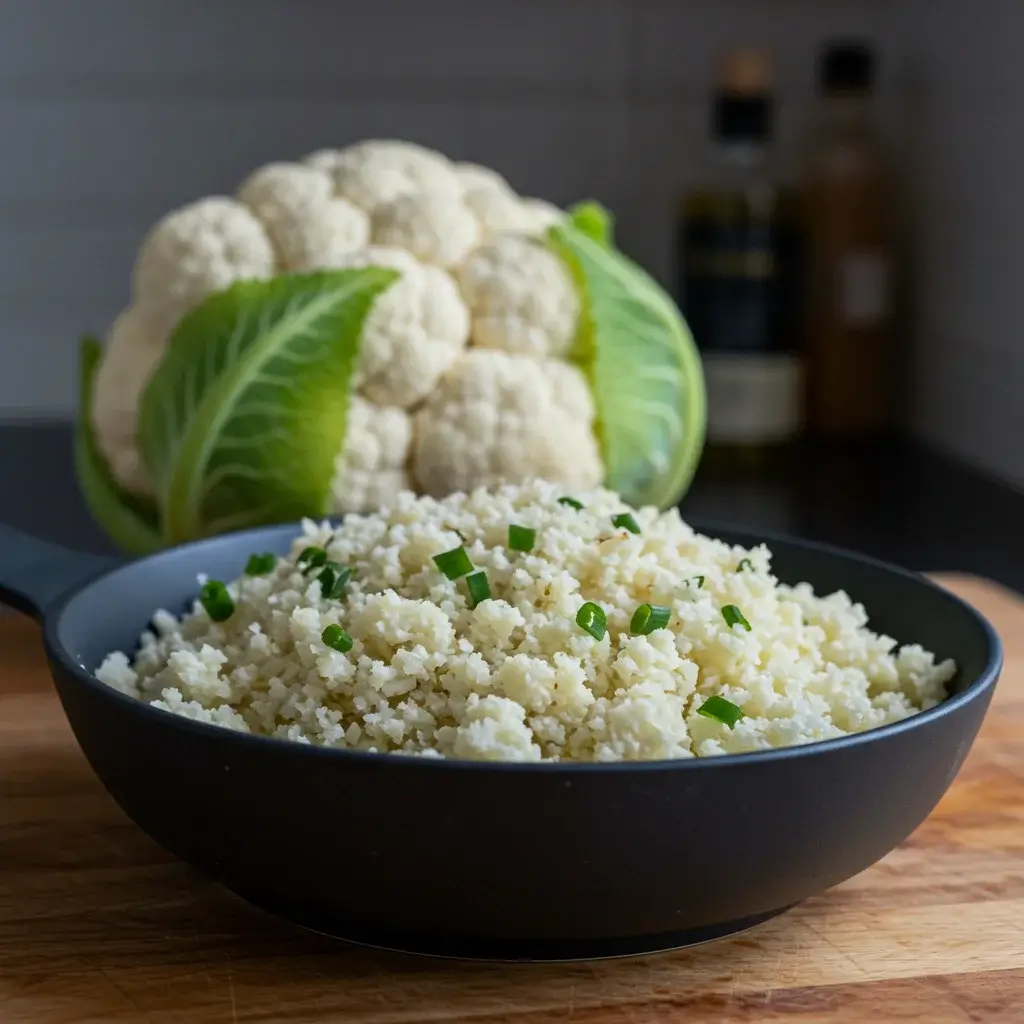

In recent years, cauliflower rice has surged in popularity as a versatile and healthy alternative to traditional rice. This low-carb option is perfect for those looking to reduce their carbohydrate intake without sacrificing flavor or satisfaction. Whether you’re on a keto diet, looking for gluten-free options, or simply trying to eat more vegetables, cauliflower rice is a delicious and nutritious choice. In this article, we’ll explore everything you need to know about making and enjoying cauliflower rice, complete with a detailed recipe, serving suggestions, and additional tips.
Ingredients
To make cauliflower rice, you’ll need a few simple ingredients that you likely already have in your kitchen:
- 1 medium head of cauliflower
- 1 tablespoon olive oil
- Salt and pepper to taste
- Optional: Garlic powder, onion powder, or herbs for extra flavor
Instructions
Creating cauliflower rice is a straightforward process that involves minimal prep and cook time. Follow these steps to make your own batch:
- Prepare the Cauliflower:
Start by removing the leaves and stem from the cauliflower. Cut the cauliflower into manageable chunks. - Rice the Cauliflower:
Use a food processor to pulse the cauliflower chunks until they resemble rice grains. If you don’t have a food processor, a box grater can achieve similar results. - Heat the Oil:
In a large skillet, heat the olive oil over medium heat. - Cook the Cauliflower Rice:
Add the cauliflower “rice” to the skillet. Sauté for 5-7 minutes, stirring occasionally, until the cauliflower is tender. - Season:
Season the cooked cauliflower rice with salt, pepper, and any additional spices or herbs you prefer. - Serve:
Serve the cauliflower rice warm as a side dish or incorporate it into stir-fries and salads.
Prep Time: 10 minutes
Cook Time: 7 minutes
Total Time: 17 minutes
Nutrition Facts
Cauliflower rice is not only delicious but also a low-calorie and nutritious option. Here’s a breakdown of the nutritional content per serving (makes about 4 servings):
- Calories: 25
- Carbohydrates: 5g
- Fiber: 2g
- Protein: 2g
- Fat: 1g
How to Serve Cauliflower Rice
Cauliflower rice is not only a low-carb substitute for traditional grains but also a delightful canvas for a variety of flavors and textures. Its versatility allows you to incorporate it into numerous culinary creations, making it an excellent addition to any meal. Below are several comprehensive ideas to inspire your culinary adventures with cauliflower rice.
As a Side Dish
- Plain or Seasoned:
- Plain: For a simple yet nutritious accompaniment, serve cauliflower rice plain. Its mild flavor makes it an excellent side to grilled meats and seafood, enhancing the meal without overpowering it.
- Seasoned: Elevate the taste by seasoning it with spices such as garlic powder, onion powder, paprika, or even fresh herbs like parsley and cilantro. A drizzle of olive oil or a squeeze of lemon can also brighten the dish and add depth.
- With Sauces:
- Teriyaki Sauce: A splash of teriyaki sauce can transform cauliflower rice into a savory side that pairs beautifully with grilled chicken or salmon. Consider sautéing the rice briefly with the sauce to enhance its flavor.
- Curry: For a more exotic twist, mix cauliflower rice with a rich coconut curry sauce. This combination is perfect alongside roasted vegetables or as a bed for chickpeas, creating a satisfying and fragrant dish.
In Main Dishes
- Stir-Fries:
- Use cauliflower rice as the base for your favorite stir-fry. Toss it in a hot pan with a variety of colorful vegetables like bell peppers, broccoli, and snap peas. Add your choice of protein—such as chicken, shrimp, or tofu—along with soy sauce, ginger, and garlic for a quick and healthy meal. The rice absorbs the flavors of the stir-fry sauce, making each bite delicious.
- Casseroles:
- Incorporate cauliflower rice into casseroles for a lighter take on comforting classics. Mix it with ingredients like lean ground turkey, spinach, and cheese for a nutritious, one-dish meal. Baking the casserole allows the flavors to meld beautifully, and it provides a satisfying texture that mimics traditional rice dishes without the carbs.
In Salads
- Grain-Free Salads:
- Replace quinoa or couscous with cauliflower rice in salads to create a grain-free, nutrient-dense option. Combine it with chopped vegetables like cucumber, tomatoes, and bell peppers, and toss with a zesty dressing made of olive oil, lemon juice, and herbs for a refreshing dish.
- Cold or Warm:
- Cold Salads: Serve cauliflower rice cold by mixing it with diced vegetables, fresh herbs, and a vinaigrette. Consider adding ingredients like avocado or feta cheese for creaminess and flavor.
- Warm Salads: For a heartier option, serve it warm with roasted vegetables such as zucchini, carrots, and Brussels sprouts. Top with a sprinkle of nuts or seeds, like toasted almonds or pumpkin seeds, to add crunch and healthy fats.
Additional Serving Ideas
- Stuffed Vegetables:
- Use cauliflower rice as a stuffing for bell peppers, zucchinis, or tomatoes. Combine it with beans, spices, and cheese, then bake until the vegetables are tender and the filling is golden.
- Soups:
- Add cauliflower rice to soups for added texture and nutrition. It works particularly well in broth-based soups, such as chicken soup or vegetable minestrone, where it absorbs flavors while maintaining a slight crunch.
- Breakfast Bowls:
- Get creative by incorporating cauliflower rice into breakfast dishes. Sauté it with eggs, spinach, and tomatoes for a delicious breakfast scramble, or use it as a base for a breakfast bowl topped with avocado, salsa, and a poached egg.
- Tacos and Burritos:
- Use cauliflower rice as a filling for tacos or burritos. Combine it with black beans, roasted corn, and your favorite taco spices for a low-carb twist on classic Mexican dishes. Top with fresh salsa, guacamole, and shredded lettuce for a complete meal.
By exploring these serving ideas, you can enjoy cauliflower rice in a multitude of ways, making it a staple in your kitchen. Whether as a side, a main dish, or a component of a salad, its adaptability ensures that you never run out of delicious options.
Additional Tips for Enhancing Your Cauliflower Rice Experience
Cauliflower rice has gained popularity not only as a low-carb alternative to traditional rice but also for its versatility and nutritional benefits. To fully enjoy this trendy ingredient, consider the following comprehensive tips:
Choosing the Right Cauliflower
Freshness is Key: When selecting a head of cauliflower, look for one that is firm to the touch and has a vibrant color. Fresh cauliflower should be predominantly white, though purple and green varieties can also add a fun twist to your dishes. Ensure there are no brown spots or discolorations, as these can indicate spoilage. The leaves should be crisp and green, which is a sign of freshness. Avoid heads that show signs of wilting or have a strong odor, as these are indicators of age.
Size Matters: The size of the cauliflower head can significantly affect your meal preparation. A medium-sized head typically yields about 4 cups of cauliflower rice, making it suitable for family meals or meal prep. If you’re cooking for a larger gathering or want leftovers, consider choosing a larger head. Conversely, if you’re experimenting with a recipe or cooking for one, a smaller head might suffice. Keep in mind that the rice can easily be adjusted in volume; you can always make more if needed, but it’s harder to use up excess once it’s prepared.
Customizing Flavors
Spice it Up: One of the advantages of cauliflower rice is its ability to absorb flavors, making it an ideal canvas for various spices and seasonings. Don’t hesitate to experiment with different spice blends to suit your palate. For a southwestern flair, consider mixing in taco seasoning, which typically includes cumin, chili powder, and paprika. If you’re in the mood for something exotic, curry powder can transform your cauliflower rice into a fragrant dish reminiscent of Indian cuisine. Italian herbs, such as oregano and basil, can lend a Mediterranean touch, perfect for pairing with grilled vegetables or chicken.
Add Aromatics: Elevating the basic taste of cauliflower rice is simple with the addition of aromatics. Sautéing chopped garlic or onions in olive oil before adding the cauliflower will infuse the dish with depth and richness. Consider adding shallots or leeks for a milder, sweeter flavor. For a robust kick, you might also add ginger or chopped chili peppers. These ingredients not only enhance the taste but also contribute additional health benefits, as many aromatics are packed with antioxidants and anti-inflammatory properties.
Storing and Reheating
Refrigeration: To maintain the freshness of leftover cauliflower rice, store it in an airtight container in the refrigerator. It’s best consumed within 4 days to ensure optimal taste and texture. Before storing, allow the rice to cool to room temperature to prevent condensation, which can lead to sogginess. If you’ve added any sauces or excess moisture, consider draining the rice slightly before refrigerating to help preserve its quality.
Freezing: If you find yourself with an abundance of cauliflower rice, freezing is an excellent option for long-term storage. Portion the rice into freezer-safe bags, ensuring to remove as much air as possible to prevent freezer burn. Label the bags with the date so you can keep track of freshness. When you’re ready to use it, simply thaw the bags overnight in the refrigerator. This gentle thawing method helps retain texture. Once thawed, reheat the cauliflower rice in a skillet over medium heat for a quick meal, adding a splash of oil or broth to enhance moisture and flavor.
By paying attention to the quality of your cauliflower, experimenting with flavors, and following proper storage techniques, you can elevate your cauliflower rice experience to new heights, making it a delicious and healthful addition to your culinary repertoire.
FAQs
Is cauliflower rice healthier than regular rice?
Cauliflower rice is lower in calories and carbohydrates compared to regular rice, making it a healthier option for those looking to reduce calorie or carb intake. It’s also packed with vitamins C and K and provides a good amount of fiber.
Can I make cauliflower rice without a food processor?
Yes, you can use a box grater to grate the cauliflower into rice-sized pieces. This method is equally effective and requires no special equipment.
How do I prevent cauliflower rice from becoming mushy?
Avoid overcooking the cauliflower rice. Sauté it just until tender, about 5-7 minutes, to maintain a rice-like texture.
Can I flavor cauliflower rice with other ingredients?
Absolutely! Feel free to add your favorite seasonings, herbs, or even a splash of lemon juice for added flavor.
Is cauliflower rice suitable for all diets?
Cauliflower rice is suitable for most diets, including keto, paleo, vegan, and gluten-free. However, individuals with specific dietary concerns should always check ingredient labels and consult with a nutritionist if unsure.
Conclusion
Cauliflower rice has emerged as a popular culinary substitute for traditional rice, and for good reason. This nutrient-dense alternative offers a plethora of health benefits while maintaining a delightful taste and versatile texture that can seamlessly integrate into a wide range of meals. By incorporating cauliflower rice into your diet, you not only enhance the nutritional profile of your dishes but also open up a world of culinary possibilities.
Nutritional Advantages
One of the standout features of cauliflower rice is its impressive nutritional profile. This cruciferous vegetable is low in calories, making it an excellent choice for those looking to manage their weight or reduce their carbohydrate intake. In a typical serving, cauliflower rice contains only about 25 calories, compared to over 200 calories in a similar serving of white rice. Additionally, cauliflower is rich in vitamins C and K, folate, and dietary fiber, which support a healthy immune system, promote bone health, and aid in digestion.
Culinary Versatility
The versatility of cauliflower rice is another compelling reason to incorporate it into your meals. It can be used in various cuisines, from Asian stir-fries and Indian curries to Mediterranean dishes and Mexican salsas. The subtle flavor of cauliflower allows it to absorb spices and sauces beautifully, making it an ideal base for flavorful dishes. You can enjoy it as a standalone side, mixed into casseroles, or even as a filling for tacos or stuffed peppers.
Simple Preparation
Preparing cauliflower rice is remarkably easy and requires minimal ingredients. To make it, you simply need a head of fresh cauliflower, which can be transformed into rice by grating it with a box grater or pulsing it in a food processor until it reaches a rice-like consistency. The whole process can be done in under 10 minutes, making it a quick and convenient option for busy weeknight dinners. Furthermore, you can prepare it in bulk and store it in the refrigerator for several days, or freeze it for long-term use, ensuring that you always have a healthy side dish on hand.
Experimenting with Flavors
One of the joys of cooking with cauliflower rice is the opportunity to experiment with various flavors and ingredients. You can sauté it with garlic and onions for a classic side dish, toss it with fresh herbs and lemon juice for a refreshing salad, or spice it up with chili powder and cumin for a zesty Mexican twist. The possibilities are endless, and this adaptability makes it easy to cater to different tastes and dietary preferences.
Health Benefits Beyond Weight Management
In addition to its low-calorie count, cauliflower rice boasts several health benefits that extend beyond weight management. The high fiber content aids in digestion and promotes a feeling of fullness, which can help curb unhealthy snacking. The antioxidants present in cauliflower, such as indole-3-carbinol and sulforaphane, may contribute to reducing inflammation and lowering the risk of chronic diseases. Furthermore, incorporating more vegetables into your diet, such as cauliflower, can lead to improved overall health and well-being.
Final Thoughts
In conclusion, cauliflower rice is not just a trendy alternative; it is a delicious, healthy, and versatile option that can enrich your meals and enhance your diet. Whether you are aiming to cut carbs, increase vegetable intake, or simply try something new, cauliflower rice is an excellent choice that delivers on flavor and nutrition. So, roll up your sleeves, get creative in the kitchen, and enjoy the myriad of benefits that this incredible, low-calorie dish has to offer. From hearty family dinners to meal prep for busy weeks, cauliflower rice can easily become a staple in your cooking repertoire, providing endless opportunities for delicious and healthful eating.
Cauliflower Rice recipe
Ingredients
- 1 medium head of cauliflower
- 1 tablespoon olive oil
- Salt and pepper to taste
- Optional: Garlic powder, onion powder, or herbs for extra flavor
Instructions
- Prepare the Cauliflower:
Start by removing the leaves and stem from the cauliflower. Cut the cauliflower into manageable chunks. - Rice the Cauliflower:
Use a food processor to pulse the cauliflower chunks until they resemble rice grains. If you don’t have a food processor, a box grater can achieve similar results. - Heat the Oil:
In a large skillet, heat the olive oil over medium heat. - Cook the Cauliflower Rice:
Add the cauliflower “rice” to the skillet. Sauté for 5-7 minutes, stirring occasionally, until the cauliflower is tender. - Season:
Season the cooked cauliflower rice with salt, pepper, and any additional spices or herbs you prefer. - Serve:
Serve the cauliflower rice warm as a side dish or incorporate it into stir-fries and salads.
Nutrition
- Serving Size: one normal portion
- Calories: 25
- Fat: 1g
- Carbohydrates: 5g
- Fiber: 2g
- Protein: 2g