
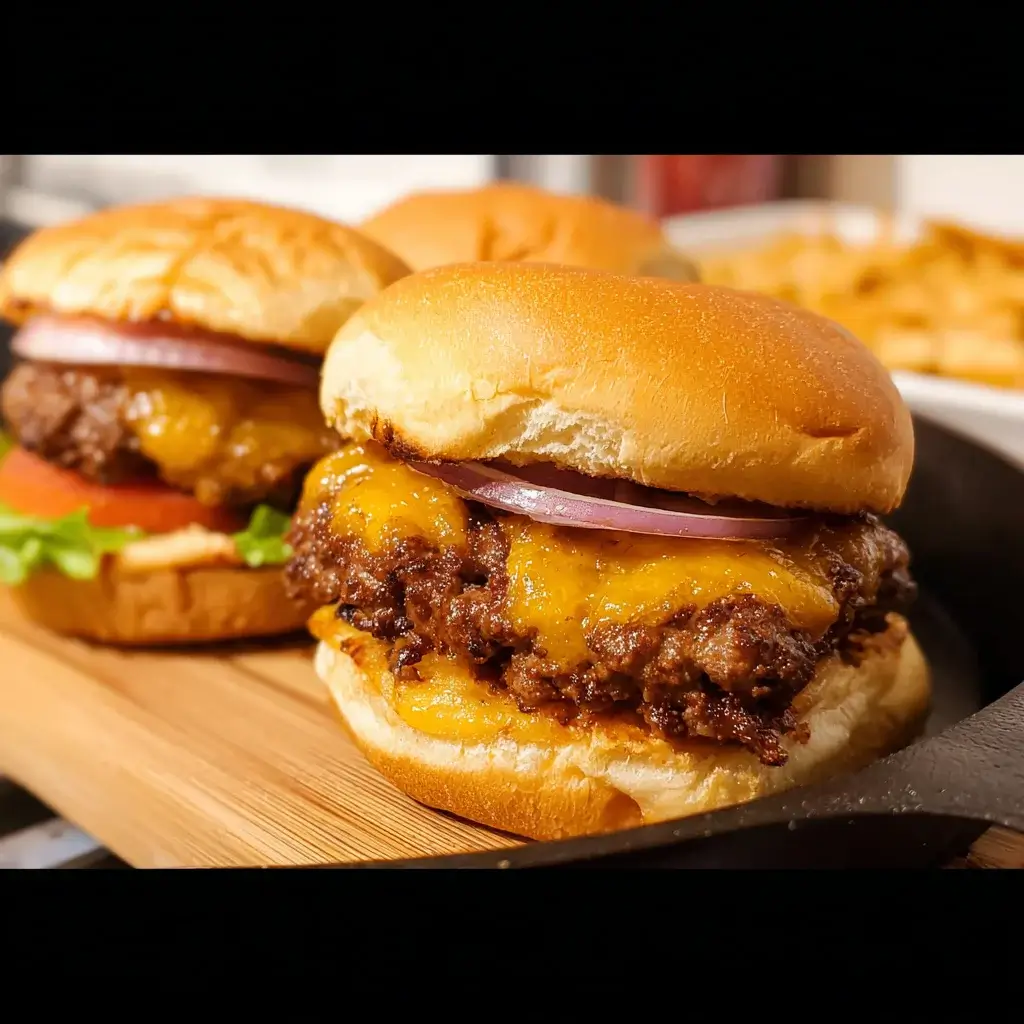
For years, my homemade burgers were a source of quiet disappointment. I’d buy what I thought was good ground beef, lovingly shape the patties, and cook them on the grill or in a non-stick pan, only to end up with something that was… fine. They were gray, a little dry, and lacked that quintessential, beefy, crave-able crust you get at a great burger joint. I had almost resigned myself to the idea that a truly spectacular burger was something you had to go out for. Then, I inherited my grandmother’s old cast iron skillet. The first time I decided to cook a burger in it, everything changed. The sound it made when the cold patty hit the screaming hot, seasoned iron was a thunderous sizzle that promised something different. The aroma that filled the kitchen was intoxicating. What emerged from that pan five minutes later was a masterpiece: a burger with a deep, mahogany, unbelievably flavorful crust that sealed in a torrent of juicy, beefy goodness. My family was floored. It wasn’t just a burger; it was the burger. That heavy black skillet had unlocked the secret, and since that day, I’ve never cooked a burger any other way.
The Ultimate Cast Iron Skillet Burgers: A Restaurant-Quality Guide
The secret to a truly transcendent burger isn’t a secret ingredient or a complicated technique; it’s a piece of classic, time-tested cookware: the cast iron skillet. The unparalleled heat retention and even distribution of a well-seasoned cast iron pan creates the perfect environment for the Maillard reaction, the magical chemical process that gives seared meat its deep brown color and complex, savory flavor. This is how you achieve that coveted, crispy, craggy crust while keeping the inside outrageously juicy. This guide will walk you through every detail, from selecting the right meat to the final, perfect assembly, ensuring you can create a burger that rivals any high-end restaurant, right in your own kitchen.
Complete with the ingredients amount .
A perfect burger is an exercise in simplicity and quality. Each ingredient must be chosen with purpose to contribute to the final, glorious whole.
For the Perfect Burger Patties:
- Ground Chuck (80/20): 1.5 pounds. This is the single most important ingredient. “80/20” refers to the lean-to-fat ratio, meaning 80% lean meat and 20% fat. This is the golden ratio for burgers. The 20% fat content is crucial; it renders during cooking, basting the meat from the inside out, which guarantees a juicy, flavorful burger. Chuck comes from the shoulder of the cow, a hard-working muscle that is packed with beefy flavor. Ask your butcher for freshly ground chuck if possible.
- Kosher Salt: 1.5 teaspoons. The coarse grain of kosher salt is ideal for creating a crust.
- Freshly Ground Black Pepper: 1 teaspoon. Freshly ground pepper has a floral, pungent aroma and flavor that pre-ground pepper lacks.
- Neutral, High-Smoke-Point Oil (Optional): 1 tablespoon, such as canola, vegetable, or avocado oil. This is only needed if your cast iron skillet is not perfectly seasoned, to prevent any sticking.
For Assembly and Toppings (per burger):
- Burger Buns: 4 high-quality buns. Brioche buns are a fantastic choice due to their soft texture, buttery flavor, and sturdiness. Potato rolls are another excellent, pillowy option.
- American Cheese: 4-8 slices. For pure, unadulterated meltiness, nothing beats American cheese. Its emulsifying salts allow it to melt into a perfectly smooth, creamy blanket without becoming greasy or breaking.
- Unsalted Butter: 2 tablespoons, softened, for toasting the buns.
- Optional Classic Toppings:
- Crisp iceberg or butter lettuce leaves
- Ripe tomato slices
- Thinly sliced red onion
- Dill pickle chips
- Optional Burger Sauce: (Combine ¼ cup mayonnaise, 1 tablespoon ketchup, 1 teaspoon sweet pickle relish, ½ teaspoon apple cider vinegar).
Instructions
Follow this detailed, step-by-step process to build your burger from the ground up, focusing on the techniques that make the cast iron method so superior.
Part 1: Preparation is Key
Proper prep ensures a smooth cooking process and a structurally sound final product.
- Chill the Meat: For the best results, your ground beef should be very cold. This helps the fat stay solid, which is essential for a juicy burger. Keep the meat in the coldest part of your refrigerator until the very last minute before you’re ready to form the patties.
- Divide and Form the Patties: Turn the cold ground chuck out onto a clean work surface or a baking sheet. Gently divide the meat into four equal 6-ounce portions. Here is the crucial step: Do not overwork the meat. Over-handling and compacting the ground beef will develop the proteins (myosin), resulting in a tough, dense, and springy burger. Gently shape each portion into a loose ball, then flatten it into a patty that is about ½-inch wider than your burger buns (they will shrink during cooking). Create a small, shallow dimple in the center of each patty with your thumb. This prevents the burger from puffing up into a “meatball” shape as it cooks, ensuring it stays flat.
- Return to the Fridge: Place the formed patties on a plate lined with wax paper and return them to the refrigerator to stay cold while you prepare the rest of your ingredients.
- Prepare Toppings and Buns: Wash and dry your lettuce. Slice your tomatoes and onion. Whisk together your burger sauce, if using. Spread a thin layer of softened butter on the cut sides of your burger buns. Set everything up near your stove for quick and easy assembly later.
Part 2: The Perfect Cast Iron Sear
This is where the magic happens. A properly heated cast iron skillet is your most important tool.
- Preheat the Skillet: Place your 10 or 12-inch cast iron skillet over medium-high heat. Let it preheat for a good 5-7 minutes. You want the pan to be screaming hot. A properly heated pan is the secret to a deep brown crust. You’ll know it’s ready when a drop of water flicked into the pan sizzles and evaporates almost instantly. If using, add the tablespoon of high-smoke-point oil now and let it shimmer.
- Season the Patties: Just before they go into the pan, retrieve the patties from the refrigerator. Season one side generously with kosher salt and freshly ground black pepper.
- Sear the Burgers: Carefully place the patties in the hot skillet, seasoned-side down. You should hear an aggressive, loud sizzle. If you don’t, your pan is not hot enough. Immediately season the top side of the patties with more salt and pepper.
- Cook and Develop the Crust: Cook the burgers for 3-4 minutes on the first side, without moving or pressing them. Let the cast iron do its work. This undisturbed time is when that glorious, dark brown Maillard crust forms.
- Flip with Confidence: Using a thin, sturdy metal spatula, carefully flip the burgers. If you have a good crust, they should release from the pan easily. Cook on the second side for another 2-4 minutes, depending on your desired level of doneness.
Part 3: The Melt, the Toast, and Assembly
The final moments are a flurry of activity that brings everything together.
- Melt the Cheese: During the last minute of cooking, top each patty with one or two slices of American cheese. To encourage a fast, even melt, you can add a tablespoon of water to an empty part of the pan and immediately cover the skillet with a lid or a metal bowl for 30 seconds. The steam will create a perfect, gooey cheese blanket.
- Rest the Burgers: Transfer the finished cheeseburgers to a clean plate or a wire rack and let them rest for 1-2 minutes. This allows the juices to redistribute throughout the patty, ensuring a moist bite.
- Toast the Buns: Reduce the heat to medium. Place the buttered buns, cut-side down, directly into the skillet with the rendered beef fat (the fond). Toast for 30-60 seconds, or until golden brown and fragrant. This step is non-negotiable; it adds incredible flavor and prevents the bottom bun from getting soggy.
- Assemble Your Masterpiece: Now, build your perfect burger. A good order for structural integrity is: Bottom bun, sauce, lettuce (to protect the bun), tomato, the cheeseburger patty, pickles, onions, and finally the top bun. Serve immediately.
Nutrition Facts
Please note these values are an approximation for one 6-ounce cheeseburger with a brioche bun and can vary based on the specific ingredients used. Toppings like sauce and vegetables will alter the final count.
- Servings: 4
- Calories Per Serving: Approximately 700-850 kcal
Preparation time
This restaurant-quality meal comes together much faster than you might think.
- Preparation Time (Active): 20 minutes (forming patties, prepping toppings)
- Cook Time: 10-15 minutes
- Total Time: 30-35 minutes
How to Serve
Serving a cast iron skillet burger is all about celebrating its simple perfection. Here are some ideas for creating the ultimate burger experience.
- The Classic Diner Platter:
- Serve the burger on a platter alongside a generous pile of crispy French fries.
- Offer classic condiments like ketchup and mustard on the side.
- Pair with a thick, creamy milkshake for the full nostalgic experience.
- Elevated Side Dish Pairings:
- Crispy Onion Rings: The sweetness of the onion is a perfect complement to the savory beef.
- Sweet Potato Fries: Serve with a chipotle aioli for dipping.
- Creamy Coleslaw: The cool, tangy crunch of coleslaw provides a refreshing contrast to the rich burger.
- A Simple Green Salad: A lightly dressed arugula or mixed green salad can cut through the richness and balance the meal.
- Build a Burger Bar for a Crowd: If you’re hosting, this is a fun and interactive way to serve.
- Cheese Station: Offer a variety of cheeses like sharp cheddar, Swiss, provolone, and pepper jack in addition to American.
- Sauce Selection: Provide bowls of your homemade burger sauce, plus mayonnaise, BBQ sauce, garlic aioli, and spicy sriracha mayo.
- Premium Toppings: Up the ante with a platter of crispy bacon, sliced avocado, sautéed mushrooms, caramelized onions, or even a fried egg.
- The Veggies: Have all the classic lettuce, tomato, onion, and pickle options ready to go.
Additional tips (5 tips)
These five expert tips will take your cast iron skillet burgers from great to legendary.
- Cold Meat, Hot Pan: The Golden Rule: This is the most critical mantra for searing any meat. Starting with very cold patties and placing them in a properly preheated, screaming-hot skillet creates the biggest temperature differential, which is the secret to forming a deep, flavorful crust instantly without overcooking the interior.
- Don’t Overwork the Meat: When you are shaping the patties, handle the ground beef as little as possible. Use a light touch. Over-mixing and compressing the meat tightens the proteins, squeezing out fat and moisture, which leads to a dense, tough, and dry burger. You want a tender, loosely-packed patty.
- Season Just Before Cooking: Salt draws out moisture through osmosis. If you salt your ground beef mixture ahead of time, it will begin to dissolve the proteins and draw water out of the meat, resulting in a texture that is more like sausage or meatloaf. For a classic, tender burger texture, salt the exterior of the patty immediately before it hits the hot pan.
- Embrace the Smash (for a different style): For a thinner, diner-style burger with crispy, lacy edges, you can use the “smash burger” technique. Instead of forming patties, place a loose ball of seasoned ground beef in the hot skillet and immediately use a sturdy, flat spatula to smash it down firmly into a thin patty. Cook for only 1-2 minutes per side.
- Toast Your Buns in the Beef Fat: Do not skip this step! After the burgers are cooked, there will be a glorious mixture of rendered beef fat and browned bits (fond) in the skillet. Toasting your buttered buns in this mixture not only prevents a soggy bottom bun but also infuses them with an incredible amount of savory, beefy flavor. It’s a final layer of deliciousness.
FAQ section ( 5 Q/A)
Here are answers to some of the most frequently asked questions about cooking burgers in a cast iron skillet.
1. Why is a cast iron skillet better than a non-stick pan or the grill for burgers?
While grills are great for a smoky flavor, they can cause flare-ups that char the burger and often fail to create a uniform crust. Non-stick pans simply cannot get and stay as hot as cast iron. Cast iron’s superiority lies in its mass and high heat capacity. It gets incredibly hot and, more importantly, stays incredibly hot when the cold meat is added. This sustained, intense heat is what creates a perfect, edge-to-edge Maillard crust, effectively searing the exterior and locking in the juices in a way no other cooking surface can.
2. How do I know when my burger is done without cutting into it?
The best and most accurate way is to use an instant-read digital thermometer. This takes all the guesswork out of it. Insert the thermometer horizontally into the thickest part of the patty.
- Medium-Rare: 130-135°F (54-57°C)
- Medium: 140-145°F (60-63°C)
- Medium-Well: 150-155°F (65-68°C)
- Well-Done: 160°F+ (71°C+)
Visually, a medium-rare burger will still be very pink and juicy in the center, while a medium burger will be mostly pink.
3. My smoke alarm always goes off when I use my cast iron skillet! How can I prevent this?
This is a common issue because searing at high heat produces smoke. First, ensure your skillet is very clean before you start; old food bits can burn and create excess smoke. Second, use an oil with a high smoke point (like avocado, canola, or grapeseed oil) instead of olive oil or butter, which burn at lower temperatures. Most importantly, ensure you have excellent ventilation. Turn on your range hood fan to its highest setting, open a window, and turn on a fan before you even start preheating the pan.
4. Can I add things like chopped onions, garlic, or breadcrumbs into the ground beef?
For this style of classic, seared burger, the answer is no. Once you start adding binders (like breadcrumbs and eggs) and other flavorings directly into the ground meat, you are moving into meatloaf or meatball territory. The goal of a perfect burger is to celebrate the pure, unadulterated flavor of high-quality beef, enhanced only by a salty crust and complementary toppings. Keep the patty simple: just beef, salt, and pepper.
5. How do I clean my cast iron skillet after making burgers?
Cleaning cast iron is simple. While the pan is still warm (but not screaming hot), use a flat-edged scraper or spatula to remove any stuck-on bits. Rinse the pan under hot water, using a stiff brush or a chainmail scrubber to remove any remaining residue. Avoid using soap if you can, as it can strip the seasoning over time (though a tiny drop of mild soap is okay for a very greasy mess). Dry the skillet thoroughly with a towel immediately after washing. Finally, place it back on the stove over low heat for a minute to evaporate any remaining moisture, then wipe a very thin layer of cooking oil onto the entire inner surface to maintain its seasoning.

Cast Iron Skillet Burgers recipe
Ingredients
For the Perfect Burger Patties:
-
Ground Chuck (80/20): 1.5 pounds. This is the single most important ingredient. “80/20” refers to the lean-to-fat ratio, meaning 80% lean meat and 20% fat. This is the golden ratio for burgers. The 20% fat content is crucial; it renders during cooking, basting the meat from the inside out, which guarantees a juicy, flavorful burger. Chuck comes from the shoulder of the cow, a hard-working muscle that is packed with beefy flavor. Ask your butcher for freshly ground chuck if possible.
-
Kosher Salt: 1.5 teaspoons. The coarse grain of kosher salt is ideal for creating a crust.
-
Freshly Ground Black Pepper: 1 teaspoon. Freshly ground pepper has a floral, pungent aroma and flavor that pre-ground pepper lacks.
-
Neutral, High-Smoke-Point Oil (Optional): 1 tablespoon, such as canola, vegetable, or avocado oil. This is only needed if your cast iron skillet is not perfectly seasoned, to prevent any sticking.
For Assembly and Toppings (per burger):
-
Burger Buns: 4 high-quality buns. Brioche buns are a fantastic choice due to their soft texture, buttery flavor, and sturdiness. Potato rolls are another excellent, pillowy option.
-
American Cheese: 4-8 slices. For pure, unadulterated meltiness, nothing beats American cheese. Its emulsifying salts allow it to melt into a perfectly smooth, creamy blanket without becoming greasy or breaking.
-
Unsalted Butter: 2 tablespoons, softened, for toasting the buns.
-
Optional Classic Toppings:
-
Crisp iceberg or butter lettuce leaves
-
Ripe tomato slices
-
Thinly sliced red onion
-
Dill pickle chips
-
-
Optional Burger Sauce: (Combine ¼ cup mayonnaise, 1 tablespoon ketchup, 1 teaspoon sweet pickle relish, ½ teaspoon apple cider vinegar).
Instructions
Part 1: Preparation is Key
Proper prep ensures a smooth cooking process and a structurally sound final product.
-
Chill the Meat: For the best results, your ground beef should be very cold. This helps the fat stay solid, which is essential for a juicy burger. Keep the meat in the coldest part of your refrigerator until the very last minute before you’re ready to form the patties.
-
Divide and Form the Patties: Turn the cold ground chuck out onto a clean work surface or a baking sheet. Gently divide the meat into four equal 6-ounce portions. Here is the crucial step: Do not overwork the meat. Over-handling and compacting the ground beef will develop the proteins (myosin), resulting in a tough, dense, and springy burger. Gently shape each portion into a loose ball, then flatten it into a patty that is about ½-inch wider than your burger buns (they will shrink during cooking). Create a small, shallow dimple in the center of each patty with your thumb. This prevents the burger from puffing up into a “meatball” shape as it cooks, ensuring it stays flat.
-
Return to the Fridge: Place the formed patties on a plate lined with wax paper and return them to the refrigerator to stay cold while you prepare the rest of your ingredients.
-
Prepare Toppings and Buns: Wash and dry your lettuce. Slice your tomatoes and onion. Whisk together your burger sauce, if using. Spread a thin layer of softened butter on the cut sides of your burger buns. Set everything up near your stove for quick and easy assembly later.
Part 2: The Perfect Cast Iron Sear
This is where the magic happens. A properly heated cast iron skillet is your most important tool.
-
Preheat the Skillet: Place your 10 or 12-inch cast iron skillet over medium-high heat. Let it preheat for a good 5-7 minutes. You want the pan to be screaming hot. A properly heated pan is the secret to a deep brown crust. You’ll know it’s ready when a drop of water flicked into the pan sizzles and evaporates almost instantly. If using, add the tablespoon of high-smoke-point oil now and let it shimmer.
-
Season the Patties: Just before they go into the pan, retrieve the patties from the refrigerator. Season one side generously with kosher salt and freshly ground black pepper.
-
Sear the Burgers: Carefully place the patties in the hot skillet, seasoned-side down. You should hear an aggressive, loud sizzle. If you don’t, your pan is not hot enough. Immediately season the top side of the patties with more salt and pepper.
-
Cook and Develop the Crust: Cook the burgers for 3-4 minutes on the first side, without moving or pressing them. Let the cast iron do its work. This undisturbed time is when that glorious, dark brown Maillard crust forms.
-
Flip with Confidence: Using a thin, sturdy metal spatula, carefully flip the burgers. If you have a good crust, they should release from the pan easily. Cook on the second side for another 2-4 minutes, depending on your desired level of doneness.
Part 3: The Melt, the Toast, and Assembly
The final moments are a flurry of activity that brings everything together.
-
Melt the Cheese: During the last minute of cooking, top each patty with one or two slices of American cheese. To encourage a fast, even melt, you can add a tablespoon of water to an empty part of the pan and immediately cover the skillet with a lid or a metal bowl for 30 seconds. The steam will create a perfect, gooey cheese blanket.
-
Rest the Burgers: Transfer the finished cheeseburgers to a clean plate or a wire rack and let them rest for 1-2 minutes. This allows the juices to redistribute throughout the patty, ensuring a moist bite.
-
Toast the Buns: Reduce the heat to medium. Place the buttered buns, cut-side down, directly into the skillet with the rendered beef fat (the fond). Toast for 30-60 seconds, or until golden brown and fragrant. This step is non-negotiable; it adds incredible flavor and prevents the bottom bun from getting soggy.
-
Assemble Your Masterpiece: Now, build your perfect burger. A good order for structural integrity is: Bottom bun, sauce, lettuce (to protect the bun), tomato, the cheeseburger patty, pickles, onions, and finally the top bun. Serve immediately.
Nutrition
- Serving Size: one normal portion
- Calories: 700-850