
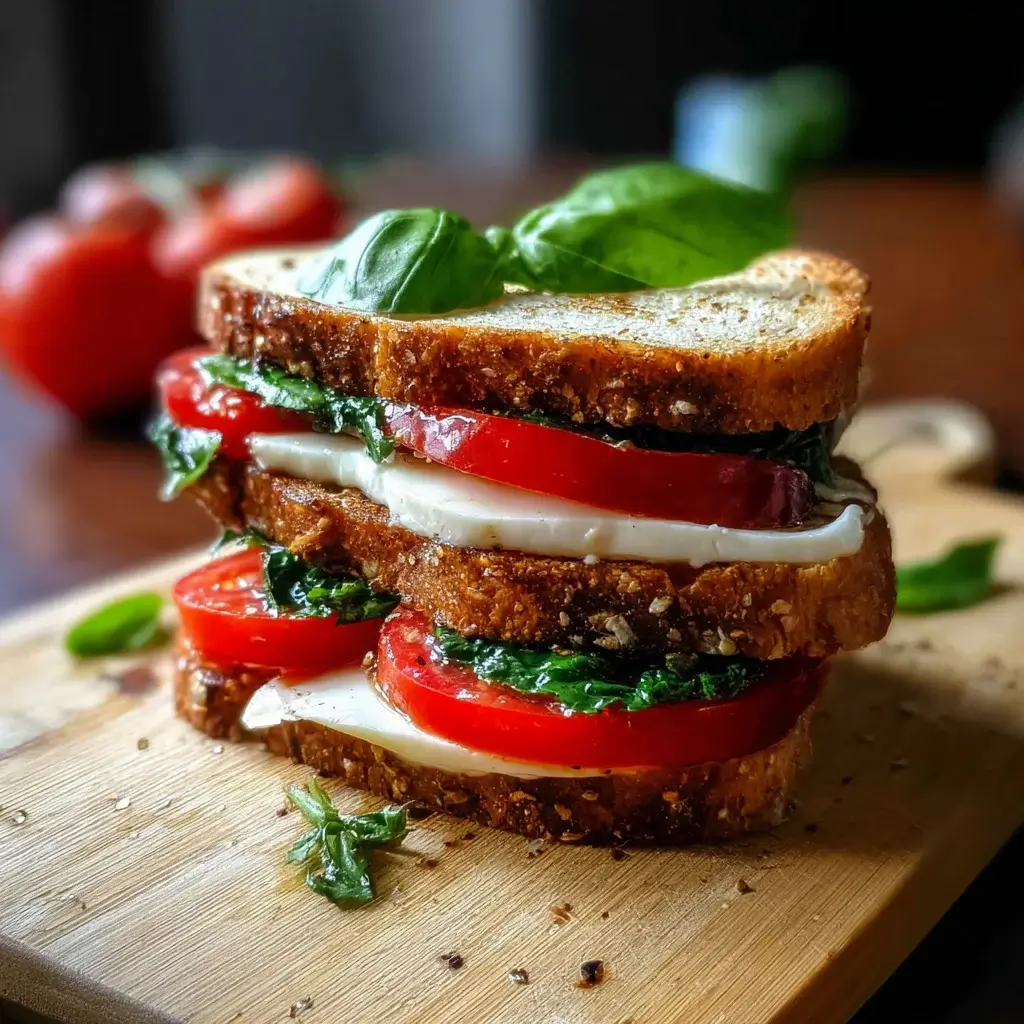

There are moments in life, and in cooking, where simplicity achieves a level of perfection that no amount of complexity can rival. For me, that moment is encapsulated in the first bite of a truly perfect Caprese sandwich. I remember assembling one on a sun-drenched balcony during a trip to the Amalfi Coast. The ingredients were almost laughably simple: bread still warm from the panificio, a plump, juicy tomato that tasted of pure sunshine, a ball of fresh mozzarella still weeping milk, and a few fragrant basil leaves picked from a terracotta pot. That sandwich wasn’t just lunch; it was an experience. It was the taste of summer, of Italy, of a slower, more deliberate way of appreciating food. Ever since, recreating that perfect Caprese has been a cherished ritual in my home. It’s the meal I turn to when I need a reminder that the most beautiful things in life are often the most straightforward. It’s a guaranteed win, a sandwich that feels both refreshingly light and deeply satisfying, loved by everyone from my kids to my most discerning foodie friends.
The Anatomy of a Perfect Caprese Sandwich
Before we grab our knives and cutting boards, let’s pay homage to why this sandwich is an undisputed icon. The Caprese sandwich is more than the sum of its parts; it’s a celebration of quality and a testament to the Italian philosophy of food, where fresh, seasonal ingredients are the superstars.
- A Taste of Italy: The sandwich takes its name and ingredients from the classic “Insalata Caprese” (Salad of Capri). The colors of the core ingredients—red tomatoes, white mozzarella, and green basil—are no coincidence; they beautifully mirror the colors of the Italian flag. Eating one feels like a mini-vacation.
- The Power of Simplicity: In a world of over-the-top, multi-ingredient sandwiches, the Caprese stands out for its elegant restraint. There’s nowhere for a mediocre ingredient to hide. This forces you to seek out the best, which is a rewarding culinary practice in itself. A sun-ripened tomato, creamy mozzarella, and fragrant basil need little more than good bread and a drizzle of olive oil to sing.
- Surprisingly Healthy, Deeply Satisfying: This sandwich delivers big on flavor without weighing you down. Tomatoes are packed with vitamins and antioxidants like lycopene. Fresh mozzarella offers a good source of protein and calcium. When built on whole-grain bread with a drizzle of heart-healthy olive oil, it becomes a well-rounded, nourishing meal that feels like an indulgence.
- Endlessly Versatile: While the classic combination is divine on its own, think of it as the perfect canvas. With a few simple additions like a rich balsamic glaze, a savory smear of pesto, or a slice of prosciutto, you can easily elevate it from a simple lunch to a gourmet meal. It can be served cold and fresh or pressed into a warm, gooey panini.
The Ultimate Caprese Sandwich: Complete Ingredients
The secret to a transcendent Caprese sandwich lies entirely in the quality of your ingredients. Sourcing the best you can find will make all the difference. This recipe makes two generous sandwiches.
For the Sandwich (Serves 2)
- The Bread: 4 thick slices of high-quality, rustic bread (Ciabatta, Focaccia, or a crusty Sourdough are all excellent choices)
- The Tomatoes: 1 large, ripe heirloom or beefsteak tomato, or 2 medium ripe vine-ripened tomatoes
- The Mozzarella: 1 (8-ounce) ball of fresh, high-quality mozzarella cheese, packed in water
- The Basil: 1 large handful of fresh basil leaves (about 1/2 cup, loosely packed)
- The Olive Oil: 2 tablespoons extra-virgin olive oil, the best quality you can afford
- The Seasoning: Flaky sea salt (like Maldon) and freshly cracked black pepper, to taste
For the Optional (But Highly Recommended) Balsamic Glaze
- 1/2 cup good-quality balsamic vinegar
Step-by-Step Instructions for Sandwich Perfection
Assembling this sandwich is an art. Follow these steps to ensure a perfect balance of flavors and textures, and most importantly, to avoid the dreaded soggy-bread syndrome.
Part 1: Preparing the Balsamic Glaze (Optional Step)
- Reduce the Vinegar: If you’re making the glaze, start with this step. Pour the 1/2 cup of balsamic vinegar into a small saucepan.
- Simmer Gently: Bring the vinegar to a gentle simmer over medium-low heat. Do not let it boil aggressively, or it can burn.
- Thicken: Let it simmer for 8-12 minutes, stirring occasionally. The vinegar will reduce by about half and will be thick enough to coat the back of a spoon. It will continue to thicken as it cools.
- Cool: Remove from the heat and set aside to cool completely.
Part 2: Preparing the Core Ingredients
- Prepare the Bread: If you prefer a toasted sandwich (highly recommended for structure), lightly brush the outside of each bread slice with a little olive oil. Toast them in a dry skillet over medium heat for 2-3 minutes per side until golden brown and crisp, or use a panini press. Set aside.
- Slice the Tomatoes: Cut your tomato into thick, even slices, about 1/4-inch thick. Place the slices on a paper towel and sprinkle them lightly with salt. Let them sit for 5-10 minutes. This simple step draws out excess water (preventing a soggy sandwich) and seasons the tomatoes, intensifying their flavor. Gently pat them dry before using.
- Slice the Mozzarella: Remove the mozzarella ball from its water. Pat it very dry with paper towels—this is a critical step for texture. Slice it into 1/4-inch thick rounds.
Part 3: The Art of Assembly
- Build the Foundation: Lay your four slices of bread (toasted or untoasted) on your work surface. Drizzle the inside of each slice with your best extra-virgin olive oil. This not only adds flavor but also creates a barrier to help protect the bread from moisture.
- Layer the Ingredients: The order of assembly can make a difference.
- On the two bottom slices of bread, arrange the mozzarella slices in a single, slightly overlapping layer.
- Sprinkle the mozzarella with a little freshly cracked black pepper.
- Next, arrange the seasoned, patted-dry tomato slices over the mozzarella.
- Generously scatter the fresh basil leaves over the tomatoes.
- The Finishing Touches:
- Drizzle a little more extra-virgin olive oil over the basil leaves.
- If using, artistically drizzle your cooled balsamic glaze over the fillings.
- Sprinkle with a final pinch of flaky sea salt.
- Close and Serve: Place the top slices of bread onto the sandwiches. If you wish, you can gently press them down. For the absolute best flavor, let the sandwich sit for 5-10 minutes before slicing and serving. This allows the flavors to meld together beautifully.
- Slice and Enjoy: Use a sharp, serrated knife to slice the sandwiches in half on a diagonal. Serve immediately.
Nutrition Facts
Please note that these values are an approximation and will vary based on the specific type and amount of bread, cheese, and oil used.
- Servings: This recipe makes 2 sandwiches.
- Calories Per Serving: Approximately 550-650 kcal per sandwich.
This sandwich provides a good balance of carbohydrates for energy, protein for satiety, and healthy fats from the olive oil.
Preparation Time
- Prep Time (without glaze): 15 minutes
- Prep Time (with homemade glaze): 25 minutes
- Cook Time (if toasting): 5 minutes
- Total Time: Approximately 20-30 minutes
How to Serve Your Caprese Sandwich
While this sandwich is a star all on its own, pairing it thoughtfully can elevate it from a simple lunch to a full, satisfying meal.
- The Classic Italian Lunch:
- Serve the sandwich whole or halved on a plate.
- Accompany with a side of simple, oil-cured black olives.
- Pair with a glass of crisp Italian white wine like Pinot Grigio or a light and bubbly Prosecco.
- The “Soup and Sandwich” Combo:
- This is a classic for a reason. The fresh, bright flavors of the Caprese are a perfect counterpoint to a warm bowl of soup.
- Perfect Pairings: Creamy Tomato Basil Soup (a natural fit!), a hearty Minestrone, or a simple Lemony Chicken Orzo Soup.
- As Part of a Picnic Spread:
- Wrap each sandwich tightly in parchment paper and tie with kitchen twine for a beautiful and portable meal.
- Pack alongside other picnic-friendly items like a simple arugula salad with lemon vinaigrette, a bunch of grapes, some prosciutto-wrapped melon, and a bottle of sparkling water.
- Serve as Elegant Appetizers:
- Use a long, thin baguette instead of wide slices of bread.
- Assemble the sandwich as directed and then slice it into 1-inch thick “crostini” rounds.
- Arrange on a platter for an easy, crowd-pleasing appetizer for parties.
5 Additional Tips for Caprese Mastery
- Embrace Pesto Power: For an extra layer of herbaceous, nutty flavor, spread a thin layer of high-quality basil pesto on the inside of your bread slices before adding the olive oil. This also acts as a fantastic moisture barrier.
- Salt Your Tomatoes—Seriously: Do not skip the step of salting and resting your tomato slices. It might seem fussy, but it is the single most effective technique for concentrating the tomato flavor and preventing the bread from turning into a soggy mess.
- Make it a Panini: This sandwich is absolutely spectacular when pressed. Assemble the sandwich as directed (it’s best to go light on the balsamic glaze inside, serving it for dipping instead). Brush the outside of the bread with olive oil or softened butter and grill it in a panini press until the cheese is melted and gooey and the bread is golden and crisp.
- The Chiffonade Technique for Basil: If you don’t want to use whole basil leaves, you can chiffonade them. Stack several leaves on top of each other, roll them up tightly like a cigar, and then thinly slice them with a sharp knife. This creates beautiful green ribbons that distribute the basil flavor more evenly throughout the sandwich.
- Don’t Refrigerate Your Tomatoes: For the best flavor, never store your fresh tomatoes in the refrigerator. The cold temperature dulls their flavor and gives them a mealy texture. Keep them on the counter at room temperature and use them when they are perfectly ripe.
Frequently Asked Questions (FAQ)
1. My Caprese sandwich always gets soggy. What am I doing wrong?
This is the most common issue! There are three keys to preventing sogginess: 1) Toast your bread. This creates a crisp, less-absorbent surface. 2) Salt and pat dry your tomatoes. This removes a significant amount of water. 3) Pat your mozzarella dry. Fresh mozzarella is packed in water, and any excess moisture will seep into your bread. Thoroughly patting it dry is essential.
2. Can I use a different type of cheese?
While fresh mozzarella is classic, you can certainly experiment. For a creamier, more decadent version, you can use Burrata cheese (be warned, it’s much wetter, so serve immediately). Slices of provolone or fontina are also delicious, especially if you plan on making a grilled or panini version. However, for the true, fresh Caprese experience, fresh mozzarella is king.
3. Can I make this sandwich ahead of time for lunch?
A Caprese sandwich is at its absolute best when freshly made. If you need to pack it for lunch, your best bet is to pack the sliced and prepared ingredients separately in containers and assemble it just before you eat. If you must pre-assemble it, use very well-toasted bread, be meticulous about drying the tomato and mozzarella, and consider a layer of pesto as a moisture barrier. Wrap it tightly in parchment paper, not plastic wrap (which traps moisture).
4. What if I can’t find good fresh tomatoes?
The quality of the tomato is paramount. If it’s the middle of winter and you can’t find flavorful fresh tomatoes, it’s better to make something else. However, if you’re set on the flavor profile, you can substitute high-quality, slow-roasted roma tomatoes packed in oil. They offer a concentrated, sweet tomato flavor that works well as an alternative.
5. What’s the difference between regular mozzarella and fresh mozzarella?
They are very different! The mozzarella you often see in a solid, vacuum-sealed block is low-moisture mozzarella. It’s firm, a bit rubbery, and melts very well, making it ideal for pizza. Fresh mozzarella is a soft, high-moisture cheese, often sold in a ball packed in water or whey. It has a much creamier, milkier, and more delicate flavor and a softer texture, which is essential for a fresh Caprese sandwich. Always choose fresh mozzarella for this recipe.
Caprese Sandwich with Mozzarella Tomatoes and Basil recipe
Ingredients
For the Sandwich (Serves 2)
-
The Bread: 4 thick slices of high-quality, rustic bread (Ciabatta, Focaccia, or a crusty Sourdough are all excellent choices)
-
The Tomatoes: 1 large, ripe heirloom or beefsteak tomato, or 2 medium ripe vine-ripened tomatoes
-
The Mozzarella: 1 (8-ounce) ball of fresh, high-quality mozzarella cheese, packed in water
-
The Basil: 1 large handful of fresh basil leaves (about 1/2 cup, loosely packed)
-
The Olive Oil: 2 tablespoons extra-virgin olive oil, the best quality you can afford
-
The Seasoning: Flaky sea salt (like Maldon) and freshly cracked black pepper, to taste
For the Optional (But Highly Recommended) Balsamic Glaze
-
1/2 cup good-quality balsamic vinegar
Instructions
Part 1: Preparing the Balsamic Glaze (Optional Step)
-
Reduce the Vinegar: If you’re making the glaze, start with this step. Pour the 1/2 cup of balsamic vinegar into a small saucepan.
-
Simmer Gently: Bring the vinegar to a gentle simmer over medium-low heat. Do not let it boil aggressively, or it can burn.
-
Thicken: Let it simmer for 8-12 minutes, stirring occasionally. The vinegar will reduce by about half and will be thick enough to coat the back of a spoon. It will continue to thicken as it cools.
-
Cool: Remove from the heat and set aside to cool completely.
Part 2: Preparing the Core Ingredients
-
Prepare the Bread: If you prefer a toasted sandwich (highly recommended for structure), lightly brush the outside of each bread slice with a little olive oil. Toast them in a dry skillet over medium heat for 2-3 minutes per side until golden brown and crisp, or use a panini press. Set aside.
-
Slice the Tomatoes: Cut your tomato into thick, even slices, about 1/4-inch thick. Place the slices on a paper towel and sprinkle them lightly with salt. Let them sit for 5-10 minutes. This simple step draws out excess water (preventing a soggy sandwich) and seasons the tomatoes, intensifying their flavor. Gently pat them dry before using.
-
Slice the Mozzarella: Remove the mozzarella ball from its water. Pat it very dry with paper towels—this is a critical step for texture. Slice it into 1/4-inch thick rounds.
Part 3: The Art of Assembly
-
Build the Foundation: Lay your four slices of bread (toasted or untoasted) on your work surface. Drizzle the inside of each slice with your best extra-virgin olive oil. This not only adds flavor but also creates a barrier to help protect the bread from moisture.
-
Layer the Ingredients: The order of assembly can make a difference.
-
On the two bottom slices of bread, arrange the mozzarella slices in a single, slightly overlapping layer.
-
Sprinkle the mozzarella with a little freshly cracked black pepper.
-
Next, arrange the seasoned, patted-dry tomato slices over the mozzarella.
-
Generously scatter the fresh basil leaves over the tomatoes.
-
-
The Finishing Touches:
-
Drizzle a little more extra-virgin olive oil over the basil leaves.
-
If using, artistically drizzle your cooled balsamic glaze over the fillings.
-
Sprinkle with a final pinch of flaky sea salt.
-
-
Close and Serve: Place the top slices of bread onto the sandwiches. If you wish, you can gently press them down. For the absolute best flavor, let the sandwich sit for 5-10 minutes before slicing and serving. This allows the flavors to meld together beautifully.
-
Slice and Enjoy: Use a sharp, serrated knife to slice the sandwiches in half on a diagonal. Serve immediately.
Nutrition
- Serving Size: one normal portion
- Calories: 550-650 kcal