
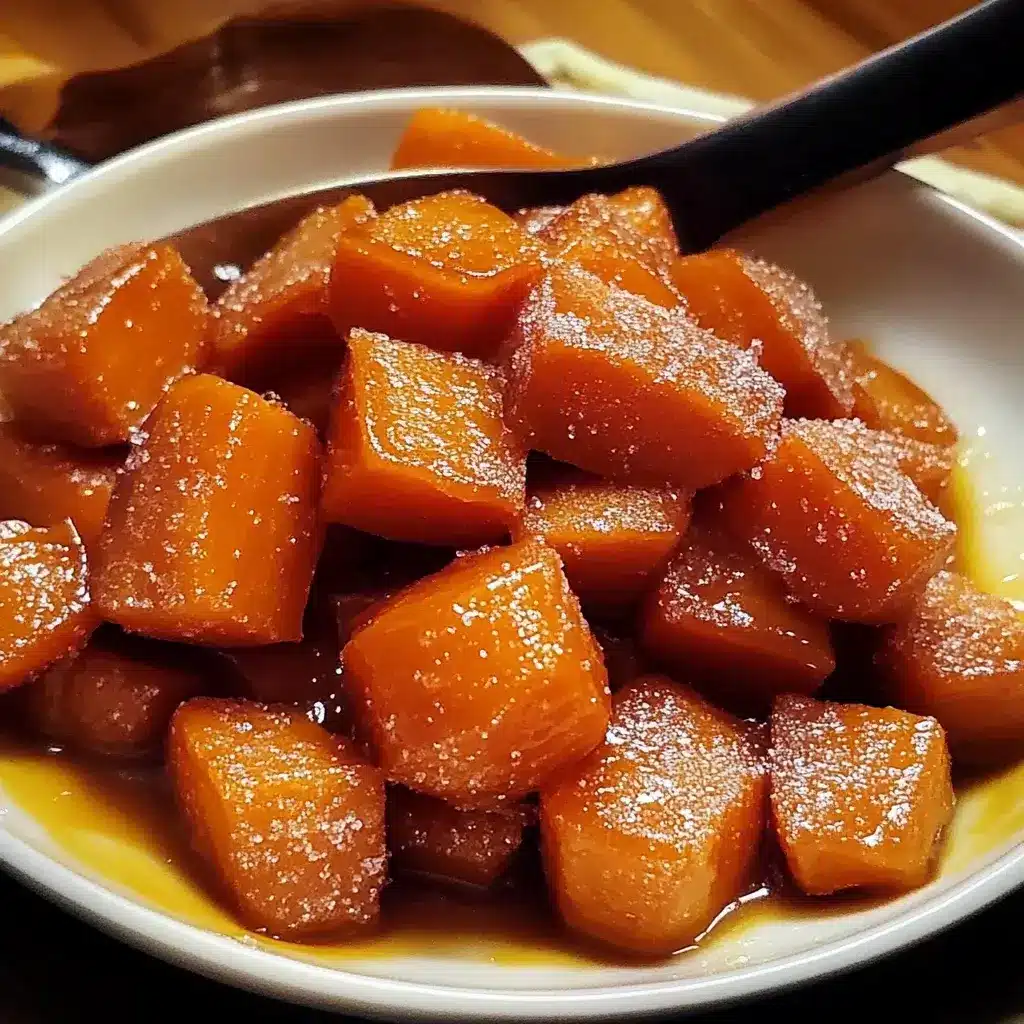
Candied Sweet Potatoes. The name itself evokes a sense of warmth, comfort, and holiday cheer. For me, candied sweet potatoes aren’t just a side dish; they’re a nostalgic taste of home, a reminder of family gatherings, and a guaranteed crowd-pleaser at any potluck. Growing up, my grandmother’s candied sweet potatoes were legendary. They were always the first dish to disappear at Thanksgiving and Christmas dinners, a testament to their irresistible sweet and savory flavor and melt-in-your-mouth texture. I’ve tried countless versions over the years, searching for that perfect balance of sweetness, tenderness, and a hint of caramelized goodness. It wasn’t until I started experimenting with my own tweaks and techniques that I truly captured the magic – a recipe that rivals even my grandmother’s (though I’d never tell her that!). What I love most about this dish is its deceptive simplicity. With just a handful of pantry staples and a little bit of patience, you can transform humble sweet potatoes into a culinary delight. The magic happens in the oven, as the sweet potatoes slowly caramelize in a buttery, brown sugar glaze, becoming incredibly tender and infused with rich, warm flavors. My family is absolutely obsessed. Even those who claim they aren’t “sweet potato people” find themselves drawn back for seconds (and thirds!). The kids love the sweetness, and the adults appreciate the depth of flavor and the comforting, almost decadent, quality. If you’re looking for a side dish that will steal the show, that’s both comforting and impressive, and that’s surprisingly easy to make, look no further than Candied Sweet Potatoes. Prepare to be amazed by the simple alchemy of transforming sweet potatoes into a golden, glistening, and utterly irresistible treat.
Ingredients for Classic Candied Sweet Potatoes
Creating truly exceptional Candied Sweet Potatoes starts with selecting high-quality ingredients and understanding their roles in the final dish. While the ingredient list is relatively short, each component contributes significantly to the overall flavor, texture, and caramelized perfection. Here’s a detailed breakdown of what you’ll need, along with tips for choosing the best ingredients:
- Sweet Potatoes: 3 pounds sweet potatoes, peeled and cut into 1-inch cubes. Sweet potatoes are the undeniable star of this recipe, providing the base flavor, sweetness, and creamy texture. Choose firm, heavy sweet potatoes with smooth, unblemished skin. Look for varieties like Garnet or Jewel sweet potatoes, which are known for their moist texture and rich flavor when cooked. Peeled sweet potatoes are essential for this recipe to allow the glaze to fully penetrate and caramelize the potato cubes. Cutting them into 1-inch cubes ensures even cooking and a pleasing bite-sized texture. Avoid using yams, which are often mislabeled as sweet potatoes, as they have a drier texture and different flavor profile. True sweet potatoes are generally orange-fleshed, while yams are typically white or pale yellow.
- Unsalted Butter: ½ cup (1 stick) unsalted butter, cut into tablespoons. Butter is crucial for richness, flavor, and helping the glaze caramelize beautifully. Unsalted butter is preferred to control the salt level in the dish. Cutting the butter into tablespoons helps it melt evenly and incorporate smoothly into the glaze. For a richer, more pronounced buttery flavor, you can use European-style butter, which has a higher fat content. If you need a dairy-free option, you can substitute with a high-quality plant-based butter alternative, but be aware that it may slightly alter the flavor and caramelization.
- Light Brown Sugar: ¾ cup light brown sugar, packed. Light brown sugar provides sweetness, moisture, and contributes to the rich caramel flavor of the glaze. Packing the brown sugar ensures you are using the correct amount. Light brown sugar has a milder molasses flavor than dark brown sugar, which is generally preferred for candied sweet potatoes, allowing the sweetness of the sweet potatoes to shine through. If you prefer a deeper molasses flavor, you can use dark brown sugar, but it will result in a slightly more intense flavor profile.
- Granulated Sugar: ¼ cup granulated sugar. Granulated sugar adds pure sweetness and helps to create a balanced sweetness in combination with the brown sugar. It also contributes to the overall texture of the glaze, helping it become slightly caramelized and syrupy. Using a combination of brown sugar and granulated sugar creates a more complex sweetness than using either one alone.
- Water: ¼ cup water. Water is used to create the initial glaze base, helping to dissolve the sugars and create a syrupy consistency. It also helps to prevent the sugars from burning too quickly during baking. You can substitute with orange juice or apple cider for a subtle flavor variation, but water works perfectly well to create a classic candied glaze.
- Vanilla Extract: 1 teaspoon vanilla extract. Vanilla extract enhances the overall sweetness and adds a warm, aromatic note to the candied sweet potatoes. Use pure vanilla extract for the best flavor. Imitation vanilla extract can be used, but the flavor will be less complex and nuanced. For an even more pronounced vanilla flavor, you can use vanilla bean paste or scrape the seeds from half a vanilla bean into the glaze.
- Ground Cinnamon: ½ teaspoon ground cinnamon. Ground cinnamon adds a warm, comforting spice that pairs beautifully with sweet potatoes and enhances the holiday flavor profile. Use fresh ground cinnamon for the best aroma and flavor. You can also experiment with other warm spices like nutmeg, ginger, or cloves, but cinnamon is a classic and widely loved choice for candied sweet potatoes.
- Pinch of Salt: ¼ teaspoon salt, or to taste. Salt is essential for balancing the sweetness and enhancing all the flavors in the dish. A pinch of salt prevents the candied sweet potatoes from being overly sweet and brings out the natural sweetness of the sweet potatoes and the warm spices. Kosher salt or sea salt is recommended for its clean flavor. Adjust the amount of salt to your taste preference.
- Optional: Pecans or Walnuts: ½ cup pecans or walnuts, roughly chopped (for topping). Chopped pecans or walnuts add a delightful crunchy texture and nutty flavor that complements the soft, candied sweet potatoes. They are optional but highly recommended for adding another layer of texture and flavor complexity. Toasting the pecans or walnuts before adding them to the topping enhances their nutty flavor even further. You can toast them in a dry skillet over medium heat for a few minutes, or in the oven while the sweet potatoes are baking.
Instructions for Making Classic Candied Sweet Potatoes
Now that you have all your ingredients gathered, it’s time to embark on the delightful journey of making classic Candied Sweet Potatoes. This recipe is surprisingly straightforward, and the results are incredibly rewarding – a side dish that’s both comforting and impressive. Follow these step-by-step instructions for candied sweet potato perfection:
Step 1: Prepare the Sweet Potatoes
- Preheat Oven: Preheat your oven to 375°F (190°C). Ensure your oven is properly preheated to the correct temperature before placing the sweet potatoes inside. This temperature allows for gentle baking and caramelization without burning.
- Peel and Cube Sweet Potatoes: Peel the sweet potatoes thoroughly using a vegetable peeler. Once peeled, cut the sweet potatoes into 1-inch cubes. Aim for roughly uniform cube sizes to ensure even cooking. Peeling and cubing the sweet potatoes is essential for this recipe to allow the glaze to penetrate and coat each piece evenly.
Step 2: Make the Candied Glaze
- Combine Glaze Ingredients in Baking Dish: In a large, oven-safe baking dish (9×13 inch or similar), combine the unsalted butter (cut into tablespoons), light brown sugar, granulated sugar, water, vanilla extract, ground cinnamon, and salt.
- Melt Butter and Dissolve Sugars: Place the baking dish in the preheated oven for about 5-7 minutes, or until the butter is completely melted and the sugars are mostly dissolved. You can stir the mixture once or twice during this time to help the sugars dissolve and the ingredients combine. Melting the butter and dissolving the sugars in the oven creates a smooth, flavorful base for the candied glaze.
Step 3: Candied Sweet Potatoes Bake
- Add Sweet Potato Cubes to Glaze: Remove the baking dish from the oven carefully (using oven mitts). Add the cubed sweet potatoes to the baking dish, directly into the melted glaze mixture.
- Toss to Coat Evenly: Using a spoon or spatula, gently toss the sweet potato cubes with the glaze mixture until they are evenly coated. Ensure every piece of sweet potato is covered in the buttery, sugary glaze for uniform caramelization and flavor.
- Bake Covered: Cover the baking dish tightly with aluminum foil. This step is crucial for initially steaming the sweet potatoes and making them tender before they caramelize. Bake in the preheated oven for 30 minutes, covered.
- Bake Uncovered and Baste: After 30 minutes of covered baking, remove the aluminum foil from the baking dish. Increase the oven temperature slightly to 400°F (200°C). Continue to bake uncovered for another 30-40 minutes, or until the sweet potatoes are fork-tender and the glaze has thickened and caramelized, becoming rich and glossy. During the last 15-20 minutes of baking, baste the sweet potatoes with the glaze from the bottom of the dish every 10 minutes or so. Basting helps to ensure even caramelization and keeps the sweet potatoes moist and flavorful.
- Check for Doneness: To check for doneness, pierce a sweet potato cube with a fork. It should be easily pierced and tender throughout. The glaze should be thick, glossy, and caramelized, coating the sweet potatoes beautifully. If the glaze is still too thin, you can bake for a few more minutes uncovered, watching carefully to prevent burning.
Step 4: Add Topping (Optional) and Serve
- Add Pecans or Walnuts (Optional): If using pecans or walnuts, sprinkle them evenly over the candied sweet potatoes during the last 5-10 minutes of baking, or after removing from the oven. Adding the nuts towards the end of baking prevents them from burning.
- Serve Hot: Remove the baking dish from the oven and let it cool slightly for a few minutes before serving. Serve the Candied Sweet Potatoes hot, directly from the baking dish or transferred to a serving bowl. The candied glaze will be hot and syrupy, so be careful when serving. Garnish with extra chopped pecans or walnuts, if desired, or a sprinkle of fresh herbs like thyme or rosemary for a savory-sweet contrast.
Nutrition Facts for Classic Candied Sweet Potatoes
Understanding the nutritional profile of your meals is important for making balanced dietary choices. While Candied Sweet Potatoes are a delicious and indulgent side dish, it’s helpful to be aware of their nutritional content. Here’s an approximate breakdown of the nutrition facts per serving:
Servings: 8 servings
Approximate Nutrition Facts Per Serving (estimated):
- Calories: 280-350 kcal
- Protein: 2-3g
- Fat: 10-15g
- Saturated Fat: 6-8g
- Monounsaturated Fat: 3-4g
- Polyunsaturated Fat: 1-2g
- Cholesterol: 30-40mg
- Sodium: 100-150mg (can vary based on added salt)
- Carbohydrates: 45-55g
- Fiber: 3-4g
- Sugar: 30-40g
Key Nutritional Highlights (per serving):
- Good Source of Vitamin A: Sweet potatoes are an excellent source of beta-carotene, which the body converts to vitamin A. Vitamin A is important for vision, immune function, and skin health.
- Source of Vitamin C: Sweet potatoes also contain vitamin C, an antioxidant that supports immune function and skin health.
- Potassium: Sweet potatoes provide potassium, an essential electrolyte important for blood pressure regulation and muscle function.
- Fiber: Sweet potatoes contribute dietary fiber, which aids in digestion, promotes satiety, and helps regulate blood sugar levels.
- Carbohydrates for Energy: Sweet potatoes provide carbohydrates, which are the body’s primary source of energy.
Important Considerations:
- Sugar Content: Candied Sweet Potatoes are a sweet dish, and as such, they are relatively high in sugar content due to the added brown sugar and granulated sugar. Be mindful of portion sizes, especially if you are watching your sugar intake.
- Fat Content: The butter contributes to the fat content of the dish, primarily saturated fat. While butter adds richness and flavor, it’s important to consume it in moderation as part of a balanced diet.
- Calorie Density: Candied Sweet Potatoes are relatively calorie-dense due to the added sugars and butter. Be aware of the calorie count per serving, especially if you are managing your weight.
- Nutritional Benefits of Sweet Potatoes: Despite the added sugars and butter, Candied Sweet Potatoes still retain some of the nutritional benefits of sweet potatoes, particularly their vitamin A, vitamin C, potassium, and fiber content.
For more precise nutritional information, you can use online nutrition calculators or apps and input the specific brands and quantities of ingredients you used in your recipe. This will provide a more tailored nutritional profile based on your specific preparation.
Preparation Time for Classic Candied Sweet Potatoes
Candied Sweet Potatoes, while delivering a rich and flavorful side dish, are surprisingly manageable in terms of preparation time, especially considering their impressive results. Here’s a breakdown of the approximate preparation and cooking times:
- Prep Time: 20-25 minutes
- This includes peeling and cubing sweet potatoes, cutting butter into tablespoons, measuring out sugars, vanilla extract, cinnamon, salt, and chopping pecans or walnuts (if using).
- Efficient knife skills and having ingredients readily available can help minimize prep time.
- Cook Time: 1 hour – 1 hour 10 minutes
- This includes the initial oven melting of butter and sugar (5-7 minutes), covered baking (30 minutes), and uncovered baking with basting (30-40 minutes).
- The majority of the cook time is oven baking, which is largely hands-off, allowing you to attend to other tasks while the dish bakes.
- Total Time: Approximately 1 hour 20 minutes – 1 hour 35 minutes
Time-Saving Tips:
- Pre-Cut Sweet Potatoes (if available): If you can find pre-cut sweet potatoes in the grocery store, this can save you a significant amount of prep time, although they may be slightly more expensive.
- Efficient Peeling and Cubing: Practice efficient peeling and cubing techniques for sweet potatoes to minimize prep time. Use a sharp vegetable peeler and a sturdy knife.
- Mise en Place: Having all your ingredients measured out and ready to go (mise en place) before you start cooking streamlines the process and makes it more efficient.
- Hands-Off Baking: The majority of the cooking time is hands-off oven baking, allowing you to prepare other dishes or relax while the sweet potatoes are baking.
Perfect for Holiday Meals and Special Occasions:
While Candied Sweet Potatoes may take a bit longer than some weeknight side dishes, their relatively straightforward preparation and largely hands-off baking time make them manageable for holiday meals and special occasions. The impressive flavor and crowd-pleasing nature of this dish make it well worth the time investment, especially for Thanksgiving, Christmas, or Easter dinners. Plan accordingly and enjoy the delicious results!
How to Serve Classic Candied Sweet Potatoes
Candied Sweet Potatoes are a versatile and beloved side dish, particularly popular during holiday feasts and special occasions. Their sweet and savory flavor profile and tender texture make them a wonderful complement to a variety of main courses and other side dishes. Here are some serving suggestions to help you showcase your Candied Sweet Potatoes:
Pairing with Main Courses:
- Holiday Centerpieces:
- Roast Turkey: Candied Sweet Potatoes are a classic Thanksgiving and Christmas pairing with roast turkey, providing a sweet counterpoint to the savory poultry.
- Baked Ham: The sweetness of the candied sweet potatoes balances the saltiness of baked ham beautifully.
- Roast Chicken or Goose: They also complement other roasted poultry like chicken or goose.
- Other Savory Mains:
- Pork Loin or Tenderloin: The sweetness of the potatoes pairs well with pork, especially roasted pork loin or tenderloin.
- Beef Brisket or Pot Roast: Candied Sweet Potatoes can also be served alongside braised beef dishes like brisket or pot roast for a comforting and flavorful meal.
- Vegetarian Mains: For vegetarian meals, serve them alongside lentil loaf, nut roast, or vegetarian Wellington for a satisfying and balanced plate.
Complementary Side Dishes:
- Savory Green Vegetables:
- Green Bean Casserole: A classic pairing, the creamy, savory green bean casserole contrasts nicely with the sweet potatoes.
- Roasted Brussels Sprouts: Roasted Brussels sprouts offer a slightly bitter and savory counterpoint to the sweetness.
- Steamed or Sautéed Green Beans: Simple green beans, steamed or sautéed with garlic, provide a fresh and healthy green vegetable side.
- Asparagus: Roasted or grilled asparagus is another elegant and complementary green vegetable.
- Cranberry Sauce: Cranberry sauce, with its tart and slightly sweet flavor, is a traditional and perfect pairing with candied sweet potatoes, especially during Thanksgiving.
- Stuffing or Dressing: Savory stuffing or dressing provides a textural and flavor contrast to the sweet and tender potatoes.
- Mashed Potatoes (Savory): While serving two potato dishes might seem redundant, savory mashed potatoes (without added sugar) can complement the candied sweet potatoes, offering a different texture and flavor profile.
Garnish Ideas:
- Chopped Pecans or Walnuts (Toasted): Sprinkle toasted chopped pecans or walnuts over the top for added crunch and nutty flavor.
- Miniature Marshmallows (Broiled): For a classic touch, top with miniature marshmallows during the last few minutes of baking and broil briefly until lightly golden and melted.
- Fresh Herbs: A sprig of fresh rosemary or thyme can add a touch of elegance and a subtle savory aroma.
- Cinnamon Stick: Garnish with a cinnamon stick for a festive and aromatic touch.
- Orange Zest: A sprinkle of orange zest can add a bright, citrusy note that complements the sweetness.
Serving Suggestions for Different Occasions:
- Holiday Feast: Serve as part of a traditional holiday spread alongside turkey, ham, stuffing, cranberry sauce, green bean casserole, and other classic holiday dishes.
- Potluck or Family Gathering: Candied Sweet Potatoes are a crowd-pleasing dish perfect for potlucks and family gatherings. They travel well and are generally loved by people of all ages.
- Special Weeknight Meal: While often reserved for special occasions, they can also be enjoyed as a more indulgent side dish for a special weeknight dinner.
By thoughtfully pairing Candied Sweet Potatoes with complementary main courses and side dishes, and adding appropriate garnishes, you can create a balanced and delicious meal that showcases this classic sweet side dish to its fullest potential.
Additional Tips for Perfect Candied Sweet Potatoes
While the recipe for Classic Candied Sweet Potatoes is already designed for delicious results, a few extra tips and techniques can help you achieve truly exceptional candied sweet potatoes every time. Here are five additional tips to elevate your sweet potato side dish game:
- Ensure Evenly Sized Sweet Potato Cubes: Consistency in size is key for even cooking. Make sure to cut your sweet potatoes into roughly uniform 1-inch cubes. This ensures that all the pieces cook at the same rate and become tender at the same time. Unevenly sized cubes can result in some pieces being overcooked and mushy while others are still undercooked and firm. Take a little extra time to cube the sweet potatoes uniformly for the best texture.
- Don’t Overcrowd the Baking Dish: Overcrowding the baking dish can hinder proper caramelization and steaming. Use a large enough baking dish (9×13 inch or similar) so that the sweet potato cubes are arranged in a relatively even layer, without being piled too high. Overcrowding can lead to steaming instead of baking and caramelizing, resulting in less flavorful and less tender sweet potatoes. If you are making a larger batch, use two baking dishes to avoid overcrowding.
- Baste Regularly for Glossy Glaze: Basting the sweet potatoes with the glaze during the uncovered baking time is crucial for achieving that signature glossy, caramelized coating. Basting helps to redistribute the glaze, ensuring that all sides of the sweet potato cubes are coated and caramelized evenly. Use a spoon or basting brush to scoop up the glaze from the bottom of the baking dish and drizzle it over the sweet potatoes every 10-15 minutes during the last 30-40 minutes of baking (uncovered). Regular basting will result in a richer, more flavorful, and visually appealing candied glaze.
- Adjust Baking Time Based on Sweet Potato Variety and Oven: Baking times can vary slightly depending on the variety of sweet potatoes you use, their freshness, and your oven’s calibration. The recipe provides a general baking time range, but it’s important to check for doneness using visual cues and a fork-tenderness test. Start checking for tenderness around the 1-hour mark. The sweet potatoes should be easily pierced with a fork and tender throughout. The glaze should be thick and caramelized. If the sweet potatoes are tender but the glaze is still too thin, you can bake for a few more minutes uncovered, watching carefully to prevent burning.
- Toast Nuts for Enhanced Flavor and Texture (Optional but Recommended): If you are using pecans or walnuts as a topping, toasting them before adding them to the candied sweet potatoes significantly enhances their flavor and texture. Toasting brings out their nutty aroma and creates a more pronounced crunch. You can toast the nuts in a dry skillet over medium heat for a few minutes, stirring frequently, until fragrant and lightly browned. Alternatively, you can toast them in the oven while the sweet potatoes are baking, spreading them in a single layer on a baking sheet and toasting at 350°F (175°C) for 5-7 minutes, or until fragrant. Toasted nuts add a wonderful layer of complexity and delicious crunch to the finished dish.
By keeping these additional tips in mind, you’ll be well on your way to consistently creating Candied Sweet Potatoes that are not only delicious but truly exceptional – perfectly tender, richly glazed, and a guaranteed crowd-pleaser for any occasion.
Frequently Asked Questions (FAQ) about Candied Sweet Potatoes
Do you have questions about making perfect Candied Sweet Potatoes? You’re not alone! This classic side dish is generally straightforward, but here are answers to five frequently asked questions to help you master this sweet and savory delight:
Q1: Can I use yams instead of sweet potatoes for candied sweet potatoes?
A: While the terms “sweet potato” and “yam” are often used interchangeably, especially in the United States, true yams and sweet potatoes are different vegetables. For candied sweet potatoes, it’s best to use true sweet potatoes, specifically orange-fleshed varieties like Garnet or Jewel. True yams are less sweet, have a drier, starchier texture, and don’t caramelize in the same way as sweet potatoes. Using yams will result in a different texture and flavor that is not typical of classic candied sweet potatoes. Always look for labels that specifically say “sweet potatoes” and check for the characteristic orange flesh. If you are unsure, ask your grocer to help you identify true sweet potatoes.
Q2: Can I make candied sweet potatoes ahead of time?
A: Yes, you can prepare Candied Sweet Potatoes ahead of time, which can be a great time-saver, especially for holiday meals. You can fully bake the candied sweet potatoes up to 1-2 days in advance. Allow them to cool completely, then cover the baking dish tightly with aluminum foil and store in the refrigerator. When ready to serve, reheat them in a preheated oven at 350°F (175°C) until heated through, about 20-30 minutes. Reheating may slightly soften the caramelized glaze, but they will still be delicious. You can also reheat them in a microwave for quicker reheating, but the texture might be slightly less ideal. For best results, add the nut topping (if using) just before reheating or serving to maintain their crispness.
Q3: Can I make candied sweet potatoes without butter?
A: While butter contributes significantly to the richness and flavor of classic candied sweet potatoes, you can make a dairy-free version by substituting the butter with a high-quality plant-based butter alternative. Look for plant-based butters that are designed for baking and have a high fat content for the best results. Margarine is generally not recommended as a substitute as it often has a lower fat content and different flavor profile. Using plant-based butter will alter the flavor slightly, but it can still create a delicious candied sweet potato dish that is suitable for those avoiding dairy.
Q4: Can I reduce the amount of sugar in candied sweet potatoes?
A: Yes, you can reduce the amount of sugar in candied sweet potatoes if you prefer a less sweet dish. You can start by reducing the brown sugar and granulated sugar each by about ¼ cup. Keep in mind that reducing the sugar will affect the caramelization and sweetness of the glaze. The glaze may be less thick and syrupy, and the dish will be less intensely sweet. Taste the glaze mixture before baking and adjust sweetness to your preference. You can also consider using alternative sweeteners like maple syrup or honey in combination with brown sugar, but these will also alter the flavor profile slightly.
Q5: How do I store leftover Candied Sweet Potatoes? How long will they last?
A: Store leftover Candied Sweet Potatoes in an airtight container in the refrigerator. Allow the dish to cool completely before refrigerating. Properly stored leftovers will last for 3-4 days in the refrigerator. To reheat, you can warm them in the oven at 350°F (175°C) until heated through, or reheat in a microwave for quicker reheating. Reheating in the oven will help to maintain a slightly better texture, while microwaving is faster but may make them slightly softer. Leftover candied sweet potatoes are delicious reheated as a side dish, or you can even use them in other recipes like sweet potato pie filling or as a topping for waffles or pancakes.
Print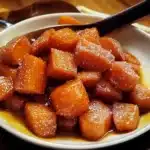
Candied Sweet Potatoes recipe
Ingredients
-
- Sweet Potatoes: 3 pounds sweet potatoes, peeled and cut into 1-inch cubes. Sweet potatoes are the undeniable star of this recipe, providing the base flavor, sweetness, and creamy texture. Choose firm, heavy sweet potatoes with smooth, unblemished skin. Look for varieties like Garnet or Jewel sweet potatoes, which are known for their moist texture and rich flavor when cooked. Peeled sweet potatoes are essential for this recipe to allow the glaze to fully penetrate and caramelize the potato cubes. Cutting them into 1-inch cubes ensures even cooking and a pleasing bite-sized texture. Avoid using yams, which are often mislabeled as sweet potatoes, as they have a drier texture and different flavor profile. True sweet potatoes are generally orange-fleshed, while yams are typically white or pale yellow.
-
- Unsalted Butter: ½ cup (1 stick) unsalted butter, cut into tablespoons. Butter is crucial for richness, flavor, and helping the glaze caramelize beautifully. Unsalted butter is preferred to control the salt level in the dish. Cutting the butter into tablespoons helps it melt evenly and incorporate smoothly into the glaze. For a richer, more pronounced buttery flavor, you can use European-style butter, which has a higher fat content. If you need a dairy-free option, you can substitute with a high-quality plant-based butter alternative, but be aware that it may slightly alter the flavor and caramelization.
-
- Light Brown Sugar: ¾ cup light brown sugar, packed. Light brown sugar provides sweetness, moisture, and contributes to the rich caramel flavor of the glaze. Packing the brown sugar ensures you are using the correct amount. Light brown sugar has a milder molasses flavor than dark brown sugar, which is generally preferred for candied sweet potatoes, allowing the sweetness of the sweet potatoes to shine through. If you prefer a deeper molasses flavor, you can use dark brown sugar, but it will result in a slightly more intense flavor profile.
-
- Granulated Sugar: ¼ cup granulated sugar. Granulated sugar adds pure sweetness and helps to create a balanced sweetness in combination with the brown sugar. It also contributes to the overall texture of the glaze, helping it become slightly caramelized and syrupy. Using a combination of brown sugar and granulated sugar creates a more complex sweetness than using either one alone.
-
- Water: ¼ cup water. Water is used to create the initial glaze base, helping to dissolve the sugars and create a syrupy consistency. It also helps to prevent the sugars from burning too quickly during baking. You can substitute with orange juice or apple cider for a subtle flavor variation, but water works perfectly well to create a classic candied glaze.
-
- Vanilla Extract: 1 teaspoon vanilla extract. Vanilla extract enhances the overall sweetness and adds a warm, aromatic note to the candied sweet potatoes. Use pure vanilla extract for the best flavor. Imitation vanilla extract can be used, but the flavor will be less complex and nuanced. For an even more pronounced vanilla flavor, you can use vanilla bean paste or scrape the seeds from half a vanilla bean into the glaze.
-
- Ground Cinnamon: ½ teaspoon ground cinnamon. Ground cinnamon adds a warm, comforting spice that pairs beautifully with sweet potatoes and enhances the holiday flavor profile. Use fresh ground cinnamon for the best aroma and flavor. You can also experiment with other warm spices like nutmeg, ginger, or cloves, but cinnamon is a classic and widely loved choice for candied sweet potatoes.
-
- Pinch of Salt: ¼ teaspoon salt, or to taste. Salt is essential for balancing the sweetness and enhancing all the flavors in the dish. A pinch of salt prevents the candied sweet potatoes from being overly sweet and brings out the natural sweetness of the sweet potatoes and the warm spices. Kosher salt or sea salt is recommended for its clean flavor. Adjust the amount of salt to your taste preference.
-
- Optional: Pecans or Walnuts: ½ cup pecans or walnuts, roughly chopped (for topping). Chopped pecans or walnuts add a delightful crunchy texture and nutty flavor that complements the soft, candied sweet potatoes. They are optional but highly recommended for adding another layer of texture and flavor complexity. Toasting the pecans or walnuts before adding them to the topping enhances their nutty flavor even further. You can toast them in a dry skillet over medium heat for a few minutes, or in the oven while the sweet potatoes are baking.
Instructions
Step 1: Prepare the Sweet Potatoes
-
- Preheat Oven: Preheat your oven to 375°F (190°C). Ensure your oven is properly preheated to the correct temperature before placing the sweet potatoes inside. This temperature allows for gentle baking and caramelization without burning.
-
- Peel and Cube Sweet Potatoes: Peel the sweet potatoes thoroughly using a vegetable peeler. Once peeled, cut the sweet potatoes into 1-inch cubes. Aim for roughly uniform cube sizes to ensure even cooking. Peeling and cubing the sweet potatoes is essential for this recipe to allow the glaze to penetrate and coat each piece evenly.
Step 2: Make the Candied Glaze
-
- Combine Glaze Ingredients in Baking Dish: In a large, oven-safe baking dish (9×13 inch or similar), combine the unsalted butter (cut into tablespoons), light brown sugar, granulated sugar, water, vanilla extract, ground cinnamon, and salt.
-
- Melt Butter and Dissolve Sugars: Place the baking dish in the preheated oven for about 5-7 minutes, or until the butter is completely melted and the sugars are mostly dissolved. You can stir the mixture once or twice during this time to help the sugars dissolve and the ingredients combine. Melting the butter and dissolving the sugars in the oven creates a smooth, flavorful base for the candied glaze.
Step 3: Candied Sweet Potatoes Bake
-
- Add Sweet Potato Cubes to Glaze: Remove the baking dish from the oven carefully (using oven mitts). Add the cubed sweet potatoes to the baking dish, directly into the melted glaze mixture.
-
- Toss to Coat Evenly: Using a spoon or spatula, gently toss the sweet potato cubes with the glaze mixture until they are evenly coated. Ensure every piece of sweet potato is covered in the buttery, sugary glaze for uniform caramelization and flavor.
-
- Bake Covered: Cover the baking dish tightly with aluminum foil. This step is crucial for initially steaming the sweet potatoes and making them tender before they caramelize. Bake in the preheated oven for 30 minutes, covered.
-
- Bake Uncovered and Baste: After 30 minutes of covered baking, remove the aluminum foil from the baking dish. Increase the oven temperature slightly to 400°F (200°C). Continue to bake uncovered for another 30-40 minutes, or until the sweet potatoes are fork-tender and the glaze has thickened and caramelized, becoming rich and glossy. During the last 15-20 minutes of baking, baste the sweet potatoes with the glaze from the bottom of the dish every 10 minutes or so. Basting helps to ensure even caramelization and keeps the sweet potatoes moist and flavorful.
-
- Check for Doneness: To check for doneness, pierce a sweet potato cube with a fork. It should be easily pierced and tender throughout. The glaze should be thick, glossy, and caramelized, coating the sweet potatoes beautifully. If the glaze is still too thin, you can bake for a few more minutes uncovered, watching carefully to prevent burning.
Step 4: Add Topping (Optional) and Serve
-
- Add Pecans or Walnuts (Optional): If using pecans or walnuts, sprinkle them evenly over the candied sweet potatoes during the last 5-10 minutes of baking, or after removing from the oven. Adding the nuts towards the end of baking prevents them from burning.
-
- Serve Hot: Remove the baking dish from the oven and let it cool slightly for a few minutes before serving. Serve the Candied Sweet Potatoes hot, directly from the baking dish or transferred to a serving bowl. The candied glaze will be hot and syrupy, so be careful when serving. Garnish with extra chopped pecans or walnuts, if desired, or a sprinkle of fresh herbs like thyme or rosemary for a savory-sweet contrast.
Nutrition
- Serving Size: one normal portion
- Calories: 280-350
- Sugar: 30-40g
- Sodium: 100-150mg
- Fat: 10-15g
- Saturated Fat: 6-8g
- Carbohydrates: 45-55g
- Fiber: 3-4g
- Protein: 2-3g
- Cholesterol: 30-40mg