
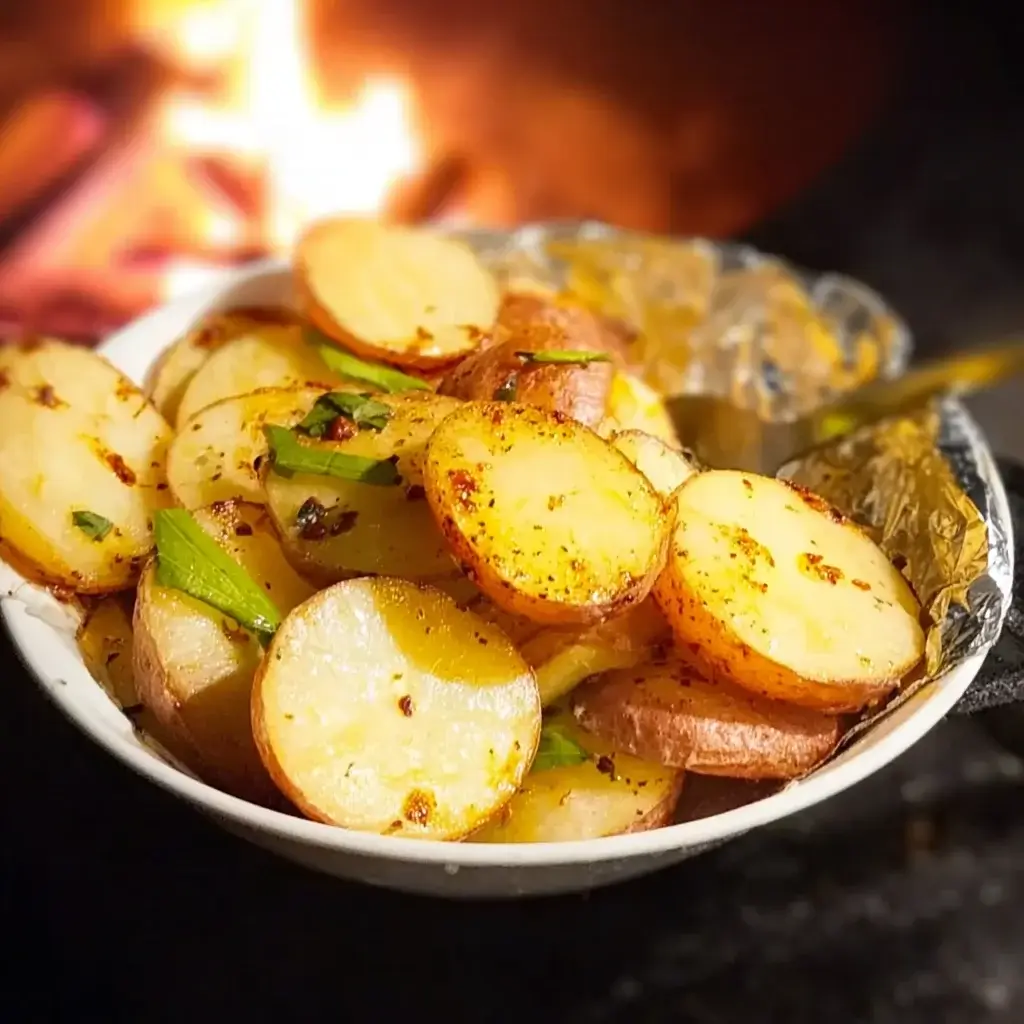

There is a unique magic that only happens around a campfire. It’s in the scent of pine needles and woodsmoke clinging to your clothes, the symphony of crickets under a vast, starry sky, and the deep, communal comfort of sharing a meal cooked over open flames. In my family, the heart of that meal has always been these Campfire Potatoes. I can still vividly remember my dad carefully arranging the shiny foil packets on the glowing red embers of the fire. The anticipation was electric. After what felt like an eternity to my childhood self, he would use long tongs to pull a blackened, sizzling packet from the heat. The moment he carefully unfolded the foil, a plume of fragrant steam would rush out, carrying the incredible aroma of caramelized onions, garlic, and perfectly tender potatoes kissed with smoke. That first bite—a soft, savory potato mingling with a slightly charred, sweet piece of bell pepper—was pure campfire bliss. This recipe isn’t just food; it’s a tradition, a vessel for memories, and the most delicious, foolproof way to create a hearty, satisfying meal in the great outdoors.
The Ultimate Campfire Potatoes Recipe
This recipe is designed for maximum flavor and minimal fuss, making it perfect for campers of all experience levels. The key is using simple, robust ingredients that shine when cooked with the smoky essence of a real wood fire.
The Essential Ingredients (Serves 4-6):
For the Potato and Vegetable Base:
- Potatoes: 2 lbs. Yukon Gold or red potatoes. These waxy varieties hold their shape beautifully and have a creamy texture that is perfect for this dish.
- Yellow Onion: 1 large, thickly sliced.
- Bell Peppers: 2 medium (a mix of red and green provides great color and flavor), seeded and cut into 1-inch chunks.
- Garlic: 4-6 cloves, whole and lightly smashed, or thickly sliced.
For the Flavor Powerhouses:
- Olive Oil or Avocado Oil: ¼ cup. This prevents sticking and helps the potatoes get wonderfully crisp.
- Unsalted Butter: 4 tablespoons, cut into small cubes. This adds richness and a delicious flavor as it melts.
- Coarse Sea Salt: 1 ½ teaspoons.
- Freshly Ground Black Pepper: 1 teaspoon.
- Smoked Paprika: 2 teaspoons. This is non-negotiable for an extra layer of smoky flavor that complements the fire.
- Garlic Powder: 1 teaspoon.
- Dried Rosemary or Thyme: 1 teaspoon (or 1 tablespoon fresh, chopped).
Optional Hearty Add-ins:
- Smoked Sausage: 12 oz. Andouille, Kielbasa, or your favorite smoked sausage, sliced into ½-inch rounds.
- Shredded Cheese: 1-2 cups sharp cheddar, Colby Jack, or pepper jack cheese.
Essential Equipment:
- Heavy-Duty Aluminum Foil: Do not use regular foil; it will tear.
Step-by-Step Guide to Perfect Campfire Cooking
Follow these instructions carefully to ensure your potato packets are cooked evenly and are bursting with flavor. The technique is just as important as the ingredients.
Step 1: Prepare Your Fire and Your Foil
The ideal fire for cooking is not a roaring blaze. You want a mature fire that has burned down to a bed of hot, glowing embers or coals. While the fire is settling, prepare your foil packets. Tear off four large sheets of heavy-duty aluminum foil, each about 18-24 inches long. For extra insurance against leaks and tears, it’s highly recommended to use a double layer for each packet. Lay one sheet on top of another for each of the four packets.
Step 2: Chop and Combine Your Ingredients
In a large bowl (this is easier than trying to season in the foil), combine the chopped potatoes, sliced onion, bell pepper chunks, and smashed garlic cloves. The key to even cooking is ensuring your potatoes are cut into uniform, bite-sized pieces, about 1 to 1.5 inches. If the pieces are all different sizes, you’ll have a mix of mushy and raw potatoes.
Drizzle the vegetable mixture with the olive oil. Sprinkle evenly with the coarse sea salt, black pepper, smoked paprika, garlic powder, and dried herbs. Use your hands or a large spoon to toss everything together thoroughly, making sure every single piece of potato and vegetable is coated in oil and seasonings. If you are using smoked sausage, add the slices to the bowl and toss them in as well.
Step 3: Assemble the Foil Packets
Divide the seasoned potato mixture evenly among the four double-layered foil sheets, mounding it in the center of each sheet. Dot the top of each potato mound with 1 tablespoon of the cubed butter. The butter will melt down into the potatoes as they cook, creating a rich and delicious sauce.
To seal the packets, bring the two long sides of the foil together above the filling. Fold them down together in a tight, ½-inch seam. Continue to fold the seam down several times until it is snug against the filling. This is often called a “hobo packet” seal. Next, take the two open ends and fold or roll them inward tightly toward the center to create a fully sealed, rectangular packet. The goal is to create a sealed environment that will trap steam and cook the potatoes.
Step 4: Cook on the Campfire
There are two primary methods for cooking the packets:
- Directly on Embers: Carefully place the foil packets directly onto a hot bed of embers, away from any active flames.
- On a Grill Grate: Place a grill grate over your fire pit, about 4-6 inches above the hot coals, and arrange the packets on the grate. This method provides more even, less intense heat and reduces the risk of burning.
Cook for approximately 30-45 minutes, carefully flipping the packets every 10-15 minutes with a long pair of tongs. The total cook time will vary greatly depending on the heat of your fire and the size of your potato chunks.
Step 5: Check for Doneness and Serve
After about 30 minutes, carefully remove one packet from the fire. Place it on a stable, heatproof surface. Use caution when opening, as a large amount of hot steam will escape. Unfold the top seam and use a fork to pierce one of the larger potato pieces. If it is tender and easily pierced, they are done! If it’s still firm, reseal the packet tightly and return it to the fire, checking again in 10-minute intervals.
Once cooked, you can serve the potatoes directly in their foil packets for an authentic, rustic experience and easy cleanup. If adding cheese, open the packets, sprinkle the cheese over the hot potatoes, loosely reseal for a minute or two to let it melt, then serve immediately.
Nutrition Facts
- Servings: 4-6
- Calories per serving: Approximately 350-450 kcal (without sausage or cheese)
Disclaimer: This nutritional information is an estimate. The final calorie and nutrient count can vary widely based on the size of the potatoes, the amount of oil and butter used, and the inclusion of optional add-ins like sausage and cheese.
Preparation Time
- Prep Time: 15-20 minutes
- Cook Time: 30-45 minutes (highly variable)
- Total Time: Approximately 1 hour
How to Serve Your Campfire Potatoes
These potatoes are a hearty side dish but can easily become the star of the show with the right accompaniments. Think of them as the versatile anchor of your campfire feast.
As a Side to Classic Campfire Mains:
- Grilled Steaks or Burgers: The savory, smoky potatoes are the perfect partner for a perfectly grilled steak or a juicy hamburger.
- Hot Dogs and Brats: Elevate a simple hot dog cookout by serving these potatoes alongside.
- Campfire Fish: Whether it’s freshly caught trout or foil-packet salmon, these potatoes round out the meal beautifully.
As a “Loaded Potato” Main Course:
Create a toppings bar right at your campsite for a fun, interactive meal. Open the packets and let everyone customize their own.
- Creamy Toppings: Sour cream, plain Greek yogurt, or even ranch dressing.
- Cheesy Toppings: Extra shredded cheddar, crumbled feta, or Parmesan cheese.
- Savory Bits: Crumbled crispy bacon, chopped chives or green onions, or a spoonful of campfire chili.
- Spicy Kicks: Sliced jalapeños, a dash of your favorite hot sauce, or red pepper flakes.
For a Hearty Campfire Breakfast:
- Potato Hash: Make the potatoes the night before. In the morning, open any leftover packets, dump the contents into a hot cast-iron skillet, and crack a few eggs directly on top. Cook until the eggs are set for an incredible breakfast hash.
5 Essential Tips for Campfire Potato Mastery
Go from campfire cook to campfire chef with these pro tips.
Tip 1: The Par-Boiling Hack for Foolproof Results
For guaranteed tender potatoes and a shorter, more predictable cook time at the campsite, par-boil your potato chunks at home. Boil them in salted water for 5-7 minutes until they are just barely tender on the outside. Drain them completely and let them cool before packing them for your trip. This pre-cooking step ensures the insides will be perfectly soft, and the campfire’s job is just to heat them through and make the outsides crispy.
Tip 2: The Liquid Advantage
For extra moisture and to create more steam for cooking, add a splash of liquid to each packet before sealing. Just a tablespoon or two of beer (a lager or amber ale works great), chicken or vegetable broth, or even just water can make a huge difference. This helps prevent scorching on the bottom if your fire is a little too hot.
Tip 3: Master Your Fire: Embers, Not Flames
This is the golden rule of campfire cooking. Roaring, active flames are for providing light and initial heat. They are far too hot and unpredictable for cooking. The ideal cooking medium is a bed of glowing, grey-to-red embers. They provide consistent, radiant heat that cooks food evenly rather than just charring the outside black while leaving the inside raw. Rake a nice bed of coals to one side of your fire pit specifically for cooking.
Tip 4: Don’t Be Afraid to Peek
While you want to keep the packets sealed to trap steam, it’s far better to check on your potatoes than to end up with a burnt or undercooked meal. If you’re unsure, there’s no shame in pulling a packet off the fire, carefully opening it to test for doneness, and resealing it to continue cooking. This is much smarter than guessing and being disappointed.
Tip 5: Prep at Home, Relax at the Campsite
The best part of camping is relaxing. Do all your chopping and seasoning at home. Combine all the vegetables, oil, and spices in a large zip-top bag. When you get to the campsite, all you have to do is divide the mixture into your foil packets, add the butter, and seal them up. This minimizes cleanup and prep time in the great outdoors.
Frequently Asked Questions (FAQ)
Q1: What are the best potatoes to use for campfire potatoes?
A: Waxy potatoes are your best bet. Varieties like Yukon Gold, red potatoes, or fingerling potatoes hold their shape well when cooked and have a creamy, dense texture. Starchy potatoes, like Russets, are fluffier and tend to fall apart, which can result in a mushier texture in a foil packet.
Q2: Can I make these on a regular gas or charcoal grill at home?
A: Absolutely! This recipe works perfectly on a standard grill. Simply preheat your grill to medium-high heat (around 400°F or 200°C). Place the foil packets directly on the grill grates and cook for 20-30 minutes, flipping halfway through. It’s the same concept—the grill provides the heat, and the foil packet traps the steam.
Q3: How do I know when they’re done without opening the packet?
A: While peeking is the most reliable method, there are a few clues. You can gently squeeze the packet with tongs (be careful!); if it feels soft and the potatoes give way, they are likely done. You can also listen. When you first put them on, you’ll hear an active sizzle. As they cook and the moisture is absorbed, the sizzling will become much quieter. This change in sound is a good indicator that they are getting close.
Q4: Can I assemble the foil packets at home before my camping trip?
A: Yes, you can! You can fully assemble the packets at home and store them in a cooler for up to 24 hours. However, be aware that the salt will start to draw moisture out of the vegetables, so you may have a bit more liquid in the packet. For best results, keep the chopped, seasoned vegetable mix in a bag and assemble the packets fresh at the campsite.
Q5: My potatoes were burnt on the outside but still raw in the middle. What did I do wrong?
A: This is the most common campfire cooking problem, and it’s almost always a fire management issue. It means your heat source was too intense and direct. You likely placed the packets in or too close to active flames instead of on hot embers. The intense heat charred the foil and the outer layer of food before the radiant heat had time to penetrate and cook the insides. Remember the mantra: cook on embers, not flames. Using a double layer of heavy-duty foil also provides crucial protection against this.
Print
Campfire Potatoes recipe
Ingredients
For the Potato and Vegetable Base:
-
Potatoes: 2 lbs. Yukon Gold or red potatoes. These waxy varieties hold their shape beautifully and have a creamy texture that is perfect for this dish.
-
Yellow Onion: 1 large, thickly sliced.
-
Bell Peppers: 2 medium (a mix of red and green provides great color and flavor), seeded and cut into 1-inch chunks.
-
Garlic: 4-6 cloves, whole and lightly smashed, or thickly sliced.
For the Flavor Powerhouses:
-
Olive Oil or Avocado Oil: ¼ cup. This prevents sticking and helps the potatoes get wonderfully crisp.
-
Unsalted Butter: 4 tablespoons, cut into small cubes. This adds richness and a delicious flavor as it melts.
-
Coarse Sea Salt: 1 ½ teaspoons.
-
Freshly Ground Black Pepper: 1 teaspoon.
-
Smoked Paprika: 2 teaspoons. This is non-negotiable for an extra layer of smoky flavor that complements the fire.
-
Garlic Powder: 1 teaspoon.
-
Dried Rosemary or Thyme: 1 teaspoon (or 1 tablespoon fresh, chopped).
Optional Hearty Add-ins:
-
Smoked Sausage: 12 oz. Andouille, Kielbasa, or your favorite smoked sausage, sliced into ½-inch rounds.
-
Shredded Cheese: 1-2 cups sharp cheddar, Colby Jack, or pepper jack cheese.
Instructions
Step 1: Prepare Your Fire and Your Foil
The ideal fire for cooking is not a roaring blaze. You want a mature fire that has burned down to a bed of hot, glowing embers or coals. While the fire is settling, prepare your foil packets. Tear off four large sheets of heavy-duty aluminum foil, each about 18-24 inches long. For extra insurance against leaks and tears, it’s highly recommended to use a double layer for each packet. Lay one sheet on top of another for each of the four packets.
Step 2: Chop and Combine Your Ingredients
In a large bowl (this is easier than trying to season in the foil), combine the chopped potatoes, sliced onion, bell pepper chunks, and smashed garlic cloves. The key to even cooking is ensuring your potatoes are cut into uniform, bite-sized pieces, about 1 to 1.5 inches. If the pieces are all different sizes, you’ll have a mix of mushy and raw potatoes.
Drizzle the vegetable mixture with the olive oil. Sprinkle evenly with the coarse sea salt, black pepper, smoked paprika, garlic powder, and dried herbs. Use your hands or a large spoon to toss everything together thoroughly, making sure every single piece of potato and vegetable is coated in oil and seasonings. If you are using smoked sausage, add the slices to the bowl and toss them in as well.
Step 3: Assemble the Foil Packets
Divide the seasoned potato mixture evenly among the four double-layered foil sheets, mounding it in the center of each sheet. Dot the top of each potato mound with 1 tablespoon of the cubed butter. The butter will melt down into the potatoes as they cook, creating a rich and delicious sauce.
To seal the packets, bring the two long sides of the foil together above the filling. Fold them down together in a tight, ½-inch seam. Continue to fold the seam down several times until it is snug against the filling. This is often called a “hobo packet” seal. Next, take the two open ends and fold or roll them inward tightly toward the center to create a fully sealed, rectangular packet. The goal is to create a sealed environment that will trap steam and cook the potatoes.
Step 4: Cook on the Campfire
There are two primary methods for cooking the packets:
-
Directly on Embers: Carefully place the foil packets directly onto a hot bed of embers, away from any active flames.
-
On a Grill Grate: Place a grill grate over your fire pit, about 4-6 inches above the hot coals, and arrange the packets on the grate. This method provides more even, less intense heat and reduces the risk of burning.
Cook for approximately 30-45 minutes, carefully flipping the packets every 10-15 minutes with a long pair of tongs. The total cook time will vary greatly depending on the heat of your fire and the size of your potato chunks.
Step 5: Check for Doneness and Serve
After about 30 minutes, carefully remove one packet from the fire. Place it on a stable, heatproof surface. Use caution when opening, as a large amount of hot steam will escape. Unfold the top seam and use a fork to pierce one of the larger potato pieces. If it is tender and easily pierced, they are done! If it’s still firm, reseal the packet tightly and return it to the fire, checking again in 10-minute intervals.
Once cooked, you can serve the potatoes directly in their foil packets for an authentic, rustic experience and easy cleanup. If adding cheese, open the packets, sprinkle the cheese over the hot potatoes, loosely reseal for a minute or two to let it melt, then serve immediately.
Nutrition
- Serving Size: one normal portion
- Calories: 350-450 kcal