
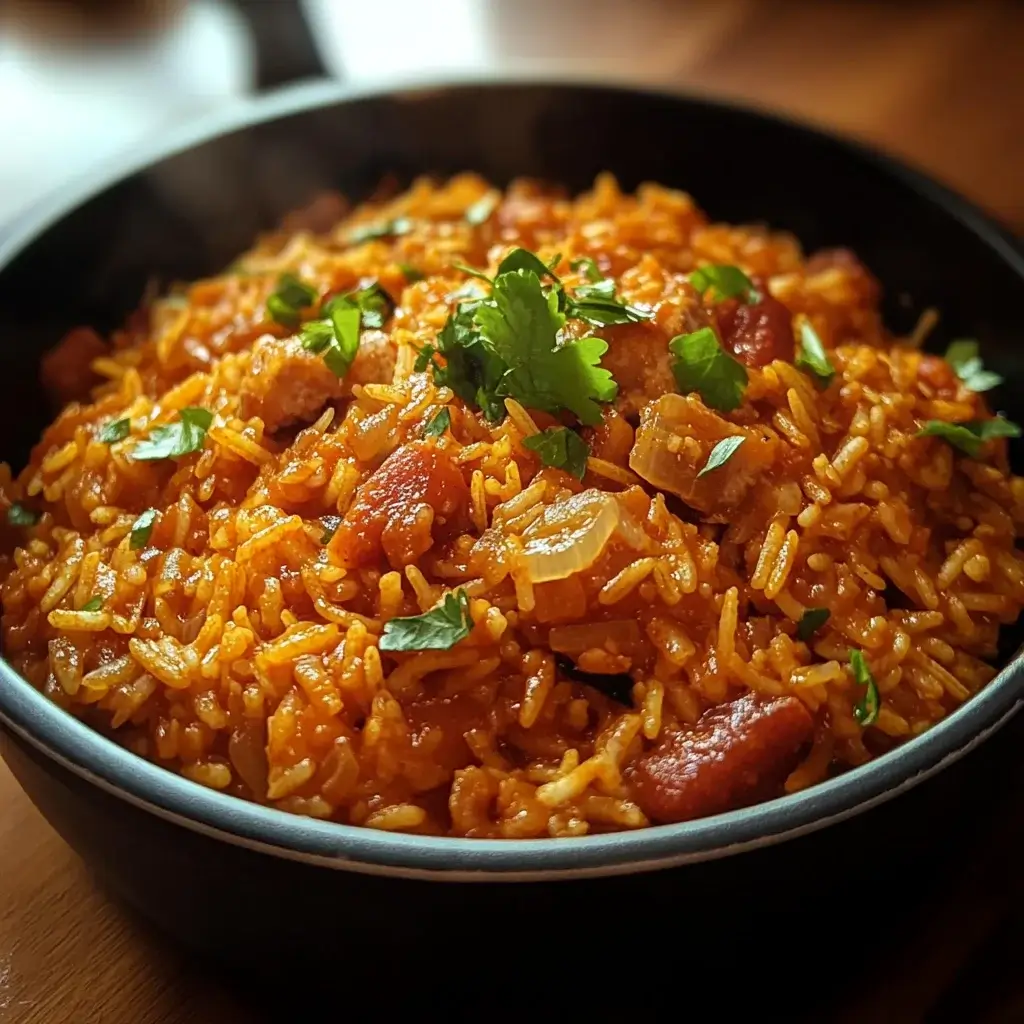
There are few dishes that ignite the senses quite like a true Cajun Spicy Jambalaya. The moment that aroma starts wafting from the kitchen – a complex, intoxicating blend of deeply browned meats, the holy trinity of vegetables sweating down, zesty tomatoes, and that unmistakable kick of Cajun spice – you know something special is happening. I’ll never forget the first time I attempted it myself, determined to replicate the soul-warming, fiery goodness I’d tasted on trips down South. It felt like a rite of passage. Getting that fond (the browned bits) just right on the bottom of the Dutch oven, layering the flavours meticulously, resisting the urge to lift the lid while the rice worked its magic… the anticipation was almost as delicious as the first bite. When I finally served it up, steaming hot, studded with smoky Andouille sausage, tender chicken, and plump shrimp, the reaction from my family was immediate silence, followed by groans of pleasure and requests for more heat (we like it spicy!). It wasn’t just dinner; it was an event, a celebration in a pot. This recipe isn’t just about sustenance; it’s about capturing the vibrant spirit of Cajun country – bold, generous, and unapologetically flavourful.
Ingredients
Creating an authentic and delicious Cajun Spicy Jambalaya requires a blend of foundational elements, flavour builders, proteins, and, of course, the signature spice. At its core is the “Holy Trinity” of Cajun cooking: onion, celery, and bell pepper. We build richness by browning quality proteins – traditionally smoky Andouille sausage and chicken – creating a flavourful base (the fond). Tomatoes often feature in home-style Cajun (though purists might call it Creole-leaning), adding acidity and depth alongside robust chicken broth. Long-grain white rice is essential for absorbing these flavours without becoming mushy. And then there’s the spice: a good Cajun seasoning blend, plus extra cayenne for heat, perhaps some smoked paprika for depth, and classic aromatics like garlic, bay leaves, and thyme. Shrimp are often added near the end for a touch of seafood sweetness. Using quality ingredients and layering the flavours carefully is key to Jambalaya success.
- 1 tablespoon Vegetable Oil or Bacon Fat
- 1 lb (450g) Andouille Sausage, sliced into 1/4-inch rounds (or other smoked sausage)
- 1.5 lbs (680g) Boneless, Skinless Chicken Thighs (preferred for flavour/moisture) or Breasts, cut into 1-inch pieces
- 1 large Yellow Onion, chopped (about 1.5 – 2 cups)
- 1 large Green Bell Pepper, chopped (about 1.5 cups)
- 2 Celery Stalks, chopped (about 1 cup)
- 4-6 cloves Garlic, minced (about 1.5 – 2 tablespoons)
- 1 can (14.5 oz / 411g) Diced Tomatoes, undrained (preferably petite diced)
- 1 can (6 oz / 170g) Tomato Paste
- 4 cups (32 oz / 950ml) Chicken Broth (low sodium preferred)
- 2 tablespoons Cajun Seasoning Blend (store-bought or homemade, ensure it contains salt)
- 1 teaspoon Dried Thyme
- 1/2 – 1 teaspoon Cayenne Pepper (adjust based on desired spice level and heat of Cajun seasoning)
- 1/2 teaspoon Smoked Paprika (optional, for depth)
- 2 Bay Leaves
- 1.5 cups Long-Grain White Rice, rinsed well under cold water until water runs clear
- 1 lb (450g) Large Shrimp, peeled and deveined (optional)
- 1/2 cup chopped Green Onions (scallions), green parts mostly, for garnish
- 2 tablespoons chopped Fresh Parsley, for garnish
- Hot Sauce, for serving (optional)
Equipment:
- Large Heavy-Bottomed Pot or Dutch Oven (at least 6-quart capacity) with a tight-fitting lid
- Wooden Spoon or Spatula
- Knife and Cutting Board
- Measuring Cups and Spoons
Instructions
Making great Jambalaya is about building layers of flavour and cooking the rice perfectly within that flavourful base. Follow these steps carefully, especially the part about not stirring the rice once it’s covered!
Step 1: Brown the Sausage
Heat the oil or bacon fat in your large Dutch oven over medium-high heat. Add the sliced Andouille sausage and cook, stirring occasionally, until well-browned and slightly crispy on the edges, about 5-7 minutes. Use a slotted spoon to remove the sausage from the pot and set it aside, leaving the rendered fat in the pot.
Step 2: Brown the Chicken
Season the cubed chicken pieces lightly with salt and pepper (or a little Cajun seasoning). Add the chicken to the hot fat in the pot (work in batches if necessary to avoid overcrowding). Cook until browned on all sides, about 5-7 minutes per batch. The chicken doesn’t need to be cooked through at this stage. Remove the browned chicken with a slotted spoon and set it aside with the sausage.
Step 3: Sauté the Holy Trinity
There should be flavourful fat remaining in the pot. If it looks dry, add another splash of oil. Add the chopped onion, bell pepper, and celery (the “Holy Trinity”) to the pot. Reduce the heat to medium. Cook, stirring frequently and scraping the bottom of the pot to loosen any browned bits (fond) left from the meats, for about 8-10 minutes, or until the vegetables are softened and the onion is translucent. This process of sweating the vegetables and incorporating the fond is crucial for flavour development.
Step 4: Add Aromatics and Tomato Paste
Add the minced garlic to the pot and cook for about 1 minute more, stirring constantly, until fragrant. Be careful not to burn the garlic. Stir in the tomato paste and cook for another 1-2 minutes, stirring constantly. Cooking the tomato paste briefly helps deepen its flavour and removes any raw taste.
Step 5: Add Liquids, Seasonings, and Meats
Pour in the undrained diced tomatoes and the chicken broth. Stir well, scraping the bottom again to ensure nothing is sticking. Add the Cajun seasoning, dried thyme, cayenne pepper, smoked paprika (if using), and bay leaves. Stir to combine. Return the browned sausage and chicken (along with any accumulated juices) back to the pot. Stir everything together.
Step 6: Bring to a Boil, Add Rice
Increase the heat and bring the mixture to a rolling boil. Taste the liquid at this point – it should be well-seasoned and flavourful, maybe even slightly saltier than you think necessary, as the rice will absorb seasoning. Adjust salt or Cajun seasoning if needed. Once boiling, add the thoroughly rinsed long-grain white rice. Stir it in well to ensure it’s evenly distributed and submerged in the liquid.
Step 7: Simmer the Jambalaya (The Crucial Step!)
Allow the mixture to return to a gentle simmer. Once it’s simmering evenly, immediately reduce the heat to the lowest possible setting that still maintains a very gentle simmer. Cover the pot tightly with the lid. DO NOT LIFT THE LID AND DO NOT STIR for the next 20-25 minutes. Let the rice steam and absorb the liquid undisturbed. Stirring will release starch and make the jambalaya gummy.
Step 8: Check Rice and Add Shrimp (If Using)
After 20-25 minutes, lift the lid quickly. Check if the liquid has been absorbed and the rice appears tender (you can test a grain from the edge). If the rice is done or almost done and you are adding shrimp, quickly scatter the peeled and deveined shrimp over the top of the jambalaya. Replace the lid immediately and continue to cook on low heat for another 5-7 minutes, or just until the shrimp are pink, opaque, and cooked through. Be careful not to overcook the shrimp. If the rice needs a few more minutes before adding shrimp, replace the lid and cook longer, checking again before adding them. If the rice seems dry but isn’t fully cooked, you can add a tiny splash (a few tablespoons) of hot broth or water around the edges, replace the lid, and cook a few minutes longer.
Step 9: Rest and Fluff
Once the rice is tender and the shrimp (if used) are cooked, remove the pot from the heat entirely. Let the jambalaya stand, still covered, for 10 minutes. This resting period allows the moisture to redistribute evenly and finishes the cooking process gently. After resting, remove and discard the bay leaves. Gently fluff the jambalaya with a fork, mixing the proteins and rice together.
Step 10: Garnish and Serve
Stir in most of the chopped green onions and fresh parsley, reserving some for garnish. Ladle the Cajun Spicy Jambalaya into bowls. Garnish with the remaining green onions and parsley. Serve immediately, passing hot sauce at the table for those who like an extra fiery kick.
Nutrition Facts
- Servings: Approximately 6-8 generous servings
- Calories per serving (estimated): 550-750 kcal
Disclaimer: The nutritional information provided is an estimate only, calculated using standard databases. Actual values will vary significantly based on factors such as the specific type and fat content of sausage and chicken used, the brand of broth and canned goods (sodium levels), whether shrimp is included, portion size, and any optional additions.
Preparation Time
- Active Preparation Time: Approximately 30 minutes (chopping vegetables, slicing sausage, cubing chicken, rinsing rice)
- Cook Time: Approximately 60-75 minutes (browning meats, sautéing vegetables, simmering rice, cooking shrimp, resting)
- Total Time: Approximately 1.5 – 1.75 hours
How to Serve
Cajun Spicy Jambalaya is a hearty, flavour-packed one-pot meal that doesn’t need much accompaniment, but here are some classic and complementary ways to serve it:
- As Is: Serve hot, steaming bowls straight from the pot, ensuring each serving gets a good mix of rice, meats, (shrimp if used), and vegetables.
- Garnishes: Don’t skip the fresh garnishes!
- Green Onions: Provide a fresh, mild oniony bite that cuts through the richness.
- Fresh Parsley: Adds freshness and colour. Cilantro can also be used for a different fresh note, though less traditional.
- Hot Sauce: Essential for any Cajun table! Offer a variety of Louisiana-style hot sauces (like Tabasco, Crystal, or Louisiana Hot Sauce) so individuals can customize their heat level.
- Bread: Perfect for soaking up any flavorful juices.
- Crusty French Bread: The quintessential pairing. Warm, crusty bread is ideal.
- Cornbread: Slightly sweet cornbread offers a lovely contrast to the savory, spicy jambalaya. Serve warm with butter.
- Simple Salad: A light, crisp green salad with a simple vinaigrette can offer a refreshing counterpoint to the rich jambalaya. Avoid creamy dressings.
- Cold Beer or Iced Tea: Classic beverage pairings to cool the palate.
Additional Tips
Take your Cajun Spicy Jambalaya from good to great with these five essential tips:
- Invest in Quality Andouille Sausage: This is arguably the soul of the dish’s flavour base. True Cajun Andouille is a coarse-ground, heavily smoked pork sausage, often with a noticeable kick of garlic and cayenne. Its smoky depth permeates the entire dish. If you can’t find authentic Andouille, use the best quality smoked sausage you can find (kielbasa can work in a pinch, but the flavour profile will be different and less smoky/spicy). Browning it well is key to rendering fat and developing flavour.
- Master the “Fond” (Don’t Fear the Brown Bits!): The browned bits (fond) left in the pot after searing the sausage and chicken are pure flavour gold. Don’t discard them or let them burn! When you add the Holy Trinity (onion, celery, bell pepper), their moisture will help you scrape these bits off the bottom of the pot (deglazing), incorporating them into the vegetable base. This step significantly deepens the overall savoury character of the jambalaya. Use a wooden spoon for effective scraping without damaging your pot.
- RESIST the Urge to Stir the Rice: This is the cardinal rule of Jambalaya (and many other rice dishes cooked similarly). Once the rice is added, brought back to a simmer, and the lid is on, leave it alone. Stirring releases starch from the rice grains, leading to a sticky, gummy texture instead of separate, fluffy grains coated in flavour. Trust the process – the steam trapped under the tight-fitting lid will cook the rice perfectly.
- Control Your Spice Level Strategically: “Spicy” is subjective. This recipe gets heat from multiple sources: Andouille sausage (can be spicy), Cajun seasoning (often contains cayenne), and added cayenne pepper. Taste your components first if possible (sausage, seasoning blend). Start with the lower end of the recommended cayenne pepper, especially if your Cajun seasoning is already hot. You can always add more heat at the end via hot sauce at the table, but you can’t easily take it away once it’s cooked in.
- Rinse Your Rice Thoroughly: Rinsing the long-grain white rice under cold running water until the water runs clear is an important step often overlooked. This removes excess surface starch from the rice grains. Less surface starch means the grains are less likely to clump together during cooking, contributing to a fluffier, less sticky final jambalaya texture. It only takes a couple of extra minutes and makes a noticeable difference.
FAQ Section
Q1: What’s the difference between Cajun and Creole Jambalaya?
A: The most cited difference lies in the tomatoes! Creole Jambalaya, associated more with the city influences of New Orleans, typically includes tomatoes (like this recipe does), giving it a redder hue and a slightly different flavour base. Cajun Jambalaya, stemming from the rural “bayou” country, traditionally does not include tomatoes, resulting in a browner dish where the colour comes primarily from the browned meats, vegetables, and broth. However, the lines blur significantly in home cooking, and many “Cajun” family recipes do incorporate tomatoes. This recipe, with tomatoes, leans Creole but captures the robust, spicy spirit often associated with Cajun style.
Q2: Can I use different types of rice, like brown rice or jasmine rice?
A: While long-grain white rice is traditional and yields the best texture, you can experiment, but adjustments are necessary.
* Brown Rice: Requires significantly more liquid (increase broth by about 1-1.5 cups) and a much longer cooking time (potentially 45-55 minutes simmering). The texture will be chewier.
* Jasmine/Basmati Rice: These are aromatic long-grain rice varieties. They can work, but might cook slightly faster than standard long-grain white rice and have a softer texture. Rinse well as usual.
* Medium/Short Grain Rice (like Arborio): Not recommended. These varieties are high in starch and designed to be creamy (like risotto), which will result in a very sticky, gummy jambalaya. Stick to long-grain varieties.
Q3: Can I make Jambalaya ahead of time? How do I reheat it?
A: Yes, Jambalaya is often even better the next day as the flavours meld! Cool it completely before storing it in an airtight container in the refrigerator for up to 3-4 days. To reheat, you can gently warm individual portions in the microwave (covered, stirring occasionally) or reheat larger amounts on the stovetop over low heat. Add a splash of chicken broth or water when reheating on the stovetop to prevent sticking and restore moisture, as the rice will have absorbed more liquid upon cooling. Stir gently while reheating on the stove. Avoid reheating multiple times.
Q4: How can I make this Jambalaya less spicy or even spicier?
A: Adjusting the spice is easy:
* Less Spicy: Use a mild smoked sausage instead of spicy Andouille. Choose a Cajun seasoning blend specifically labeled “mild” or make your own, omitting cayenne. Reduce or completely omit the added cayenne pepper in the recipe. Serve without hot sauce.
* More Spicy: Use a hot Andouille sausage. Choose a spicy Cajun seasoning blend. Increase the amount of added cayenne pepper (start small, taste the broth before adding rice). Add a minced jalapeño or serrano pepper along with the Holy Trinity. Serve generously with your favorite fiery hot sauce.
Q5: Can I freeze Jambalaya?
A: Yes, you can freeze Jambalaya, but be aware the texture might change slightly upon thawing, particularly the rice. Cool the jambalaya completely. Portion it into freezer-safe airtight containers or heavy-duty freezer bags, leaving some headspace. Freeze for up to 2-3 months. Thaw overnight in the refrigerator. Reheat gently on the stovetop (preferred method) with a splash of broth or water, or in the microwave. Note: If you included shrimp, they might become slightly tougher after freezing and reheating. Some people prefer to make the base without shrimp and add freshly cooked shrimp when reheating.

Cajun Spicy Jambalaya recipe
Ingredients
-
- 1 tablespoon Vegetable Oil or Bacon Fat
-
- 1 lb (450g) Andouille Sausage, sliced into 1/4-inch rounds (or other smoked sausage)
-
- 1.5 lbs (680g) Boneless, Skinless Chicken Thighs (preferred for flavour/moisture) or Breasts, cut into 1-inch pieces
-
- 1 large Yellow Onion, chopped (about 1.5 – 2 cups)
-
- 1 large Green Bell Pepper, chopped (about 1.5 cups)
-
- 2 Celery Stalks, chopped (about 1 cup)
-
- 4–6 cloves Garlic, minced (about 1.5 – 2 tablespoons)
-
- 1 can (14.5 oz / 411g) Diced Tomatoes, undrained (preferably petite diced)
-
- 1 can (6 oz / 170g) Tomato Paste
-
- 4 cups (32 oz / 950ml) Chicken Broth (low sodium preferred)
-
- 2 tablespoons Cajun Seasoning Blend (store-bought or homemade, ensure it contains salt)
-
- 1 teaspoon Dried Thyme
-
- 1/2 – 1 teaspoon Cayenne Pepper (adjust based on desired spice level and heat of Cajun seasoning)
-
- 1/2 teaspoon Smoked Paprika (optional, for depth)
-
- 2 Bay Leaves
-
- 1.5 cups Long-Grain White Rice, rinsed well under cold water until water runs clear
-
- 1 lb (450g) Large Shrimp, peeled and deveined (optional)
-
- 1/2 cup chopped Green Onions (scallions), green parts mostly, for garnish
-
- 2 tablespoons chopped Fresh Parsley, for garnish
-
- Hot Sauce, for serving (optional)
Instructions
Step 1: Brown the Sausage
Heat the oil or bacon fat in your large Dutch oven over medium-high heat. Add the sliced Andouille sausage and cook, stirring occasionally, until well-browned and slightly crispy on the edges, about 5-7 minutes. Use a slotted spoon to remove the sausage from the pot and set it aside, leaving the rendered fat in the pot.
Step 2: Brown the Chicken
Season the cubed chicken pieces lightly with salt and pepper (or a little Cajun seasoning). Add the chicken to the hot fat in the pot (work in batches if necessary to avoid overcrowding). Cook until browned on all sides, about 5-7 minutes per batch. The chicken doesn’t need to be cooked through at this stage. Remove the browned chicken with a slotted spoon and set it aside with the sausage.
Step 3: Sauté the Holy Trinity
There should be flavourful fat remaining in the pot. If it looks dry, add another splash of oil. Add the chopped onion, bell pepper, and celery (the “Holy Trinity”) to the pot. Reduce the heat to medium. Cook, stirring frequently and scraping the bottom of the pot to loosen any browned bits (fond) left from the meats, for about 8-10 minutes, or until the vegetables are softened and the onion is translucent. This process of sweating the vegetables and incorporating the fond is crucial for flavour development.
Step 4: Add Aromatics and Tomato Paste
Add the minced garlic to the pot and cook for about 1 minute more, stirring constantly, until fragrant. Be careful not to burn the garlic. Stir in the tomato paste and cook for another 1-2 minutes, stirring constantly. Cooking the tomato paste briefly helps deepen its flavour and removes any raw taste.
Step 5: Add Liquids, Seasonings, and Meats
Pour in the undrained diced tomatoes and the chicken broth. Stir well, scraping the bottom again to ensure nothing is sticking. Add the Cajun seasoning, dried thyme, cayenne pepper, smoked paprika (if using), and bay leaves. Stir to combine. Return the browned sausage and chicken (along with any accumulated juices) back to the pot. Stir everything together.
Step 6: Bring to a Boil, Add Rice
Increase the heat and bring the mixture to a rolling boil. Taste the liquid at this point – it should be well-seasoned and flavourful, maybe even slightly saltier than you think necessary, as the rice will absorb seasoning. Adjust salt or Cajun seasoning if needed. Once boiling, add the thoroughly rinsed long-grain white rice. Stir it in well to ensure it’s evenly distributed and submerged in the liquid.
Step 7: Simmer the Jambalaya (The Crucial Step!)
Allow the mixture to return to a gentle simmer. Once it’s simmering evenly, immediately reduce the heat to the lowest possible setting that still maintains a very gentle simmer. Cover the pot tightly with the lid. DO NOT LIFT THE LID AND DO NOT STIR for the next 20-25 minutes. Let the rice steam and absorb the liquid undisturbed. Stirring will release starch and make the jambalaya gummy.
Step 8: Check Rice and Add Shrimp (If Using)
After 20-25 minutes, lift the lid quickly. Check if the liquid has been absorbed and the rice appears tender (you can test a grain from the edge). If the rice is done or almost done and you are adding shrimp, quickly scatter the peeled and deveined shrimp over the top of the jambalaya. Replace the lid immediately and continue to cook on low heat for another 5-7 minutes, or just until the shrimp are pink, opaque, and cooked through. Be careful not to overcook the shrimp. If the rice needs a few more minutes before adding shrimp, replace the lid and cook longer, checking again before adding them. If the rice seems dry but isn’t fully cooked, you can add a tiny splash (a few tablespoons) of hot broth or water around the edges, replace the lid, and cook a few minutes longer.
Step 9: Rest and Fluff
Once the rice is tender and the shrimp (if used) are cooked, remove the pot from the heat entirely. Let the jambalaya stand, still covered, for 10 minutes. This resting period allows the moisture to redistribute evenly and finishes the cooking process gently. After resting, remove and discard the bay leaves. Gently fluff the jambalaya with a fork, mixing the proteins and rice together.
Step 10: Garnish and Serve
Stir in most of the chopped green onions and fresh parsley, reserving some for garnish. Ladle the Cajun Spicy Jambalaya into bowls. Garnish with the remaining green onions and parsley. Serve immediately, passing hot sauce at the table for those who like an extra fiery kick.
Nutrition
- Serving Size: one normal portion
- Calories: 550-750 kcal