
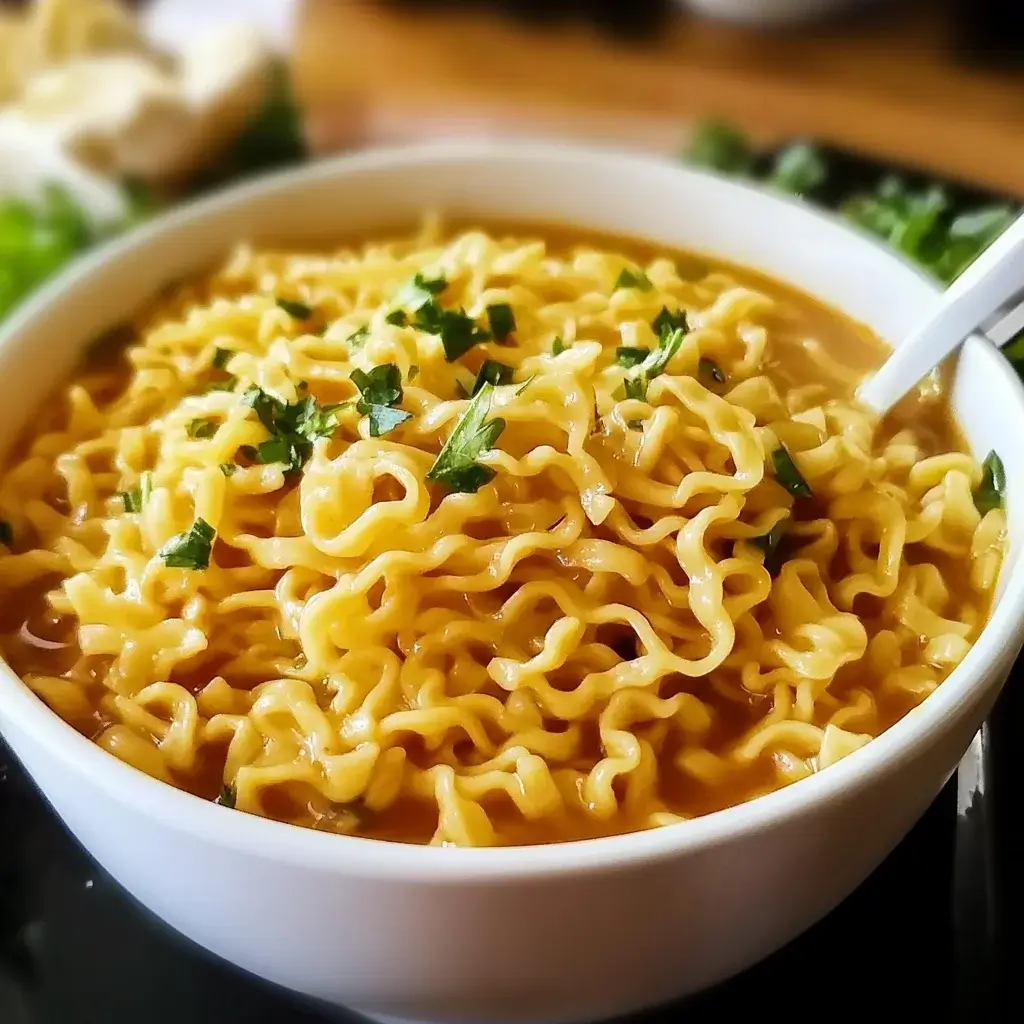
There’s a certain magic in the simplest of dishes, the kind that transports you back to a specific time and place with just one taste. For me, Cafeteria Noodles are exactly that – a culinary time machine straight to the bustling lunchroom of my elementary school. The aroma alone, a comforting blend of creamy sauce, tender noodles, and a hint of cheesy goodness, is enough to evoke memories of chatter-filled tables, the clatter of trays, and the satisfying warmth of a hearty midday meal. While the cafeteria version might have been, shall we say, rustic in its presentation, the flavor was undeniably comforting and satisfying. Recreating that nostalgic dish at home has become a delightful journey, and this homemade version surpasses even my fondest childhood recollections. It’s incredibly easy to make, uses pantry staples, and is guaranteed to be a crowd-pleaser, especially with kids (and nostalgic adults!). Prepare to be charmed by the unassuming deliciousness of Cafeteria Noodles – a dish that proves comfort food doesn’t have to be complicated to be utterly irresistible.
Ingredients: Simple Staples for Classic Cafeteria Noodles
The beauty of Cafeteria Noodles lies in its short and sweet ingredient list, relying on pantry staples to create a dish that is both comforting and budget-friendly. Each ingredient plays a key role in building the creamy, cheesy, and utterly satisfying flavor profile that defines this classic casserole. Let’s explore the essential components you’ll need to whip up your own batch of nostalgic goodness.
For the Noodle Casserole:
- 1 pound Egg Noodles: Egg noodles are the quintessential noodle for this dish, providing a tender and slightly chewy texture that perfectly complements the creamy sauce. Look for wide or medium egg noodles – their broad surface area allows them to soak up the delicious sauce and deliver maximum flavor in every bite. You can use dried egg noodles, which are readily available and pantry-stable.
- 1/2 cup Butter: Butter is the foundation of the rich and flavorful sauce, adding a luxurious creaminess and depth of flavor. Use unsalted butter to control the saltiness of the dish and allow you to season it to your preference. Butter also contributes to the beautiful golden-brown crust that forms during baking.
- 1/2 cup All-Purpose Flour: All-purpose flour acts as the thickening agent for the creamy sauce, creating a smooth and velvety texture. It’s crucial for binding the sauce ingredients together and preventing it from being too thin or watery. Ensure you whisk the flour thoroughly into the melted butter to prevent lumps from forming in the sauce.
- 4 cups Milk: Milk is the liquid base of the creamy sauce, providing moisture and contributing to the overall richness and creaminess. Whole milk will yield the richest and creamiest results, but 2% milk can also be used for a slightly lighter version. You can even use evaporated milk for an extra creamy and concentrated flavor, adjusting the amount of milk accordingly if needed.
- 2 cups Chicken Broth: Chicken broth adds depth of savory flavor to the sauce, enhancing the overall taste profile and complementing the creamy and cheesy elements. Use low-sodium chicken broth to control the salt content. You can also use vegetable broth for a vegetarian version, although chicken broth is more traditional for Cafeteria Noodles.
- 1 teaspoon Salt: Salt is essential for seasoning and enhancing all the flavors in the casserole. Start with 1 teaspoon and adjust to taste as needed. Remember that cheese and broth also contain salt, so season gradually.
- 1/2 teaspoon Black Pepper: Black pepper adds a subtle warmth and spice that complements the creamy sauce and cheesy flavors. Freshly ground black pepper is always preferred for its brighter flavor, but pre-ground black pepper works just fine.
- 1/4 teaspoon Garlic Powder: Garlic powder provides a mild garlic flavor that enhances the savory notes of the casserole without being overpowering. It’s a convenient way to add a touch of garlic flavor to the sauce. You can also use a clove of minced fresh garlic sautéed in the butter for a more pronounced garlic flavor, if desired.
- 4 cups Shredded Cheddar Cheese: Cheddar cheese is the star of the cheesy goodness in Cafeteria Noodles, providing a sharp, savory, and melt-in-your-mouth flavor. Use sharp or medium cheddar cheese for the best flavor. Pre-shredded cheese is convenient, but shredding your own cheese from a block will melt more smoothly and often has a better flavor. You can also use a blend of cheddar and other cheeses like Monterey Jack or Colby for a more complex cheese flavor.
Optional Additions (for variations and customization):
- 1/2 cup Chopped Onion: Sautéed onion can add a layer of savory depth to the casserole. Dice a yellow or white onion and sauté it in the butter before adding the flour to create the roux.
- 1/2 cup Chopped Bell Pepper (Green or Red): Diced bell pepper adds a touch of sweetness and a pop of color. Sauté it with the onion, if using.
- Cooked Ham or Chicken (diced): For a heartier casserole, you can add diced cooked ham or chicken. Stir it into the sauce before baking. This transforms it into a more substantial main dish.
- Breadcrumbs (for topping): For a crispy topping, sprinkle buttered breadcrumbs over the cheese before baking. This adds a textural contrast and extra flavor. Panko breadcrumbs work particularly well for a crispy topping.
- Paprika (for garnish): A sprinkle of paprika adds a touch of color and a subtle smoky flavor as a garnish.
Instructions: Baking Your Own Batch of Comforting Cafeteria Noodles
Now that you have all your simple yet essential ingredients ready, it’s time to bring them together and create your own batch of comforting Cafeteria Noodles. Follow these easy step-by-step instructions to achieve a creamy, cheesy, and nostalgic casserole that will delight everyone.
Step 1: Cook the Egg Noodles
- Boil Water: Bring a large pot of salted water to a rolling boil. Salting the water seasons the noodles from the inside out and enhances their flavor. Use enough water to ensure the noodles have room to move freely and cook evenly.
- Cook Noodles: Add the egg noodles to the boiling water and cook according to package directions until al dente. Al dente means “to the tooth” in Italian, indicating the noodles should be cooked through but still have a slight firmness to the bite. Overcooking will result in mushy noodles in the casserole.
- Drain Noodles: Once cooked, drain the noodles well in a colander. Drain thoroughly to remove excess water, which could make the casserole watery. Set the drained noodles aside.
Step 2: Prepare the Creamy Cheese Sauce
- Melt Butter: In a large saucepan or Dutch oven, melt the butter over medium heat. Allow the butter to melt completely and become slightly foamy.
- Make Roux: Add the all-purpose flour to the melted butter. Whisk constantly and cook for 1-2 minutes, stirring continuously, until the mixture is smooth and bubbly. This mixture of butter and flour is called a roux, and it’s the foundation of the creamy sauce. Cooking the roux for a short time removes the raw flour taste.
- Whisk in Milk and Broth: Gradually whisk in the milk and chicken broth, a little at a time, ensuring each addition is fully incorporated before adding more. Whisking constantly prevents lumps from forming and creates a smooth sauce. Continue whisking until the sauce is smooth and starts to thicken slightly.
- Simmer Sauce: Bring the sauce to a gentle simmer over medium heat, stirring occasionally. Reduce the heat to low and simmer for 5-7 minutes, or until the sauce has thickened to your desired consistency. Simmering allows the sauce to thicken and the flavors to meld together. Stir occasionally to prevent sticking to the bottom of the pan.
- Season Sauce: Remove the saucepan from the heat and stir in the salt, black pepper, and garlic powder. Mix well to distribute the seasonings evenly throughout the sauce. Taste the sauce and adjust seasonings as needed.
Step 3: Assemble the Cafeteria Noodle Casserole
- Preheat Oven: Preheat your oven to 350°F (175°C). Preheating ensures the oven is at the correct temperature when you place the casserole in, allowing for even baking and proper cooking.
- Grease Baking Dish: Lightly grease a 9×13 inch baking dish or casserole dish. Greasing prevents the casserole from sticking to the dish and makes serving easier.
- Combine Noodles and Sauce: Add the cooked and drained egg noodles to the creamy cheese sauce in the saucepan. Gently stir to combine, ensuring the noodles are evenly coated with the sauce.
- Stir in Cheese (Reserve some for topping): Stir in 3 cups of the shredded cheddar cheese into the noodle and sauce mixture. Mix until the cheese is melted and incorporated into the sauce, creating a cheesy and gooey casserole base. Reserve the remaining 1 cup of shredded cheddar cheese for topping.
- Pour into Baking Dish: Pour the noodle and cheese mixture into the prepared baking dish, spreading it evenly. Ensure the mixture is distributed uniformly across the dish for even baking.
- Top with Remaining Cheese: Sprinkle the remaining 1 cup of shredded cheddar cheese evenly over the top of the casserole. This cheese topping will melt and create a golden brown and cheesy crust during baking.
Step 4: Bake the Casserole
- Bake: Bake in the preheated oven for 20-25 minutes, or until the casserole is heated through, bubbly around the edges, and the cheese topping is melted and golden brown. The baking time may vary slightly depending on your oven.
- Check for Doneness: The casserole is done when it is heated through, bubbly, and the cheese topping is melted and nicely browned. You can insert a fork into the center to check if it’s heated through.
Step 5: Cool Slightly and Serve
- Cool Slightly: Let the casserole cool slightly for about 5-10 minutes before serving. This allows the casserole to set slightly and makes it easier to serve without being too runny.
- Garnish (Optional): Garnish with a sprinkle of paprika or fresh parsley, if desired, for a pop of color.
- Serve Warm: Serve the Cafeteria Noodles warm and enjoy the comforting flavors of this classic dish! It’s delicious on its own or as a side dish.
Nutrition Facts: A Comforting Treat in Moderation
Cafeteria Noodles, while undeniably comforting and delicious, are best enjoyed as a treat in moderation as part of a balanced diet. The nutritional content will vary depending on specific ingredients and portion sizes, but here’s an estimated nutritional breakdown per serving:
- Servings: Approximately 8-10 servings (depending on portion size)
- Calories per serving: Approximately 300-400 calories (depending on portion size and ingredients)
Approximate Nutritional Breakdown per Serving (estimated, using whole milk and cheddar cheese):
- Calories: 350 kcal
- Protein: 15g
- Fat: 20g
- Saturated Fat: 12g
- Cholesterol: 70mg
- Sodium: 600mg (can be reduced by using low-sodium broth and cheese)
- Carbohydrates: 30g
- Fiber: 2g
- Sugar: 5g
Key Nutritional Considerations:
- Good Source of Protein: Cheese and milk contribute a significant amount of protein, which is essential for building and repairing tissues and promoting satiety.
- Source of Calcium: Milk and cheese are excellent sources of calcium, important for bone health and other bodily functions.
- Moderate in Fat and Calories: While comforting, Cafeteria Noodles are moderate in fat and calories due to the creamy cheese sauce. Portion control is key to enjoying this dish as part of a balanced diet.
- Sodium Content: Cheese, broth, and butter contribute to the sodium content. Using low-sodium broth and cheese can help reduce sodium levels.
Tips for Making it Lighter (without compromising too much on comfort):
- Use 2% Milk or Evaporated Milk: Using 2% milk instead of whole milk will reduce fat and calories slightly. Evaporated milk can provide creaminess with less fat, but it will alter the flavor slightly.
- Reduce Butter: You can slightly reduce the amount of butter used in the roux, but it will affect the richness of the sauce.
- Use Lower-Fat Cheese: Opt for a lower-fat cheddar cheese or a blend of lower-fat cheeses to reduce fat content.
- Increase Vegetables: Adding more vegetables like sautéed onions and bell peppers can increase the nutrient content and fiber while slightly diluting the richness of the sauce.
- Portion Control: Be mindful of portion sizes to manage calorie and fat intake.
Preparation Time: Quick Comfort for Busy Days
Cafeteria Noodles are not only delicious but also relatively quick and easy to prepare, making them a great option for weeknight meals or when you need a comforting dish without spending hours in the kitchen.
- Prep Time: 15-20 minutes (including noodle cooking and sauce preparation)
- Cook Time: 20-25 minutes
- Total Time: 35-45 minutes
This timeframe is an estimate and can vary slightly depending on your cooking speed and ingredient preparation. Having pre-shredded cheese and measuring out ingredients in advance can further streamline the process.
How to Serve: Versatile Ways to Enjoy Cafeteria Noodles
Cafeteria Noodles are a comforting and satisfying dish on their own, but they also pair well with various side dishes and can be served in different ways to suit your preferences.
Classic Serving Suggestions:
- As a Main Dish: Cafeteria Noodles are substantial enough to be served as a main course, especially for a casual family dinner.
- As a Side Dish: They make a comforting and crowd-pleasing side dish to accompany main courses like roasted chicken, baked ham, meatloaf, or pot roast.
- With a Simple Salad: Serve alongside a crisp green salad or a simple Caesar salad to balance the richness of the casserole with fresh greens.
- Steamed Vegetables: Steamed broccoli, green beans, or asparagus provide a healthy and colorful side to complement the creamy noodles.
- Garlic Bread or Dinner Rolls: Serve with garlic bread or warm dinner rolls for soaking up any extra sauce.
Creative Serving Ideas:
- Topped with Breadcrumbs: For extra texture, sprinkle buttered breadcrumbs or panko breadcrumbs over the cheese topping before baking for a crispy crust.
- With a Protein: Add diced cooked ham, chicken, or even crumbled bacon to the casserole for a heartier meal.
- Vegetable Additions: Stir in sautéed vegetables like onions, bell peppers, mushrooms, or peas to add more nutrients and flavor complexity.
- Spicy Kick: Add a pinch of red pepper flakes to the sauce or serve with hot sauce on the side for those who like a little heat.
- Garnished with Fresh Herbs: Garnish with chopped fresh parsley, chives, or thyme for a pop of color and fresh flavor.
- Lunchbox Treat: Leftover Cafeteria Noodles make a comforting and satisfying lunch the next day (reheat thoroughly).
Serving Occasions:
- Weeknight Family Dinners: Perfect for a quick, easy, and comforting weeknight meal that the whole family will enjoy.
- Potlucks and Casual Gatherings: A crowd-pleasing casserole that’s easy to transport and serve at potlucks, picnics, or casual get-togethers.
- Comfort Food Cravings: Ideal for satisfying those comfort food cravings on a chilly day or whenever you need a warm and nostalgic meal.
- Kid-Friendly Meals: A guaranteed hit with kids and picky eaters, making it a great option for family-friendly dinners.
Additional Tips for Perfect Cafeteria Noodles
To ensure your Cafeteria Noodles turn out perfectly creamy, cheesy, and comforting every time, here are five essential tips to keep in mind:
- Don’t Overcook the Noodles: Cook the egg noodles just until al dente, according to package directions. Overcooked noodles will become mushy in the casserole, and no one wants mushy noodles! They will continue to cook slightly in the oven, so it’s better to slightly undercook them initially.
- Whisk the Roux Thoroughly: When making the roux (butter and flour mixture), whisk constantly and cook for 1-2 minutes to ensure it’s smooth and bubbly. This step is crucial for preventing lumps in the sauce and removing the raw flour taste. Whisk vigorously to incorporate the flour completely into the melted butter.
- Gradually Add Milk and Broth: When adding the milk and chicken broth to the roux, do it gradually, whisking constantly after each addition. This gradual addition helps create a smooth sauce without lumps. Add a little liquid at a time and whisk until fully incorporated before adding more.
- Don’t Skimp on the Cheese: Cheese is the star of Cafeteria Noodles! Use a generous amount of good quality cheddar cheese for the best flavor and cheesy goodness. Sharp or medium cheddar provides the most classic flavor. You can also use a blend of cheeses for a more complex flavor profile.
- Bake Until Bubbly and Golden: Bake the casserole until it’s heated through, bubbly around the edges, and the cheese topping is melted and golden brown. This ensures the casserole is cooked through and has a delicious cheesy crust. Avoid overbaking, which can dry out the casserole.
FAQ: Your Cafeteria Noodle Questions Answered
Still have questions about making the perfect batch of Cafeteria Noodles? Here are answers to some frequently asked questions to help you achieve noodle casserole success:
Q1: Can I make Cafeteria Noodles ahead of time?
A: Yes, you can assemble the Cafeteria Noodle casserole ahead of time. Prepare the casserole up to the point of baking, cover it tightly with foil, and refrigerate it for up to 24 hours. When ready to bake, remove it from the refrigerator and let it sit at room temperature for about 30 minutes before baking as directed. You may need to add a few extra minutes to the baking time if baking from chilled.
Q2: Can I freeze Cafeteria Noodles?
A: Yes, you can freeze baked Cafeteria Noodles, although the texture of the noodles might change slightly upon thawing. Let the baked casserole cool completely, then cut it into portions or leave it whole, wrap it tightly in foil and plastic wrap, and freeze for up to 2-3 months. Thaw overnight in the refrigerator before reheating in the oven at 350°F (175°C) until heated through and bubbly. You can also reheat from frozen, but it will require significantly longer baking time.
Q3: Can I use different types of cheese?
A: Absolutely! While cheddar cheese is classic, you can experiment with other cheeses or cheese blends. Good alternatives include Monterey Jack, Colby, Colby Jack, Gruyere, or a blend of cheddar and mozzarella for extra meltiness. Consider the flavor profile of the cheese you choose to ensure it complements the creamy sauce.
Q4: Can I make Cafeteria Noodles vegetarian?
A: Yes, Cafeteria Noodles are easily vegetarian as written! Just ensure you use vegetable broth instead of chicken broth. All other ingredients are vegetarian-friendly.
Q5: What can I add to make Cafeteria Noodles a complete meal?
A: To make Cafeteria Noodles a more complete meal, you can add protein and vegetables. Consider adding:
- Cooked Chicken or Ham: Diced cooked chicken or ham stirred into the casserole before baking adds protein and heartiness.
- Sautéed Vegetables: Sautéed onions, bell peppers, mushrooms, peas, or spinach can be added to the casserole for extra nutrients and flavor.
- Ground Beef or Turkey: Browned ground beef or turkey can be mixed into the sauce for a more substantial casserole.
- Serve with a Side Salad: Serving Cafeteria Noodles with a side salad adds freshness and nutrients to the meal.
Enjoy creating your own batch of comforting and nostalgic Cafeteria Noodles! It’s a simple yet satisfying dish that’s perfect for bringing a taste of childhood comfort to your table.
Print
Cafeteria Noodles recipe
Ingredients
For the Noodle Casserole:
- 1 pound Egg Noodles: Egg noodles are the quintessential noodle for this dish, providing a tender and slightly chewy texture that perfectly complements the creamy sauce. Look for wide or medium egg noodles – their broad surface area allows them to soak up the delicious sauce and deliver maximum flavor in every bite. You can use dried egg noodles, which are readily available and pantry-stable.
- 1/2 cup Butter: Butter is the foundation of the rich and flavorful sauce, adding a luxurious creaminess and depth of flavor. Use unsalted butter to control the saltiness of the dish and allow you to season it to your preference. Butter also contributes to the beautiful golden-brown crust that forms during baking.
- 1/2 cup All-Purpose Flour: All-purpose flour acts as the thickening agent for the creamy sauce, creating a smooth and velvety texture. It’s crucial for binding the sauce ingredients together and preventing it from being too thin or watery. Ensure you whisk the flour thoroughly into the melted butter to prevent lumps from forming in the sauce.
- 4 cups Milk: Milk is the liquid base of the creamy sauce, providing moisture and contributing to the overall richness and creaminess. Whole milk will yield the richest and creamiest results, but 2% milk can also be used for a slightly lighter version. You can even use evaporated milk for an extra creamy and concentrated flavor, adjusting the amount of milk accordingly if needed.
- 2 cups Chicken Broth: Chicken broth adds depth of savory flavor to the sauce, enhancing the overall taste profile and complementing the creamy and cheesy elements. Use low-sodium chicken broth to control the salt content. You can also use vegetable broth for a vegetarian version, although chicken broth is more traditional for Cafeteria Noodles.
- 1 teaspoon Salt: Salt is essential for seasoning and enhancing all the flavors in the casserole. Start with 1 teaspoon and adjust to taste as needed. Remember that cheese and broth also contain salt, so season gradually.
- 1/2 teaspoon Black Pepper: Black pepper adds a subtle warmth and spice that complements the creamy sauce and cheesy flavors. Freshly ground black pepper is always preferred for its brighter flavor, but pre-ground black pepper works just fine.
- 1/4 teaspoon Garlic Powder: Garlic powder provides a mild garlic flavor that enhances the savory notes of the casserole without being overpowering. It’s a convenient way to add a touch of garlic flavor to the sauce. You can also use a clove of minced fresh garlic sautéed in the butter for a more pronounced garlic flavor, if desired.
- 4 cups Shredded Cheddar Cheese: Cheddar cheese is the star of the cheesy goodness in Cafeteria Noodles, providing a sharp, savory, and melt-in-your-mouth flavor. Use sharp or medium cheddar cheese for the best flavor. Pre-shredded cheese is convenient, but shredding your own cheese from a block will melt more smoothly and often has a better flavor. You can also use a blend of cheddar and other cheeses like Monterey Jack or Colby for a more complex cheese flavor.
Instructions
Step 1: Cook the Egg Noodles
- Boil Water: Bring a large pot of salted water to a rolling boil. Salting the water seasons the noodles from the inside out and enhances their flavor. Use enough water to ensure the noodles have room to move freely and cook evenly.
- Cook Noodles: Add the egg noodles to the boiling water and cook according to package directions until al dente. Al dente means “to the tooth” in Italian, indicating the noodles should be cooked through but still have a slight firmness to the bite. Overcooking will result in mushy noodles in the casserole.
- Drain Noodles: Once cooked, drain the noodles well in a colander. Drain thoroughly to remove excess water, which could make the casserole watery. Set the drained noodles aside.
Step 2: Prepare the Creamy Cheese Sauce
- Melt Butter: In a large saucepan or Dutch oven, melt the butter over medium heat. Allow the butter to melt completely and become slightly foamy.
- Make Roux: Add the all-purpose flour to the melted butter. Whisk constantly and cook for 1-2 minutes, stirring continuously, until the mixture is smooth and bubbly. This mixture of butter and flour is called a roux, and it’s the foundation of the creamy sauce. Cooking the roux for a short time removes the raw flour taste.
- Whisk in Milk and Broth: Gradually whisk in the milk and chicken broth, a little at a time, ensuring each addition is fully incorporated before adding more. Whisking constantly prevents lumps from forming and creates a smooth sauce. Continue whisking until the sauce is smooth and starts to thicken slightly.
- Simmer Sauce: Bring the sauce to a gentle simmer over medium heat, stirring occasionally. Reduce the heat to low and simmer for 5-7 minutes, or until the sauce has thickened to your desired consistency. Simmering allows the sauce to thicken and the flavors to meld together. Stir occasionally to prevent sticking to the bottom of the pan.
- Season Sauce: Remove the saucepan from the heat and stir in the salt, black pepper, and garlic powder. Mix well to distribute the seasonings evenly throughout the sauce. Taste the sauce and adjust seasonings as needed.
Step 3: Assemble the Cafeteria Noodle Casserole
- Preheat Oven: Preheat your oven to 350°F (175°C). Preheating ensures the oven is at the correct temperature when you place the casserole in, allowing for even baking and proper cooking.
- Grease Baking Dish: Lightly grease a 9×13 inch baking dish or casserole dish. Greasing prevents the casserole from sticking to the dish and makes serving easier.
- Combine Noodles and Sauce: Add the cooked and drained egg noodles to the creamy cheese sauce in the saucepan. Gently stir to combine, ensuring the noodles are evenly coated with the sauce.
- Stir in Cheese (Reserve some for topping): Stir in 3 cups of the shredded cheddar cheese into the noodle and sauce mixture. Mix until the cheese is melted and incorporated into the sauce, creating a cheesy and gooey casserole base. Reserve the remaining 1 cup of shredded cheddar cheese for topping.
- Pour into Baking Dish: Pour the noodle and cheese mixture into the prepared baking dish, spreading it evenly. Ensure the mixture is distributed uniformly across the dish for even baking.
- Top with Remaining Cheese: Sprinkle the remaining 1 cup of shredded cheddar cheese evenly over the top of the casserole. This cheese topping will melt and create a golden brown and cheesy crust during baking.
Step 4: Bake the Casserole
- Bake: Bake in the preheated oven for 20-25 minutes, or until the casserole is heated through, bubbly around the edges, and the cheese topping is melted and golden brown. The baking time may vary slightly depending on your oven.
- Check for Doneness: The casserole is done when it is heated through, bubbly, and the cheese topping is melted and nicely browned. You can insert a fork into the center to check if it’s heated through.
Step 5: Cool Slightly and Serve
- Cool Slightly: Let the casserole cool slightly for about 5-10 minutes before serving. This allows the casserole to set slightly and makes it easier to serve without being too runny.
- Garnish (Optional): Garnish with a sprinkle of paprika or fresh parsley, if desired, for a pop of color.
- Serve Warm: Serve the Cafeteria Noodles warm and enjoy the comforting flavors of this classic dish! It’s delicious on its own or as a side dish.
Nutrition
- Serving Size: one normal portion
- Calories: 350 kcal
- Sugar: 5g
- Sodium: 600mg
- Fat: 20g
- Saturated Fat: 12g
- Carbohydrates: 30g
- Fiber: 2g
- Protein: 15g
- Cholesterol: 70mg