
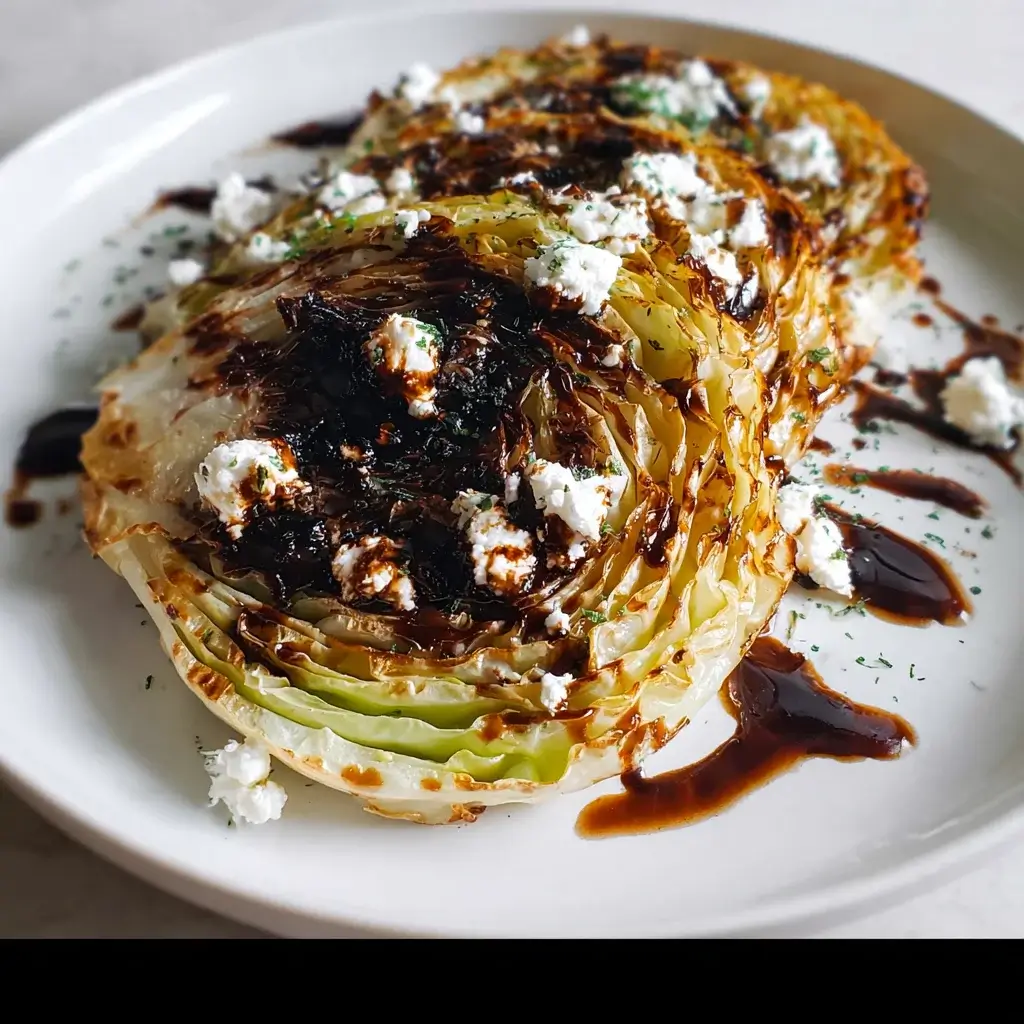
If you had told me a few years ago that one of my family’s most requested dishes would be centered around cabbage, I would have laughed. Cabbage, in my mind, was relegated to the world of bland slaws and over-boiled side dishes. That all changed on a whim one evening when I had a beautiful head of green cabbage and a desire to create something dramatic and delicious without a trip to the store. I decided to treat it like a prime cut of meat, slicing it into thick “steaks” and giving it the high-heat roasting treatment it deserved. As the cabbage roasted, my kitchen transformed. The mundane smell of brassica was replaced by a deeply sweet, nutty, and savory aroma. When I pulled the pan from the oven, the humble cabbage was completely transformed—its edges were dark, crispy, and lace-like, while the center was meltingly tender. I crumbled creamy, tangy goat cheese over the top, added a generous drizzle of a syrupy balsamic glaze, and a sprinkle of toasted walnuts. The first bite was a moment of pure culinary shock and delight. The combination was electric: the sweet, caramelized vegetable, the sharp and creamy cheese, the sweet-and-sour glaze, and the earthy crunch of the nuts. My family devoured them, fighting over the last crispy bits on the pan. This recipe for Cabbage Steaks with Goat Cheese and Balsamic Glaze didn’t just change my mind about cabbage; it redefined what a vegetable could be.
From Humble Vegetable to Culinary Star: The Magic of Cabbage Steaks
This recipe is a testament to the power of technique. It elevates the common cabbage from a simple vegetable to an elegant, satisfying, and deeply flavorful centerpiece. The magic lies in the high-temperature roasting process. By cutting the cabbage into thick, steak-like cross-sections and roasting it at a high heat, we trigger the Maillard reaction, the same chemical process that gives seared steak its delicious crust. The natural sugars within the cabbage caramelize, transforming its flavor from pungent and sharp to remarkably sweet, savory, and complex. The edges become irresistibly crispy and charred, while the core softens into a succulent, tender texture that practically melts in your mouth.
The flavor pairings are what make this dish truly unforgettable. The earthy sweetness of the roasted cabbage is the perfect canvas for the creamy, tangy goat cheese, which melts slightly into the warm crevices. A final drizzle of rich, syrupy balsamic glaze adds a crucial layer of sweet and sour complexity, cutting through the richness and brightening every single bite. This dish is proof that with a little creativity and heat, you can unlock incredible flavor from the most modest of ingredients, creating a meal that is both healthy and wonderfully indulgent. It’s a perfect vegetarian main course, an impressive side dish, and a fantastic way to fall in love with cabbage.
Complete Ingredients for Your Cabbage Steaks
For this recipe, simplicity is key. The quality of each ingredient will shine through, so try to use the freshest components available.
For the Cabbage Steaks:
- Green Cabbage: 1 large head (about 3 pounds), firm and heavy for its size
- Olive Oil: ¼ cup, extra virgin
- Kosher Salt: 1 ½ teaspoons, or to taste
- Black Pepper: 1 teaspoon, freshly cracked
- Garlic Powder: 1 teaspoon
- Smoked Paprika: ½ teaspoon (optional, for a smoky depth)
For the Toppings and Glaze:
- Goat Cheese: 4 ounces, crumbled (a log of chèvre works perfectly)
- Balsamic Glaze: ¼ cup (store-bought or homemade)
- Walnuts or Pecans: ⅓ cup, roughly chopped and toasted (optional, for crunch)
- Fresh Parsley or Chives: 2 tablespoons, finely chopped (for a fresh finish)
Step-by-Step Instructions for Perfect Cabbage Steaks
Follow these detailed instructions carefully to ensure your cabbage steaks are tender on the inside, crispy on the outside, and packed with flavor.
Part 1: Preparing the Cabbage
The way you cut the cabbage is the most crucial step for success.
- Preheat Oven and Pan: Preheat your oven to 425°F (220°C). Place two large, rimmed baking sheets into the oven to preheat. Using hot pans will give the cabbage an immediate sear, which is key for browning.
- Prepare the Cabbage: Remove any loose or wilted outer leaves from the head of cabbage. Place the cabbage on a cutting board with the core-end flat against the board.
- Cut the “Steaks”: Using a large, sharp chef’s knife, carefully slice the cabbage into four 1-inch thick “steaks” from top to bottom. It is essential to keep a portion of the core intact in each slice, as the core is what holds the leaves together. The two end pieces will be smaller and may fall apart slightly; you can still roast these pieces alongside the main steaks. You should get two large, impressive steaks from the center and two slightly smaller ones from the sides.
Part 2: Seasoning and Roasting
This is where the transformation happens.
- Season the Cabbage: In a small bowl, whisk together the ¼ cup of olive oil, 1 ½ teaspoons of kosher salt, 1 teaspoon of black pepper, 1 teaspoon of garlic powder, and the optional ½ teaspoon of smoked paprika.
- Oil the Steaks: Carefully remove the hot baking sheets from the oven. Place two cabbage steaks on each sheet, giving them plenty of space. Using a pastry brush, generously coat both sides of each cabbage steak with the seasoned olive oil mixture. Make sure to get the oil into the nooks and crannies between the leaves.
- First Roast: Place the baking sheets back into the hot oven and roast for 20 minutes. At this point, the bottoms of the steaks should be deeply browned and caramelized, and the cabbage will have started to soften.
- Flip and Continue Roasting: Carefully remove the pans from the oven. Using a wide, firm spatula, gently flip each cabbage steak. The structure will be more delicate now, so be careful. Return the pans to the oven and roast for another 15-20 minutes. The cabbage is done when the centers are fork-tender and the edges are deeply browned and crispy.
Part 3: Assembling and Serving
The final touches bring all the flavors together.
- Add the Toppings: Remove the roasted cabbage steaks from the oven. Immediately crumble the goat cheese over the hot steaks so it begins to soften and melt slightly.
- Garnish and Glaze: Sprinkle the toasted walnuts or pecans over the cheese. Drizzle generously with the balsamic glaze.
- Final Touches: Garnish with a sprinkle of fresh, finely chopped parsley or chives. This adds a pop of color and a fresh, bright flavor. Serve immediately while warm.
Nutrition Facts
- Servings: 4
- Calories per serving: Approximately 310 kcal
Disclaimer: This is an estimated nutritional value. The actual calorie count can vary based on the size of the cabbage and the specific brands of cheese and glaze used.
Preparation and Cooking Time
- Preparation Time: 10 minutes
- Cooking Time: 40 minutes
- Total Time: 50 minutes
How to Serve Your Cabbage Steaks with Goat Cheese and Balsamic Glaze
These versatile cabbage steaks can be the star of the show or a stunning supporting player. Here are several ways to serve them:
- As an Elegant Vegetarian Main Course:
- Serve one large steak per person on a bed of creamy polenta or Parmesan risotto.
- Pair with a scoop of hearty quinoa, farro, or a wild rice pilaf to make it a complete and satisfying meal.
- Serve alongside a simple white bean and rosemary mash for a rustic and comforting dinner.
- As a Show-Stopping Side Dish:
- With Roasted Meats: These steaks are the perfect accompaniment to a simple roasted chicken, a juicy pork tenderloin, or a perfectly cooked steak. The tangy cheese and glaze cut through the richness of the meat beautifully.
- With Fish: Serve alongside pan-seared salmon or baked cod. The flavors are complementary and create a light yet satisfying meal.
- For Holiday Dinners: Place a platter of these on your Thanksgiving or Christmas table as a gorgeous and delicious alternative to heavier vegetable dishes. They provide a welcome touch of elegance and flavor diversity.
- As a Healthy and Flavorful Lunch:
- Enjoy a warm cabbage steak on its own for a low-carb, nutrient-packed lunch.
- Chop up a leftover steak and toss it into a green salad with some extra vinaigrette for a hearty and exciting salad.
5 Additional Tips for Absolute Perfection
- The Core is Your Best Friend: This cannot be stressed enough. When slicing your cabbage, you must ensure that each “steak” contains a solid piece of the inner core. The core is the glue that holds all the leaves together. If you cut it away, your beautiful steak will fall into a pile of individual leaves on the baking sheet. Aim for the center when you make your slices.
- High Heat and a Hot Pan are Non-Negotiable: To achieve that glorious caramelization and those crispy, lace-like edges, you need high, consistent heat. Don’t be tempted to lower the oven temperature. Preheating your baking sheets is a pro-tip that gives the cabbage a head start on browning, creating a better crust and preventing the cabbage from steaming in its own moisture.
- Don’t Be Shy with the Oil: Cabbage is like a sponge and needs an adequate amount of fat to roast properly and prevent it from drying out. A generous coating of oil ensures that the heat is conducted evenly across the surface of the leaves, promoting browning and crisping. Use a brush to make sure you get oil on all the exposed surfaces.
- Give Them Space to Breathe: Overcrowding the pan is the number one enemy of crispy roasted vegetables. If the cabbage steaks are too close together, they will trap steam and boil in their own liquid instead of roasting. This leads to a soft, pale, and soggy result. Always use two baking sheets if necessary to ensure there is plenty of hot air circulating around each steak.
- Make Your Own Balsamic Glaze: While store-bought glaze is convenient, making your own is incredibly simple and allows you to control the sweetness and consistency. Simply pour 1 cup of good-quality balsamic vinegar into a small saucepan. Bring to a simmer over medium heat and cook, stirring occasionally, for 10-15 minutes, or until the vinegar has reduced by about half and is thick enough to coat the back of a spoon. It will thicken more as it cools.
Frequently Asked Questions (FAQ)
1. My cabbage steaks fell apart. What did I do wrong?
This is the most common issue and it almost always comes down to the core. You either cut the steak too far away from the center, missing the core, or your steak was too thin to hold its own structure. Aim for at least 1-inch thick slices right through the center of the cabbage. Using a very sharp knife also helps create clean cuts without tearing the leaves apart.
2. Can I use a different type of cheese?
Absolutely! Goat cheese provides a wonderful creamy tang, but other cheeses work beautifully. For a saltier, briny flavor, try crumbled feta. For a sharp and pungent kick, use crumbled blue cheese like Gorgonzola or Roquefort. Even a generous shaving of high-quality Parmesan or Pecorino Romano right out of the oven would be delicious.
3. Is it possible to make this recipe vegan?
Yes, this recipe is very easy to adapt for a vegan diet. Simply substitute the goat cheese with a high-quality, plant-based alternative. There are many excellent vegan feta and creamy, soft “cheeses” on the market now that would work perfectly. Ensure your balsamic glaze is vegan (most are, but some can contain honey).
4. Can I use red cabbage instead of green?
You can, and it will be visually stunning! Red cabbage has a slightly earthier flavor and is a bit denser than green cabbage. You may need to add 5-10 minutes to the total roasting time to ensure it becomes fully tender. The flavor profile will be excellent with the goat cheese and balsamic.
5. How should I store and reheat leftovers?
Store any leftover cabbage steaks in an airtight container in the refrigerator for up to 3 days. The crispy edges will soften upon refrigeration. The best way to reheat them and bring back some of the texture is in an oven or an air fryer. Place them on a baking sheet in a 400°F (200°C) oven for 5-8 minutes or in an air fryer for 3-5 minutes, until heated through and the edges have crisped up again. Avoid reheating in the microwave, as it can make the cabbage rubbery.
Cabbage Steaks With Goat Cheese and Balsamic Glaze recipe
Ingredients
For the Cabbage Steaks:
-
Green Cabbage: 1 large head (about 3 pounds), firm and heavy for its size
-
Olive Oil: ¼ cup, extra virgin
-
Kosher Salt: 1 ½ teaspoons, or to taste
-
Black Pepper: 1 teaspoon, freshly cracked
-
Garlic Powder: 1 teaspoon
-
Smoked Paprika: ½ teaspoon (optional, for a smoky depth)
For the Toppings and Glaze:
-
Goat Cheese: 4 ounces, crumbled (a log of chèvre works perfectly)
-
Balsamic Glaze: ¼ cup (store-bought or homemade)
-
Walnuts or Pecans: ⅓ cup, roughly chopped and toasted (optional, for crunch)
-
Fresh Parsley or Chives: 2 tablespoons, finely chopped (for a fresh finish)
Instructions
Part 1: Preparing the Cabbage
The way you cut the cabbage is the most crucial step for success.
-
Preheat Oven and Pan: Preheat your oven to 425°F (220°C). Place two large, rimmed baking sheets into the oven to preheat. Using hot pans will give the cabbage an immediate sear, which is key for browning.
-
Prepare the Cabbage: Remove any loose or wilted outer leaves from the head of cabbage. Place the cabbage on a cutting board with the core-end flat against the board.
-
Cut the “Steaks”: Using a large, sharp chef’s knife, carefully slice the cabbage into four 1-inch thick “steaks” from top to bottom. It is essential to keep a portion of the core intact in each slice, as the core is what holds the leaves together. The two end pieces will be smaller and may fall apart slightly; you can still roast these pieces alongside the main steaks. You should get two large, impressive steaks from the center and two slightly smaller ones from the sides.
Part 2: Seasoning and Roasting
This is where the transformation happens.
-
Season the Cabbage: In a small bowl, whisk together the ¼ cup of olive oil, 1 ½ teaspoons of kosher salt, 1 teaspoon of black pepper, 1 teaspoon of garlic powder, and the optional ½ teaspoon of smoked paprika.
-
Oil the Steaks: Carefully remove the hot baking sheets from the oven. Place two cabbage steaks on each sheet, giving them plenty of space. Using a pastry brush, generously coat both sides of each cabbage steak with the seasoned olive oil mixture. Make sure to get the oil into the nooks and crannies between the leaves.
-
First Roast: Place the baking sheets back into the hot oven and roast for 20 minutes. At this point, the bottoms of the steaks should be deeply browned and caramelized, and the cabbage will have started to soften.
-
Flip and Continue Roasting: Carefully remove the pans from the oven. Using a wide, firm spatula, gently flip each cabbage steak. The structure will be more delicate now, so be careful. Return the pans to the oven and roast for another 15-20 minutes. The cabbage is done when the centers are fork-tender and the edges are deeply browned and crispy.
Part 3: Assembling and Serving
The final touches bring all the flavors together.
-
Add the Toppings: Remove the roasted cabbage steaks from the oven. Immediately crumble the goat cheese over the hot steaks so it begins to soften and melt slightly.
-
Garnish and Glaze: Sprinkle the toasted walnuts or pecans over the cheese. Drizzle generously with the balsamic glaze.
-
Final Touches: Garnish with a sprinkle of fresh, finely chopped parsley or chives. This adds a pop of color and a fresh, bright flavor. Serve immediately while warm.
Nutrition
- Serving Size: one normal portion
- Calories: 310