
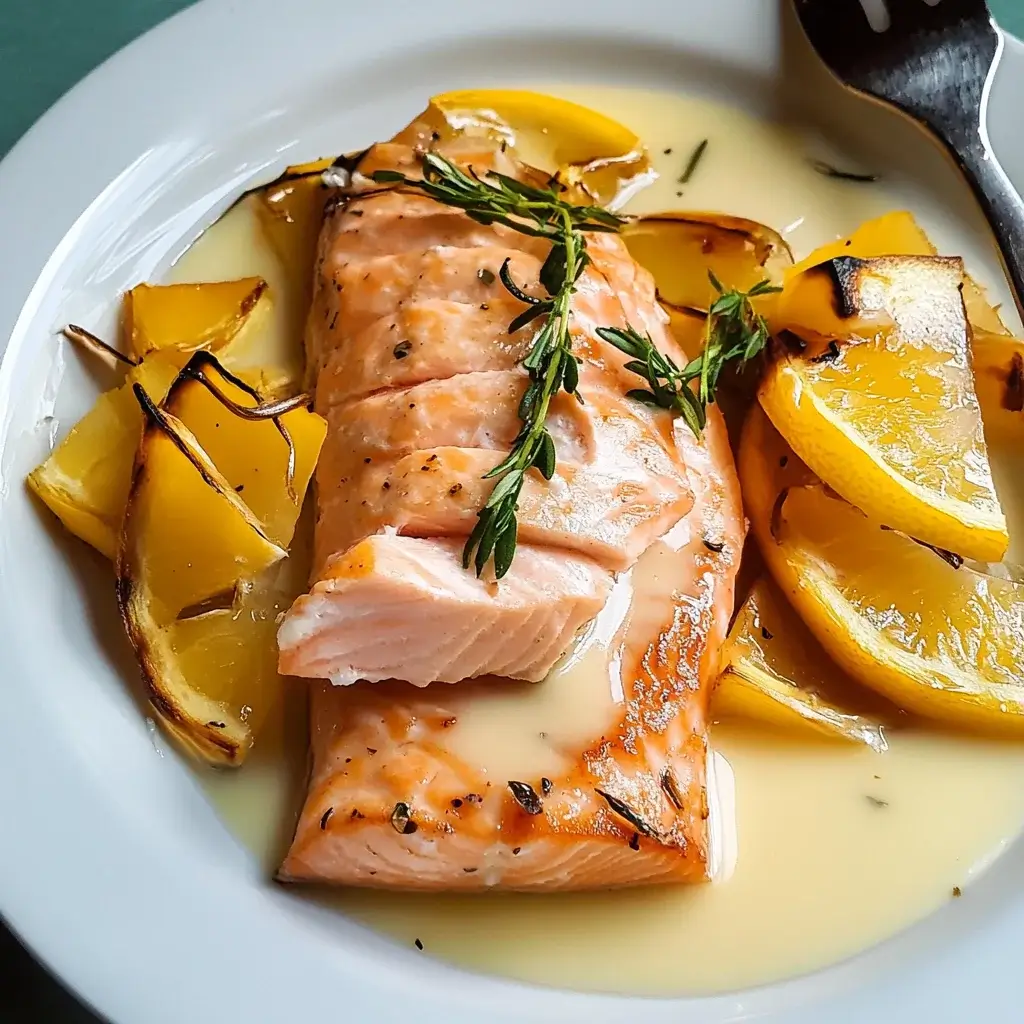

After years of feeling intimidated by cooking fish, particularly salmon, I stumbled upon a technique that completely transformed my kitchen confidence: buttermilk poaching. Initially skeptical, I was drawn to the promise of incredibly moist and tender salmon, and let me tell you, it delivered beyond my wildest expectations. The first time I tried this Buttermilk-Poached Salmon recipe, I was genuinely amazed. The salmon was unbelievably succulent, almost melting in my mouth, with a delicate, subtly tangy flavor that was simply divine. It was so easy to prepare, yet it tasted like something you’d order in a high-end restaurant. My family, usually picky about fish, devoured it without a single complaint, praising the incredible texture and flavor. This recipe has since become a staple in our home, proving that cooking perfect salmon doesn’t require culinary expertise, just a little buttermilk magic. If you’re looking for a foolproof way to cook salmon that’s healthy, flavorful, and effortlessly elegant, you absolutely must try this Buttermilk-Poached Salmon – it’s a game-changer for weeknight dinners and special occasions alike.
Ingredients: The Foundation of Buttermilk-Poached Salmon Perfection
Creating truly exceptional Buttermilk-Poached Salmon hinges on selecting high-quality, fresh ingredients. Each component plays a crucial role in achieving the desired tender texture and delicate, nuanced flavor profile. Here’s a detailed breakdown of what you’ll need, along with important considerations for each ingredient:
- Salmon Fillets: The star of the show! You’ll need approximately 1.5 to 2 pounds of salmon fillets. Opt for center-cut fillets, as they are generally thicker and more uniform, ensuring even cooking. Skin-on or skinless is a matter of personal preference; skin-on salmon can be slightly more forgiving during poaching and offers crispy skin if you choose to sear it after poaching (optional). When selecting salmon, look for fillets that are vibrant in color, firm to the touch, and have a fresh, clean scent (not overly fishy). Wild-caught salmon (like Sockeye or King salmon) often boasts a richer, more intense flavor and vibrant color, while farmed salmon (like Atlantic salmon) tends to be milder and more readily available. Consider sustainability when choosing your salmon; look for certifications like MSC (Marine Stewardship Council) or ASC (Aquaculture Stewardship Council) to ensure responsible sourcing. For the best results, use fillets that are roughly the same thickness to ensure they cook evenly during poaching.
- Buttermilk: The magic ingredient! You’ll need 4 cups of buttermilk. Buttermilk is the key to achieving the incredibly tender and moist texture of poached salmon. Its acidity gently tenderizes the fish while imparting a subtle tanginess that enhances the salmon’s natural flavor without overpowering it. Use full-fat buttermilk for the richest flavor and creamiest poaching liquid. While low-fat buttermilk can be used, it may result in a slightly less rich and flavorful poaching liquid. If you don’t have buttermilk readily available, you can make a quick substitute by adding 1 tablespoon of lemon juice or white vinegar to 4 cups of milk (dairy or non-dairy) and letting it sit for 5-10 minutes until slightly thickened and curdled. However, using authentic buttermilk will yield the best results in terms of flavor and texture.
- Fresh Dill: A generous bunch of fresh dill is essential for infusing the poaching liquid and salmon with its bright, herbaceous, and slightly citrusy aroma. Use fresh dill for the most vibrant flavor; dried dill is not a suitable substitute for poaching as it lacks the delicate freshness. Roughly chop the dill for easy infusion into the buttermilk. Reserve some extra fresh dill sprigs for garnish when serving, adding a visual appeal and reinforcing the dill flavor.
- Lemon: One whole lemon, thinly sliced, contributes brightness, acidity, and a zesty citrus aroma to the poaching liquid and salmon. Thinly sliced lemon releases its flavor and aroma more effectively into the buttermilk. Use a fresh, unwaxed lemon if possible, as you’ll be using the slices in the poaching liquid. The lemon slices not only infuse flavor but also add a beautiful visual element to the poaching process.
- Garlic: 2-3 cloves of garlic, lightly smashed, add a subtle savory depth and aromatic complexity to the poaching liquid. Lightly smashing the garlic cloves releases their flavor without overpowering the delicate salmon. Use fresh garlic cloves for the best flavor; avoid jarred minced garlic, which often lacks the fresh, vibrant flavor of freshly smashed garlic.
- Salt: 1 tablespoon of kosher salt or sea salt is crucial for seasoning the poaching liquid and ensuring the salmon is flavorful and not bland. Salt enhances the flavors of all the other ingredients and helps to season the salmon from within. Kosher salt or sea salt are preferred for their clean taste and ability to dissolve easily. Adjust the amount of salt to your preference, but ensure the poaching liquid is noticeably seasoned.
- Black Peppercorns: 1 teaspoon of black peppercorns add a gentle warmth and subtle spice to the poaching liquid, complementing the dill, lemon, and garlic. Use whole black peppercorns for the best flavor infusion; avoid pre-ground pepper as it loses its aroma quickly. You can lightly crush the peppercorns to release more of their flavor.
- Optional Additions (for Flavor Variations): While the above ingredients create a classic and delicious buttermilk poaching liquid, you can customize it further by adding other aromatics and flavor enhancers such as:
- White Wine: ½ cup of dry white wine (like Sauvignon Blanc or Pinot Grigio) can replace some of the buttermilk for a richer poaching liquid with added complexity.
- Shallots: 1-2 shallots, thinly sliced, add a milder, sweeter onion flavor compared to regular onions.
- Fennel Bulb: ¼ fennel bulb, thinly sliced, adds a subtle anise-like flavor that pairs beautifully with salmon.
- Orange Slices: Substitute orange slices for lemon slices for a different citrus note.
- Fresh Thyme Sprigs: Add a few sprigs of fresh thyme for a more herbaceous and earthy flavor profile.
- Red Pepper Flakes: A pinch of red pepper flakes can add a subtle hint of heat.
Detailed Ingredient List for Buttermilk-Poached Salmon:
- 1.5 – 2 pounds salmon fillets, center-cut, skin-on or skinless
- 4 cups buttermilk
- 1 bunch fresh dill, roughly chopped, plus extra sprigs for garnish
- 1 lemon, thinly sliced
- 2-3 cloves garlic, lightly smashed
- 1 tablespoon kosher salt or sea salt
- 1 teaspoon black peppercorns
- Optional additions (see above)
Instructions: Achieving Tender Salmon Through Buttermilk Poaching
Buttermilk poaching is a gentle and remarkably forgiving cooking technique that yields incredibly moist and tender salmon every time. Follow these step-by-step instructions to master this method and create perfectly poached salmon:
Step 1: Prepare the Buttermilk Poaching Liquid
- Combine Buttermilk and Aromatics: In a large, deep skillet or wide saucepan (large enough to comfortably fit the salmon fillets in a single layer), combine the buttermilk, roughly chopped fresh dill, thinly sliced lemon, smashed garlic cloves, salt, and black peppercorns. If using optional additions like white wine, shallots, or fennel, add them to the skillet as well.
- Heat Gently: Place the skillet over medium-low heat. The key to poaching is gentle heat; you do not want the buttermilk to boil. Heat the buttermilk mixture until it is just barely simmering. You should see tiny bubbles forming around the edges of the skillet, and steam rising gently. Avoid bringing the buttermilk to a full boil, as this can cause it to curdle and become grainy. Gentle simmering ensures the salmon cooks evenly and remains tender.
- Simmer for Flavor Infusion: Allow the buttermilk poaching liquid to simmer gently for about 5-7 minutes, uncovered. This allows the flavors of the dill, lemon, garlic, and spices to infuse into the buttermilk, creating a flavorful poaching broth that will impart its deliciousness to the salmon.
Step 2: Poach the Salmon Fillets
- Gently Submerge Salmon: Carefully place the salmon fillets into the barely simmering buttermilk poaching liquid, ensuring they are submerged in a single layer. If using skin-on salmon, you can poach it skin-side up or skin-side down – both methods work well. Avoid overcrowding the skillet; if necessary, poach the salmon in batches to ensure even cooking.
- Maintain Gentle Simmer: Once the salmon is added, maintain a very gentle simmer. Reduce the heat to low if needed to keep the buttermilk from boiling. The poaching liquid should barely be moving, with only occasional tiny bubbles.
- Poach Until Cooked Through: Poach the salmon for approximately 8-12 minutes, depending on the thickness of the fillets and your desired level of doneness. Thicker fillets will take longer to cook. To check for doneness, gently flake the salmon with a fork at the thickest part. The salmon is cooked through when it is opaque throughout, flakes easily, and is no longer translucent in the center. Be careful not to overcook the salmon, as it will become dry and less tender. Buttermilk poaching is quite forgiving, but overcooking should still be avoided.
- Remove Salmon Gently: Once the salmon is cooked through, gently remove the fillets from the poaching liquid using a slotted spatula or fish spatula. Handle the poached salmon carefully as it will be very tender and delicate. Transfer the poached salmon fillets to a plate or serving platter.
Step 3: Optional Searing (for Skin-On Salmon)
- Pat Skin Dry (If Skin-On): If you used skin-on salmon and desire crispy skin, carefully pat the skin side of the poached salmon fillets very dry with paper towels. Removing excess moisture is crucial for achieving crispy skin.
- Sear Skin-Side Down: Heat a tablespoon of olive oil or butter in a non-stick skillet over medium-high heat. Once the pan is hot and the fat is shimmering, carefully place the salmon fillets skin-side down in the hot skillet.
- Sear Until Crispy: Sear the skin-side down for 2-4 minutes, or until the skin is golden brown and crispy. Press gently on the fillets with a spatula to ensure even searing. Avoid moving the salmon around too much while searing to allow the skin to crisp up properly.
- Flip and Briefly Cook (Optional): If desired, you can flip the salmon fillets and cook flesh-side down for another minute or two to warm the flesh side slightly, but this is optional as the salmon is already cooked through from poaching.
Step 4: Serve and Garnish
- Garnish: Garnish the Buttermilk-Poached Salmon with fresh dill sprigs and lemon wedges. You can also drizzle a spoonful of the warm buttermilk poaching liquid over the salmon for extra flavor and moisture, or discard the poaching liquid if preferred.
- Serve Immediately: Buttermilk-Poached Salmon is best served immediately while it is warm and tender. Serve as desired with your favorite side dishes (see “How to Serve” section for suggestions).
Tips for Success:
- Gentle Heat is Key: Maintain a very gentle simmer throughout the poaching process. Avoid boiling the buttermilk.
- Don’t Overcrowd the Skillet: Poach the salmon in batches if necessary to avoid overcrowding the skillet and ensure even cooking.
- Check for Doneness Carefully: Check for doneness by gently flaking the salmon with a fork at the thickest part. It should be opaque and flake easily.
- Handle Poached Salmon Gently: Poached salmon is very tender, so handle it with care when removing it from the poaching liquid and transferring it to serving plates.
- Use Fresh Ingredients: Fresh dill, lemon, and garlic are crucial for the best flavor.
Nutrition Facts: A Healthy and Lean Protein Source
Buttermilk-Poached Salmon is not only incredibly delicious and elegant but also a remarkably healthy and nutritious meal option. Salmon is renowned for its health benefits, and buttermilk poaching preserves its nutritional value while minimizing added fats. Here’s an estimated nutritional breakdown per serving. Please note that these values are approximate and can vary based on specific salmon type, portion sizes, and variations in preparation.
Serving Size: Approximately 4-6 ounces of cooked salmon (without poaching liquid)
Calories per Serving: Approximately 250-350 calories
Approximate Nutritional Breakdown per Serving:
- Calories: 250-350 kcal
- Protein: 30-35 grams
- Fat: 12-20 grams
- Saturated Fat: 2-4 grams (naturally occurring in salmon and buttermilk)
- Unsaturated Fat: Primarily Omega-3 fatty acids (from salmon) and monounsaturated fats
- Carbohydrates: 5-8 grams (primarily from buttermilk)
- Fiber: 0 grams
- Sugar: 5-8 grams (naturally occurring in buttermilk)
- Cholesterol: Moderately high (from salmon) – approximately 80-100mg
- Sodium: Moderate – Varies depending on added salt. Be mindful of sodium content if you are watching your sodium intake.
- Vitamins and Minerals:
- Excellent source of Omega-3 Fatty Acids (EPA and DHA)
- Excellent source of Vitamin D
- Excellent source of Vitamin B12
- Excellent source of Selenium
- Good source of Potassium
- Source of Niacin
- Source of Phosphorus
Key Nutritional Benefits:
- Rich in Omega-3 Fatty Acids: Salmon is one of the best sources of Omega-3 fatty acids (EPA and DHA), which are essential for heart health, brain function, and reducing inflammation.
- Lean Protein Source: Salmon is a high-quality lean protein source, crucial for muscle building, repair, and overall satiety. Buttermilk poaching is a low-fat cooking method that preserves the lean protein nature of salmon.
- Excellent Source of Vitamin D: Salmon is one of the few food sources of Vitamin D, which is important for bone health, immune function, and mood regulation.
- Vitamin B12 Powerhouse: Salmon is packed with Vitamin B12, essential for nerve function, red blood cell formation, and energy production.
- Selenium Rich: Salmon is an excellent source of selenium, a powerful antioxidant that protects against cell damage and supports thyroid function.
Health Benefits of Buttermilk Poaching:
- Low-Fat Cooking Method: Buttermilk poaching uses minimal added fats, making it a healthy way to cook salmon and preserve its lean protein profile.
- Preserves Nutrients: Poaching is a gentle cooking method that helps to retain the delicate vitamins and minerals in salmon, maximizing its nutritional benefits.
- Tenderizes Salmon: Buttermilk’s acidity tenderizes the salmon, resulting in a melt-in-your-mouth texture without the need for added fats or oils.
- Enhances Flavor Naturally: Buttermilk and aromatics infuse the salmon with delicious flavor without relying on heavy sauces or high-calorie additions.
Buttermilk-Poached Salmon is a delicious, nutritious, and heart-healthy meal choice, offering a wealth of essential nutrients and healthy fats in a light and flavorful package. Enjoy it as part of a balanced diet for optimal health benefits.
Preparation Time: Elegant Dinner in Under 30 Minutes
Buttermilk-Poached Salmon is surprisingly quick and easy to prepare, making it an ideal choice for a weeknight dinner that feels elegant and special.
Total Preparation Time: Approximately 25-30 minutes
Breakdown:
- Prep Time (Ingredients): 10-15 minutes
- Chopping dill and garlic: 5 minutes
- Slicing lemon: 2 minutes
- Measuring buttermilk and spices: 3-5 minutes
- Preparing side dishes (if serving with sides): 5-10 minutes (can be done concurrently with poaching)
- Cook Time (Poaching Salmon): 8-12 minutes (depending on salmon thickness)
- Simmering Poaching Liquid: 5-7 minutes (before adding salmon)
Active Time vs. Inactive Time:
- Active Time: Approximately 20-25 minutes (ingredient prep, simmering poaching liquid, poaching salmon, optional searing)
- Inactive Time: Minimal, primarily during the 5-7 minutes of simmering the poaching liquid before adding salmon.
Tips to Speed Up Preparation:
- Use Pre-chopped Dill and Garlic (with caution): While fresh is best, you can use pre-chopped dill and minced garlic from the refrigerated section of the grocery store to save a few minutes, though flavor may be slightly compromised.
- Efficient Workflow: While the poaching liquid is simmering, prepare your side dishes or salad to maximize efficiency.
- Simple Side Dishes: Choose quick-cooking side dishes like steamed vegetables, a simple green salad, or quinoa to keep the overall meal preparation time short.
Make-Ahead Considerations:
- Poaching Liquid (Make Ahead): You can prepare the buttermilk poaching liquid ahead of time (up to a day in advance) and store it in the refrigerator. Gently reheat it before poaching the salmon.
- Salmon (Best Freshly Poached): Buttermilk-Poached Salmon is best enjoyed fresh and immediately after poaching for the most tender texture. Reheating poached salmon can sometimes make it slightly drier.
- Side Dishes (Make Ahead): Many side dishes can be prepared ahead of time, such as salads, grains, or roasted vegetables that can be reheated or served cold/at room temperature alongside the freshly poached salmon.
Buttermilk-Poached Salmon is a fantastic option for a quick, healthy, and impressive meal that comes together in under 30 minutes, making it perfect for busy weeknights or when you want a delicious dinner without spending hours in the kitchen.
How to Serve Buttermilk-Poached Salmon: Elegant and Versatile
Buttermilk-Poached Salmon is a remarkably versatile dish that can be served in numerous ways, from simple weeknight meals to elegant dinner parties. Its delicate flavor and tender texture make it a perfect canvas for a variety of accompaniments.
Serving Suggestions:
- Classic Dinner Plate: Serve the poached salmon fillets as the centerpiece of a dinner plate. This is the most traditional and straightforward way to enjoy it.
- Garnishes:
- Fresh Dill Sprigs: Always garnish with fresh dill sprigs for visual appeal and to reinforce the dill flavor.
- Lemon Wedges: Serve with lemon wedges for guests to squeeze fresh lemon juice over their salmon, adding a bright citrus finish.
- Buttermilk Poaching Liquid (Drizzle): Drizzle a spoonful of the warm buttermilk poaching liquid over the salmon for extra moisture and flavor (optional).
- Cracked Black Pepper: A sprinkle of freshly cracked black pepper just before serving enhances the flavor.
- Side Dishes to Complement Buttermilk-Poached Salmon:
- Roasted Vegetables: Roasted asparagus, broccoli, Brussels sprouts, green beans, or root vegetables (like carrots and parsnips) pair beautifully with the delicate flavor of poached salmon. Roasting brings out the natural sweetness of vegetables and provides a contrasting texture.
- Steamed Vegetables: Steamed green beans, asparagus, or broccoli are quick, healthy, and simple side dishes that complement poached salmon.
- Quinoa or Couscous: Quinoa or couscous, tossed with herbs and lemon zest, provides a light and fluffy grain side dish.
- Potatoes (Roasted or Mashed): Roasted potatoes (fingerling potatoes, baby potatoes) or creamy mashed potatoes offer a more substantial and comforting side dish option. Consider roasted garlic mashed potatoes or lemon-herb roasted potatoes.
- Green Salad: A simple green salad with a light vinaigrette dressing provides a refreshing counterpoint to the richness of the salmon. Arugula salad, mixed greens salad with lemon vinaigrette, or a cucumber and dill salad are excellent choices.
- Asparagus with Hollandaise Sauce: For a more decadent meal, serve poached salmon with steamed asparagus and hollandaise sauce (though hollandaise adds richness and fat, so consider portion size).
- Creamy Polenta: Creamy polenta provides a smooth and comforting base for poached salmon.
- Sauce Options (Optional, as Poached Salmon is Delicious on its Own):
- Lemon-Dill Sauce: A simple lemon-dill sauce made with Greek yogurt or sour cream, fresh dill, lemon juice, and garlic is a classic pairing.
- Cucumber-Yogurt Sauce: A refreshing cucumber-yogurt sauce with dill or mint is a light and cooling option.
- Hollandaise Sauce (Rich and Decadent): Hollandaise sauce adds richness and decadence, but consider it a special occasion indulgence as it is higher in fat and calories.
- Pesto (Basil or Lemon-Basil): A vibrant pesto (basil pesto or lemon-basil pesto) can add a burst of fresh, herbaceous flavor.
- Wine Pairings:
- Dry White Wine (Sauvignon Blanc, Pinot Grigio, Chardonnay – unoaked): A crisp, dry white wine like Sauvignon Blanc, Pinot Grigio, or unoaked Chardonnay pairs beautifully with the delicate flavor of poached salmon.
- Dry Rosé Wine: A dry rosé wine with good acidity is also a good choice.
- Light-Bodied Red Wine (Pinot Noir): For red wine lovers, a light-bodied red wine like Pinot Noir can also complement poached salmon, especially if served with earthy side dishes like roasted vegetables or mushrooms.
- Serving Occasions:
- Weeknight Dinner: Buttermilk-Poached Salmon is perfect for a quick and healthy weeknight meal.
- Elegant Dinner Party: It’s elegant enough to serve at a dinner party, impressing guests with its delicate flavor and tender texture.
- Special Occasions: Buttermilk-Poached Salmon is a sophisticated and flavorful dish suitable for special occasions and celebrations.
- Lunch (if using leftovers): Leftover poached salmon can be used in salads or sandwiches for a healthy and flavorful lunch.
Presentation Tips:
- Elegant Plating: Arrange the poached salmon fillets attractively on plates. Consider placing them on a bed of quinoa or polenta, or alongside your chosen side dishes.
- Fresh Garnishes: Fresh dill sprigs and lemon wedges are essential for visual appeal and flavor.
- Sauce Drizzle (if using): If using a sauce, drizzle it artfully over the salmon rather than drenching it.
By considering these serving suggestions, side dish pairings, and presentation tips, you can create a complete and delightful dining experience centered around your perfectly Buttermilk-Poached Salmon.
Additional Tips for Perfect Buttermilk-Poached Salmon
To guarantee your Buttermilk-Poached Salmon is a flawless culinary creation every time, here are five additional tips to keep in mind:
- Use a Thermometer to Ensure Gentle Simmer: The key to buttermilk poaching is maintaining a gentle simmer, not a boil. Use a kitchen thermometer to monitor the temperature of the buttermilk poaching liquid. Aim for a temperature between 170-180°F (77-82°C). This temperature range ensures the salmon cooks gently and evenly without curdling the buttermilk or overcooking the fish.
- Don’t Overcrowd the Skillet – Poach in Batches: Avoid overcrowding the skillet when poaching the salmon fillets. Overcrowding can lower the temperature of the poaching liquid and result in uneven cooking. If you have a large quantity of salmon, poach it in batches to ensure each fillet cooks perfectly and is fully submerged in the buttermilk.
- Use Salmon Fillets of Similar Thickness: For even cooking, choose salmon fillets that are roughly the same thickness. If you have fillets of varying thickness, the thinner pieces will cook faster than the thicker ones. You may need to remove the thinner fillets slightly earlier to prevent overcooking them while the thicker pieces finish poaching.
- Taste the Poaching Liquid Before Adding Salmon: Before adding the salmon, taste the buttermilk poaching liquid and adjust the seasoning if necessary. Ensure it is adequately salted and flavorful, as this will directly impact the final flavor of the poached salmon. You can add a pinch more salt, pepper, or lemon juice to enhance the flavor of the poaching liquid.
- Rest Briefly Before Serving (Optional): While Buttermilk-Poached Salmon is best served immediately, you can let it rest briefly for a minute or two after removing it from the poaching liquid before serving. This brief resting period allows the juices to redistribute throughout the salmon, resulting in even more tender and flavorful fillets.
FAQ: Your Buttermilk-Poached Salmon Questions Answered
Here are five frequently asked questions about making Buttermilk-Poached Salmon:
Q1: Can I use frozen salmon for buttermilk poaching?
A: Yes, you can use frozen salmon for buttermilk poaching, but ensure it is fully thawed before poaching. Thaw frozen salmon overnight in the refrigerator or use the cold water method (place frozen salmon in a sealed bag in a bowl of cold water, changing the water every 30 minutes until thawed). Pat the thawed salmon fillets dry with paper towels before poaching to remove excess moisture. Fresh salmon is always preferred for the best texture and flavor, but good quality frozen salmon can be a convenient and acceptable substitute.
Q2: Can I reuse the buttermilk poaching liquid?
A: It is generally not recommended to reuse the buttermilk poaching liquid after poaching salmon. While it may seem tempting to save the flavorful buttermilk, it will have been in contact with raw fish and may contain bacteria. For food safety reasons, it’s best to discard the poaching liquid after use.
Q3: Can I make buttermilk-poached salmon ahead of time?
A: Buttermilk-Poached Salmon is best enjoyed fresh and immediately after poaching for the most tender and moist texture. Reheating poached salmon can sometimes make it slightly drier. If you need to prepare components ahead of time, you can make the buttermilk poaching liquid in advance and store it in the refrigerator. Poach the salmon just before serving for the best results. If you have leftovers, store them in an airtight container in the refrigerator and consume within 1-2 days, but be aware that the texture may be slightly less ideal upon reheating.
Q4: Can I use skinless salmon fillets?
A: Yes, you can use skinless salmon fillets for buttermilk poaching. The recipe works well with both skin-on and skinless salmon. Skin-on salmon can be slightly more forgiving during poaching and offers the option of crispy skin if you choose to sear it after poaching. Skinless salmon fillets will be equally tender and flavorful when poached in buttermilk. The choice is primarily a matter of personal preference.
Q5: What if I don’t have fresh dill? Can I use dried dill or another herb?
A: Fresh dill is highly recommended for buttermilk poaching as it provides a bright, herbaceous, and slightly citrusy aroma that perfectly complements salmon. Dried dill is not a suitable substitute as it lacks the delicate freshness and vibrant flavor of fresh dill. If you absolutely cannot find fresh dill, you could consider using other fresh herbs like fresh parsley, chives, or tarragon as alternative aromatics in the poaching liquid, although the flavor profile will be different from classic buttermilk-dill poached salmon. Prioritize using fresh dill for the most authentic and delicious results.
Print
Buttermilk-Poached Salmon recipe
Ingredients
-
- Salmon Fillets: The star of the show! You’ll need approximately 1.5 to 2 pounds of salmon fillets. Opt for center-cut fillets, as they are generally thicker and more uniform, ensuring even cooking. Skin-on or skinless is a matter of personal preference; skin-on salmon can be slightly more forgiving during poaching and offers crispy skin if you choose to sear it after poaching (optional). When selecting salmon, look for fillets that are vibrant in color, firm to the touch, and have a fresh, clean scent (not overly fishy). Wild-caught salmon (like Sockeye or King salmon) often boasts a richer, more intense flavor and vibrant color, while farmed salmon (like Atlantic salmon) tends to be milder and more readily available. Consider sustainability when choosing your salmon; look for certifications like MSC (Marine Stewardship Council) or ASC (Aquaculture Stewardship Council) to ensure responsible sourcing. For the best results, use fillets that are roughly the same thickness to ensure they cook evenly during poaching.
-
- Buttermilk: The magic ingredient! You’ll need 4 cups of buttermilk. Buttermilk is the key to achieving the incredibly tender and moist texture of poached salmon. Its acidity gently tenderizes the fish while imparting a subtle tanginess that enhances the salmon’s natural flavor without overpowering it. Use full-fat buttermilk for the richest flavor and creamiest poaching liquid. While low-fat buttermilk can be used, it may result in a slightly less rich and flavorful poaching liquid. If you don’t have buttermilk readily available, you can make a quick substitute by adding 1 tablespoon of lemon juice or white vinegar to 4 cups of milk (dairy or non-dairy) and letting it sit for 5-10 minutes until slightly thickened and curdled. However, using authentic buttermilk will yield the best results in terms of flavor and texture.
-
- Fresh Dill: A generous bunch of fresh dill is essential for infusing the poaching liquid and salmon with its bright, herbaceous, and slightly citrusy aroma. Use fresh dill for the most vibrant flavor; dried dill is not a suitable substitute for poaching as it lacks the delicate freshness. Roughly chop the dill for easy infusion into the buttermilk. Reserve some extra fresh dill sprigs for garnish when serving, adding a visual appeal and reinforcing the dill flavor.
-
- Lemon: One whole lemon, thinly sliced, contributes brightness, acidity, and a zesty citrus aroma to the poaching liquid and salmon. Thinly sliced lemon releases its flavor and aroma more effectively into the buttermilk. Use a fresh, unwaxed lemon if possible, as you’ll be using the slices in the poaching liquid. The lemon slices not only infuse flavor but also add a beautiful visual element to the poaching process.
-
- Garlic: 2-3 cloves of garlic, lightly smashed, add a subtle savory depth and aromatic complexity to the poaching liquid. Lightly smashing the garlic cloves releases their flavor without overpowering the delicate salmon. Use fresh garlic cloves for the best flavor; avoid jarred minced garlic, which often lacks the fresh, vibrant flavor of freshly smashed garlic.
-
- Salt: 1 tablespoon of kosher salt or sea salt is crucial for seasoning the poaching liquid and ensuring the salmon is flavorful and not bland. Salt enhances the flavors of all the other ingredients and helps to season the salmon from within. Kosher salt or sea salt are preferred for their clean taste and ability to dissolve easily. Adjust the amount of salt to your preference, but ensure the poaching liquid is noticeably seasoned.
-
- Black Peppercorns: 1 teaspoon of black peppercorns add a gentle warmth and subtle spice to the poaching liquid, complementing the dill, lemon, and garlic. Use whole black peppercorns for the best flavor infusion; avoid pre-ground pepper as it loses its aroma quickly. You can lightly crush the peppercorns to release more of their flavor.
-
- Optional Additions (for Flavor Variations): While the above ingredients create a classic and delicious buttermilk poaching liquid, you can customize it further by adding other aromatics and flavor enhancers such as:
-
- White Wine: ½ cup of dry white wine (like Sauvignon Blanc or Pinot Grigio) can replace some of the buttermilk for a richer poaching liquid with added complexity.
-
- Shallots: 1-2 shallots, thinly sliced, add a milder, sweeter onion flavor compared to regular onions.
-
- Fennel Bulb: ¼ fennel bulb, thinly sliced, adds a subtle anise-like flavor that pairs beautifully with salmon.
-
- Orange Slices: Substitute orange slices for lemon slices for a different citrus note.
-
- Fresh Thyme Sprigs: Add a few sprigs of fresh thyme for a more herbaceous and earthy flavor profile.
-
- Red Pepper Flakes: A pinch of red pepper flakes can add a subtle hint of heat.
-
- Optional Additions (for Flavor Variations): While the above ingredients create a classic and delicious buttermilk poaching liquid, you can customize it further by adding other aromatics and flavor enhancers such as:
Instructions
Step 1: Prepare the Buttermilk Poaching Liquid
-
- Combine Buttermilk and Aromatics: In a large, deep skillet or wide saucepan (large enough to comfortably fit the salmon fillets in a single layer), combine the buttermilk, roughly chopped fresh dill, thinly sliced lemon, smashed garlic cloves, salt, and black peppercorns. If using optional additions like white wine, shallots, or fennel, add them to the skillet as well.
-
- Heat Gently: Place the skillet over medium-low heat. The key to poaching is gentle heat; you do not want the buttermilk to boil. Heat the buttermilk mixture until it is just barely simmering. You should see tiny bubbles forming around the edges of the skillet, and steam rising gently. Avoid bringing the buttermilk to a full boil, as this can cause it to curdle and become grainy. Gentle simmering ensures the salmon cooks evenly and remains tender.
-
- Simmer for Flavor Infusion: Allow the buttermilk poaching liquid to simmer gently for about 5-7 minutes, uncovered. This allows the flavors of the dill, lemon, garlic, and spices to infuse into the buttermilk, creating a flavorful poaching broth that will impart its deliciousness to the salmon.
Step 2: Poach the Salmon Fillets
-
- Gently Submerge Salmon: Carefully place the salmon fillets into the barely simmering buttermilk poaching liquid, ensuring they are submerged in a single layer. If using skin-on salmon, you can poach it skin-side up or skin-side down – both methods work well. Avoid overcrowding the skillet; if necessary, poach the salmon in batches to ensure even cooking.
-
- Maintain Gentle Simmer: Once the salmon is added, maintain a very gentle simmer. Reduce the heat to low if needed to keep the buttermilk from boiling. The poaching liquid should barely be moving, with only occasional tiny bubbles.
-
- Poach Until Cooked Through: Poach the salmon for approximately 8-12 minutes, depending on the thickness of the fillets and your desired level of doneness. Thicker fillets will take longer to cook. To check for doneness, gently flake the salmon with a fork at the thickest part. The salmon is cooked through when it is opaque throughout, flakes easily, and is no longer translucent in the center. Be careful not to overcook the salmon, as it will become dry and less tender. Buttermilk poaching is quite forgiving, but overcooking should still be avoided.
-
- Remove Salmon Gently: Once the salmon is cooked through, gently remove the fillets from the poaching liquid using a slotted spatula or fish spatula. Handle the poached salmon carefully as it will be very tender and delicate. Transfer the poached salmon fillets to a plate or serving platter.
Step 3: Optional Searing (for Skin-On Salmon)
-
- Pat Skin Dry (If Skin-On): If you used skin-on salmon and desire crispy skin, carefully pat the skin side of the poached salmon fillets very dry with paper towels. Removing excess moisture is crucial for achieving crispy skin.
-
- Sear Skin-Side Down: Heat a tablespoon of olive oil or butter in a non-stick skillet over medium-high heat. Once the pan is hot and the fat is shimmering, carefully place the salmon fillets skin-side down in the hot skillet.
-
- Sear Until Crispy: Sear the skin-side down for 2-4 minutes, or until the skin is golden brown and crispy. Press gently on the fillets with a spatula to ensure even searing. Avoid moving the salmon around too much while searing to allow the skin to crisp up properly.
-
- Flip and Briefly Cook (Optional): If desired, you can flip the salmon fillets and cook flesh-side down for another minute or two to warm the flesh side slightly, but this is optional as the salmon is already cooked through from poaching.
Step 4: Serve and Garnish
-
- Garnish: Garnish the Buttermilk-Poached Salmon with fresh dill sprigs and lemon wedges. You can also drizzle a spoonful of the warm buttermilk poaching liquid over the salmon for extra flavor and moisture, or discard the poaching liquid if preferred.
-
- Serve Immediately: Buttermilk-Poached Salmon is best served immediately while it is warm and tender. Serve as desired with your favorite side dishes (see “How to Serve” section for suggestions).
Nutrition
- Serving Size: one normal portion
- Calories: 250-350
- Sugar: 5-8 grams
- Fat: 12-20 grams
- Saturated Fat: 2-4 grams
- Carbohydrates: 5-8 grams
- Protein: 30-35 grams
- Cholesterol: 80-100mg