
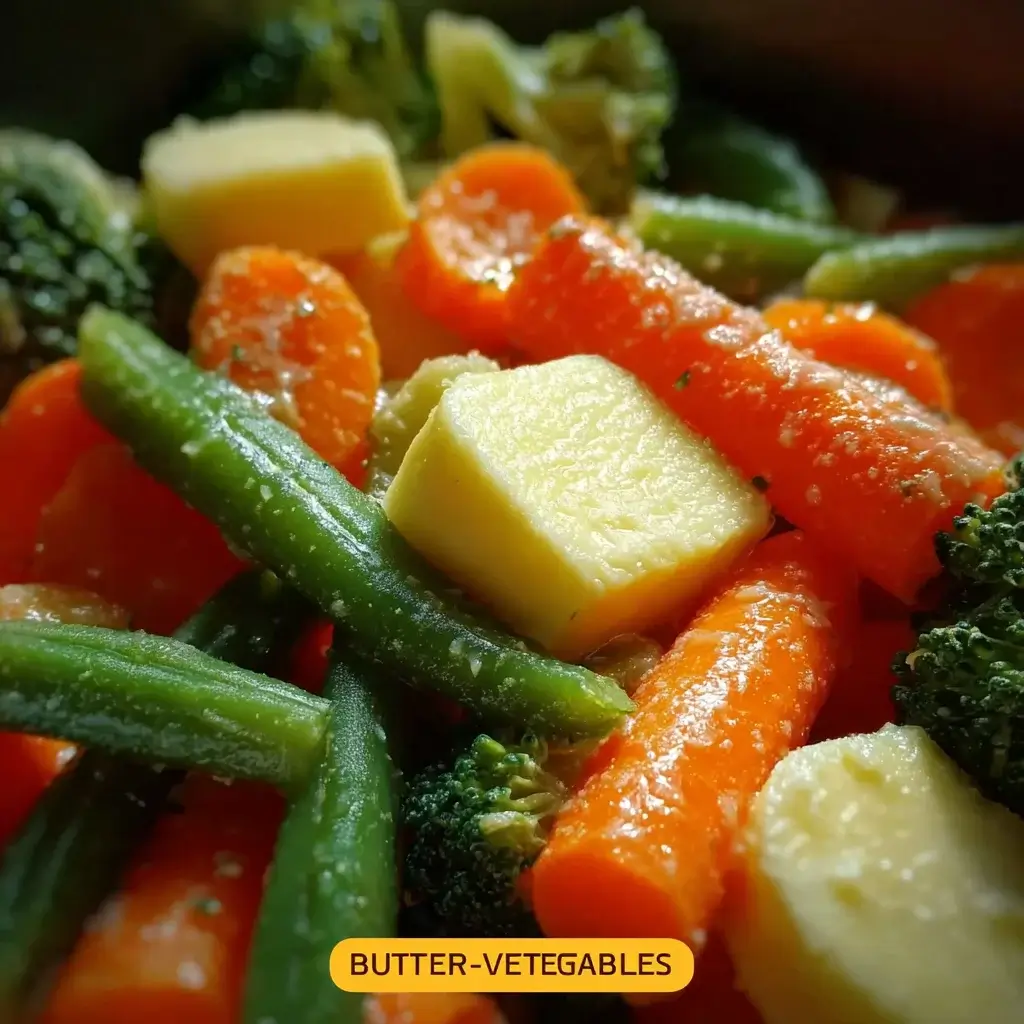
There are some recipes that feel like a warm hug on a plate, and for my family, this simple Buttered Vegetables recipe is exactly that. For years, I struggled with the classic dinner-time dilemma: how to get everyone, from my picky-eater youngest to my “I’m not a huge vegetable fan” husband, to actually enjoy their greens (and oranges, and reds). I tried roasting, steaming, and even hiding them in casseroles with varying degrees of success. Then one busy Tuesday night, I was short on time and inspiration. I grabbed a bag of mixed vegetables, a good knob of butter, and a clove of garlic. What happened in that pan over the next 15 minutes was nothing short of a culinary miracle. The kitchen filled with the most incredible, savory aroma. At the table, there was no prodding, no bargaining. Just the happy sound of forks clinking and requests for a second helping. This recipe, in all its glorious simplicity, transformed vegetables from a nutritional obligation into the most requested side dish in our home. It’s proof that you don’t need complicated techniques or exotic ingredients to create something truly delicious and universally loved.
The Ultimate Buttered Vegetables Recipe: A Family Favorite
This recipe is more than just a list of ingredients; it’s a blueprint for transforming humble vegetables into a star side dish. The key is in the balance of flavors and the cooking technique that ensures every bite is tender-crisp and bursting with savory goodness.
Yields: 6 servings
Prep time: 10 minutes
Cook time: 15 minutes
Ingredients
- 2 tablespoons Unsalted Butter, divided (plus more for finishing, if desired)
- 1 tablespoon Olive Oil
- 1 small Yellow Onion, finely diced
- 3 cloves Garlic, minced
- 2 medium Carrots, peeled and sliced into ¼-inch rounds
- 1 head of Broccoli, cut into small florets
- 1 cup Green Beans, trimmed and cut into 2-inch pieces
- 1 Red Bell Pepper, seeded and chopped into 1-inch pieces
- 1 cup Sliced Mushrooms (Cremini or button work well)
- ½ cup Vegetable Broth or Water
- 1 teaspoon Kosher Salt (or to taste)
- ½ teaspoon Black Pepper, freshly ground
- 2 tablespoons Fresh Parsley, finely chopped (for garnish)
Step-by-Step Instructions for Perfect Buttered Vegetables
Following these steps will ensure your vegetables are perfectly cooked—not too soft, not too crunchy—and coated in a luscious, flavorful butter sauce.
- Prepare Your Workstation (Mise en Place): Before you turn on the heat, have all your vegetables washed, chopped, and ready to go. Mince your garlic and dice your onion. Measuring out your butter, oil, and broth beforehand makes the cooking process smooth and stress-free. This preparation is the secret to a successful sauté.
- Sauté the Aromatics: Place a large skillet or sauté pan over medium heat. Add 1 tablespoon of the butter and 1 tablespoon of olive oil. Once the butter is melted and foaming, add the diced yellow onion. Sauté for 3-4 minutes, stirring occasionally, until the onion becomes soft and translucent. Add the minced garlic and cook for another minute until fragrant. Be careful not to burn the garlic, as it can become bitter.
- Cook the Harder Vegetables: The key to evenly cooked vegetables is adding them to the pan in stages. Start with the ones that take the longest to cook. Add the sliced carrots to the pan. Stir to coat them in the butter and onion mixture and cook for about 5 minutes, allowing them to soften slightly.
- Add the Remaining Vegetables: Next, add the broccoli florets and green beans to the skillet. Continue to stir and sauté for another 3-4 minutes. The goal here is to give them a little color and infuse them with the flavor of the garlic and onion.
- Incorporate the Softer Vegetables: Now, add the chopped red bell pepper and sliced mushrooms to the pan. Sprinkle everything generously with the kosher salt and freshly ground black pepper. Stir well to combine all the vegetables and seasonings.
- Deglaze and Steam: Pour in the ½ cup of vegetable broth or water. This will deglaze the pan, lifting all those delicious browned bits from the bottom of the skillet and turning them into a flavorful sauce. Bring the liquid to a simmer, then reduce the heat to medium-low and cover the pan with a lid.
- The Perfect Steam: Let the vegetables steam for 4-5 minutes. This step is crucial for making them tender-crisp. The time may vary slightly depending on the size of your vegetable pieces. You can test for doneness by piercing a piece of broccoli or a carrot with a fork; it should be easily pierced but still have a slight bite.
- The Finishing Touch: Remove the lid. Most of the liquid should be evaporated. If there’s excess liquid, you can turn the heat up for a minute to cook it off. Turn off the heat and add the remaining 1 tablespoon of butter to the pan. Stir gently as it melts, creating a beautiful, glossy glaze that coats every single vegetable.
- Garnish and Serve: Transfer the buttered vegetables to a serving dish. Garnish with the freshly chopped parsley for a pop of color and fresh flavor. Serve immediately and enjoy.
Nutrition Facts
Please note that these values are an approximation and can vary based on the specific ingredients and quantities used.
- Servings: 6
- Calories per serving: Approximately 125 kcal
This side dish is not only delicious but also packed with nutrients. Carrots provide Vitamin A, broccoli is rich in Vitamin C and K, and bell peppers offer a fantastic dose of antioxidants. The healthy fats from the olive oil and the fiber from the vegetables make this a well-rounded and satisfying addition to any meal.
Preparation and Cook Time
Efficiency in the kitchen is key, especially on busy weeknights. Here is a breakdown of the time you’ll need.
- Total Time: 25 minutes
- Preparation Time: 10 minutes. This includes washing and chopping all the vegetables, dicing the onion, and mincing the garlic. If you’re quick with your knife skills, you might even do it in less!
- Cook Time: 15 minutes. This is the active time at the stove, from sautéing the onions to the final toss with fresh butter.
How to Serve Your Delicious Buttered Vegetables
These versatile buttered vegetables can accompany almost any main course or even stand on their own. Here are some of our favorite ways to serve them:
- As a Classic Side Dish: This is the most popular way to enjoy them. They are the perfect partner for a variety of proteins.
- Roasted Chicken: The savory, herby flavor of the vegetables beautifully complements a classic roast chicken.
- Grilled Steak: Cut through the richness of a juicy steak with the fresh, crisp texture of these vegetables.
- Baked or Pan-Seared Fish: The light yet flavorful nature of the buttered vegetables pairs wonderfully with delicate fish like salmon, cod, or tilapia.
- Pork Chops: Whether grilled, pan-fried, or baked, pork chops and buttered vegetables are a match made in heaven.
- For Holiday Feasts: Double or triple the recipe to serve a crowd. This dish adds a much-needed vibrant and healthy element to the holiday table.
- Thanksgiving: A fantastic alternative or addition to green bean casserole.
- Christmas Dinner: The red and green colors from the bell pepper and broccoli make it a festive and beautiful side for a Christmas ham or roast beef.
- Easter Lunch: It’s a light and springy side dish that goes perfectly with lamb or ham.
- As a Light Main Course: For a healthy and satisfying vegetarian meal, these vegetables can take center stage.
- Over Grains: Serve a generous portion over a bed of fluffy quinoa, brown rice, or couscous.
- With a Fried Egg: Top a bowl of the buttered vegetables with a perfectly fried or poached egg for a protein boost.
- Tossed with Pasta: Add the cooked vegetables to your favorite pasta with a little extra olive oil and some parmesan cheese for a quick and easy pasta primavera.
- In a Meal Prep Bowl: Cook a large batch on Sunday and portion it out into containers with a protein source (like grilled chicken strips or chickpeas) and a grain for easy, healthy lunches throughout the week.
5 Additional Tips for the Best Buttered Vegetables Every Time
Master this simple recipe with a few pro tips that will elevate your dish from good to absolutely unforgettable.
- Don’t Overcrowd the Pan: This is the golden rule of sautéing. If you put too many vegetables in the pan at once, they will steam instead of sauté, leading to a mushy texture and a lack of flavor. Use a large skillet, and if you are doubling the recipe, it’s better to cook the vegetables in two separate batches. This ensures each piece has contact with the hot surface, allowing it to brown slightly and develop deep, savory flavors.
- Cut Vegetables to a Uniform Size: While it might seem tedious, taking a minute to chop your vegetables into roughly the same size is critical for even cooking. If your carrot slices are much thicker than your broccoli florets, the carrots will still be hard when the broccoli is overcooked. Uniformity ensures that every single bite has that perfect tender-crisp texture.
- Blanch for Ultimate Vibrancy and Texture: For restaurant-quality vegetables that pop with color, try blanching them before you sauté. Bring a large pot of salted water to a boil. Add the harder vegetables (carrots, green beans, broccoli) and cook for just 2-3 minutes. Immediately remove them with a slotted spoon and plunge them into a bowl of ice water. This process, called “shocking,” stops the cooking process and locks in their vibrant color. Dry them thoroughly before proceeding with the sautéing steps in the recipe (you will need to reduce the steaming time).
- Finish with High-Quality Butter and Fresh Herbs: The final step of swirling in butter off the heat is what creates the luxurious, glossy sauce. Using a high-quality butter (like a European-style butter with higher fat content) will make a noticeable difference in flavor. Similarly, while dried herbs are fine in a pinch, adding fresh parsley, chives, or thyme at the very end provides a burst of freshness that dried herbs can’t replicate. The residual heat is enough to release their aromatic oils without cooking them.
- Experiment with Flavor Add-ins: This recipe is a fantastic base for creativity. Don’t be afraid to customize it to your liking.
- A Squeeze of Lemon: A little fresh lemon juice squeezed over the vegetables at the end can brighten up all the flavors.
- A Dash of Spice: Add a pinch of red pepper flakes with the garlic for a gentle kick of heat.
- Umami Boost: A teaspoon of soy sauce or tamari added with the vegetable broth can add a wonderful depth and savory umami flavor.
- Toasted Nuts: Sprinkle some toasted sliced almonds or pine nuts over the top before serving for a delightful crunch.
Frequently Asked Questions (FAQ)
Here are answers to some common questions about making this buttered vegetables recipe.
1. Can I use frozen vegetables for this recipe?
Yes, you absolutely can use frozen vegetables, which makes this recipe even more convenient. For best results, do not thaw the vegetables beforehand. Add the frozen vegetables directly to the hot pan after sautéing the onions and garlic. You will likely need to increase the cooking time by a few minutes. Because frozen vegetables release more water as they cook, you may not need to add the full ½ cup of vegetable broth; you can start with just a splash and add more if needed.
2. How do I keep my buttered vegetables from getting soggy or mushy?
The key to avoiding soggy vegetables lies in three things: high heat, not overcrowding the pan, and not overcooking. Start with a properly heated pan to get a good sear. Cook in batches if necessary to ensure the vegetables sauté rather than steam. Finally, be mindful of the covered steaming time. Check for doneness after 3-4 minutes. You want them to be “tender-crisp,” meaning a fork can easily pierce them, but they still have a slight bite. Remember, they will continue to cook slightly from residual heat after you remove them from the stove.
3. What other vegetables work well in this recipe?
This recipe is incredibly versatile! Feel free to substitute or add your favorite vegetables based on what’s in season or what you have on hand. Just remember to add them to the pan according to their cooking time (hardest vegetables first). Some excellent additions or substitutions include:
- Cauliflower Florets
- Asparagus Spears (cut into 2-inch pieces)
- Zucchini or Yellow Squash (add these near the end as they cook quickly)
- Snap Peas or Snow Peas
- Brussels Sprouts (halved or quartered)
- Celery (sliced)
4. How do I store and reheat leftovers?
Store any leftover buttered vegetables in an airtight container in the refrigerator for up to 3-4 days. To reheat, you can gently warm them in a skillet over medium-low heat with a tiny splash of water or broth to help them steam. You can also microwave them, but the skillet method is best for preserving their texture. They are also delicious served cold or at room temperature, tossed into a salad.
5. How can I make this recipe vegan and dairy-free?
It’s very easy to adapt this recipe to be fully vegan. Simply substitute the dairy butter with your favorite plant-based butter or use a bit more olive oil. Many high-quality vegan butters are available that melt and taste very similar to dairy butter. Ensure your vegetable broth is certified vegan as well. The rest of the recipe remains the same, providing a delicious and completely plant-based side dish.
Buttered Vegetables recipe
Ingredients
-
2 tablespoons Unsalted Butter, divided (plus more for finishing, if desired)
-
1 tablespoon Olive Oil
-
1 small Yellow Onion, finely diced
-
3 cloves Garlic, minced
-
2 medium Carrots, peeled and sliced into ¼-inch rounds
-
1 head of Broccoli, cut into small florets
-
1 cup Green Beans, trimmed and cut into 2-inch pieces
-
1 Red Bell Pepper, seeded and chopped into 1-inch pieces
-
1 cup Sliced Mushrooms (Cremini or button work well)
-
½ cup Vegetable Broth or Water
-
1 teaspoon Kosher Salt (or to taste)
-
½ teaspoon Black Pepper, freshly ground
-
2 tablespoons Fresh Parsley, finely chopped (for garnish)
Instructions
-
Prepare Your Workstation (Mise en Place): Before you turn on the heat, have all your vegetables washed, chopped, and ready to go. Mince your garlic and dice your onion. Measuring out your butter, oil, and broth beforehand makes the cooking process smooth and stress-free. This preparation is the secret to a successful sauté.
-
Sauté the Aromatics: Place a large skillet or sauté pan over medium heat. Add 1 tablespoon of the butter and 1 tablespoon of olive oil. Once the butter is melted and foaming, add the diced yellow onion. Sauté for 3-4 minutes, stirring occasionally, until the onion becomes soft and translucent. Add the minced garlic and cook for another minute until fragrant. Be careful not to burn the garlic, as it can become bitter.
-
Cook the Harder Vegetables: The key to evenly cooked vegetables is adding them to the pan in stages. Start with the ones that take the longest to cook. Add the sliced carrots to the pan. Stir to coat them in the butter and onion mixture and cook for about 5 minutes, allowing them to soften slightly.
-
Add the Remaining Vegetables: Next, add the broccoli florets and green beans to the skillet. Continue to stir and sauté for another 3-4 minutes. The goal here is to give them a little color and infuse them with the flavor of the garlic and onion.
-
Incorporate the Softer Vegetables: Now, add the chopped red bell pepper and sliced mushrooms to the pan. Sprinkle everything generously with the kosher salt and freshly ground black pepper. Stir well to combine all the vegetables and seasonings.
-
Deglaze and Steam: Pour in the ½ cup of vegetable broth or water. This will deglaze the pan, lifting all those delicious browned bits from the bottom of the skillet and turning them into a flavorful sauce. Bring the liquid to a simmer, then reduce the heat to medium-low and cover the pan with a lid.
-
The Perfect Steam: Let the vegetables steam for 4-5 minutes. This step is crucial for making them tender-crisp. The time may vary slightly depending on the size of your vegetable pieces. You can test for doneness by piercing a piece of broccoli or a carrot with a fork; it should be easily pierced but still have a slight bite.
-
The Finishing Touch: Remove the lid. Most of the liquid should be evaporated. If there’s excess liquid, you can turn the heat up for a minute to cook it off. Turn off the heat and add the remaining 1 tablespoon of butter to the pan. Stir gently as it melts, creating a beautiful, glossy glaze that coats every single vegetable.
-
Garnish and Serve: Transfer the buttered vegetables to a serving dish. Garnish with the freshly chopped parsley for a pop of color and fresh flavor. Serve immediately and enjoy.
Nutrition
- Serving Size: one normal portion
- Calories: 125 kcal