
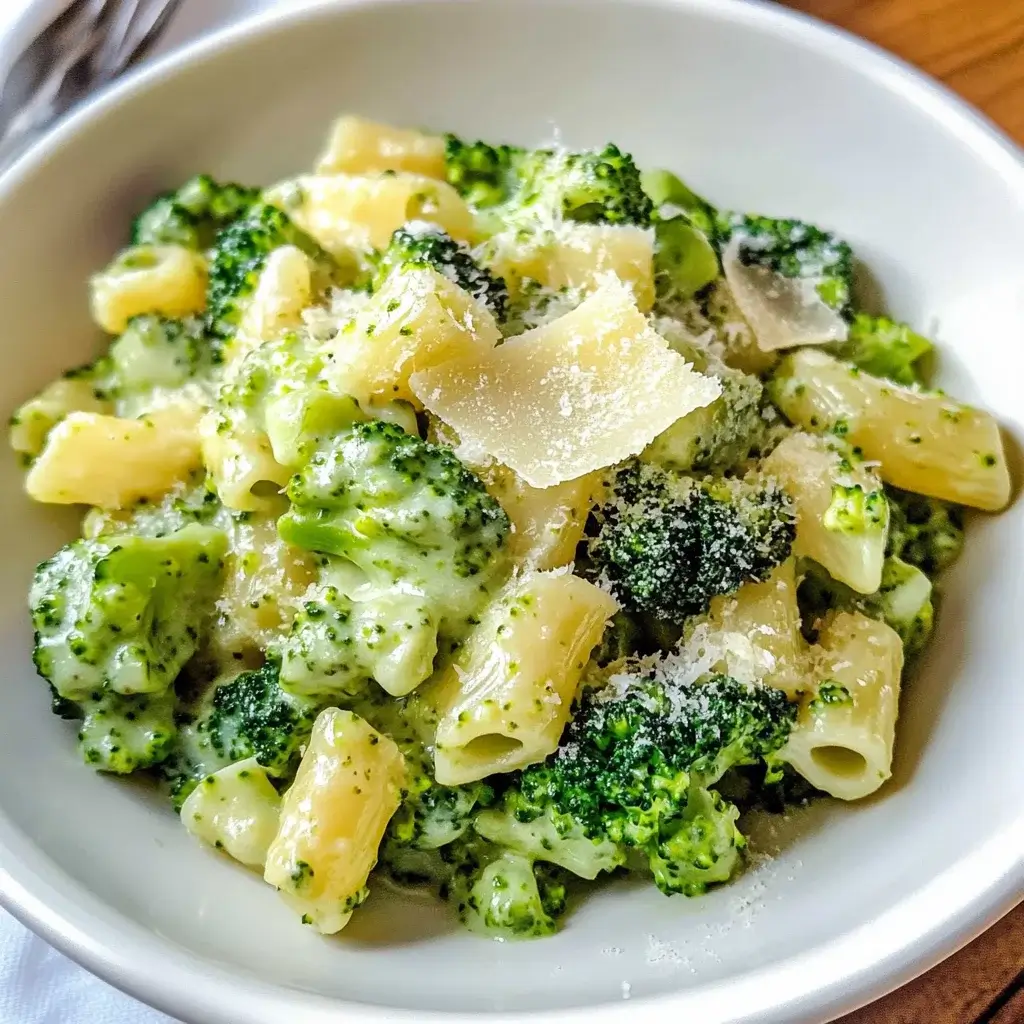

Broccoli pasta. For some, the words might conjure up memories of bland, overcooked broccoli grudgingly consumed as a child. But let me tell you, this broccoli pasta is a different beast altogether. It’s a dish that has completely transformed broccoli in our household, turning it from a vegetable often met with resistance into a requested meal. I stumbled upon this recipe quite by accident, looking for a quick, healthy, and flavorful weeknight dinner. What I discovered was a vibrant, comforting, and surprisingly sophisticated dish that has become a regular rotation in our meal plan. The bright green broccoli florets, tender-crisp and bursting with flavor, mingle beautifully with perfectly cooked pasta, all coated in a light yet satisfying sauce. Even my kids, notorious for their aversion to anything green, devour this pasta, often asking for seconds. It’s a testament to how simple ingredients, when combined thoughtfully, can create something truly special. If you’re looking for a way to incorporate more vegetables into your diet, or simply want a delicious and easy pasta dish that’s both healthy and comforting, look no further. This broccoli pasta is a game-changer, guaranteed to win over even the most skeptical broccoli critics in your life.
Ingredients: Freshness and Simplicity for Maximum Flavor
The key to exceptional broccoli pasta is using fresh, high-quality ingredients. The simplicity of the recipe allows each ingredient to shine, so choosing the best you can find will make a noticeable difference in the final dish.
- Pasta: 1 pound of pasta. Orecchiette, penne, fusilli, or farfalle are all excellent choices. Orecchiette, with its little cup shape, is particularly good at catching the sauce and broccoli. You can use regular pasta or whole wheat pasta for added fiber.
- Broccoli: 1 large head of broccoli (about 1.5 – 2 pounds), cut into florets. Fresh, vibrant green broccoli is essential. Look for firm florets with tightly closed buds.
- Garlic: 3-4 cloves, minced. Fresh garlic is crucial for the flavor base of this dish.
- Olive Oil: ½ cup extra virgin olive oil. Good quality olive oil adds richness and flavor and helps to create a silky sauce.
- Red Pepper Flakes (Optional): ¼ – ½ teaspoon, or to taste. Red pepper flakes add a subtle kick of heat that balances the richness of the olive oil and cheese. Omit if you prefer a milder flavor.
- Parmesan Cheese: ½ cup grated, plus more for serving. Freshly grated Parmesan cheese is best for its flavor and texture. Pecorino Romano is another flavorful hard cheese option.
- Pasta Water: Reserved from cooking the pasta. Pasta water is a secret ingredient that helps to emulsify the sauce and create a creamy consistency without heavy cream.
- Salt: To taste. Salt is essential for seasoning both the pasta water and the dish itself.
- Black Pepper: Freshly ground black pepper, to taste. Freshly ground pepper adds a more vibrant flavor than pre-ground pepper.
- Lemon Juice (Optional but Recommended): 1-2 tablespoons fresh lemon juice. Lemon juice brightens the flavors and adds a touch of acidity that complements the broccoli and cheese.
Instructions: Easy Steps to a Delicious and Healthy Meal
This broccoli pasta recipe is surprisingly simple and quick to prepare, making it perfect for busy weeknights. The key is to cook the broccoli and pasta perfectly and to create a flavorful, emulsified sauce.
Step 1: Prepare the Broccoli
- Wash and Cut Broccoli: Wash the broccoli head thoroughly under cold running water. Cut off the florets, ensuring they are roughly the same size for even cooking. You can peel and chop the broccoli stalk and add it to the pasta as well for extra nutrition and flavor, just remember it will take slightly longer to cook than the florets.
- Blanch or Steam Broccoli (Optional but Recommended for Vibrant Color and Texture): While you can cook the broccoli directly in the pasta water, blanching or steaming it briefly first helps to retain its bright green color and achieve a tender-crisp texture.
- Blanching: Bring a pot of salted water to a boil. Add the broccoli florets and blanch for 2-3 minutes, until bright green and slightly tender-crisp. Immediately transfer the broccoli to an ice bath to stop the cooking process and preserve the color. Drain well.
- Steaming: Steam the broccoli florets over boiling water for 5-7 minutes, or until tender-crisp.
Step 2: Cook the Pasta
- Boil Pasta Water: Bring a large pot of salted water to a rolling boil. Use plenty of water to ensure the pasta cooks properly and doesn’t become sticky. Salt the water generously – it should taste like the sea.
- Cook Pasta: Add the pasta to the boiling water and cook according to package directions for “al dente.” “Al dente” means “to the tooth” in Italian, and refers to pasta that is cooked through but still slightly firm to the bite.
- Reserve Pasta Water: Before draining the pasta, reserve about 1-2 cups of pasta water. This starchy water is crucial for creating a smooth and creamy sauce.
Step 3: Sauté Garlic and Create the Sauce
- Sauté Garlic: While the pasta is cooking, heat olive oil in a large skillet or pot over medium heat. Add minced garlic and red pepper flakes (if using) and sauté for 1-2 minutes, until fragrant and lightly golden. Be careful not to burn the garlic, as it will become bitter.
- Add Broccoli (if not pre-cooked): If you didn’t blanch or steam the broccoli, add the broccoli florets to the skillet with the garlic and sauté for 5-7 minutes, until tender-crisp and slightly browned. You may need to add a tablespoon or two of pasta water to help steam the broccoli if it starts to dry out.
- Combine Pasta and Sauce: Drain the pasta and add it directly to the skillet with the garlic and broccoli (or to a large bowl if you prefer to mix in a separate bowl).
- Add Pasta Water and Parmesan: Add about ½ cup of the reserved pasta water to the skillet. Stir in the grated Parmesan cheese and continue to stir until the cheese is melted and the sauce emulsifies and becomes creamy, coating the pasta. Add more pasta water, a tablespoon at a time, if needed to reach your desired sauce consistency.
- Season and Finish: Season with salt and freshly ground black pepper to taste. Stir in fresh lemon juice (if using) for brightness.
Step 4: Serve and Enjoy!
- Serve Immediately: Broccoli pasta is best served hot, right after it’s made.
- Garnish: Serve immediately, garnished with extra grated Parmesan cheese and a drizzle of olive oil, if desired.
Nutrition Facts: A Healthy and Wholesome Meal
Broccoli pasta is not only delicious but also a nutritious meal, packed with vitamins, minerals, and fiber. The nutrition facts below are estimates and may vary slightly depending on the specific ingredients used and portion sizes.
Servings: Approximately 4-6 servings
Serving Size: Approximately 1 ½ – 2 cups
Approximate Nutrition Facts per Serving (based on 6 servings, using regular pasta):
- Calories: 400-500 calories
- Fat: 20-25g
- Saturated Fat: 4-6g
- Monounsaturated Fat: 14-18g (Primarily from olive oil)
- Cholesterol: 10-15mg
- Sodium: 300-400mg (Varies based on added salt and cheese)
- Carbohydrates: 50-60g
- Fiber: 5-7g
- Sugar: 5-7g (Naturally occurring in broccoli and pasta)
- Protein: 15-20g
- Vitamin C: Excellent source (from broccoli)
- Vitamin K: Excellent source (from broccoli)
- Folate: Good source (from broccoli and pasta)
- Potassium: Good source (from broccoli and potatoes)
Important Considerations:
- Olive Oil: Olive oil provides healthy monounsaturated fats, which are beneficial for heart health.
- Broccoli: Broccoli is a nutritional powerhouse, rich in vitamins, minerals, antioxidants, and fiber.
- Whole Wheat Pasta: Using whole wheat pasta will increase the fiber content and provide more sustained energy.
- Portion Control: While nutritious, pasta is still calorie-dense, so be mindful of portion sizes, especially if you are watching your calorie intake.
Preparation Time: Quick and Easy for Weeknight Dinners
Broccoli pasta is a relatively quick dish to prepare, making it ideal for busy weeknights when you need a healthy and satisfying meal on the table in under an hour.
- Prep Time: 15-20 minutes (includes chopping broccoli, mincing garlic, grating cheese)
- Cook Time: 20-25 minutes (includes cooking pasta and sauce)
- Total Time: 35-45 minutes
How to Serve: Versatile and Delicious on Its Own or with Enhancements
Broccoli pasta is delicious and satisfying on its own, but it’s also a versatile dish that can be enhanced with various additions to create a more complete meal or cater to different tastes.
Serving Suggestions:
- As a Main Course: Broccoli pasta is a hearty and satisfying vegetarian main course. Serve it as is for a simple and delicious meal.
- With Protein: Add protein to make it a more substantial meal.
- Grilled Chicken or Shrimp: Top with grilled chicken breast or sautéed shrimp for added protein and flavor.
- Italian Sausage: Crumble cooked Italian sausage (sweet or spicy) and toss it with the pasta.
- White Beans: Add cannellini beans or chickpeas for a vegetarian protein boost.
- Side Dishes: Serve alongside a simple salad or crusty bread to round out the meal.
- Garlic Bread: Classic pairing with pasta.
- Caprese Salad: Fresh and light salad with tomatoes, mozzarella, and basil.
- Green Salad with Vinaigrette: Simple green salad with a light vinaigrette dressing.
- Wine Pairing: A light-bodied white wine like Pinot Grigio or Sauvignon Blanc pairs well with broccoli pasta. A dry rosé wine is also a good option.
Flavor Enhancements:
- Toasted Breadcrumbs: Sprinkle toasted breadcrumbs on top for added texture and crunch. Panko breadcrumbs work particularly well.
- Pine Nuts or Walnuts: Toasted pine nuts or chopped walnuts add a nutty flavor and textural contrast.
- Sun-Dried Tomatoes: Add chopped sun-dried tomatoes (oil-packed, drained) for a burst of intense flavor and chewiness.
- Olives: Kalamata olives or other briny olives add a salty and savory element.
- Anchovies (for umami depth): For a more complex and savory flavor, sauté a couple of anchovy fillets in the olive oil with the garlic until they dissolve. This adds a subtle umami depth without making the pasta taste fishy.
- Ricotta Cheese: Dollop ricotta cheese on top of each serving for added creaminess and richness.
Additional Tips for Perfect Broccoli Pasta
Mastering broccoli pasta is easy, but these tips will help you elevate your dish to the next level, ensuring maximum flavor and enjoyment every time.
- Salt the Pasta Water Generously: Salting the pasta water is crucial for seasoning the pasta from the inside out. Use about 1-2 tablespoons of salt per pound of pasta. The water should taste noticeably salty, like the sea.
- Cook Pasta Al Dente: Overcooked pasta will become mushy and lose its texture. Cook the pasta “al dente” – it should be cooked through but still slightly firm to the bite. It will continue to cook slightly when you toss it with the hot sauce.
- Don’t Overcook the Broccoli: Overcooked broccoli becomes mushy and loses its bright green color and nutritional value. Whether you blanch, steam, or sauté the broccoli, aim for a tender-crisp texture. It should be easily pierced with a fork but still have a slight bite.
- Use Freshly Grated Parmesan: Pre-grated Parmesan cheese often contains cellulose and doesn’t melt as smoothly or have the same flavor as freshly grated Parmesan. Invest in a block of Parmesan cheese and grate it yourself for the best flavor and texture.
- Emulsify the Sauce with Pasta Water: Pasta water is the key to creating a creamy and emulsified sauce without heavy cream. The starch in the pasta water helps to bind the olive oil, cheese, and other ingredients together, creating a luscious coating for the pasta. Don’t be afraid to add more pasta water, a tablespoon at a time, to reach your desired sauce consistency.
FAQ: Your Broccoli Pasta Questions Answered
Still have questions about making the best broccoli pasta? Here are answers to some frequently asked questions to guide you:
Q1: Can I use frozen broccoli for this recipe?
A: Yes, you can use frozen broccoli florets in a pinch, but fresh broccoli will provide better flavor and texture. If using frozen broccoli, thaw it completely and drain excess water before adding it to the recipe. You may need to adjust the cooking time as frozen broccoli tends to cook faster.
Q2: Can I make this broccoli pasta vegan?
A: Yes, you can easily make this broccoli pasta vegan by substituting the Parmesan cheese with nutritional yeast. Nutritional yeast has a cheesy, nutty flavor that works well in vegan cheese sauces. You can also add a tablespoon of tahini or cashew cream for extra creaminess.
Q3: Can I add other vegetables to this pasta dish?
A: Absolutely! Broccoli pasta is a great base for adding other vegetables. Consider adding roasted red peppers, sautéed mushrooms, spinach, kale, or cherry tomatoes. Add vegetables that complement the flavor of broccoli and adjust cooking times accordingly.
Q4: My broccoli pasta is dry. How can I make it saucier?
A: If your broccoli pasta is dry, it likely needs more pasta water. Gradually add reserved pasta water, a tablespoon at a time, while stirring, until the sauce reaches your desired consistency. You can also add a drizzle of olive oil to moisten the pasta.
Q5: Can I make broccoli pasta ahead of time?
A: Broccoli pasta is best served fresh, but you can prepare some components ahead of time. You can blanch or steam the broccoli and store it in the refrigerator for up to 2 days. You can also cook the pasta ahead of time and toss it with a little olive oil to prevent sticking. However, it’s best to make the sauce and combine everything just before serving for the best flavor and texture. Reheating cooked pasta with broccoli and sauce can make the broccoli softer and the pasta less al dente.
With these tips and answers, you are now ready to create a truly exceptional broccoli pasta dish that will impress your family and friends and convert even the most reluctant broccoli eaters. Enjoy the vibrant flavors and healthy goodness of this versatile and delicious meal! Buon Appetito!
Print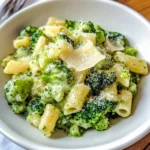
Broccoli Pasta recipe
Ingredients
- Pasta: 1 pound of pasta. Orecchiette, penne, fusilli, or farfalle are all excellent choices. Orecchiette, with its little cup shape, is particularly good at catching the sauce and broccoli. You can use regular pasta or whole wheat pasta for added fiber.
- Broccoli: 1 large head of broccoli (about 1.5 – 2 pounds), cut into florets. Fresh, vibrant green broccoli is essential. Look for firm florets with tightly closed buds.
- Garlic: 3-4 cloves, minced. Fresh garlic is crucial for the flavor base of this dish.
- Olive Oil: ½ cup extra virgin olive oil. Good quality olive oil adds richness and flavor and helps to create a silky sauce.
- Red Pepper Flakes (Optional): ¼ – ½ teaspoon, or to taste. Red pepper flakes add a subtle kick of heat that balances the richness of the olive oil and cheese. Omit if you prefer a milder flavor.
- Parmesan Cheese: ½ cup grated, plus more for serving. Freshly grated Parmesan cheese is best for its flavor and texture. Pecorino Romano is another flavorful hard cheese option.
- Pasta Water: Reserved from cooking the pasta. Pasta water is a secret ingredient that helps to emulsify the sauce and create a creamy consistency without heavy cream.
- Salt: To taste. Salt is essential for seasoning both the pasta water and the dish itself.
- Black Pepper: Freshly ground black pepper, to taste. Freshly ground pepper adds a more vibrant flavor than pre-ground pepper.
- Lemon Juice (Optional but Recommended): 1-2 tablespoons fresh lemon juice. Lemon juice brightens the flavors and adds a touch of acidity that complements the broccoli and cheese.
Instructions
Step 1: Prepare the Broccoli
- Wash and Cut Broccoli: Wash the broccoli head thoroughly under cold running water. Cut off the florets, ensuring they are roughly the same size for even cooking. You can peel and chop the broccoli stalk and add it to the pasta as well for extra nutrition and flavor, just remember it will take slightly longer to cook than the florets.
- Blanch or Steam Broccoli (Optional but Recommended for Vibrant Color and Texture): While you can cook the broccoli directly in the pasta water, blanching or steaming it briefly first helps to retain its bright green color and achieve a tender-crisp texture.
- Blanching: Bring a pot of salted water to a boil. Add the broccoli florets and blanch for 2-3 minutes, until bright green and slightly tender-crisp. Immediately transfer the broccoli to an ice bath to stop the cooking process and preserve the color. Drain well.
- Steaming: Steam the broccoli florets over boiling water for 5-7 minutes, or until tender-crisp.
Step 2: Cook the Pasta
- Boil Pasta Water: Bring a large pot of salted water to a rolling boil. Use plenty of water to ensure the pasta cooks properly and doesn’t become sticky. Salt the water generously – it should taste like the sea.
- Cook Pasta: Add the pasta to the boiling water and cook according to package directions for “al dente.” “Al dente” means “to the tooth” in Italian, and refers to pasta that is cooked through but still slightly firm to the bite.
- Reserve Pasta Water: Before draining the pasta, reserve about 1-2 cups of pasta water. This starchy water is crucial for creating a smooth and creamy sauce.
Step 3: Sauté Garlic and Create the Sauce
- Sauté Garlic: While the pasta is cooking, heat olive oil in a large skillet or pot over medium heat. Add minced garlic and red pepper flakes (if using) and sauté for 1-2 minutes, until fragrant and lightly golden. Be careful not to burn the garlic, as it will become bitter.
- Add Broccoli (if not pre-cooked): If you didn’t blanch or steam the broccoli, add the broccoli florets to the skillet with the garlic and sauté for 5-7 minutes, until tender-crisp and slightly browned. You may need to add a tablespoon or two of pasta water to help steam the broccoli if it starts to dry out.
- Combine Pasta and Sauce: Drain the pasta and add it directly to the skillet with the garlic and broccoli (or to a large bowl if you prefer to mix in a separate bowl).
- Add Pasta Water and Parmesan: Add about ½ cup of the reserved pasta water to the skillet. Stir in the grated Parmesan cheese and continue to stir until the cheese is melted and the sauce emulsifies and becomes creamy, coating the pasta. Add more pasta water, a tablespoon at a time, if needed to reach your desired sauce consistency.
- Season and Finish: Season with salt and freshly ground black pepper to taste. Stir in fresh lemon juice (if using) for brightness.
Step 4: Serve and Enjoy!
- Serve Immediately: Broccoli pasta is best served hot, right after it’s made.
- Garnish: Serve immediately, garnished with extra grated Parmesan cheese and a drizzle of olive oil, if desired.
Nutrition
- Serving Size: one normal portion
- Calories: 400-500
- Sugar: 5-7g
- Sodium: 300-400mg
- Fat: 20-25g
- Saturated Fat: 4-6g
- Carbohydrates: 50-60g
- Fiber: 5-7g
- Protein: 15-20g
- Cholesterol: 10-15mg