
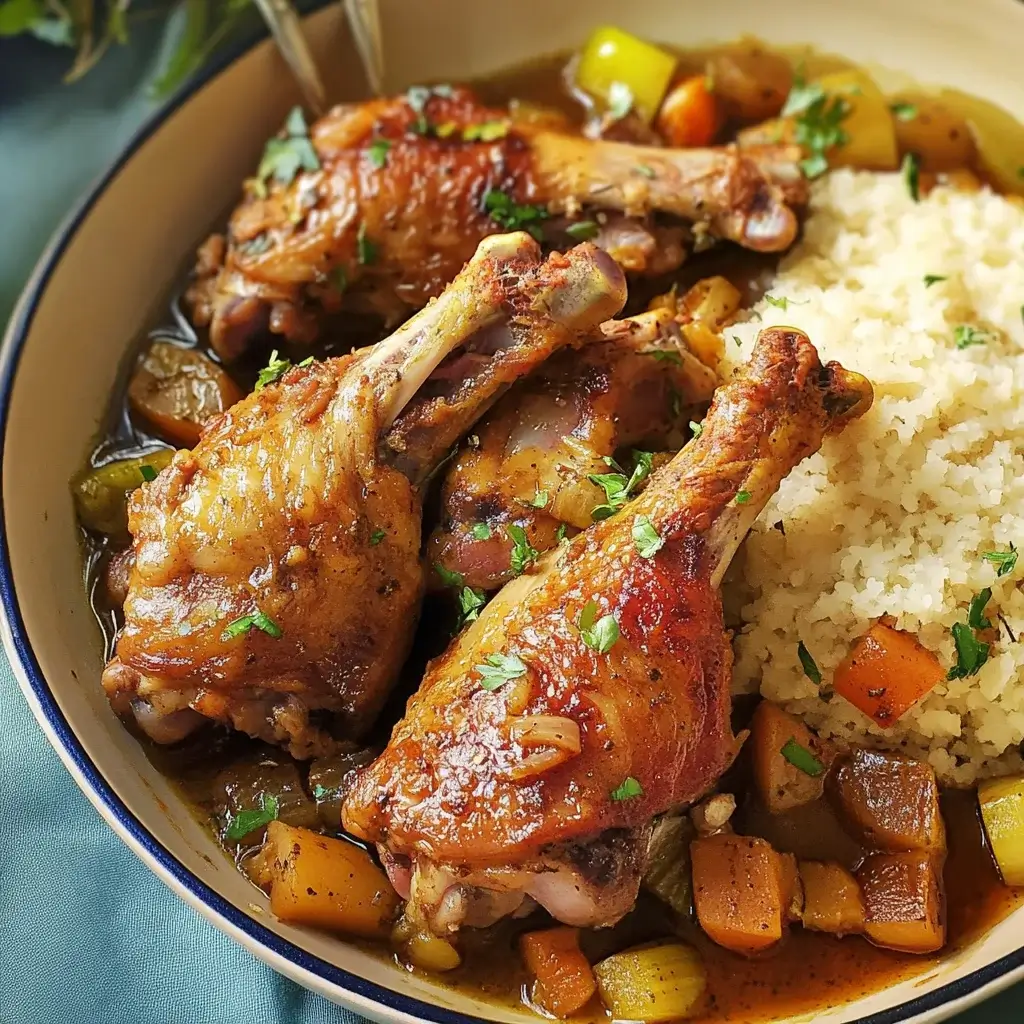
The aroma hit me first – rich, savory, and deeply comforting. It was a Sunday afternoon, and the scent wafting from my kitchen was pure magic. Braised Turkey Wings were on the menu, a recipe I’d initially approached with a touch of skepticism. Turkey wings? Were they really that exciting? Oh, how wrong I was. What emerged from the oven after hours of slow braising was nothing short of culinary poetry. The skin, burnished to a deep mahogany, was sticky and caramelized, hinting at the flavor explosion within. And the meat? Fall-off-the-bone tender, imbued with the rich, savory broth it had simmered in, each bite a symphony of textures and tastes. My family, initially unsure about “turkey wings for dinner,” devoured them with gusto, the silence punctuated only by satisfied sighs and requests for seconds. Even my teenager, usually a chicken-only enthusiast, declared them “amazing.” This Braised Turkey Wings recipe has become a beloved staple in our home, a testament to the transformative power of slow cooking and the surprisingly delicious potential of often-overlooked cuts of meat. It’s comfort food at its finest, perfect for a cozy weekend meal or a special occasion that calls for something truly satisfying and memorable.
Ingredients: Building Blocks of Flavorful Braised Turkey Wings
The beauty of braised turkey wings lies in the simple yet powerful combination of ingredients, each playing a crucial role in creating a deeply flavorful and tender dish. From the turkey wings themselves to the aromatic vegetables, rich broth, and flavorful seasonings, every component contributes to the final symphony of tastes and textures. Let’s explore each ingredient in detail to understand its importance in crafting perfect braised turkey wings.
- Turkey Wings: 4-6 large turkey wings (about 3-4 pounds). Turkey wings are the star of the show, providing a generous amount of flavorful dark meat and collagen-rich skin that becomes incredibly tender and succulent during braising. Look for plump, meaty wings that are relatively uniform in size for even cooking. You can find turkey wings in most well-stocked grocery stores, often in the poultry or frozen meat section. If possible, opt for fresh turkey wings, but frozen wings, thawed completely, will also work well. The size of the wings can vary, so adjust the quantity based on your needs and the size of your Dutch oven or braising pot.
- Vegetable Oil or Olive Oil: 2 tablespoons. Oil is essential for browning the turkey wings and vegetables at the beginning of the braising process. Browning creates a flavorful crust and adds depth to the overall dish through the Maillard reaction. You can use vegetable oil, canola oil, or olive oil for this purpose. Olive oil will impart a slightly richer flavor, while vegetable oil is a neutral option. Choose an oil with a high smoke point suitable for searing.
- Yellow Onion: 1 large, chopped. Onions form the aromatic base of the braise, contributing sweetness, depth, and savory notes as they caramelize during cooking. Yellow onions are a versatile choice, offering a balanced flavor that complements the turkey wings and other vegetables. Dice the onion into roughly equal-sized pieces to ensure even cooking.
- Carrots: 2 large, chopped. Carrots add sweetness, color, and subtle earthy notes to the braise. They also soften beautifully during slow cooking, becoming tender and flavorful. Peel and chop the carrots into similar-sized pieces as the onions for even cooking. You can use regular carrots or baby carrots (halved or quartered if large).
- Celery: 2 stalks, chopped. Celery provides another layer of aromatic complexity, contributing a slightly peppery and fresh note to the braise. It adds a subtle herbaceousness that balances the richness of the turkey wings. Chop the celery stalks into pieces similar in size to the onions and carrots.
- Garlic: 4-6 cloves, minced. Garlic is a flavor powerhouse, adding pungent, savory, and slightly sweet notes to the braise. Freshly minced garlic is highly recommended for the best flavor. You can adjust the amount of garlic to your preference, adding more for a bolder garlic flavor.
- Dry Red Wine: 1 cup (such as Merlot, Cabernet Sauvignon, or Pinot Noir). Red wine adds depth, richness, and acidity to the braising liquid, enhancing the savory flavors of the turkey wings and vegetables. Choose a dry red wine that you would enjoy drinking. Merlot, Cabernet Sauvignon, or Pinot Noir are all excellent choices that complement poultry well. If you prefer not to use wine, you can substitute with an equal amount of chicken broth or beef broth.
- Chicken Broth or Turkey Broth: 4 cups. Broth forms the base of the braising liquid, providing moisture and adding savory depth to the dish. Chicken broth or turkey broth are ideal choices, enhancing the poultry flavor of the turkey wings. Low-sodium broth is recommended to control the salt level. You can also use homemade broth for an even richer flavor.
- Tomato Paste: 2 tablespoons. Tomato paste adds concentrated tomato flavor, richness, and a touch of acidity to the braising liquid. It deepens the color and adds a subtle umami note to the sauce. A little tomato paste goes a long way in enhancing the overall flavor profile.
- Fresh Thyme Sprigs: 3-4 sprigs. Fresh thyme is a classic herb that pairs beautifully with poultry, adding earthy, slightly lemony, and aromatic notes to the braise. The thyme sprigs infuse their flavor into the braising liquid as the dish cooks. If fresh thyme is not available, you can substitute with 1 teaspoon of dried thyme, but fresh thyme is preferred for its brighter flavor.
- Bay Leaf: 1-2 bay leaves. Bay leaves contribute a subtle, slightly floral, and tea-like aroma to the braise. They add depth and complexity to the overall flavor profile. Bay leaves are typically removed before serving.
- All-Purpose Flour: 1-2 tablespoons (optional, for thickening sauce). Flour is used as a thickening agent to create a richer, more velvety sauce at the end of braising. It is optional but recommended if you prefer a thicker sauce. You can use all-purpose flour or cornstarch as a thickening agent.
- Salt and Freshly Ground Black Pepper: To taste. Salt and freshly ground black pepper are essential for seasoning and enhancing the flavors of all the ingredients. Season generously throughout the cooking process, starting with the turkey wings and vegetables, and adjust to taste at the end. Freshly ground black pepper provides a more pungent and aromatic flavor than pre-ground pepper.
- Optional: Fresh Parsley, chopped: For garnish. Fresh parsley adds a pop of color and a fresh, herbaceous note to the finished dish. Chopped parsley is a classic garnish that brightens up the presentation and adds a touch of freshness.
By gathering these high-quality ingredients and understanding their roles, you are well on your way to creating incredibly flavorful and tender Braised Turkey Wings that will impress your family and guests.
Instructions: Step-by-Step Guide to Perfect Braised Turkey Wings
Braising turkey wings is a rewarding culinary process that transforms simple ingredients into a dish of profound flavor and tenderness. While it requires some time, the steps are straightforward, and the majority of the cooking is hands-off, allowing you to relax or attend to other tasks while the magic happens in your oven. Let’s walk through each step in detail to guide you to braising success:
Step 1: Seasoning the Turkey Wings (Active Time: 5 minutes)
- Pat Dry: Pat the turkey wings dry with paper towels. Removing excess moisture helps the wings brown better during searing.
- Season Generously: Season the turkey wings generously on all sides with salt and freshly ground black pepper. Don’t be shy with the seasoning, as this is the foundation of the flavor.
Step 2: Searing the Turkey Wings (Active Time: 15-20 minutes)
- Heat Oil: In a large Dutch oven or heavy-bottomed pot, heat the vegetable oil or olive oil over medium-high heat until shimmering. The oil should be hot enough to sear the wings quickly and create a flavorful crust.
- Sear in Batches: Working in batches to avoid overcrowding the pot, sear the turkey wings on all sides until deeply browned. This step is crucial for developing rich, complex flavors. Don’t rush this step; allow each side to brown properly before moving on to the next. Overcrowding the pot will steam the wings instead of searing them. Remove the browned wings from the pot and set aside.
Step 3: Sautéing the Vegetables (Active Time: 10-15 minutes)
- Sauté Onions, Carrots, and Celery: Add the chopped onion, carrots, and celery to the pot. Sauté over medium heat, stirring occasionally, until softened and lightly caramelized, about 8-10 minutes. Scrape up any browned bits from the bottom of the pot as you sauté; these flavorful bits will add depth to the sauce.
- Add Garlic and Tomato Paste: Add the minced garlic and tomato paste to the pot. Cook for 1-2 minutes more, stirring constantly, until fragrant and the tomato paste has deepened in color. Cooking the tomato paste briefly enhances its flavor and removes any raw taste.
Step 4: Deglazing the Pot (Active Time: 5 minutes)
- Pour in Red Wine: Pour the dry red wine into the pot, scraping up any browned bits from the bottom of the pot with a wooden spoon or spatula. These browned bits, called fond, are packed with flavor and will enrich the braising liquid.
- Simmer and Reduce: Bring the wine to a simmer and cook for 2-3 minutes, allowing it to reduce slightly and the alcohol to evaporate. Reducing the wine concentrates its flavors and creates a more balanced braising liquid.
Step 5: Braising the Turkey Wings (Active Time: 5 minutes, Passive Time: 2-3 hours)
- Add Broth, Thyme, and Bay Leaf: Pour in the chicken broth or turkey broth, add the fresh thyme sprigs and bay leaf to the pot.
- Return Turkey Wings: Return the seared turkey wings to the pot, nestling them among the vegetables and ensuring they are mostly submerged in the braising liquid. The liquid should come about halfway up the wings; you may need to add a little more broth if necessary.
- Bring to Simmer, Then Braise: Bring the braising liquid to a simmer, then cover the Dutch oven or pot tightly with a lid.
- Braise in Oven or on Stovetop:
- Oven Braising (Recommended): Transfer the covered pot to a preheated oven at 325°F (160°C). Braise for 2-3 hours, or until the turkey wings are incredibly tender and the meat is falling off the bone.
- Stovetop Braising: Alternatively, you can braise on the stovetop over very low heat. Keep the pot covered and simmer gently for 2-3 hours, or until the wings are tender. Check occasionally to ensure the liquid is simmering gently and not boiling rapidly.
- Check for Tenderness: After 2 hours, check the turkey wings for tenderness. The meat should be easily pierced with a fork and falling off the bone. If not, continue braising for another 30-60 minutes, or until tender.
Step 6: Thickening the Sauce (Optional, Active Time: 5-10 minutes)
- Remove Turkey Wings: Once the turkey wings are tender, carefully remove them from the pot and set aside.
- Skim Fat (Optional): If desired, skim off any excess fat from the surface of the braising liquid using a ladle or spoon. This step is optional but can result in a slightly lighter sauce.
- Thicken Sauce (Optional): If you prefer a thicker sauce, you can thicken it using one of the following methods:
- Flour Slurry: In a small bowl, whisk together 1-2 tablespoons of all-purpose flour with a few tablespoons of the hot braising liquid to create a smooth slurry. Whisk the slurry back into the pot and simmer, stirring constantly, until the sauce thickens slightly, about 2-3 minutes.
- Reduce Sauce: Alternatively, you can simply simmer the braising liquid uncovered over medium heat, allowing it to reduce and thicken naturally. This will take longer, about 10-15 minutes, but will intensify the flavors of the sauce.
- Strain Sauce (Optional): For a smoother sauce, you can strain it through a fine-mesh sieve, pressing on the solids to extract as much liquid as possible. Discard the solids.
Step 7: Serving (Active Time: 5 minutes)
- Return Turkey Wings to Sauce: Return the braised turkey wings to the pot with the sauce. Gently reheat them in the sauce if necessary.
- Adjust Seasoning: Taste the sauce and adjust seasoning with salt and freshly ground black pepper as needed.
- Garnish and Serve: Garnish with chopped fresh parsley, if desired. Serve the braised turkey wings hot, spooning the flavorful sauce over them. Serve with your choice of sides (see serving suggestions below).
Following these step-by-step instructions will guide you through the braising process and ensure you create perfectly tender and flavorful Braised Turkey Wings with a rich and delicious sauce. The key is patience and allowing the slow braising process to work its magic.
Nutrition Facts: A Hearty and Satisfying Meal
Braised Turkey Wings are not only incredibly delicious and comforting but also offer a good source of protein and essential nutrients. Turkey wings, being dark meat, are richer in flavor and slightly higher in fat than turkey breast, but they also provide valuable vitamins and minerals. Let’s explore the estimated nutritional profile of Braised Turkey Wings:
Servings: 4-6 (depending on wing size and appetite)
Estimated Calories Per Serving: Approximately 450-600 calories (This can vary significantly based on portion size, amount of sauce consumed, and specific ingredients used).
(Please note: These are estimated values and can vary based on specific ingredient brands, portion sizes, cooking methods, and whether skin is consumed. For precise nutritional information, use a nutrition calculator with specific product details.)
Key Nutritional Highlights (Per Serving, approximate):
- Protein: Excellent source of protein. Each serving likely provides a substantial amount of protein, roughly 30-40 grams or more, depending on the size of the turkey wings and portion. Protein is crucial for building and repairing tissues, supporting muscle mass, and promoting satiety.
- Healthy Fats: Turkey wings, being dark meat, contain a moderate amount of fat, including both saturated and unsaturated fats. The braising process renders some of the fat, but some fat remains, contributing to the richness and flavor of the dish. While saturated fat should be consumed in moderation, unsaturated fats are considered heart-healthy.
- Vitamins: Turkey wings and the vegetables in the braise provide various vitamins:
- B Vitamins (B2, B3, B6, B12): Turkey is a good source of B vitamins, essential for energy production, nerve function, and red blood cell formation.
- Vitamin A (from carrots): Important for vision, immune function, and cell growth.
- Vitamin K (from vegetables): Essential for blood clotting and bone health.
- Minerals: Braised Turkey Wings offer a range of minerals:
- Selenium: Turkey is a good source of selenium, an antioxidant that supports thyroid function and immune health.
- Phosphorus: Important for bone health and energy production.
- Iron: Essential for red blood cell formation and oxygen transport.
- Zinc: Important for immune function, wound healing, and cell growth.
- Potassium (from vegetables): Important for blood pressure regulation and muscle function.
- Fiber (from vegetables): The onions, carrots, and celery contribute dietary fiber, which is beneficial for digestive health, promoting satiety, and regulating blood sugar levels.
- Relatively Low in Carbohydrates: Braised Turkey Wings, in their primary form, are relatively low in carbohydrates. The carbohydrates mainly come from the vegetables and a small amount from the wine and tomato paste. If a flour slurry is used to thicken the sauce, it will add a small amount of carbohydrates.
Important Considerations:
- Sodium: Broth and seasoning contribute to the sodium content of this dish. Using low-sodium broth and being mindful of added salt can help control sodium levels.
- Fat Content: While the fat in turkey wings contributes to flavor and tenderness, individuals watching their fat intake may want to limit portion sizes or skim excess fat from the braising liquid. Removing the skin before eating can also reduce fat intake.
- Balanced Meal: To create a balanced meal, serve Braised Turkey Wings with sides that are lower in calories and fat and higher in fiber, such as steamed green vegetables, a fresh salad, or whole grains.
Overall, Braised Turkey Wings can be part of a healthy and satisfying diet when enjoyed in moderation as part of a balanced meal. They provide a good source of protein and essential nutrients, making them a hearty and flavorful choice for a comforting meal.
Preparation Time: Plan for Slow-Cooked Perfection
Creating Braised Turkey Wings is a labor of love, but most of the time is passive, allowing the slow braising process to develop deep flavors and tenderize the meat. Understanding the time breakdown will help you plan your cooking schedule effectively.
Total Preparation Time: Approximately 3-4 Hours (Mostly Passive)
- Active Preparation Time: Approximately 45-60 minutes
- Seasoning and Searing Turkey Wings: 20-25 minutes
- Sautéing Vegetables and Deglazing: 15-20 minutes
- Assembling Braise and Initial Simmer: 10-15 minutes
- Thickening Sauce and Final Touches (Optional): 5-10 minutes
- Passive Braising Time: 2-3 Hours (Oven or Stovetop Time)
- The majority of the time is spent braising in the oven or on the stovetop, with minimal intervention required.
Detailed Time Breakdown:
- Preparation and Searing (Active): 35-45 minutes
- This includes patting dry and seasoning the turkey wings (5 minutes), searing them in batches until browned (15-20 minutes), and chopping the vegetables (15-20 minutes if not pre-chopped).
- Sautéing Vegetables and Deglazing (Active): 15-20 minutes
- Sautéing the onions, carrots, and celery until softened (8-10 minutes), adding garlic and tomato paste and cooking briefly (2-3 minutes), and deglazing the pot with red wine (5 minutes).
- Braising (Passive): 2-3 Hours
- This is the hands-off time where the turkey wings braise in the oven or on the stovetop. You can relax or do other things while the dish slowly cooks. Check for tenderness after 2 hours and continue braising as needed.
- Thickening Sauce and Finishing (Optional, Active): 5-10 minutes
- Removing turkey wings, skimming fat (optional), thickening the sauce with a slurry or by reduction (5-10 minutes), and returning wings to sauce.
Planning Tips:
- Weekend Cooking: Braised Turkey Wings are ideal for weekend cooking when you have more time for slow cooking projects. They are perfect for a Sunday dinner.
- Start Early: Begin the preparation process 3-4 hours before you plan to serve the meal to allow ample time for braising.
- Hands-Off Braising: Take advantage of the passive braising time to prepare side dishes, set the table, or relax.
- Make Ahead (Partially): You can sear the turkey wings and sauté the vegetables ahead of time, even the day before. Store them separately in the refrigerator. When ready to braise, simply combine all ingredients in the pot and proceed with the braising step. This can shorten the active cooking time on the day you plan to serve.
- Leftovers are Delicious: Braised Turkey Wings are even more flavorful the next day, making them great for leftovers. Plan for leftovers for lunch or another dinner.
By understanding the preparation time, you can effectively schedule your cooking and enjoy the rewarding process of creating these incredibly flavorful and tender Braised Turkey Wings. The slow braising is worth the wait!
How to Serve: Classic and Creative Serving Suggestions
Braised Turkey Wings are a versatile dish that can be served in numerous ways, adapting to different preferences and occasions. The rich, savory wings and flavorful sauce pair beautifully with a variety of side dishes, creating a complete and satisfying meal. Here are some serving suggestions to inspire you:
- Classic Comfort Food Pairings:
- Mashed Potatoes: Creamy mashed potatoes are a quintessential pairing for braised dishes. The rich sauce from the turkey wings is perfect for spooning over fluffy mashed potatoes.
- Creamy Polenta or Grits: Serve over creamy polenta or grits for a comforting and flavorful base that soaks up the delicious braising sauce.
- Egg Noodles or Wide Noodles: Toss with buttered egg noodles or wide noodles to create a hearty and satisfying meal. The sauce clings beautifully to the noodles.
- Rice: Serve with white rice, brown rice, or wild rice to soak up the flavorful sauce. Rice provides a simple and versatile accompaniment.
- Vegetable Side Dishes:
- Roasted Root Vegetables: Roasted carrots, parsnips, potatoes, and sweet potatoes complement the richness of the turkey wings with their sweetness and earthy flavors.
- Steamed or Roasted Green Vegetables: Balance the richness with steamed or roasted green vegetables like broccoli, green beans, asparagus, or Brussels sprouts. A simple side of green vegetables adds freshness and nutrition.
- Sautéed Greens: Sautéed spinach, kale, or collard greens with garlic and olive oil provide a flavorful and healthy side dish.
- Green Salad: A fresh green salad with a vinaigrette dressing offers a light and refreshing contrast to the rich braised turkey wings.
- Bread for Sopping Up Sauce:
- Crusty Bread: Serve with crusty bread, such as baguette, sourdough, or Italian bread, for sopping up every last drop of the flavorful braising sauce.
- Garlic Bread: Garlic bread adds extra flavor and indulgence to the meal.
- Dinner Rolls or Biscuits: Warm dinner rolls or biscuits are perfect for enjoying with the braised turkey wings and sauce.
- Creative Serving Ideas:
- Shredded Turkey Wing Sandwiches: Shred the braised turkey wing meat and use it to make delicious pulled turkey sandwiches on toasted buns or rolls. Top with coleslaw or your favorite sandwich toppings.
- Turkey Wing Ragu over Pasta: Shred the turkey wing meat and toss it with the braising sauce and cooked pasta, such as pappardelle or tagliatelle, to create a hearty turkey ragu.
- Turkey Wing Shepherd’s Pie Topping: Use the shredded braised turkey wing meat as a flavorful topping for shepherd’s pie, replacing ground meat.
- Turkey Wing Tacos or Burritos: Shred the turkey wing meat and use it as a filling for tacos or burritos, adding your favorite taco toppings.
- Garnishing and Presentation:
- Fresh Parsley: Garnish with chopped fresh parsley for a pop of color and freshness.
- Lemon Wedges: Serve with lemon wedges on the side, allowing guests to add a squeeze of lemon juice to brighten the flavors.
- Crispy Fried Onions: Top with crispy fried onions for added texture and flavor (especially delicious for sandwiches or mashed potatoes).
- Fresh Herbs: Garnish with other fresh herbs like thyme sprigs or rosemary sprigs for visual appeal and aroma.
By considering these serving suggestions, you can create a complete and satisfying meal around Braised Turkey Wings that suits your taste and the occasion. Whether you opt for classic comfort food pairings or more creative presentations, the flavorful turkey wings and rich sauce are sure to be the star of the show.
Additional Tips for Braised Turkey Wing Perfection
Braised Turkey Wings are a relatively straightforward recipe, but a few key tips can elevate your dish from good to outstanding. Here are five additional tips to ensure braising success every time:
- Don’t Skip the Searing: Searing the turkey wings is a crucial step that should not be skipped. Searing creates a flavorful crust on the wings through the Maillard reaction, which significantly enhances the depth of flavor in the braise. It also renders some of the fat, preventing the final dish from being overly greasy. Make sure to sear the wings in batches to avoid overcrowding the pot, and ensure each side is nicely browned.
- Deglaze Properly: Deglazing the pot with red wine after searing the turkey wings and sautéing the vegetables is essential for capturing all those flavorful browned bits (fond) stuck to the bottom of the pot. Use a wooden spoon or spatula to scrape up these bits as you pour in the wine. These browned bits are packed with flavor and will enrich the braising sauce immeasurably. Simmering the wine for a few minutes after deglazing also helps to reduce the alcohol and concentrate the flavors.
- Braise Low and Slow: Braising is all about slow, gentle cooking. Whether you choose to braise in the oven or on the stovetop, ensure the temperature is low and the cooking time is long enough to tenderize the turkey wings completely. Low and slow braising breaks down the tough connective tissues in the wings, resulting in incredibly tender, fall-off-the-bone meat. Rushing the braising process will result in tougher, less flavorful wings.
- Adjust Braising Liquid as Needed: During the braising process, check the liquid level periodically. The liquid should come about halfway up the turkey wings. If the liquid is reducing too quickly, add a little more broth or water to maintain the desired level. Conversely, if the sauce is too thin at the end of braising, you can remove the wings and simmer the sauce uncovered to reduce and thicken it.
- Taste and Adjust Seasoning at the End: Always taste the braising sauce and adjust seasoning with salt and freshly ground black pepper at the end of the cooking process. The flavors of the braise will develop and intensify as it cooks, and the seasoning may need to be adjusted to achieve perfect balance. Don’t be afraid to add a little more salt or pepper to enhance the overall flavor profile. A final touch of fresh herbs, like parsley, can also brighten the dish and add a fresh aroma.
By following these additional tips, you’ll be well on your way to mastering Braised Turkey Wings and creating a dish that is not only incredibly tender and flavorful but also consistently delicious every time you make it. Enjoy the process and savor the rewarding results of slow-cooked perfection.
FAQ: Your Braised Turkey Wing Questions Answered
Curious about braising turkey wings? You’re in good company! It’s a fantastic cooking method for this flavorful cut of poultry, but questions often arise. Here are answers to five frequently asked questions to help you confidently braise turkey wings like a pro:
Q1: Can I use white wine instead of red wine for braising?
A: Yes, you can definitely use white wine instead of red wine for braising turkey wings. White wine will impart a different flavor profile, resulting in a lighter, brighter sauce compared to the richer, more robust flavor of red wine. Dry white wines like Pinot Grigio, Sauvignon Blanc, or Chardonnay are good choices for braising poultry. The acidity in white wine also helps to tenderize the meat. If you prefer a lighter flavor or are pairing the dish with lighter sides, white wine can be an excellent alternative to red wine.
Q2: Can I braise turkey wings in a slow cooker instead of the oven or stovetop?
A: Yes, you can braise turkey wings in a slow cooker. Slow cookers are ideal for braising as they provide gentle, consistent heat over a long period, perfect for tenderizing tougher cuts of meat. To braise turkey wings in a slow cooker, follow the initial steps of searing the wings and sautéing the vegetables in a skillet on the stovetop. Then, transfer the seared wings, sautéed vegetables, and braising liquid to your slow cooker. Cook on low for 6-8 hours, or on high for 3-4 hours, or until the turkey wings are fall-off-the-bone tender. Slow cooker braising is a convenient option, especially for busy weeknights.
Q3: Can I use frozen turkey wings?
A: While it’s always best to use fresh turkey wings if possible, you can use frozen turkey wings if they are properly thawed. Thaw frozen turkey wings completely in the refrigerator before braising. Do not thaw them at room temperature as this can promote bacterial growth. Proper thawing is essential for even cooking and food safety. Once thawed, pat them dry and proceed with the recipe as directed. Keep in mind that thawing adds extra time to the overall preparation process.
Q4: My braised turkey wings are not as tender as I expected. What did I do wrong?
A: If your braised turkey wings are not as tender as expected, it likely means they haven’t been braised for long enough. Turkey wings, like other tougher cuts of meat, require a long braising time to break down the connective tissues and become truly tender. Ensure you are braising them for the recommended 2-3 hours, or even longer if needed. Check for tenderness after 2 hours by piercing the meat with a fork. If it’s still tough, continue braising for another 30-60 minutes or until the meat is easily falling off the bone. Also, make sure the braising temperature is low and gentle; high heat can toughen the meat.
Q5: Can I make braised turkey wings ahead of time?
A: Yes, braised turkey wings are an excellent make-ahead dish. In fact, they often taste even better the next day as the flavors meld and deepen overnight. You can braise the turkey wings completely, then let them cool slightly and store them in the braising sauce in an airtight container in the refrigerator for up to 2-3 days. When ready to serve, gently reheat the turkey wings and sauce on the stovetop or in the oven until heated through. Making them ahead is a great way to save time and effort when entertaining or preparing for a busy week.
We hope these FAQs have answered your questions about braising turkey wings! Embrace the slow cooking process, experiment with variations, and enjoy the incredibly flavorful and tender results of this comforting and satisfying dish.
Print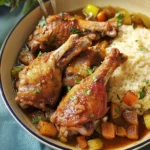
Braised Turkey Wings recipe
Ingredients
- Turkey Wings: 4-6 large turkey wings (about 3-4 pounds). Turkey wings are the star of the show, providing a generous amount of flavorful dark meat and collagen-rich skin that becomes incredibly tender and succulent during braising. Look for plump, meaty wings that are relatively uniform in size for even cooking. You can find turkey wings in most well-stocked grocery stores, often in the poultry or frozen meat section. If possible, opt for fresh turkey wings, but frozen wings, thawed completely, will also work well. The size of the wings can vary, so adjust the quantity based on your needs and the size of your Dutch oven or braising pot.
- Vegetable Oil or Olive Oil: 2 tablespoons. Oil is essential for browning the turkey wings and vegetables at the beginning of the braising process. Browning creates a flavorful crust and adds depth to the overall dish through the Maillard reaction. You can use vegetable oil, canola oil, or olive oil for this purpose. Olive oil will impart a slightly richer flavor, while vegetable oil is a neutral option. Choose an oil with a high smoke point suitable for searing.
- Yellow Onion: 1 large, chopped. Onions form the aromatic base of the braise, contributing sweetness, depth, and savory notes as they caramelize during cooking. Yellow onions are a versatile choice, offering a balanced flavor that complements the turkey wings and other vegetables. Dice the onion into roughly equal-sized pieces to ensure even cooking.
- Carrots: 2 large, chopped. Carrots add sweetness, color, and subtle earthy notes to the braise. They also soften beautifully during slow cooking, becoming tender and flavorful. Peel and chop the carrots into similar-sized pieces as the onions for even cooking. You can use regular carrots or baby carrots (halved or quartered if large).
- Celery: 2 stalks, chopped. Celery provides another layer of aromatic complexity, contributing a slightly peppery and fresh note to the braise. It adds a subtle herbaceousness that balances the richness of the turkey wings. Chop the celery stalks into pieces similar in size to the onions and carrots.
- Garlic: 4-6 cloves, minced. Garlic is a flavor powerhouse, adding pungent, savory, and slightly sweet notes to the braise. Freshly minced garlic is highly recommended for the best flavor. You can adjust the amount of garlic to your preference, adding more for a bolder garlic flavor.
- Dry Red Wine: 1 cup (such as Merlot, Cabernet Sauvignon, or Pinot Noir). Red wine adds depth, richness, and acidity to the braising liquid, enhancing the savory flavors of the turkey wings and vegetables. Choose a dry red wine that you would enjoy drinking. Merlot, Cabernet Sauvignon, or Pinot Noir are all excellent choices that complement poultry well. If you prefer not to use wine, you can substitute with an equal amount of chicken broth or beef broth.
- Chicken Broth or Turkey Broth: 4 cups. Broth forms the base of the braising liquid, providing moisture and adding savory depth to the dish. Chicken broth or turkey broth are ideal choices, enhancing the poultry flavor of the turkey wings. Low-sodium broth is recommended to control the salt level. You can also use homemade broth for an even richer flavor.
- Tomato Paste: 2 tablespoons. Tomato paste adds concentrated tomato flavor, richness, and a touch of acidity to the braising liquid. It deepens the color and adds a subtle umami note to the sauce. A little tomato paste goes a long way in enhancing the overall flavor profile.
- Fresh Thyme Sprigs: 3-4 sprigs. Fresh thyme is a classic herb that pairs beautifully with poultry, adding earthy, slightly lemony, and aromatic notes to the braise. The thyme sprigs infuse their flavor into the braising liquid as the dish cooks. If fresh thyme is not available, you can substitute with 1 teaspoon of dried thyme, but fresh thyme is preferred for its brighter flavor.
- Bay Leaf: 1-2 bay leaves. Bay leaves contribute a subtle, slightly floral, and tea-like aroma to the braise. They add depth and complexity to the overall flavor profile. Bay leaves are typically removed before serving.
- All-Purpose Flour: 1-2 tablespoons (optional, for thickening sauce). Flour is used as a thickening agent to create a richer, more velvety sauce at the end of braising. It is optional but recommended if you prefer a thicker sauce. You can use all-purpose flour or cornstarch as a thickening agent.
- Salt and Freshly Ground Black Pepper: To taste. Salt and freshly ground black pepper are essential for seasoning and enhancing the flavors of all the ingredients. Season generously throughout the cooking process, starting with the turkey wings and vegetables, and adjust to taste at the end. Freshly ground black pepper provides a more pungent and aromatic flavor than pre-ground pepper.
- Optional: Fresh Parsley, chopped: For garnish. Fresh parsley adds a pop of color and a fresh, herbaceous note to the finished dish. Chopped parsley is a classic garnish that brightens up the presentation and adds a touch of freshness.
Instructions
Step 1: Seasoning the Turkey Wings (Active Time: 5 minutes)
- Pat Dry: Pat the turkey wings dry with paper towels. Removing excess moisture helps the wings brown better during searing.
- Season Generously: Season the turkey wings generously on all sides with salt and freshly ground black pepper. Don’t be shy with the seasoning, as this is the foundation of the flavor.
Step 2: Searing the Turkey Wings (Active Time: 15-20 minutes)
- Heat Oil: In a large Dutch oven or heavy-bottomed pot, heat the vegetable oil or olive oil over medium-high heat until shimmering. The oil should be hot enough to sear the wings quickly and create a flavorful crust.
- Sear in Batches: Working in batches to avoid overcrowding the pot, sear the turkey wings on all sides until deeply browned. This step is crucial for developing rich, complex flavors. Don’t rush this step; allow each side to brown properly before moving on to the next. Overcrowding the pot will steam the wings instead of searing them. Remove the browned wings from the pot and set aside.
Step 3: Sautéing the Vegetables (Active Time: 10-15 minutes)
- Sauté Onions, Carrots, and Celery: Add the chopped onion, carrots, and celery to the pot. Sauté over medium heat, stirring occasionally, until softened and lightly caramelized, about 8-10 minutes. Scrape up any browned bits from the bottom of the pot as you sauté; these flavorful bits will add depth to the sauce.
- Add Garlic and Tomato Paste: Add the minced garlic and tomato paste to the pot. Cook for 1-2 minutes more, stirring constantly, until fragrant and the tomato paste has deepened in color. Cooking the tomato paste briefly enhances its flavor and removes any raw taste.
Step 4: Deglazing the Pot (Active Time: 5 minutes)
- Pour in Red Wine: Pour the dry red wine into the pot, scraping up any browned bits from the bottom of the pot with a wooden spoon or spatula. These browned bits, called fond, are packed with flavor and will enrich the braising liquid.
- Simmer and Reduce: Bring the wine to a simmer and cook for 2-3 minutes, allowing it to reduce slightly and the alcohol to evaporate. Reducing the wine concentrates its flavors and creates a more balanced braising liquid.
Step 5: Braising the Turkey Wings (Active Time: 5 minutes, Passive Time: 2-3 hours)
- Add Broth, Thyme, and Bay Leaf: Pour in the chicken broth or turkey broth, add the fresh thyme sprigs and bay leaf to the pot.
- Return Turkey Wings: Return the seared turkey wings to the pot, nestling them among the vegetables and ensuring they are mostly submerged in the braising liquid. The liquid should come about halfway up the wings; you may need to add a little more broth if necessary.
- Bring to Simmer, Then Braise: Bring the braising liquid to a simmer, then cover the Dutch oven or pot tightly with a lid.
- Braise in Oven or on Stovetop:
- Oven Braising (Recommended): Transfer the covered pot to a preheated oven at 325°F (160°C). Braise for 2-3 hours, or until the turkey wings are incredibly tender and the meat is falling off the bone.
- Stovetop Braising: Alternatively, you can braise on the stovetop over very low heat. Keep the pot covered and simmer gently for 2-3 hours, or until the wings are tender. Check occasionally to ensure the liquid is simmering gently and not boiling rapidly.
- Check for Tenderness: After 2 hours, check the turkey wings for tenderness. The meat should be easily pierced with a fork and falling off the bone. If not, continue braising for another 30-60 minutes, or until tender.
Step 6: Thickening the Sauce (Optional, Active Time: 5-10 minutes)
- Remove Turkey Wings: Once the turkey wings are tender, carefully remove them from the pot and set aside.
- Skim Fat (Optional): If desired, skim off any excess fat from the surface of the braising liquid using a ladle or spoon. This step is optional but can result in a slightly lighter sauce.
- Thicken Sauce (Optional): If you prefer a thicker sauce, you can thicken it using one of the following methods:
- Flour Slurry: In a small bowl, whisk together 1-2 tablespoons of all-purpose flour with a few tablespoons of the hot braising liquid to create a smooth slurry. Whisk the slurry back into the pot and simmer, stirring constantly, until the sauce thickens slightly, about 2-3 minutes.
- Reduce Sauce: Alternatively, you can simply simmer the braising liquid uncovered over medium heat, allowing it to reduce and thicken naturally. This will take longer, about 10-15 minutes, but will intensify the flavors of the sauce.
- Strain Sauce (Optional): For a smoother sauce, you can strain it through a fine-mesh sieve, pressing on the solids to extract as much liquid as possible. Discard the solids.
Step 7: Serving (Active Time: 5 minutes)
- Return Turkey Wings to Sauce: Return the braised turkey wings to the pot with the sauce. Gently reheat them in the sauce if necessary.
- Adjust Seasoning: Taste the sauce and adjust seasoning with salt and freshly ground black pepper as needed.
- Garnish and Serve: Garnish with chopped fresh parsley, if desired. Serve the braised turkey wings hot, spooning the flavorful sauce over them. Serve with your choice of sides (see serving suggestions below).
Nutrition
- Serving Size: one normal portion
- Calories: 450-600
- Protein: 30-40 grams