

I have always been fascinated by the depth of flavors hidden in simple ingredients. Growing up, I remember my grandmother making a mysterious dark paste that smelled wonderfully nutty and slightly sweet. It was unlike anything I had ever tasted before. Little did I know then that this enigmatic ingredient was black sesame paste, a staple in many East Asian cuisines, and a powerhouse of flavor and nutrition. Years later, rediscovering black sesame paste has been like reconnecting with a cherished childhood memory, but with a newfound appreciation for its complexity and versatility. From swirling it into my morning yogurt to using it as a decadent filling in homemade mochi, black sesame paste has become a pantry essential in my kitchen. It’s not just the unique, roasted nutty flavor that captivates me; it’s also the incredibly smooth, almost velvety texture and the subtle sweetness that makes it so incredibly satisfying. And let’s not forget the health benefits – packed with antioxidants and essential minerals, it feels like a treat that’s actually good for you. If you’re looking to explore a flavor that’s both comforting and intriguing, and an ingredient that can elevate both sweet and savory dishes, then you absolutely must discover the magic of homemade black sesame paste. Trust me, once you taste it, you’ll be hooked!
What is Black Sesame Paste? Unveiling the Richness of Black Gold
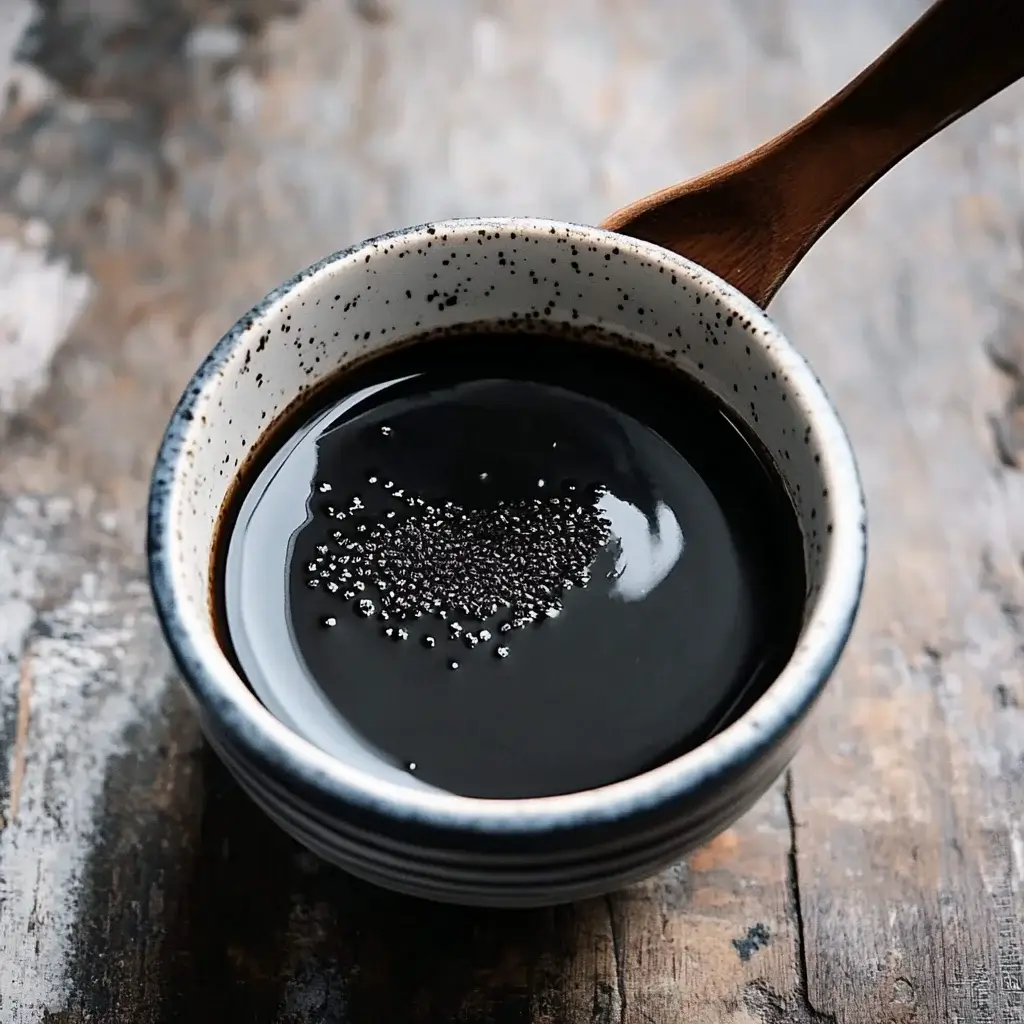
Black sesame paste, often referred to as black sesame butter or black sesame tahini, is a luscious, intensely flavored paste made primarily from roasted black sesame seeds. Originating from East Asian cuisines, particularly Chinese, Japanese, and Korean, it has been a treasured ingredient for centuries, valued for both its culinary versatility and its purported health benefits. This dark, almost ebony-colored paste is characterized by its deeply nutty, slightly sweet, and roasted flavor profile that is both comforting and sophisticated.
Traditionally, black sesame paste is made by simply grinding roasted black sesame seeds until they release their natural oils and transform into a smooth, creamy paste. The process is remarkably simple, highlighting the purity and natural goodness of the ingredient itself. Unlike tahini, which is made from white sesame seeds, black sesame paste boasts a more intense and complex flavor, attributed to the unique properties of black sesame seeds and the roasting process that further enhances their inherent nuttiness.
In East Asian cultures, black sesame paste is not merely a flavoring agent; it’s an ingredient steeped in tradition and often associated with wellness. It’s a common component in a wide array of dishes, from sweet desserts like tangyuan (sweet rice balls), mochi, and black sesame ice cream, to savory applications in noodles, dumplings, and sauces. Its rich color and distinctive flavor also make it a visually appealing and gastronomically exciting addition to modern culinary creations.
Beyond its delicious taste and culinary applications, black sesame paste is also gaining recognition in the Western world for its nutritional profile. Black sesame seeds are naturally rich in antioxidants, vitamins, minerals, and healthy fats, making black sesame paste a wholesome and flavorful addition to a balanced diet. As more people seek out natural, minimally processed, and nutrient-dense foods, black sesame paste is stepping into the spotlight as a true gem in the world of natural food ingredients.
Ingredients for Homemade Black Sesame Paste: Simplicity at its Best
Creating your own black sesame paste at home is surprisingly straightforward and requires only a handful of ingredients. The beauty of this recipe lies in its minimalist approach, allowing the pure, roasted flavor of black sesame seeds to shine through. Here’s what you’ll need to gather to make a batch of delicious homemade black sesame paste:
- Black Sesame Seeds: 2 cups of black sesame seeds, unhulled. Unhulled black sesame seeds are crucial for achieving the authentic, robust flavor and characteristic dark color of black sesame paste. While hulled black sesame seeds are sometimes available, they lack the same depth of flavor and nutritional richness found in unhulled seeds. It’s essential to use raw black sesame seeds as you will be roasting them yourself to unlock their full flavor potential.
- Neutral Oil: 1-3 tablespoons of neutral-flavored oil. The purpose of oil in this recipe is to help achieve a smoother, creamier consistency in the paste. Neutral oils like grapeseed oil, avocado oil, or light olive oil are ideal as they won’t compete with the flavor of the sesame seeds. You can adjust the amount of oil depending on your desired consistency – less oil for a thicker paste, more for a thinner, more spreadable consistency. Some recipes even omit oil entirely, relying solely on the natural oils released from the sesame seeds during grinding, resulting in a slightly drier, but still flavorful paste.
- Sweetener (Optional): 1-3 tablespoons of sweetener (granulated sugar, powdered sugar, honey, maple syrup, or agave). While black sesame paste is often enjoyed with a touch of sweetness, it’s entirely optional. Traditional recipes often include a small amount of sweetener to balance the slight bitterness of black sesame seeds and enhance the overall flavor profile. Granulated sugar or powdered sugar will dissolve smoothly into the paste. Liquid sweeteners like honey, maple syrup, or agave will add a subtle flavor nuance in addition to sweetness. You can start with a smaller amount and add more to taste, or omit sweetener altogether if you prefer a less sweet or sugar-free paste.
- Pinch of Salt (Optional): A tiny pinch of fine sea salt. Just like in many sweet recipes, a pinch of salt can actually enhance the sweetness and balance the overall flavors. In black sesame paste, a pinch of salt can help to round out the nutty and slightly bitter notes, bringing all the flavors into harmony. Use a fine sea salt and add just a very small pinch – you don’t want the paste to taste salty, but rather have the salt subtly elevate the other flavors.
- Water (Optional, for thinning): 1-2 tablespoons of warm water (if needed). If you find your black sesame paste is too thick after grinding, or if you prefer a thinner, more pourable consistency, you can add a tablespoon or two of warm water to thin it out. Add water gradually, one tablespoon at a time, and blend until you reach your desired consistency. Warm water helps to incorporate more smoothly into the paste.
Step-by-Step Instructions: Mastering Homemade Black Sesame Paste
Making black sesame paste at home is a rewarding culinary endeavor. Follow these step-by-step instructions to create your own batch of rich, flavorful paste:
- Roast the Black Sesame Seeds: Preheat your oven to 350°F (175°C). Spread the black sesame seeds in a single layer on a baking sheet. Roast for 8-12 minutes, or until the seeds become fragrant and slightly more vibrant in color. Keep a close eye on them as they can burn easily. Alternatively, you can toast the sesame seeds in a dry skillet over medium heat, stirring constantly, for about 5-7 minutes, until fragrant. Roasting is a crucial step as it intensifies the nutty flavor of the sesame seeds and makes them easier to grind into a smooth paste. The aroma will be your best indicator – they should smell intensely nutty and toasted, but not burnt.
- Cool the Roasted Sesame Seeds: Once roasted, immediately transfer the sesame seeds to a cool plate or bowl to stop the cooking process. Allow them to cool completely before proceeding to the grinding stage. Cooling the seeds prevents them from clumping together during grinding and ensures a smoother paste.
- Grind the Sesame Seeds (First Stage): Transfer the cooled roasted sesame seeds to a high-powered food processor or a high-speed blender. Process the seeds in short bursts, pausing to scrape down the sides of the bowl as needed. Initially, the sesame seeds will turn into a coarse powder. Continue processing, and they will gradually start to release their natural oils and clump together. This stage might take a few minutes, depending on the power of your food processor or blender. Patience is key at this stage. Don’t expect a smooth paste immediately. The initial stage will be crumbly, then it will start to clump as the oils are released.
- Add Oil and Sweetener (Optional): Once the sesame seeds have formed a thick, clumpy mixture, add 1 tablespoon of neutral oil and your desired amount of sweetener (if using). Process again, scraping down the sides as needed. Continue to process until the mixture starts to transform into a smoother paste. Adding oil at this stage helps to emulsify the mixture and achieve a creamier consistency. Sweetener is added now to ensure it is evenly incorporated into the paste.
- Grind to Desired Consistency: Continue to process the mixture, adding more oil, one tablespoon at a time, if needed, to reach your desired consistency. For a very smooth, almost liquid paste, you may need to process for several minutes, pausing occasionally to prevent overheating your food processor or blender. For a thicker, chunkier paste, process for a shorter time. If you find the paste is too thick, you can add a tablespoon of warm water to thin it out. The longer you grind, the smoother the paste will become. You can control the final consistency by adjusting the amount of oil and grinding time.
- Taste and Adjust: Once you’ve reached your desired consistency, taste the black sesame paste and adjust seasoning if needed. You might want to add a pinch of salt, more sweetener, or even a touch more oil for smoothness. Process briefly to incorporate any additions. Tasting and adjusting is crucial to personalize the paste to your preference. You might prefer it sweeter, saltier, or with a thinner or thicker texture.
- Store Properly: Transfer the homemade black sesame paste to an airtight container. Store in the refrigerator for up to 2-3 weeks. The paste may thicken slightly in the refrigerator, but it will soften up again at room temperature or with a brief stir. Proper storage in the refrigerator ensures the paste stays fresh and flavorful for a longer period.
Nutrition Facts of Black Sesame Paste: A Powerhouse of Goodness
Black sesame paste is not only delicious but also packed with an impressive array of nutrients, making it a healthy addition to your diet. Here’s a look at the nutritional profile of black sesame paste, based on a typical serving size of approximately 1 tablespoon (about 15 grams):
- Serving Size: 1 tablespoon (15 grams)
- Calories per Serving: Approximately 90-100 calories
Approximate Nutritional Information per Serving (1 tablespoon):
- Fat: 8-9 grams
- Monounsaturated Fat: ~3 grams
- Polyunsaturated Fat: ~4 grams (including Omega-6 fatty acids)
- Saturated Fat: ~1 gram
- Protein: 3-4 grams
- Carbohydrates: 3-4 grams
- Fiber: ~1-2 grams
- Sugar: ~1 gram (naturally occurring, may be higher if sweetener is added)
- Calcium: ~88 mg (approximately 9% of the Daily Value – DV)
- Iron: ~1.5 mg (approximately 8% of the DV)
- Magnesium: ~45 mg (approximately 11% of the DV)
- Phosphorus: ~100 mg (approximately 8% of the DV)
- Potassium: ~60 mg (approximately 1% of the DV)
- Zinc: ~0.7 mg (approximately 6% of the DV)
- Copper: ~0.2 mg (approximately 22% of the DV)
- Manganese: ~0.3 mg (approximately 13% of the DV)
- Antioxidants: Rich in sesamin, sesamolin, and other lignans, which are potent antioxidants.
Key Nutritional Benefits:
- Rich in Healthy Fats: Black sesame paste is a good source of healthy fats, particularly polyunsaturated and monounsaturated fats, which are beneficial for heart health and overall well-being.
- Excellent Source of Minerals: It’s packed with essential minerals like calcium, iron, magnesium, phosphorus, zinc, copper, and manganese, all crucial for various bodily functions, including bone health, energy production, and immune function.
- High in Protein and Fiber: Provides a decent amount of protein and fiber, contributing to satiety and digestive health.
- Potent Antioxidant Properties: Black sesame seeds are rich in unique antioxidants called lignans, such as sesamin and sesamolin, which have been linked to various health benefits, including reducing oxidative stress and inflammation.
- May Support Bone Health: The high calcium and zinc content may contribute to maintaining strong and healthy bones.
- May Promote Healthy Hair and Skin: Traditional medicine often attributes black sesame seeds to promoting hair growth and improving skin health, possibly due to their nutrient-rich profile and antioxidant content.
It’s important to note that while black sesame paste is nutritious, it is also calorie-dense due to its fat content. Enjoy it in moderation as part of a balanced diet.
Preparation Time for Homemade Black Sesame Paste: Quick and Easy
Making black sesame paste is a relatively quick and easy process, especially considering the flavorful and nutritious result. Here’s a breakdown of the preparation time:
- Prep Time: 5 minutes (measuring ingredients, preheating oven/pan)
- Roasting Time: 8-12 minutes (oven) or 5-7 minutes (skillet)
- Cooling Time: 5-10 minutes (allowing roasted seeds to cool)
- Grinding/Processing Time: 5-15 minutes (depending on desired smoothness and equipment power)
Total Time: Approximately 25-45 minutes
Tips for Speeding Up Preparation:
- Skillet Roasting: Toasting sesame seeds in a skillet is generally faster than oven roasting.
- High-Power Equipment: Using a high-powered food processor or blender will significantly reduce the grinding time and help achieve a smoother paste more quickly.
- Minimalist Recipe: If you opt for a paste without added sweetener or oil (relying solely on sesame seed oils), the grinding process might be slightly faster as you are only processing one ingredient.
Overall, making black sesame paste is a straightforward process that can be completed in under an hour, making it a feasible homemade project even on busy days.
Creative Ways to Serve and Use Black Sesame Paste: Beyond the Ordinary
Black sesame paste is incredibly versatile and can be incorporated into a wide range of dishes, both sweet and savory. Here are some creative and delicious ways to serve and use your homemade black sesame paste:
Sweet Delights:
- Dessert Fillings:
- Mochi Filling: A classic and popular use. Black sesame paste is the quintessential filling for mochi, providing a rich, nutty center to the soft, chewy rice cake.
- Tangyuan Filling: Similar to mochi, black sesame paste is a traditional filling for tangyuan, sweet glutinous rice balls served in sweet broth.
- Pastry and Bun Filling: Use it as a filling for pastries, buns, and bread, adding a unique flavor and moisture.
- Cake and Cookie Ingredient: Incorporate it into cake batters or cookie doughs for a nutty flavor and beautiful color.
- Frozen Treats:
- Black Sesame Ice Cream: A must-try! Black sesame paste creates incredibly flavorful and visually striking ice cream.
- Smoothies and Milkshakes: Blend it into smoothies and milkshakes for added flavor, nutrition, and a creamy texture.
- Breakfast and Snacks:
- Toast Topping: Spread it on toast, crackers, or rice cakes for a delicious and nutritious snack or breakfast.
- Yogurt and Oatmeal Swirl: Swirl it into yogurt or oatmeal for added flavor and creaminess.
- Pancake and Waffle Topping: Drizzle it over pancakes or waffles as a unique and flavorful syrup alternative.
- Sauces and Glazes:
- Dessert Sauces: Create decadent dessert sauces by thinning it with milk or cream and a touch of sweetener.
- Glazes for Baked Goods: Use it as a glaze for cakes, donuts, or other baked goods.
Savory Sensations:
- Noodle Dishes:
- Sesame Noodles: Incorporate it into sesame noodle sauces for a richer, more complex flavor than tahini-based sauces.
- Dipping Sauce for Dumplings: Mix it with soy sauce, vinegar, garlic, and chili oil for a flavorful dipping sauce for dumplings or potstickers.
- Savory Sauces and Dressings:
- Salad Dressings: Whisk it into salad dressings for a nutty and umami depth.
- Marinades for Meat and Tofu: Use it as a base for marinades for chicken, pork, beef, or tofu, adding a unique flavor profile.
- Stir-Fry Sauces: Incorporate it into stir-fry sauces to add richness and nuttiness.
- Spreads and Dips:
- Savory Spreads: Mix it with herbs, spices, and a touch of soy sauce for a savory spread for sandwiches or wraps.
- Vegetable Dips: Use it as a base for creamy vegetable dips, blending with yogurt, garlic, and herbs.
The possibilities are truly endless! Experiment and discover your own favorite ways to enjoy the unique flavor of black sesame paste.
Expert Tips for Perfect Black Sesame Paste Every Time: Secrets to Success
To ensure your homemade black sesame paste is consistently delicious and perfectly textured, keep these expert tips in mind:
- Roast Sesame Seeds Evenly and Carefully: Even roasting is crucial for consistent flavor. Spread the seeds in a single layer and stir or shake the baking sheet/skillet periodically to prevent burning. Roast until fragrant and slightly darker, but not burnt. Burnt sesame seeds will result in a bitter paste. Proper roasting is the foundation of great black sesame paste.
- Grind in Stages and Be Patient: Achieving a smooth paste takes time and patience. Grind in short bursts, allowing your food processor or blender to rest periodically to prevent overheating, especially if it’s not a high-powered model. Scrape down the sides frequently to ensure all seeds are being processed evenly. Don’t rush the grinding process; patience yields the smoothest results.
- Use Neutral Oil and Control the Amount: Opt for a neutral-flavored oil like grapeseed, avocado, or light olive oil so it doesn’t overpower the sesame flavor. Start with a smaller amount of oil and add more gradually, only if needed, to reach your desired consistency. Too much oil can make the paste too runny. Oil is for texture, not flavor, so use it judiciously.
- Adjust Sweetness and Salt to Taste: Start with a small amount of sweetener and salt, and taste as you go. You can always add more, but you can’t take it away. Consider the intended use of the paste when adjusting sweetness – for desserts, you might want it sweeter; for savory applications, less sweet or even unsweetened might be preferable. Personalize the flavor profile by tasting and adjusting seasoning.
- Store Properly for Freshness: Store your homemade black sesame paste in an airtight container in the refrigerator. This will help maintain its freshness and prevent it from going rancid. Use clean utensils when scooping from the jar to prevent contamination. Properly stored, it should last for 2-3 weeks in the refrigerator. Correct storage is key to prolonging shelf life and preserving flavor.
Frequently Asked Questions (FAQ) about Black Sesame Paste: Your Burning Questions Answered
Here are answers to some frequently asked questions about black sesame paste, to help you confidently make and enjoy this delicious ingredient:
Q1: Hulled vs. Unhulled Black Sesame Seeds – Does it matter?
A: Yes, it definitely matters! For authentic black sesame paste, unhulled black sesame seeds are highly recommended. Unhulled seeds retain their outer layer (bran), which is where much of the flavor, color, and nutritional value reside. Hulled black sesame seeds will produce a paste that is lighter in color and flavor, and less nutritionally dense. Always opt for unhulled black sesame seeds for the best result.
Q2: My Black Sesame Paste Tastes Bitter – What did I do wrong?
A: Bitterness in black sesame paste is usually caused by over-roasting the sesame seeds. If the seeds are roasted for too long or at too high a temperature, they can burn, resulting in a bitter taste. Ensure you roast the seeds gently until they are fragrant and slightly darker, but not burnt. If your paste is already bitter, you can try adding a touch more sweetener to balance the bitterness, but prevention through careful roasting is key.
Q3: Can I use a Blender instead of a Food Processor to make Black Sesame Paste?
A: Yes, you can use a high-speed blender to make black sesame paste, especially if you are aiming for a very smooth, almost liquid consistency. However, a food processor is generally more efficient for making a thicker, paste-like consistency. If using a blender, you might need to add slightly more oil or liquid to get the blades moving initially, and you may need to stop and stir more frequently to ensure even processing.
Q4: How Long Does Homemade Black Sesame Paste Last?
A: Homemade black sesame paste, when stored properly in an airtight container in the refrigerator, will typically last for 2-3 weeks. The high oil content helps to preserve it naturally. Always check for any signs of spoilage, such as off-odors or mold, before consuming.
Q5: What are the Specific Health Benefits of Black Sesame Paste? Is it really that good for you?
A: Yes, black sesame paste is indeed very good for you! It is rich in antioxidants, vitamins, and minerals. Specific health benefits often associated with black sesame paste include:
- Antioxidant Power: Lignans like sesamin and sesamolin fight oxidative stress and inflammation.
- Bone Health: High calcium, zinc, and magnesium content contribute to bone density.
- Heart Health: Healthy fats may improve cholesterol levels.
- Hair and Skin: Nutrients and antioxidants are traditionally believed to promote hair growth and skin health.
- Digestive Health: Fiber content supports healthy digestion.
While black sesame paste offers these potential benefits, it’s important to consume it as part of a balanced diet and not as a sole source of nutrition or a cure for any health condition.
Enjoy experimenting with this incredible ingredient and discover the delightful world of homemade black sesame paste!
Print
Black Sesame Paste recipe
Ingredients
-
- Black Sesame Seeds: 2 cups of black sesame seeds, unhulled. Unhulled black sesame seeds are crucial for achieving the authentic, robust flavor and characteristic dark color of black sesame paste. While hulled black sesame seeds are sometimes available, they lack the same depth of flavor and nutritional richness found in unhulled seeds. It’s essential to use raw black sesame seeds as you will be roasting them yourself to unlock their full flavor potential.
-
- Neutral Oil: 1-3 tablespoons of neutral-flavored oil. The purpose of oil in this recipe is to help achieve a smoother, creamier consistency in the paste. Neutral oils like grapeseed oil, avocado oil, or light olive oil are ideal as they won’t compete with the flavor of the sesame seeds. You can adjust the amount of oil depending on your desired consistency – less oil for a thicker paste, more for a thinner, more spreadable consistency. Some recipes even omit oil entirely, relying solely on the natural oils released from the sesame seeds during grinding, resulting in a slightly drier, but still flavorful paste.
-
- Sweetener (Optional): 1-3 tablespoons of sweetener (granulated sugar, powdered sugar, honey, maple syrup, or agave). While black sesame paste is often enjoyed with a touch of sweetness, it’s entirely optional. Traditional recipes often include a small amount of sweetener to balance the slight bitterness of black sesame seeds and enhance the overall flavor profile. Granulated sugar or powdered sugar will dissolve smoothly into the paste. Liquid sweeteners like honey, maple syrup, or agave will add a subtle flavor nuance in addition to sweetness. You can start with a smaller amount and add more to taste, or omit sweetener altogether if you prefer a less sweet or sugar-free paste.
-
- Pinch of Salt (Optional): A tiny pinch of fine sea salt. Just like in many sweet recipes, a pinch of salt can actually enhance the sweetness and balance the overall flavors. In black sesame paste, a pinch of salt can help to round out the nutty and slightly bitter notes, bringing all the flavors into harmony. Use a fine sea salt and add just a very small pinch – you don’t want the paste to taste salty, but rather have the salt subtly elevate the other flavors.
-
- Water (Optional, for thinning): 1-2 tablespoons of warm water (if needed). If you find your black sesame paste is too thick after grinding, or if you prefer a thinner, more pourable consistency, you can add a tablespoon or two of warm water to thin it out. Add water gradually, one tablespoon at a time, and blend until you reach your desired consistency. Warm water helps to incorporate more smoothly into the paste.
Instructions
-
- Roast the Black Sesame Seeds: Preheat your oven to 350°F (175°C). Spread the black sesame seeds in a single layer on a baking sheet. Roast for 8-12 minutes, or until the seeds become fragrant and slightly more vibrant in color. Keep a close eye on them as they can burn easily. Alternatively, you can toast the sesame seeds in a dry skillet over medium heat, stirring constantly, for about 5-7 minutes, until fragrant. Roasting is a crucial step as it intensifies the nutty flavor of the sesame seeds and makes them easier to grind into a smooth paste. The aroma will be your best indicator – they should smell intensely nutty and toasted, but not burnt.
-
- Cool the Roasted Sesame Seeds: Once roasted, immediately transfer the sesame seeds to a cool plate or bowl to stop the cooking process. Allow them to cool completely before proceeding to the grinding stage. Cooling the seeds prevents them from clumping together during grinding and ensures a smoother paste.
-
- Grind the Sesame Seeds (First Stage): Transfer the cooled roasted sesame seeds to a high-powered food processor or a high-speed blender. Process the seeds in short bursts, pausing to scrape down the sides of the bowl as needed. Initially, the sesame seeds will turn into a coarse powder. Continue processing, and they will gradually start to release their natural oils and clump together. This stage might take a few minutes, depending on the power of your food processor or blender. Patience is key at this stage. Don’t expect a smooth paste immediately. The initial stage will be crumbly, then it will start to clump as the oils are released.
-
- Add Oil and Sweetener (Optional): Once the sesame seeds have formed a thick, clumpy mixture, add 1 tablespoon of neutral oil and your desired amount of sweetener (if using). Process again, scraping down the sides as needed. Continue to process until the mixture starts to transform into a smoother paste. Adding oil at this stage helps to emulsify the mixture and achieve a creamier consistency. Sweetener is added now to ensure it is evenly incorporated into the paste.
-
- Grind to Desired Consistency: Continue to process the mixture, adding more oil, one tablespoon at a time, if needed, to reach your desired consistency. For a very smooth, almost liquid paste, you may need to process for several minutes, pausing occasionally to prevent overheating your food processor or blender. For a thicker, chunkier paste, process for a shorter time. If you find the paste is too thick, you can add a tablespoon of warm water to thin it out. The longer you grind, the smoother the paste will become. You can control the final consistency by adjusting the amount of oil and grinding time.
-
- Taste and Adjust: Once you’ve reached your desired consistency, taste the black sesame paste and adjust seasoning if needed. You might want to add a pinch of salt, more sweetener, or even a touch more oil for smoothness. Process briefly to incorporate any additions. Tasting and adjusting is crucial to personalize the paste to your preference. You might prefer it sweeter, saltier, or with a thinner or thicker texture.
- Store Properly: Transfer the homemade black sesame paste to an airtight container. Store in the refrigerator for up to 2-3 weeks. The paste may thicken slightly in the refrigerator, but it will soften up again at room temperature or with a brief stir. Proper storage in the refrigerator ensures the paste stays fresh and flavorful for a longer period.
Nutrition
- Serving Size: one normal portion
- Calories: 90-100
- Sugar: 1 gram
- Fat: 8-9 grams
- Saturated Fat: 1 gram
- Carbohydrates: 3-4 grams
- Fiber: 1-2 grams
- Protein: 3-4 grams