
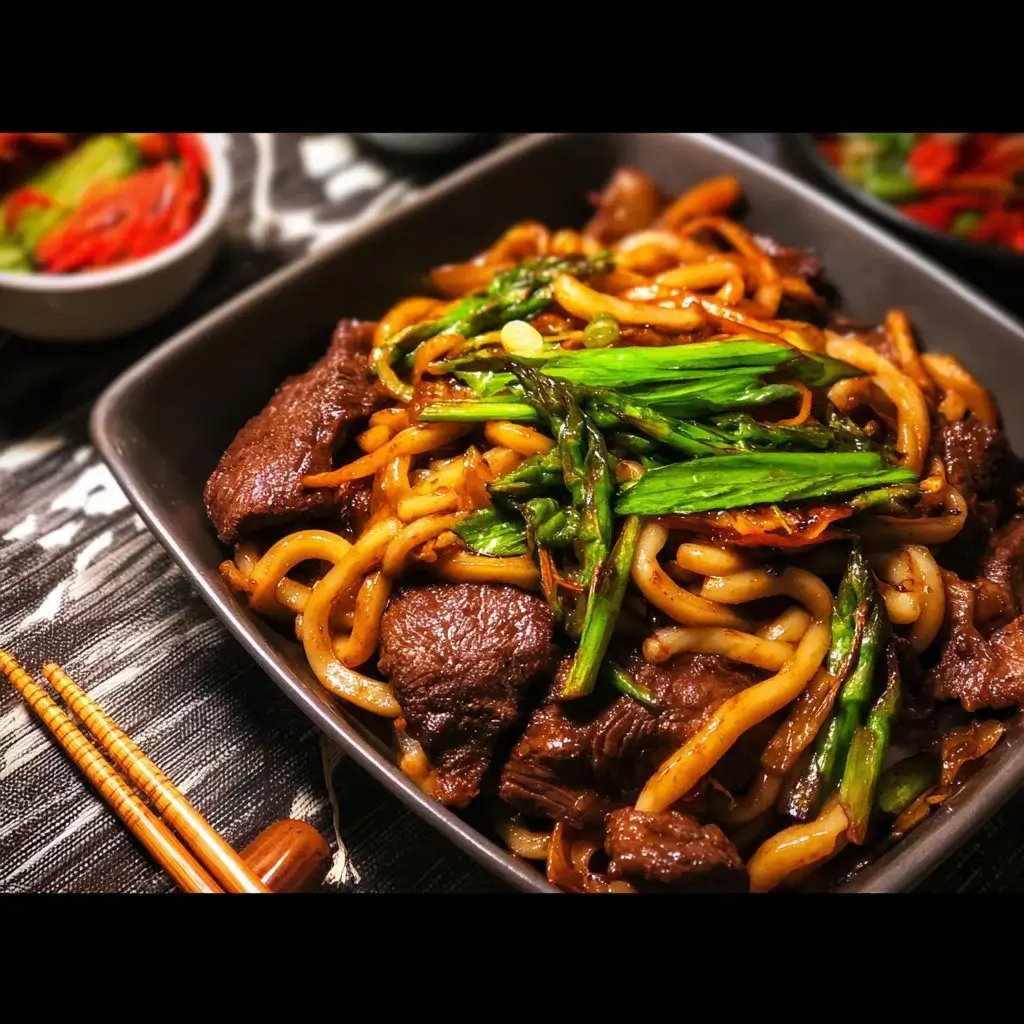

There are certain dishes that instantly transport you, and for me, Beef Yaki Udon is a one-way ticket to a bustling street market in Japan. I can almost hear the sizzle of the teppanyaki grill and smell the incredible aroma of soy, beef, and searing vegetables. For years, I only enjoyed this dish at our favorite Japanese restaurant, marveling at the ridiculously satisfying chew of the thick udon noodles and the perfectly balanced sweet and savory sauce. I assumed it was complex, a dish best left to the professionals. Then, on a particularly busy weeknight, craving comfort food but short on time, I decided to tackle it myself. The result was nothing short of a revelation. In less than 30 minutes, I had a steaming, vibrant bowl of Yaki Udon that rivaled, and I dare say surpassed, my restaurant favorite. The beef was tender, the vegetables were crisp-tender, and the noodles were slick with a glossy sauce that hit every single note of salty, sweet, and umami. My family devoured it, chopsticks clicking away, and it has since become our go-to “I need something amazing, right now” meal. It’s the proof that a show-stopping, deeply satisfying dish doesn’t require hours of work, just a hot pan and a handful of incredible ingredients.
Complete Recipe: Beef Yaki Udon Noodle Stir-Fry
This recipe guides you through creating an authentic-tasting Beef Yaki Udon at home. The key is in the preparation—having all your components ready to go before you turn on the heat makes for a seamless and quick cooking process.
Ingredients You’ll Need
To build the layers of flavor that make this dish so iconic, we’ll separate our ingredients into three main groups: the essential Yaki Udon sauce, the core components of beef and noodles, and the fresh, vibrant vegetables.
For the Savory Yaki Udon Sauce:
- 1/4 cup low-sodium soy sauce (or tamari for gluten-free): The foundational element, providing salty, umami depth. Low-sodium is crucial to control the final saltiness of the dish.
- 2 tablespoons mirin: A sweet Japanese rice wine that is essential for the sauce’s signature sweet-savory balance. It adds a beautiful gloss and authentic flavor.
- 2 tablespoons oyster sauce: This thick, rich sauce adds a complex, savory, and slightly sweet flavor with incredible depth. For a vegetarian version, you can find mushroom-based “oyster” sauce.
- 1 tablespoon brown sugar (packed): Complements the mirin and balances the saltiness of the soy sauce, adding a hint of molasses flavor that deepens the sauce.
- 1 teaspoon sesame oil: A finishing oil added for its rich, nutty aroma and flavor. A little goes a long way.
- 1 teaspoon cornstarch: A small amount whisked into the sauce helps it thicken slightly when heated, allowing it to cling perfectly to every noodle and piece of beef.
For the Beef and Noodles:
- 1 lb fresh or frozen udon noodles (two 8-ounce packages): The star of the show. Frozen sanuki-style udon noodles are highly recommended as they have a superior chewy and bouncy texture. Vacuum-sealed, pre-cooked udon noodles are also a great, convenient option.
- 12 oz beef sirloin, ribeye, or flank steak: Choose a tender cut of beef. Ribeye is fantastic due to its marbling, which keeps it juicy, but sirloin is a leaner, excellent choice. The key is to slice it very thinly against the grain.
- 1 tablespoon soy sauce: For marinating the beef.
- 1 teaspoon cornstarch: To coat the beef. This helps create a velvety texture and gives the beef a slight crust when seared.
- 1 tablespoon vegetable or canola oil: For searing the beef.
For the Vegetable Stir-Fry:
- 1 tablespoon vegetable or canola oil: A high-smoke-point oil for stir-frying.
- 1 medium yellow onion, thinly sliced: Forms the aromatic base of the stir-fry.
- 2 cloves garlic, minced: Adds essential pungent, aromatic flavor.
- 1 teaspoon fresh ginger, grated: Provides a warm, zesty spice that brightens the entire dish.
- 2 medium carrots, julienned or thinly sliced on a diagonal: Adds sweetness, color, and a nice crisp-tender texture.
- 4-5 shiitake mushrooms, stemmed and thinly sliced (optional but recommended): Shiitake mushrooms add a deep, earthy, umami flavor that beautifully complements the beef and sauce.
- 1/4 head of green cabbage, thinly shredded (about 3 cups): Cabbage adds bulk, a subtle sweetness, and a lovely texture that wilts down but retains a slight crunch.
- 2 green onions (scallions), sliced on a diagonal, green and white parts separated: The white parts are cooked with the other aromatics, while the green parts are used for a fresh garnish at the end.
- Katsuobushi (bonito flakes) and Beni Shoga (Japanese pickled red ginger), for garnish (optional): These are traditional garnishes that add a final layer of authentic flavor—smoky umami from the bonito flakes and a sharp, tangy bite from the pickled ginger.
Step-by-Step Instructions
Follow these steps closely for a perfect stir-fry. Yaki Udon comes together very quickly, so having everything prepared is non-negotiable.
Step 1: Prepare the Udon Noodles
Your first step is to get the udon noodles ready. This method will vary slightly depending on the type you are using:
- For Frozen Udon: Bring a pot of water to a boil. Add the frozen udon blocks and cook for just 1-2 minutes, or according to package directions. They are done as soon as they separate and are pliable. You are just loosening them, not cooking them through. Drain immediately and rinse briefly under cold water to stop the cooking process. Set aside.
- For Vacuum-Sealed (Pre-cooked) Udon: These noodles are already cooked. You can either place the package in a bowl of very hot water for a minute to help loosen them, or simply add them directly to the wok at the end of the cooking process, using your chopsticks or tongs to gently separate them in the pan.
Step 2: Prepare the Beef and Sauce
Place your thinly sliced beef in a medium bowl. Add 1 tablespoon of soy sauce and 1 teaspoon of cornstarch. Toss with your hands or tongs until the beef is evenly coated. Set aside to marinate while you prepare the other ingredients. In a separate small bowl or liquid measuring cup, whisk together all the sauce ingredients: 1/4 cup soy sauce, mirin, oyster sauce, brown sugar, sesame oil, and the remaining 1 teaspoon of cornstarch. Whisk until the sugar and cornstarch are fully dissolved. Set this sauce mixture near your stove.
Step 3: Sear the Beef
Place a large wok or a 12-inch skillet over high heat. Allow it to get very hot. Add 1 tablespoon of vegetable oil and swirl to coat. Carefully add the marinated beef to the pan in a single layer. Do not overcrowd the pan; cook in two batches if necessary to ensure a good sear rather than steaming the meat. Cook for 1-2 minutes per side, until browned and just cooked through. The high heat will cook it very quickly. Remove the seared beef from the wok and set it aside on a plate.
Step 4: Sauté the Aromatics and Vegetables
Reduce the heat to medium-high. Add the remaining 1 tablespoon of oil to the same wok. Add the sliced yellow onion, the white parts of the green onions, and the carrots. Stir-fry for 2-3 minutes until the onions begin to soften. Add the minced garlic and grated ginger and continue to stir-fry for another 30 seconds until fragrant.
Step 5: Cook the Remaining Vegetables
Add the sliced shiitake mushrooms (if using) and the shredded cabbage to the wok. Continue to stir-fry, tossing everything constantly, for another 3-4 minutes. The cabbage will wilt down significantly, and the mushrooms will become tender. You want the vegetables to be tender but still have a bit of a crisp bite.
Step 6: Combine, Sauce, and Serve
Pour the prepared Yaki Udon sauce over the vegetables in the wok. It will bubble and begin to thicken almost immediately. Add the prepared udon noodles and the cooked beef back into the wok. Use tongs or long chopsticks to gently toss everything together, ensuring the noodles, beef, and vegetables are all thoroughly coated in the savory sauce. Continue to toss for 1-2 minutes, until the noodles are heated through. Remove from the heat.
Step 7: Garnish and Serve
Divide the Beef Yaki Udon into serving bowls. Garnish generously with the sliced green parts of the green onions. For the most authentic experience, add a sprinkle of toasted sesame seeds, a pinch of Katsuobushi (bonito flakes)—which will “dance” from the heat of the noodles—and a small pile of Beni Shoga (pickled red ginger) on the side. Serve immediately while hot.
Nutrition Facts
- Servings: 4 large servings
- Calories per serving: Approximately 650-750 kcal
Disclaimer: The nutritional information is an estimate and will vary depending on the exact cut of beef, brands of sauces, and specific vegetables used. This is a hearty, well-balanced meal containing protein, carbohydrates, and vegetables.
Preparation Time
- Prep Time: 20 minutes (includes slicing beef and vegetables, and preparing noodles/sauce)
- Cook Time: 10-12 minutes
- Total Time: Approximately 30-32 minutes
This dish is a testament to how quickly you can create a deeply flavorful and satisfying meal, making it perfect for any night of the week.
How to Serve Your Beef Yaki Udon
While Beef Yaki Udon is a fantastic one-bowl meal, you can enhance the dining experience with classic garnishes and simple side dishes.
- Essential Garnishes (Don’t Skip These!):
- Katsuobushi (Bonito Flakes): These are dried, fermented, and smoked skipjack tuna shavings. Sprinkled over the hot noodles, they wriggle and “dance,” releasing a wonderfully smoky, savory, umami flavor that is quintessentially Japanese.
- Beni Shoga (Pickled Red Ginger): This is not the pale pink ginger served with sushi. Beni shoga is bright red, shredded, and pickled in a brine, offering a sharp, salty, and tangy crunch that cuts through the richness of the sauce and beef.
- Toasted Sesame Seeds: Adds a nutty flavor and a subtle crunch.
- Sliced Green Onions: Provides a fresh, sharp, oniony bite that brightens the entire dish.
- Make it a Teishoku (Set Meal):
- Serve the bowl of Yaki Udon alongside a small bowl of Miso Soup.
- Include a side of Sunomono (Japanese Cucumber Salad) for a refreshing, vinegary contrast.
- A small dish of steamed Edamame sprinkled with sea salt is always a welcome addition.
5 Additional Tips for Restaurant-Quality Results
- Freeze Your Beef for Easy Slicing: The key to tender beef in a stir-fry is slicing it incredibly thin against the grain. This can be tricky with a fresh cut of meat. The professional trick is to place your steak in the freezer for 20-30 minutes before slicing. This firms up the meat just enough to allow you to easily make paper-thin slices with a sharp knife.
- Don’t Overcook the Udon Noodles: This is the most common mistake. Whether you are using frozen or shelf-stable udon, remember they are already cooked. The goal is simply to heat them and loosen them. Over-boiling will turn their signature bouncy, chewy texture into a mushy disappointment. A quick dip in hot water is all they need.
- High Heat is Your Friend: A defining characteristic of a great stir-fry is “wok hei,” a complex, smoky flavor that can only be achieved with very high heat. Get your wok or skillet screaming hot before adding the oil and ingredients. This allows you to get a beautiful sear on the beef and cook the vegetables quickly so they stay crisp-tender.
- Embrace the Cabbage: While some recipes use other vegetables, the combination of onion and cabbage is classic for Yaki Udon. The cabbage wilts down and becomes infused with the sauce, adding a wonderful sweetness and texture that soaks up the flavor. Don’t be afraid of the large volume when you add it to the pan; it will cook down significantly.
- Master the Art of the Toss: When you combine everything in the final step, use long tongs or chopsticks. Work quickly, lifting the noodles from the bottom and folding them over the top to coat everything evenly without breaking the noodles or mashing the ingredients. This gentle but swift action keeps the integrity of each component intact.
Frequently Asked Questions (FAQ)
1. What is the best type of udon noodle for this recipe?
The gold standard for Yaki Udon is frozen sanuki-style udon. These noodles are flash-frozen at peak freshness and retain an unparalleled chewy, bouncy texture (“koshi” in Japanese) when cooked. You can find them in the freezer section of most Asian grocery stores. Vacuum-sealed, pre-cooked udon noodles are a very close second and are more widely available. Avoid dried udon noodles, as their texture is much softer and less suitable for a stir-fry.
2. Can I use a different protein, like chicken or shrimp?
Absolutely! This recipe is incredibly versatile.
- For Chicken: Use thinly sliced chicken thighs or breast. Marinate and cook just as you would the beef.
- For Pork: Thinly sliced pork loin or shoulder works beautifully.
- For Shrimp: Use large, peeled, and deveined shrimp. Skip the marinade and simply stir-fry them for 2-3 minutes until pink and cooked through. Remove them from the pan and add them back at the end.
- For a Vegetarian/Vegan Version: Use firm or extra-firm tofu (pressed and cubed) or a mix of mushrooms (shiitake, cremini, oyster). For the sauce, use a vegetarian “oyster” sauce, which is typically made from mushrooms.
3. What can I substitute for mirin or oyster sauce?
While these ingredients provide the most authentic flavor, you can make substitutions in a pinch.
- Mirin Substitute: For 2 tablespoons of mirin, you can use 2 tablespoons of dry sherry or a dry white wine mixed with 1 teaspoon of sugar. For a non-alcoholic version, use 2 tablespoons of rice vinegar mixed with 1.5 teaspoons of sugar.
- Oyster Sauce Substitute: You can use an equal amount of hoisin sauce, which will make the dish slightly sweeter and less savory. A better substitute is often 1 tablespoon of soy sauce mixed with 1/2 tablespoon of brown sugar.
4. Is Beef Yaki Udon spicy? How can I add heat?
Traditionally, Yaki Udon is a savory and slightly sweet dish, not a spicy one. However, it’s very easy to add a kick of heat if you prefer. You can add 1/2 to 1 teaspoon of red pepper flakes or a spoonful of chili garlic sauce to the sauce mixture. Alternatively, you can serve it with a side of shichimi togarashi (a Japanese seven-spice blend) or sriracha for each person to customize their own heat level.
5. What is the difference between Yaki Udon and Pad See Ew?
This is a great question as they look superficially similar. The main differences are their country of origin and flavor profiles. Yaki Udon is Japanese, characterized by its thick, chewy wheat udon noodles and a savory-sweet sauce based on soy sauce, mirin, and often dashi or oyster sauce. Pad See Ew is Thai, using wide, flat, fresh rice noodles (sen yai) and a sauce made from dark soy sauce, light soy sauce, and oyster sauce, giving it a more savory and less sweet profile, often with a distinct “char” from the wok.
Beef Yaki Udon Noodle Stir Fry recipe
Ingredients
For the Savory Yaki Udon Sauce:
-
1/4 cup low-sodium soy sauce (or tamari for gluten-free): The foundational element, providing salty, umami depth. Low-sodium is crucial to control the final saltiness of the dish.
-
2 tablespoons mirin: A sweet Japanese rice wine that is essential for the sauce’s signature sweet-savory balance. It adds a beautiful gloss and authentic flavor.
-
2 tablespoons oyster sauce: This thick, rich sauce adds a complex, savory, and slightly sweet flavor with incredible depth. For a vegetarian version, you can find mushroom-based “oyster” sauce.
-
1 tablespoon brown sugar (packed): Complements the mirin and balances the saltiness of the soy sauce, adding a hint of molasses flavor that deepens the sauce.
-
1 teaspoon sesame oil: A finishing oil added for its rich, nutty aroma and flavor. A little goes a long way.
-
1 teaspoon cornstarch: A small amount whisked into the sauce helps it thicken slightly when heated, allowing it to cling perfectly to every noodle and piece of beef.
For the Beef and Noodles:
-
1 lb fresh or frozen udon noodles (two 8-ounce packages): The star of the show. Frozen sanuki-style udon noodles are highly recommended as they have a superior chewy and bouncy texture. Vacuum-sealed, pre-cooked udon noodles are also a great, convenient option.
-
12 oz beef sirloin, ribeye, or flank steak: Choose a tender cut of beef. Ribeye is fantastic due to its marbling, which keeps it juicy, but sirloin is a leaner, excellent choice. The key is to slice it very thinly against the grain.
-
1 tablespoon soy sauce: For marinating the beef.
-
1 teaspoon cornstarch: To coat the beef. This helps create a velvety texture and gives the beef a slight crust when seared.
-
1 tablespoon vegetable or canola oil: For searing the beef.
For the Vegetable Stir-Fry:
-
1 tablespoon vegetable or canola oil: A high-smoke-point oil for stir-frying.
-
1 medium yellow onion, thinly sliced: Forms the aromatic base of the stir-fry.
-
2 cloves garlic, minced: Adds essential pungent, aromatic flavor.
-
1 teaspoon fresh ginger, grated: Provides a warm, zesty spice that brightens the entire dish.
-
2 medium carrots, julienned or thinly sliced on a diagonal: Adds sweetness, color, and a nice crisp-tender texture.
-
4-5 shiitake mushrooms, stemmed and thinly sliced (optional but recommended): Shiitake mushrooms add a deep, earthy, umami flavor that beautifully complements the beef and sauce.
-
1/4 head of green cabbage, thinly shredded (about 3 cups): Cabbage adds bulk, a subtle sweetness, and a lovely texture that wilts down but retains a slight crunch.
-
2 green onions (scallions), sliced on a diagonal, green and white parts separated: The white parts are cooked with the other aromatics, while the green parts are used for a fresh garnish at the end.
-
Katsuobushi (bonito flakes) and Beni Shoga (Japanese pickled red ginger), for garnish (optional): These are traditional garnishes that add a final layer of authentic flavor—smoky umami from the bonito flakes and a sharp, tangy bite from the pickled ginger.
Instructions
Step 1: Prepare the Udon Noodles
Your first step is to get the udon noodles ready. This method will vary slightly depending on the type you are using:
-
For Frozen Udon: Bring a pot of water to a boil. Add the frozen udon blocks and cook for just 1-2 minutes, or according to package directions. They are done as soon as they separate and are pliable. You are just loosening them, not cooking them through. Drain immediately and rinse briefly under cold water to stop the cooking process. Set aside.
-
For Vacuum-Sealed (Pre-cooked) Udon: These noodles are already cooked. You can either place the package in a bowl of very hot water for a minute to help loosen them, or simply add them directly to the wok at the end of the cooking process, using your chopsticks or tongs to gently separate them in the pan.
Step 2: Prepare the Beef and Sauce
Place your thinly sliced beef in a medium bowl. Add 1 tablespoon of soy sauce and 1 teaspoon of cornstarch. Toss with your hands or tongs until the beef is evenly coated. Set aside to marinate while you prepare the other ingredients. In a separate small bowl or liquid measuring cup, whisk together all the sauce ingredients: 1/4 cup soy sauce, mirin, oyster sauce, brown sugar, sesame oil, and the remaining 1 teaspoon of cornstarch. Whisk until the sugar and cornstarch are fully dissolved. Set this sauce mixture near your stove.
Step 3: Sear the Beef
Place a large wok or a 12-inch skillet over high heat. Allow it to get very hot. Add 1 tablespoon of vegetable oil and swirl to coat. Carefully add the marinated beef to the pan in a single layer. Do not overcrowd the pan; cook in two batches if necessary to ensure a good sear rather than steaming the meat. Cook for 1-2 minutes per side, until browned and just cooked through. The high heat will cook it very quickly. Remove the seared beef from the wok and set it aside on a plate.
Step 4: Sauté the Aromatics and Vegetables
Reduce the heat to medium-high. Add the remaining 1 tablespoon of oil to the same wok. Add the sliced yellow onion, the white parts of the green onions, and the carrots. Stir-fry for 2-3 minutes until the onions begin to soften. Add the minced garlic and grated ginger and continue to stir-fry for another 30 seconds until fragrant.
Step 5: Cook the Remaining Vegetables
Add the sliced shiitake mushrooms (if using) and the shredded cabbage to the wok. Continue to stir-fry, tossing everything constantly, for another 3-4 minutes. The cabbage will wilt down significantly, and the mushrooms will become tender. You want the vegetables to be tender but still have a bit of a crisp bite.
Step 6: Combine, Sauce, and Serve
Pour the prepared Yaki Udon sauce over the vegetables in the wok. It will bubble and begin to thicken almost immediately. Add the prepared udon noodles and the cooked beef back into the wok. Use tongs or long chopsticks to gently toss everything together, ensuring the noodles, beef, and vegetables are all thoroughly coated in the savory sauce. Continue to toss for 1-2 minutes, until the noodles are heated through. Remove from the heat.
Step 7: Garnish and Serve
Divide the Beef Yaki Udon into serving bowls. Garnish generously with the sliced green parts of the green onions. For the most authentic experience, add a sprinkle of toasted sesame seeds, a pinch of Katsuobushi (bonito flakes)—which will “dance” from the heat of the noodles—and a small pile of Beni Shoga (pickled red ginger) on the side. Serve immediately while hot.
Nutrition
- Serving Size: one normal portion
- Calories: 650-750 kcal