
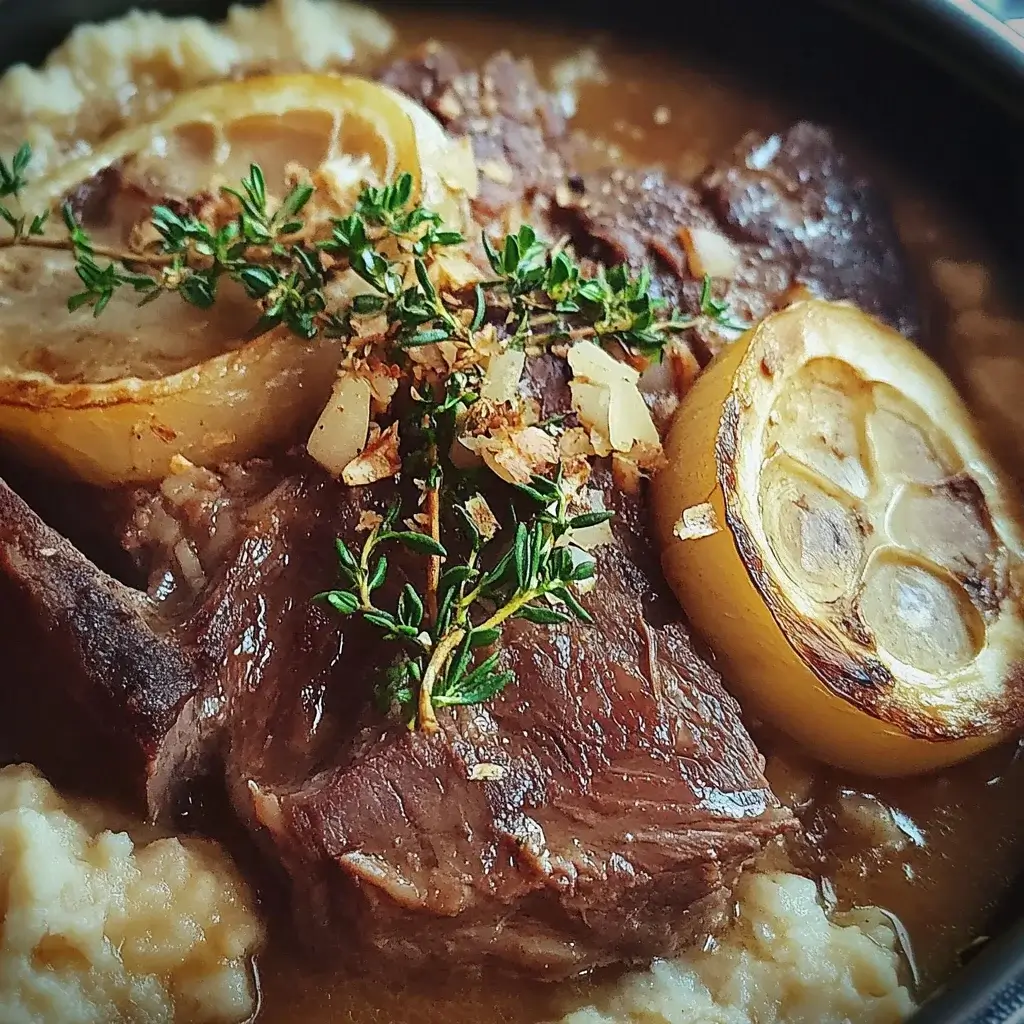

It was a blustery Sunday afternoon, the kind that just begs for a hearty, comforting meal to warm you from the inside out. Browsing through recipes, nothing quite clicked until I remembered a forgotten gem: beef shank. Now, beef shank might not sound glamorous, but trust me, when slow-cooked, it transforms into something truly magical. I decided to dust off my slow cooker and give it a go. The aroma that filled my kitchen for hours was intoxicating – rich, savory, and deeply comforting. And the taste? Oh my goodness. The beef shank, fall-off-the-bone tender, practically melted in my mouth, infused with layers of flavor from the slow cooking process. Served over creamy mashed potatoes with a generous ladle of the flavorful braising liquid, it was pure, unadulterated comfort food. My family declared it a resounding success, and honestly, it was one of the easiest and most satisfying Sunday dinners I’ve made in ages. If you’re craving a meal that’s both impressive and incredibly simple, you absolutely must try slow cooker beef shank. Prepare to be amazed by the transformation of this humble cut into a culinary masterpiece!
The Undeniable Allure of Slow Cooker Beef Shank: Comfort and Flavor in Every Bite
In the realm of comfort food, few dishes can rival the deeply satisfying experience of slow cooker beef shank. This isn’t just about throwing ingredients into a slow cooker and hoping for the best; it’s about unlocking the incredible potential of a humble cut of meat through the magic of low and slow cooking. Beef shank, often overlooked for its tougher nature, becomes an absolute revelation when patiently simmered in a flavorful broth until it reaches melt-in-your-mouth tenderness.
The allure of slow cooker beef shank lies in its ability to deliver a symphony of flavors and textures with minimal effort. Imagine succulent, fall-off-the-bone beef, infused with aromatic herbs and vegetables, bathed in a rich, savory braising liquid that transforms into a luscious sauce. This is the promise of slow cooker beef shank, a promise that it consistently delivers on.
But beyond the incredible taste, there are numerous reasons why slow cooker beef shank has become a beloved dish in kitchens around the world:
- Unparalleled Tenderness: The slow, gentle cooking process breaks down the tough connective tissues in the beef shank, resulting in meat that is unbelievably tender and practically falls apart with a fork. This transformation is truly remarkable and elevates the humble shank to gourmet status.
- Deep, Rich Flavor: Slow cooking allows the flavors of the beef, vegetables, herbs, and braising liquid to meld and deepen over time, creating a complex and incredibly satisfying taste profile. The long cooking process extracts every ounce of flavor from the ingredients, resulting in a dish that is far greater than the sum of its parts.
- Effortless Preparation: One of the greatest appeals of slow cooker recipes is their hands-off nature. With beef shank in the slow cooker, most of the work is done by the appliance itself. After a brief searing and vegetable sautéing step, you simply combine the ingredients in the slow cooker, set it, and forget it. This makes it an ideal meal for busy weeknights or relaxed weekend gatherings.
- Budget-Friendly Gourmet: Beef shank is a relatively inexpensive cut of meat, especially when compared to more premium cuts like steak or tenderloin. Slow cooking allows you to transform this budget-friendly cut into a restaurant-quality meal, making it a smart and economical choice for delicious and impressive dinners.
- Aromatic Home Cooking: The aroma that fills your home while slow cooker beef shank simmers away is simply divine. It’s the scent of comfort, warmth, and home-cooked goodness, creating an inviting and welcoming atmosphere.
Whether you’re seeking a comforting family dinner, an impressive meal for guests, or simply a delicious and easy way to enjoy beef, slow cooker beef shank is an exceptional choice. It’s a dish that embodies the essence of slow cooking – transforming simple ingredients into something truly extraordinary with patience and time. Let’s explore why slow cooker beef shank is not just a good meal, but a weeknight winner and a weekend feast rolled into one!
Why Slow Cooker Beef Shank is a Weeknight Winner (and Weekend Feast!)
In today’s fast-paced world, finding meals that are both delicious and convenient can feel like a constant juggling act. Slow cooker beef shank elegantly solves this dilemma, seamlessly transitioning from a weeknight savior to a weekend showstopper. Its versatility and ease of preparation make it a true culinary chameleon, adapting to your schedule and needs with grace and flavor.
For Busy Weeknights:
- Hands-Off Cooking: The beauty of the slow cooker is its “set it and forget it” nature. On busy weeknights, you can prep the beef shank and vegetables in the morning or even the night before, and then simply load everything into the slow cooker before heading to work. By the time you return home, a fragrant and comforting dinner awaits, requiring minimal effort after a long day.
- Minimal Active Time: The active cooking time for slow cooker beef shank is surprisingly short. Searing the beef and sautéing the vegetables takes just a few minutes, leaving the slow cooker to handle the rest. This frees up your evening for other tasks or simply relaxing, making weeknight dinners less stressful and more enjoyable.
- Meal Prep Champion: Slow cooker beef shank is an excellent meal prep option. You can cook a large batch on the weekend and enjoy leftovers throughout the week. The flavors often deepen and improve even further the next day, making it a meal that keeps on giving. Shredded beef shank is incredibly versatile for lunches – use it in sandwiches, wraps, or salads.
- Healthy and Hearty: Packed with protein and vegetables, slow cooker beef shank can be a healthy and satisfying weeknight meal. You can control the amount of added fat and sodium, and load it up with nutritious vegetables to create a balanced and wholesome dish.
For Relaxed Weekends and Gatherings:
- Impressive yet Effortless: Slow cooker beef shank is a dish that looks and tastes far more sophisticated than the effort it requires. It’s perfect for impressing guests without spending hours slaving in the kitchen. The rich aroma and tender, flavorful beef are sure to wow your dinner companions.
- Perfect for Entertaining: The slow cooker is ideal for entertaining. You can prepare the beef shank ahead of time, freeing you up to focus on other aspects of hosting, like setting the table, preparing appetizers, or spending time with your guests. It also keeps the food warm for serving, making it convenient for buffet-style gatherings.
- Feeds a Crowd: Beef shank is a substantial cut of meat, and slow cooking makes it incredibly tender and flavorful. A few shanks can easily feed a larger group, making it a cost-effective and crowd-pleasing option for weekend family dinners or potlucks.
- Comfort Food at its Finest: Weekends are often a time for indulgence and comfort. Slow cooker beef shank perfectly embodies the essence of weekend comfort food – rich, flavorful, and deeply satisfying. It’s a dish that brings people together around the table and creates lasting memories.
In conclusion, slow cooker beef shank is not just a recipe; it’s a culinary solution for both busy weeknights and relaxed weekends. Its ease of preparation, incredible flavor, and versatility make it a true weeknight winner and a weekend feast, seamlessly adapting to your lifestyle and culinary needs. Now, let’s gather the ingredients and get ready to create this slow-cooked masterpiece!
Ingredients You’ll Need for Meltingly Tender Slow Cooker Beef Shank
Creating meltingly tender and flavorful slow cooker beef shank requires a selection of quality ingredients that work together to build layers of flavor during the slow cooking process. Don’t be intimidated by the list; many are pantry staples, and the fresh vegetables contribute significantly to the overall richness of the dish.
For the Beef Shank:
- 2-3 Beef Shanks (about 2-3 pounds total), bone-in: Bone-in beef shanks are crucial for maximum flavor and collagen, which breaks down during slow cooking to create a rich, luscious sauce and incredibly tender meat. Look for shanks that are meaty and not just bone.
- 2 tablespoons Olive Oil: Used for searing the beef shanks and sautéing the vegetables. You can substitute with another neutral cooking oil like avocado oil or canola oil.
- 1 large Yellow Onion, chopped: Forms the aromatic base for the braise. Yellow onions are a good all-purpose choice, but white or sweet onions can also be used.
- 2 large Carrots, chopped: Adds sweetness and depth of flavor to the braise. Peeled carrots are recommended, but you can scrub and chop unpeeled carrots if preferred.
- 2 stalks Celery, chopped: Adds aromatic complexity and savory notes to the braise. Like carrots, celery contributes to the mirepoix, the flavor foundation of many braised dishes.
- 4 cloves Garlic, minced: Adds pungent flavor and aroma. Freshly minced garlic is essential for the best flavor.
- 2 tablespoons Tomato Paste: Adds depth of flavor, richness, and umami to the braising liquid. It also helps to thicken the sauce slightly.
- 4 cups Beef Broth: Forms the base of the braising liquid. Use low-sodium beef broth to control the salt level. You can also use homemade beef broth or stock for even richer flavor.
- 1 cup Dry Red Wine (optional, but highly recommended): Red wine adds depth, complexity, and acidity to the braising liquid. A dry red wine like Cabernet Sauvignon, Merlot, or Chianti works well. If omitting, substitute with additional beef broth.
- 1 tablespoon Dried Thyme: A classic herb that complements beef beautifully, adding earthy and slightly floral notes.
- 1 tablespoon Dried Rosemary: Another classic herb for beef, rosemary adds piney and aromatic notes.
- 2 Bay Leaves: Adds subtle, tea-like aroma and depth to the braising liquid. Remember to remove bay leaves before serving.
- 1 tablespoon Worcestershire Sauce (optional): Adds umami depth and a touch of tanginess to the braising liquid. Soy sauce or balsamic vinegar can be used as substitutes if needed.
- 1 teaspoon Salt: Enhances the flavors of all the ingredients. Adjust to taste, especially considering the saltiness of beef broth and Worcestershire sauce (if used).
- ½ teaspoon Black Pepper: Adds a touch of pungency. Freshly ground black pepper is always preferred.
Optional for Serving:
- Fresh Parsley, chopped: For garnishing the finished dish, adding freshness and color.
- Gremolata (optional, recipe below): A vibrant Italian condiment made with parsley, lemon zest, and garlic, gremolata adds a bright, zesty counterpoint to the richness of the beef shank.
- Mashed Potatoes, Polenta, or Crusty Bread: For serving alongside the beef shank and soaking up the delicious braising liquid.
Optional Gremolata Recipe:
- ¼ cup Fresh Parsley, finely chopped
- Zest of 1 Lemon, finely grated
- 1 clove Garlic, minced
Combine all ingredients in a small bowl and mix well. Set aside until ready to serve.
This ingredient list provides everything you need to create incredibly flavorful and tender slow cooker beef shank. Using quality ingredients, especially fresh vegetables and bone-in beef shanks, will significantly enhance the final dish. Once you have gathered all your ingredients, it’s time to move on to the step-by-step instructions and bring this recipe to life!
Step-by-Step Instructions: Achieving Slow Cooker Beef Shank Perfection
Now that you have all your ingredients prepped and ready, let’s walk through the simple steps to create slow cooker beef shank that is guaranteed to be meltingly tender and bursting with flavor. While slow cooking is hands-off, a few initial steps are crucial for developing deep, rich flavors.
- Sear the Beef Shanks: Pat the beef shanks dry with paper towels. Season generously on all sides with salt and black pepper. Heat olive oil in a large skillet or Dutch oven over medium-high heat until shimmering. Sear the beef shanks in batches (do not overcrowd the pan), browning them on all sides, about 2-3 minutes per side. Searing develops a flavorful crust and adds depth to the braise. Remove the seared shanks from the skillet and set aside.
- Tip: Searing is a crucial step! Don’t skip it. Browning the beef creates Maillard reaction, which develops complex flavors that cannot be achieved simply by slow cooking. Searing in batches ensures proper browning without steaming the meat.
- Sauté the Vegetables: Add the chopped onion, carrots, and celery to the same skillet (no need to clean it, the browned bits add flavor). Sauté over medium heat until softened and lightly caramelized, about 8-10 minutes, stirring occasionally. Sautéing the vegetables softens them and releases their sweetness, creating a flavorful base for the braise.
- Add Garlic and Tomato Paste: Add the minced garlic and tomato paste to the skillet with the vegetables. Cook for 1-2 minutes, stirring constantly, until fragrant and the tomato paste slightly darkens. Cooking the garlic briefly removes its raw edge and blooming the tomato paste enhances its flavor and richness.
- Deglaze with Red Wine (Optional but Recommended): If using red wine, pour it into the skillet, scraping up any browned bits from the bottom of the pan (this is called deglazing and adds even more flavor). Let the wine simmer for 2-3 minutes, allowing it to reduce slightly and intensify in flavor. Deglazing with red wine adds a layer of complexity and depth to the braising liquid. If omitting red wine, skip this step and proceed to the next.
- Transfer to Slow Cooker: Transfer the sautéed vegetables and any liquid from the skillet to the slow cooker. Place the seared beef shanks on top of the vegetables in the slow cooker.
- Add Broth, Herbs, and Worcestershire Sauce: Pour beef broth over the beef shanks and vegetables, ensuring the shanks are mostly submerged (you may not need all 4 cups, depending on the size of your slow cooker and shanks). Add dried thyme, dried rosemary, bay leaves, and Worcestershire sauce (if using).
- Slow Cook: Cover the slow cooker and cook on LOW for 8-10 hours, or on HIGH for 4-5 hours, or until the beef shanks are fork-tender and easily shreddable. Slow cooking on low for a longer period generally yields the most tender results, but high setting can be used if you are short on time.
- Tip: Cooking times can vary slightly depending on your slow cooker and the size of the beef shanks. Check for tenderness after 8 hours on low or 4 hours on high. The beef should be easily pulled apart with a fork.
- Shred Beef and Thicken Sauce (Optional): Once the beef is cooked, remove the shanks from the slow cooker and set aside to cool slightly. Remove and discard bay leaves. If you prefer a thicker sauce, you can thicken the braising liquid. To do this, you can either:
- Slurry Method: In a small bowl, whisk together 2 tablespoons of cornstarch or all-purpose flour with ¼ cup of cold water until smooth. Stir the slurry into the braising liquid in the slow cooker. Cook on HIGH for 15-20 minutes, or until the sauce has thickened, stirring occasionally.
- Reduce Sauce: Alternatively, you can remove about 1-2 cups of the braising liquid from the slow cooker and transfer it to a saucepan. Bring to a simmer over medium heat and reduce until thickened to your desired consistency. Return the reduced sauce to the slow cooker.
- Shred Beef and Return to Sauce: Shred the beef from the bones using two forks, discarding bones and any large pieces of fat or connective tissue. Return the shredded beef to the slow cooker with the sauce. Stir to combine.
- Season to Taste and Serve: Taste the slow cooker beef shank and adjust seasoning with salt and black pepper as needed. Serve hot, garnished with fresh parsley and gremolata (if desired), over mashed potatoes, polenta, or crusty bread.
Following these step-by-step instructions will guide you to achieve perfectly tender, flavorful, and satisfying slow cooker beef shank every time. Enjoy the process and the incredible aromas that will fill your kitchen!
Nutritional Information: Nourishment in Every Spoonful of Slow Cooker Beef Shank
Understanding the nutritional content of your meals is important for making informed dietary choices. The nutritional information for slow cooker beef shank will vary depending on the specific ingredients used, portion sizes, and the leanness of the beef shank. However, we can provide an estimated overview based on typical ingredients and serving sizes.
Servings:
This recipe is generally designed to serve 4-6 people, depending on portion sizes. Each serving typically consists of one beef shank (or a portion of shredded beef) with a generous amount of sauce and vegetables.
Calories Per Serving (Estimated):
An estimated calorie count for one serving of slow cooker beef shank (assuming a moderate portion of beef shank, vegetables, and sauce, without sides) would be approximately 400-600 calories per serving.
Please note that this is a rough estimate, and the actual calorie count can vary significantly based on:
- Leanness of Beef Shank: Beef shank can vary in fat content. Leaner beef shank will have fewer calories and less fat than fattier cuts. Trimming visible fat before cooking can help reduce fat content.
- Amount of Added Oil: The amount of olive oil used for searing and sautéing will affect the calorie and fat content. Using less oil or a non-stick skillet can help reduce fat.
- Serving Size: Larger servings will naturally contain more calories.
- Sides: The nutritional information does not include sides like mashed potatoes, polenta, or bread, which will add significantly to the calorie and carbohydrate count.
General Nutritional Highlights (per estimated serving):
- Protein: High in protein from the beef shank. Protein is essential for satiety, muscle building, and overall health. Beef shank provides a significant amount of protein per serving.
- Fat: Contains fat, primarily from the beef shank and added oil. The fat content can vary depending on the leanness of the beef and trimming.
- Vitamins and Minerals: Provides vitamins and minerals from the beef shank and vegetables (carrots, celery, onion, garlic). Beef shank is a good source of iron, zinc, and B vitamins. Vegetables contribute vitamins A, C, and K, as well as fiber and antioxidants.
- Carbohydrates: Contains carbohydrates primarily from the vegetables. The carbohydrate content is relatively low compared to protein and fat.
- Fiber: Provides fiber from the vegetables. Fiber is important for digestion, satiety, and regulating blood sugar levels.
Tips to Make it Healthier:
- Choose Leaner Beef Shank: Select beef shanks that appear leaner with less visible fat. Trim any excess fat before searing.
- Reduce Added Oil: Use a non-stick skillet for searing and sautéing to minimize the amount of olive oil needed.
- Load Up on Vegetables: Increase the amount of carrots, celery, and onions in the recipe to boost fiber, vitamins, and minerals while keeping calories relatively low. You can also add other vegetables like mushrooms, bell peppers, or zucchini.
- Serve with Healthy Sides: Pair slow cooker beef shank with healthy sides like cauliflower mash, roasted vegetables (broccoli, asparagus, Brussels sprouts), or a large green salad instead of mashed potatoes or polenta to reduce carbohydrate and calorie intake.
- Portion Control: Be mindful of portion sizes. Enjoy a moderate portion of beef shank and load up on vegetables for a balanced meal.
Slow cooker beef shank can be a nutritious and satisfying meal when prepared with leaner beef and served with healthy sides. By being mindful of ingredient choices and portion sizes, you can enjoy this comfort food classic as part of a balanced diet. For a more precise nutritional breakdown, you can use online nutrition calculators or apps, inputting the specific ingredients and quantities you use in your recipe.
Preparation Time Breakdown: From Pantry to Slow Cooker to Plate
One of the appealing aspects of slow cooker recipes is their relatively straightforward preparation, even though the cooking time is long. Slow cooker beef shank is no exception. Here’s a breakdown of the estimated preparation times:
Prep Time: 30-40 minutes. This includes:
- Vegetable Prep (15-20 minutes): Chopping onion, carrots, celery, and mincing garlic.
- Beef Shank Prep (5-10 minutes): Patting beef shanks dry, seasoning with salt and pepper.
- Searing Beef Shanks (5-10 minutes): Searing beef shanks in batches.
- Sautéing Vegetables (5-10 minutes): Sautéing onion, carrots, and celery.
- Adding Garlic and Tomato Paste (2-3 minutes): Cooking garlic and tomato paste.
- Deglazing (Optional, 2-3 minutes): Deglazing with red wine (if using).
- Transferring to Slow Cooker (2-3 minutes): Combining all ingredients in the slow cooker.
Cook Time:
- Slow Cooker (LOW): 8-10 hours
- Slow Cooker (HIGH): 4-5 hours
Total Time:
- Total Time (LOW setting): 8 hours 30 minutes – 10 hours 40 minutes
- Total Time (HIGH setting): 4 hours 30 minutes – 5 hours 40 minutes
Tips to Speed Up Prep:
- Pre-chopped Vegetables: Purchase pre-chopped vegetables (onion, carrots, celery) from the grocery store to save time on chopping.
- Use Pre-minced Garlic: Use pre-minced garlic from a jar instead of mincing fresh garlic.
- Prep Vegetables Ahead: Chop vegetables the day before or earlier in the day and store them in airtight containers in the refrigerator.
- Sear Beef Shanks Ahead: You can sear the beef shanks a day ahead of time and store them in the refrigerator. This can be particularly helpful for busy mornings.
Make-Ahead Options:
- Searing Beef Shanks Ahead: As mentioned above, searing beef shanks can be done a day in advance. Store seared shanks in the refrigerator until ready to transfer to the slow cooker.
- Sauté Vegetables Ahead: You can sauté the vegetables (onion, carrots, celery, garlic, tomato paste) a day in advance as well. Store sautéed vegetables in the refrigerator.
- Assemble in Slow Cooker Ahead: You can assemble all the ingredients in the slow cooker (seared beef shanks, sautéed vegetables, broth, herbs, Worcestershire sauce) the night before and store the slow cooker insert in the refrigerator overnight. In the morning, simply place the insert in the slow cooker base and start cooking.
- Fully Cooked Beef Shank (Make-Ahead and Reheat): Slow cooker beef shank is excellent made ahead of time. Cook it completely, then allow it to cool slightly. Shred the beef, return it to the sauce, and store in an airtight container in the refrigerator for up to 3-4 days. Reheat gently on the stovetop or in the slow cooker until heated through. The flavors often deepen and improve the next day.
By utilizing these time-saving tips and make-ahead options, you can significantly reduce the active preparation time on the day you plan to serve slow cooker beef shank, making it even more convenient for weeknight meals or weekend gatherings.
How to Serve Slow Cooker Beef Shank: Presentation and Pairing Perfection
Serving slow cooker beef shank is all about showcasing its tender, flavorful meat and rich sauce. Thoughtful presentation and complementary side dishes can elevate the entire dining experience, transforming a simple slow cooker meal into a restaurant-worthy feast. Here are some ideas on how to serve slow cooker beef shank to perfection:
- Classic Serving: Mashed Potatoes and Gravy:
- Creamy Mashed Potatoes: Serve slow cooker beef shank over a generous bed of creamy mashed potatoes. The rich sauce from the shank beautifully complements the smooth, buttery potatoes.
- Ladle Generously: Ladle a generous amount of the braising liquid/sauce over the beef shank and mashed potatoes. The sauce is packed with flavor and adds moisture and richness to the dish.
- Garnish with Parsley: Garnish with freshly chopped parsley for a pop of color and freshness.
- Elegant Serving: Polenta and Gremolata:
- Creamy Polenta: Serve over creamy polenta for a sophisticated and gluten-free alternative to mashed potatoes. Polenta provides a smooth and comforting base that soaks up the sauce beautifully.
- Gremolata Garnish: Top with a generous spoonful of gremolata (parsley, lemon zest, garlic) for a bright, zesty counterpoint to the richness of the beef shank. The gremolata adds freshness and acidity that cuts through the richness and elevates the dish.
- Rustic Serving: Crusty Bread and Vegetables:
- Crusty Bread for Sopping: Serve with crusty bread, such as baguette or ciabatta, for sopping up the delicious braising liquid. The bread becomes infused with the savory sauce, making it incredibly flavorful.
- Roasted Root Vegetables: Serve alongside roasted root vegetables like parsnips, sweet potatoes, or turnips for a hearty and rustic meal. The roasted vegetables complement the braised beef and add another layer of flavor and texture.
- Serving Suggestions List:
- Mashed Potatoes: Classic and comforting.
- Creamy Polenta: Elegant and gluten-free.
- Pasta: Serve over wide noodles like pappardelle or tagliatelle for a hearty Italian-inspired meal.
- Rice: Serve over fluffy white rice or brown rice for a simple and satisfying option.
- Roasted Vegetables: Broccoli, asparagus, Brussels sprouts, root vegetables – roast separately and serve alongside.
- Creamy Greens: Sautéed spinach, kale, or Swiss chard with garlic and a touch of cream or butter.
- Crusty Bread: For sopping up the delicious sauce.
- Gremolata: For a bright and zesty garnish.
- Fresh Herbs: Chopped parsley, thyme, or rosemary for garnish.
- Beverage Pairings:
- Red Wine: A medium-bodied red wine like Merlot, Chianti, or Pinot Noir pairs beautifully with slow cooker beef shank, complementing its richness and savory flavors.
- Hearty Beer: A robust beer like a stout or porter can also be a great pairing, especially for a more casual meal.
- Beef Broth or Stock: For a non-alcoholic option, serve with a side of warm beef broth or stock to enhance the savory flavors.
- Presentation Tips:
- Serve in Bowls: Serve individual portions in shallow bowls, allowing the sauce to pool around the beef shank and side.
- Garnish Generously: Don’t skimp on garnishes. Fresh parsley, gremolata, or a sprig of rosemary add visual appeal and enhance the flavors.
- Use a Platter for Family Style: For family-style serving, arrange the shredded beef shank and vegetables on a platter and drizzle generously with the sauce. Serve sides separately.
- Highlight the Shank Bone (Optional): If serving whole shanks, you can leave the bone intact for a more dramatic presentation.
By considering these serving suggestions and presentation tips, you can elevate your slow cooker beef shank from a simple meal to a truly memorable dining experience. Enjoy the process of creating and sharing this comforting and flavorful dish!
Additional Tips for the Best Slow Cooker Beef Shank: Expert Advice
To ensure your slow cooker beef shank is consistently exceptional, here are five additional expert tips to elevate your recipe and achieve maximum flavor and tenderness:
- Don’t Skip the Searing: While it might be tempting to skip the searing step to save time, resist the urge! Searing the beef shanks before slow cooking is crucial for developing deep, rich, and complex flavors. The Maillard reaction, which occurs during searing, creates browned compounds that significantly enhance the overall taste of the braise. It’s a short step that makes a world of difference.
- Deglaze the Pan for Extra Flavor: After searing the beef and sautéing the vegetables, deglazing the pan with red wine (or even beef broth if omitting wine) is another flavor-boosting technique that should not be overlooked. Scraping up those browned bits from the bottom of the pan (fond) with liquid releases concentrated flavors that will enrich the braising liquid and add depth to the final dish.
- Always Use Bone-In Beef Shank: For slow cooker beef shank, bone-in shanks are superior to boneless. The bone marrow and connective tissues surrounding the bone break down during slow cooking, releasing collagen and gelatin into the braising liquid. This collagen and gelatin not only contribute to a richer, more flavorful sauce but also result in incredibly tender, melt-in-your-mouth meat. Bone-in shanks are also typically more flavorful than boneless cuts.
- Adjust Liquid Level as Needed: While the recipe calls for 4 cups of beef broth, you may not need to use all of it, depending on the size of your slow cooker and the beef shanks. The goal is to have the shanks mostly submerged in liquid, but not completely drowning. Too much liquid can result in a watery sauce. If you find your sauce is too thin at the end of cooking, you can thicken it using the slurry method or by reducing it in a saucepan as described in the instructions.
- Taste and Season at the End: As with any recipe, tasting and seasoning at the end is crucial for achieving perfect flavor balance. After the beef shank is cooked and shredded, taste the braising liquid/sauce and adjust seasoning with salt and black pepper as needed. Slow cooking can sometimes mute flavors, so a final seasoning adjustment is often necessary to bring all the flavors into harmony and make the dish truly shine.
By incorporating these expert tips into your slow cooker beef shank preparation, you’ll be well on your way to creating consistently delicious, tender, and flavorful results that will impress every time.
Frequently Asked Questions (FAQs) About Slow Cooker Beef Shank
Here are five frequently asked questions about slow cooker beef shank to help you address any potential queries and ensure your culinary success:
Q1: Can I use a different cut of beef instead of beef shank?
A: While beef shank is the ideal cut for this recipe due to its flavor and collagen content, you can use other tough, flavorful cuts of beef suitable for braising as alternatives. Good substitutes include:
- Beef Short Ribs: Short ribs are another excellent choice for slow cooking and braising. They are rich in flavor and become incredibly tender when slow-cooked.
- Chuck Roast: Chuck roast is a more budget-friendly option that also braises well. It will shred nicely, but may not have quite the same richness and depth of flavor as beef shank or short ribs.
- Oxtail: Oxtail is very rich and flavorful, and becomes incredibly tender when slow-cooked. However, it can be fattier and more time-consuming to prepare.
Keep in mind that cooking times may need to be adjusted slightly depending on the cut of beef you choose. Always cook until the meat is fork-tender.
Q2: Can I skip the red wine in the recipe?
A: Yes, you can skip the red wine if you prefer not to use alcohol or don’t have it on hand. Red wine adds depth, complexity, and acidity to the braising liquid, enhancing the overall flavor. If omitting red wine, substitute it with an equal amount of beef broth to maintain the liquid level. You can also add a tablespoon of balsamic vinegar or Worcestershire sauce to add a touch of acidity and umami to compensate for the missing wine flavor.
Q3: How do I thicken the sauce if it’s too thin?
A: If your braising liquid/sauce is too thin after slow cooking, there are a few ways to thicken it:
- Slurry Method: As described in the instructions, whisk together cornstarch or flour with cold water to make a slurry and stir it into the sauce in the slow cooker. Cook on HIGH for 15-20 minutes until thickened.
- Reduction Method: Remove some of the braising liquid and reduce it in a saucepan on the stovetop until it thickens. Return the reduced sauce to the slow cooker. This method intensifies the flavor of the sauce while thickening it.
- Arrowroot Powder: Arrowroot powder is a gluten-free alternative to cornstarch or flour and works similarly to thicken sauces.
Q4: Can I cook slow cooker beef shank on high instead of low?
A: Yes, you can cook slow cooker beef shank on HIGH for a shorter cooking time. The recipe recommends 8-10 hours on LOW or 4-5 hours on HIGH. Cooking on LOW for a longer period generally yields the most tender and flavorful results as it allows the collagen to break down more slowly and evenly. However, if you are short on time, cooking on HIGH will still produce delicious results. Just be sure to check for tenderness after 4 hours on HIGH and adjust cooking time accordingly.
Q5: What other vegetables can I add to slow cooker beef shank?
A: You can customize your slow cooker beef shank by adding other vegetables to the braise. Good vegetable additions include:
- Mushrooms: Cremini, shiitake, or button mushrooms add earthy flavor and meaty texture.
- Potatoes: Yukon Gold or red potatoes (cut into chunks) can be added to the slow cooker to cook alongside the beef, making it a complete one-pot meal.
- Sweet Potatoes: Sweet potatoes add sweetness and nutritional value.
- Bell Peppers: Red, yellow, or orange bell peppers add sweetness and color.
- Zucchini: Zucchini adds a mild, slightly sweet flavor and tender texture.
- Pearl Onions: Pearl onions add a touch of sweetness and visual appeal.
Add hardier vegetables like potatoes, sweet potatoes, and pearl onions at the beginning of the slow cooking process along with the carrots and celery. Softer vegetables like mushrooms, bell peppers, and zucchini can be added in the last 1-2 hours of cooking to prevent them from becoming too mushy.
We hope these FAQs have addressed any questions you might have about making slow cooker beef shank. Now you are fully equipped to create this incredibly comforting and flavorful dish with confidence!
Print
Beef Shank in the Slow Cooker recipe
Ingredients
For the Beef Shank:
- 2–3 Beef Shanks (about 2–3 pounds total), bone-in: Bone-in beef shanks are crucial for maximum flavor and collagen, which breaks down during slow cooking to create a rich, luscious sauce and incredibly tender meat. Look for shanks that are meaty and not just bone.
- 2 tablespoons Olive Oil: Used for searing the beef shanks and sautéing the vegetables. You can substitute with another neutral cooking oil like avocado oil or canola oil.
- 1 large Yellow Onion, chopped: Forms the aromatic base for the braise. Yellow onions are a good all-purpose choice, but white or sweet onions can also be used.
- 2 large Carrots, chopped: Adds sweetness and depth of flavor to the braise. Peeled carrots are recommended, but you can scrub and chop unpeeled carrots if preferred.
- 2 stalks Celery, chopped: Adds aromatic complexity and savory notes to the braise. Like carrots, celery contributes to the mirepoix, the flavor foundation of many braised dishes.
- 4 cloves Garlic, minced: Adds pungent flavor and aroma. Freshly minced garlic is essential for the best flavor.
- 2 tablespoons Tomato Paste: Adds depth of flavor, richness, and umami to the braising liquid. It also helps to thicken the sauce slightly.
- 4 cups Beef Broth: Forms the base of the braising liquid. Use low-sodium beef broth to control the salt level. You can also use homemade beef broth or stock for even richer flavor.
- 1 cup Dry Red Wine (optional, but highly recommended): Red wine adds depth, complexity, and acidity to the braising liquid. A dry red wine like Cabernet Sauvignon, Merlot, or Chianti works well. If omitting, substitute with additional beef broth.
- 1 tablespoon Dried Thyme: A classic herb that complements beef beautifully, adding earthy and slightly floral notes.
- 1 tablespoon Dried Rosemary: Another classic herb for beef, rosemary adds piney and aromatic notes.
- 2 Bay Leaves: Adds subtle, tea-like aroma and depth to the braising liquid. Remember to remove bay leaves before serving.
- 1 tablespoon Worcestershire Sauce (optional): Adds umami depth and a touch of tanginess to the braising liquid. Soy sauce or balsamic vinegar can be used as substitutes if needed.
- 1 teaspoon Salt: Enhances the flavors of all the ingredients. Adjust to taste, especially considering the saltiness of beef broth and Worcestershire sauce (if used).
- ½ teaspoon Black Pepper: Adds a touch of pungency. Freshly ground black pepper is always preferred.
Instructions
- Sear the Beef Shanks: Pat the beef shanks dry with paper towels. Season generously on all sides with salt and black pepper. Heat olive oil in a large skillet or Dutch oven over medium-high heat until shimmering. Sear the beef shanks in batches (do not overcrowd the pan), browning them on all sides, about 2-3 minutes per side. Searing develops a flavorful crust and adds depth to the braise. Remove the seared shanks from the skillet and set aside.
- Tip: Searing is a crucial step! Don’t skip it. Browning the beef creates Maillard reaction, which develops complex flavors that cannot be achieved simply by slow cooking. Searing in batches ensures proper browning without steaming the meat.
- Sauté the Vegetables: Add the chopped onion, carrots, and celery to the same skillet (no need to clean it, the browned bits add flavor). Sauté over medium heat until softened and lightly caramelized, about 8-10 minutes, stirring occasionally. Sautéing the vegetables softens them and releases their sweetness, creating a flavorful base for the braise.
- Add Garlic and Tomato Paste: Add the minced garlic and tomato paste to the skillet with the vegetables. Cook for 1-2 minutes, stirring constantly, until fragrant and the tomato paste slightly darkens. Cooking the garlic briefly removes its raw edge and blooming the tomato paste enhances its flavor and richness.
- Deglaze with Red Wine (Optional but Recommended): If using red wine, pour it into the skillet, scraping up any browned bits from the bottom of the pan (this is called deglazing and adds even more flavor). Let the wine simmer for 2-3 minutes, allowing it to reduce slightly and intensify in flavor. Deglazing with red wine adds a layer of complexity and depth to the braising liquid. If omitting red wine, skip this step and proceed to the next.
- Transfer to Slow Cooker: Transfer the sautéed vegetables and any liquid from the skillet to the slow cooker. Place the seared beef shanks on top of the vegetables in the slow cooker.
- Add Broth, Herbs, and Worcestershire Sauce: Pour beef broth over the beef shanks and vegetables, ensuring the shanks are mostly submerged (you may not need all 4 cups, depending on the size of your slow cooker and shanks). Add dried thyme, dried rosemary, bay leaves, and Worcestershire sauce (if using).
- Slow Cook: Cover the slow cooker and cook on LOW for 8-10 hours, or on HIGH for 4-5 hours, or until the beef shanks are fork-tender and easily shreddable. Slow cooking on low for a longer period generally yields the most tender results, but high setting can be used if you are short on time.
- Tip: Cooking times can vary slightly depending on your slow cooker and the size of the beef shanks. Check for tenderness after 8 hours on low or 4 hours on high. The beef should be easily pulled apart with a fork.
- Shred Beef and Thicken Sauce (Optional): Once the beef is cooked, remove the shanks from the slow cooker and set aside to cool slightly. Remove and discard bay leaves. If you prefer a thicker sauce, you can thicken the braising liquid. To do this, you can either:
- Slurry Method: In a small bowl, whisk together 2 tablespoons of cornstarch or all-purpose flour with ¼ cup of cold water until smooth. Stir the slurry into the braising liquid in the slow cooker. Cook on HIGH for 15-20 minutes, or until the sauce has thickened, stirring occasionally.
- Reduce Sauce: Alternatively, you can remove about 1-2 cups of the braising liquid from the slow cooker and transfer it to a saucepan. Bring to a simmer over medium heat and reduce until thickened to your desired consistency. Return the reduced sauce to the slow cooker.
- Shred Beef and Return to Sauce: Shred the beef from the bones using two forks, discarding bones and any large pieces of fat or connective tissue. Return the shredded beef to the slow cooker with the sauce. Stir to combine.
- Season to Taste and Serve: Taste the slow cooker beef shank and adjust seasoning with salt and black pepper as needed. Serve hot, garnished with fresh parsley and gremolata (if desired), over mashed potatoes, polenta, or crusty bread.
Nutrition
- Serving Size: one normal portion
- Calories: 400-600