
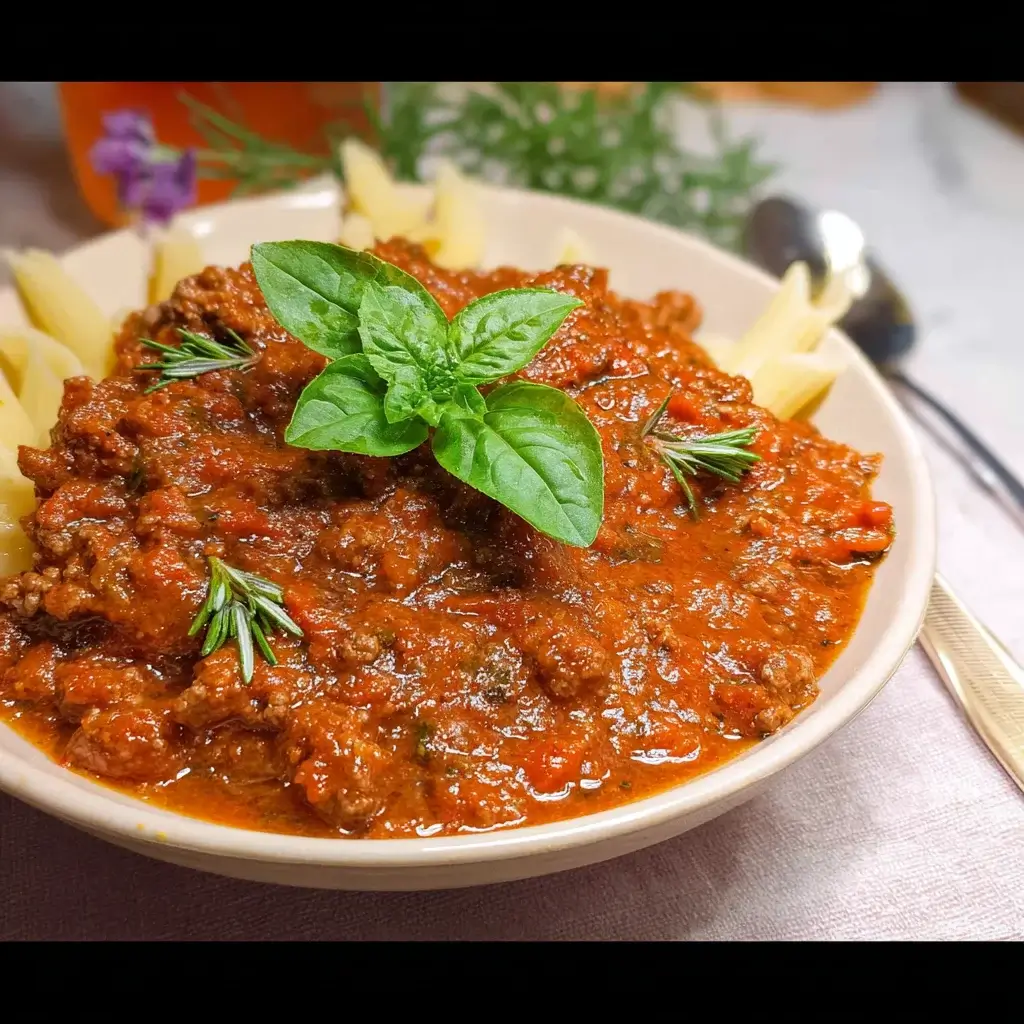

There are meals that feed the body, and then there are meals that feed the soul. This Beef Bolognese Gravy, as my family has lovingly named it, falls firmly in the latter category. It’s more than a sauce; it’s a slow-simmered, rich, velvety elixir that transforms a simple weeknight dinner into a cherished event. I still remember the first time I dedicated a full afternoon to making it properly, following the slow, deliberate steps passed down through generations of Italian nonnas. The house began to fill with an aroma so profoundly comforting it was intoxicating—the sweet perfume of the soffritto, the savory depth of the browning meat, the rich notes of red wine and tomato simmering away. When I finally ladled the thick, luscious gravy over a bed of fresh pappardelle, the reaction from my family was not just praise, but a respectful silence. It was the kind of silence that comes from experiencing something truly, deeply satisfying. This isn’t the quick, weeknight spaghetti sauce of my childhood. This is a culinary labor of love, a pot of pure comfort that has become our go-to for Sunday dinners, special celebrations, and any day that calls for a warm, delicious hug in a bowl.
The Anatomy of a True Bolognese Gravy
Before we dive into the pot, let’s understand what elevates this dish from a simple meat sauce to what we affectionately call a “gravy.” The term isn’t traditional Italian, of course—in Italy, it’s ragù alla Bolognese. But “gravy” perfectly captures the spirit of this specific recipe: its incredible depth, its substantial, velvety texture, and its soul-satisfying richness that feels as comforting as a classic Sunday roast gravy. This is achieved through a patient, methodical layering of flavors.
The Soffritto: The Flavor Foundation
The journey begins with the Italian holy trinity: onion, celery, and carrot. But the secret isn’t just the ingredients; it’s the technique. This vegetable base, or soffritto, is not quickly sautéed but “sweated” slowly over low heat until it is incredibly soft, sweet, and translucent. This patient cooking process draws out the natural sugars and creates a deep, aromatic foundation upon which the entire gravy is built. Rushing this step is the most common mistake in making Bolognese.
The Meat: A Symphony of Fat and Flavor
A truly great Bolognese uses a combination of meats. We start with pancetta, which renders its flavorful fat to cook the soffritto in, adding a salty, savory pork undertone. The main body comes from a mix of ground beef (for its robust, beefy flavor) and ground pork (for its higher fat content and tenderness). This combination ensures the final gravy is rich and moist, not dry or grainy.
The Liquids: A Trinity of Depth
This is where the real magic happens. We introduce liquids in three distinct stages, with each one playing a crucial role. First, dry red wine is used to deglaze the pan, lifting all the delicious browned bits (the fond) from the bottom and adding a layer of acidity and tannic complexity. Second, and this is a classic Bolognese secret, we add whole milk. The lactic acid in the milk tenderizes the meat on a chemical level, resulting in an unbelievably tender texture. It also adds a subtle sweetness and creamy background note. Finally, high-quality tomatoes are added, providing the sauce’s body, color, and a brighter, fruitier acidity that balances the richness of the meat and milk.
The Simmer: The Transformation
This is the final, and most important, stage. Time is the most crucial ingredient. The Bolognese is simmered for a minimum of three hours, covered, over the lowest possible heat. This long, slow cook is where the transformation occurs. The flavors meld, the meats become impossibly tender, the vegetables dissolve into the background, and the sauce reduces into a thick, concentrated, deeply flavorful gravy. This is not a process that can be rushed.
The Ultimate Beef Bolognese Gravy Recipe
This recipe yields a large pot of Bolognese, approximately 8-10 generous servings. It’s perfect for a large family dinner, with plenty of leftovers that taste even better the next day.
Complete Ingredients List
Using high-quality ingredients is paramount for a dish with such simple, profound flavors.
- 4 ounces pancetta, finely diced – This is the flavorful, fatty base. If unavailable, thick-cut bacon can be substituted.
- 1 large yellow onion, finely chopped
- 2 medium carrots, finely chopped
- 2 celery stalks, finely chopped
- 4 tablespoons unsalted butter
- 3 tablespoons olive oil
- 1 pound ground beef (80/20 chuck is ideal)
- 1 pound ground pork
- 1 ½ cups whole milk
- 1 ½ cups dry red wine (such as Chianti, Merlot, or Cabernet Sauvignon)
- 1 can (28 ounces) whole peeled San Marzano tomatoes, crushed by hand
- 1 cup beef or chicken broth
- 1 teaspoon salt
- ½ teaspoon freshly ground black pepper
- Pinch of freshly grated nutmeg
- Parmigiano-Reggiano cheese, for serving
Step-by-Step Instructions: A Labor of Love
Patience is the key ingredient. Read through all the steps before you begin, and give yourself the gift of a slow afternoon in the kitchen.
Step 1: The Soffritto and Pancetta Base
- Use a large, heavy-bottomed pot or Dutch oven. Melt the butter and olive oil over medium-low heat.
- Add the finely diced pancetta and cook slowly, stirring occasionally, for about 8-10 minutes until it has rendered its fat and become crispy. Do not drain the fat.
- Add the finely chopped onion, carrots, and celery to the pot with the pancetta and its rendered fat.
- Reduce the heat to low and cook the soffritto, stirring occasionally, for a full 15-20 minutes. The vegetables should be very soft, translucent, and sweet. They should not brown. This slow sweating process is crucial for the final flavor.
Step 2: Brown the Meat
- Push the soffritto to one side of the pot. Increase the heat to medium-high.
- Add the ground beef and ground pork to the empty side of the pot. Break it up with a wooden spoon.
- Cook the meat, stirring and breaking it into small pieces, until it has lost its pink color and is nicely browned. Allow it to get some color; this browning (Maillard reaction) is a key flavor-building step.
- Once browned, stir the meat and soffritto together. Season with the salt and pepper.
Step 3: The Three-Stage Liquid Addition
- The Wine: Pour in the red wine. Scrape the bottom of the pot with your wooden spoon to release all the flavorful browned bits stuck to the bottom (the fond). Let the wine simmer and cook down until it has almost completely evaporated, about 3-4 minutes.
- The Milk: Pour in the whole milk. Bring it to a simmer and cook, stirring occasionally, until it too has almost completely evaporated and has been absorbed by the meat. This step tenderizes the meat beautifully. It may look a bit strange at first, but trust the process.
- The Tomatoes & Broth: Add the hand-crushed San Marzano tomatoes and their juices, the beef or chicken broth, and the pinch of freshly grated nutmeg. Stir everything together thoroughly.
Step 4: The Long, Slow Simmer
- Bring the sauce to a very gentle simmer. Once you see a few lazy bubbles, reduce the heat to the absolute lowest setting your stove can manage.
- Cover the pot, but leave the lid slightly ajar. This allows some moisture to escape so the sauce can reduce and thicken.
- Let the Bolognese simmer for a minimum of 3 hours. Stir it every 30 minutes or so to prevent it from sticking to the bottom. A longer simmer is even better—up to 4 or 5 hours.
- After the long simmer, the sauce should be thick, rich, and dark reddish-brown. The oil may have separated and risen to the top, which is a good sign. Taste the sauce and adjust the salt and pepper if needed.
Nutrition Facts: A Hearty, Wholesome Meal
While this is a rich, indulgent dish, it’s also packed with protein and nutrients from the vegetables. The estimates below are for a generous serving of the gravy itself, before adding pasta or other starches.
- Servings: 8-10
- Calories per serving (gravy only, approx.): 450-550 kcal
This dish is a protein powerhouse, essential for muscle repair and keeping you full. The long-cooked vegetables provide fiber and vitamins, and the lycopene in the cooked tomatoes is a powerful antioxidant. While high in fat, much of it comes from a combination of healthy monounsaturated fats (from olive oil) and saturated fats that provide flavor and energy.
Preparation and Cook Time
This is not a quick meal, but the active time is manageable.
- Active Preparation Time: Approximately 35-40 minutes (chopping vegetables, browning meat).
- Cook Time (Simmering): Minimum 3 hours.
- Total Time: Approximately 3 hours and 45 minutes.
How to Serve Your Beef Bolognese Gravy
This rich gravy is incredibly versatile. Here are some traditional and non-traditional ways to serve it.
- The Traditional Italian Way:
- With Wide, Flat Pasta: In Bologna, the sauce is traditionally served with fresh egg tagliatelle or pappardelle. The wide surface area is perfect for catching the thick, meaty sauce.
- Tossed, Not Topped: Never just ladle the sauce on top of a pile of naked pasta. Cook your pasta until al dente, reserve a cup of the starchy pasta water, and then drain the pasta. Add the drained pasta directly to the pot of Bolognese with a splash of the reserved pasta water. Toss everything together over low heat for a minute. This emulsifies the sauce and ensures every single strand of pasta is coated.
- Finish with Parmesan: Serve immediately with a generous grating of real Parmigiano-Reggiano cheese.
- Embracing the “Gravy” Concept:
- Over Creamy Polenta: Serve a large ladle of the Bolognese over a bed of soft, cheesy polenta for the ultimate Italian-inspired comfort food.
- With Mashed Potatoes: Lean into the Anglo-American “gravy” idea and serve it over creamy mashed potatoes. It’s an incredible combination.
- As a Base for Other Dishes: Use it as the meat filling for a spectacular lasagna (Lasagne alla Bolognese) or as the base for a rich and hearty Shepherd’s Pie, topped with mashed potatoes.
- Stuffed into Baked Potatoes: A simple baked potato becomes a full meal when stuffed with this rich gravy and topped with cheese.
5 Pro Tips for Bolognese Perfection
These are the secrets that will make your Bolognese taste like it came from a kitchen in Bologna.
- Chop Your Soffritto Finely (or Cheat with a Food Processor): The vegetables in a classic Bolognese should “melt” into the sauce, providing a deep flavor background, not chunky texture. Chopping them very finely by hand is traditional, but pulsing them a few times in a food processor until they are finely minced is a fantastic time-saving hack that yields excellent results.
- Trust the Milk: The step of adding milk before the tomatoes might seem strange, but it is a critical, classic technique. The casein in the milk and the calcium it contains interact with the proteins in the meat, helping to tenderize them. It creates a more tender, succulent final product and adds a layer of creamy richness that you can’t get any other way. Don’t skip it.
- Use a Heavy-Bottomed Pot: A Dutch oven is the perfect vessel for making Bolognese. Its heavy construction provides even, consistent heat, which is essential for both the initial browning and the long, low simmer. This prevents hot spots and scorching, which can ruin the flavor of your sauce.
- Time is the Most Important Ingredient: I cannot overstate this. A 1-hour Bolognese is a meat sauce. A 3+ hour Bolognese is a gravy. The long, slow simmer is where the flavors meld, deepen, and concentrate. If you have the time, let it go for 4 or even 5 hours on the lowest possible heat. You will be rewarded with an unparalleled depth of flavor.
- Make It a Day Ahead: Bolognese is one of those magical dishes that tastes even better the next day. Making it a day in advance allows the flavors to fully marry and settle. Cool it completely and store it in the refrigerator. When you’re ready to serve, gently reheat it on the stovetop, and it will be even more delicious than the day you made it.
Frequently Asked Questions (FAQ)
Here are answers to some of the most common questions about making authentic Bolognese.
1. There’s no garlic in this recipe. Is that a mistake?
No, it’s not a mistake! A truly authentic ragù alla Bolognese from Bologna, Italy, does not contain garlic. The aromatic flavor base comes entirely from the sweet, slow-cooked soffritto of onion, carrot, and celery. While many Italian-American recipes include garlic, omitting it allows the subtle, complex flavors of the meat, wine, and milk to shine through. Try it this way first; you might be surprised!
2. Can I make this in a slow cooker or Instant Pot?
Yes, but you must complete the initial steps on the stovetop. The crucial flavor development happens when you sweat the soffritto and brown the meat. After you’ve added all the liquids, you can transfer the mixture to a slow cooker and cook on low for 6-8 hours. For an Instant Pot, use the “Sauté” function for the initial steps, then cook on high pressure for 35-40 minutes with a natural release. While these methods work, they don’t allow for the same slow reduction as a stovetop simmer, so the final sauce may be a bit thinner.
3. What’s the best way to freeze leftover Bolognese?
Bolognese freezes beautifully. Allow the sauce to cool completely, then portion it into freezer-safe bags or containers. It will keep in the freezer for up to 3 months. To reheat, thaw it overnight in the refrigerator and then gently reheat it in a saucepan on the stove.
4. Can I use all beef instead of a beef/pork mix?
You can, but the texture and richness will be different. Ground pork has a higher fat content, which adds moisture and a succulent, tender quality to the sauce. An all-beef sauce can sometimes be a bit drier or grainier. If you do use all beef, choose a grind with a higher fat content, like 80/20 ground chuck, to ensure a richer result.
5. My sauce seems too thin/acidic. How can I fix it?
If the sauce is too thin after 3 hours, it means your “lowest setting” wasn’t quite low enough, or your lid was too tight, not allowing enough evaporation. Simply continue to simmer it with the lid completely off, stirring more frequently, until it has reduced to your desired thickness. If the sauce tastes too acidic (which can happen depending on your wine and tomatoes), a small pinch of sugar can help to balance the flavors. However, often the “cure” for acidity is simply more time—a longer simmer will mellow out all the flavors beautifully.

Beef Bolognese Gravy recipe
Ingredients
-
4 ounces pancetta, finely diced – This is the flavorful, fatty base. If unavailable, thick-cut bacon can be substituted.
-
1 large yellow onion, finely chopped
-
2 medium carrots, finely chopped
-
2 celery stalks, finely chopped
-
4 tablespoons unsalted butter
-
3 tablespoons olive oil
-
1 pound ground beef (80/20 chuck is ideal)
-
1 pound ground pork
-
1 ½ cups whole milk
-
1 ½ cups dry red wine (such as Chianti, Merlot, or Cabernet Sauvignon)
-
1 can (28 ounces) whole peeled San Marzano tomatoes, crushed by hand
-
1 cup beef or chicken broth
-
1 teaspoon salt
-
½ teaspoon freshly ground black pepper
-
Pinch of freshly grated nutmeg
-
Parmigiano-Reggiano cheese, for serving
Instructions
Step 1: The Soffritto and Pancetta Base
-
Use a large, heavy-bottomed pot or Dutch oven. Melt the butter and olive oil over medium-low heat.
-
Add the finely diced pancetta and cook slowly, stirring occasionally, for about 8-10 minutes until it has rendered its fat and become crispy. Do not drain the fat.
-
Add the finely chopped onion, carrots, and celery to the pot with the pancetta and its rendered fat.
-
Reduce the heat to low and cook the soffritto, stirring occasionally, for a full 15-20 minutes. The vegetables should be very soft, translucent, and sweet. They should not brown. This slow sweating process is crucial for the final flavor.
Step 2: Brown the Meat
-
Push the soffritto to one side of the pot. Increase the heat to medium-high.
-
Add the ground beef and ground pork to the empty side of the pot. Break it up with a wooden spoon.
-
Cook the meat, stirring and breaking it into small pieces, until it has lost its pink color and is nicely browned. Allow it to get some color; this browning (Maillard reaction) is a key flavor-building step.
-
Once browned, stir the meat and soffritto together. Season with the salt and pepper.
Step 3: The Three-Stage Liquid Addition
-
The Wine: Pour in the red wine. Scrape the bottom of the pot with your wooden spoon to release all the flavorful browned bits stuck to the bottom (the fond). Let the wine simmer and cook down until it has almost completely evaporated, about 3-4 minutes.
-
The Milk: Pour in the whole milk. Bring it to a simmer and cook, stirring occasionally, until it too has almost completely evaporated and has been absorbed by the meat. This step tenderizes the meat beautifully. It may look a bit strange at first, but trust the process.
-
The Tomatoes & Broth: Add the hand-crushed San Marzano tomatoes and their juices, the beef or chicken broth, and the pinch of freshly grated nutmeg. Stir everything together thoroughly.
Step 4: The Long, Slow Simmer
-
Bring the sauce to a very gentle simmer. Once you see a few lazy bubbles, reduce the heat to the absolute lowest setting your stove can manage.
-
Cover the pot, but leave the lid slightly ajar. This allows some moisture to escape so the sauce can reduce and thicken.
-
Let the Bolognese simmer for a minimum of 3 hours. Stir it every 30 minutes or so to prevent it from sticking to the bottom. A longer simmer is even better—up to 4 or 5 hours.
-
After the long simmer, the sauce should be thick, rich, and dark reddish-brown. The oil may have separated and risen to the top, which is a good sign. Taste the sauce and adjust the salt and pepper if needed.
Nutrition
- Serving Size: one normal portion
- Calories: 450-550 kcal