
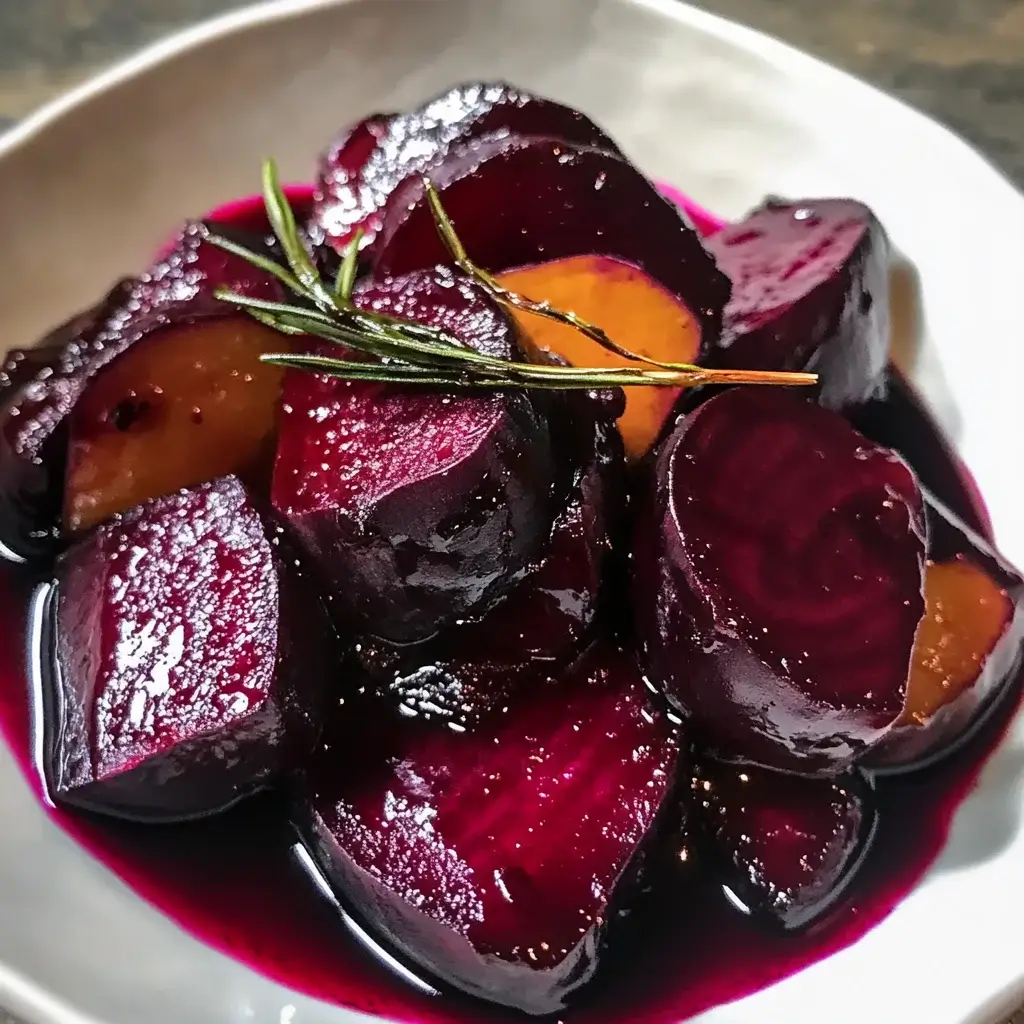

For years, beets and I had a… complicated relationship. Let’s just say they weren’t exactly gracing my dinner table on a regular basis. My childhood memories of earthy, sometimes metallic-tasting beets left a lasting impression (and not a good one!). So, when I first encountered the idea of Balsamic Glazed Beets, I was skeptical, to say the least. Could a simple glaze really transform this polarizing root vegetable into something…delicious? Intrigued by the promise of a sweet and tangy counterpoint to the beet’s natural earthiness, I decided to take the plunge. And oh, am I glad I did! The transformation was nothing short of miraculous. Roasting the beets brought out their natural sweetness, mellowing any lingering earthiness. Then, the balsamic glaze – a simple reduction of balsamic vinegar and a touch of sweetness – elevated them to a whole new level. The glaze caramelized beautifully, creating a luscious, glossy coating that was both visually stunning and incredibly flavorful. The tangy balsamic perfectly balanced the sweetness of the beets, creating a symphony of flavors that danced on my palate. Even my kids, notorious vegetable skeptics, were surprisingly enthusiastic! These Balsamic Glazed Beets are now a regular side dish in our home, a testament to the power of simple ingredients and clever cooking techniques. If you’re a beet skeptic like I once was, or simply looking for a delicious and elegant way to prepare beets, you absolutely must try this recipe. Prepare to be converted!
Ingredients: Simple, Fresh, and Flavorful
The beauty of Balsamic Glazed Beets lies in its simplicity. You only need a handful of fresh, high-quality ingredients to create a truly exceptional side dish. Here’s what you’ll need:
- 1 ½ pounds fresh beets, about 4-6 medium beets: Choose beets that are firm, smooth, and free of blemishes. You can use red beets, golden beets, or a mix for a beautiful presentation. Fresh beets are key for the best flavor and texture.
- 2 tablespoons olive oil: For roasting the beets and adding a touch of richness. Extra virgin olive oil is recommended for its flavor and health benefits.
- Salt and freshly ground black pepper: Essential for seasoning and enhancing the natural flavors of the beets. Kosher salt or sea salt is preferred for its clean taste.
- ½ cup balsamic vinegar: The star of the glaze! Use good quality balsamic vinegar for the best flavor. A thicker, syrupy balsamic will reduce more quickly and create a richer glaze.
- 2 tablespoons honey or maple syrup: Adds a touch of sweetness to balance the tanginess of the balsamic vinegar and create a glossy glaze. Honey or maple syrup both work wonderfully; choose your preference or dietary needs.
- 1 tablespoon butter (optional, for extra richness): Adds a luxurious richness and shine to the glaze. This is optional but highly recommended for an extra touch of indulgence. Vegan butter can also be used.
- Fresh thyme sprigs (optional, for aroma and garnish): Adds a subtle herbal aroma and a beautiful garnish. Fresh thyme complements the beets and balsamic vinegar perfectly.
- Crumbled goat cheese or feta cheese (optional, for serving): Adds a creamy, tangy counterpoint to the sweet and savory beets. Optional for serving but highly recommended for added flavor and texture complexity.
- Chopped fresh parsley or chives (optional, for garnish): Adds a pop of fresh green color and herbaceous flavor as a final garnish.
Instructions: Roasting and Glazing to Perfection
Making Balsamic Glazed Beets is surprisingly easy. It primarily involves roasting the beets to tender perfection and then creating a simple, flavorful balsamic glaze. Here’s a step-by-step guide:
Step 1: Prepare the Beets
- Preheat Oven: Preheat your oven to 400°F (200°C).
- Wash and Trim Beets: Thoroughly wash the beets under cold water to remove any dirt. Trim off the beet greens, leaving about 1 inch of stem attached to prevent the beets from bleeding during roasting. You can also trim the root end slightly.
- Peel (Optional, but Recommended): Peeling beets before roasting is optional, but it is generally recommended for Balsamic Glazed Beets as it allows the glaze to penetrate the beets more effectively and creates a smoother texture. Use a vegetable peeler to remove the skin. If you prefer to leave the skins on, scrub the beets very well. Note that beet skins can sometimes be slightly bitter.
- Cut Beets (Optional for smaller beets, recommended for larger): If using smaller beets, you can roast them whole. For larger beets, cut them into halves or quarters to ensure even cooking and faster roasting time. Cutting them into roughly equal sizes is important for even cooking.
Step 2: Roast the Beets
- Toss with Olive Oil, Salt, and Pepper: In a medium bowl, toss the prepared beets with olive oil, salt, and freshly ground black pepper. Make sure the beets are evenly coated.
- Roast on Baking Sheet: Spread the beets in a single layer on a baking sheet. If you want to minimize cleanup, you can line the baking sheet with parchment paper or aluminum foil.
- Roast Until Tender: Roast in the preheated oven for 40-60 minutes, or until the beets are easily pierced with a fork. The roasting time will vary depending on the size of the beets. Check for doneness after 40 minutes and continue roasting as needed. Smaller pieces will cook faster.
- Let Cool Slightly: Once the beets are tender, remove them from the oven and let them cool slightly. This makes them easier to handle for glazing.
Step 3: Make the Balsamic Glaze
- Combine Balsamic Vinegar and Sweetener: While the beets are roasting, prepare the balsamic glaze. In a small saucepan, combine the balsamic vinegar and honey (or maple syrup).
- Simmer and Reduce: Bring the mixture to a simmer over medium heat. Reduce the heat to low and simmer gently, uncovered, for 10-15 minutes, or until the glaze has thickened and reduced by about half. It should be syrupy and able to coat the back of a spoon. Stir occasionally to prevent sticking.
- Stir in Butter (Optional): If using butter, remove the saucepan from the heat and stir in the butter until it is melted and incorporated into the glaze. This will add richness and shine.
Step 4: Glaze the Beets and Serve
- Add Beets to Glaze: Add the roasted beets to the saucepan with the balsamic glaze. Toss gently to coat the beets evenly with the glaze.
- Heat Through (Optional): If you want to serve the beets warm, you can gently heat them in the glaze over low heat for a few minutes, stirring occasionally, until heated through. Be careful not to overheat and burn the glaze.
- Serve and Garnish: Transfer the Balsamic Glazed Beets to a serving dish. Garnish with fresh thyme sprigs (optional), crumbled goat cheese or feta cheese (optional), and chopped fresh parsley or chives (optional). Serve warm or at room temperature.
Nutrition Facts: Healthy and Delicious
Balsamic Glazed Beets are not only a flavorful side dish but also a nutritious one! Beets are packed with vitamins, minerals, and antioxidants. Here’s an estimated nutritional breakdown:
- Servings: Approximately 4-6 servings (depending on portion size)
- Calories per Serving (estimated): Approximately 150-200 calories (This is an estimate and can vary based on specific ingredients and portion sizes, especially the amount of glaze used).
Key Nutritional Highlights (per serving, approximate):
- Excellent Source of Folate: Beets are rich in folate (vitamin B9), which is important for cell growth and function.
- Good Source of Potassium: Potassium is an essential electrolyte that helps regulate blood pressure and muscle function.
- Rich in Fiber: Beets provide dietary fiber, which aids digestion, promotes satiety, and helps regulate blood sugar levels.
- Antioxidant Powerhouse: Beets are a good source of antioxidants, including betalains, which give them their vibrant color and may have anti-inflammatory and antioxidant properties.
- Vitamins and Minerals: Beets also contain vitamin C, iron, manganese, and other essential nutrients.
- Relatively Low in Fat and Calories: Naturally low in fat and calories, making them a healthy addition to your diet.
Disclaimer: Nutritional information is an estimate and may vary based on specific ingredients used and portion sizes. For precise nutritional information, use a nutrition calculator and input the exact ingredients you use. The added honey or maple syrup in the glaze will contribute to the calorie and sugar content.
Preparation Time: Quick and Easy
Balsamic Glazed Beets are relatively quick to prepare, especially considering the impressive flavor and presentation. Here’s a breakdown of the preparation time:
- Prep Time: Approximately 20-25 minutes (This includes washing, trimming, peeling, and chopping beets, and measuring ingredients for the glaze).
- Cook Time: Approximately 40-60 minutes (Roasting time for the beets, plus 10-15 minutes for the glaze reduction).
- Total Time: Approximately 1 hour – 1 hour 25 minutes
Make-Ahead Options:
- Roast Beets in Advance: You can roast the beets up to 2 days ahead of time and store them in the refrigerator. Reheat them gently in the glaze before serving.
- Make Glaze Ahead: The balsamic glaze can be made up to 3 days in advance and stored in an airtight container in the refrigerator. Reheat gently before glazing the beets.
- Assemble Ahead and Reheat: You can roast and glaze the beets completely ahead of time and store them in the refrigerator. Reheat gently in the oven or microwave before serving. Note that the glaze might become slightly less glossy upon reheating but will still be delicious.
How to Serve: Elegant and Versatile
Balsamic Glazed Beets are incredibly versatile and can be served in a variety of ways, from elegant side dishes to components of larger meals.
Serving Suggestions:
- Classic Side Dish: Serve alongside roasted chicken, steak, pork, or fish for a vibrant and flavorful side dish.
- Vegetarian Main Course Component: Pair with grains like quinoa or farro and a protein source like lentils or chickpeas for a satisfying vegetarian meal.
- Salad Addition: Add sliced or chopped Balsamic Glazed Beets to salads for a burst of sweetness and color. They pair beautifully with mixed greens, goat cheese, walnuts, and citrus vinaigrettes.
- Appetizer or Starter: Serve as a warm appetizer or starter, perhaps with toothpicks for easy serving, or atop crostini with goat cheese.
- Holiday Table Staple: A beautiful and delicious addition to holiday menus, especially Thanksgiving or Christmas dinners.
- Part of a Roasted Vegetable Platter: Include Balsamic Glazed Beets as part of a colorful roasted vegetable platter with other root vegetables like carrots, parsnips, and sweet potatoes.
Delicious Pairings:
- Goat Cheese or Feta Cheese: The tangy creaminess of goat cheese or feta is a classic pairing with beets, complementing their sweetness and earthiness.
- Walnuts or Pecans: Toasted walnuts or pecans add a delightful crunch and nutty flavor that pairs well with beets and balsamic.
- Citrus: A squeeze of fresh lemon or orange juice, or a citrus vinaigrette, brightens up the dish and complements the balsamic glaze.
- Fresh Herbs: Thyme, rosemary, parsley, and chives all pair beautifully with beets and balsamic.
Garnish Ideas:
- Crumbled Goat Cheese or Feta Cheese: As mentioned, a classic and delicious garnish.
- Toasted Walnuts or Pecans: Adds texture and nutty flavor.
- Fresh Thyme Sprigs: Aromatic and visually appealing.
- Chopped Fresh Parsley or Chives: Adds freshness and color.
- Balsamic Glaze Drizzle: For extra visual appeal and intense balsamic flavor, drizzle a little extra balsamic glaze over the beets before serving.
Additional Tips for Balsamic Glazed Beet Perfection
Here are five helpful tips to ensure your Balsamic Glazed Beets are absolutely perfect every time:
- Choose Beets of Similar Size: When roasting, try to select beets that are roughly the same size. This will ensure they cook evenly and are all tender at the same time. If you have beets of varying sizes, cut the larger ones into smaller pieces to match the smaller ones.
- Don’t Overcook the Glaze: Watch the balsamic glaze carefully while it’s simmering. It should thicken to a syrupy consistency but be careful not to overcook it, as it can become too thick and sticky or even burn. It will continue to thicken slightly as it cools.
- Taste and Adjust Glaze Sweetness: Taste the balsamic glaze as it reduces and adjust the amount of honey or maple syrup to your liking. If you prefer a tangier glaze, use less sweetener. If you prefer a sweeter glaze, add a little more.
- Roast Beets Until Truly Tender: Ensure the beets are fully cooked and tender before glazing. They should be easily pierced with a fork with no resistance. Undercooked beets will be tough and not as enjoyable.
- Use Good Quality Balsamic Vinegar: The quality of your balsamic vinegar will significantly impact the flavor of the glaze. Invest in a decent quality balsamic vinegar for the best results. A thicker, syrupy balsamic will create a richer and more flavorful glaze.
FAQ: Your Balsamic Glazed Beet Questions Answered
Here are some frequently asked questions about Balsamic Glazed Beets to help you confidently prepare this delicious dish:
Q1: Can I use pre-cooked beets for this recipe?
A: Yes, you can use pre-cooked beets to save time, especially if you are short on time. You can find pre-cooked beets in the produce section of most grocery stores, often vacuum-packed. Simply skip the roasting step and proceed directly to making the balsamic glaze and glazing the pre-cooked beets. Gently warm the pre-cooked beets through in the glaze.
Q2: Can I use different sweeteners in the glaze?
A: Yes, you can experiment with different sweeteners in the balsamic glaze. Maple syrup and honey are classic choices, but you could also use agave nectar, brown sugar, or even a sugar substitute if desired. Keep in mind that different sweeteners will have slightly different flavor profiles.
Q3: Can I add other flavors to the balsamic glaze?
A: Absolutely! Feel free to customize the balsamic glaze to your liking. You could add a clove of minced garlic, a pinch of red pepper flakes for a touch of heat, a sprig of rosemary or thyme for herbal notes, or a splash of orange juice or red wine for added complexity.
Q4: How long do Balsamic Glazed Beets last in the refrigerator?
A: Balsamic Glazed Beets will keep well in an airtight container in the refrigerator for up to 3-4 days. Reheat gently in the microwave or oven before serving. The glaze may thicken slightly upon refrigeration, but it will loosen up when reheated.
Q5: Can I make Balsamic Glazed Beets vegan?
A: Yes, Balsamic Glazed Beets are easily vegan. Simply ensure you use maple syrup or agave nectar instead of honey in the glaze, and omit the optional butter in the glaze and goat cheese/feta cheese garnish. Olive oil is naturally vegan.
Enjoy creating and serving these elegant and flavorful Balsamic Glazed Beets! They are a wonderful way to enjoy the nutritional benefits and delicious taste of beets, even for those who might have been beet-skeptics in the past.
Print
Balsamic Glazed Beets recipe
Ingredients
- 1 ½ pounds fresh beets, about 4–6 medium beets: Choose beets that are firm, smooth, and free of blemishes. You can use red beets, golden beets, or a mix for a beautiful presentation. Fresh beets are key for the best flavor and texture.
- 2 tablespoons olive oil: For roasting the beets and adding a touch of richness. Extra virgin olive oil is recommended for its flavor and health benefits.
- Salt and freshly ground black pepper: Essential for seasoning and enhancing the natural flavors of the beets. Kosher salt or sea salt is preferred for its clean taste.
- ½ cup balsamic vinegar: The star of the glaze! Use good quality balsamic vinegar for the best flavor. A thicker, syrupy balsamic will reduce more quickly and create a richer glaze.
- 2 tablespoons honey or maple syrup: Adds a touch of sweetness to balance the tanginess of the balsamic vinegar and create a glossy glaze. Honey or maple syrup both work wonderfully; choose your preference or dietary needs.
- 1 tablespoon butter (optional, for extra richness): Adds a luxurious richness and shine to the glaze. This is optional but highly recommended for an extra touch of indulgence. Vegan butter can also be used.
- Fresh thyme sprigs (optional, for aroma and garnish): Adds a subtle herbal aroma and a beautiful garnish. Fresh thyme complements the beets and balsamic vinegar perfectly.
- Crumbled goat cheese or feta cheese (optional, for serving): Adds a creamy, tangy counterpoint to the sweet and savory beets. Optional for serving but highly recommended for added flavor and texture complexity.
- Chopped fresh parsley or chives (optional, for garnish): Adds a pop of fresh green color and herbaceous flavor as a final garnish.
Instructions
Step 1: Prepare the Beets
- Preheat Oven: Preheat your oven to 400°F (200°C).
- Wash and Trim Beets: Thoroughly wash the beets under cold water to remove any dirt. Trim off the beet greens, leaving about 1 inch of stem attached to prevent the beets from bleeding during roasting. You can also trim the root end slightly.
- Peel (Optional, but Recommended): Peeling beets before roasting is optional, but it is generally recommended for Balsamic Glazed Beets as it allows the glaze to penetrate the beets more effectively and creates a smoother texture. Use a vegetable peeler to remove the skin. If you prefer to leave the skins on, scrub the beets very well. Note that beet skins can sometimes be slightly bitter.
- Cut Beets (Optional for smaller beets, recommended for larger): If using smaller beets, you can roast them whole. For larger beets, cut them into halves or quarters to ensure even cooking and faster roasting time. Cutting them into roughly equal sizes is important for even cooking.
Step 2: Roast the Beets
- Toss with Olive Oil, Salt, and Pepper: In a medium bowl, toss the prepared beets with olive oil, salt, and freshly ground black pepper. Make sure the beets are evenly coated.
- Roast on Baking Sheet: Spread the beets in a single layer on a baking sheet. If you want to minimize cleanup, you can line the baking sheet with parchment paper or aluminum foil.
- Roast Until Tender: Roast in the preheated oven for 40-60 minutes, or until the beets are easily pierced with a fork. The roasting time will vary depending on the size of the beets. Check for doneness after 40 minutes and continue roasting as needed. Smaller pieces will cook faster.
- Let Cool Slightly: Once the beets are tender, remove them from the oven and let them cool slightly. This makes them easier to handle for glazing.
Step 3: Make the Balsamic Glaze
- Combine Balsamic Vinegar and Sweetener: While the beets are roasting, prepare the balsamic glaze. In a small saucepan, combine the balsamic vinegar and honey (or maple syrup).
- Simmer and Reduce: Bring the mixture to a simmer over medium heat. Reduce the heat to low and simmer gently, uncovered, for 10-15 minutes, or until the glaze has thickened and reduced by about half. It should be syrupy and able to coat the back of a spoon. Stir occasionally to prevent sticking.
- Stir in Butter (Optional): If using butter, remove the saucepan from the heat and stir in the butter until it is melted and incorporated into the glaze. This will add richness and shine.
Step 4: Glaze the Beets and Serve
- Add Beets to Glaze: Add the roasted beets to the saucepan with the balsamic glaze. Toss gently to coat the beets evenly with the glaze.
- Heat Through (Optional): If you want to serve the beets warm, you can gently heat them in the glaze over low heat for a few minutes, stirring occasionally, until heated through. Be careful not to overheat and burn the glaze.
- Serve and Garnish: Transfer the Balsamic Glazed Beets to a serving dish. Garnish with fresh thyme sprigs (optional), crumbled goat cheese or feta cheese (optional), and chopped fresh parsley or chives (optional). Serve warm or at room temperature.
Nutrition
- Serving Size: one normal portion
- Calories: 150-200